
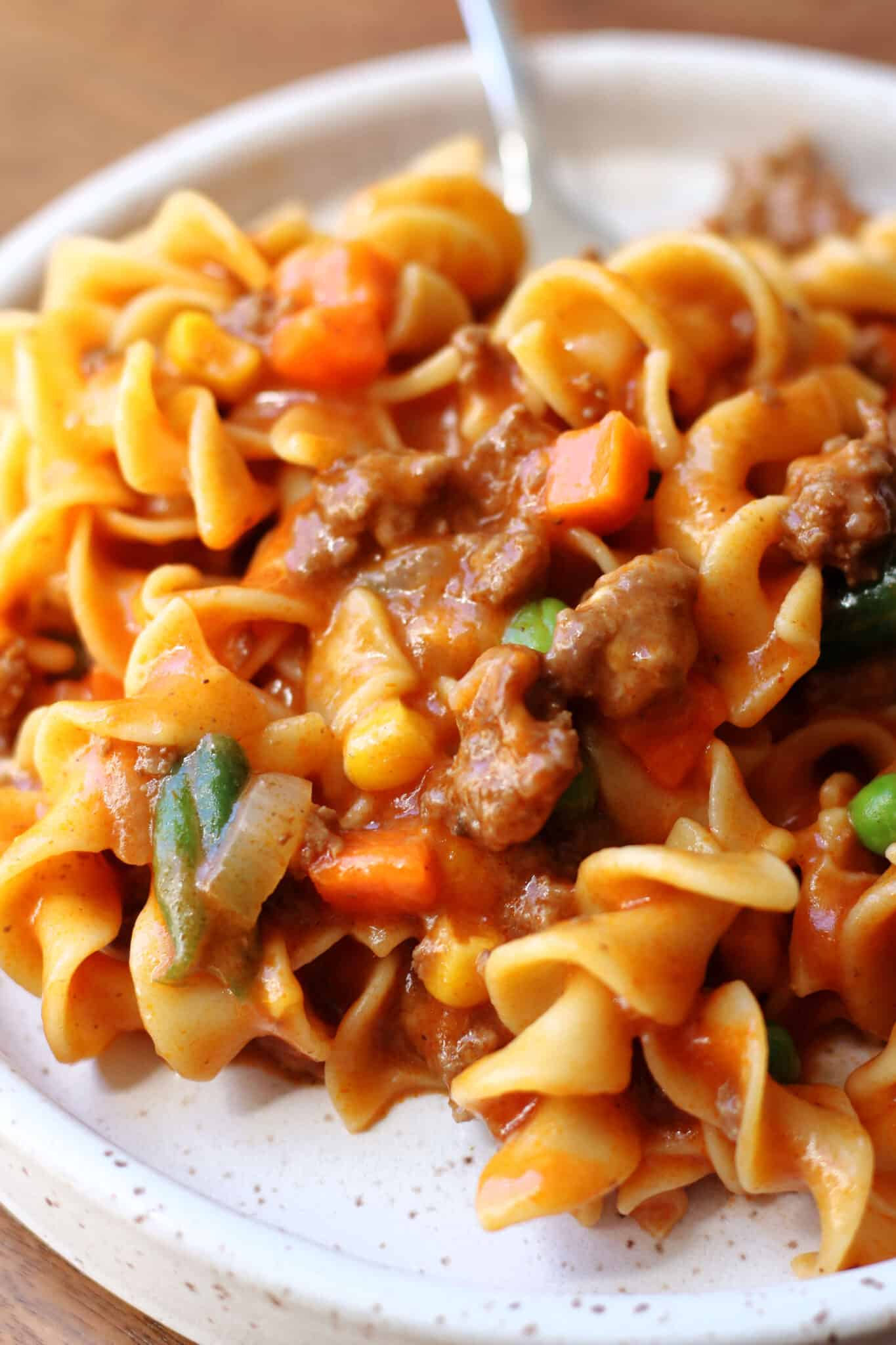
Texas Beef Casserole represents a significant intersection of regional American culinary tradition and the modern technological evolution of the domestic kitchen. This dish, primarily characterized by its use of ground beef, egg noodles, tomato sauce, and a customizable array of vegetables, has emerged as a staple in the "one-pot" cooking movement. By utilizing contemporary appliances such as the Instant Pot and the traditional slow cooker, the recipe addresses the increasing demand for high-efficiency, nutrient-dense meals that provide emotional comfort without the time-intensive labor traditionally associated with homemade casseroles. As home cooks pivot away from highly processed boxed alternatives, the Texas Beef Casserole stands as a premier example of the "homemade-convenience" hybrid, offering a flavor profile that balances the sweetness of tomato and ketchup with the piquancy of hot sauce and chili powder.
The Architectural Foundation of the Texas Beef Casserole
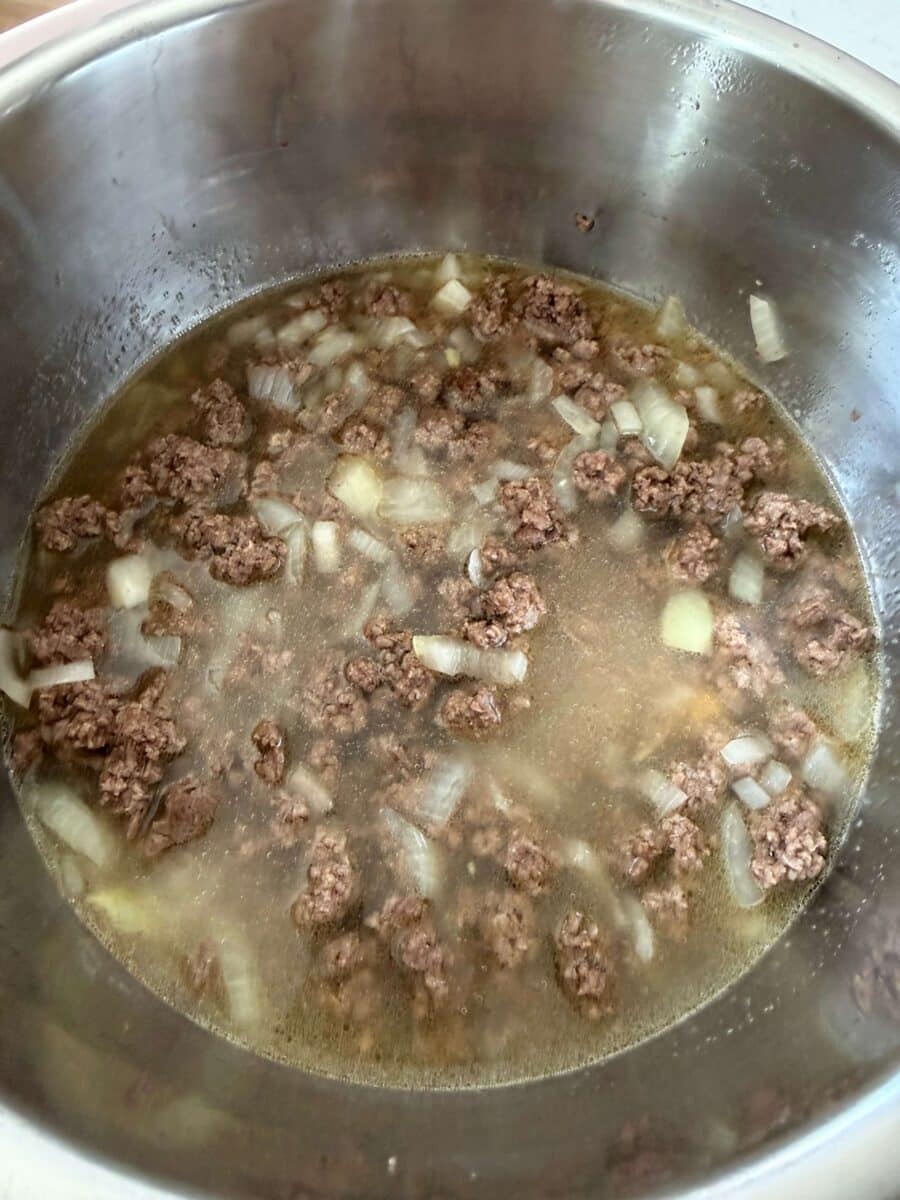
The composition of the Texas Beef Casserole is rooted in the "dump-and-go" philosophy, a culinary strategy designed to minimize active preparation time. The core protein, ground beef, serves as the structural base, typically browned with aromatics such as onions and seasoned with specialized blends like Lawry’s Seasoned Salt. This foundational step is critical for developing the Maillard reaction, which provides the deep, savory undertones necessary to support the more acidic components of the sauce.
The integration of egg noodles represents a departure from the rice or potato bases often found in Midwestern hotdishes. Egg noodles are favored for their ability to maintain structural integrity under the high-pressure environment of an Instant Pot or the prolonged heat of a slow cooker. The sauce, a mixture of tomato sauce and ketchup, provides a nostalgic flavor profile reminiscent of mid-20th-century American comfort food, while the addition of chili powder and hot sauce introduces a regional "Texas" flair—a nod to the bold, heat-forward preferences of the Southwestern United States.
Chronology of the One-Pot Cooking Revolution
The rise of the Texas Beef Casserole can be traced through a distinct timeline of American domestic history, reflecting broader shifts in labor, technology, and nutrition.
- The Mid-Century Casserole Era (1950s–1960s): Following World War II, the rise of processed canned goods led to the "Golden Age of Casseroles." These dishes were designed to be economical and utilize the new abundance of shelf-stable ingredients.
- The Rise of the Boxed Meal (1970s–1980s): Products like "Hamburger Helper" revolutionized the weeknight dinner by providing a pre-measured seasoning and pasta kit. While convenient, these products often relied heavily on sodium and artificial preservatives.
- The Slow Cooker Resurgence (1990s–2000s): As more dual-income households sought ways to manage time, the Crock-Pot became a essential tool for "set-it-and-forget-it" meals.
- The Instant Pot Phenomenon (2010s–Present): The introduction of the multi-functional pressure cooker allowed for the rapid preparation of complex dishes. The Texas Beef Casserole adapted perfectly to this technology, reducing a four-hour slow cooker process to a one-minute active pressure-cook cycle.
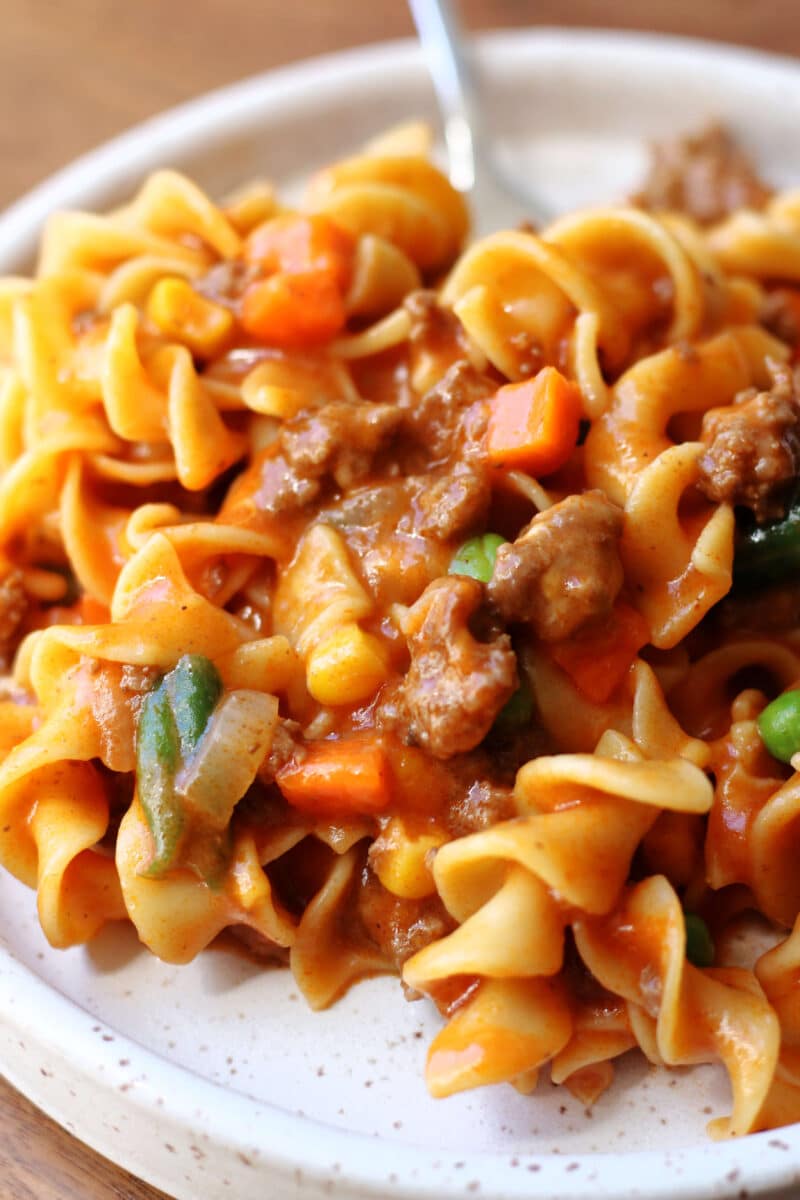
- The Modern Customization Trend (2020s): Current culinary movements emphasize "cleaning out the crisper." The Texas Beef Casserole has evolved into a flexible template, allowing for the inclusion of various frozen vegetables such as peas, corn, or broccoli, thereby addressing both food waste and nutritional balance.
Technical Analysis of Preparation Methods
The Texas Beef Casserole is unique in its dual-compatibility with different cooking technologies, each requiring a specific chemical and thermal approach.
Instant Pot Methodology
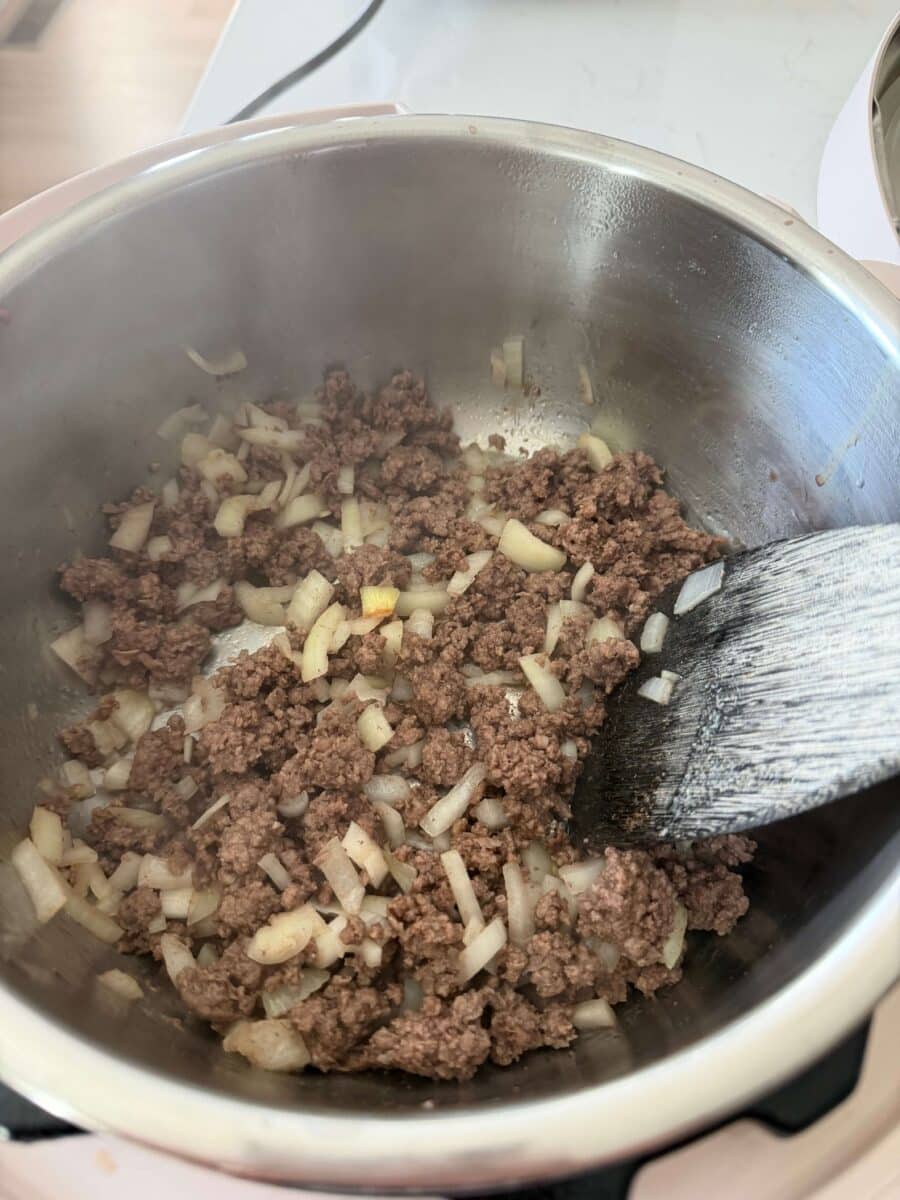
In the Instant Pot, the process begins with the "Sauté" function. This high-heat phase is essential for rendering fat from the beef and softening the onions. Once the beef is browned and excess grease is removed, the introduction of beef broth serves a dual purpose: it deglazes the pot to prevent "Burn" warnings and provides the liquid necessary for the pressure-cooking phase.
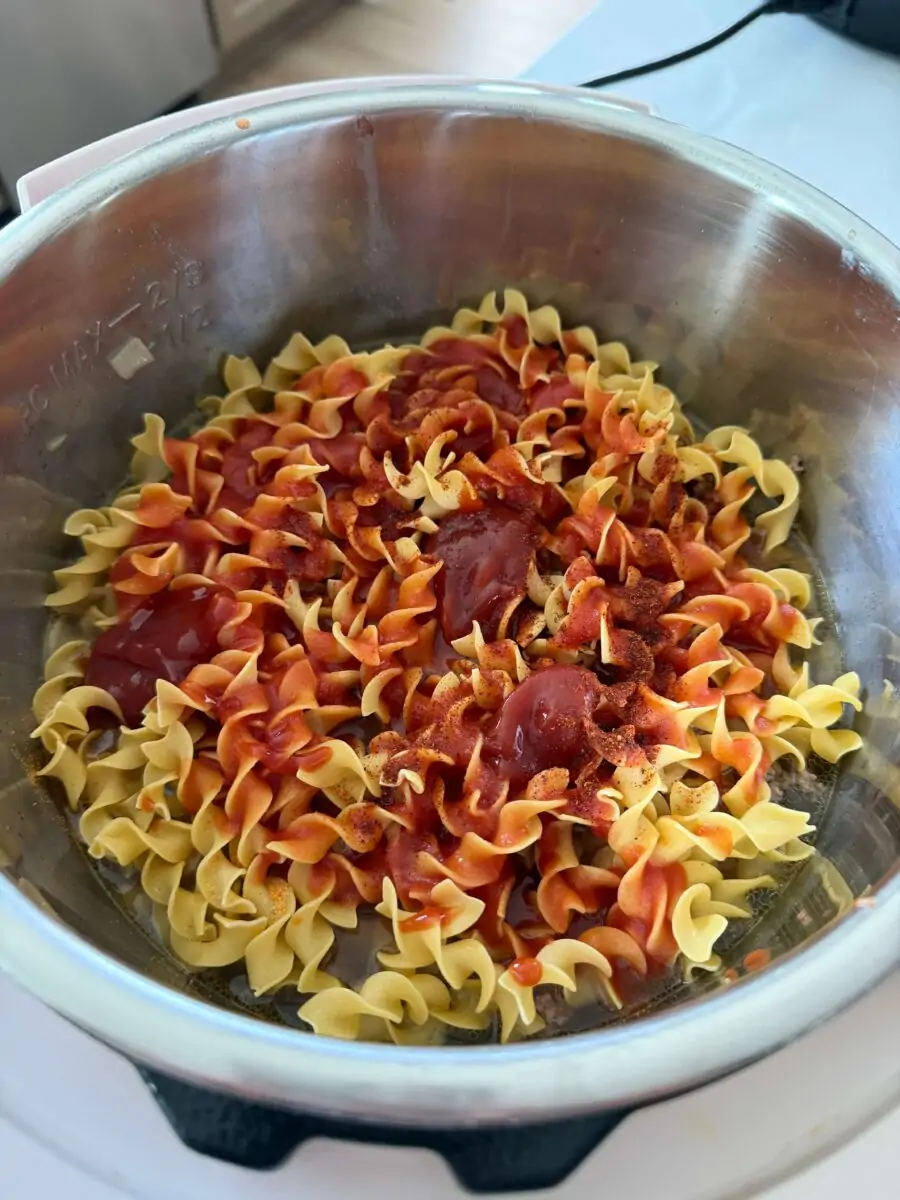
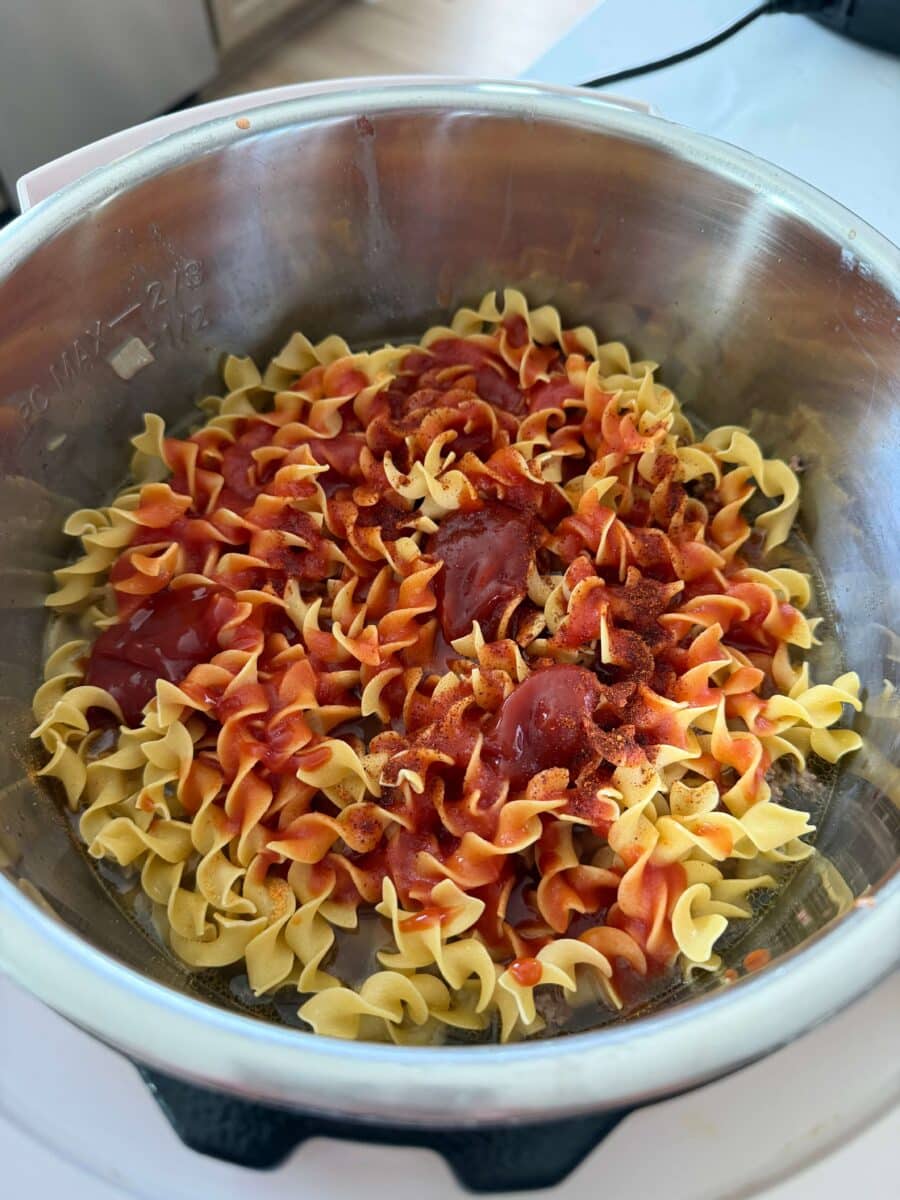
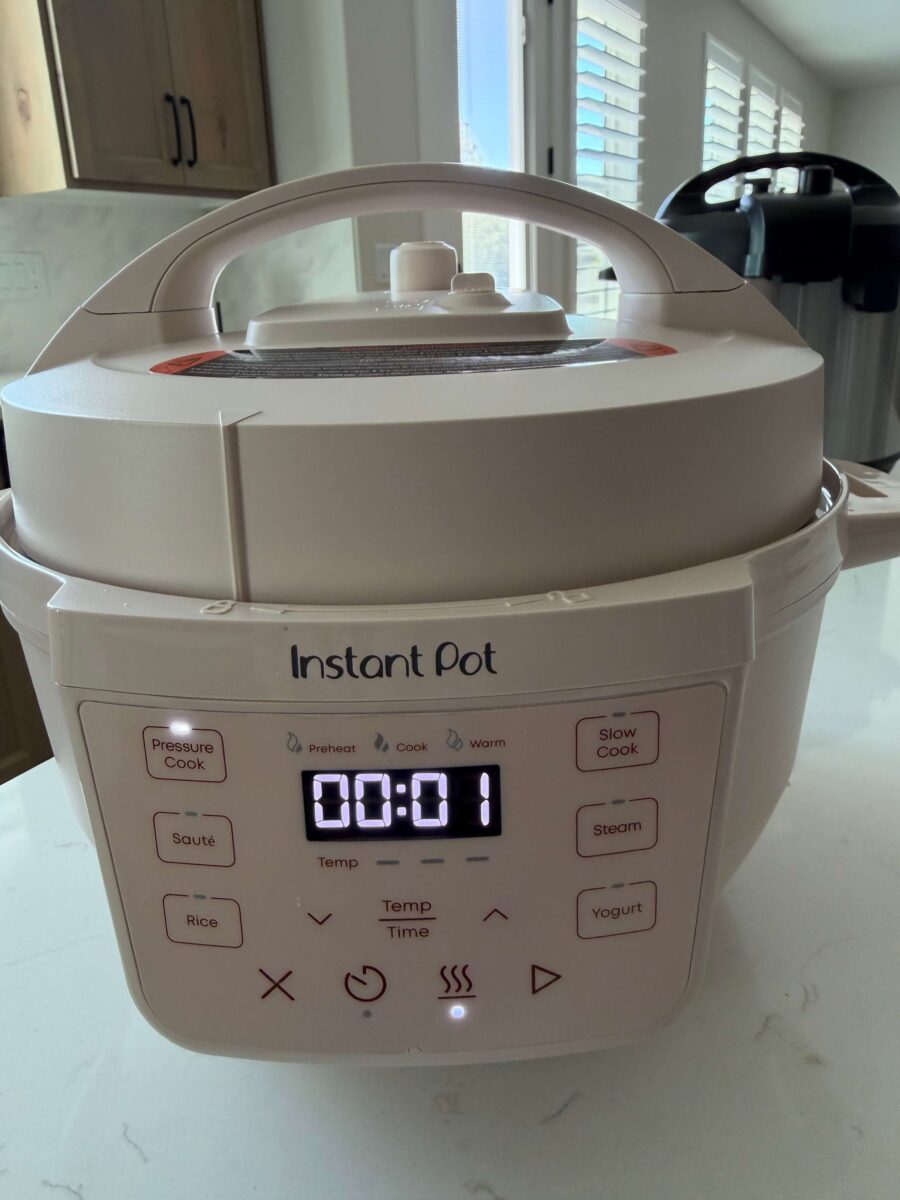
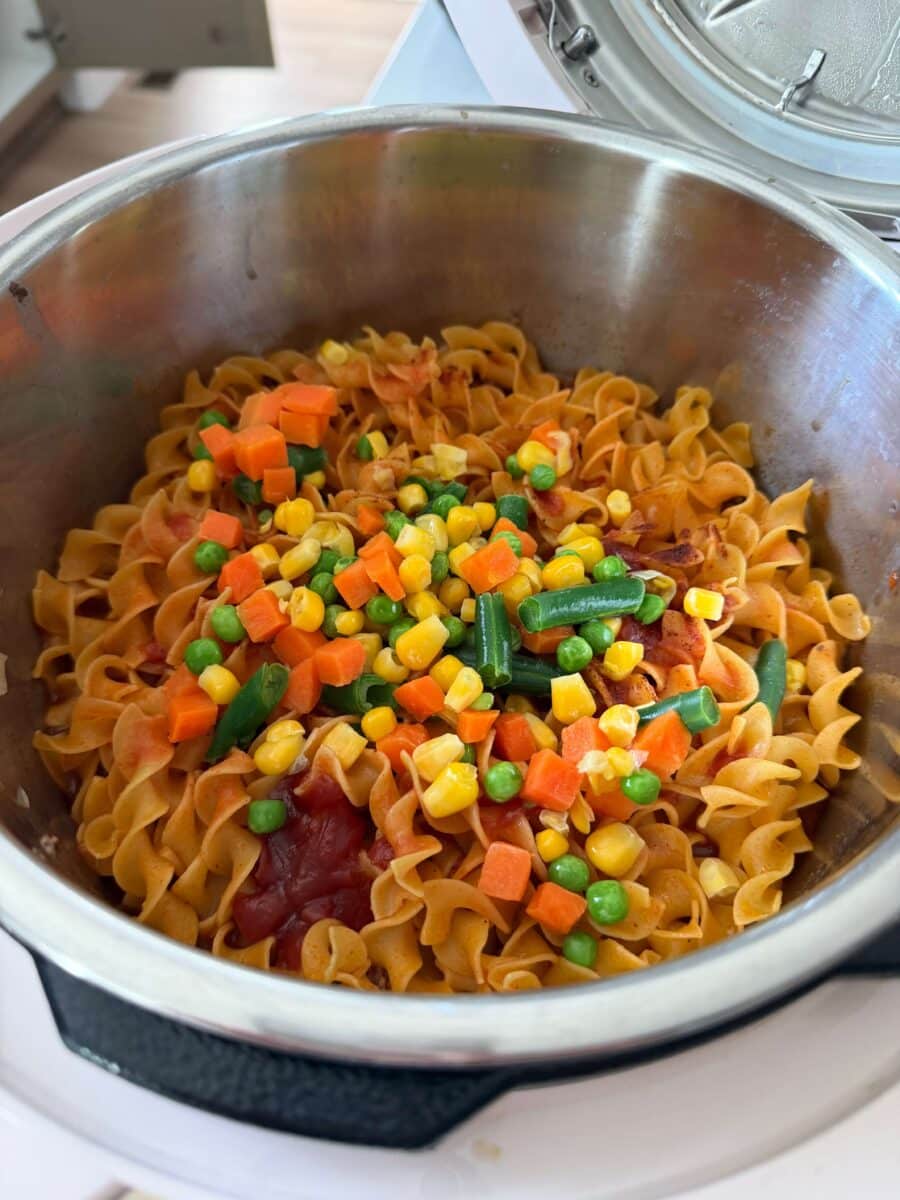
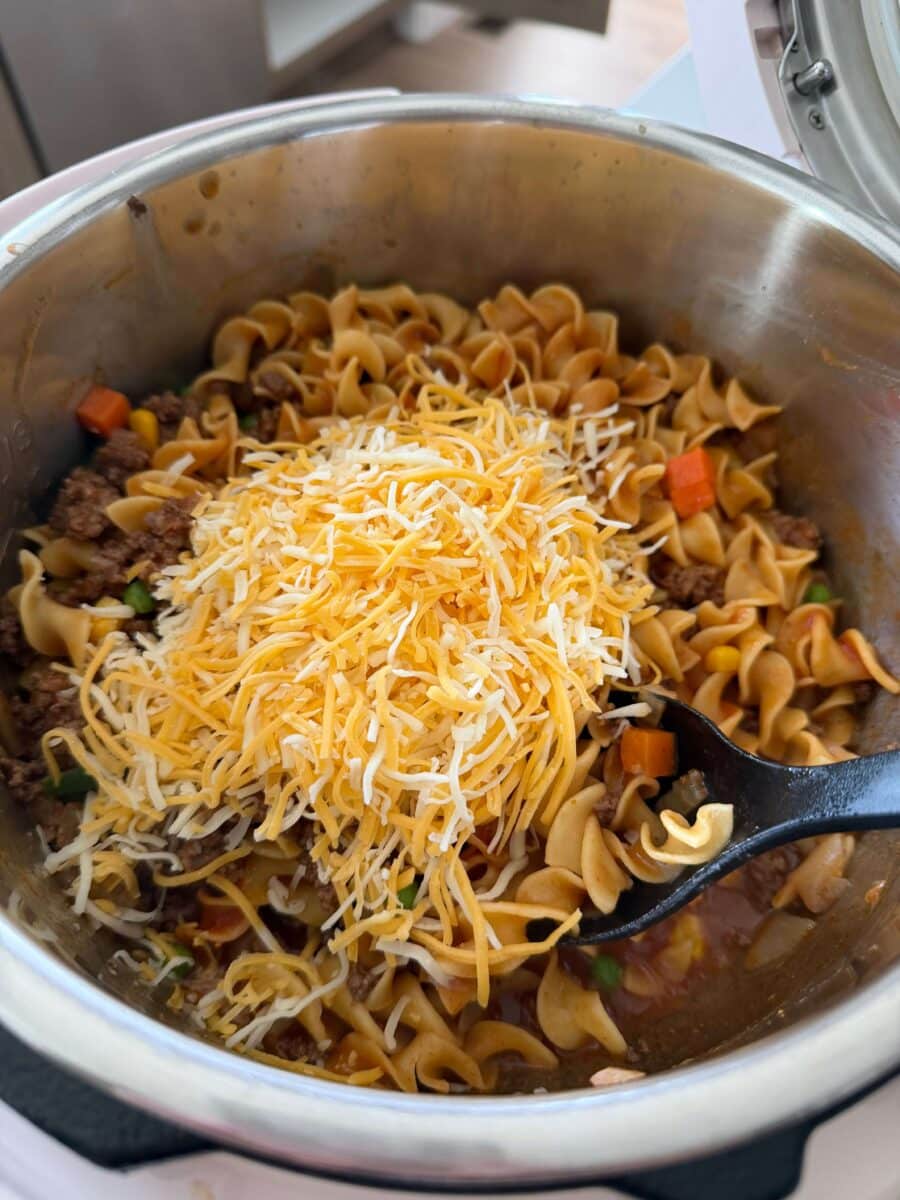
The layering technique is paramount in pressure cooking. Noodles are placed atop the meat and broth, followed by the tomato-based sauce. This prevents the thick sauce from settling at the bottom and scorching. The actual pressure-cook time is remarkably brief—only one minute—relying on the residual heat during a five-minute natural release period to finish the noodles to an al dente texture. The final addition of frozen vegetables utilizes the "Keep Warm" setting, allowing the residual steam to thaw and heat the produce without overcooking it into a mushy consistency.
Slow Cooker Methodology
Conversely, the slow cooker method emphasizes the slow breakdown of flavors. While the beef must still be browned on a stovetop (or in a multi-cooker with a sear function) to ensure food safety and flavor development, the subsequent hours of low-heat simmering allow the seasonings to permeate the noodles more deeply. This method is often preferred by those who value the convenience of morning preparation for an evening meal.
Supporting Data: The Economics of the Home Kitchen
The popularity of dishes like the Texas Beef Casserole is supported by significant market data regarding consumer behavior. According to industry reports, the multi-cooker market was valued at approximately $720 million in 2023 and is projected to continue growing. This growth is driven by a "return to the kitchen" sentiment among millennials and Gen Z, who seek to replicate the comfort foods of their childhood but with greater control over ingredients.
Ground beef remains one of the most cost-effective proteins in the United States, particularly in the Texas region, which leads the nation in cattle production. By combining this affordable protein with shelf-stable pasta and frozen vegetables, the Texas Beef Casserole provides a high-volume, low-cost meal solution. Nutritional analysis suggests that the inclusion of frozen vegetables—often frozen at the peak of ripeness—ensures that the meal provides essential vitamins and fiber, countering the "empty calorie" reputation of traditional pasta dishes.
Statements and Reactions from the Culinary Community
While no official government body "regulates" the definition of a Texas Beef Casserole, culinary historians and home-cooking advocates have noted its cultural resonance. Karen Petersen, a prominent figure in the slow-cooking community and author of the "365 Days of Crockpot" series, has highlighted the dish’s flexibility as its greatest asset. Petersen notes that the ability to adjust heat levels—keeping it mild for children or adding extra hot sauce for adults—makes it a "family-friendly comfort meal" that bridges generational gaps.
Furthermore, proponents of the "dump-and-go" method argue that such recipes are vital for mental health. By reducing the cognitive load of meal planning and the physical labor of cleaning multiple pots and pans, these one-pot meals allow families to reclaim evening hours for social interaction rather than kitchen chores.
Broader Impact and Implications for Modern Living
The continued relevance of the Texas Beef Casserole has several implications for the future of domestic life and the food industry.
Addressing Time Poverty
Modern families are increasingly "time-poor," balancing professional demands with extracurricular and domestic responsibilities. The Texas Beef Casserole serves as a technological solution to a sociological problem. The efficiency of the one-minute pressure-cook cycle represents a pinnacle of human-centric design in the kitchen.
Sustainability and Food Waste
The recipe’s adaptability to "whatever vegetables you need to use up" aligns with global movements to reduce food waste. By providing a delicious framework for consuming aging produce or long-stored frozen goods, the dish contributes to a more sustainable household economy.
The Shift Toward "Real Food" Convenience
The Texas Beef Casserole represents a rejection of ultra-processed "kit" meals. While it mirrors the flavor of a boxed helper, the cook’s ability to select organic beef, low-sodium broth, and fresh aromatics represents a move toward "cleaner" eating without sacrificing the convenience that modern life demands.
Conclusion
Texas Beef Casserole is more than a simple dinner option; it is a cultural artifact that reflects the shifting priorities of the American household. It combines the bold, spicy heritage of Texas cuisine with the pragmatic needs of the 21st-century family. Through its clever use of modern appliances, its economic efficiency, and its nutritional flexibility, it has secured its place in the pantheon of contemporary comfort food. As kitchen technology continues to advance, the core principles of this dish—simplicity, warmth, and adaptability—will likely ensure its presence on dinner tables for generations to come.
