
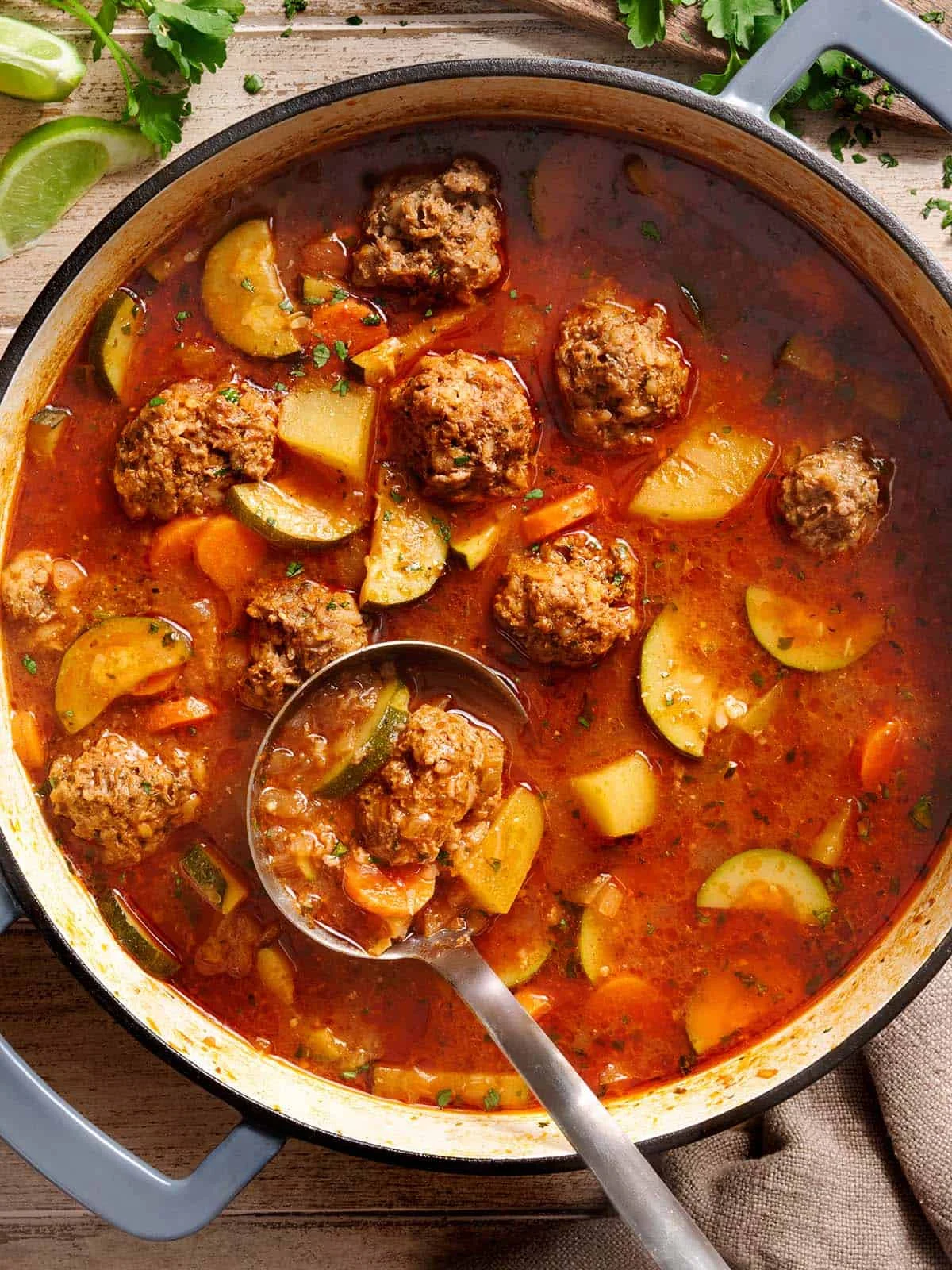
The culinary landscape of North America continues to be shaped by the enduring popularity of traditional Mexican comfort foods, with Mexican Meatball Soup, or Albondigas, emerging as a primary example of how historical recipes adapt to modern dietary and economic needs. This traditional dish, characterized by its savory broth, tender meatballs, and nutrient-dense vegetable profile, has recently seen a resurgence in home kitchens as consumers seek out cost-effective, health-conscious, and culturally rich meal options. Developed and refined in specialized test kitchens, such as the facility in Nashville, Tennessee, modern iterations of this soup prioritize accessibility and dietary inclusivity, specifically through the replacement of traditional breadcrumb binders with uncooked rice. This modification not only serves as a budget-friendly alternative but also renders the dish gluten-free, catering to a growing segment of the population with specific allergen requirements.
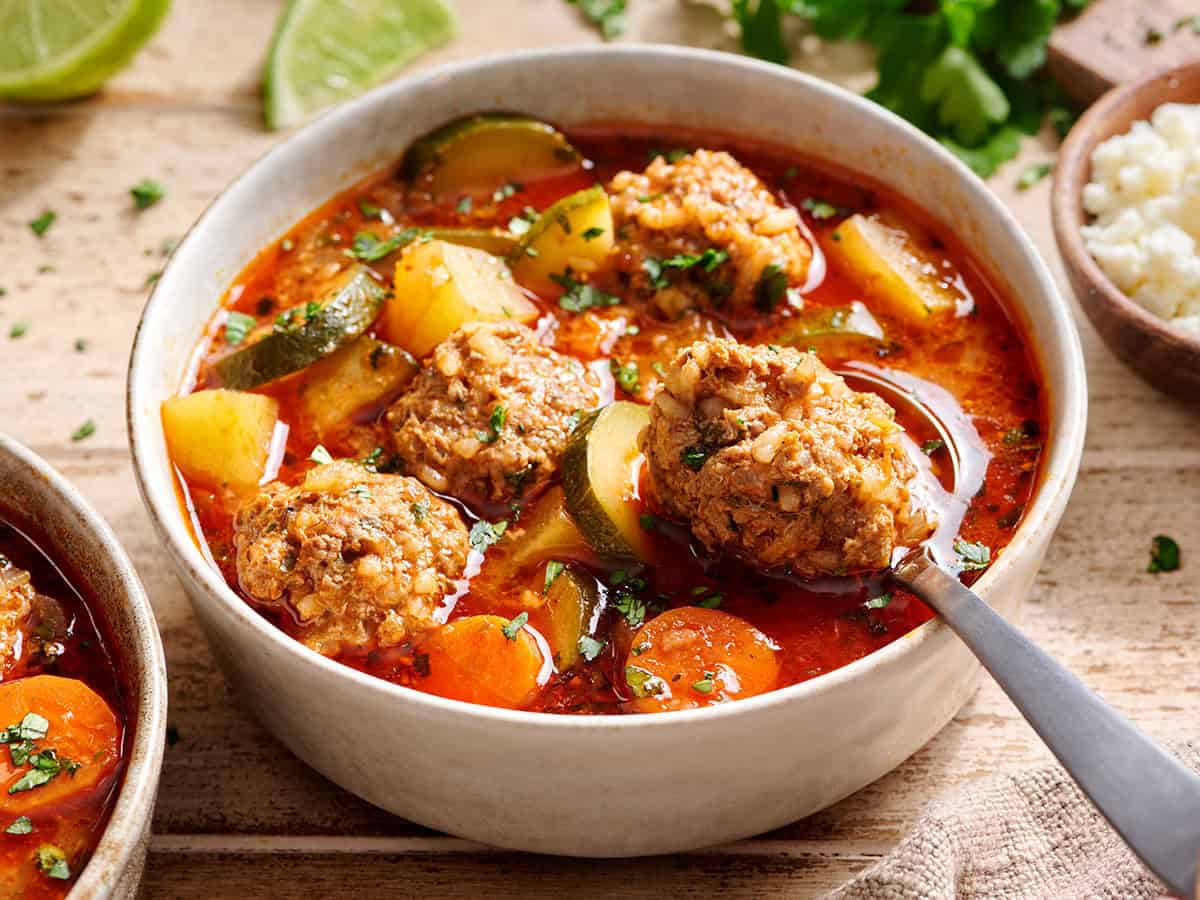
The Historical Context and Etymology of Albondigas
The history of albondigas is a testament to the global migration of culinary techniques and ingredients. The word "albondiga" is derived from the Arabic term al-bunduq, which translates to "the hazelnut" or "small round object," referring specifically to the shape of the meatball. This culinary concept was introduced to the Iberian Peninsula during the period of Islamic rule in Spain. Over centuries, these Spanish meatballs evolved, incorporating local spices and meats.
Following the Spanish colonization of the Americas, the dish was introduced to Mexico. In the Mexican culinary tradition, the meatball was transformed from a standalone protein or tapa into the centerpiece of a hearty soup. This evolution involved the integration of indigenous New World ingredients, such as tomatoes, squash (zucchini), and potatoes, creating the "sopa de albondigas" recognized today. Unlike the denser, sauce-heavy meatballs found in Italian-American cuisine, Mexican albondigas are typically lighter, simmered directly in a tomato-infused beef broth, which allows the flavors of the meat and the surrounding vegetables to meld into a cohesive, layered profile.
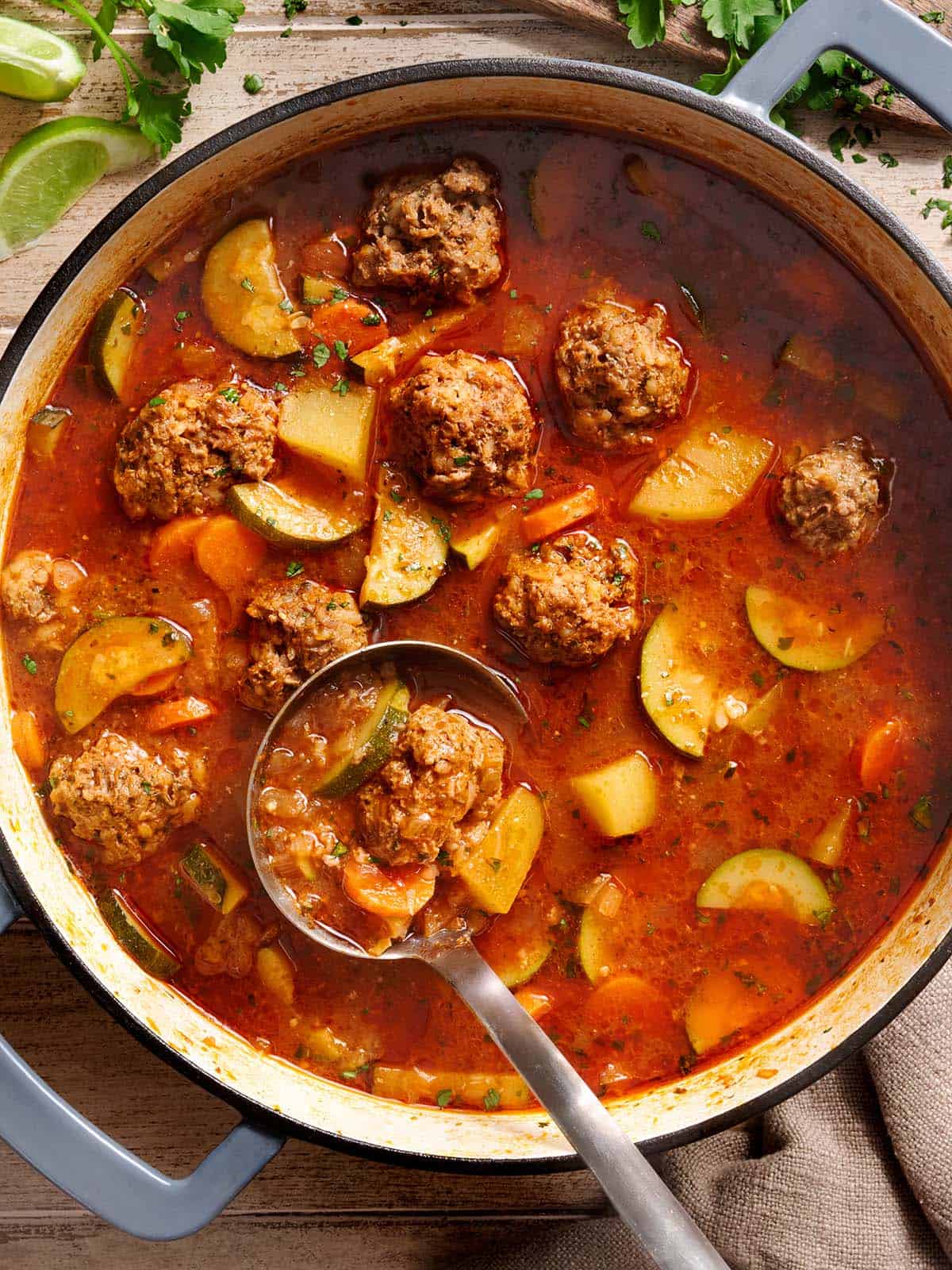
The Science of the Recipe: Nashville Test Kitchen Standards
The development of a standardized Mexican Meatball Soup recipe requires rigorous testing to ensure consistency across various home cooking environments. In professional settings like the Nashville Test Kitchen, recipes undergo multiple iterations to balance flavor, texture, and cost. One of the most significant technical aspects of this soup is the use of uncooked white rice within the meatball mixture.
From a food science perspective, the rice serves a dual purpose. First, it acts as a binder, providing structural integrity to the ground beef as it simmers. Second, as the rice absorbs the surrounding juices from the meat and the broth, it expands, resulting in a tender, "plump" texture that contrasts with the more compact nature of breadcrumb-bound meatballs. This technique requires precise timing; the meatballs must be simmered long enough for the rice to reach a soft consistency without the exterior of the meat becoming overcooked or the vegetables losing their structural integrity.
Economic Analysis: Cost Per Serving and Market Trends
In the current economic climate, characterized by fluctuating grocery prices and inflation, the affordability of home-cooked meals has become a focal point for many households. Data from the Nashville Test Kitchen indicates that a full recipe of Mexican Meatball Soup, yielding six generous portions, costs approximately $12.78. This breaks down to a cost of $2.13 per serving, a figure significantly lower than the average cost of a fast-casual meal in the United States, which typically ranges from $10.00 to $15.00.
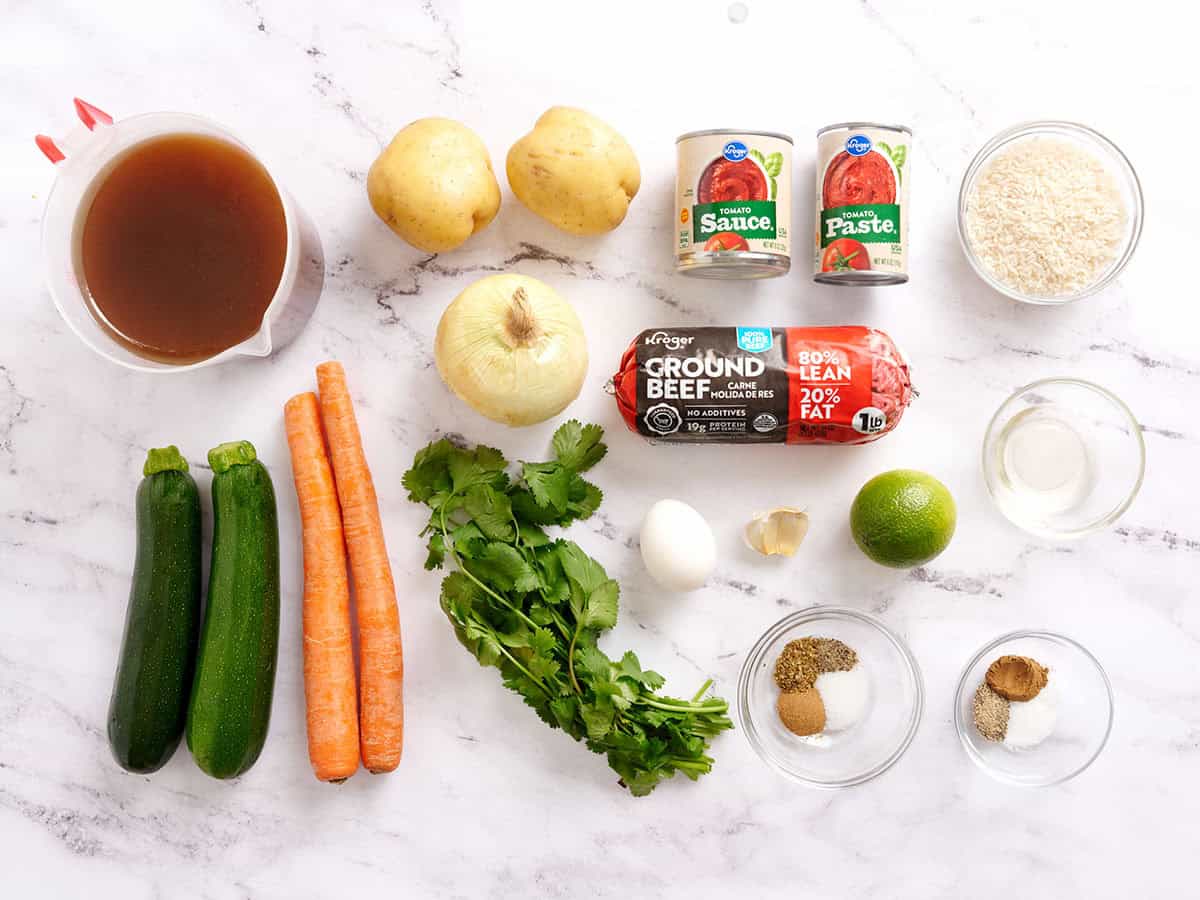
The cost efficiency of the dish is achieved through the strategic use of staple ingredients. Ground beef, while often the most expensive component, is "stretched" by the addition of rice, onions, and garlic. Furthermore, the inclusion of high-volume, low-cost vegetables like carrots, potatoes, and zucchini increases the nutritional density and satiety of the soup without a proportional increase in price. The use of concentrated bases, such as "Better Than Bouillon," is often recommended in these professional formulations to provide a rich flavor profile at a fraction of the cost of pre-packaged liquid stocks.
Nutritional Profile and Health Implications
A standard two-cup serving of this Mexican Meatball Soup provides a balanced nutritional profile suitable for a variety of dietary patterns. Based on automated nutritional calculations, one serving contains:
- Calories: 390 kcal
- Protein: 21g
- Total Fat: 20g
- Carbohydrates: 33g
- Fiber: 4g
- Sodium: 1799mg
While the protein and fiber content contribute to long-term satiety and muscle maintenance, the sodium levels are notably high, representing approximately 78% of the recommended daily value. Health experts and recipe developers note that this is largely due to the beef broth and tomato sauce components. For individuals monitoring their sodium intake, the Nashville Test Kitchen suggests using low-sodium broth alternatives and adjusting added salt to taste. The inclusion of fresh lime juice at the end of the cooking process is a vital culinary technique; the acidity of the lime enhances the existing flavors, potentially reducing the need for additional salt.
Step-by-Step Culinary Methodology
The production of Albondigas soup follows a specific chronology designed to maximize flavor extraction.
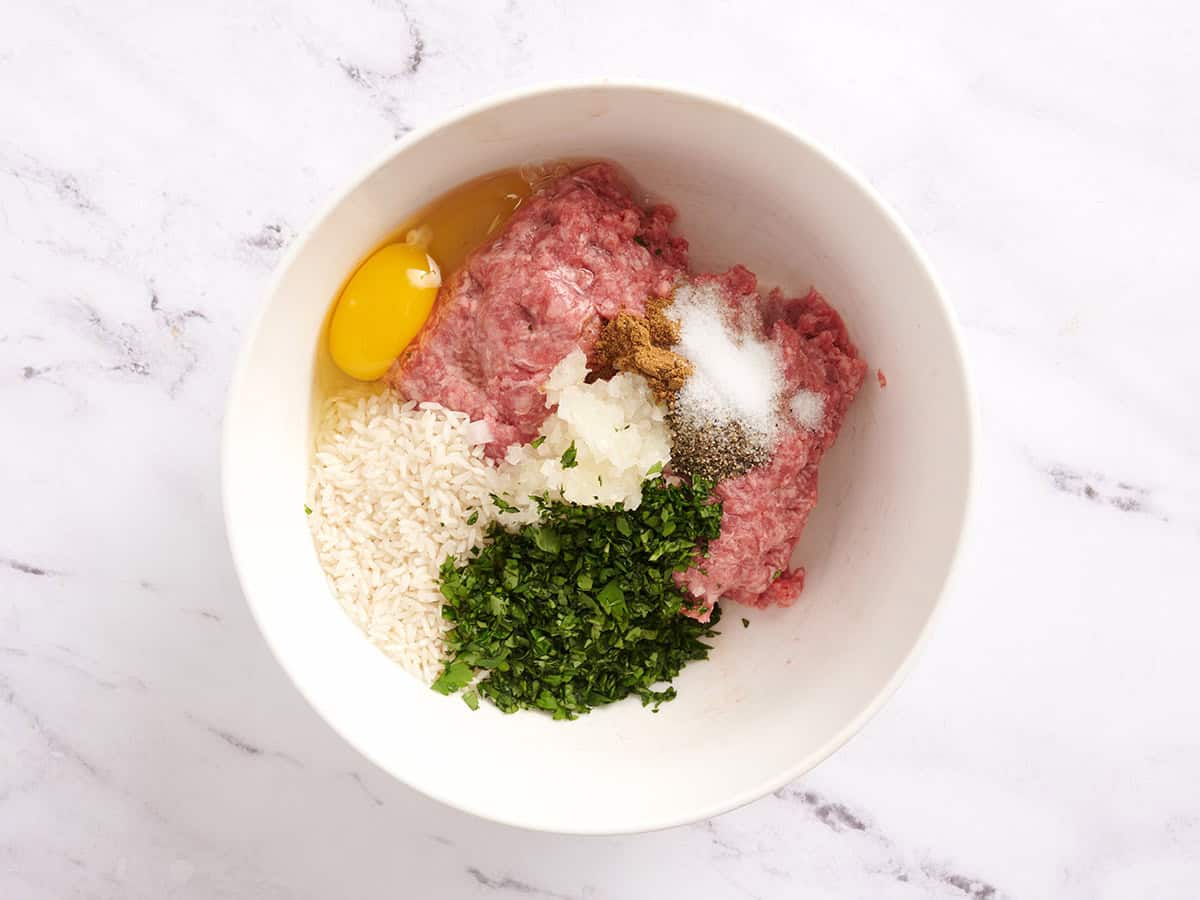
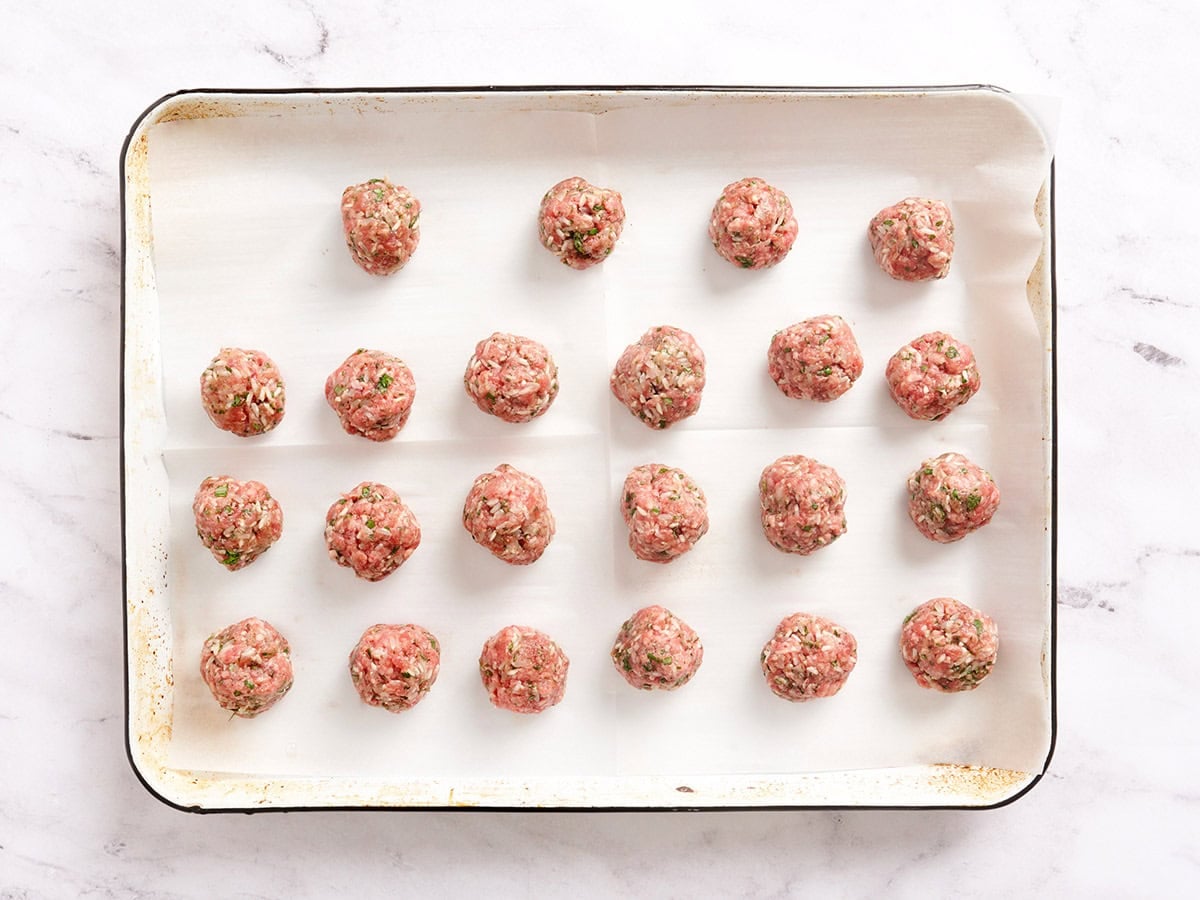
- Meatball Preparation: The process begins with the manual mixing of ground beef, uncooked rice, egg, aromatics (onion and garlic), and spices (cumin, salt, and pepper). Over-mixing is cautioned against, as it can lead to protein cross-linking, resulting in a dense, tough meatball.
- Sautéing and Base Construction: The soup base is initiated by sautéing onions until softened, followed by the addition of tomato paste and garlic. This step, known in French cooking as pincé, involves browning the tomato paste to caramelize the sugars and deepen the umami flavor of the broth.
- Simmering the Broth: Beef broth and tomato sauce are added along with "hard" vegetables—carrots and potatoes—which require longer cooking times.
- The Poaching Phase: The meatballs are lowered into the simmering liquid. A critical instruction is to avoid stirring for the first five minutes, allowing the heat to set the egg and rice proteins, ensuring the meatballs do not disintegrate.
- Final Vegetable Integration: Zucchini, which has a higher water content and softer cell structure, is added in the final minutes of cooking to prevent it from becoming mushy.
- Finishing Touches: The addition of fresh cilantro and lime juice provides a bright, aromatic finish that cuts through the richness of the beef.
Broader Implications for Home Meal Prep
The structural characteristics of Mexican Meatball Soup make it an ideal candidate for meal prepping, a trend that has seen substantial growth among working professionals and families. Culinary analysts observe that brothy soups often exhibit improved flavor profiles 24 to 48 hours after preparation. This phenomenon occurs because the spices, such as cumin and oregano, continue to infuse the liquid, and the vegetables further absorb the savory notes of the broth.
Storage data suggests that the soup maintains its quality for three to four days in refrigerated conditions. However, the rice within the meatballs will continue to absorb liquid over time, which may thicken the soup. Reheating instructions typically advise adding a small amount of water or broth to restore the original consistency. For long-term storage, the soup can be frozen for up to three months, providing a convenient "ready-to-eat" option that aligns with the modern demand for efficiency.
Conclusion: The Enduring Appeal of Traditional Soups
The continued relevance of Mexican Meatball Soup in the 21st century highlights a broader consumer shift toward "slow food" that can be prepared within "fast" schedules. By combining historical techniques with modern nutritional knowledge and economic considerations, recipes like these bridge the gap between cultural heritage and daily practicality. As more households move away from highly processed convenience foods, the focus returns to foundational cooking—simmering, seasoning, and sharing—that defines the essence of the global kitchen. The Albondigas soup stands not just as a meal, but as a resilient culinary icon that remains as comforting today as it was centuries ago.
