
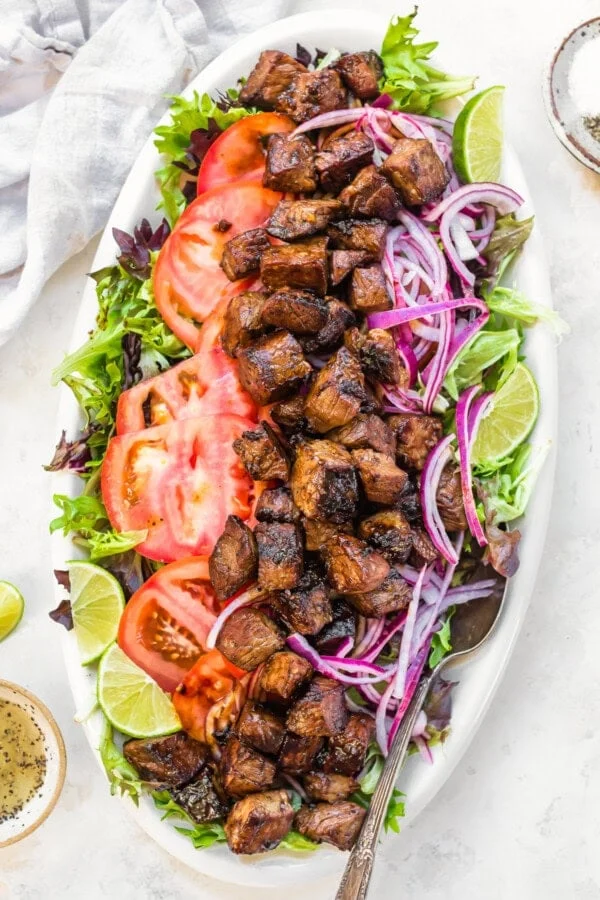
Bò Lúc Lắc, widely known as Vietnamese Shaking Beef, stands as a testament to the rich tapestry of Vietnamese culinary tradition, blending vibrant flavors and a distinctive cooking technique into a dish that has captivated palates worldwide. This savory steak salad, traditionally served on a bed of crisp greens and ripe tomatoes, garnished with sharp pickled onions and accompanied by a tangy lime dipping sauce, represents a harmonious fusion of textures and tastes. Its name, "shaking beef," or bò lúc lắc in Vietnamese, directly translates to "beef shake," referring to the energetic tossing of the beef in a hot wok during its rapid searing process. This dynamic preparation ensures even caramelization and a tender interior, making it a beloved staple that seamlessly transitions from bustling Saigon street food stalls to upscale international dining tables.
Historical Roots and Culinary Evolution
The origins of Bò Lúc Lắc can be traced back to the French colonial period in Vietnam, a time when European influences began to subtly integrate into local cuisine. Prior to French rule, beef was not a primary protein in the Vietnamese diet, which largely centered on pork, poultry, and seafood. The French introduced beef consumption, along with culinary techniques like stir-frying and searing, which were then adapted and refined by Vietnamese cooks. Bò Lúc Lắc is believed to have emerged in Southern Vietnam, particularly in Saigon (now Ho Chi Minh City), where the French presence was most pronounced.
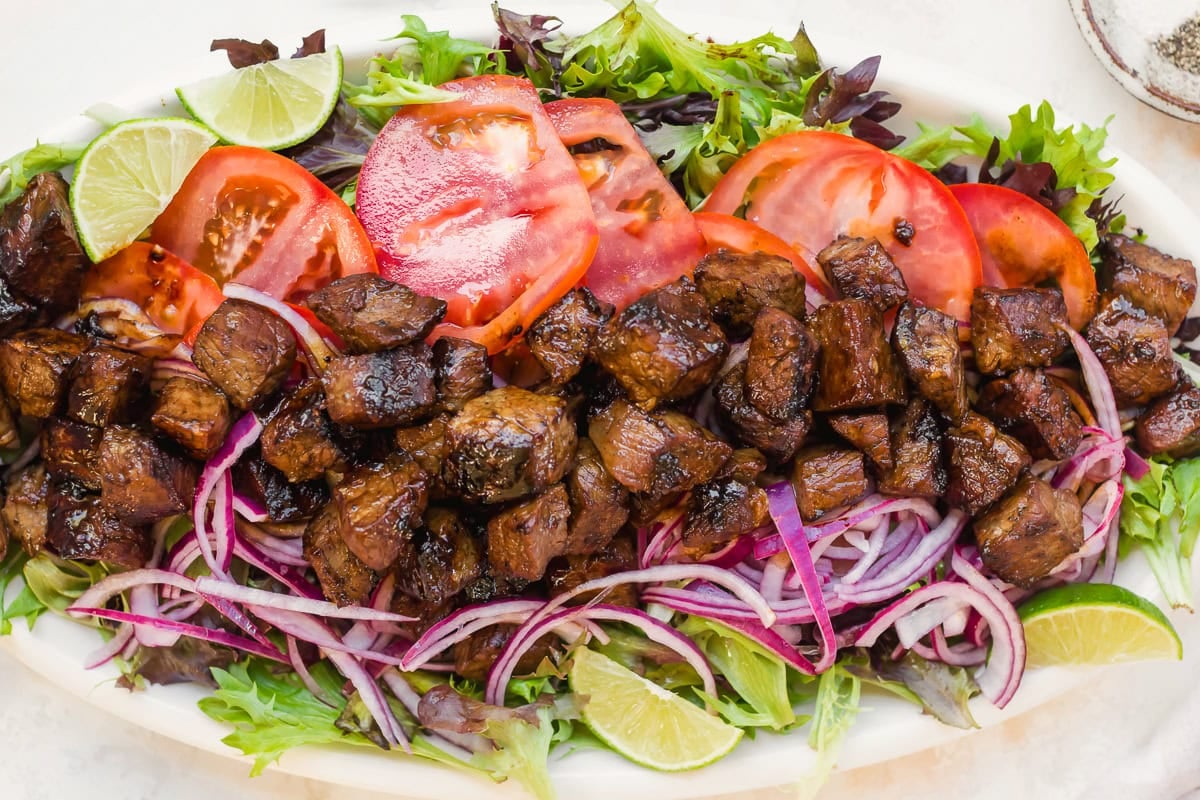
Initially, the dish was likely a simpler preparation, a quick stir-fry of beef cubes with garlic and pepper. Over time, it evolved, incorporating a more complex marinade that often includes soy sauce, oyster sauce, sugar, and black pepper, ingredients that reflect both indigenous Vietnamese flavors and broader Asian culinary exchanges. The addition of fresh accompanying elements like watercress, lettuce, and tomatoes, along with a bright dipping sauce, transformed it from a mere beef dish into a balanced, refreshing meal. This evolution highlights the Vietnamese genius for adapting external influences while imbuing them with their unique gastronomic identity, characterized by a preference for freshness, balance, and aromatic herbs.
The Signature "Shaking" Technique
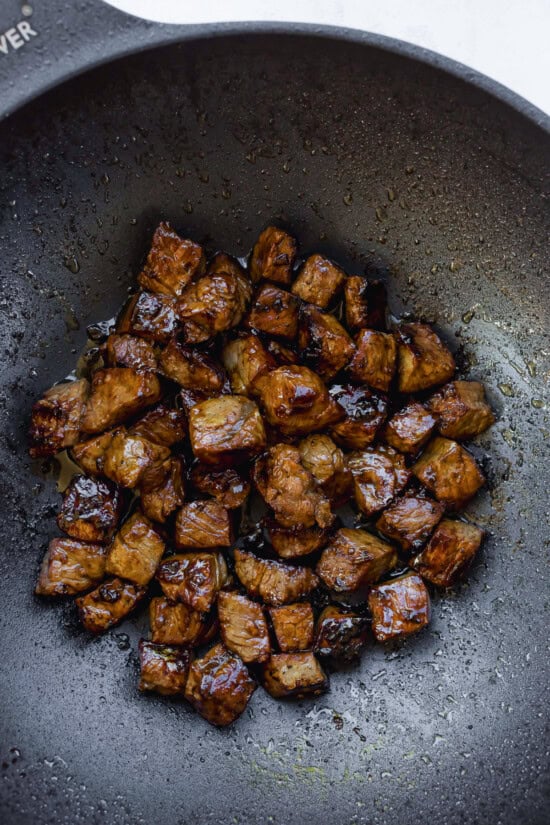
Central to Bò Lúc Lắc’s identity is its eponymous cooking method. The "shaking" refers to the high-heat, rapid tossing of marinated beef cubes in a wok or heavy-bottomed pan. This technique is crucial for several reasons:
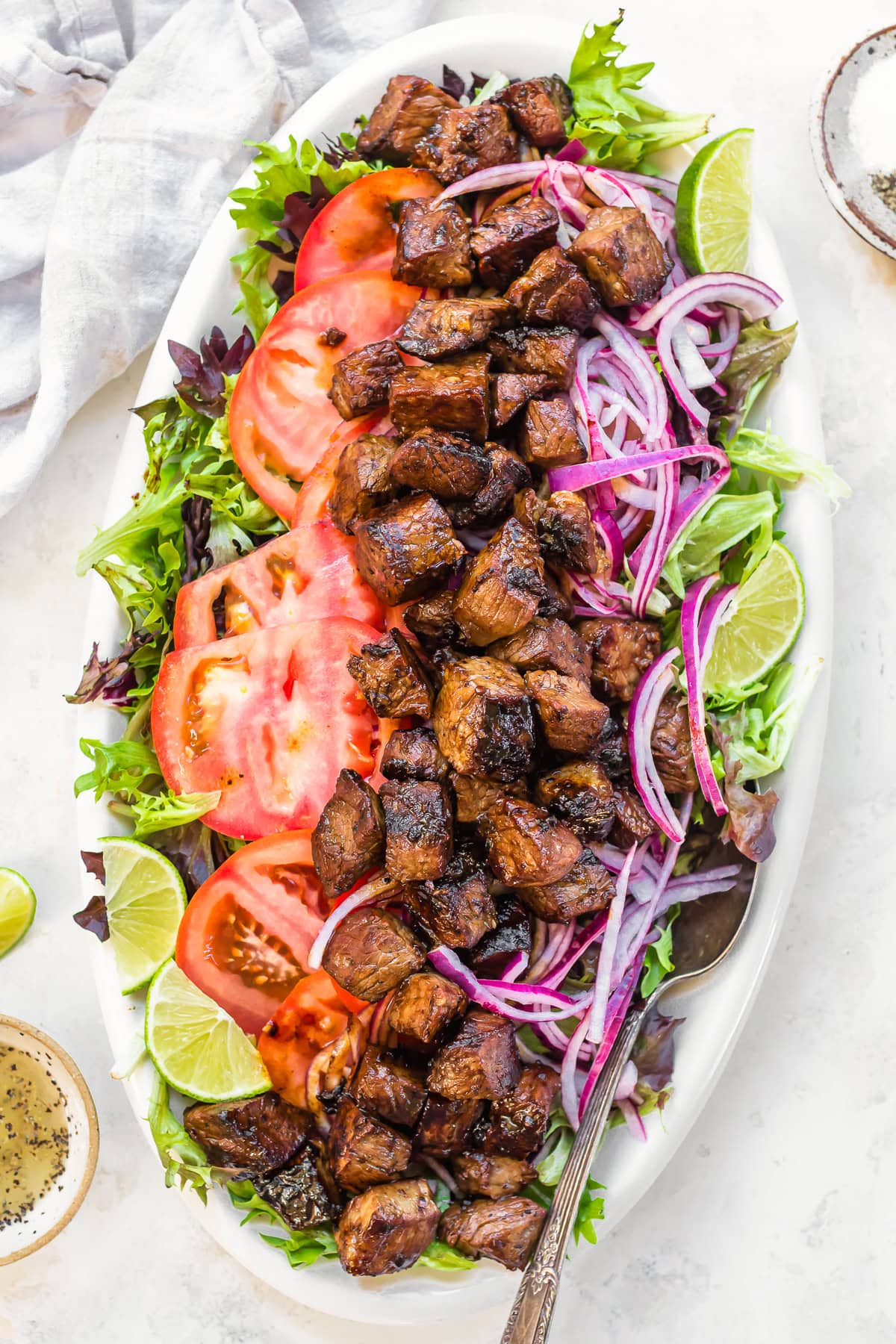
- Even Searing: The constant movement ensures that all sides of the beef cubes make contact with the hot surface, creating a desirable crust and locking in juices.
- Quick Cooking: Beef, especially tender cuts like sirloin or ribeye, cooks very quickly under high heat. The shaking motion prevents overcooking and promotes a tender, succulent texture.
- Flavor Development: The caramelization that occurs during the quick sear adds depth and complexity to the beef’s flavor profile, complementing the marinade.
- Maillard Reaction: The high temperature facilitates the Maillard reaction, a chemical process responsible for the browning and savory flavors in seared meat.
The process typically involves heating oil in a wok until it’s smoking hot, then adding the marinated beef in batches to avoid overcrowding the pan, which would lower the temperature and steam the beef instead of searing it. The vigorous shaking or tossing motion then commences, usually for only a few minutes, until the beef is perfectly cooked to medium-rare or medium, maintaining its tenderness. This technique is not merely a stylistic flourish but a fundamental aspect of achieving the dish’s characteristic texture and taste.
Key Components and Flavor Harmony
The allure of Bò Lúc Lắc lies in its meticulously balanced components, each contributing to a symphony of flavors:

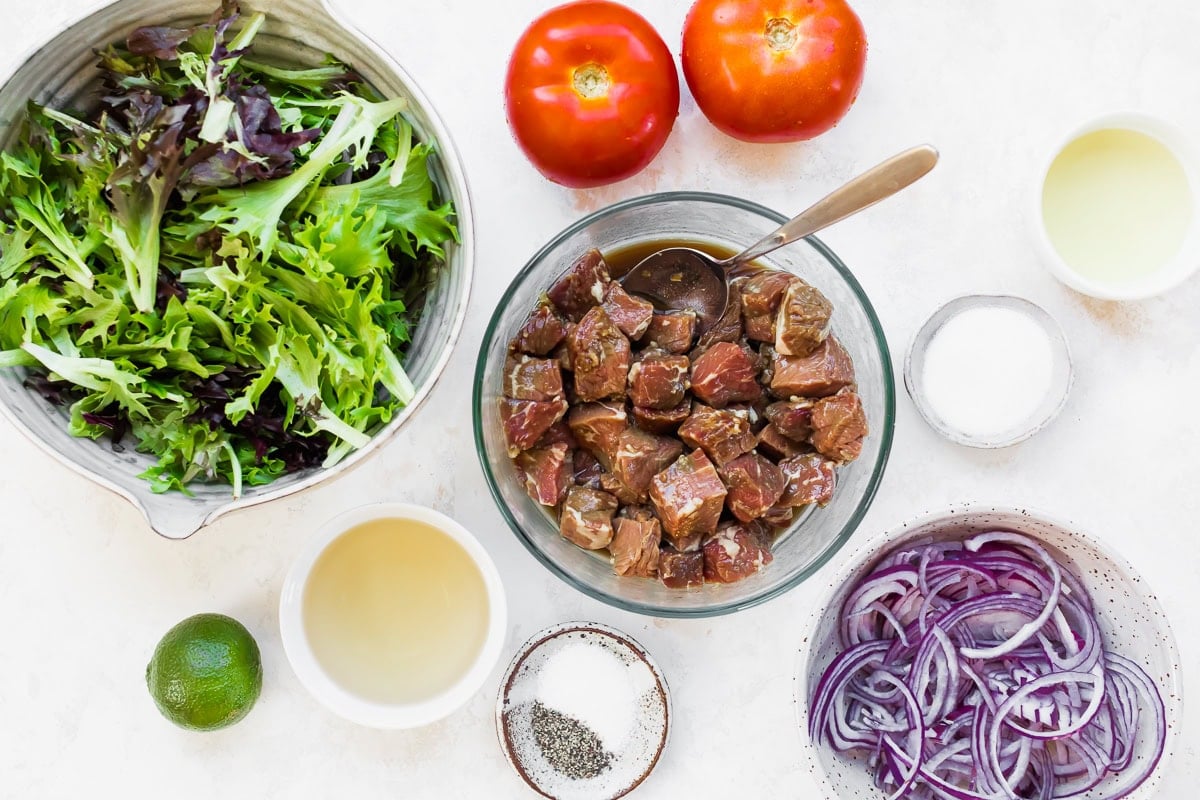
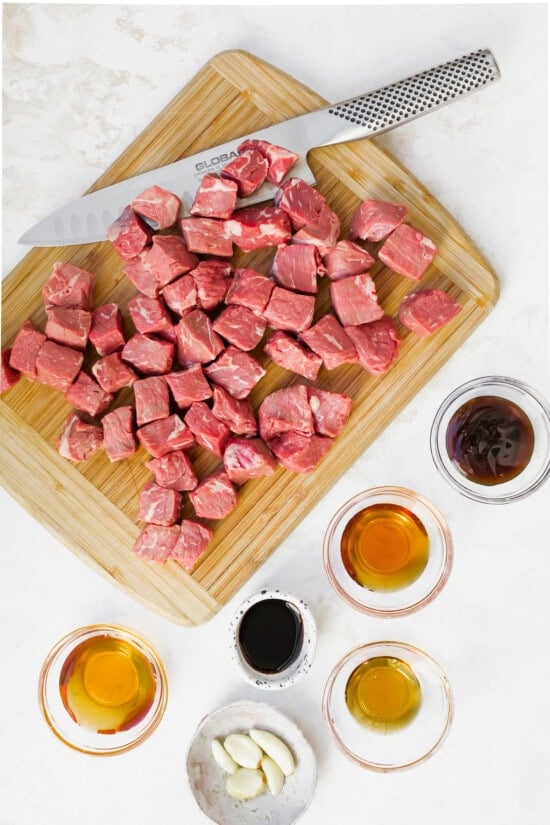
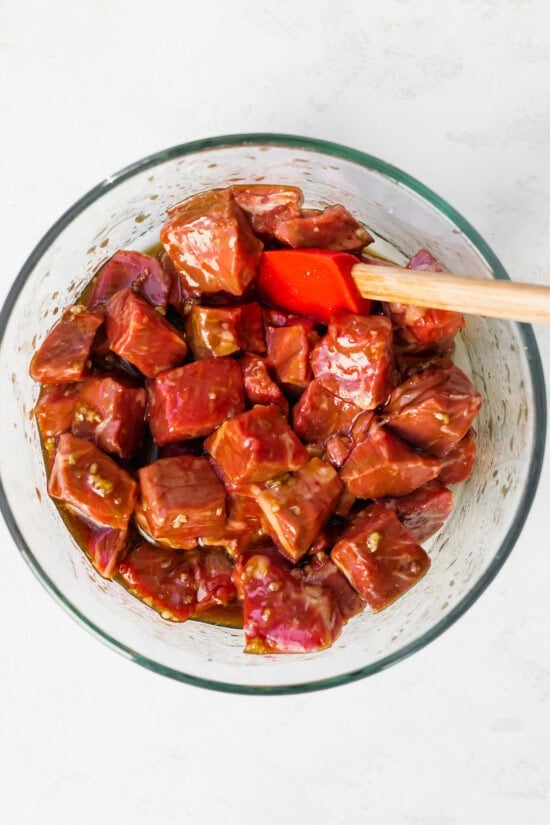
- The Beef: Traditionally, tender cuts like sirloin, ribeye, or even tenderloin are cut into bite-sized cubes. The marinade, a concoction of soy sauce, oyster sauce, sugar, garlic, and freshly ground black pepper, is essential for infusing the meat with flavor and contributing to its tender texture. Some recipes may also include a touch of sesame oil or rice wine for added aroma.
- The Salad Base: A refreshing counterpoint to the rich beef, the salad typically comprises crisp lettuce leaves (often butter lettuce or red leaf), sliced ripe tomatoes, and sometimes watercress. This fresh foundation provides a cooling contrast and vital crunch.
- Pickled Onions: Thinly sliced red onions, quickly pickled in a mixture of vinegar, sugar, and water, offer a sharp, tangy, and slightly sweet bite that cuts through the richness of the beef and adds another layer of complexity.
- The Dipping Sauce (Nước Chấm): Often a simple yet potent mixture of lime juice, salt, and freshly ground black pepper, this sauce is fundamental. Its bright acidity and peppery kick elevate the beef and tie all the elements together. Variations might include a touch of sugar or fish sauce, or even a hint of chili for those who prefer a spicier profile.
The combination of savory, sweet, sour, and spicy elements, alongside contrasting textures from the tender beef, crisp greens, and sharp onions, exemplifies the Vietnamese culinary philosophy of ngũ vị, or the five fundamental tastes, in harmonious balance.
Global Acclaim and Culinary Adaptations
In recent decades, Vietnamese cuisine has experienced a surge in global popularity, with dishes like Phở, Bánh Mì, and Bò Lúc Lắc leading the charge. The diaspora of Vietnamese people following the Vietnam War played a crucial role in introducing these authentic flavors to new audiences across North America, Europe, and Australia. As Vietnamese restaurants proliferated, so did the appreciation for the cuisine’s fresh ingredients, complex flavors, and relatively healthy profile.

Bò Lúc Lắc, in particular, has found a special place in the hearts of international diners due to its approachable yet exotic nature. Its versatility allows for various adaptations to suit different palates and dietary preferences. For instance, some chefs might experiment with different cuts of beef, such as hanger steak or flank steak, or incorporate additional vegetables into the stir-fry.
The increasing demand for healthier dining options has also led to adaptations that lighten the dish without sacrificing its essence. Culinary platforms and home cooks, such as Gina from Skinnytaste, have explored modifications to reduce fat or sodium content while striving to maintain authenticity. Gina’s approach, informed by research and an appreciation for traditional recipes like those from "Ravenous Couple," demonstrates how contemporary culinary trends intersect with classic dishes. Her adjustments aim to make the dish more accessible to health-conscious individuals, showcasing the adaptability of Bò Lúc Lắc to modern dietary needs while honoring its traditional flavor profile. These adaptations often involve careful control of oil usage, lean cuts of beef, and mindful seasoning, proving that flavor and wellness can coexist.
Broader Impact and Implications
The widespread adoption and adaptation of Bò Lúc Lắc, alongside other Vietnamese culinary treasures, have significant implications:
- Cultural Exchange: Food serves as a powerful ambassador for culture. The popularity of Bò Lúc Lắc has fostered greater understanding and appreciation for Vietnamese heritage, traditions, and culinary arts among global communities. It invites diners to explore the broader context of Vietnamese history and society.
- Economic Impact: The growth of Vietnamese restaurants and food businesses internationally has created numerous economic opportunities, supporting livelihoods for many within the diaspora and contributing to the global culinary industry. It also stimulates demand for specific ingredients, impacting agricultural sectors.
- Culinary Innovation: The success of dishes like Bò Lúc Lắc inspires chefs and home cooks to delve deeper into Vietnamese cuisine, experimenting with its techniques and ingredients, leading to further innovation and fusion dishes that continue to push culinary boundaries.
- Health and Wellness Trends: The emphasis on fresh vegetables, lean proteins, and balanced flavors in traditional Vietnamese cooking aligns well with contemporary health and wellness trends. Dishes like Bò Lúc Lắc demonstrate that flavorful meals can also be wholesome, influencing consumer choices towards more nutritious options.
Expert Perspectives
Culinary historians and food critics often laud Bò Lúc Lắc for its elegant simplicity and profound flavor. Dr. Anh Nguyen, a noted expert in Southeast Asian culinary traditions, observes, "Bò Lúc Lắc is more than just a dish; it’s a narrative of resilience and adaptation. It tells a story of cultural blending, where foreign ingredients were embraced and transformed into something uniquely Vietnamese, deeply rooted in local sensibilities." Food critic Elena Petrova adds, "The beauty of Bò Lúc Lắc lies in its exquisite balance. The tender, peppery beef, the crisp freshness of the salad, and the vibrant dipping sauce—each element plays a crucial role, creating a dynamic and utterly satisfying experience that is both comforting and exhilarating."
Preparation and Serving Considerations
For those aspiring to recreate this Vietnamese classic at home, several tips are key to achieving the best results:
- High-Quality Beef: Starting with a good quality, tender cut of beef is paramount. Cutting it into uniform cubes ensures even cooking.
- Proper Marination: Allowing the beef to marinate for at least an hour, or even overnight, significantly enhances its flavor and tenderness.
- Hot Wok, Batch Cooking: A screaming hot wok or cast-iron skillet is essential for searing, not steaming, the beef. Cook in small batches to maintain high heat.
- Freshness of Accompaniments: The vibrancy of the salad and the punchiness of the dipping sauce are critical. Use fresh, crisp greens and ripe tomatoes.
- Ahead-of-Time Preparation: Many components, such as the marinade, pickled onions, and dipping sauce, can be prepared the night before, making the final assembly quick and effortless.
Storage and Customization
While Bò Lúc Lắc is best enjoyed fresh due to the nature of seared beef and crisp greens, leftovers can be stored. The cooked beef should be kept separately from the salad components in airtight containers in the refrigerator for up to 2-3 days. Reheating the beef gently in a pan to avoid overcooking is recommended, and fresh salad components should be used for optimal taste and texture.
The dish also offers ample opportunities for customization. While the traditional recipe is cherished, home cooks can experiment by adding other vegetables like bell peppers or onions to the stir-fry, incorporating different herbs such as cilantro or mint into the salad, or adjusting the spice level of the dipping sauce with fresh chilies. For those seeking variations, serving Bò Lúc Lắc with steamed jasmine rice or vermicelli noodles instead of, or in addition to, the salad base is also a popular option, transforming it into a more substantial meal.
Conclusion
Vietnamese Shaking Beef, or Bò Lúc Lắc, is far more than just a steak salad; it is a culinary masterpiece that embodies the spirit of Vietnamese cuisine—a blend of tradition and innovation, simplicity and depth, freshness and robust flavor. From its historical roots influenced by colonial encounters to its present-day status as a globally recognized dish, Bò Lúc Lắc continues to delight and inspire, representing the enduring appeal and dynamic evolution of Vietnamese gastronomy on the world stage. Its journey from a local specialty to an international favorite underscores the universal language of good food and its power to connect cultures and palates across continents.
