
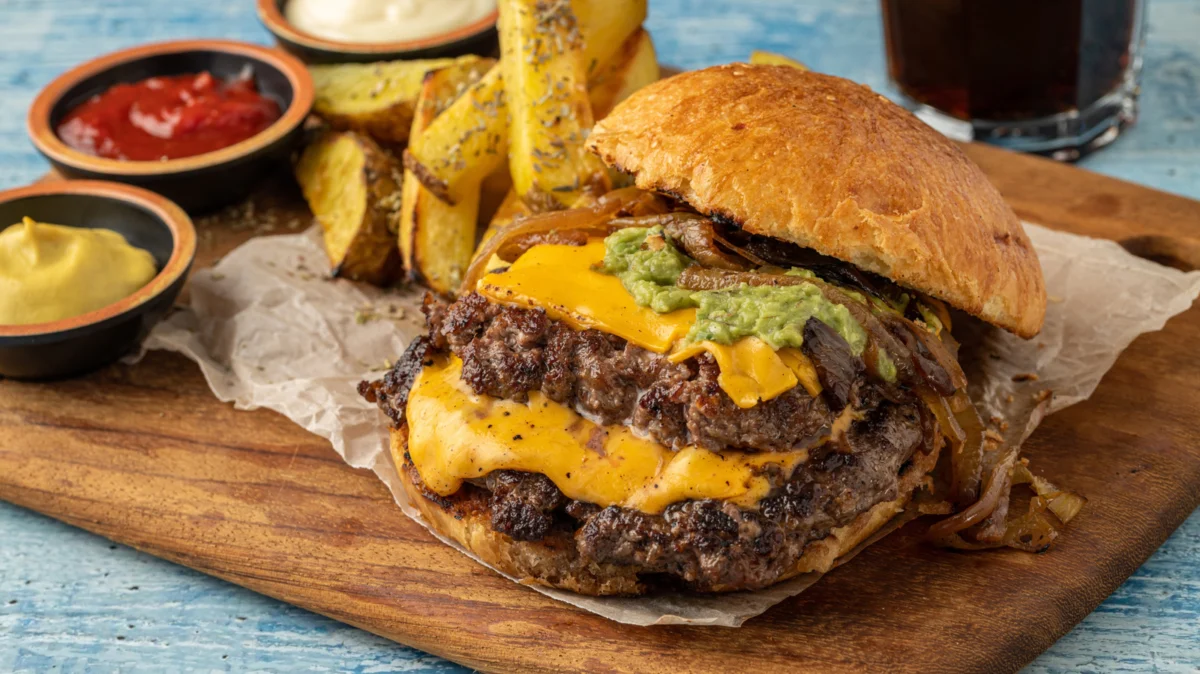
The culinary world is constantly seeking innovative ways to elevate familiar dishes, and a technique long associated with achieving the perfect steak is now being recognized for its transformative power on a beloved backyard staple: the burger. The practice of butter basting, where melted butter is repeatedly spooned over a cooking protein, is not merely a method for adding richness to a steak; it is a flavor-infusion strategy that can profoundly enhance the taste and texture of ground meat patties. This technique, rooted in the fundamental principle that fat equals flavor, offers a simple yet remarkably effective way to achieve a juicier, more delectable burger, even when working with leaner cuts of meat.
The Science Behind the Baste: Fat, Flavor, and Juiciness
At its core, the effectiveness of butter basting lies in the inherent properties of fat. Butter, a rich source of both fat and milk solids, melts at relatively low temperatures, allowing it to penetrate the surface of the meat. As the butter is repeatedly spooned over the burger, it carries with it a cascade of flavor compounds. These compounds, particularly the fat-soluble ones, interact with the Maillard reaction products formed during the searing process, creating a complex and deeply satisfying taste profile.
Furthermore, the molten butter acts as a conduit for heat, promoting even cooking and contributing to a desirable crust on the exterior of the burger. This process not only adds flavor but also helps to retain moisture within the patty. As the butter seeps into the pores of the meat, it creates a barrier that reduces the evaporation of natural juices, resulting in a noticeably more succulent bite. This is particularly beneficial when preparing burgers from ground beef with a lower fat content, such as 85/15 or 90/10 blends, which can sometimes result in a drier burger if not cooked carefully. The added richness from the butter effectively compensates for the reduced fat inherent in these leaner grinds.
The comparison to steak is not coincidental. Chefs and home cooks alike have long understood that basting a steak with butter, often infused with aromatics like garlic and herbs, is a crucial step in achieving a restaurant-quality finish. This method allows for the controlled application of flavor and moisture throughout the cooking process, ensuring that every bite is as flavorful as the last. Applying this same logic to burgers unlocks a similar level of culinary sophistication.
A Culinary Heritage: The Evolution of Burger Enhancement
While the precise origin of the butter-basted burger is difficult to pinpoint, its popularity has seen a resurgence in recent years, driven by a renewed interest in classic cooking techniques and a desire for more intensely flavored comfort food. Fast-food establishments have also played a role in popularizing the concept. The iconic "Butterburger" from Culver’s, a Wisconsin-based chain, is a prime example. Since its inception, the Butterburger has been synonymous with a rich, buttery flavor, achieved through a cooking process that involves frying and basting the patties in butter. This widespread familiarity has likely inspired many home cooks to experiment with similar methods.
The appeal of the butter-basted burger extends beyond beef. While it is particularly effective with ground beef due to its inherent flavor profile and fat composition, the technique can be adapted for other ground meats. Turkey burgers, often criticized for their dryness, can benefit significantly from a butter baste, which adds much-needed moisture and richness. Similarly, chicken and pork burgers can also be elevated through this method, although the flavor pairings may need to be adjusted to complement the specific characteristics of these meats.
The versatility of butter basting also lies in the ability to customize the butter itself. The culinary trend of "compound butters" – butters mixed with various herbs, spices, garlic, or even savory ingredients like caramelized onions or chopped pickles – offers an almost limitless palette of flavor combinations. This allows for a highly personalized burger experience, where the infused butter can become an integral part of the burger’s overall flavor identity.
Practical Application: Mastering the Butter Baste for Burgers
Achieving a perfectly butter-basted burger involves a few key considerations and techniques that mirror those used for steak.
Preparing the Patties: A Foundation for Flavor
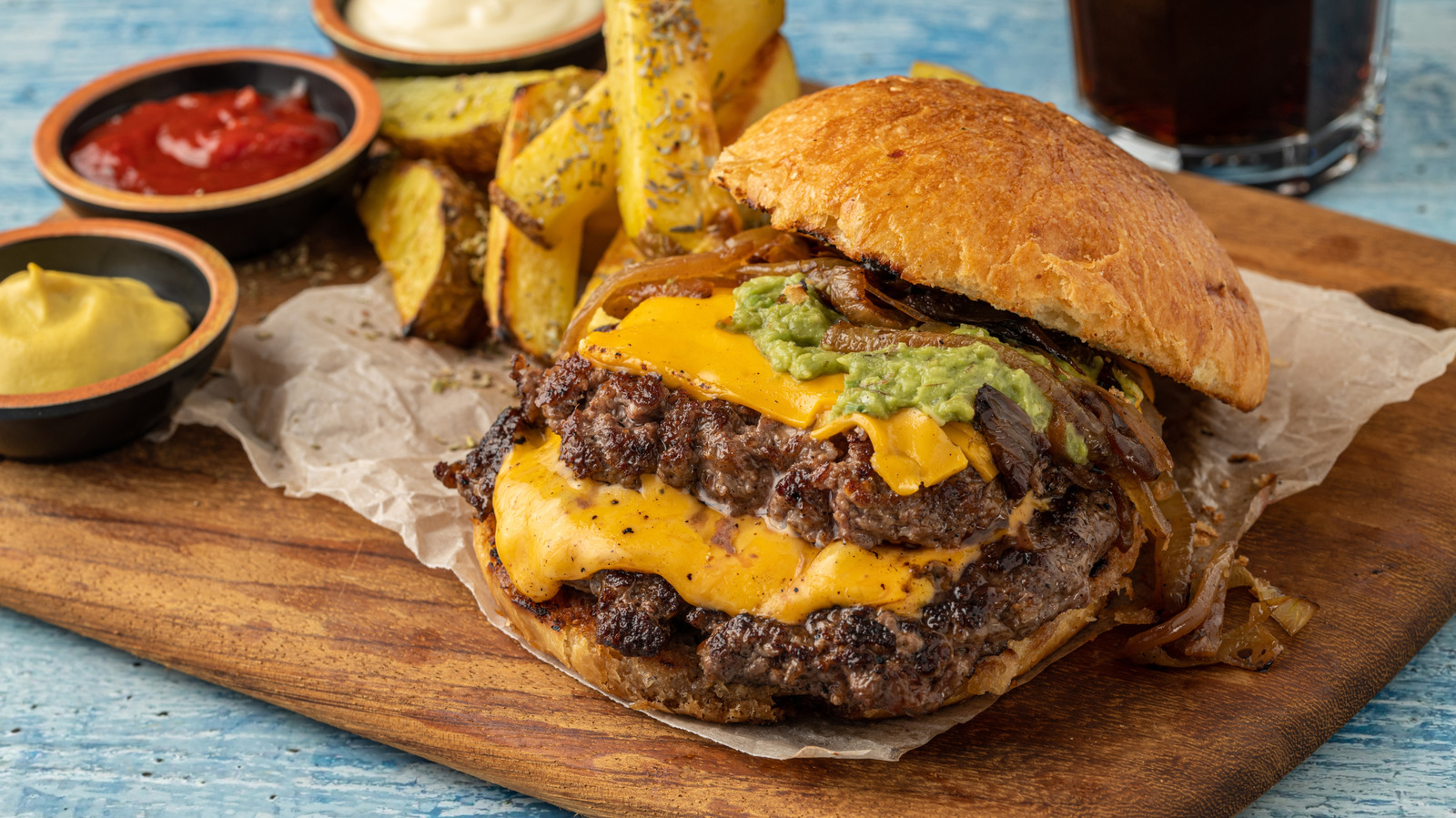
Before any basting can occur, the burger patties themselves must be prepared correctly. A crucial first step, often overlooked, is allowing the ground meat to come to room temperature before forming patties. Cold meat can lead to uneven cooking, resulting in a burger that is overcooked on the outside and undercooked in the center. Bringing the meat to a slightly warmer temperature before forming the patties ensures that they cook more uniformly.
When forming the patties, it is important to handle the ground meat as little as possible. Overworking the meat can toughen it, leading to a dense and chewy burger. Gentle handling is key to maintaining a tender texture. Seasoning the patties liberally with salt and pepper just before cooking is also essential. The salt helps to draw out moisture and enhance the overall flavor of the meat.
The Basting Process: Precision and Patience
The actual basting process requires a watchful eye and a steady hand. When the burgers are introduced to a hot skillet or grill, the fat begins to render. This is the opportune moment to introduce the butter. A generous knob of butter, or a few tablespoons of melted butter, can be added to the pan. As the butter melts and begins to sizzle, use a spoon to repeatedly ladle the molten butter over the cooking patties. This should be done periodically throughout the cooking process, ensuring that the burgers are consistently coated in the rich, flavorful liquid.
The frequency of basting will depend on the cooking temperature and the desired level of doneness. For a medium-rare burger, which is generally considered the optimal internal temperature for juiciness and flavor, the internal temperature should reach approximately 130-135 degrees Fahrenheit. For those who prefer their burgers cooked more thoroughly, the U.S. Department of Agriculture (USDA) recommends a minimum internal temperature of 160 degrees Fahrenheit for ground beef to ensure safety. The basting process can continue until the desired level of doneness is achieved.
The Resting Period: Allowing Flavors to Meld
Just as with steak, allowing the butter-basted burgers to rest after cooking is a critical step. Once removed from the heat, the patties should be placed on a plate or cutting board and allowed to rest for a few minutes. This resting period allows the juices that have been driven to the surface during cooking to redistribute throughout the patty. Skipping this step can result in a loss of moisture when the burger is cut into, leading to a less juicy final product. The residual heat within the burger continues to cook it gently during this resting phase, further contributing to even doneness.
Elevating the Experience: Complementary Flavors and Accompaniments
The success of a butter-basted burger is not solely dependent on the patty itself; the accompaniments play a crucial role in creating a harmonious and satisfying culinary experience.
Compound Butters: A World of Flavor Possibilities
As mentioned earlier, the use of compound butters opens up a vast landscape of flavor customization. Consider the following examples:
- Pickle Butter: A blend of butter with finely chopped dill pickles, a touch of pickle brine, and perhaps some fresh dill. This offers a tangy, briny counterpoint to the richness of the burger.
- Garlic Herb Butter: A classic combination of softened butter, minced garlic, and finely chopped fresh herbs like parsley, chives, or thyme. This adds an aromatic depth that complements the beef beautifully.
- Spicy Chipotle Butter: Butter mixed with adobo sauce from canned chipotles and a pinch of smoked paprika. This introduces a smoky heat that can be incredibly addictive.
- Umami Bomb Butter: Butter blended with soy sauce, a touch of Worcestershire sauce, and perhaps some finely grated Parmesan cheese. This amplifies the savory notes of the burger.
When incorporating compound butters, a good starting point is to use about two tablespoons of butter per pound of ground meat. This can be divided into portions for mixing into the meat, frying the burgers, and, of course, basting.
Bun Selection: The Perfect Foundation
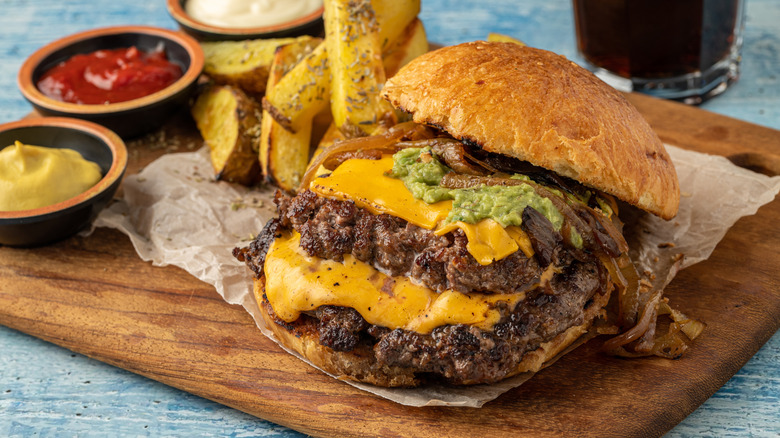
The bun is the unsung hero of any burger. For a rich, buttery burger, a brioche bun is an excellent choice. Its slightly sweet flavor and pillowy texture provide a luxurious housing that complements the richness of the patty without overpowering it. Other suitable options include a good quality challah bun or a soft potato roll. A simple, sturdy white bun can also work well if it’s fresh and has a good texture.
Cheese Pairings: Harmonizing Dairy Delights
Given the buttery nature of the burger, dairy-forward cheese pairings can create a delightful synergy. A sharp cheddar cheese offers a tangy contrast that cuts through the richness. Creamy American cheese melts beautifully and adds a familiar, comforting creaminess. Gruyère, with its nutty undertones, can also be a sophisticated choice.
Fresh Toppings: Balancing Act
To prevent the meal from becoming overly rich, incorporating fresh, lighter elements is key. Leafy greens like spinach, arugula, or a spring mix can introduce a welcome peppery or slightly bitter note. Thinly sliced red onion, ripe tomato, or crisp lettuce can provide textural contrast and a burst of freshness.
Broader Implications and Culinary Trends
The increasing popularity of techniques like butter basting for burgers reflects a broader trend in home cooking and professional kitchens: the pursuit of accessible yet sophisticated flavor enhancement. In an era where gourmet experiences are increasingly sought after, simple techniques that yield significant culinary results are highly valued.
The butter-basted burger serves as an excellent case study in how fundamental culinary principles can be applied to democratize elevated dining. It demonstrates that achieving exceptional flavor does not always require exotic ingredients or complex procedures. Instead, a thoughtful application of established techniques, like basting, can unlock new dimensions of taste and texture in everyday dishes.
Furthermore, the adaptability of this method, particularly through the use of compound butters, aligns with the growing consumer interest in personalized food experiences. Home cooks are increasingly empowered to experiment and customize their meals, and techniques like butter basting provide a readily available avenue for culinary creativity.
As food media continues to explore and highlight such accessible yet impactful cooking methods, the butter-basted burger is likely to remain a popular and celebrated way to elevate a classic dish, proving that sometimes, the most profound culinary innovations are born from time-tested traditions.
