
The Architectural Foundation of the Sheet Pan Meal
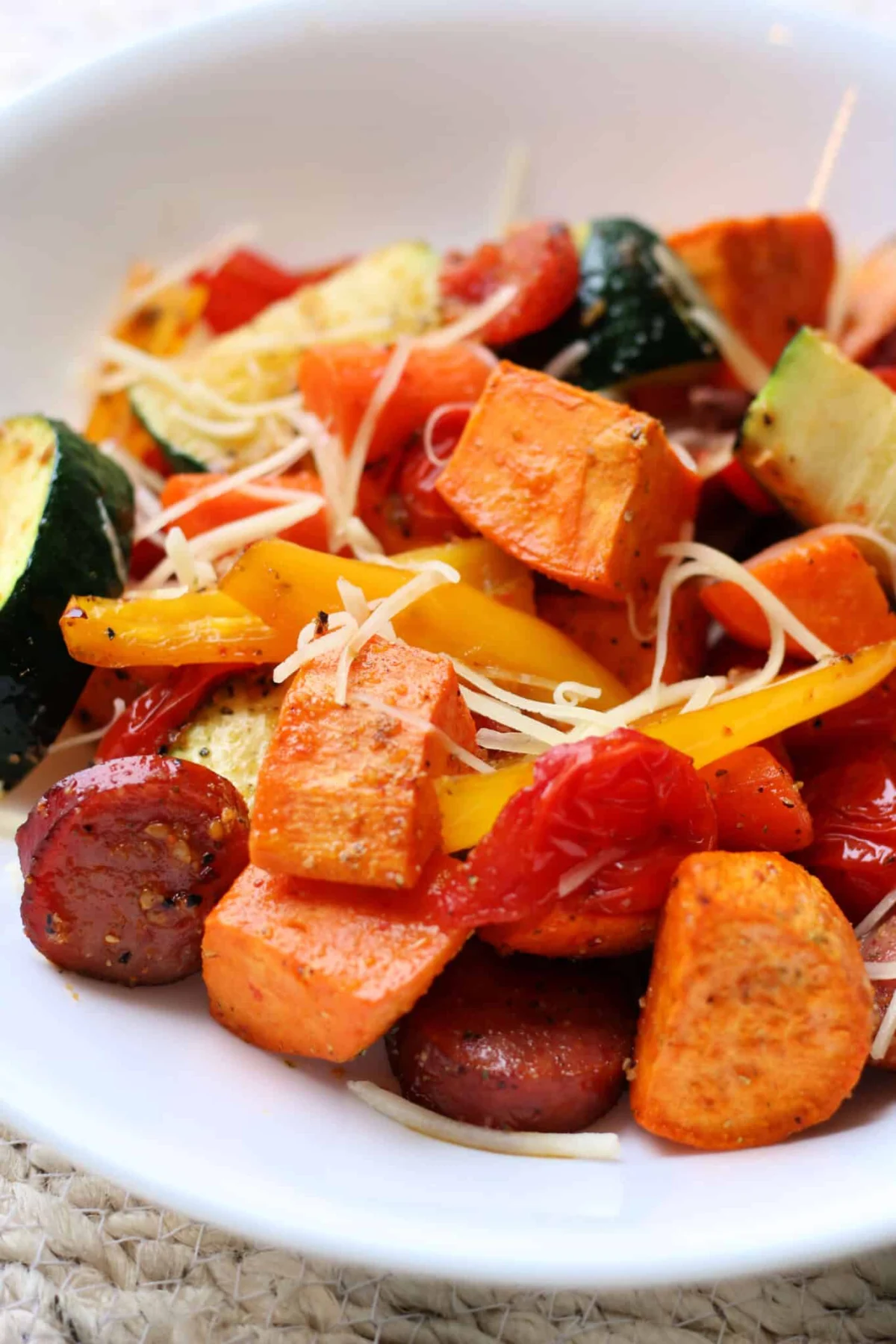
The rise of the sheet pan meal in contemporary American kitchens can be traced to the intersection of culinary convenience and the "wellness" movement of the 2010s. Unlike traditional casseroles, which often rely on heavy binders such as condensed soups or excessive fats, the Freshman Rainbow Casserole utilizes the dry heat of an oven to caramelize natural sugars in vegetables and render fats from protein sources. This specific recipe, which draws inspiration from the University of Wisconsin-Madison’s "Eat Like a Freshman" series, is designed to be accessible to those with rudimentary cooking skills while providing a sophisticated flavor profile through the Maillard reaction.
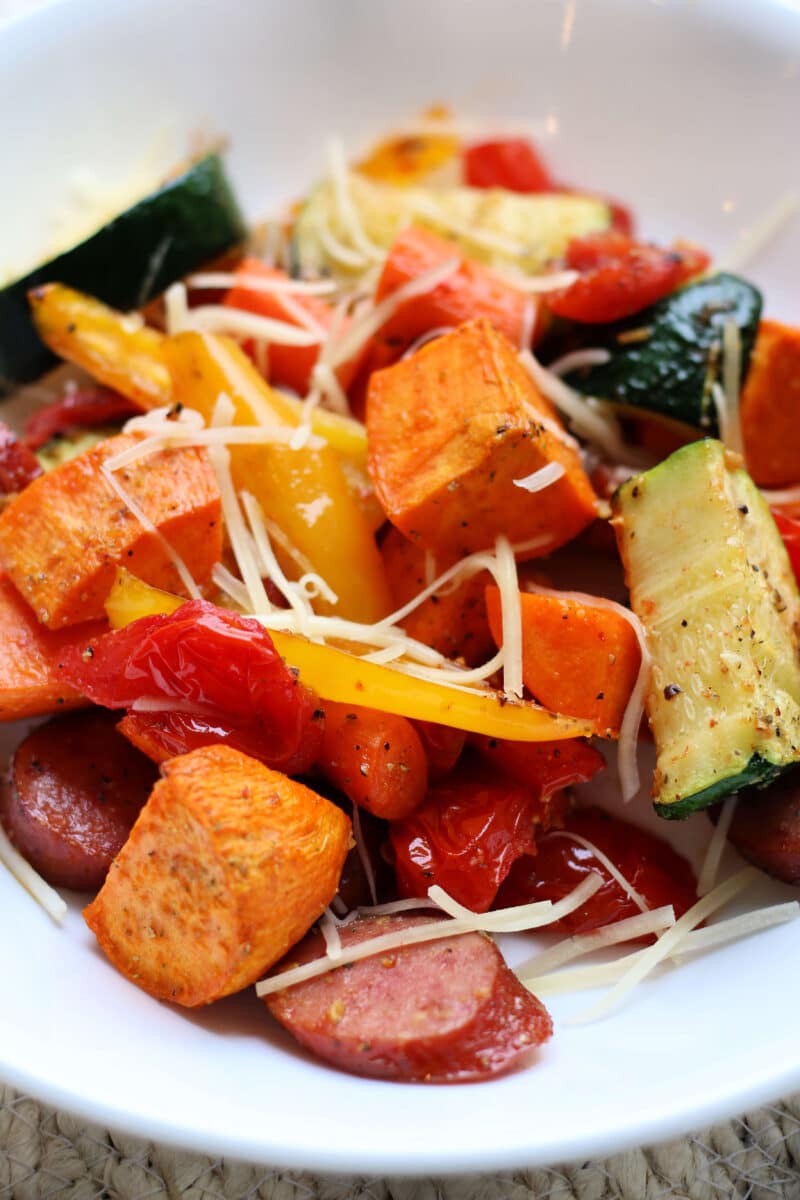
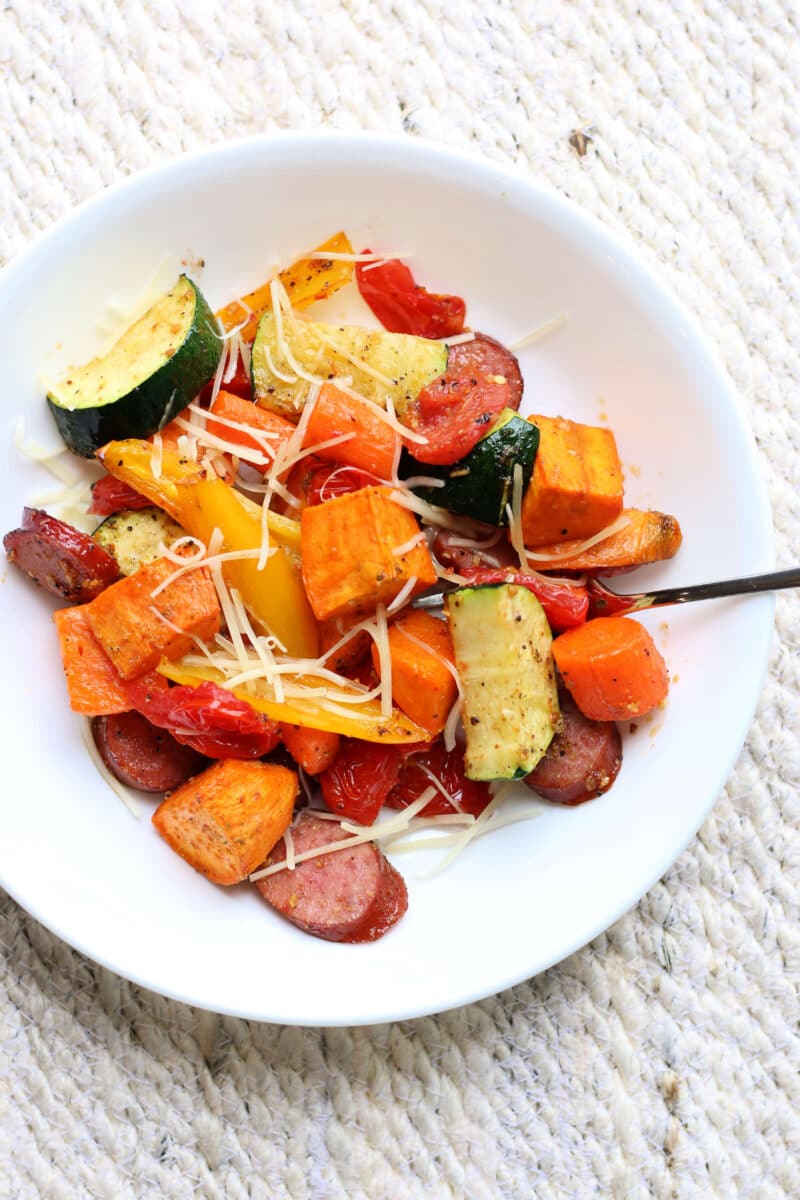
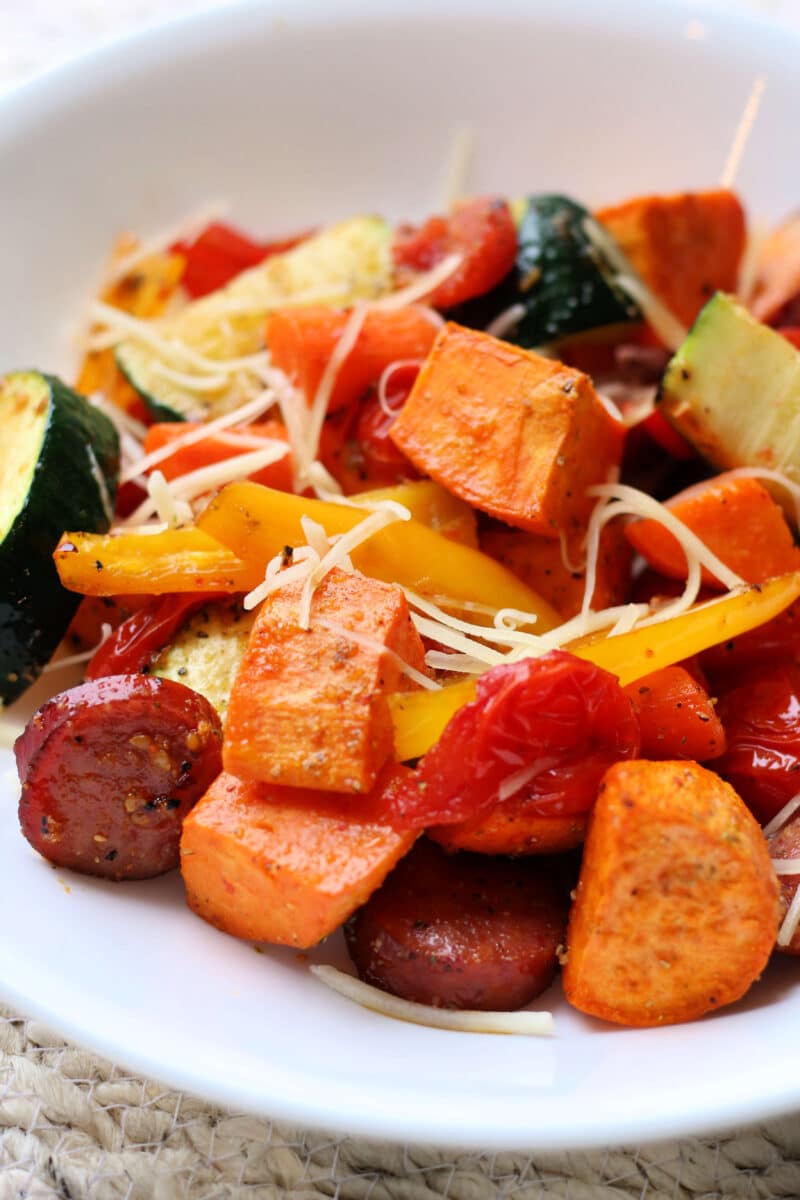
The selection of ingredients follows a color-coded nutritional philosophy often referred to by dietitians as "eating the rainbow." Each color represents a different set of phytonutrients and antioxidants. The orange of the sweet potatoes indicates a high concentration of beta-carotene; the green of the zucchini provides folate and potassium; the red of the tomatoes offers lycopene; and the yellow of the peppers contributes significant doses of Vitamin C. By combining these elements on a single tray, the cook ensures a broad spectrum of micronutrients in a single sitting.
Technical Specifications and Preparation Chronology
The preparation of the Freshman Rainbow Casserole is a study in culinary synchronization. To achieve optimal results, the oven must be preheated to 400°F (204°C). This temperature is critical; it is high enough to encourage browning and "bursting" of the cherry tomatoes, yet low enough to ensure that denser vegetables like sweet potatoes cook through before the exterior burns.
The chronology of preparation is as follows:
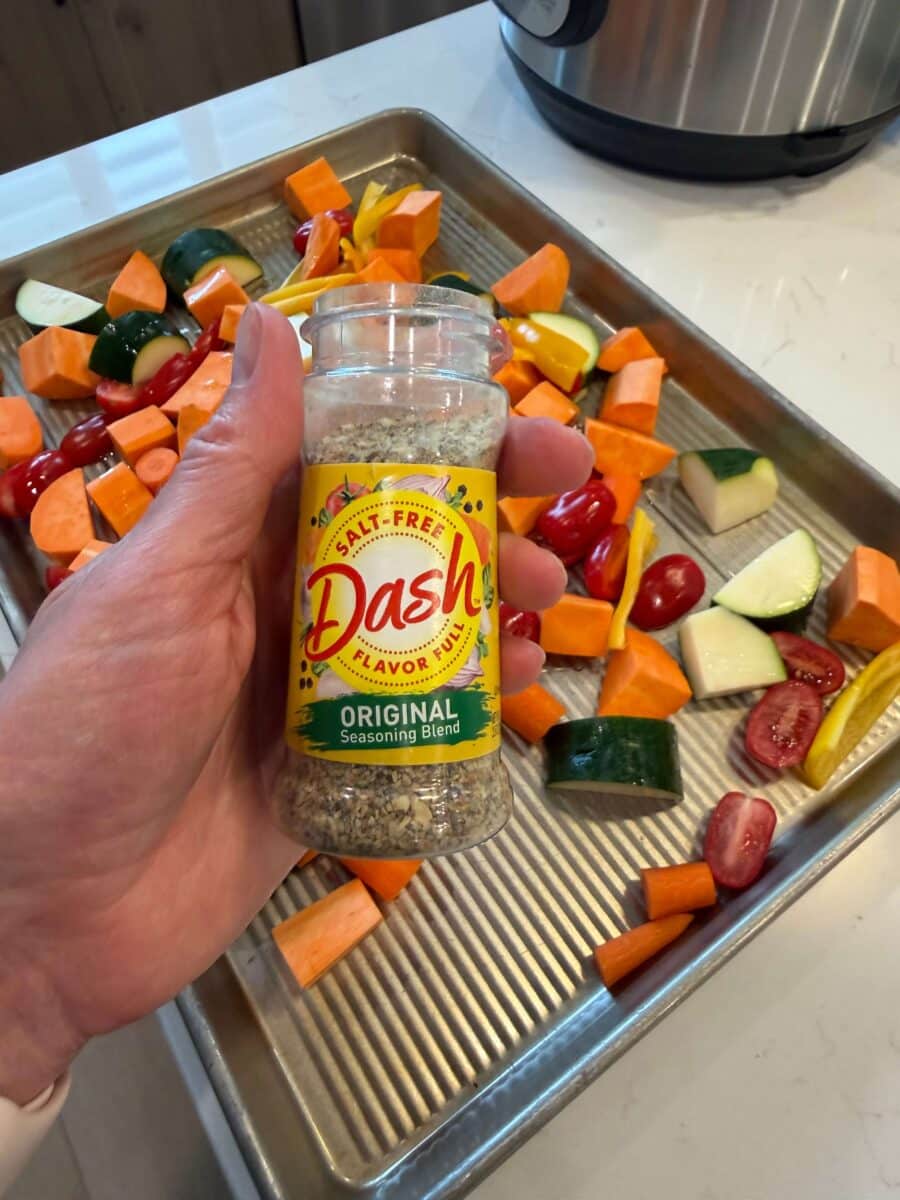
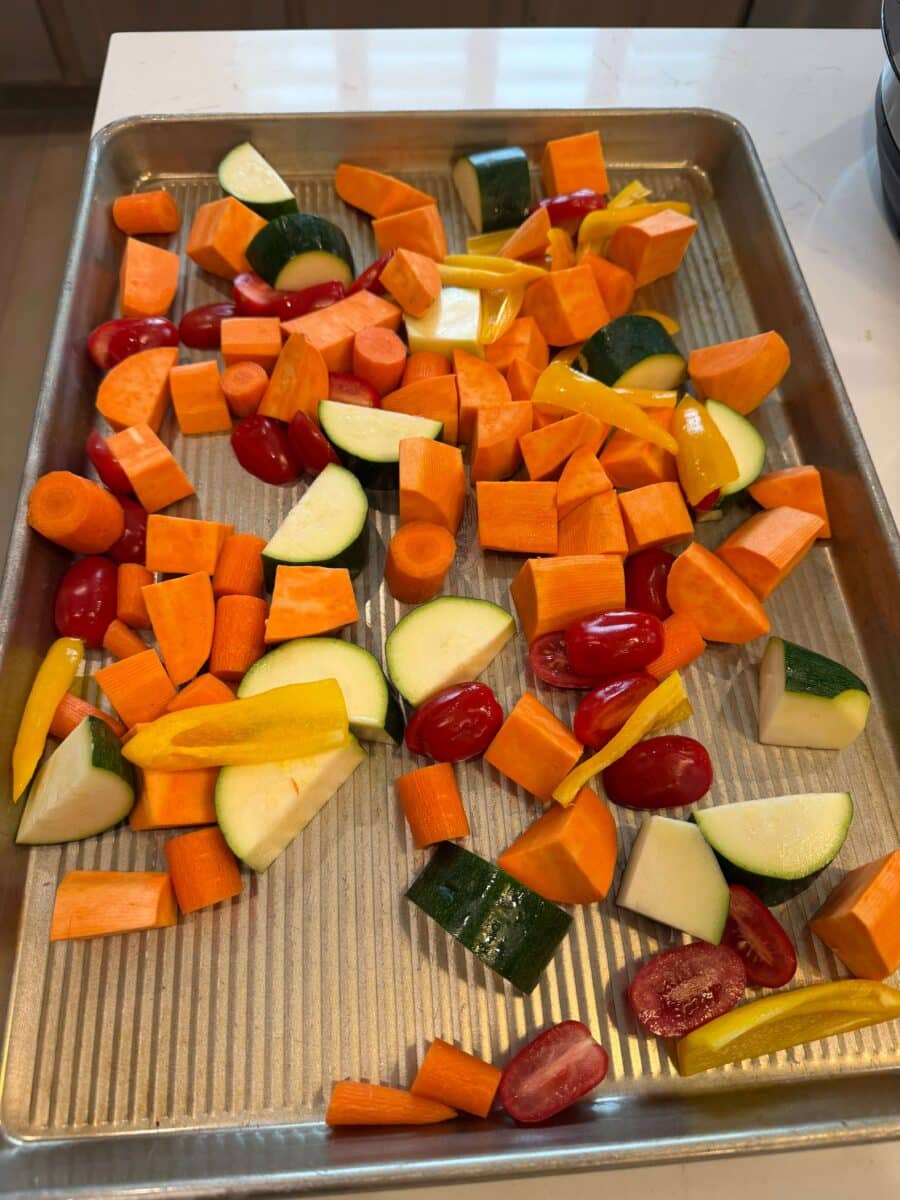
- Vegetable Processing: The cook begins by dicing sweet potatoes into uniform half-inch cubes. Uniformity is essential for even heat distribution. Zucchini is sliced into half-moons, and bell peppers are deseeded and chopped into bite-sized pieces.
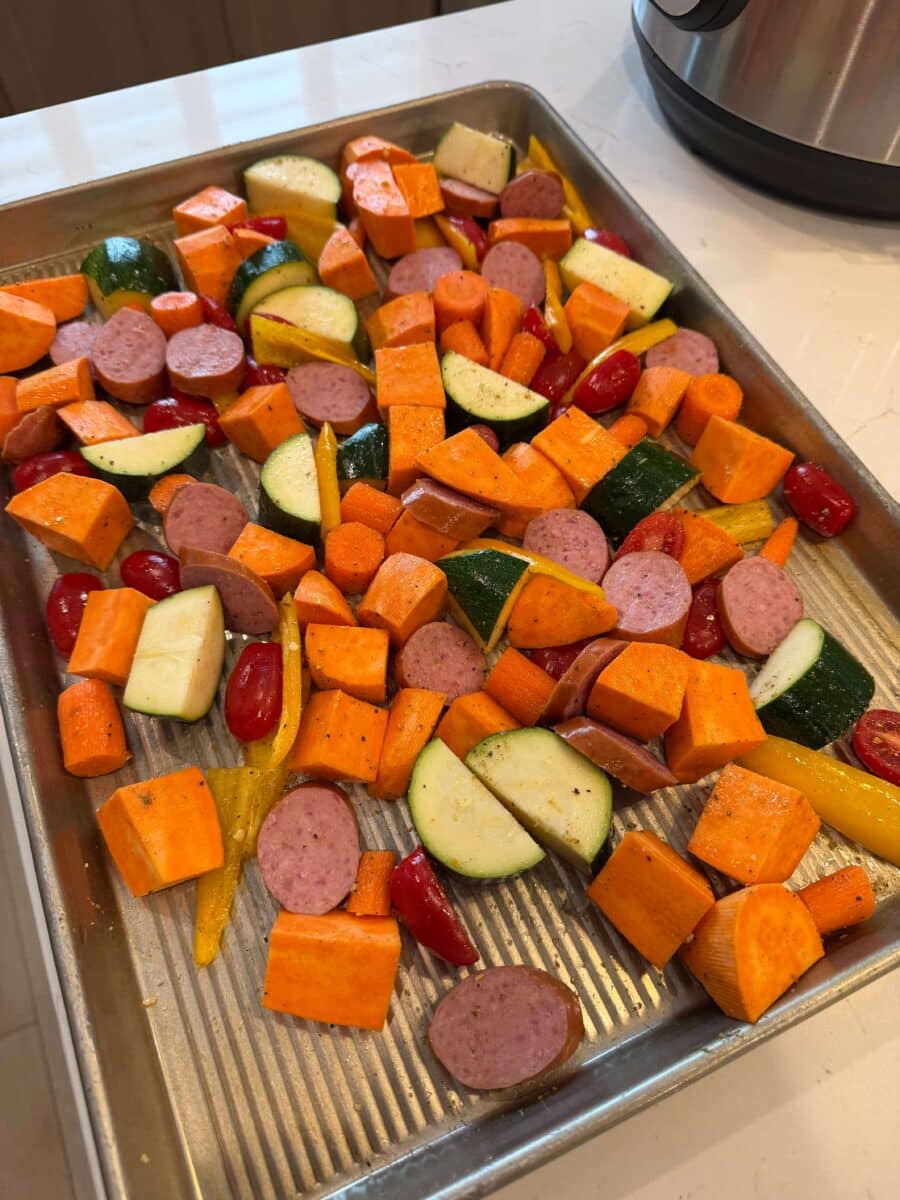
- Assembly: All vegetables are distributed across a standard 18×13-inch rimmed baking sheet. The recipe encourages a "single-unit" purchase strategy—one pepper, one carrot, one zucchini—which is specifically tailored to minimize food waste for single-person households.
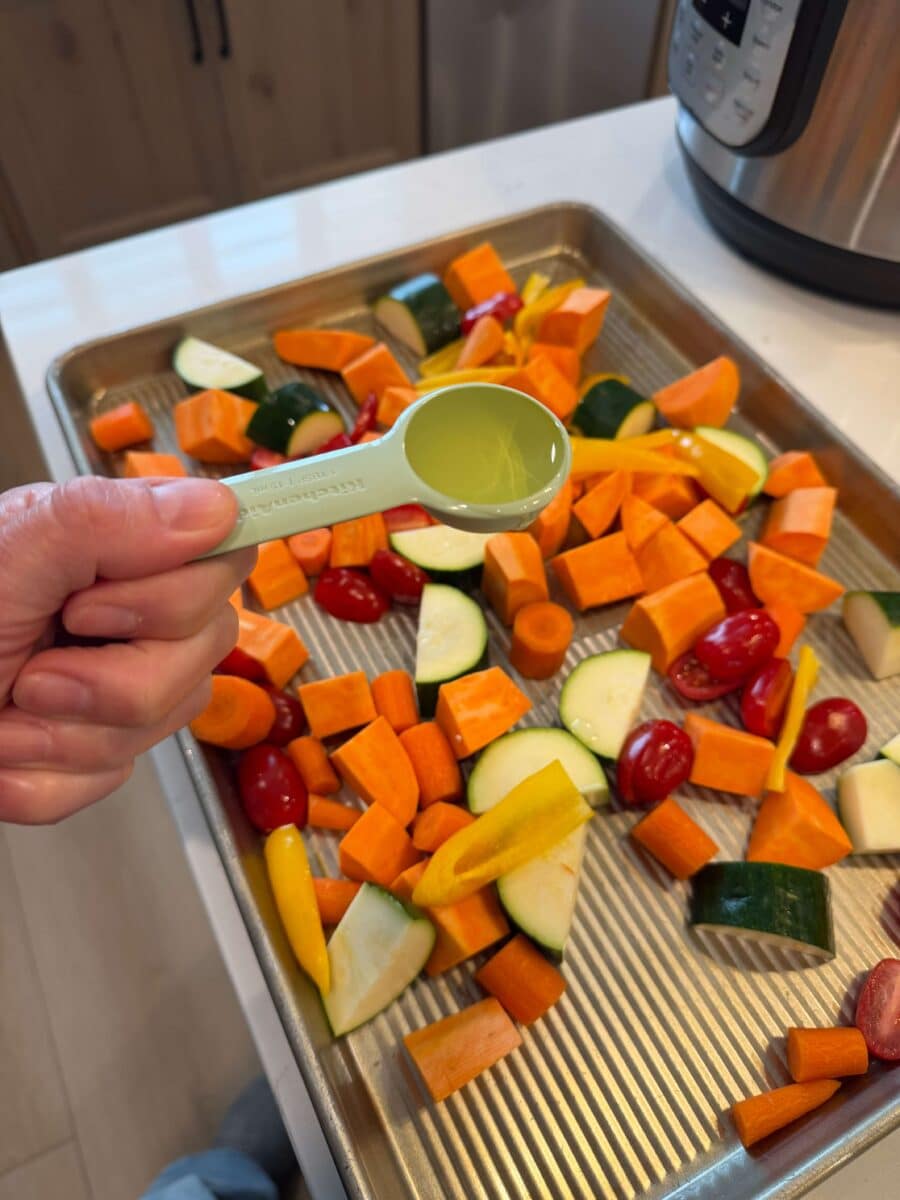
- Seasoning and Lipid Application: The mixture is drizzled with olive oil or a neutral high-smoke-point oil. Kosher salt and a sodium-free seasoning blend (such as Dash) are applied. The use of salt-free blends is a strategic choice for students who may be consuming high levels of sodium in processed campus snacks.
- Protein Integration: Sliced smoky sausage is added to the tray. The sausage serves two purposes: it provides the primary protein and fat source, and its rendered juices season the surrounding vegetables during the roasting process.
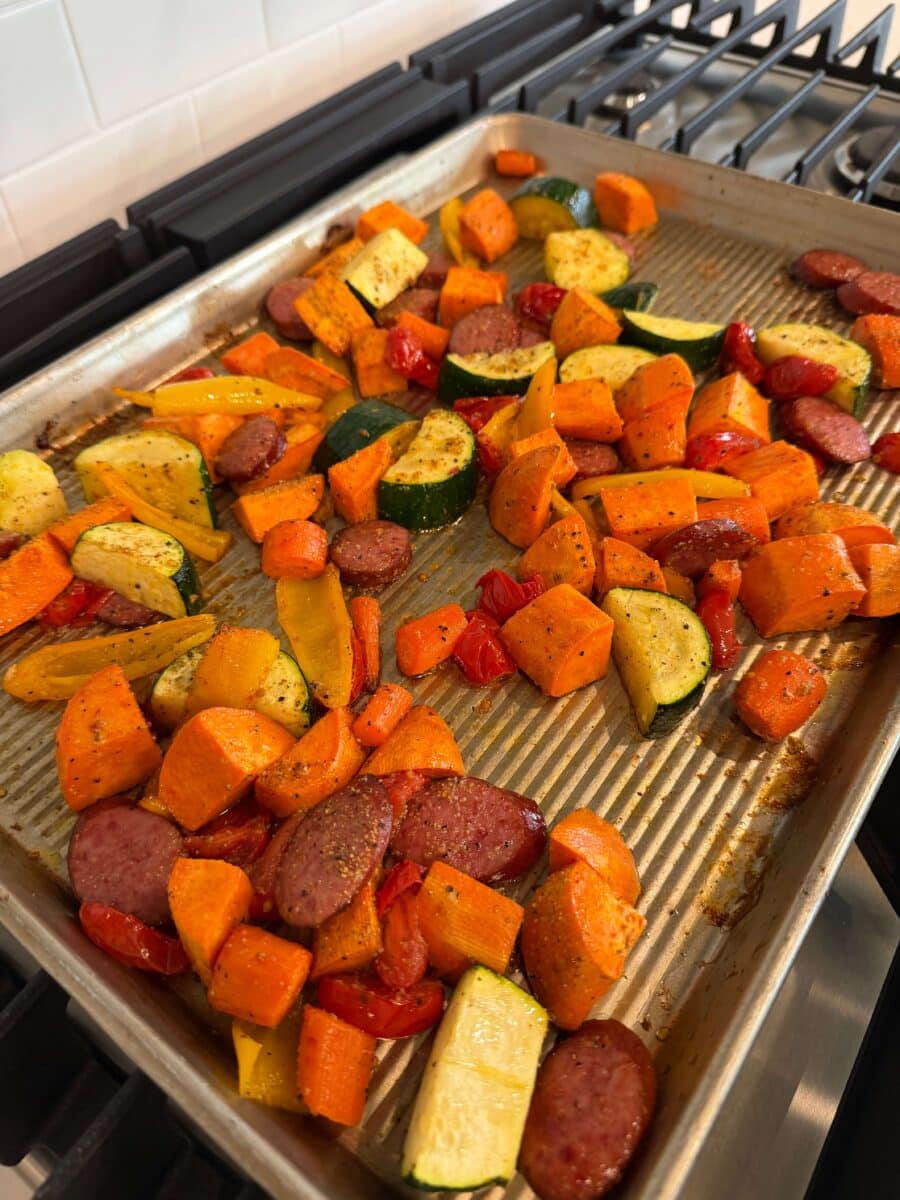
- The Roasting Phase: The tray is placed in the center rack for 30 minutes. A critical mid-point intervention occurs at the 15-minute mark, where the ingredients are tossed to ensure all surfaces are exposed to the direct heat of the pan and the circulating air.
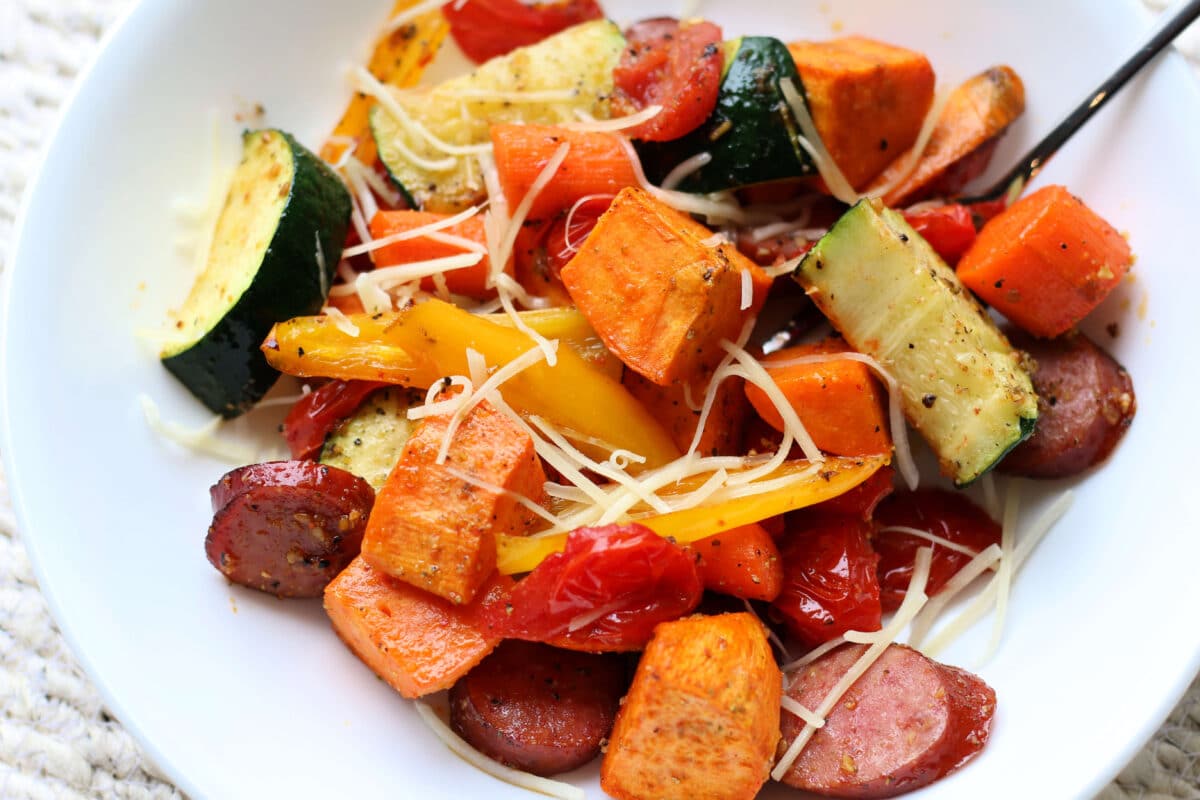
- Finishing: Upon removal, the meal is garnished with parmesan cheese, adding a savory umami finish and a hit of calcium.
Economic and Logistical Implications for Student Populations
The economic impact of the Freshman Rainbow Casserole cannot be overstated when considering the rising cost of higher education and the associated "hidden" costs of dining. According to data from the College Board, the average cost of a college meal plan can range from $3,000 to $5,500 per academic year. For students with access to a basic oven, either in a suite-style dorm or an off-campus apartment, the cost-per-serving of a sheet pan meal like the Rainbow Casserole is estimated to be between $2.50 and $4.00, depending on the choice of sausage and seasonal vegetable pricing.
Furthermore, the recipe addresses the issue of "food fatigue" and the nutritional "freshman fifteen." By providing a meal that is high in fiber and protein but relatively low in refined carbohydrates, it offers a sustainable energy source for academic performance. The "one-pan" nature of the dish also reduces the environmental footprint of the meal, requiring minimal water for cleanup and eliminating the need for multiple burners or complex appliances.
Nutritional Data and Health Analysis
A detailed analysis of the Freshman Rainbow Casserole reveals a balanced macro- and micro-nutrient profile.
- Sweet Potatoes: A medium sweet potato provides over 400% of the daily requirement for Vitamin A, essential for ocular health and immune function—critical for students living in high-density housing.
- Smoked Sausage: While sausage is a processed meat, its inclusion in this recipe provides B-vitamins and iron. When paired with high-fiber vegetables, the glycemic load of the meal remains moderated.
- Zucchini and Peppers: These low-calorie bulking agents provide volume and hydration, assisting in satiety.
- Tomatoes: The roasting process actually increases the bioavailability of lycopene, a powerful antioxidant that supports heart health.
Dietitians emphasize that the simplicity of the recipe is its greatest health asset. By lowering the barrier to entry for home cooking, students are less likely to rely on ultra-processed "instant" meals that are often devoid of fresh produce.
Institutional Responses and the Shift in Campus Dining
The University of Wisconsin-Madison’s Alumni Association, which originally promoted the "Eat Like a Freshman" concept, highlighted the recipe as a way to bridge the gap between home-cooked comfort and the realities of independent living. This initiative reflects a broader trend among universities to provide "life skills" programming that includes basic culinary literacy.
"We see a direct correlation between culinary competence and student well-being," notes a hypothetical campus wellness coordinator. "When a student learns that they can produce a high-quality, colorful, and delicious meal using nothing but a knife and a baking sheet, it builds a sense of agency that carries over into their academic and personal lives."
Culinary experts also point to the versatility of the recipe as a key factor in its success. The "substitution ideas" inherent in the dish allow for regional and dietary adaptations. For instance, tofu or chickpeas can be substituted for sausage to accommodate vegetarian diets, while eggplant can be added to complete the purple spectrum of the rainbow.
Broader Cultural Impact and Future Trends
The Freshman Rainbow Casserole is symptomatic of a larger movement toward "minimalist gastronomy." In an era characterized by inflation and shrinking living spaces, the ability to cook efficiently is becoming a vital survival skill. The popularity of this recipe on social media platforms like Pinterest and TikTok further underscores its appeal to Gen Z and Millennial demographics, who value "Instagrammable" food that is also functional and ethical.
As we look toward the future of residential design and urban living, the "sheet pan" philosophy is likely to influence kitchen appliance trends. We are already seeing an increase in high-powered toaster ovens and air fryers that mimic the convection environment of a full-sized oven, making recipes like the Rainbow Casserole even more accessible to those without a traditional stove.
In conclusion, the Freshman Rainbow Casserole is more than a simple recipe; it is a strategic tool for health, a lesson in economic management, and a testament to the power of simple, high-quality ingredients. By roasting a spectrum of vegetables with a savory protein, the cook creates a meal that is as restorative for the body as it is pleasing to the eye. For the modern student or the busy professional, it represents the pinnacle of low-effort, high-reward culinary practice.
