
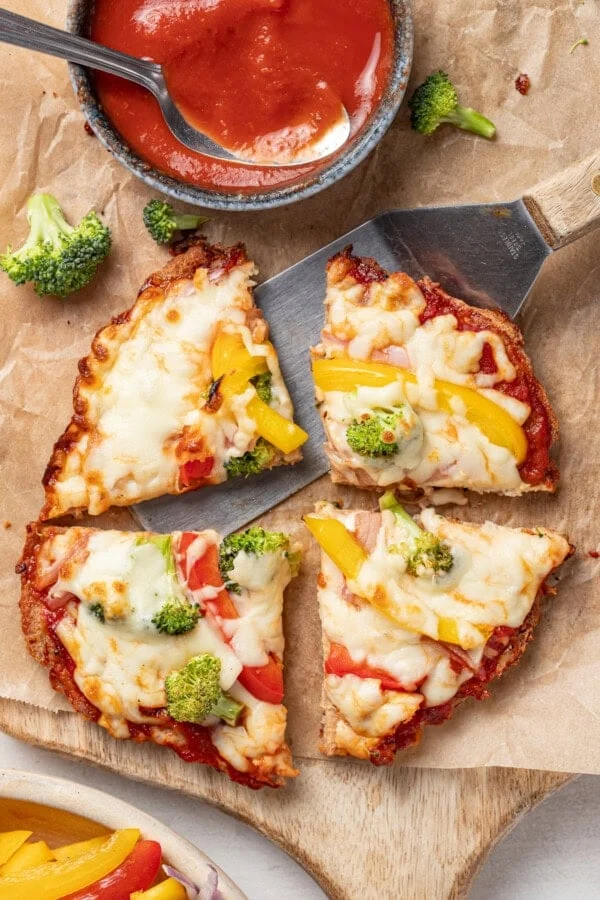
The emergence of chicken crust pizza signifies a growing trend in culinary circles, where traditional dishes are reimagined to align with evolving dietary preferences and health goals. Unlike conventional pizza crusts, which are typically high in carbohydrates and often contain gluten, the chicken and Parmesan base offers a substantial protein boost and is naturally gluten-free. This characteristic makes it particularly appealing to individuals following high-protein diets, such as ketogenic or paleo regimens, as well as those managing gluten sensitivities or celiac disease. Its versatility also allows for a wide array of toppings, from classic mozzarella and pepperoni to a diverse assortment of vegetables, spicy jalapeños, or gourmet drizzles like hot honey, catering to varied palates.
The Rise of a Culinary Innovation
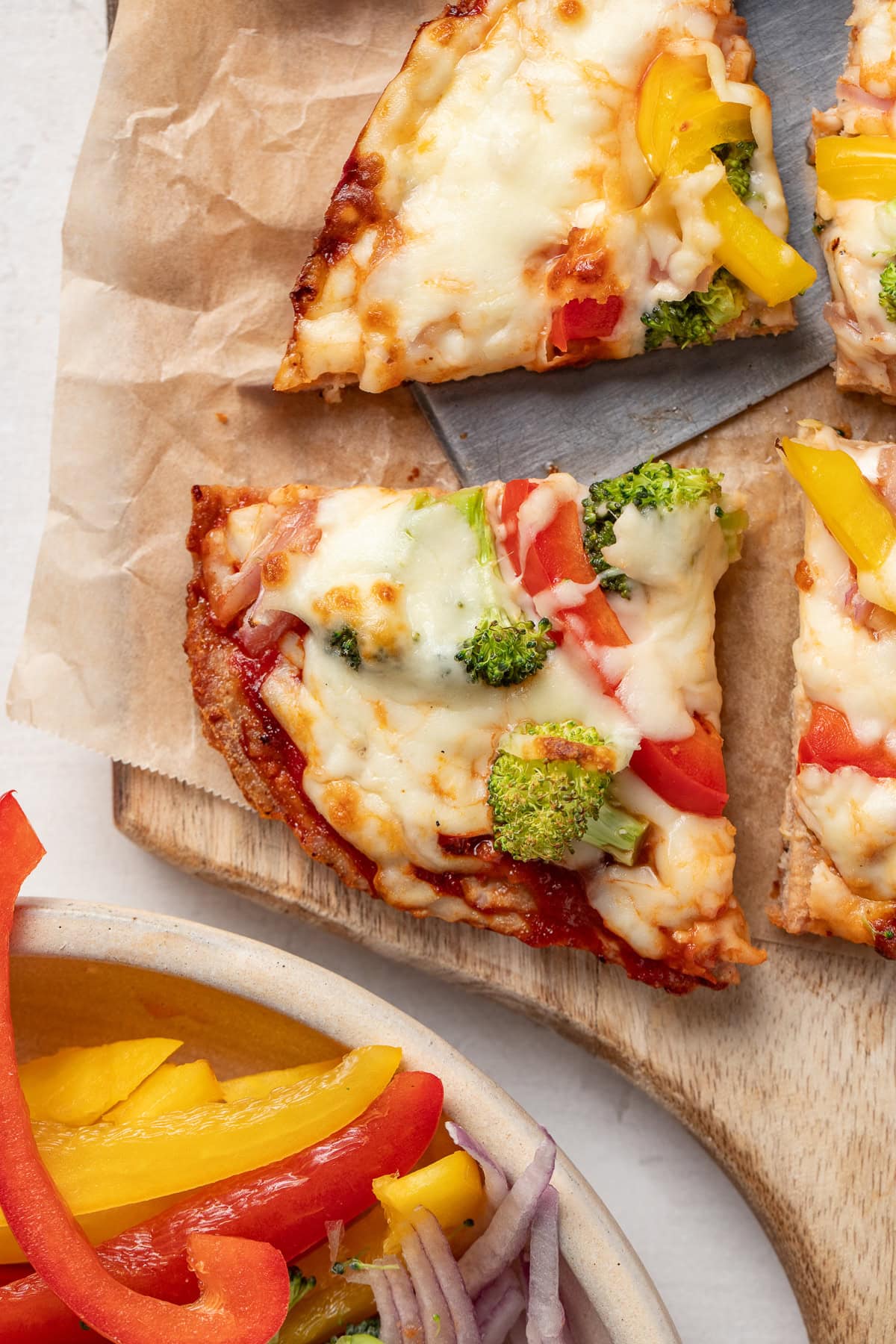
The concept of a chicken-based pizza crust, while not entirely new in the realm of experimental home cooking, has recently experienced a significant surge in popularity. This renewed interest can be largely attributed to the pervasive influence of social media, particularly platforms like TikTok and Instagram, where innovative food trends can go viral overnight. Food bloggers and health advocates have showcased the recipe, highlighting its simplicity, satisfying texture, and nutritional advantages. The idea of transforming a beloved indulgence like pizza into a meal that supports fitness goals and dietary restrictions resonates strongly with a modern audience constantly seeking healthier alternatives without compromising on taste.
This culinary innovation is part of a broader movement toward "healthified" comfort foods. Consumers are increasingly seeking ways to enjoy their favorite dishes while adhering to healthier lifestyles. This has led to the proliferation of alternative ingredients and cooking methods, from cauliflower rice to zucchini noodles, all aimed at reducing carbohydrate intake, increasing vegetable consumption, or boosting protein. Chicken crust pizza fits squarely within this trend, offering a clever workaround for pizza cravings that delivers on both flavor and nutritional substance.
Nutritional Profile and Dietary Appeal
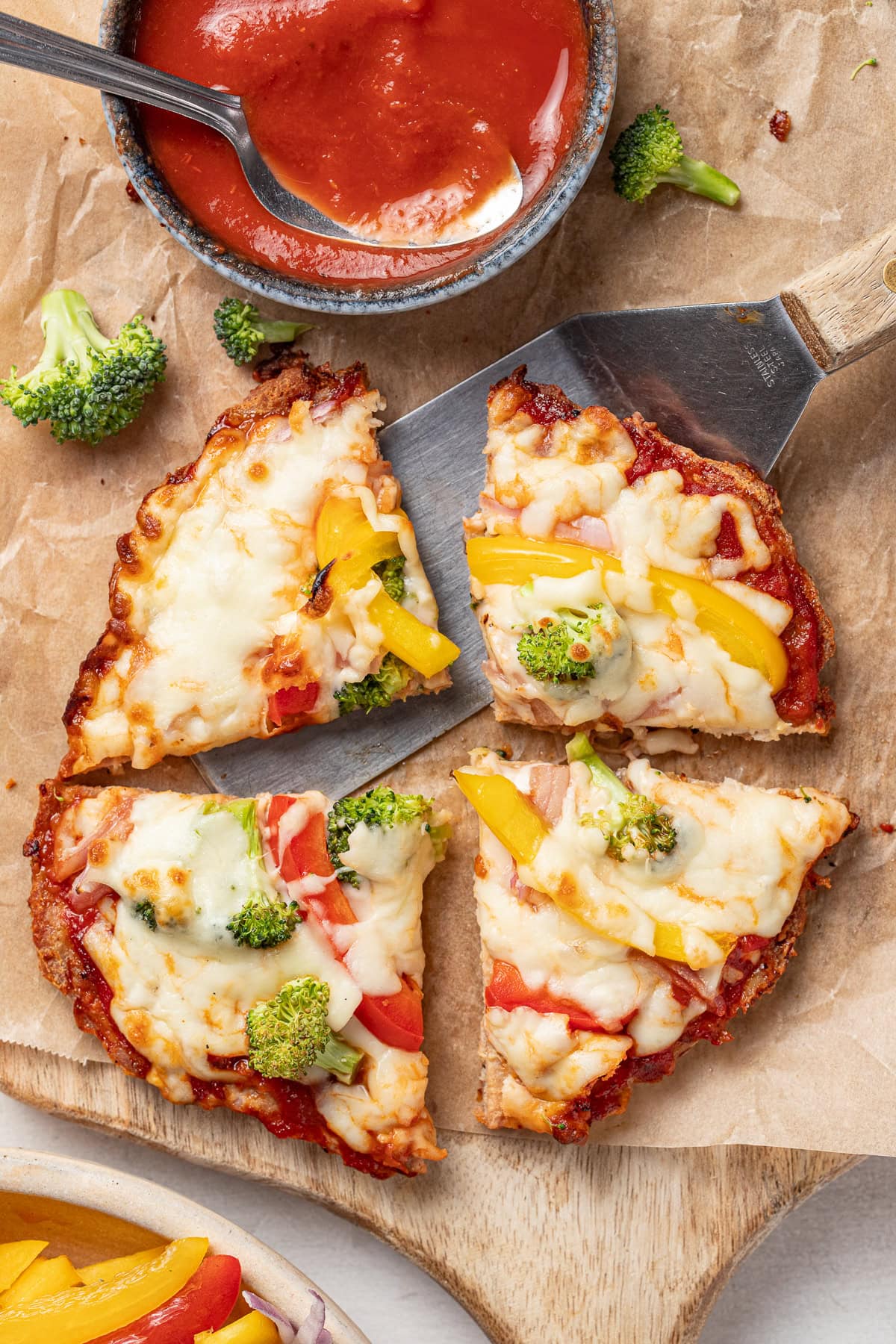
A key driver behind the chicken crust pizza’s appeal is its impressive nutritional profile. A single serving, typically one pizza, can offer approximately 287 kilocalories, with a substantial 34 grams of protein, 14.5 grams of fat (6 grams saturated), and a remarkably low 7 grams of carbohydrates (2 grams fiber, 2.5 grams sugar). This stands in stark contrast to many traditional flour-based pizzas, which often contain significantly higher carbohydrate counts and lower protein content.
For individuals focused on muscle building, weight management, or simply maintaining stable blood sugar levels, the high protein content of the chicken crust is a distinct advantage. Protein is essential for satiety, helping individuals feel fuller for longer, which can aid in controlling overall calorie intake. The absence of flour also makes it an excellent option for those avoiding gluten, providing a delicious and convenient way to enjoy pizza without adverse reactions. This makes it a valuable addition to the meal plans of athletes, dieters, and those with specific dietary needs, offering a guilt-free indulgence that supports their health objectives.
A Response to Evolving Consumer Demands

The global shift towards healthier eating habits has profoundly impacted the food industry. Consumers are more informed about nutrition and increasingly prioritize ingredients that support their well-being. According to market research, the demand for high-protein products and gluten-free alternatives continues to grow at a steady pace. The gluten-free market alone is projected to reach billions of dollars in valuation in the coming years, driven by a combination of medical necessity and lifestyle choices. Similarly, the popularity of high-protein diets has led to a proliferation of protein-enriched foods across various categories.
Chicken crust pizza directly addresses these market demands. It provides a creative solution for consumers who desire the sensory experience of pizza but are unwilling to compromise on their health commitments. This adaptability underscores a broader trend where food producers and culinary innovators are responding to a sophisticated consumer base that expects both flavor and function from their meals. The ability to customize toppings further enhances its appeal, allowing individuals to tailor their pizza to their specific macro-nutrient goals or flavor preferences.
The Social Media Catalyst

The rapid dissemination of the chicken crust pizza concept owes much to the power of social media. Platforms like TikTok, Instagram, and Pinterest serve as fertile ground for food trends to emerge and proliferate. Users are constantly seeking novel recipes that are visually appealing, easy to make, and align with popular dietary narratives. The "before and after" transformations, recipe tutorials, and user-generated content showcasing beautifully topped chicken crust pizzas have played a pivotal role in its virality.
This digital word-of-mouth creates a self-reinforcing cycle of discovery and adoption. When a recipe is shared by influential figures or gains traction through user engagement, it quickly reaches a vast audience. The accessible nature of ground chicken and common pizza toppings means that many home cooks can easily replicate the recipe, further fueling its spread. This phenomenon illustrates how social media has become an indispensable tool for democratizing culinary innovation, allowing ideas to transcend traditional food media and reach a global audience in real-time.
From Concept to Kitchen: Preparation and Customization
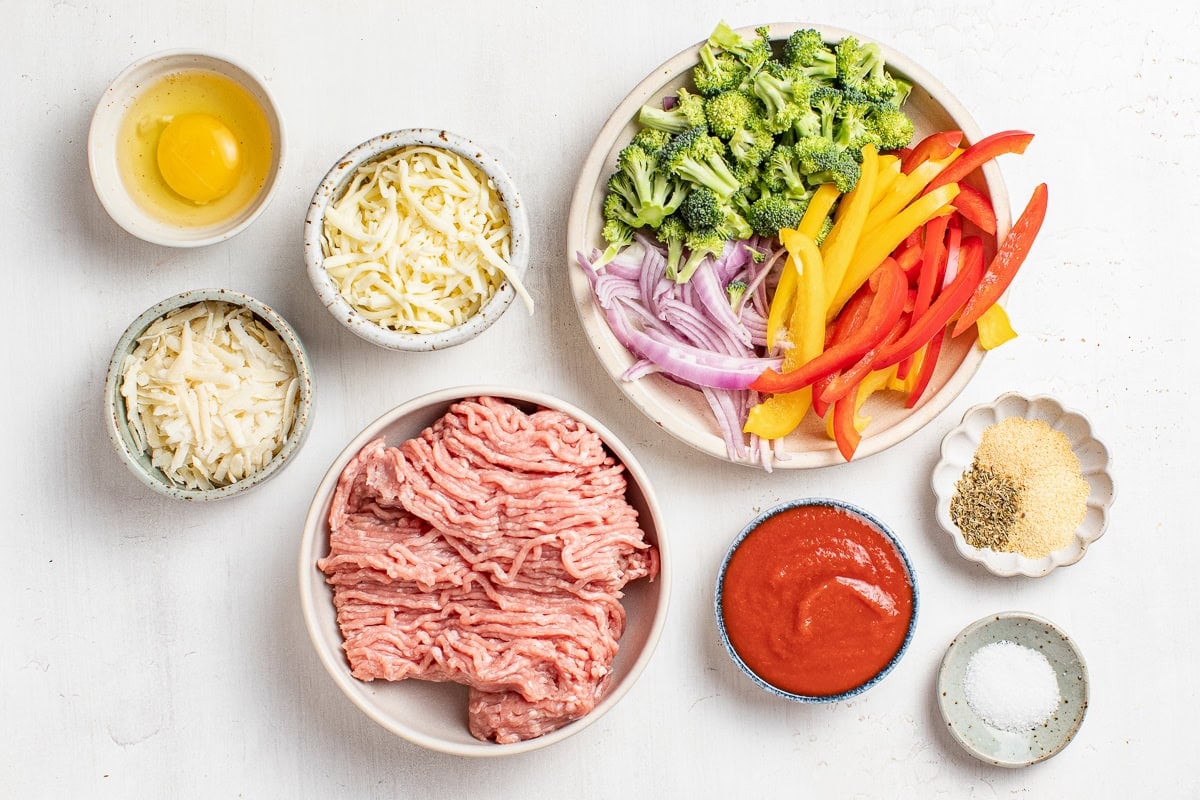
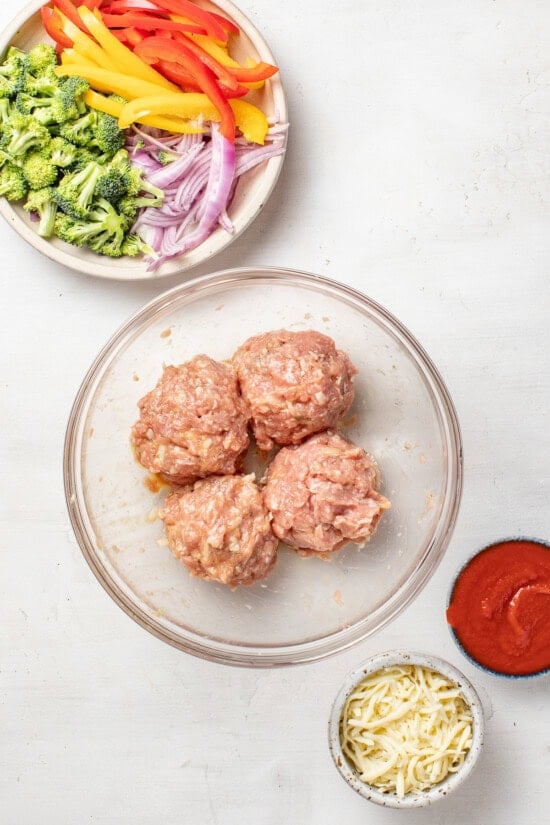
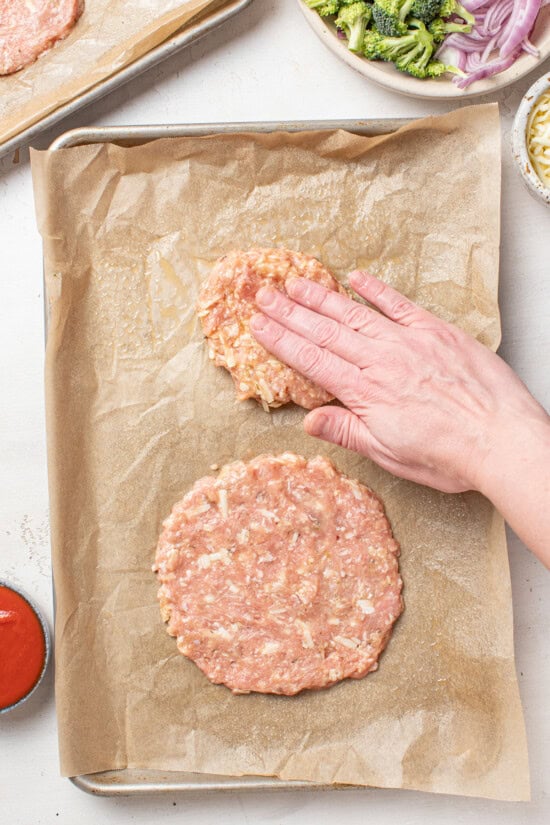
The preparation of chicken crust pizza is surprisingly straightforward, involving a two-stage baking process to achieve the desired firm and crispy crust. Initially, a mixture of seasoned ground chicken and Parmesan cheese is pressed into a thin crust and baked until golden and firm, allowing any excess moisture to release. This crucial step prevents the crust from becoming soggy, a common pitfall with alternative crusts. Once the base is par-baked, it is then topped with sauce, cheese, and desired ingredients, followed by a second bake until the cheese is melted and bubbly.
This method ensures a crust that is robust enough to support a generous array of toppings, mimicking the structural integrity of a traditional pizza. The customization potential is limitless, allowing for personal expression in the kitchen. Popular topping choices include classic pepperoni, sausage, various bell peppers, onions, mushrooms, olives, and fresh herbs. For those who enjoy a bit of heat, jalapeños or a drizzle of spicy honey can add an extra kick. The simplicity of the base recipe encourages experimentation, inviting home cooks to explore different flavor combinations and dietary adaptations.
Expert Perspectives on Food Innovation
Culinary experts and nutritionists generally view such innovations positively, especially when they offer healthier alternatives to popular comfort foods. Dr. Elena Petrova, a nutritionist specializing in dietary adaptations, noted, "The ingenuity behind dishes like chicken crust pizza is commendable. It provides a pathway for individuals to enjoy foods they love while making choices that support their health goals, particularly in increasing protein intake and reducing refined carbohydrates. The emphasis on whole, unprocessed ingredients like ground chicken and fresh vegetables aligns perfectly with modern nutritional advice."
However, experts also caution that the health benefits depend significantly on the choice of toppings. Overloading the pizza with excessive amounts of high-fat cheeses or processed meats can diminish its overall nutritional advantage. The recommendation is to balance savory toppings with plenty of vegetables, ensuring a well-rounded meal. This approach maximizes the benefits of the high-protein crust, transforming pizza night into a truly nutritious and satisfying experience.
Challenges and Best Practices
While relatively simple, achieving the perfect chicken crust requires attention to a few key details to prevent sogginess, a common concern with moisture-rich ingredients like ground chicken. Culinary experts advise several best practices:
- Thin Crust: Pressing the chicken mixture into a thin, even layer (approximately ¼-inch thick) is crucial for a crisp texture.
- Proper Pre-Baking: The initial bake must fully cook the crust and allow it to firm up, releasing excess moisture. This creates a stable foundation for toppings.
- Mindful Toppings: While customization is encouraged, avoiding overly watery vegetables or sautéing them beforehand (e.g., spinach, mushrooms) can prevent the crust from becoming damp. Draining any excess liquid from toppings is also recommended.
- Quality Ingredients: Using higher-quality, leaner ground chicken can result in a less watery crust, contributing to a better final product. Some culinary sources recommend specific brands or types of ground chicken, such as "Better Ground Chicken" from Whole Foods, for optimal results due to their lower fat content and moisture.
For convenience, the chicken crust can be pre-baked and frozen for up to three months, offering a quick meal solution for busy individuals. Reheating methods are also important; to maintain crispness, reheating in an air fryer or skillet is preferable to a microwave, which can lead to a soggy texture.
Market Impact and Future Outlook

The success of chicken crust pizza highlights a broader shift in the food industry towards embracing functional foods and ingredient innovation. Food manufacturers are likely to observe these trends closely, potentially leading to the development of pre-made chicken crusts or similar high-protein, gluten-free pizza bases for retail. Restaurants, too, might incorporate such alternatives into their menus to cater to diverse dietary demands, expanding their customer base.
The longevity of such trends often depends on their ability to deliver consistent taste, ease of preparation, and tangible health benefits. Given the current emphasis on protein and gluten-free options, chicken crust pizza appears to have strong staying power. It represents a creative bridge between traditional comfort food and modern nutritional imperatives, embodying the spirit of culinary adaptation that defines contemporary eating habits. As consumers continue to prioritize health without sacrificing flavor, innovative solutions like the chicken crust pizza will likely remain at the forefront of the gastronomic landscape.
