
Trader Joe’s has cultivated a reputation for offering a global culinary journey within its aisles, with international flavors being a significant draw for its loyal customer base. This international focus often means that domestically produced items can be harder to find than those sourced or packaged from abroad. Understanding the origin of a product, particularly staples like olive oil, offers consumers valuable insights into quality, potential price fluctuations driven by global economic factors, and adherence to regional production standards. The provenance of olive oil, in particular, frequently sparks consumer curiosity, leading many to question the origins of the oils they purchase. While it might be tempting to assume all olive oil found at Trader Joe’s hails from Italy, the reality is more nuanced: only a select few of their olive oil offerings are exclusively Italian.
Trader Joe’s offers a diverse array of olive oils, sourced from various regions around the world. Among its selection, the Sicilian Selezione extra virgin olive oil stands out as a purely Italian product. This specific oil is pressed and bottled in Sicily, utilizing a blend of Biancolilla, Ogghiredda, and Cerasoula olive varieties cultivated on the island. Another option for consumers seeking exclusively Italian olive oil is the President’s Reserve extra virgin olive oil, which, as its name suggests, is 100% Italian in origin. However, it is worth noting that what might be considered Trader Joe’s "best" olive oil, based on internal assessments or consumer feedback, could originate from California, highlighting the retailer’s commitment to offering a spectrum of high-quality oils beyond a single geographic focus.
A Global Tapestry of Olive Oils at Trader Joe’s
The proposition of "going around the world" at Trader Joe’s extends directly to its extensive olive oil selection. While Italian olive oil holds a certain prestige due to centuries of tradition and stringent production methods, the grocery chain strategically diversifies its offerings to cater to a broader palate and price point. This approach acknowledges that exceptional olive oil can be produced in many regions, each with its unique terroir and flavor profiles.
A prime example of Trader Joe’s commitment to variety is its Trader Giotti’s extra virgin olive oil. This product, recognized in internal taste tests as a top contender, is cold-pressed. However, its origin is not exclusively Italian. Instead, it is described as a "Mediterranean mix," potentially drawing olives from Italy, Greece, Spain, and/or Tunisia. This blended approach allows Trader Joe’s to offer a complex flavor profile while potentially managing costs and ensuring consistent availability. The labeling for this product reflects this broader sourcing, indicating a blend of olives from across the Mediterranean basin.
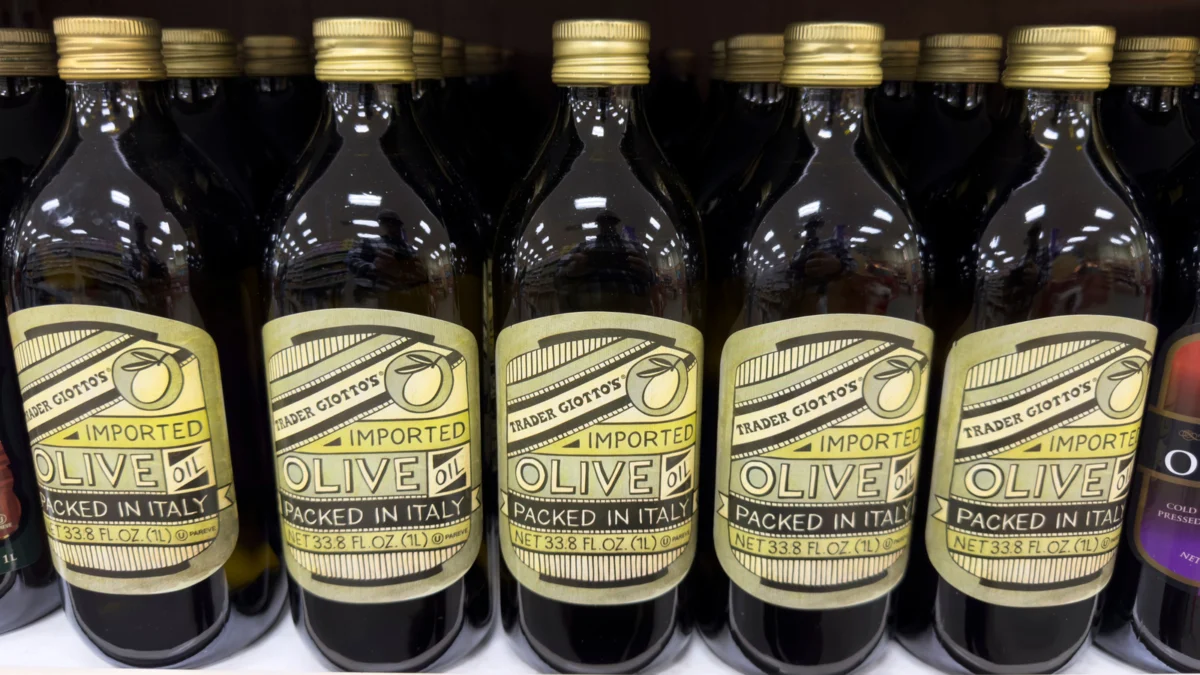
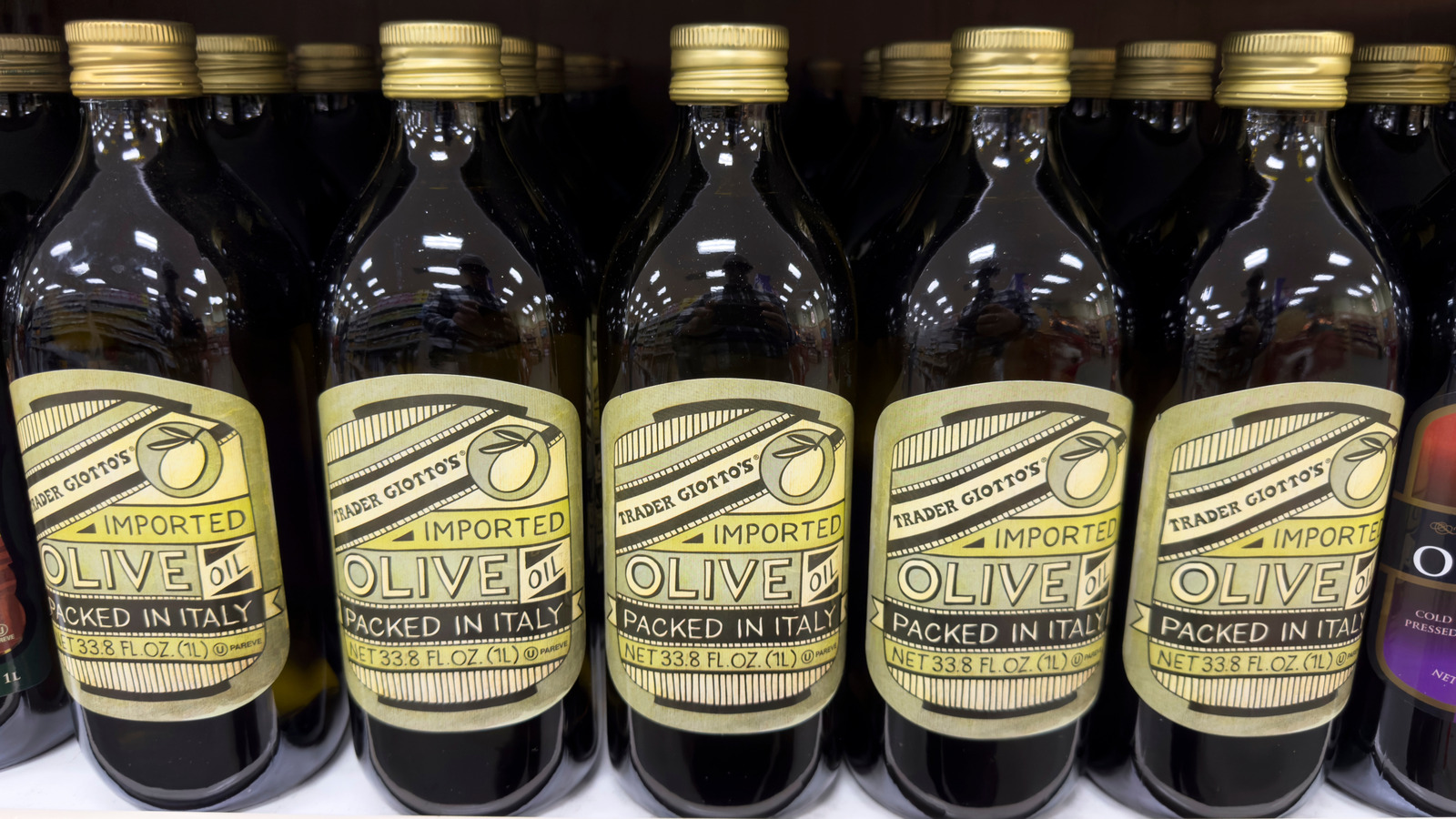
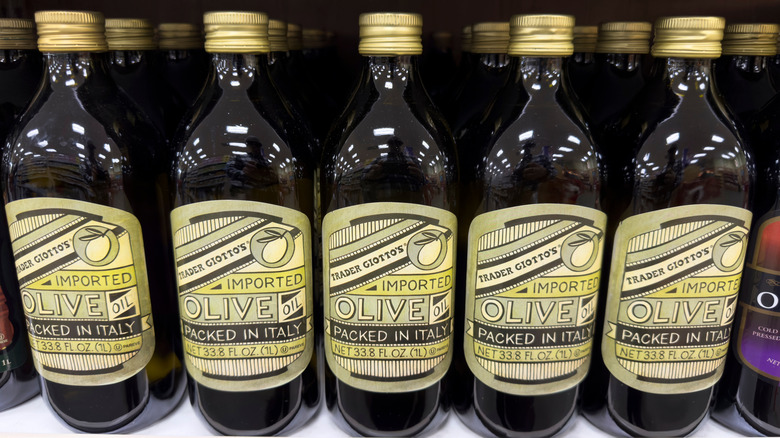
Further illustrating this diversification is the Trader Giotti’s premium extra virgin olive oil, also cold-pressed. While the olives for this oil are sourced from orchards across the globe, the product is packaged in Italy. This distinction is important, as Italy has a long-standing reputation for its expertise in olive oil production and blending. Similarly, the Trader Giotti’s imported olive oil, a non-extra virgin variety, is also brought over after being packaged in Italy, but its olive content reflects international sourcing. These examples demonstrate a deliberate strategy by Trader Joe’s to leverage global resources while often utilizing Italy as a key packaging and quality assurance hub.
The Significance of Italian Olive Oil Designations
The emphasis on "Italian" for olive oil carries substantial weight in the global market, largely due to Italy’s deeply ingrained olive oil culture and its historical commitment to quality. Few countries imbue the production of olive oil with the same level of cultural significance and regulatory oversight. This dedication has historically positioned Italian olive oil as a benchmark for excellence.
In recent years, Italy has intensified its efforts to safeguard the integrity of its olive oil industry. The Italian government has announced and begun implementing stricter regulations and enforcement mechanisms aimed at identifying and penalizing instances of olive oil fraud. This proactive stance is a direct response to issues such as mislabeling regarding origin, obscure sourcing practices, and the adulteration of olive oils with cheaper alternatives or contaminants. The objective is to ensure that consumers receive products that accurately reflect their purported Italian heritage and quality.
This regulatory push by Italy is not an isolated effort. It aligns with broader European Union initiatives to maintain high standards across the continent’s food and agricultural sectors. European Union regulators have frequently acknowledged Italy’s influential role in upholding quality within Europe’s oil business. This influence is manifested through the rigorous adherence to regulations at every stage of the supply chain, from cultivation and harvesting to pressing, bottling, and distribution. For consumers, these Italian designations, when authentic, offer a greater degree of confidence in the product’s quality, traceability, and adherence to time-honored production methods.
Consumer Perception and Market Dynamics
The consumer’s perception of "Italian" olive oil is often rooted in a long-standing association with superior taste, health benefits, and culinary tradition. Italy’s diverse landscape, from the sun-drenched groves of Puglia and Sicily to the hilly terrains of Tuscany, yields a wide spectrum of olive varieties, each contributing unique flavor notes – from peppery and robust to delicate and fruity. This regional diversity has fostered a global appreciation for the nuances of Italian extra virgin olive oil.
However, the global nature of olive oil production and trade means that labels can sometimes be misleading, leading to confusion or even intentional deception. The aforementioned Italian regulations are partly a response to such challenges, aiming to provide clarity and build consumer trust. For retailers like Trader Joe’s, navigating this complex landscape requires careful sourcing and transparent labeling.
The decision to source olives from various Mediterranean countries for products like Trader Giotti’s extra virgin olive oil can be influenced by several factors. Firstly, climatic conditions can affect olive yields and quality in any given year, making diversification a strategy for ensuring consistent supply. Secondly, economic factors, including the cost of production in different regions, play a role. By blending oils from countries with varying production costs, retailers can potentially offer competitive pricing. Lastly, the blending of oils from different regions can be a deliberate effort to achieve a specific flavor profile that appeals to a broad consumer base, rather than the singular taste of an oil from a single grove or region.
Trader Joe’s Approach to Quality and Transparency
Trader Joe’s has built its brand on a commitment to offering unique products at accessible prices, often with a focus on quality and transparency. While the origin of their olive oils may vary, the retailer typically strives to provide consumers with information about the sourcing and production of their private-label goods. This is evident in the detailed descriptions provided for their olive oil products, which often specify whether the oil is cold-pressed, the types of olives used, and the region of origin or packaging.
For instance, the distinction between an oil that is "100% Italian" and one that is a "Mediterranean mix" or "packaged in Italy" provides consumers with different levels of information about the product’s journey. The former implies that both the olives and the processing occurred within Italy. The latter suggests a more complex supply chain, where olives may have been grown elsewhere but were blended and bottled in Italy, or where the oil itself is a composite from multiple countries.
The inclusion of oils like the President’s Reserve extra virgin olive oil, which is explicitly stated as 100% Italian, caters to consumers who specifically seek out Italian-origin products. Conversely, the Trader Giotti’s offerings represent a more pragmatic approach to olive oil procurement, balancing quality, flavor, and value by drawing from the broader Mediterranean region.
The Broader Implications for Consumers and the Industry
The variety of olive oil origins available at Trader Joe’s reflects a broader trend in the global food industry: the increasing demand for diverse and authentic culinary experiences, coupled with a growing consumer awareness of product provenance. As consumers become more educated about food sourcing, the pressure on retailers and producers to be transparent about their supply chains intensifies.
The Italian government’s efforts to combat olive oil fraud have significant implications not only for Italian producers but also for the global market. By enforcing stricter standards, Italy aims to protect its reputation and ensure that consumers worldwide can trust the authenticity of "Made in Italy" olive oil. This can lead to a more equitable marketplace where high-quality producers are rewarded for their integrity, and deceptive practices are curtailed.
For consumers, this means that when choosing an olive oil, paying attention to the specific origin information on the label is crucial. While a "Mediterranean blend" can offer excellent quality and value, an "100% Italian" designation, when backed by verifiable standards, provides a different kind of assurance. Trader Joe’s, by offering both types of products, allows consumers to make informed choices based on their priorities, whether that be a specific regional flavor, adherence to traditional production methods, or simply a desire for a high-quality cooking ingredient.
The presence of high-quality Californian olive oils within Trader Joe’s selection further underscores the global nature of excellent olive oil production. The United States, particularly California, has seen a significant rise in its olive oil industry, with producers investing in advanced cultivation and pressing techniques, and often adhering to rigorous standards, such as those set by the California Olive Oil Council (COOC) for extra virgin olive oil. This competition and diversification benefit consumers by offering a wider range of superior olive oils from various renowned growing regions.
In conclusion, while Trader Joe’s does offer genuinely Italian olive oils, the retailer’s olive oil selection is characterized by a strategic diversity that spans multiple origins. This approach not only provides consumers with a range of choices in terms of flavor profiles and price points but also reflects the complex realities of global agricultural sourcing and production. As consumers continue to seek out quality and authenticity, understanding the nuances of olive oil labeling and origin becomes an increasingly valuable part of the shopping experience.
