
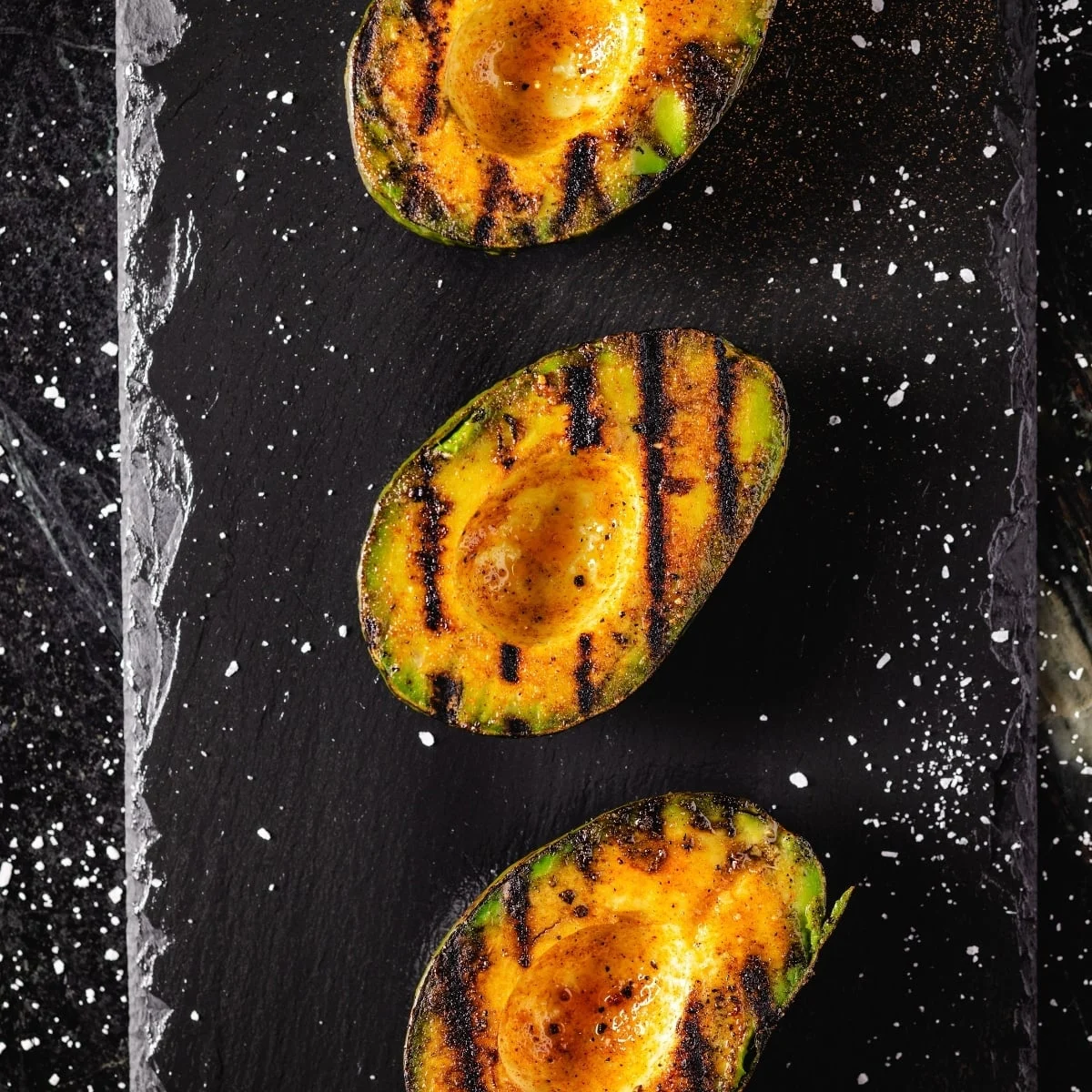
The evolution of modern outdoor cooking has moved significantly beyond traditional protein-centric menus, embracing a more diverse array of produce, with the grilled avocado emerging as a centerpiece of this culinary shift. As barbecue enthusiasts seek to balance smoky flavor profiles with nutritional density, the practice of applying high-heat charring to the Persea americana, or the common avocado, has gained substantial traction in both domestic backyards and professional kitchens. This culinary technique, championed by industry experts such as Susie Bulloch of the Hey Grill Hey platform, utilizes a minimalist approach—requiring only five ingredients and approximately five minutes of active grill time—to transform the fruit’s natural fats into a warm, decadent side dish or base for complex appetizers.
The Rise of the Avocado in Global and Grilling Markets
To understand the significance of the grilled avocado trend, one must look at the broader context of avocado consumption and the shifting demographics of the barbecue industry. Over the last two decades, the avocado has transitioned from a niche regional specialty to a global commodity. According to data from the Hass Avocado Board, per capita consumption in the United States has more than tripled since the early 2000s. This surge is attributed to the fruit’s high concentration of monounsaturated fats, potassium, and dietary fiber, aligning with the "superfood" movement that has dominated health-conscious consumer behavior.
Simultaneously, the barbecue sector has seen a diversification of its user base. No longer restricted to long-form brisket or pork shoulder smoking, the modern "Backyard BBQ Hero" is increasingly interested in quick-fire, high-impact recipes that cater to vegetarian, vegan, and ketogenic dietary requirements. The grilled avocado sits at the intersection of these trends, offering the "smoky char" associated with traditional barbecue while maintaining a nutrient-dense profile.

Technical Chronology: The Four-Step Grilling Process
The methodology for achieving a successful grilled avocado relies on the management of high direct heat to ensure external caramelization without compromising the structural integrity of the internal flesh. The process follows a specific four-stage chronology:
- Preparation and Slicing: The process begins with selecting ripe but firm avocados. Overly ripe fruit will lose its shape on the grill grates, while under-ripe fruit will fail to develop the desired creaminess. The avocados are halved longitudinally, and the pit is removed.
- Surface Seasoning: To facilitate the Maillard reaction—the chemical reaction between amino acids and reducing sugars that gives browned food its distinctive flavor—the cut surface of the avocado is brushed with a high-smoke-point oil. Following the oil application, a seasoning blend is applied. In the Hey Grill Hey methodology, a signature "Sweet Rub" is utilized, which typically balances brown sugar with savory spices like paprika, salt, and garlic to complement the buttery nature of the fruit.
- The High-Heat Sizzle: The avocados are placed cut-side down directly over a high-heat zone on the grill. This stage lasts approximately two to three minutes. The objective is not to cook the fruit through but to create distinct grill marks and infuse the flesh with a hint of wood or charcoal smoke.
- Finishing and Presentation: Once the internal temperature has risen slightly and the surface shows charred ridges, the fruit is removed from the heat. A final squeeze of fresh lime juice is often applied to provide acidity, which cuts through the richness of the healthy fats.
Nutritional Data and Chemical Implications of Grilling
The nutritional profile of a grilled avocado is notably robust. A standard serving size, according to data provided by the Hey Grill Hey nutritional analysis, contains approximately 196 calories. The breakdown of macronutrients reveals 18 grams of total fat, of which 12 grams are monounsaturated fats—the heart-healthy variety often found in olive oil.
From a biochemical perspective, the application of heat to an avocado alters its texture by softening the cellulose walls of the fruit’s cells, making the interior more "scoopable." However, the brief duration of the grilling process is critical. Avocados contain tannins that can become bitter if subjected to prolonged heat. By utilizing a high-heat, short-duration strategy, cooks can achieve the "smoky" flavor profile without triggering the release of these bitter compounds.
Nutritional Breakdown (Per Serving):

- Calories: 196 kcal
- Total Fat: 18g (Saturated: 3g, Polyunsaturated: 2g, Monounsaturated: 12g)
- Carbohydrates: 9g
- Dietary Fiber: 7g
- Protein: 2g
- Micronutrients: Potassium (497mg), Vitamin C (11mg), Vitamin A (180IU), Calcium (25mg), Iron (1mg)
Culinary Versatility and Market Response
The grilled avocado serves as a "blank canvas" within the culinary arts. While it can be consumed directly from the shell with a spoon, its utility as a component in more complex dishes has driven its popularity on social media platforms like Instagram and Facebook.
Industry analysts note that the grilled avocado is frequently utilized in three primary ways:
- The "Vessel" Application: The cavity left by the pit serves as a natural bowl for salsas, ceviches, or grilled shrimp, creating a self-contained appetizer.
- The Texture Enhancer: Slices of grilled avocado are increasingly replacing raw slices in burgers and sandwiches. The warmth of the grilled fruit prevents the temperature drop that often occurs when adding cold toppings to a hot protein.
- The Salad Base: Grilling the avocado adds a layer of complexity to traditional salads, providing a contrast between the charred, warm fruit and crisp, cold greens.
Susie Bulloch, a prominent figure in the outdoor cooking space and founder of Hey Grill Hey, has noted that the simplicity of the recipe is its primary selling point. By lowering the barrier to entry for "BBQ side dishes," home cooks are more likely to experiment with their equipment, leading to higher engagement with the grilling hobby as a whole.
Broader Impact on the Outdoor Cooking Industry
The proliferation of recipes like the grilled avocado signifies a broader shift in the outdoor cooking industry toward "lifestyle" grilling. This movement is characterized by a move away from the "low and slow" gatekeeping of traditional pitmasters toward a more inclusive, experimental approach.

Digital platforms have played a pivotal role in this transformation. The "Hey Grill Hey" ecosystem, which includes a dedicated mobile app and a YouTube channel, exemplifies how modern BBQ influencers are democratizing culinary knowledge. By providing accessible, five-ingredient recipes, these platforms are expanding the market for grill manufacturers, spice rub producers, and produce growers alike.
Furthermore, the environmental and economic implications of fruit-based grilling cannot be ignored. As the cost of premium meat cuts continues to fluctuate due to supply chain pressures, produce-heavy recipes offer a cost-effective alternative for hosting outdoor gatherings. The "grilled avocado" represents a shift toward more sustainable, plant-forward outdoor dining without sacrificing the ritualistic "fire and smoke" elements that define the barbecue experience.
Expert Recommendations and Procedural Nuances
For those seeking to replicate professional results at home, several "pro tips" have been identified by culinary experts. First, the use of a clean, well-oiled grill grate is essential to prevent the delicate avocado flesh from sticking. Second, the choice of oil matters; oils with a high smoke point, such as avocado oil or refined olive oil, are preferred over extra virgin olive oil, which may smoke excessively and impart a bitter flavor at high temperatures.
Lastly, the timing of the seasoning is vital. Applying the rub immediately after oiling ensures that the spices adhere to the fruit, creating a crust-like texture once it hits the hot metal of the grill. This attention to detail transforms a simple piece of produce into a sophisticated culinary offering.

Conclusion: The Future of the Barbecue Plate
As the barbecue landscape continues to evolve, the grilled avocado stands as a testament to the versatility of the grill. It challenges the traditional notion that outdoor cooking must be time-consuming or meat-reliant. By combining the nutritional benefits of the avocado with the sensory appeal of wood-fired cooking, this recipe has secured its place in the modern culinary canon. Whether used as a simple side dish or an elaborate appetizer base, the grilled avocado is a symbol of the creative, health-conscious, and inclusive future of the backyard barbecue. The success of creators like Susie Bulloch in this space suggests that the appetite for innovative, produce-centric grilling will only continue to grow in the coming seasons.
