
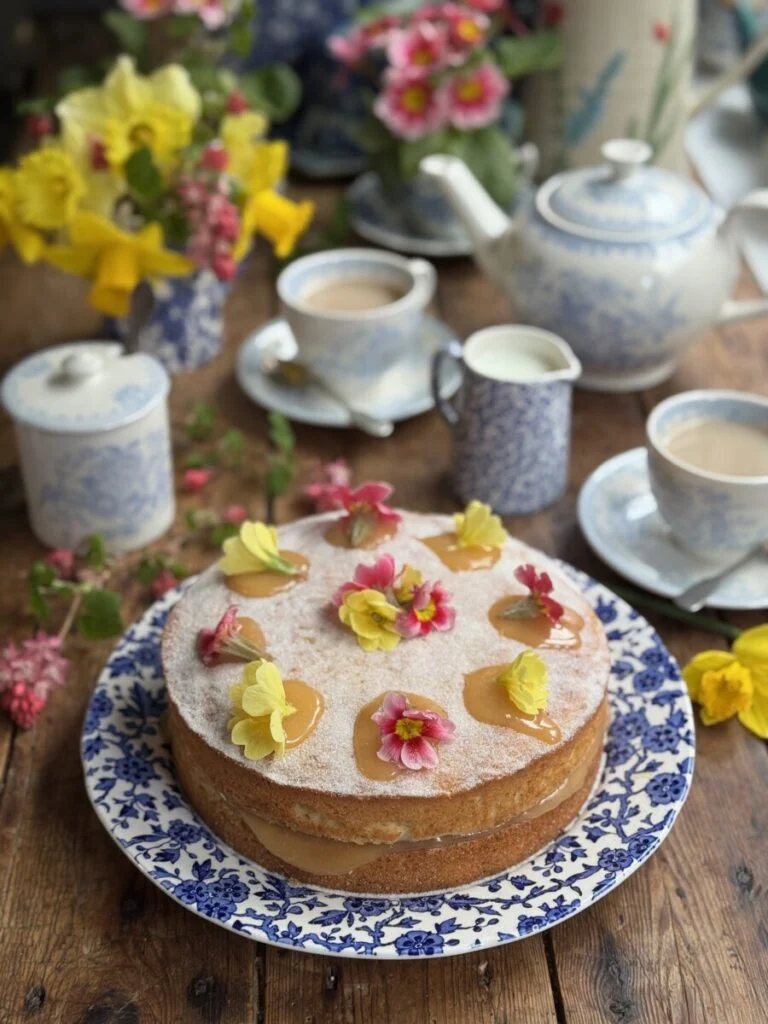
The culinary world is abuzz with the seasonal unveiling of the "Spring Posy Victoria Sandwich Cake with Lemon Curd," a classic British bake reimagined for the modern palate by renowned food writer Karen Burns-Booth. Released on March 20, 2026, coinciding with the Spring Equinox, this recipe from the popular blog Lavender and Lovage offers a delightful fusion of tradition and contemporary presentation, poised to become a staple for spring celebrations and everyday indulgence alike. The cake, a testament to the enduring appeal of the Victoria Sandwich, features a light sponge generously filled with tangy lemon curd, elegantly finished with vanilla sugar and adorned with fresh, edible spring flowers, notably crystallised primroses.

A Celebration of Seasonal Transition: The Spring Equinox
The choice of March 20th for the recipe’s release is particularly significant, marking the Spring Equinox in the Northern Hemisphere. This astronomical event, derived from the Latin "aequus" (equal) and "nox" (night), signifies the moment when the sun crosses the celestial equator, resulting in nearly equal periods of daylight and darkness across the globe. Culturally, the Spring Equinox – also known as the Vernal Equinox – has been celebrated across diverse civilizations for millennia as a symbol of renewal, rebirth, and the official end of winter’s chill. It heralds longer days, warmer temperatures, and the reawakening of nature, making it a fitting backdrop for a cake that embodies freshness and floral beauty.

Historically, the equinox has inspired a wealth of traditions, from ancient agricultural festivals celebrating fertility and harvest potential to modern observances of spiritual renewal. In contemporary society, the equinox often prompts a shift in dietary preferences, with a renewed focus on seasonal produce and lighter, brighter flavours. The "Spring Posy Victoria Sandwich Cake with Lemon Curd" aligns perfectly with this trend, incorporating vibrant lemon and delicate edible flowers that evoke the essence of the season’s bounty.
The Enduring Legacy of the Victoria Sandwich

At the heart of Burns-Booth’s seasonal offering is the venerable Victoria Sandwich, a cornerstone of British baking. Named after Queen Victoria, who famously enjoyed a slice of this simple yet elegant cake with her afternoon tea, the Victoria Sandwich (or Victoria Sponge) rose to prominence in the mid-19th century. Its enduring appeal lies in its straightforward preparation and the perfect balance of its components: two identical sponge cakes, typically filled with raspberry jam and a dollop of fresh cream or buttercream.
The traditional recipe calls for equal weights of butter, sugar, eggs, and self-raising flour – a principle known as the "all-in-one" method, which simplifies the baking process significantly. This method, highlighted by Burns-Booth, makes the cake accessible even to novice bakers, contributing to its widespread popularity. Over the centuries, while the core recipe has remained largely unchanged, variations in fillings and decorations have allowed for seasonal interpretations, making it a versatile canvas for culinary creativity. Burns-Booth’s choice of lemon curd instead of the more traditional jam offers a refreshing, zesty twist that is particularly well-suited to the spring theme. The addition of vanilla, noted in the recipe, further enhances the cake’s warmth and complements the sharp citrus notes of the lemon curd.

The Zest of Spring: Lemon Curd
Lemon curd, a rich, sweet, and tangy spread made from lemons, sugar, butter, and eggs, plays a pivotal role in this spring confection. Its history dates back to the 19th century in England, where it was traditionally served with scones or bread as part of afternoon tea. Originally, it was known as "lemon cheese" and often made without butter, resulting in a firmer consistency. Over time, the recipe evolved to include butter, giving it a smoother, creamier texture akin to a custard.

The appeal of lemon curd lies in its vibrant flavour profile – a perfect balance of tartness and sweetness that invigorates the palate. Its bright yellow hue also contributes to the cake’s spring aesthetic. Burns-Booth specifically advocates for homemade lemon curd, referencing her mother’s recipe on her blog. This emphasis on artisanal, homemade ingredients underscores a broader trend in contemporary food culture: a return to scratch cooking and an appreciation for quality, traditional preparations. The preference for homemade curd over commercially produced varieties highlights a desire for superior flavour and the satisfaction of culinary craftsmanship.
Edible Blooms: A Feast for the Eyes and Palate

Perhaps the most visually striking element of the "Spring Posy Victoria Sandwich Cake" is its decoration with edible spring flowers, particularly crystallised primroses. The use of edible flowers in cuisine is a practice with ancient roots, dating back to Roman times and prevalent in various cultures, including Chinese, Middle Eastern, and Indian culinary traditions. In recent years, there has been a significant resurgence in the popularity of edible flowers, driven by a growing interest in gourmet aesthetics, fresh ingredients, and the desire to add unique visual and flavour dimensions to dishes.
Spring offers a particularly rich bounty of edible flowers, including pansies, violas, elderflower, borage, and, as featured in this recipe, primroses. Crystallising flowers, a traditional method of preserving and enhancing their beauty using sugar, adds a touch of elegance and whimsy. Beyond their decorative appeal, edible flowers can impart subtle flavours, ranging from peppery to sweet, floral, or herbaceous, adding complexity to a dish. The inclusion of these delicate blooms transforms the Victoria Sandwich from a simple tea cake into a work of art, perfectly capturing the delicate beauty of spring. This trend reflects a broader movement towards highly visual and shareable food experiences, often amplified through social media platforms.

The Craft of Presentation: British China and Culinary Aesthetics
Karen Burns-Booth also draws attention to the presentation of the cake, suggesting it be served on "elegant, beautifully made British made china," specifically mentioning Burleigh’s Blue Asiatic Pheasant, Blue Arden, and Blue Felicity patterns. This detail is not merely an aesthetic suggestion but highlights the integral role of presentation in the overall dining experience, particularly in the context of traditional British tea culture.

Burleigh Pottery, a heritage brand established in 1851, is renowned for its distinctive transferware patterns and commitment to traditional manufacturing techniques in England. The brand’s enduring popularity speaks to a continued appreciation for craftsmanship, quality, and pieces with a rich history. By pairing a classic cake with iconic British china, Burns-Booth subtly reinforces the cake’s traditional roots while elevating the entire culinary ritual. This emphasis on tableware resonates with consumers who seek to create a complete sensory experience, where the visual appeal of the setting complements the taste and texture of the food. It also taps into a market segment that values sustainable, locally produced, and artisan goods, extending beyond food to homeware.
Broader Implications and Culinary Trends

The "Spring Posy Victoria Sandwich Cake with Lemon Curd" is more than just a recipe; it’s a reflection of several prevailing trends in the culinary landscape.
- Seasonal Eating: The recipe’s alignment with the Spring Equinox underscores the growing movement towards seasonal eating, which promotes the consumption of fresh produce that is naturally in season. This approach not only enhances flavour but also supports local agriculture and reduces environmental impact.
- Revival of Classic Bakes: There’s a noticeable resurgence of interest in traditional recipes, often with modern interpretations. Bakers are returning to comforting classics like the Victoria Sandwich, but infusing them with contemporary twists in flavour, presentation, or technique. This satisfies a nostalgia for familiar tastes while catering to a desire for novelty.
- The Rise of Food Blogging and Influencers: Karen Burns-Booth, through Lavender and Lovage, exemplifies the significant influence of food bloggers and online culinary platforms. These digital tastemakers play a crucial role in disseminating recipes, inspiring home cooks, and shaping culinary trends, often with a highly visual approach that resonates with online audiences.
- Aesthetic Presentation and Social Media: The emphasis on decorating the cake with edible flowers and serving it on fine china speaks to the importance of visual appeal in the age of social media. "Instagrammable" food has become a powerful driver of culinary choices, with dishes that are both delicious and beautiful gaining widespread attention.
- Homemade and Artisanal Focus: The recommendation for homemade lemon curd highlights a broader consumer preference for artisanal, high-quality ingredients and the satisfaction derived from creating food from scratch. This contrasts with a reliance on mass-produced convenience foods.
In conclusion, Karen Burns-Booth’s "Spring Posy Victoria Sandwich Cake with Lemon Curd" emerges as a timely and aesthetically pleasing culinary creation. Its release on the Spring Equinox of 2026 positions it as a perfect embodiment of the season’s renewal, combining the comforting familiarity of a British classic with fresh, zesty flavours and delicate floral embellishments. This recipe not only promises a delightful experience for home bakers and tea enthusiasts but also serves as a microcosm of broader trends in seasonal eating, traditional recipe revival, and the influential role of digital platforms in contemporary food culture. It is a confection designed not just to be eaten, but to be celebrated, embodying the joy and beauty of spring.
