
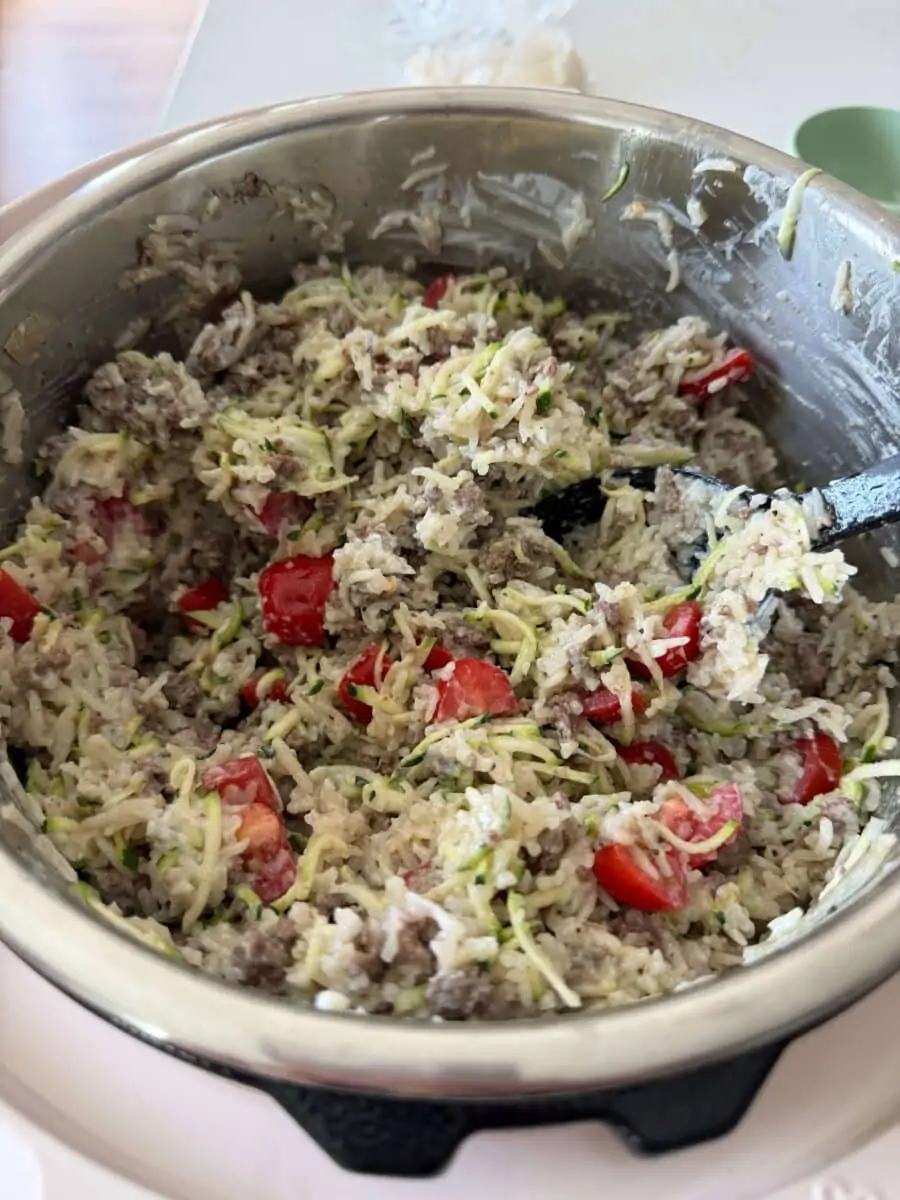
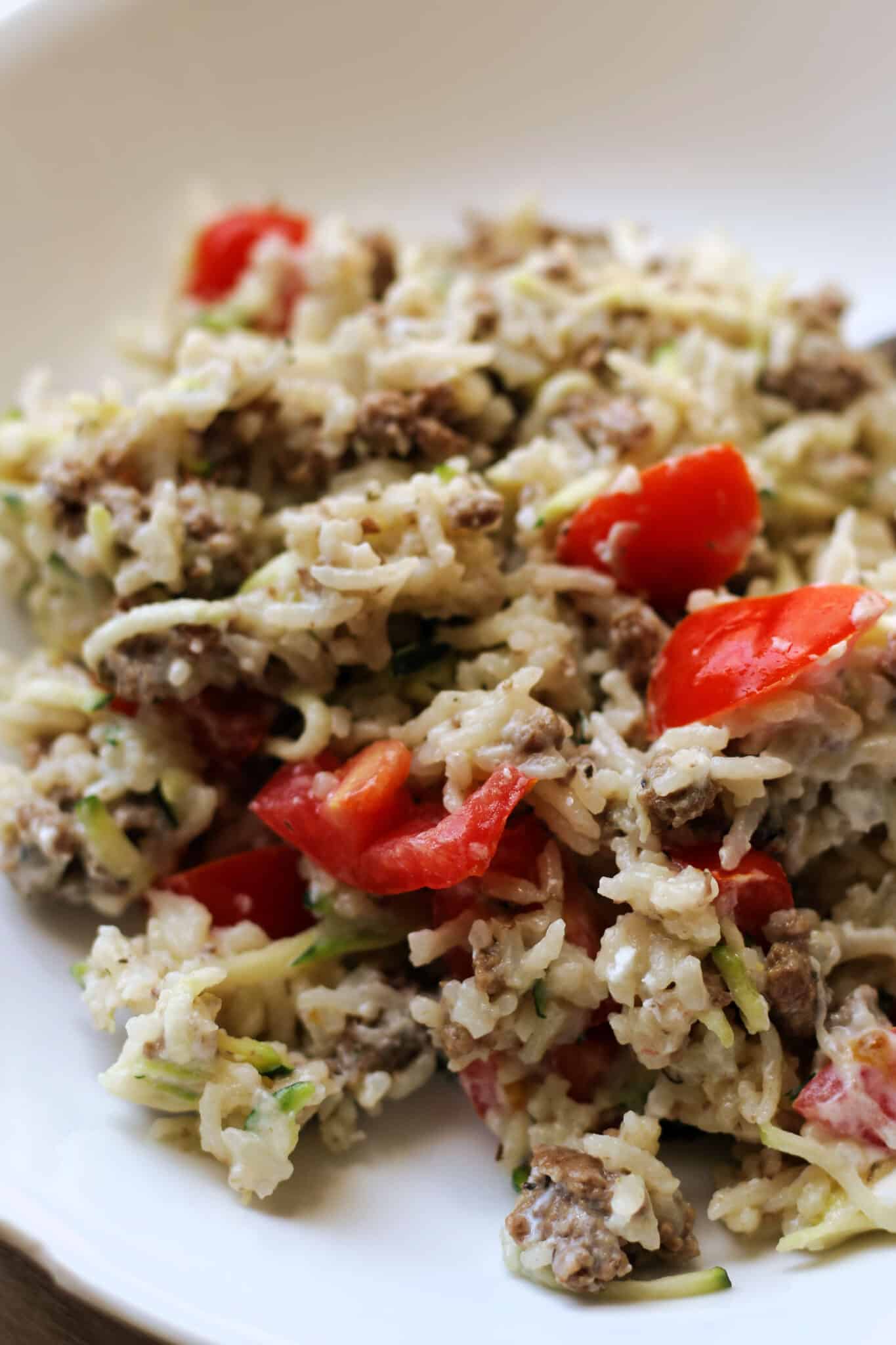
The evolution of modern home cooking has reached a pivotal intersection where traditional ethnic flavors meet the high-speed efficiency of 21st-century kitchen technology. This trend is exemplified by the emergence of the "one-pot" Mediterranean meal, specifically the Instant Pot adaptation of the classic Greek gyro. By deconstructing the traditional rotisserie-style street food and reassembling it into a cohesive, rice-based casserole, culinary developers have addressed a growing consumer demand for nutrient-dense, time-efficient dinners that do not sacrifice cultural authenticity. The Easy Greek Gyro Casserole, a dish characterized by seasoned ground lamb, basmati rice, and fresh vegetables, represents a broader shift in domestic meal preparation toward the Mediterranean diet, which has been consistently ranked by health experts as one of the most beneficial eating patterns globally.
The Convergence of Tradition and Technology
The traditional Greek gyro, historically made from stacked layers of meat cooked on a vertical rotisserie, is a staple of Hellenic fast food. However, the logistical requirements of vertical roasting are often prohibitive for the average household. The transition to a casserole format using an electric pressure cooker, such as an Instant Pot, democratizes these flavors. This methodology utilizes the "Sauté" and "Pressure Cook" functions to mimic the browning of meat and the slow-steaming of grains in a fraction of the time required by conventional stovetop methods.
Market data suggests that the global multi-cooker market has seen a compound annual growth rate (CAGR) of approximately 10.2% over the last five years. This surge is driven by a demographic of "time-poor, health-conscious" consumers who prioritize meals that can be completed in under 30 minutes. The Greek Gyro Casserole fits this profile perfectly, offering a complete nutritional profile—protein, carbohydrates, and fiber—within a single cooking vessel.
Chronology of the Cooking Process
The preparation of the Greek Gyro Casserole follows a strict technical sequence designed to maximize flavor extraction while maintaining the structural integrity of the ingredients. Unlike traditional casseroles that may result in a uniform texture, the Instant Pot method employs a tiered approach to ensure vegetables remain crisp and dairy components remain creamy.
Phase I: Aromatics and Protein Development
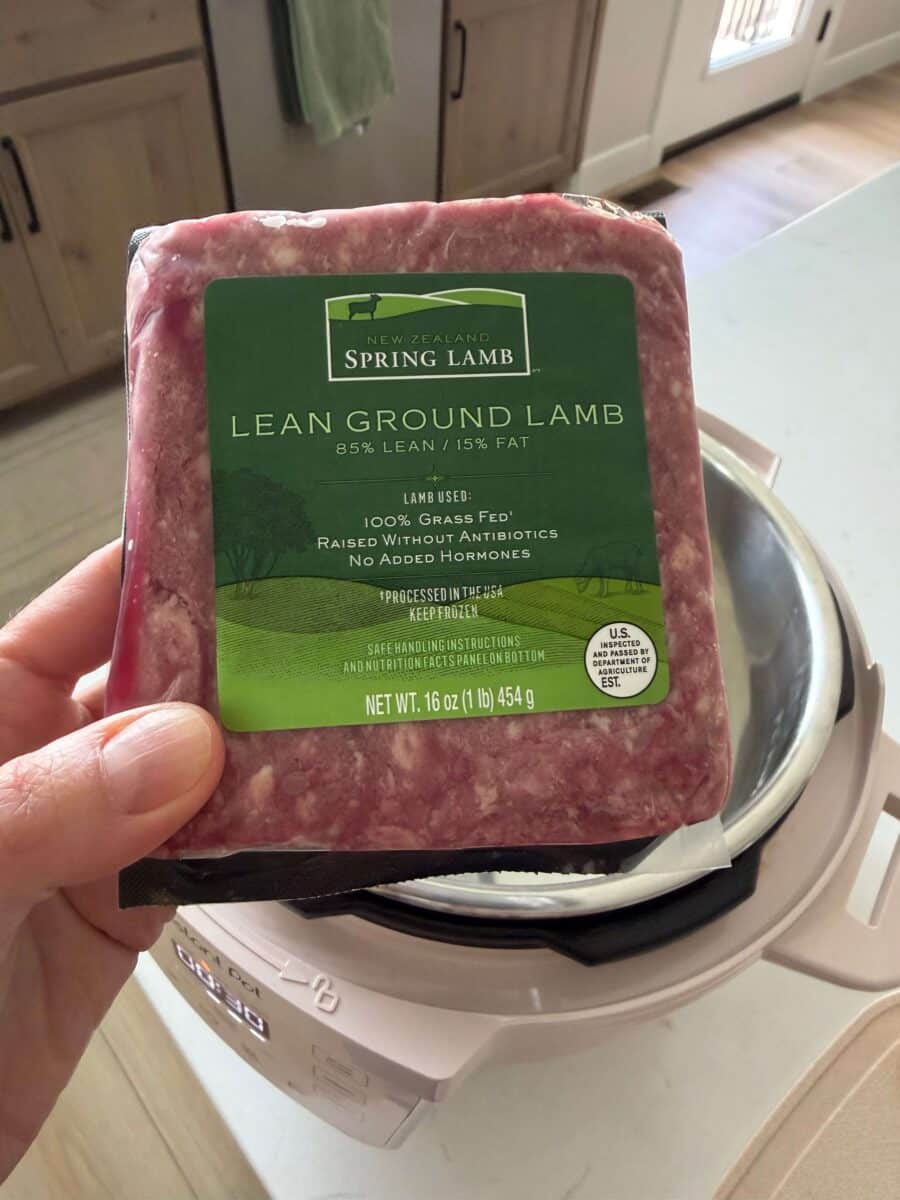
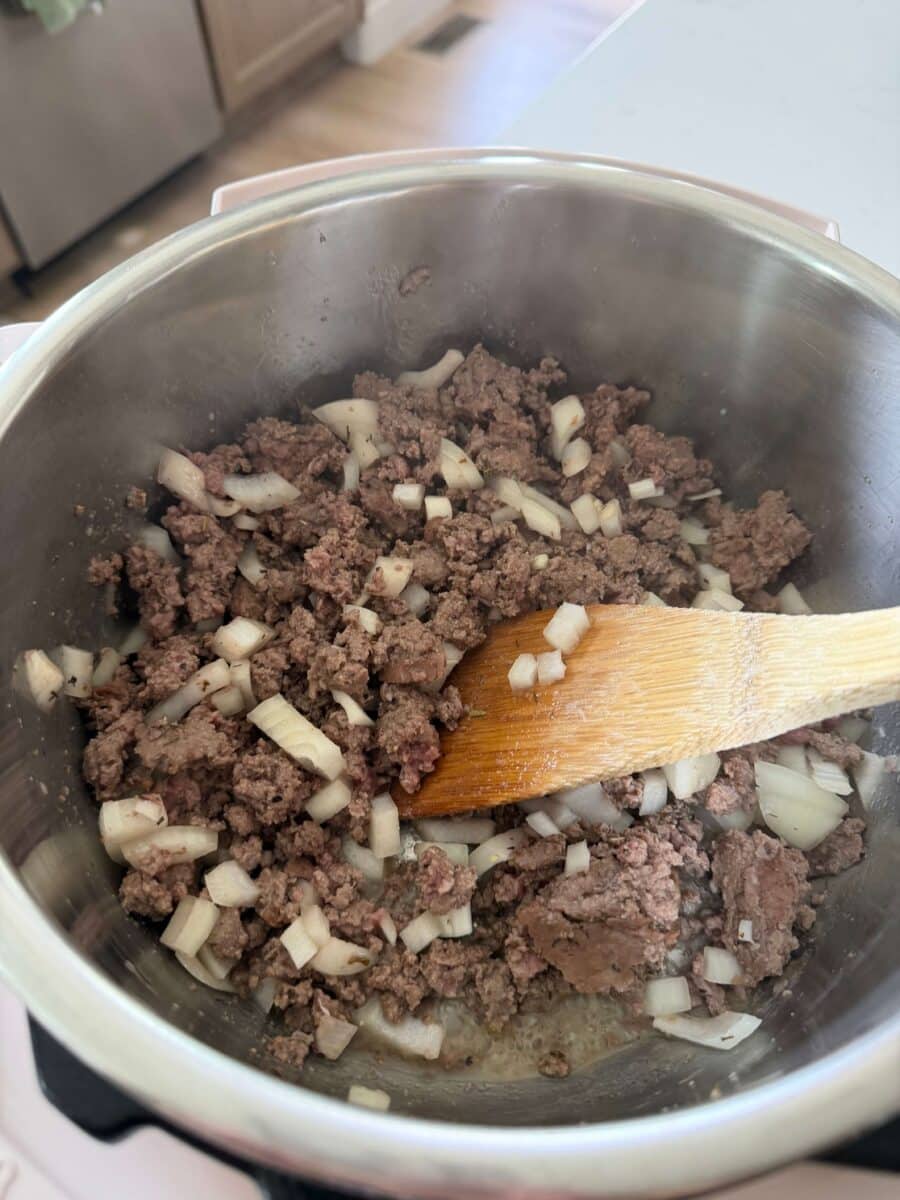
The process begins with the activation of the Instant Pot’s sauté function. Once the stainless steel inner pot reaches the "HOT" designation, ground lamb is introduced. Lamb is the preferred protein for this dish due to its higher fat content and distinct gamey profile, which stands up well to heavy seasoning. During a five-minute browning period, diced onions are added to translucentize, creating a flavor base. The introduction of minced garlic, salt, pepper, and a dry herb blend—comprising oregano, basil, and dill—occurs in the final minute of sautéing to prevent the garlic from scorching.
Phase II: Deglazing and Pressure Integration
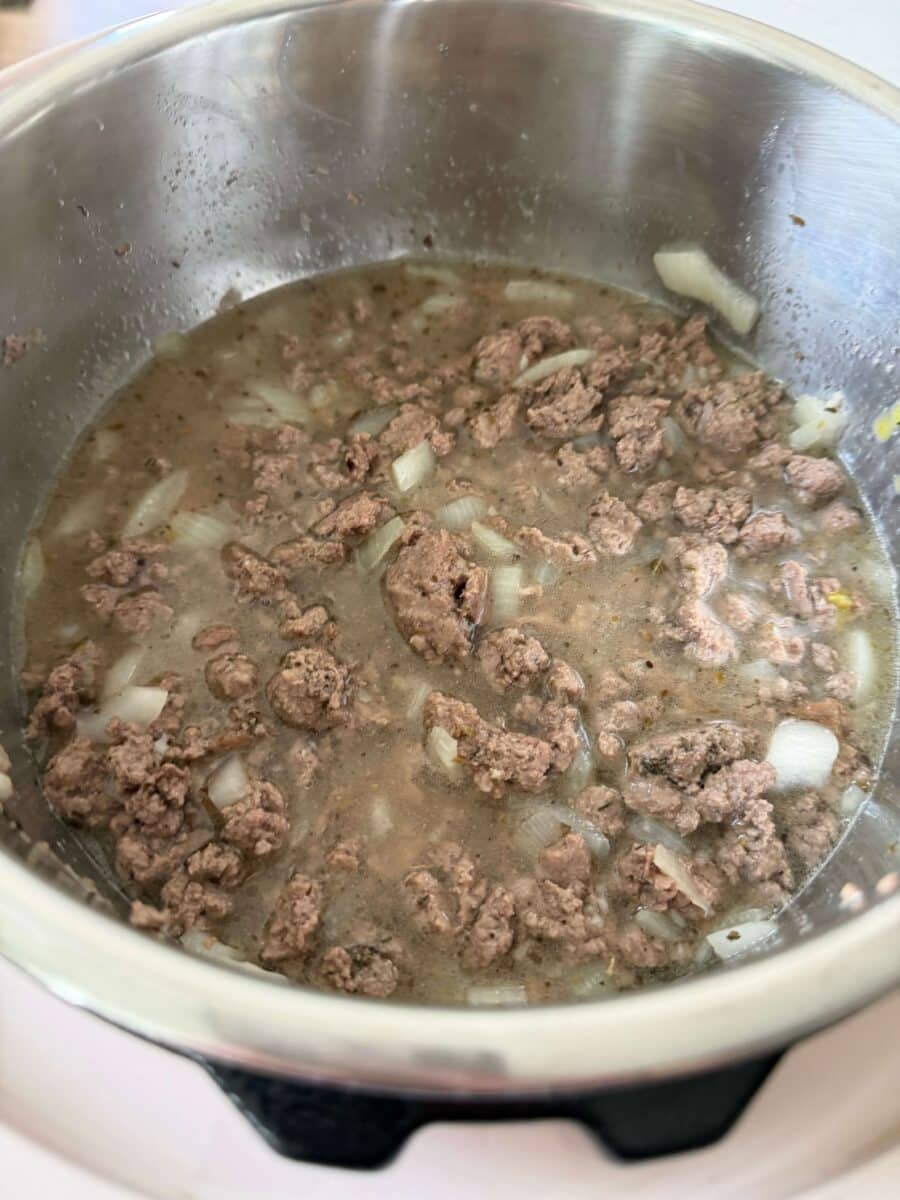
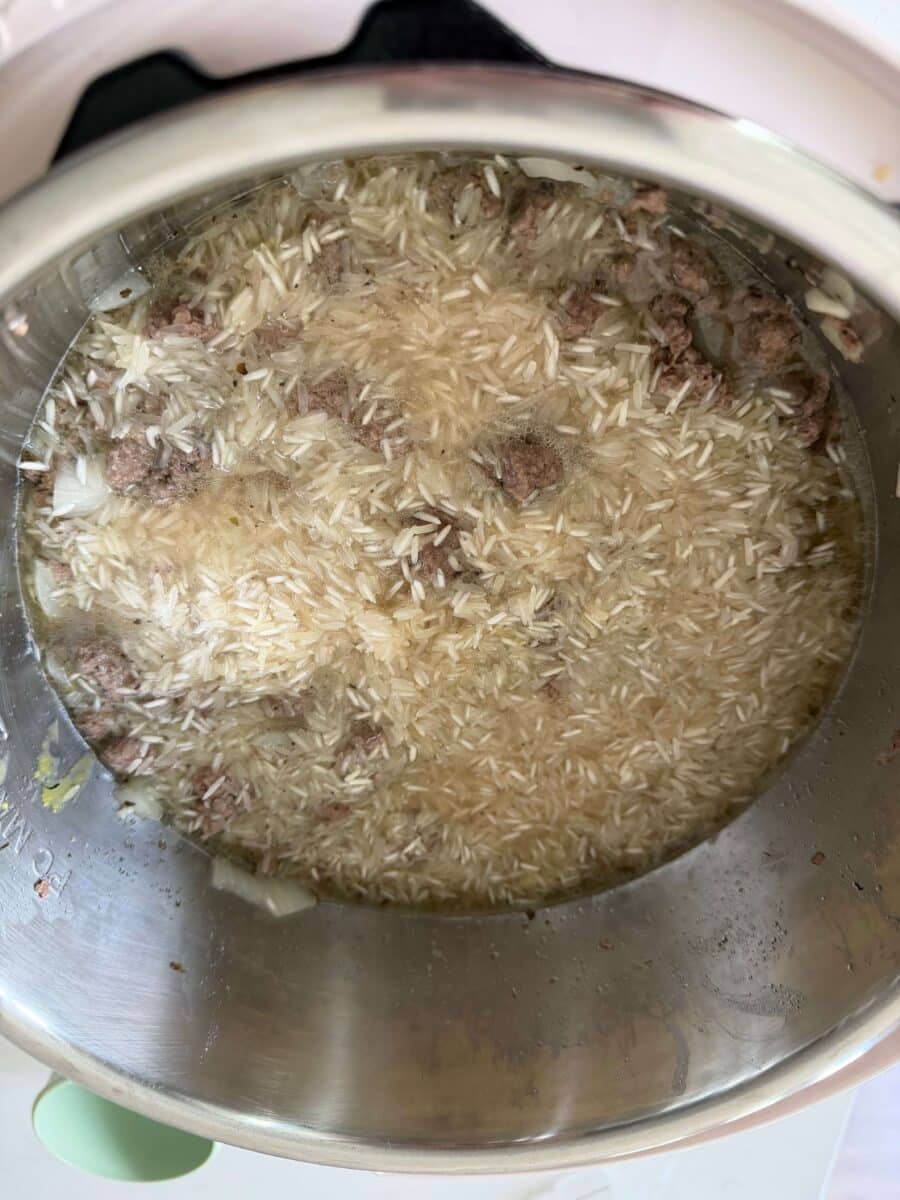
A critical step in pressure cooking is the deglazing of the pot. Beef or chicken broth is added to the browned meat mixture, and a wooden spoon is used to scrape the bottom of the pot. This removes the "fond"—the caramelized bits of meat and sugars—which prevents the "Burn" error and incorporates deep umami flavors into the liquid. Following this, basmati rice is sprinkled over the mixture. Unlike short-grain varieties, basmati is utilized for its ability to remain distinct and fluffy under high pressure. The rice is submerged but not stirred, a technique that prevents the starch from thickening the liquid too early and interfering with the pressure sensor.
Phase III: The Pressure Cycle and Natural Release
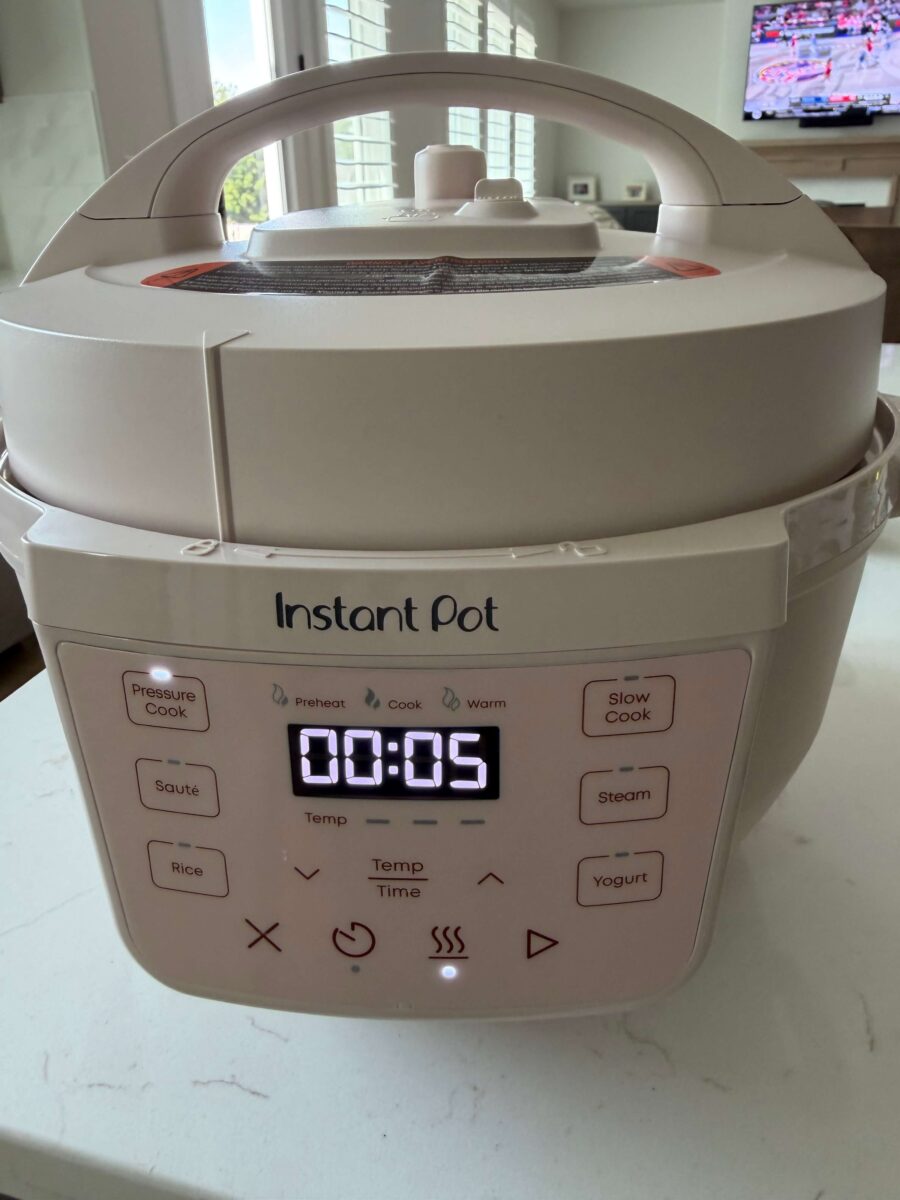
The device is sealed and set to high pressure for a duration of five minutes. However, the total "cook time" includes the period the pot takes to reach pressure (approximately 8–10 minutes) and the subsequent "Natural Pressure Release" (NPR) period of 10 minutes. This NPR period is vital; it allows the rice to finish steaming gently and prevents the meat from becoming tough due to a sudden drop in temperature and pressure.
Phase IV: Fresh Element Integration
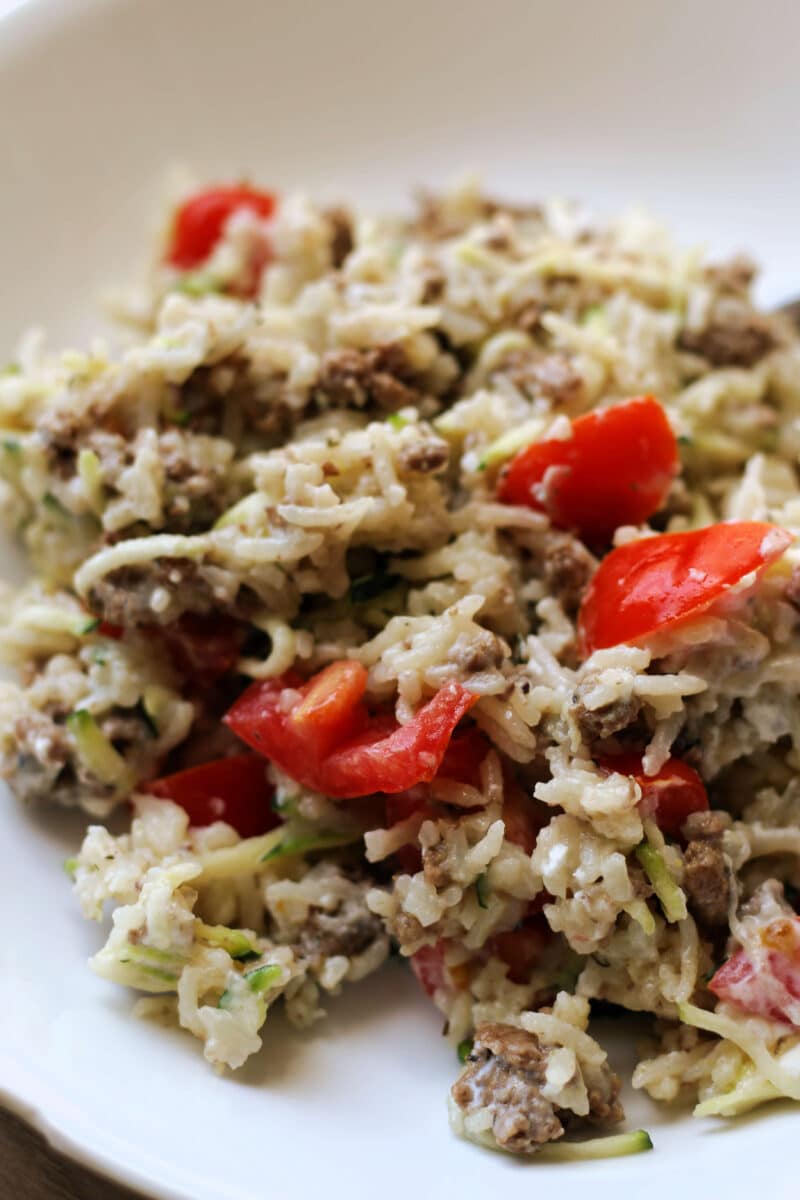
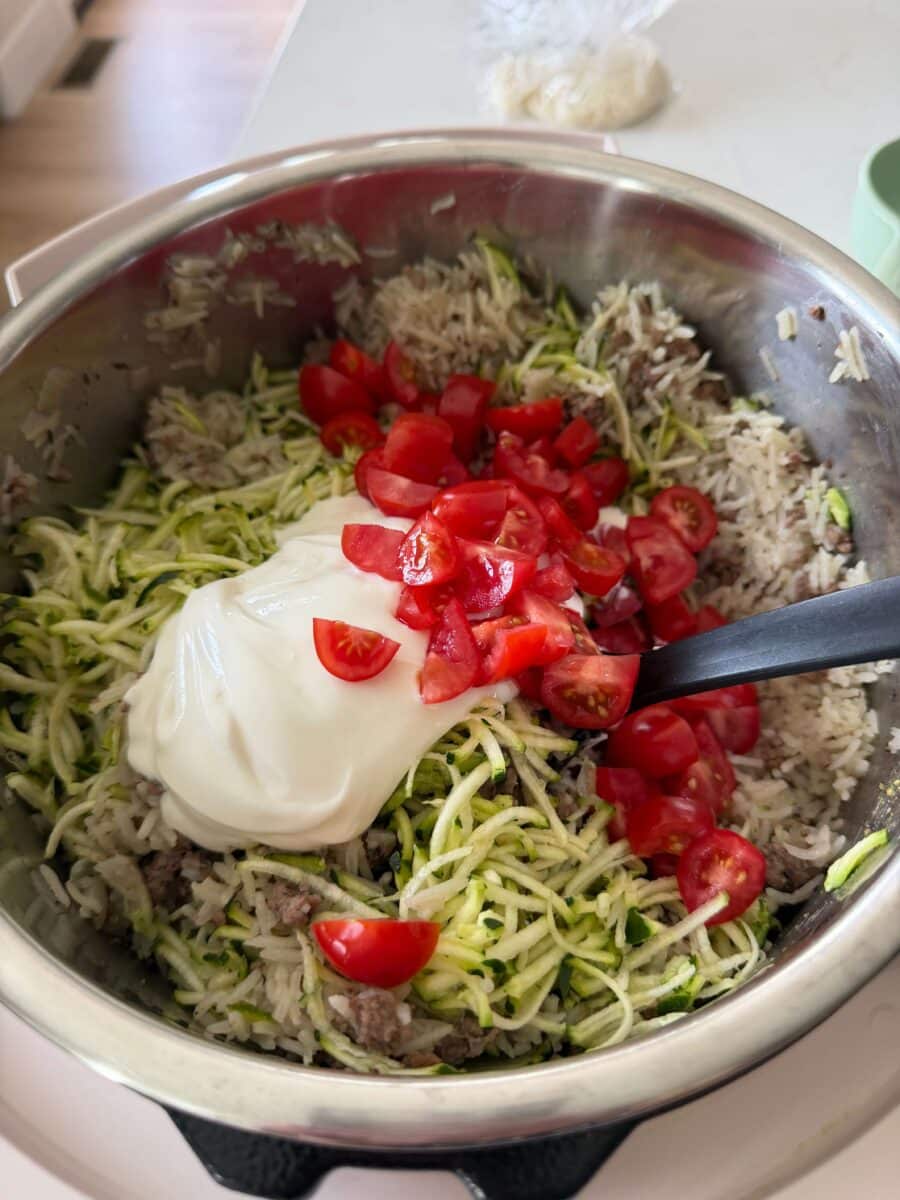
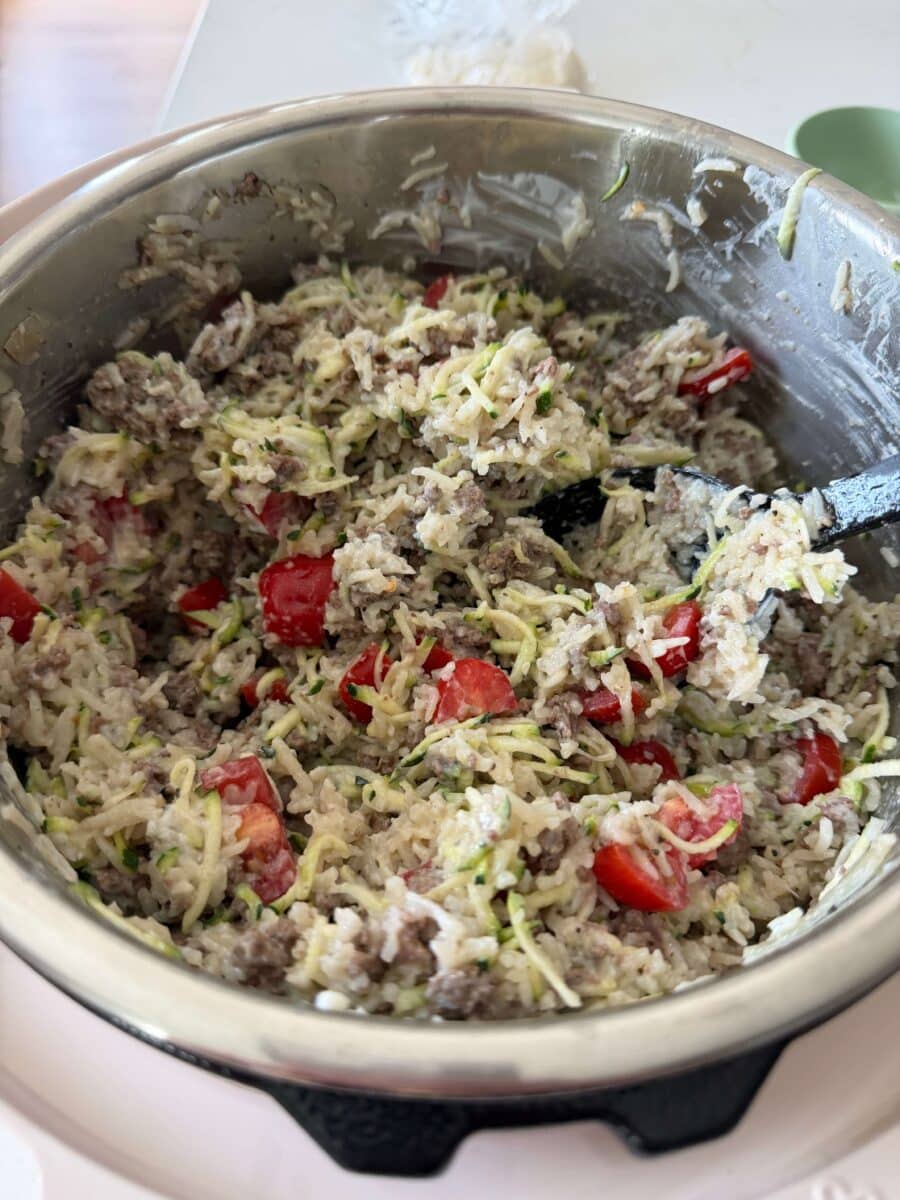
The final stage occurs after the lid is removed. Fresh zucchini, diced tomatoes, feta cheese, and Greek yogurt are stirred into the hot rice and lamb mixture. The residual heat is sufficient to soften the zucchini and melt the feta slightly without overcooking the vegetables to a mushy consistency. The Greek yogurt acts as an emulsifier, creating a creamy texture that mimics the traditional tzatziki sauce usually served with gyros.
Nutritional Profile and Ingredient Substitutions
The selection of ingredients in the Greek Gyro Casserole reflects the core tenets of Mediterranean nutrition. Ground lamb provides essential amino acids, vitamin B12, and zinc. However, for consumers with different dietary preferences or regional availability, the recipe is highly adaptable. Ground beef offers a more familiar flavor profile, while ground chicken or turkey can be used to reduce the overall caloric and fat content.
Supporting data from nutritional studies indicates that the inclusion of fermented dairy, such as feta and Greek yogurt, introduces probiotics and a high protein-to-calorie ratio. The addition of zucchini and tomatoes provides antioxidants like lycopene and vitamin C. Culinary analysts also suggest the addition of Kalamata olives or a splash of fresh lemon juice to enhance the acidity and "brightness" of the dish, further aligning it with traditional Aegean flavor palettes.
Broader Culinary Context and Consumer Reaction
The rise of recipes like the Greek Gyro Casserole is a response to the "bowl culture" that has dominated the fast-casual dining industry (e.g., Cava, Chipotle). Consumers have shown a marked preference for deconstructed versions of traditional handheld foods. By turning a gyro wrap into a rice-based casserole, the meal becomes more satiating and easier to store for meal-prepping purposes.
Reaction from the home-cooking community has been overwhelmingly positive regarding the "one-pot" nature of the dish. Modern families cite the reduction in cleanup time as a primary motivator for adopting Instant Pot casseroles. Furthermore, the ability to "set and forget" the meal during the pressure cycle allows for multitasking in a way that traditional skillet-based Greek recipes do not.
Economic and Health Implications
From an economic perspective, the Greek Gyro Casserole is a cost-effective alternative to dining out. As inflation impacts food prices, particularly in the meat and dairy sectors, the use of rice as a "stretcher" allows a single pound of lamb to feed a family of four to six. This makes the Mediterranean diet more accessible to lower-income households who might otherwise view "specialty" ethnic cooking as an expensive endeavor.
From a public health standpoint, the promotion of such recipes encourages home cooking over the consumption of ultra-processed foods. Research published in the Journal of the Academy of Nutrition and Dietetics suggests that individuals who cook at home more frequently consume fewer calories and less sugar than those who rely on takeout. By simplifying complex international dishes into manageable, automated recipes, developers are effectively lowering the barrier to entry for healthy eating.
Technical Analysis of Flavor Synergy
The success of the Greek Gyro Casserole lies in its balance of the "five tastes." The saltiness of the feta, the acidity of the yogurt and tomatoes, the savory richness of the lamb, and the herbal bitterness of the oregano and dill create a complex sensory experience. The basmati rice acts as a neutral canvas, absorbing the seasoned broth and lamb fat, which ensures that every component of the dish is seasoned from the inside out.
Culinary experts note that the use of dried herbs during the pressure cycle is a strategic choice. While fresh herbs are often preferred for garnishing, dried herbs like oregano and basil are more robust and release their oils more effectively under the high heat and pressure of the Instant Pot. This creates a deeply infused flavor profile that mimics the long marination times used in traditional Greek meat preparation.
Conclusion: The Future of Efficient Ethnic Cuisine
The Easy Greek Gyro Casserole is more than a simple recipe; it is a blueprint for the future of domestic culinary arts. It demonstrates that the essence of a culture’s cuisine—its specific spice blends and ingredient combinations—can be preserved even when the cooking vessel changes. As kitchen technology continues to evolve, the ability to translate time-honored traditions into five-minute pressure cycles will likely become the standard for home-cooked meals.
This dish serves as a testament to the versatility of the Mediterranean diet and the ingenuity of modern recipe development. By prioritizing ease of use, nutritional density, and flavor integrity, the Greek Gyro Casserole has secured its place in the modern culinary canon, offering a reliable and delicious solution for the contemporary dinner table. As consumers continue to seek out ways to balance their busy schedules with a desire for high-quality, flavorful food, the intersection of the Instant Pot and international cuisine will undoubtedly continue to expand, bringing the flavors of the world into the kitchens of the many.
