
The Evolution of the Midwestern Hot Dish Tradition
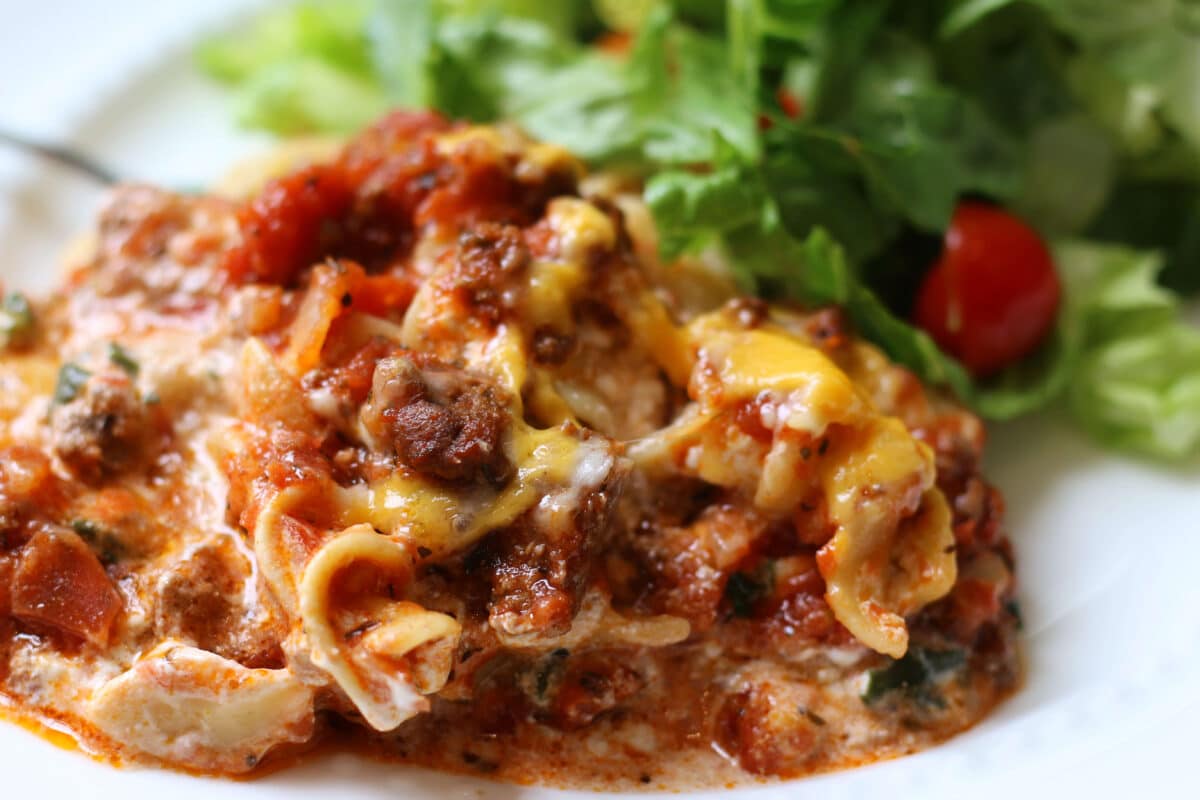
The Fargo Hot Casserole belongs to a storied lineage of American comfort foods. Historically, the "hot dish" became a cultural staple in states like North Dakota and Minnesota during the early 20th century. These meals were originally conceived as a means to stretch expensive proteins using affordable binders such as grains or potatoes. The Fargo variation modernizes this concept by incorporating contemporary convenience items, such as pre-made tomato basil sauce and a sophisticated cream cheese-based binding agent, while retaining the hearty, calorie-dense profile required for cold-climate sustenance.
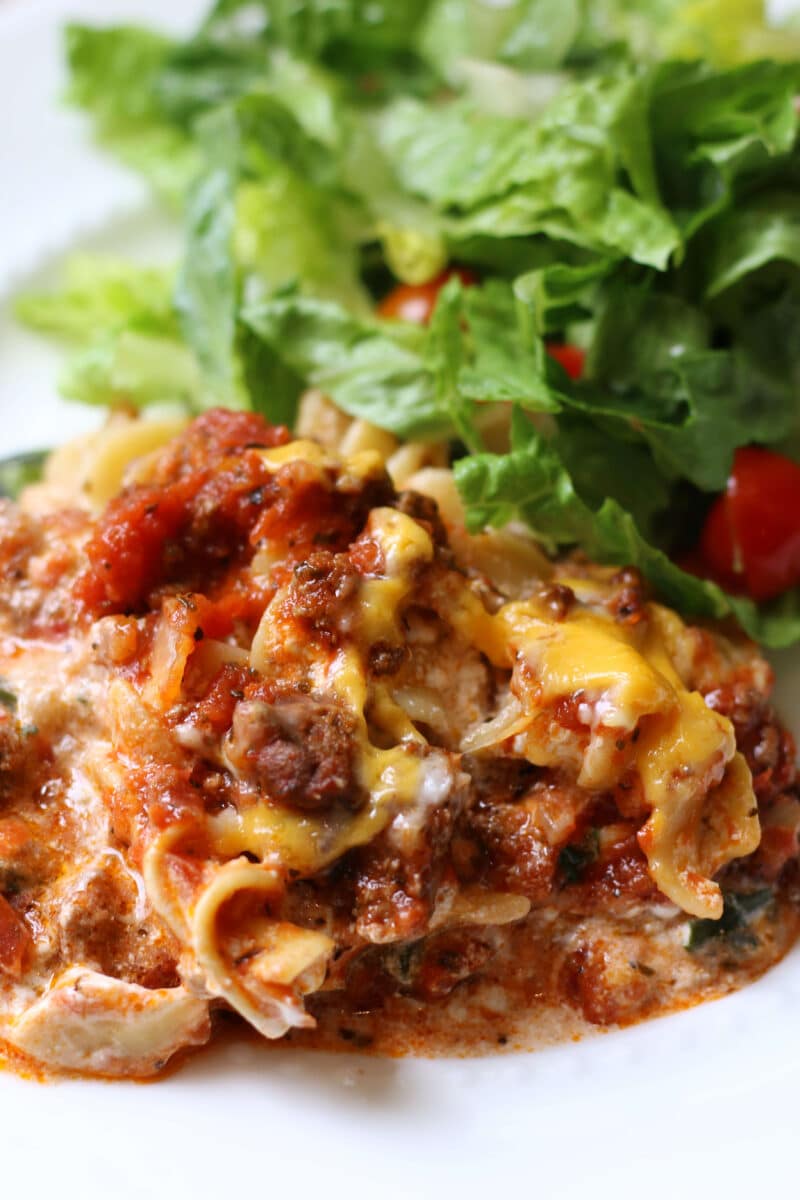
Culinary historians note that the "Fargo" designation often implies a specific balance of savory beef and creamy textures, distinguishing it from the tater-tot-topped varieties more common in other parts of the region. By utilizing egg noodles—which possess a higher protein-to-starch ratio than standard semolina pasta—the dish achieves a tender, silky mouthfeel that complements the acidity of the tomato-based meat sauce.
Technical Analysis of the No-Boil Preparation Method
One of the most significant logistical advantages of the Fargo Hot Casserole is its utilization of a "dry-to-oven" pasta technique. In traditional casserole preparation, pasta must be parboiled to ensure proper hydration. However, this recipe leverages the ambient moisture of a specific water-to-sauce ratio to hydrate the egg noodles during the baking cycle.
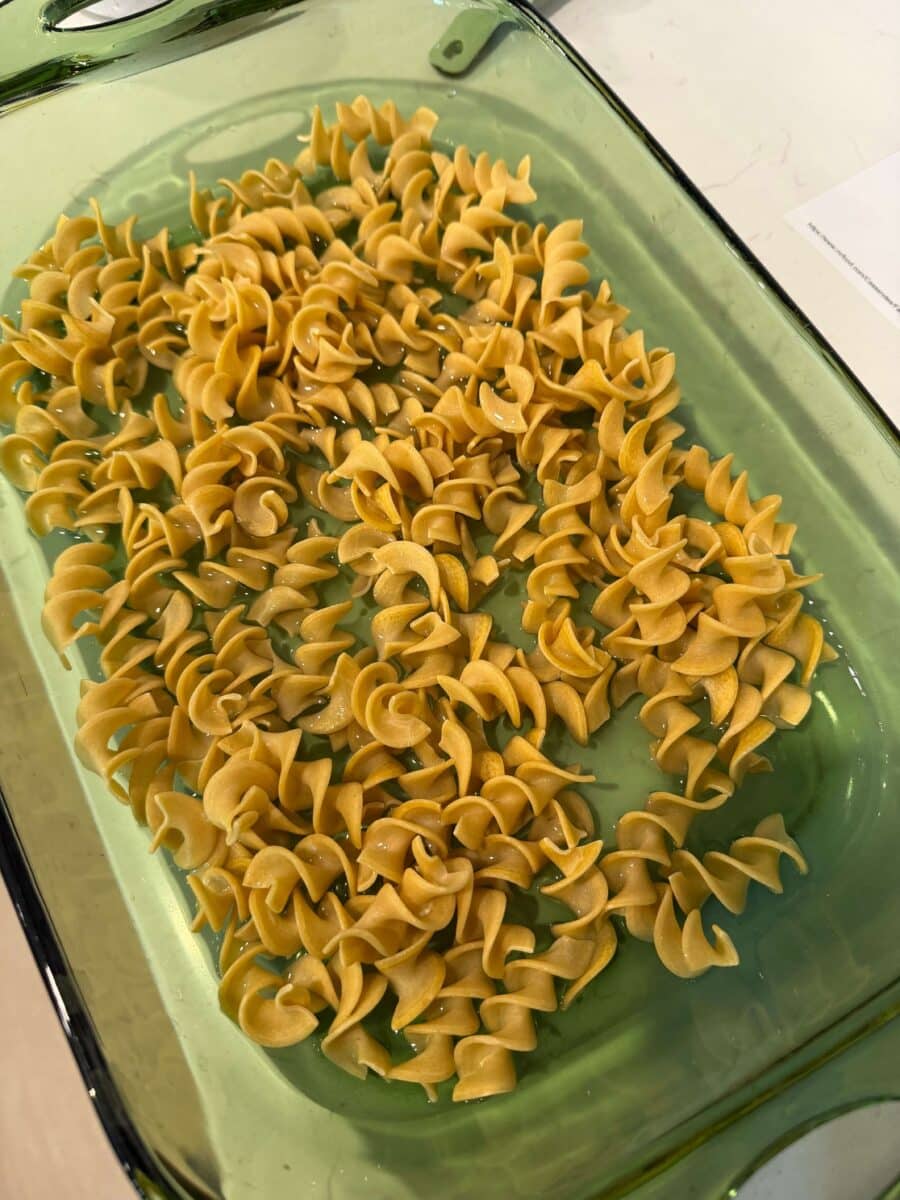
The process involves placing uncooked egg noodles at the base of a 9×13-inch pan and adding a controlled volume of water. As the casserole reaches an internal temperature of 375°F (190°C), the steam generated from the water and the moisture from the meat sauce permeates the noodle structure. This method not only preserves the structural integrity of the noodle, preventing the mushiness often associated with overcooked pasta, but also allows the starch released from the noodles to naturally thicken the surrounding sauce, creating a more cohesive final product.
Procedural Chronology: From Preparation to Service
The assembly of the Fargo Hot Casserole follows a strict methodological sequence to ensure flavor depth and structural stability.
Phase I: Protein Preparation and Sauce Integration
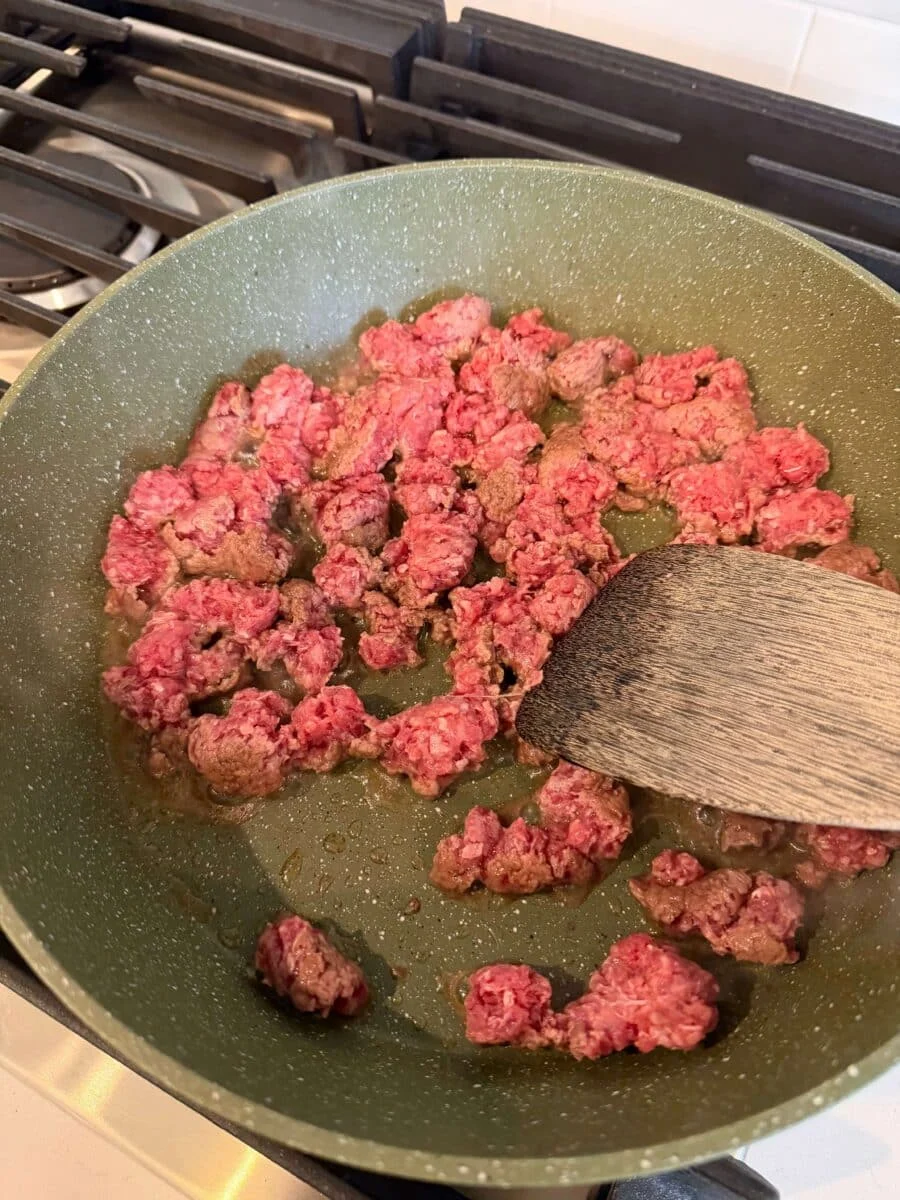
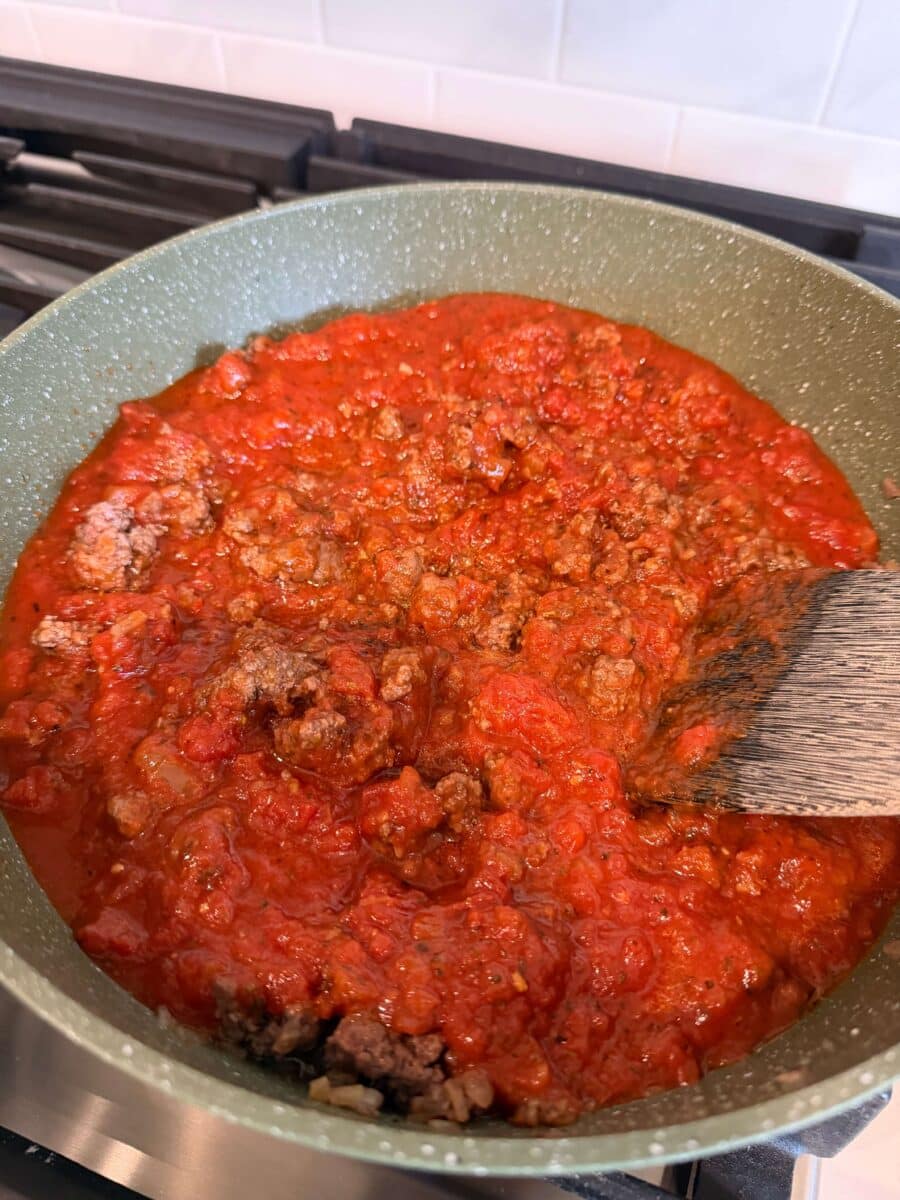
The process begins with the browning of ground beef and diced onions over medium-high heat. This stage is critical for the development of the Maillard reaction—the chemical reaction between amino acids and reducing sugars that gives browned food its distinctive flavor. Once the beef is fully cooked and the grease is drained, a high-quality tomato basil sauce is introduced. The mixture is brought to a simmer for approximately two minutes, allowing the flavors of the aromatics and the sauce to meld.
Phase II: The Emulsion of the Creamy Component
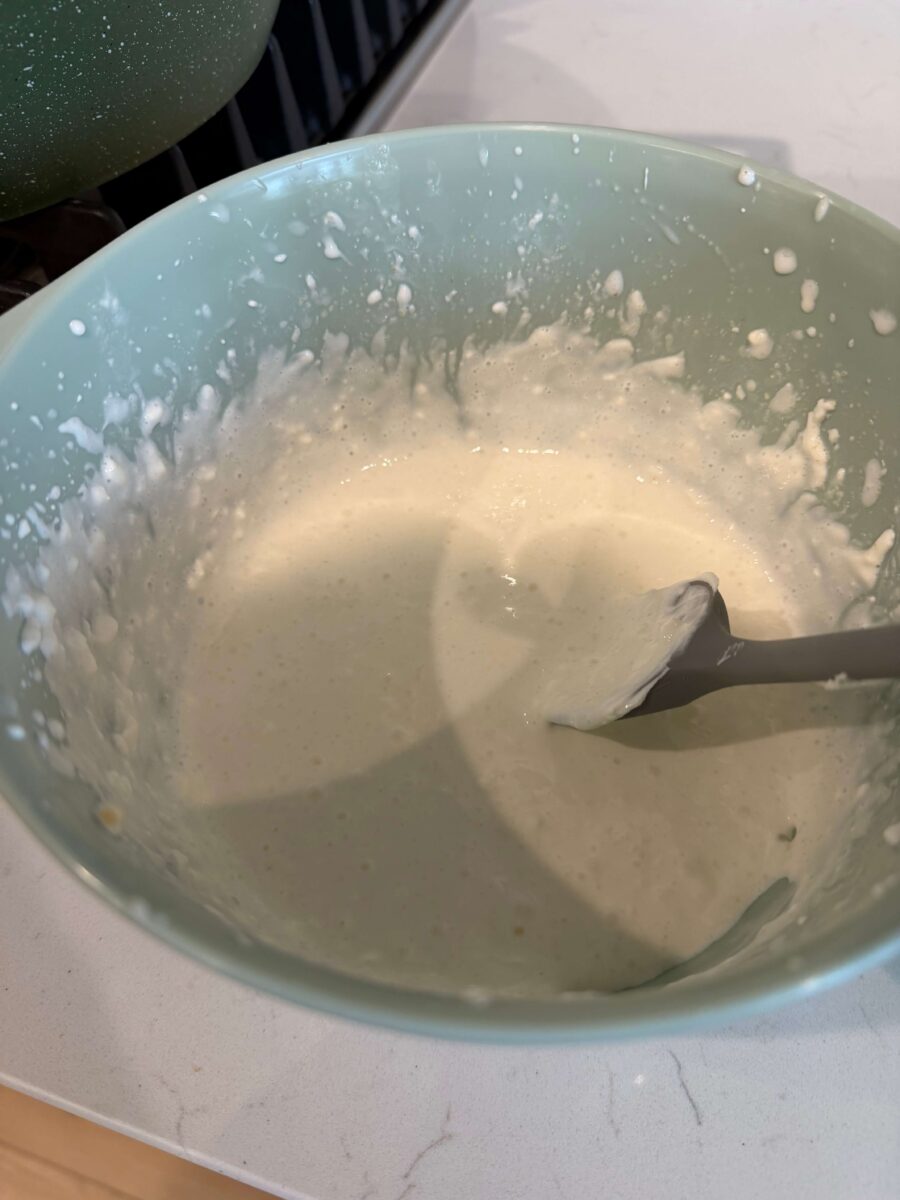
While the meat sauce cools slightly, a secondary layer is prepared using a combination of softened cream cheese, sour cream, milk, and garlic powder. This mixture acts as a stabilizing agent and a flavor foil to the acidic tomato sauce. The use of a hand mixer or rigorous whisking is recommended to ensure a smooth emulsion, which prevents the cheese from breaking or becoming grainy during the high-heat baking process.
Phase III: Stratified Assembly
The architecture of the casserole is layered to facilitate even heat distribution:
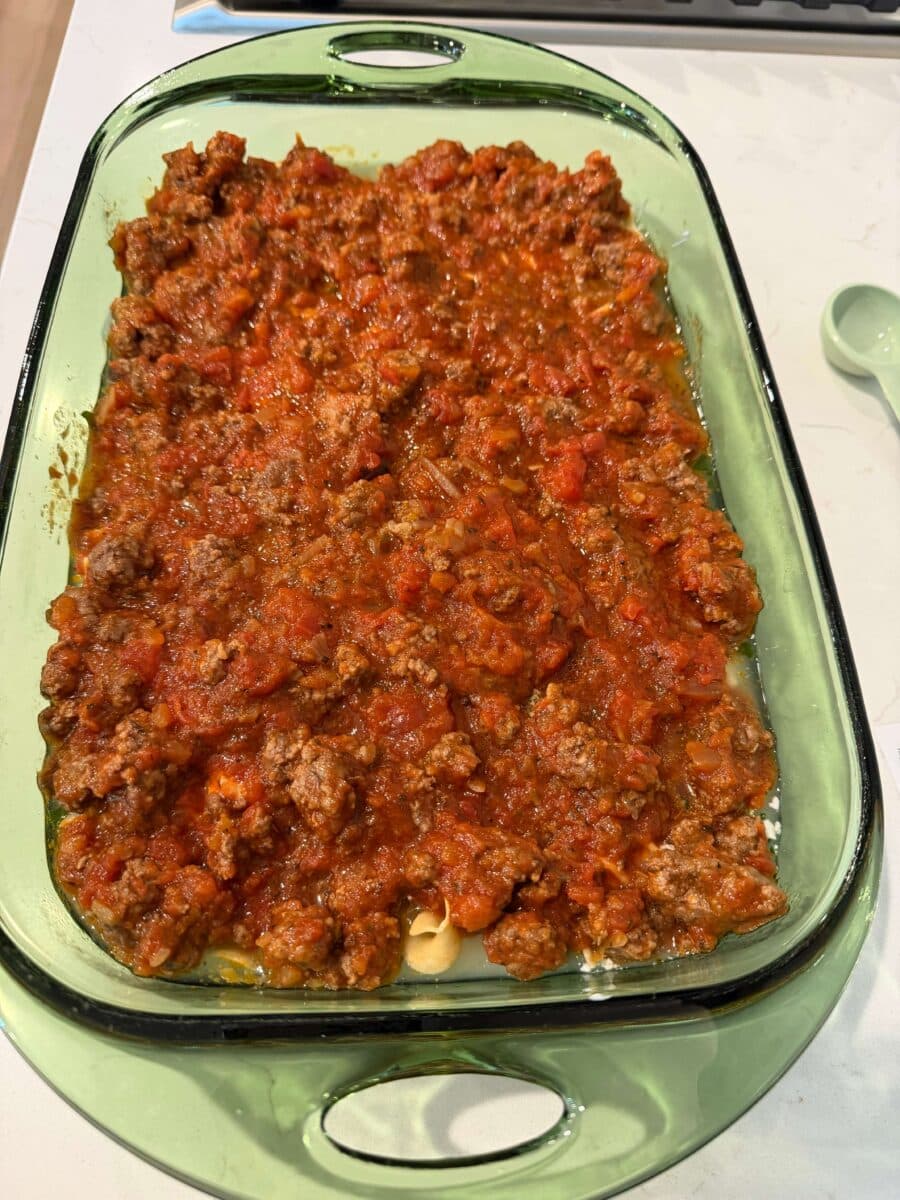
- Base Layer: Uncooked egg noodles and a specific measure of water.
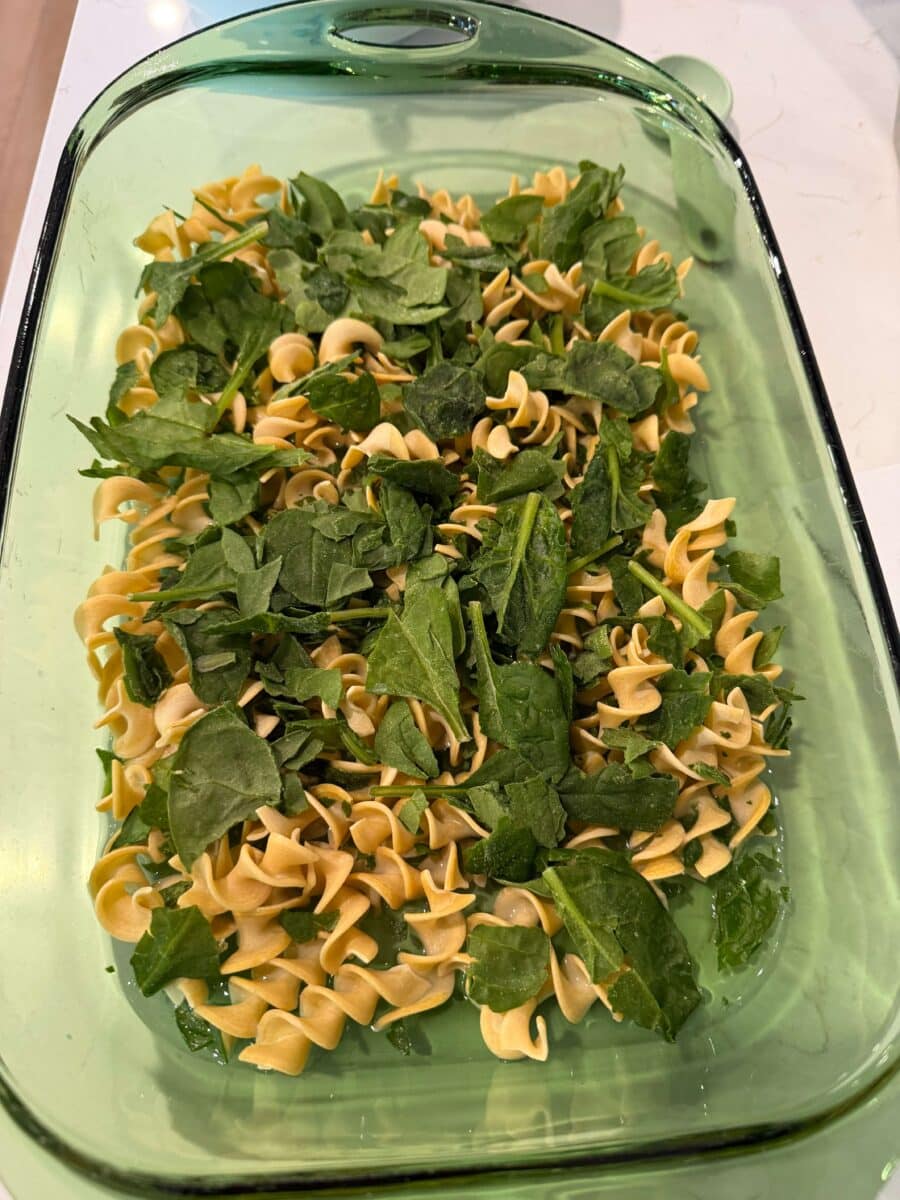
- Vegetable Layer: A generous distribution of fresh spinach, which provides moisture and a nutritional counterbalance to the rich proteins.
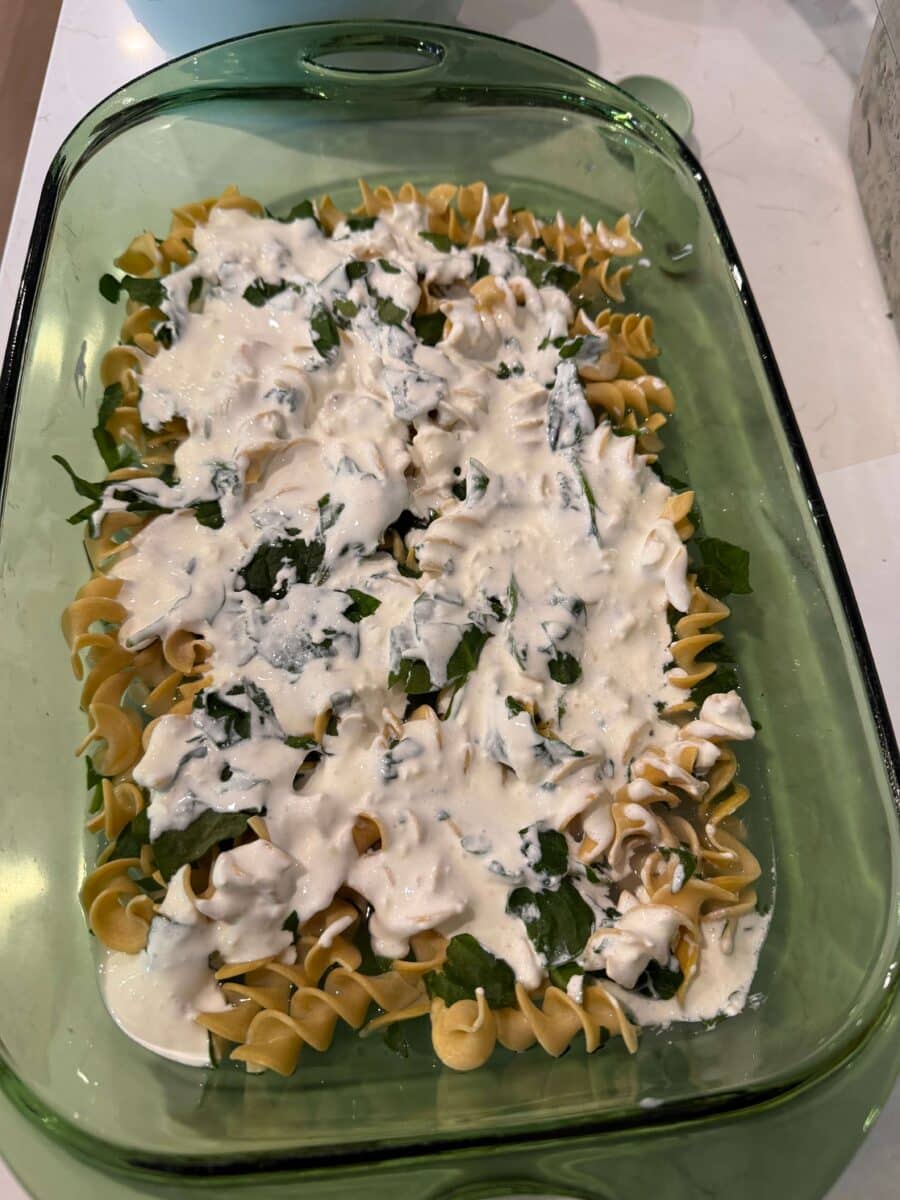
- Cream Layer: Dollops of the cream cheese mixture are spread across the spinach.
- Protein Layer: The prepared meat sauce is poured over the previous layers.
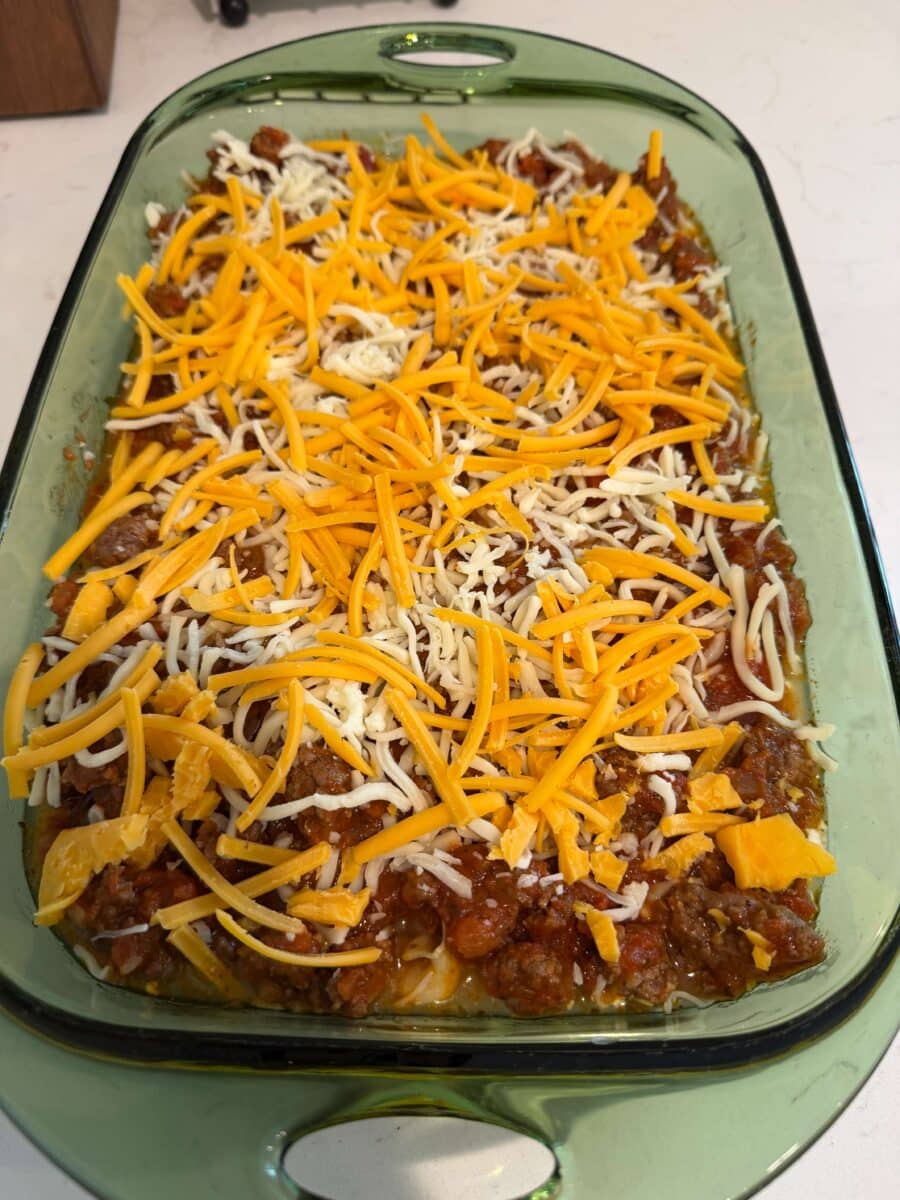
- Finish Layer: A blend of shredded cheeses—typically mozzarella and cheddar—is applied to create a protective, melty seal.
Phase IV: Maturation and Thermal Processing
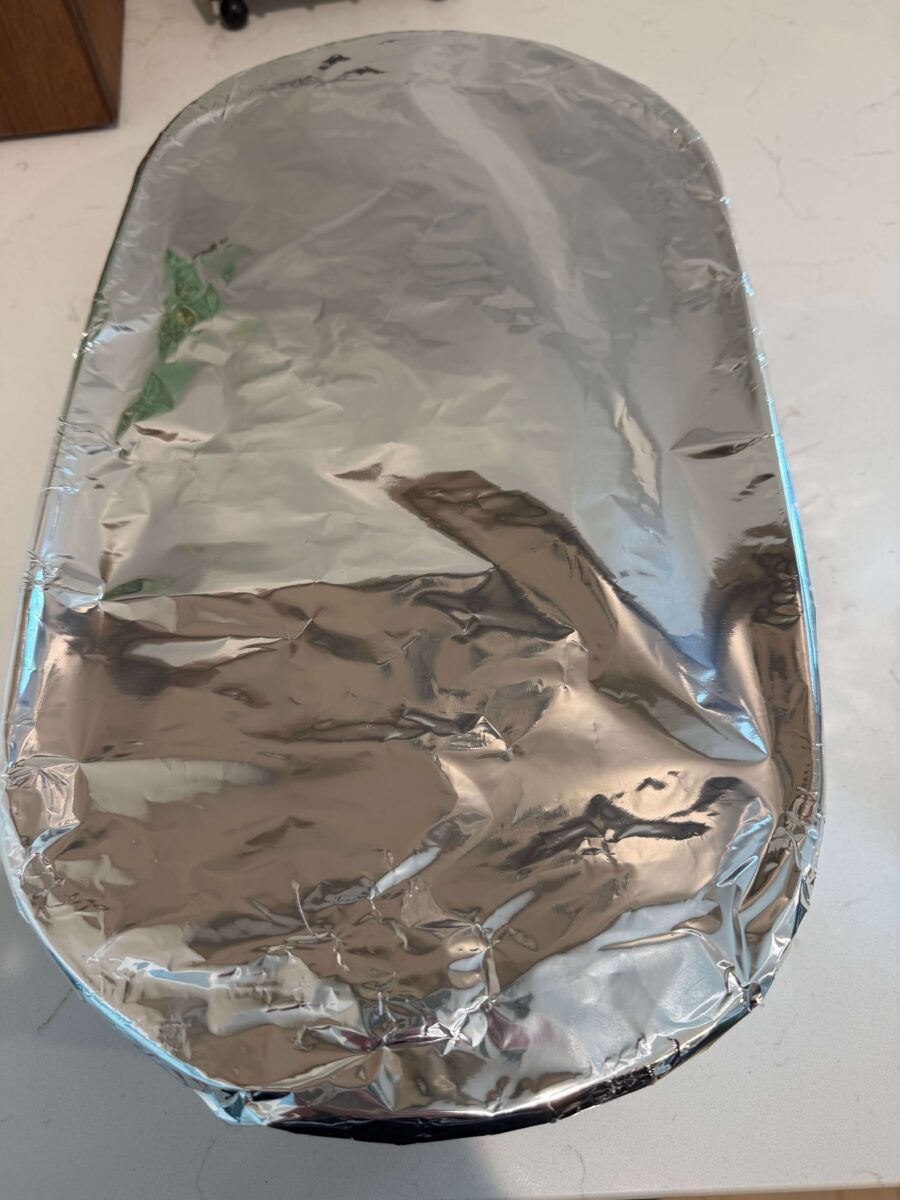
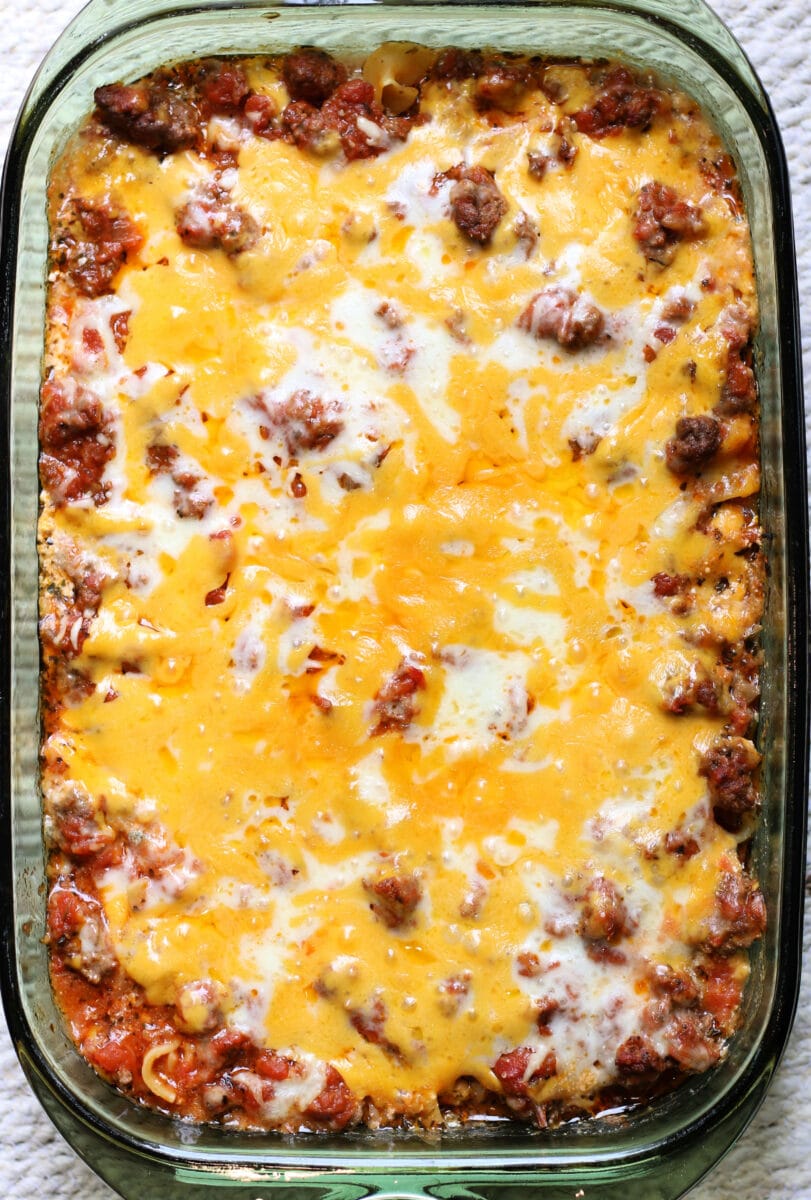
The assembled dish is covered with foil and can be refrigerated for up to 24 hours. This refrigeration period is not merely for convenience; it allows the dry noodles to begin absorbing moisture through osmotic pressure, which results in a more uniform texture upon baking. The final thermal process involves 30 minutes of covered baking followed by 15 minutes uncovered to facilitate the browning of the cheese topping. A mandatory 10-minute rest period post-oven is required to allow the internal liquids to redistribute and the structure to set.
Nutritional and Economic Implications
From a nutritional standpoint, the Fargo Hot Casserole offers a comprehensive macronutrient profile. The ground beef provides essential proteins and iron, while the inclusion of spinach introduces Vitamin K, Vitamin A, and folate. By integrating the vegetables directly into the layers, home cooks can increase the micronutrient density of the meal without significantly altering the flavor profile favored by younger family members.
Economically, the dish represents a high-value-to-cost ratio. Casseroles are traditionally designed to maximize servings per pound of meat. A single 9×13-inch Fargo Hot Casserole can typically serve six to eight adults, making the cost per serving significantly lower than individual protein-and-side-dish configurations. Furthermore, the ability to utilize leftovers for subsequent meals—such as packed lunches—enhances the overall economic efficiency of the recipe.
Consumer Reception and Market Relevance
Data from digital recipe platforms and social media aggregators indicate a sustained interest in "one-pot" and "make-ahead" meal categories. The Fargo Hot Casserole, popularized by digital culinary outlets such as 365 Days of Crockpot and adapted from heritage sources like Mr. Food, aligns with the current consumer pivot toward "Comfort-Convenience."
Market analysts suggest that the resurgence of these regional dishes is driven by two factors: the nostalgic appeal of "Grandma’s cooking" and the practical necessity of modern meal planning. In a survey of home cooks, over 65% indicated that "ease of cleanup" was a primary driver in their meal selection, a metric where the Fargo Hot Casserole excels due to its minimal pot usage and single-pan baking.

Broader Impact on Domestic Culinary Habits
The success of recipes like the Fargo Hot Casserole reflects a broader shift in how American families approach the evening meal. The move away from complex, multi-stage cooking toward stratified, oven-ready assemblies suggests a redefinition of the "home-cooked meal." In this new paradigm, the value is placed on the quality of ingredients and the act of communal dining, rather than the labor-intensive nature of the preparation itself.

Furthermore, the adaptability of the Fargo Hot Casserole allows it to serve as a template for various dietary needs. Substitutions such as ground turkey for beef, gluten-free egg noodles, or dairy-free cheese alternatives enable the dish to remain relevant in a market increasingly focused on personalized nutrition.
Conclusion: A Staple of Modern Efficiency
The Fargo Hot Casserole is more than a regional delicacy; it is a refined tool for modern domestic management. By combining the historical heartiness of the Midwestern hot dish with innovative preparation techniques like the no-boil noodle method, it addresses the dual needs of flavor and functionality. As families continue to seek balance between their professional obligations and their desire for high-quality, home-cooked food, the stratified casserole remains an essential component of the American culinary landscape. Its ability to be prepared in advance, its minimal cleanup requirements, and its broad palate appeal ensure that the Fargo Hot Casserole will remain a favored selection for busy households across the country.
