
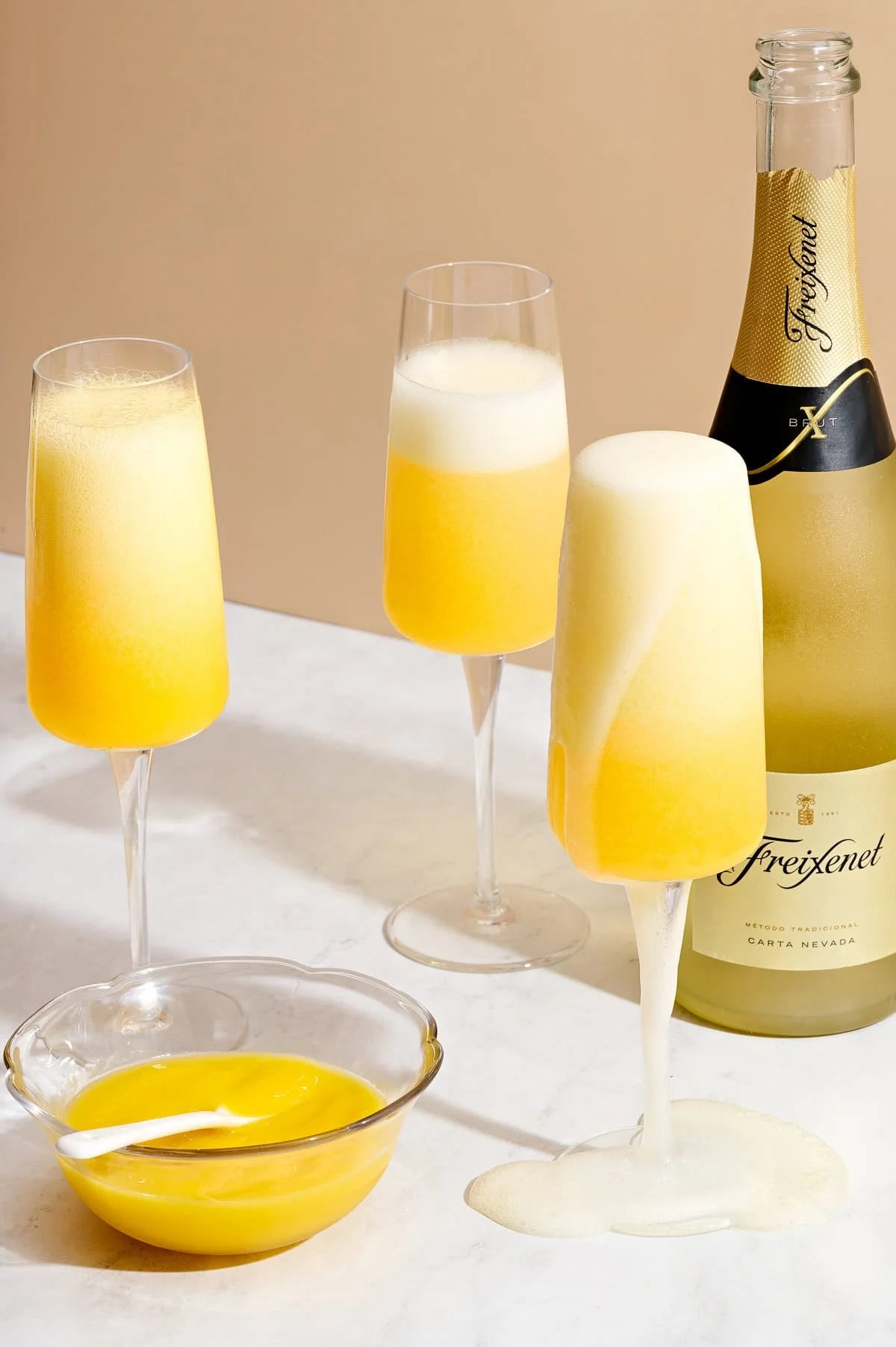
The Mango Bellini, a vibrant and refreshingly simple cocktail, has emerged as a favored choice for brunch gatherings and celebratory events, offering a tropical twist on the classic Italian sparkling wine concoction. This delightful beverage, characterized by its two primary components—sweet mango purée and chilled Prosecco or Champagne—is increasingly recognized for its ease of preparation and its ability to lend an air of festivity to any occasion. From Mother’s Day celebrations and bridal showers to casual summer brunches, its light, bubbly profile and appealing golden hue make it a standout option, easily adaptable even into a non-alcoholic mocktail.
The Historical Tapestry of the Bellini Cocktail
To understand the contemporary appeal of the Mango Bellini, one must first appreciate the rich history of its progenitor, the classic Bellini. The original Bellini cocktail was conceived by Giuseppe Cipriani, the legendary founder of Harry’s Bar in Venice, Italy, between 1934 and 1948. Cipriani famously named the drink after Giovanni Bellini, a 15th-century Venetian painter, reportedly because the unique pinkish hue of the cocktail reminded him of the color of a saint’s toga in one of Bellini’s paintings. The traditional Bellini combines fresh white peach purée with Prosecco, Italy’s celebrated sparkling wine. Its elegant simplicity and exquisite flavor quickly propelled it to international fame, solidifying its status as a sophisticated staple in the cocktail world.
The evolution of the Bellini from its original peach-centric form to encompass a broader spectrum of fruit purées reflects a broader trend in mixology: the embrace of fresh, seasonal, and often exotic fruits to enhance and diversify classic recipes. This adaptability has allowed the Bellini to remain relevant and exciting, continually finding new audiences and applications. The transition to mango purée is a natural progression, leveraging the fruit’s inherent sweetness and distinctive tropical aroma to create a drink that is both familiar in structure and excitingly novel in flavor.
Prosecco’s Ascendance and the Global Love Affair with Mango
The widespread adoption of the Bellini, in any of its iterations, is inextricably linked to the global rise of Prosecco. Originating from the Veneto and Friuli-Venezia Giulia regions of northeastern Italy, Prosecco is predominantly made from the Glera grape. Unlike Champagne, which undergoes a secondary fermentation in individual bottles (Méthode Champenoise), Prosecco typically utilizes the Charmat-Martinotti method, where secondary fermentation occurs in large stainless steel tanks. This process results in a wine that is generally more affordable, fruitier, and less yeasty than Champagne, with vibrant notes of green apple, honeydew melon, pear, and citrus. Its accessibility and pleasant effervescence have made it a favorite for celebrations and casual enjoyment alike, with global sales soaring in recent decades. According to industry reports, Prosecco’s market share has consistently expanded, often outpacing other sparkling wines due to its competitive pricing and versatile profile, making it the perfect base for simple, fruit-forward cocktails like the Mango Bellini.
Parallel to Prosecco’s growth, mangoes have cemented their status as a globally beloved fruit. Hailing from South Asia, mangoes are now cultivated in tropical and subtropical regions worldwide, with India, China, Thailand, and Mexico being among the largest producers. The fruit’s succulent flesh, rich sweetness, and fragrant aroma make it incredibly versatile, lending itself to everything from savory dishes and desserts to a wide array of beverages. The increased availability of fresh, high-quality mangoes, alongside convenient ready-made mango purées, has made tropical flavors more accessible to home cooks and professional mixologists alike. This accessibility directly contributes to the popularity of recipes such as the Mango Bellini, which capitalize on the fruit’s universal appeal.

The Allure of Brunch Culture and Simple Elegance
The Mango Bellini’s particular suitability for brunch is rooted in the burgeoning popularity of brunch culture itself. Brunch, a portmanteau of breakfast and lunch, has evolved from a leisurely weekend meal into a significant social phenomenon. It represents a relaxed yet sophisticated dining experience, often accompanied by alcoholic beverages that are lighter than evening cocktails. The demand for drinks that are both celebratory and easy to enjoy during daytime hours has spurred innovation in the beverage industry, with Bellinis and mimosas leading the charge. Market research indicates a consistent upward trend in brunch attendance and spending, particularly among younger demographics who value experiential dining and social gatherings.
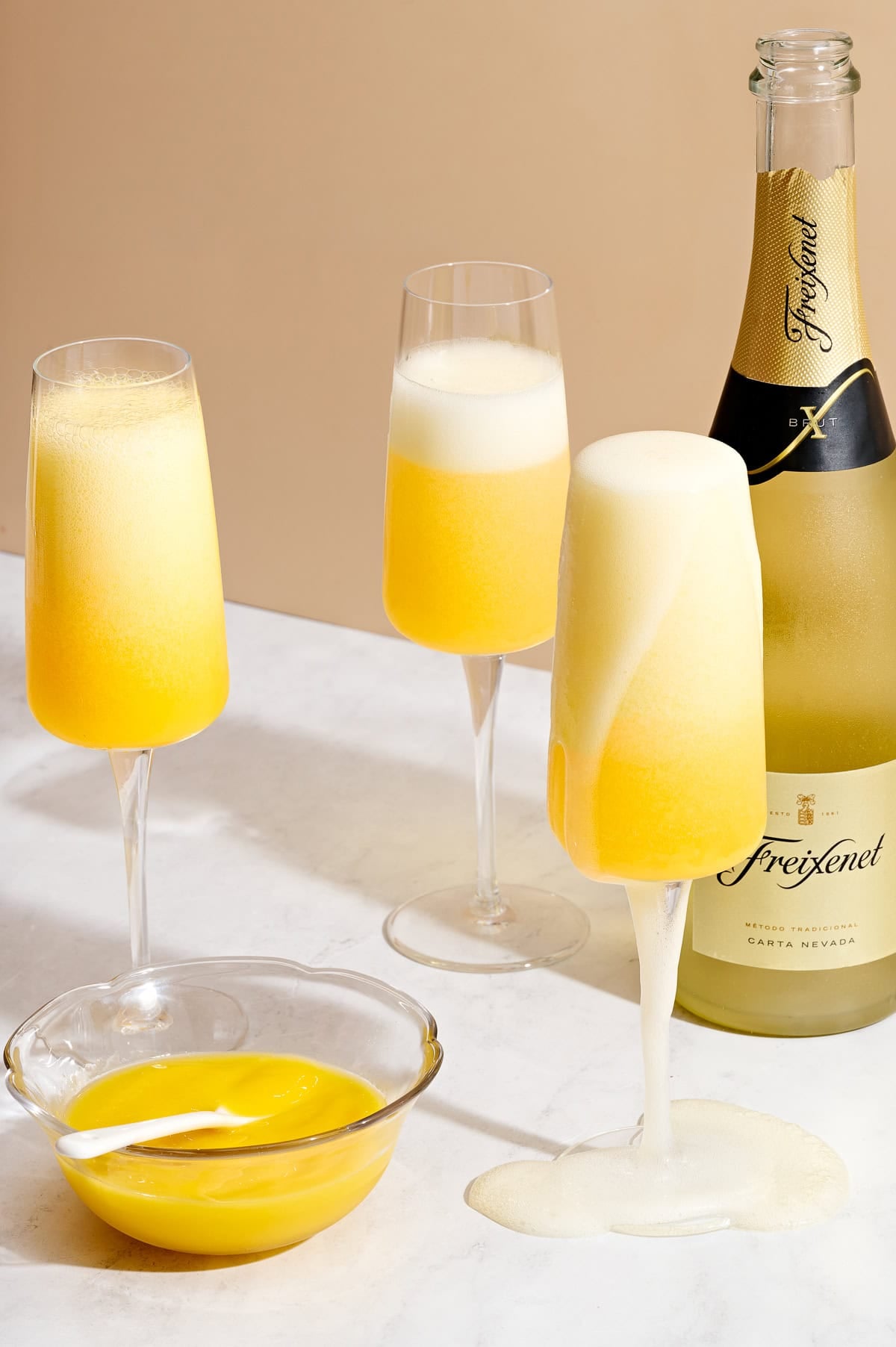
A key factor in the Mango Bellini’s appeal for these occasions is its effortless elegance. It requires minimal preparation, typically just a few minutes, making it ideal for hosts who wish to offer a special touch without extensive effort. This aligns perfectly with the contemporary desire for "no-fuss entertaining." The visual appeal of the Mango Bellini, with its bright yellow-orange hue and delicate bubbles rising in a flute glass, also contributes significantly to its charm, elevating the aesthetic of any brunch table or party setting.
Crafting the Perfect Mango Bellini: A Simple Process

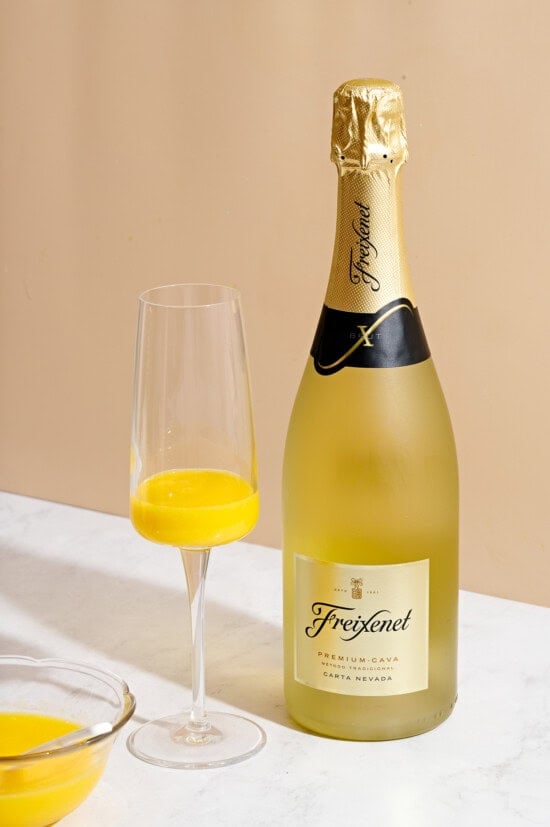
The preparation of a Mango Bellini is notably straightforward, requiring only two primary components: high-quality mango purée and well-chilled Prosecco or Champagne. For optimal flavor, using fresh, ripe mangoes blended into a smooth purée is often recommended, as it offers the most authentic and vibrant taste. However, for convenience or when fresh mangoes are out of season, a good quality store-bought mango purée can serve as an excellent substitute, often yielding a smoother consistency.
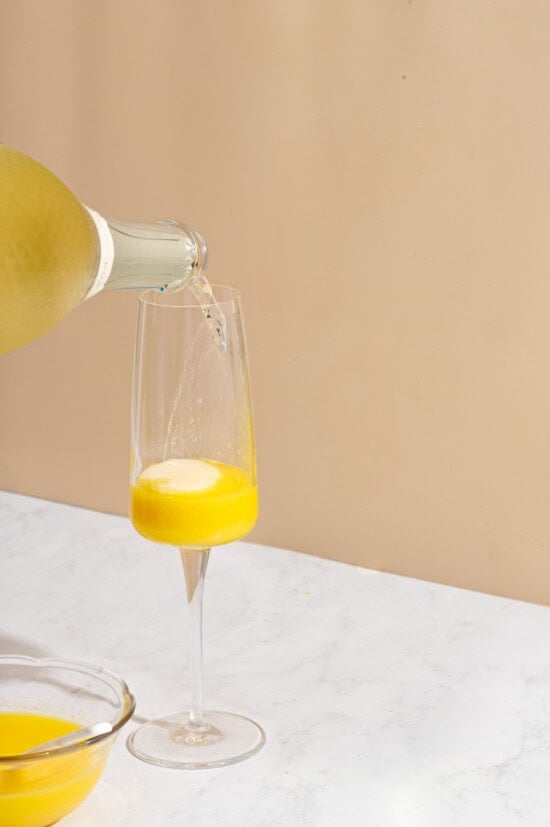
The standard ratio for a Mango Bellini is one part mango purée to two parts chilled sparkling wine. This balance ensures that the mango flavor is prominent without overwhelming the delicate notes of the Prosecco, while maintaining a pleasant effervescence. Some variations might stretch the ratio to 1:3 for a lighter, bubblier drink, catering to individual preferences. The process involves pouring the desired amount of mango purée into a flute glass, typically about a quarter-cup, and then slowly topping it with the chilled sparkling wine. A gentle stir once combined helps to integrate the flavors without sacrificing too much of the effervescence.
For larger gatherings, scaling the recipe is equally simple. Culinary experts suggest preparing the mango purée in advance and storing it chilled. When ready to serve a crowd, the purée can be added to a pitcher, followed by a slow pour of the chilled Prosecco just before guests arrive. A single, gentle stir ensures even distribution while preserving the bubbles, after which the mixture can be poured into individual glasses. This method allows hosts to efficiently serve multiple guests without compromising the drink’s quality or presentation.
Nutritional Considerations and the "Skinny" Trend
In an era increasingly focused on health and wellness, the Mango Bellini also aligns with the "skinny" cocktail trend, a movement towards beverages with fewer calories and lower sugar content. While not entirely calorie-free, a typical serving of a Mango Bellini, as detailed by nutritional analyses, can be relatively modest in caloric intake, often around 86 kcal per glass. This is largely due to the natural sugars from the mango and the generally lower alcohol content of Prosecco compared to spirits. The presence of fruit also provides a small amount of dietary fiber and vitamins, such as Vitamin C from the mango, adding a minor health benefit often absent in more spirit-heavy cocktails. This makes it an appealing option for those who wish to enjoy a festive drink without excessive indulgence.
Variations and Culinary Creativity
The inherent versatility of the Bellini concept means the Mango Bellini itself can be a canvas for further culinary creativity. While mango is a star, other fruit purées can be introduced for different flavor profiles. Strawberry, raspberry, and passion fruit Bellinis are popular alternatives, each offering a distinct taste and color. For those seeking an extra layer of complexity, a splash of citrus juice, such as lime or orange, can brighten the mango flavor. A subtle hint of ginger or a sprig of fresh mint can also elevate the drink, adding aromatic depth and visual appeal.
The mocktail version, easily prepared by replacing Prosecco with sparkling cider, ginger ale, or plain sparkling water, underscores the drink’s adaptability. This ensures that guests of all ages or those abstaining from alcohol can still partake in the festive experience, enjoying a visually appealing and refreshing beverage that mirrors its alcoholic counterpart. Garnishes, such as a thin slice of fresh mango, a twist of lime, or a sprig of mint, further enhance the drink’s presentation, transforming a simple cocktail into a sophisticated libation.
Broader Implications: Trends in Beverage and Hospitality
The popularity of the Mango Bellini reflects several broader trends within the beverage and hospitality industries. Firstly, it highlights the increasing consumer demand for exotic and fruit-forward flavors, driven by greater exposure to global cuisines and ingredients. Secondly, it reinforces the appeal of simple, high-quality ingredients over complex, multi-component cocktails, especially for home entertaining. This "less is more" philosophy resonates with consumers seeking both convenience and elegance.
Furthermore, the rise of drinks like the Mango Bellini contributes to the ongoing evolution of brunch as a culinary institution. Restaurants and hotels are increasingly curating specialized brunch menus, often featuring a range of Bellini variations, to cater to this growing market segment. The ease with which these cocktails can be batched and served makes them highly efficient for high-volume service, benefiting the operational aspects of the hospitality sector.
In conclusion, the Mango Bellini is more than just a cocktail; it is a testament to the enduring appeal of simplicity, the global embrace of diverse flavors, and the dynamic evolution of social dining experiences. By marrying the time-honored elegance of the Italian Bellini with the vibrant sweetness of tropical mango, this drink has carved out a distinct niche as a go-to choice for those seeking a refreshing, festive, and effortlessly chic addition to any celebration. Its continued popularity underscores a wider appreciation for accessible luxury and versatile culinary solutions in the contemporary world.
