
The Evolution of the One-Pot Meal and Multicooker Integration
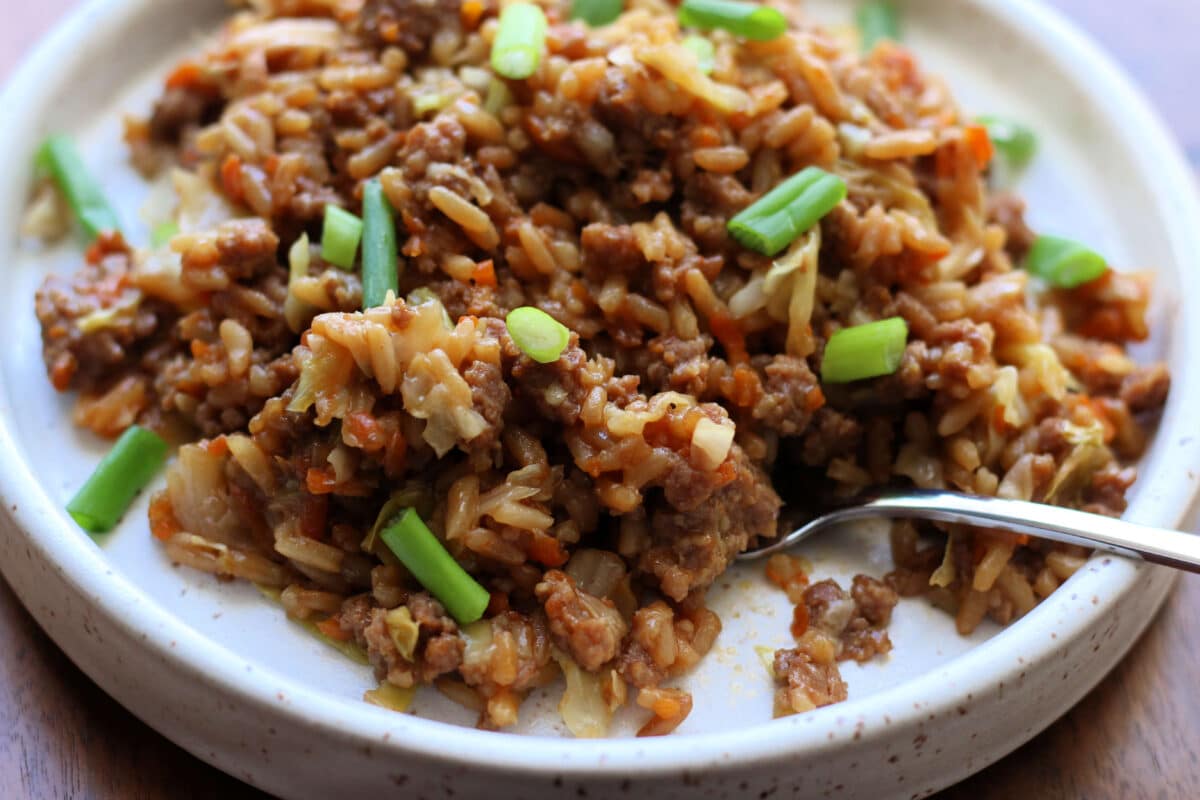
The rise of the Egg Roll Casserole can be traced back to two significant shifts in American culinary culture: the "deconstructed" food trend and the widespread adoption of the Instant Pot. Since its debut in 2010, the Instant Pot and similar electric pressure cookers have transformed the landscape of weeknight dinners. According to market research data, the multicooker market has seen steady growth, with millions of units sold annually as consumers prioritize appliances that can perform sautéing, pressure cooking, and steaming functions within a single vessel.
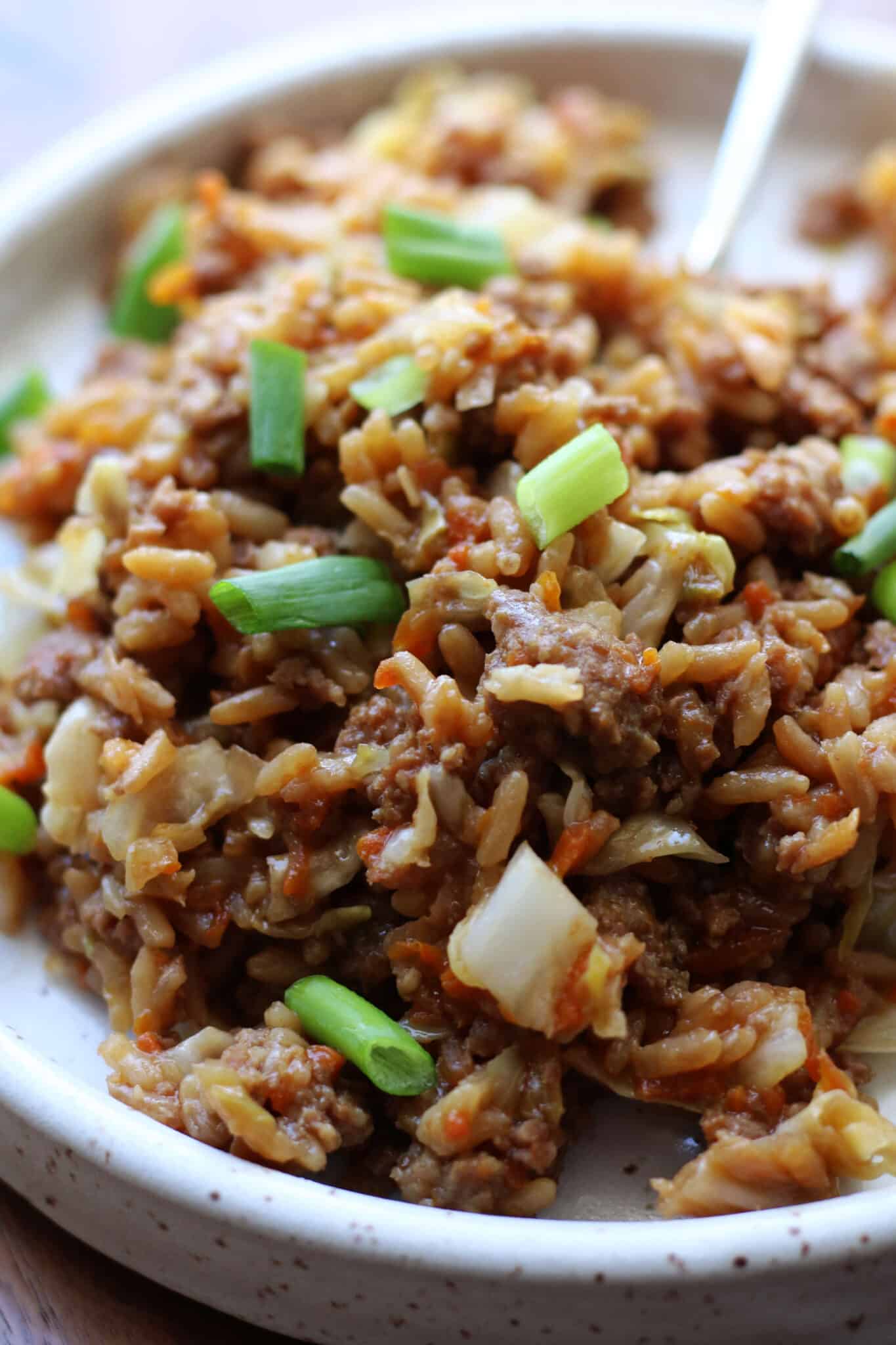
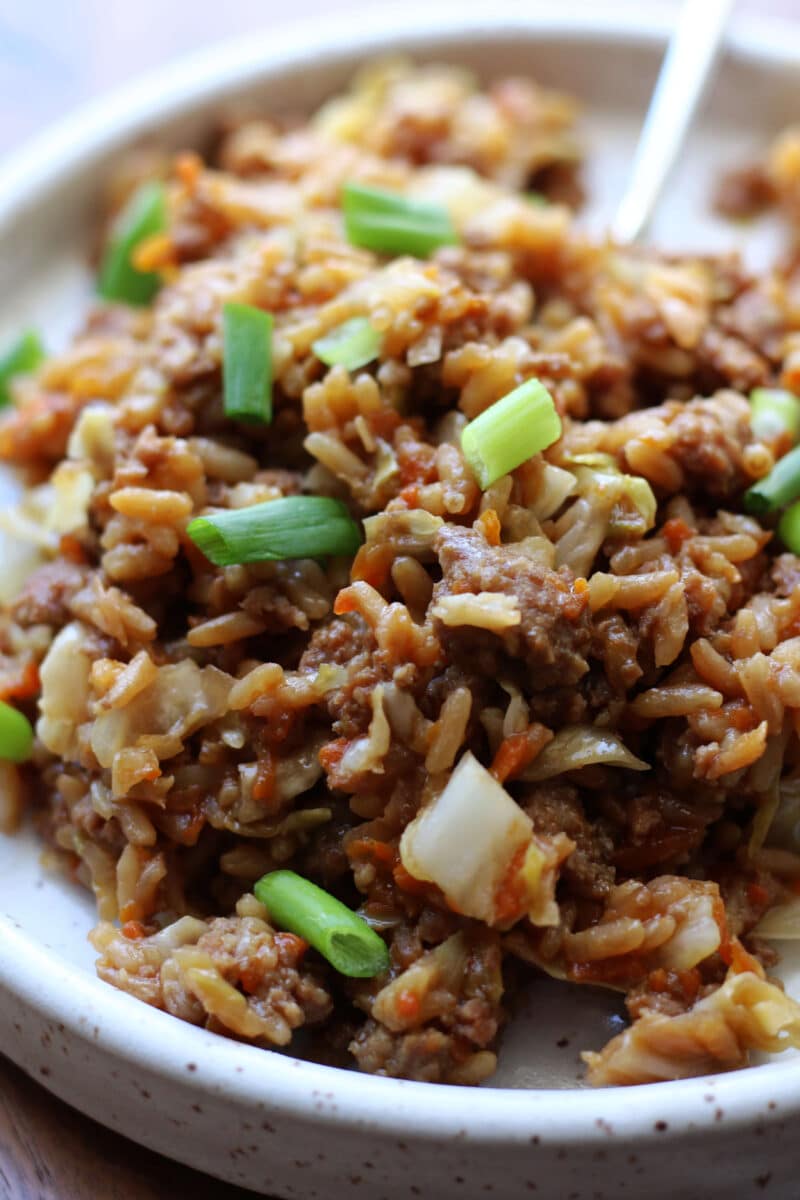
The "Egg Roll in a Bowl" concept, often referred to in health communities as "Crack Slaw," initially gained popularity within low-carb and ketogenic circles. However, the iteration of the Egg Roll Casserole enriched with rice represents a transition toward a more balanced, all-in-one meal. By incorporating long-grain white rice directly into the pressure-cooking process, the dish provides a necessary carbohydrate component that transforms a simple stir-fry into a satiating casserole.
Anatomy of the Dish: Ingredient Profile and Selection
The success of the Egg Roll Casserole relies on a specific hierarchy of ingredients, each serving a functional and flavorful purpose.
Protein Selection
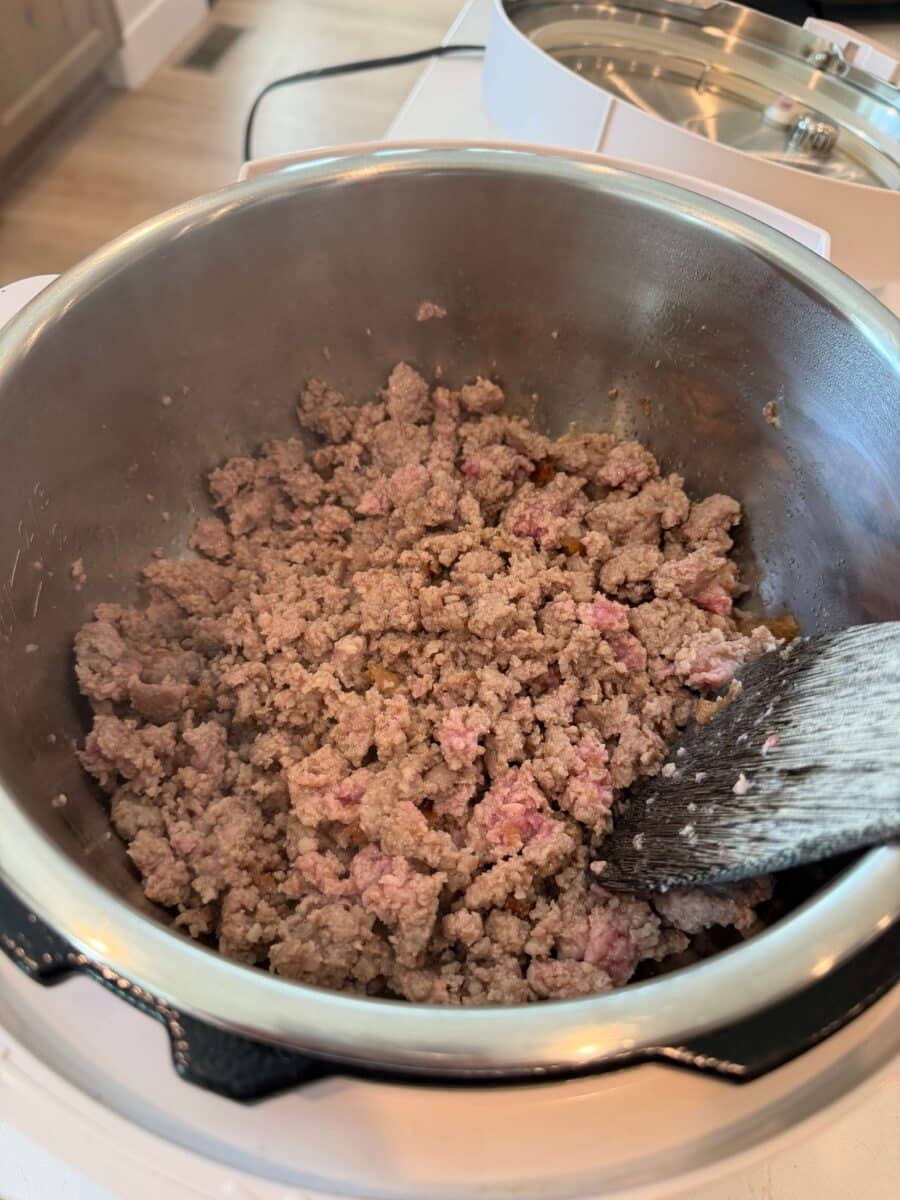
Ground pork is the traditional choice for this recipe, favored for its fat content and flavor profile. Unlike leaner meats such as ground turkey or chicken breast, pork provides a richness that mimics the interior of a restaurant-quality egg roll. From a culinary perspective, the fat in the pork emulsifies with the soy and teriyaki sauces, creating a cohesive glaze that coats the rice and vegetables.
The Cruciferous Foundation
Cabbage serves as the primary volume-builder in this dish. Utilizing a large quantity of shredded cabbage—often an entire head or a large pre-packaged coleslaw mix—provides significant dietary fiber and micronutrients. In the pressurized environment of an Instant Pot, cabbage undergoes a rapid softening process, reducing in volume while absorbing the aromatics of garlic and ginger.
Flavor Aromatics and Sauces
The flavor base is constructed through a combination of:
- Soy Sauce: Providing the essential umami and salinity.
- Garlic and Ginger: These aromatics offer the "bright" notes necessary to cut through the richness of the pork.
- Teriyaki Sauce: Adds a subtle sweetness and viscosity.
- Sriracha: A fermented chili paste that provides adjustable heat.
Culinary Chronology: The Pressure Cooking Process
The preparation of an Egg Roll Casserole follows a strict technical sequence to ensure the rice is fully cooked without burning and the vegetables maintain a desirable texture.
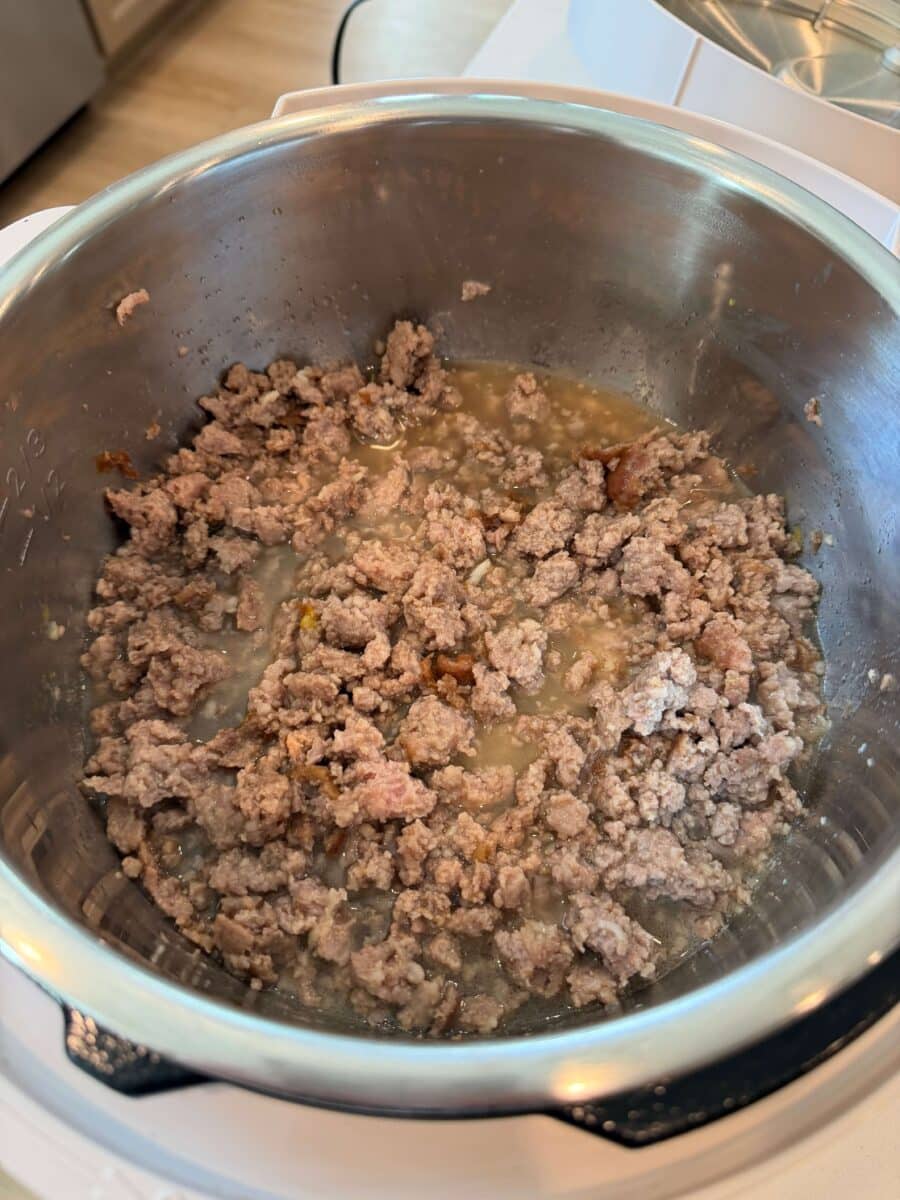
- The Sauté Phase: The process begins with the "Sauté" function of the multicooker. The ground pork is browned until fully cooked. This step is critical for developing the Maillard reaction, which enhances the savory profile of the meat.
- Deglazing and Seasoning: After draining excess grease, soy sauce and minced garlic are introduced. A vital technical step follows: the addition of water and the manual scraping of the pot’s bottom. This "deglazing" prevents the "Burn" error code common in high-pressure cooking by removing caramelized protein bits from the heating surface.
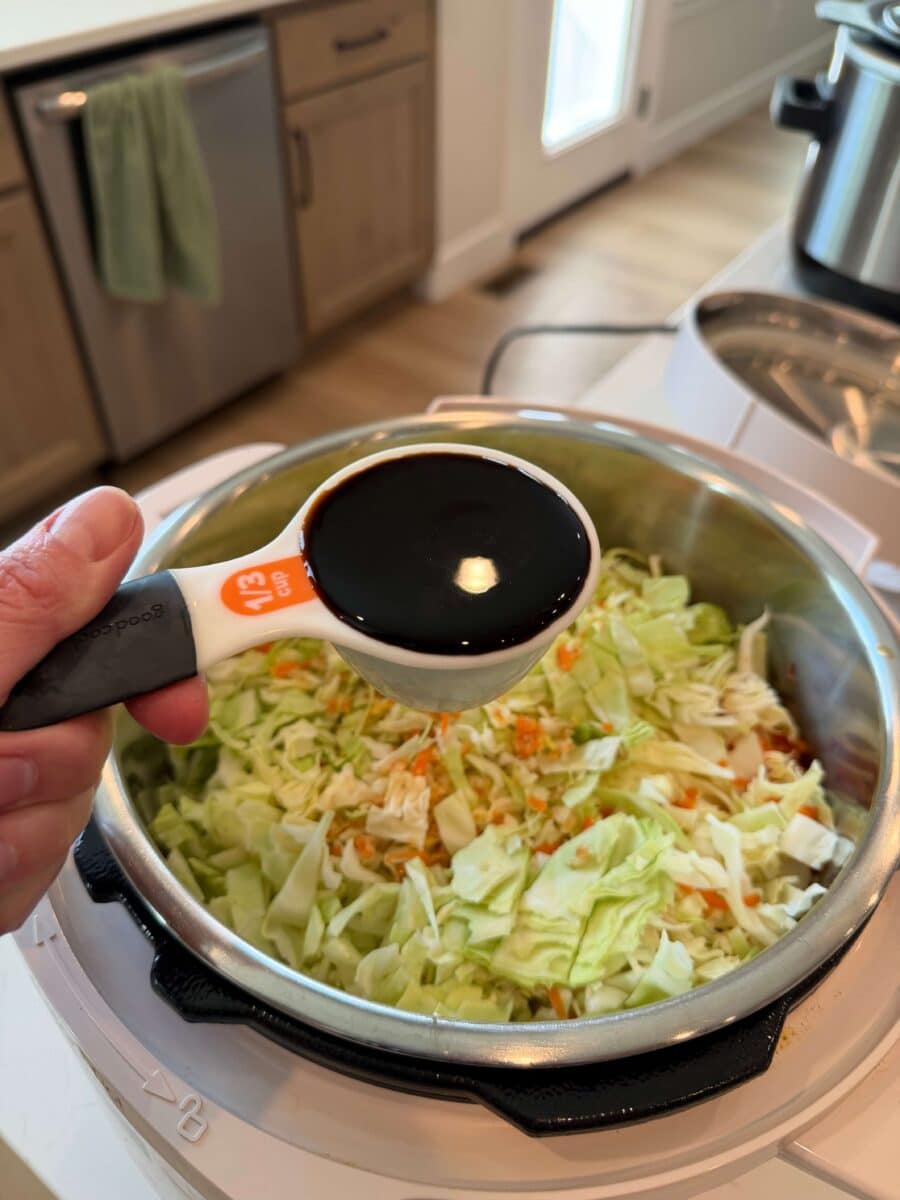
- The Layering Technique: To ensure even cooking of the rice, it is sprinkled over the liquid and meat but not stirred. The cabbage, carrots, ginger, and sauces are layered on top. This stratification allows the rice to submerge in the liquid at the bottom while the vegetables steam in the upper portion of the pot.
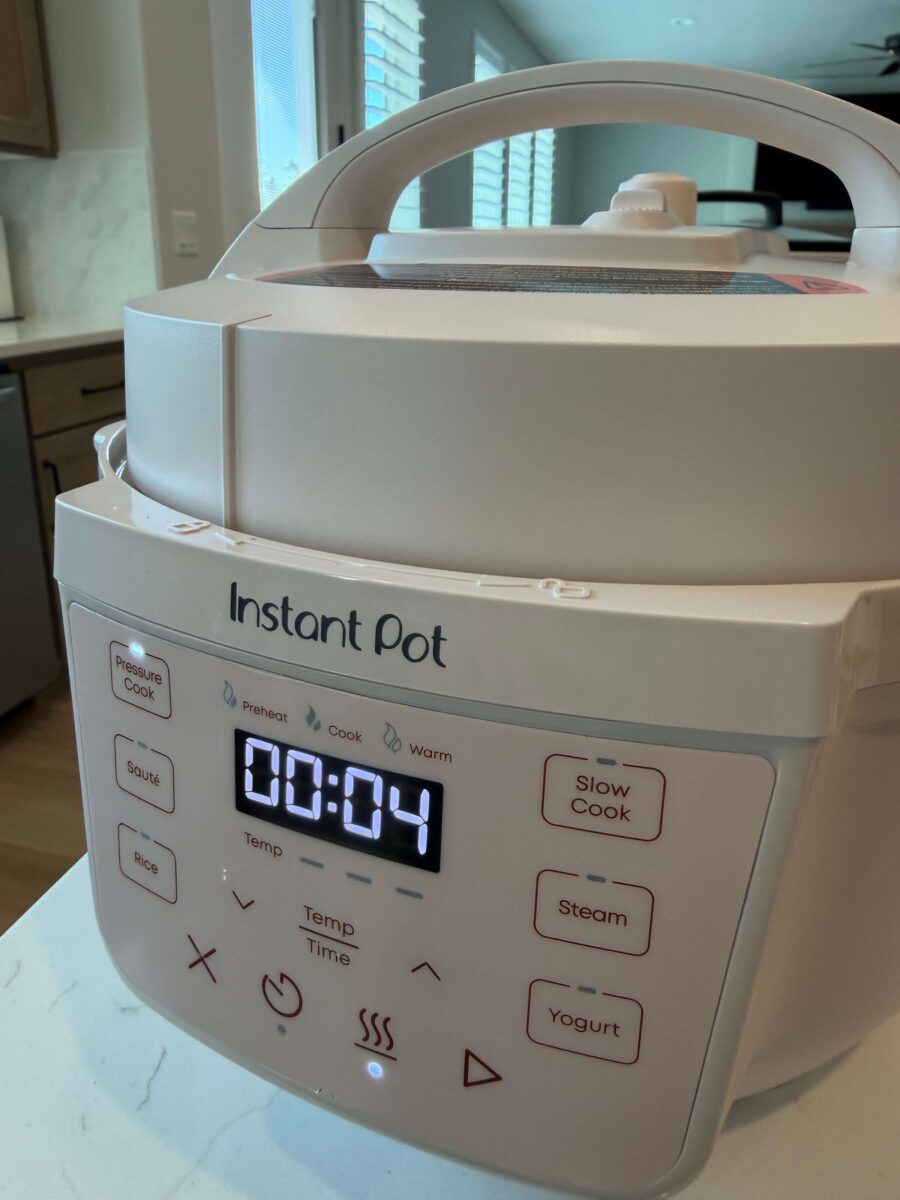
- Pressure Regulation: The vessel is sealed and set to high pressure for a duration of four minutes. This short window is sufficient for the rice to hydrate and the cabbage to wilt.
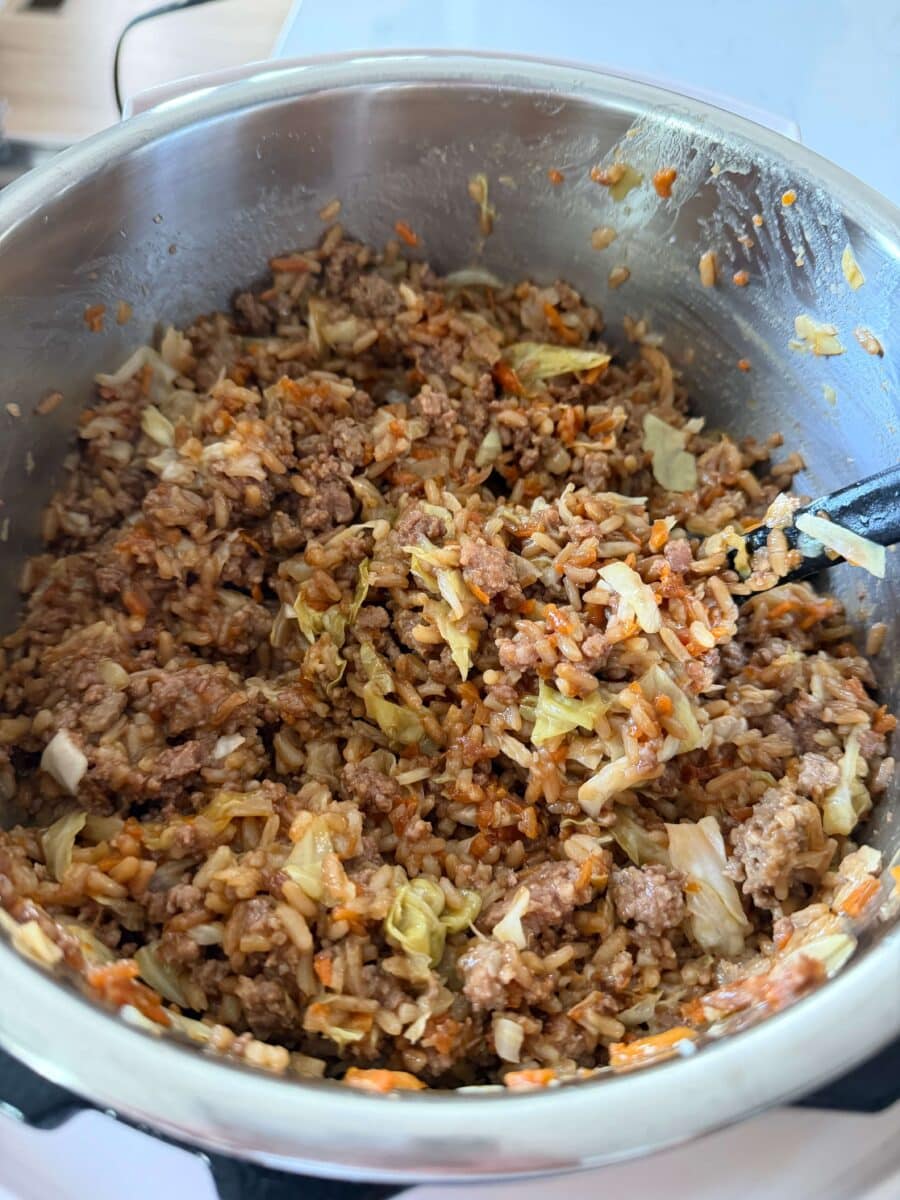
- The Natural Release Phase: Following the active cooking cycle, a 10-minute natural pressure release is required. This allows the steam to dissipate gradually, ensuring the rice remains fluffy rather than mushy.
Nutritional and Economic Data Analysis
From a nutritional standpoint, the Egg Roll Casserole offers a comprehensive macro-profile. A standard serving contains high levels of Vitamin K and Vitamin C from the cabbage, along with Vitamin A from the carrots. By using fresh vegetables, the dish remains a high-volume, lower-calorie option compared to traditional takeout, which often involves high levels of sodium and trans fats from the frying process.
Economically, the dish is highly cost-effective. Data from the Bureau of Labor Statistics suggests that the cost of staples like cabbage, rice, and ground pork remains lower than premium cuts of beef or seafood. A single batch of Egg Roll Casserole can typically feed a family of four to six for under $15.00, making it an attractive option for budget-conscious consumers facing rising food inflation.
Culinary Expert Perspectives and Flavor Architecture
Culinary professionals often highlight the importance of "layering" flavors in one-pot meals. Chef-led analyses of the Egg Roll Casserole suggest that the combination of ginger and garlic acts as a bridge between the savory pork and the sweet teriyaki.
"The challenge with multicooker meals is often the homogenization of texture," notes one culinary instructor. "By adding fresh green onions or crunchy wonton strips after the cooking process is complete, the cook introduces a necessary textural contrast that elevates the dish from a simple ‘mush’ to a restaurant-quality experience."
Furthermore, the adaptability of the heat level—specifically the use of Sriracha—allows for a customizable dining experience. In family settings, the spice can be omitted during the cooking process and added as a condiment, ensuring the dish is palatable for all ages while still catering to those who prefer a more aggressive spice profile.
Broader Impact on Domestic Food Trends
The Egg Roll Casserole is part of a larger movement toward "global fusion" in domestic kitchens. As international ingredients like soy sauce, ginger, and Sriracha become ubiquitous in American pantries, home cooks are increasingly comfortable experimenting with Asian-inspired flavors. This democratization of global cuisine allows for a more diverse diet without requiring specialized equipment like a wok or deep fryer.
Additionally, the environmental impact of one-pot cooking is noteworthy. By utilizing a single appliance, households reduce their energy consumption compared to using multiple stovetop burners and an oven. The reduction in water usage for cleanup also aligns with growing consumer interest in sustainable living practices.
Comparative Analysis of Related Multicooker Recipes
The Egg Roll Casserole belongs to a family of "bowl-style" recipes that have gained traction for their efficiency. Similar dishes include:
- Potsticker Bowls: Utilizing ground pork and noodles to replicate the filling of a dumpling.
- Korean BBQ Burritos: Fusing shredded beef with cabbage and Sriracha mayo.
- Dragon Noodles: A spicy noodle-based dish that emphasizes speed and heat.
When compared to these alternatives, the Egg Roll Casserole stands out for its use of rice as a base, which offers a more traditional "casserole" texture and better absorbs the cooking liquids, leading to a more intensely flavored grain.
Conclusion and Future Implications
The Egg Roll Casserole represents the intersection of convenience, nutrition, and global flavor. As the demand for quick, healthy, and affordable meals continues to rise, the reliance on multicooker technology and deconstructed recipes is expected to grow. This dish serves as a blueprint for future culinary development: identifying the core components of a beloved complex dish and re-engineering them for the constraints of a busy modern lifestyle. By maintaining the integrity of the original flavor profile while drastically reducing preparation time, the Egg Roll Casserole has secured its place in the contemporary culinary canon.
