
The preparation of potato leek soup, a cornerstone of seasonal comfort cuisine, has recently undergone a rigorous technical evaluation within the Nashville Test Kitchen to optimize both its nutritional delivery and economic efficiency. As global food prices continue to fluctuate, the development of high-yield, low-cost meals has become a primary focus for culinary researchers and home economists. This specific iteration of the classic dish achieves a notable price point of $1.05 per serving, totaling $8.46 for a full eight-serving yield. By leveraging specific botanical properties of the allium family and advanced starch management techniques, the recipe provides a nutrient-dense profile of 289 calories per serving while maintaining a sophisticated flavor profile that appeals to a broad demographic of consumers.

Economic Context and the Consumer Shift Toward Home-Prepared Staples
The economic landscape of 2024 and 2025 has seen a marked shift in consumer behavior regarding "food-at-home" expenditures. According to recent market analysis, the demand for versatile, potato-based dishes increases significantly during the colder fiscal quarters. Potatoes serve as a high-calorie, low-cost "anchor" ingredient, providing what culinary experts describe as a "stick-to-your-bones" satiety for pennies per ounce.

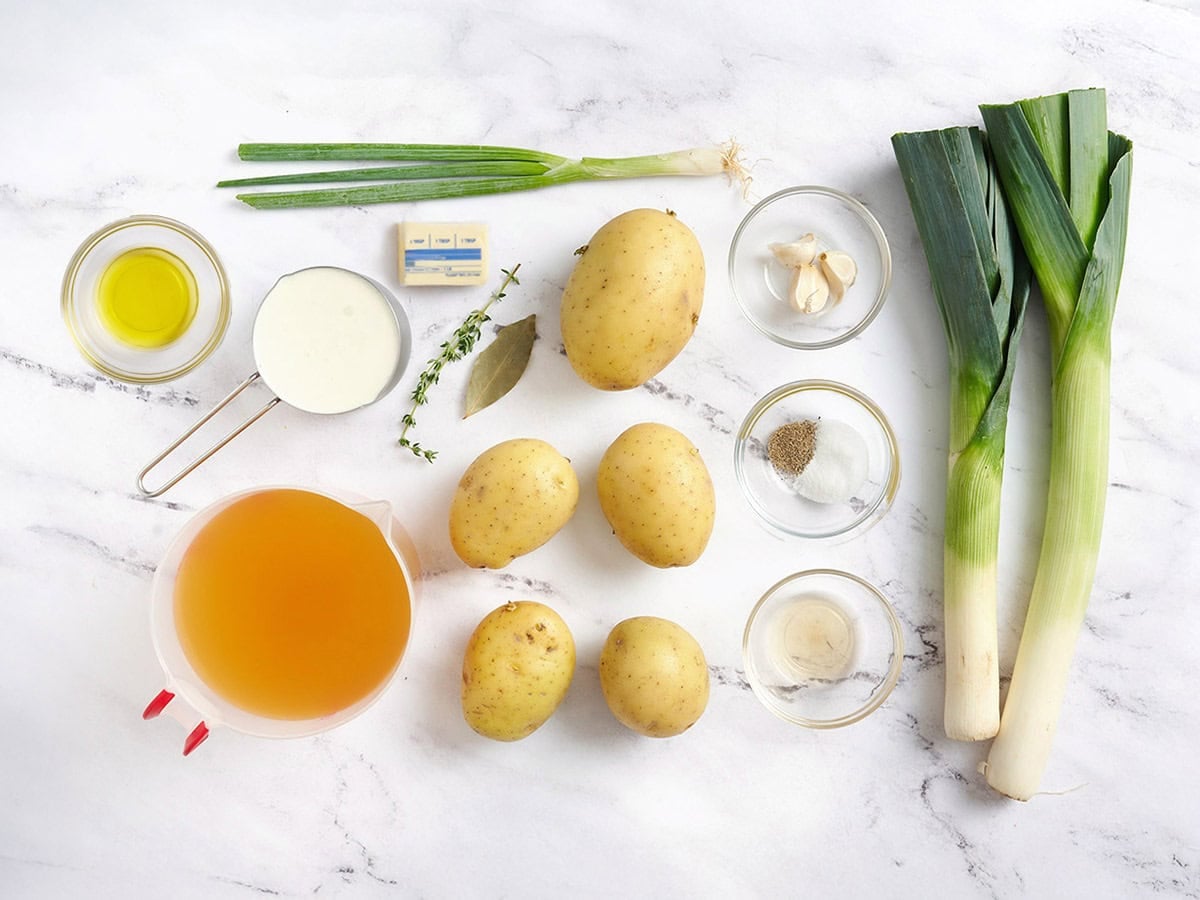
In the Nashville Test Kitchen’s assessment, the use of Better Than Bouillon as a base for the six cups of required vegetable broth was identified as a strategic cost-saving measure. Concentrated bouillon bases significantly reduce the per-liter cost of soup compared to pre-packaged liquid cartons, while also reducing packaging waste. This focus on "budget-friendly kitchen" practices is not merely about price reduction but involves a comprehensive strategy of ingredient utilization, such as the freezing of leek trimmings for future stock production, thereby creating a circular economy within the domestic kitchen.
Historical Evolution: From Peasant Fare to Potage Parmentier
The chronology of potato leek soup is deeply rooted in European agricultural history. While the specific recipe evaluated by Chef Jess Rice is a modern, simplified version, it follows a lineage that dates back to 18th-century France. Historically known as Potage Parmentier, the dish was named after Antoine-Augustin Parmentier, the pharmacist and agronomist who famously promoted the potato as a viable food source for the French populace during times of famine.
By the early 20th century, the dish evolved into various forms, including the cold Vichyssoise, credited to Louis Diat at the Ritz-Carlton in New York City in 1917. The current model presented by the Nashville Test Kitchen focuses on the warm, "creamy and easy" version, which prioritizes accessibility and speed without sacrificing the fundamental techniques that define the genre. This transition from a complex haute-cuisine staple to a "rigorously tested" budget meal reflects the broader democratization of culinary techniques in the digital age.
Botanical and Chemical Analysis of Ingredients
The success of the potato leek soup depends on the chemical interaction between its primary components: the Yukon Gold potato and the leek (Allium ampeloprasum).
The Role of Yukon Gold Potatoes
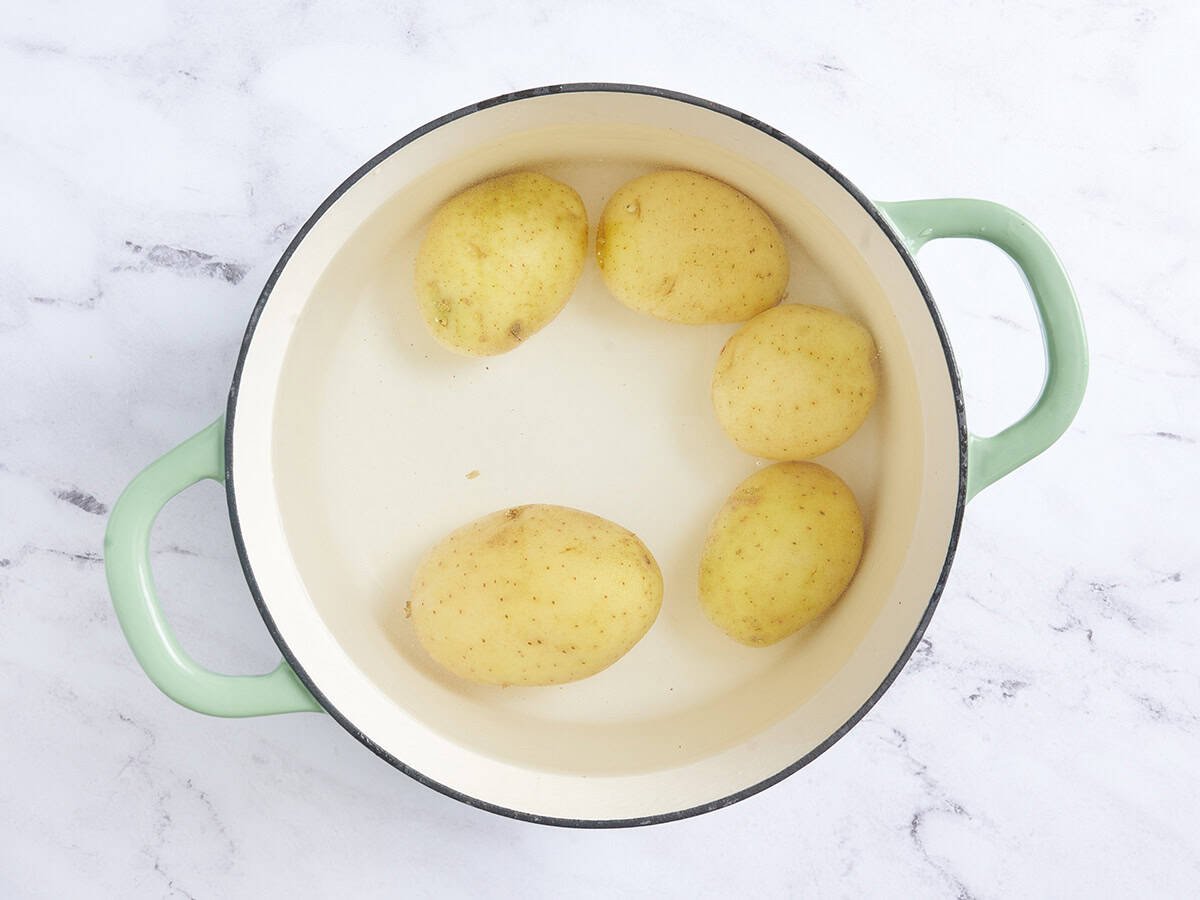
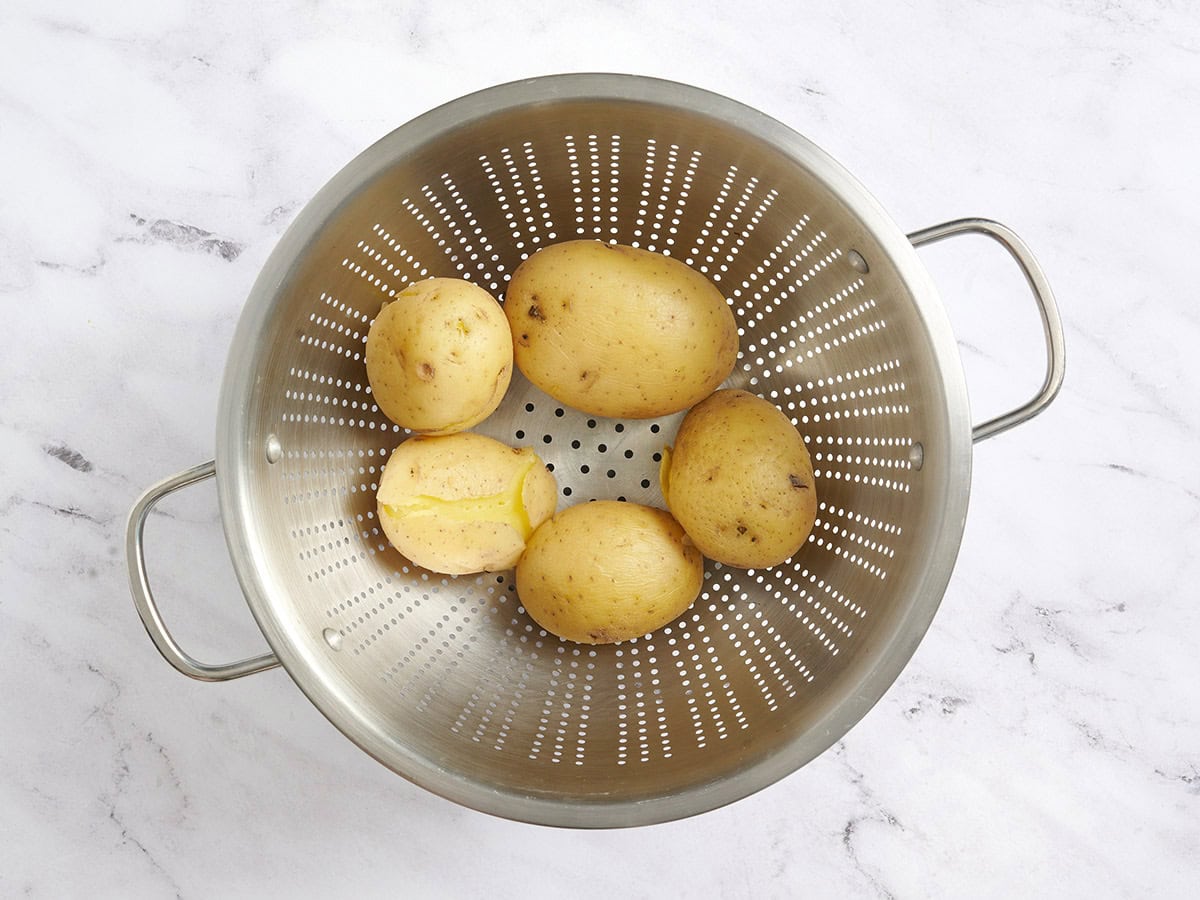
The selection of Yukon Gold potatoes over starchy Russets or waxy red potatoes is a calculated choice based on starch content. Yukon Golds are categorized as medium-starch, offering a naturally creamy texture that bridges the gap between the fluffiness of a Russet and the firmness of a red potato. The Nashville Test Kitchen emphasizes boiling these potatoes whole and with the skin on. This technique is critical for two reasons:
- Flavor Retention: Boiling with the skin preserves the earthy, mineral notes of the tuber.
- Hydration Control: Dicing potatoes before boiling increases surface area, allowing the cells to absorb excess water. This often leads to a "gummy" or "dull" texture. By boiling whole, the starch granules remain intact until the mashing phase, ensuring a silky rather than gluey consistency.
The Chemistry of Leeks
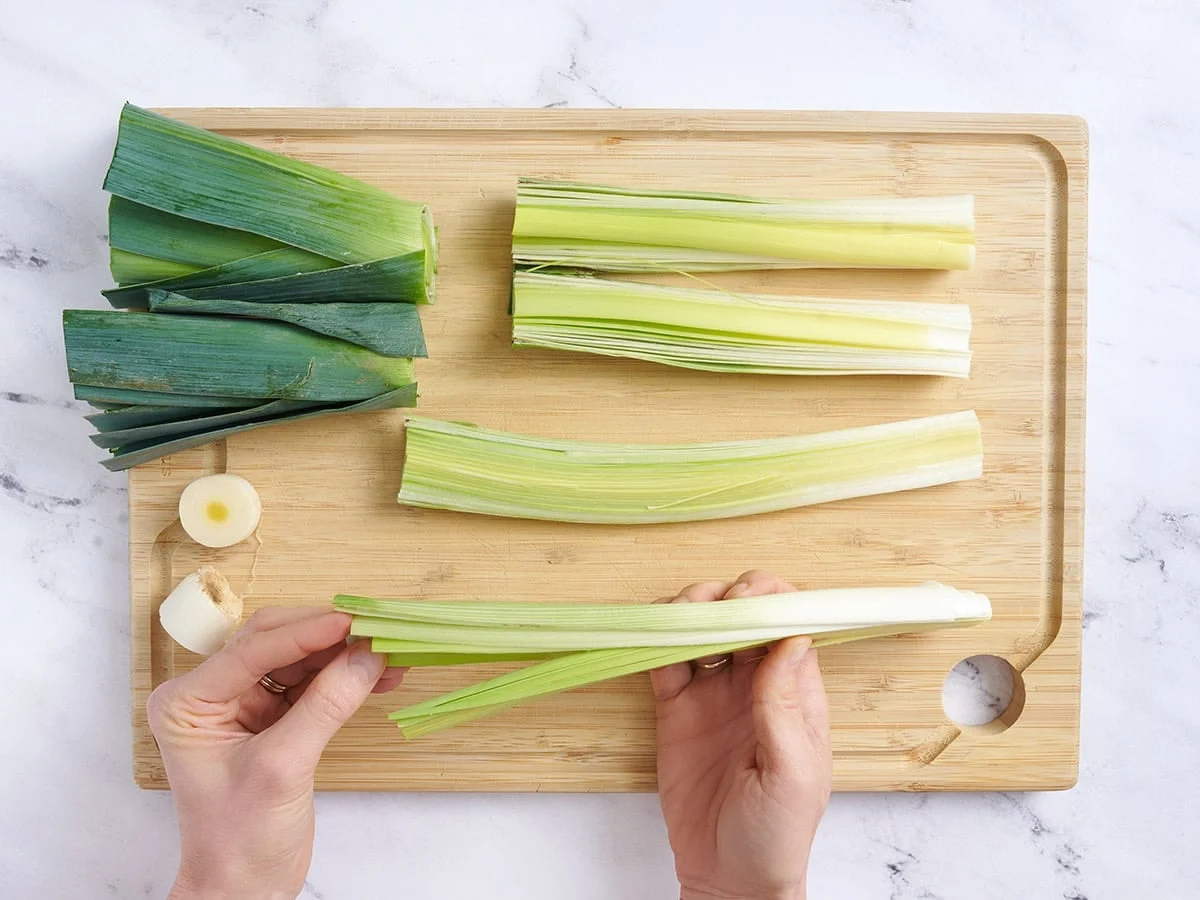
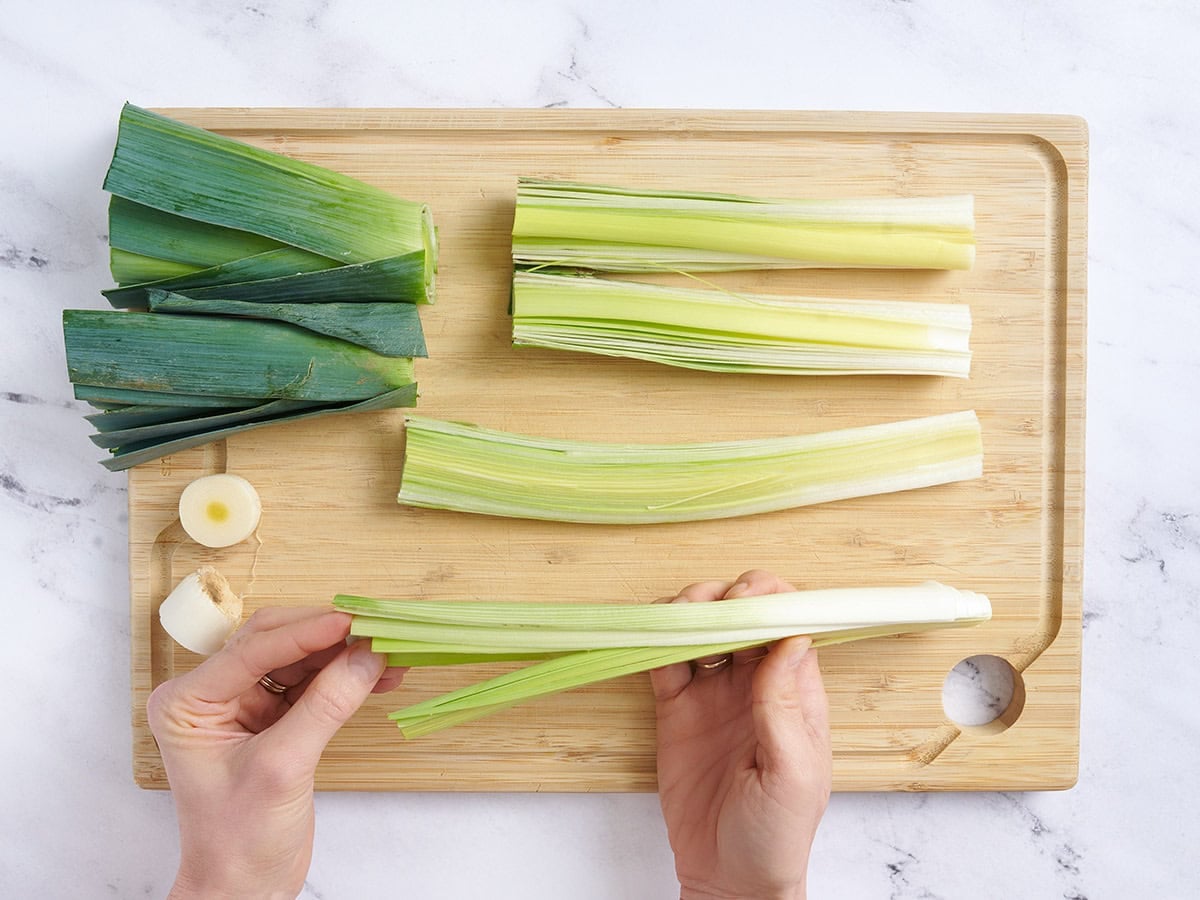
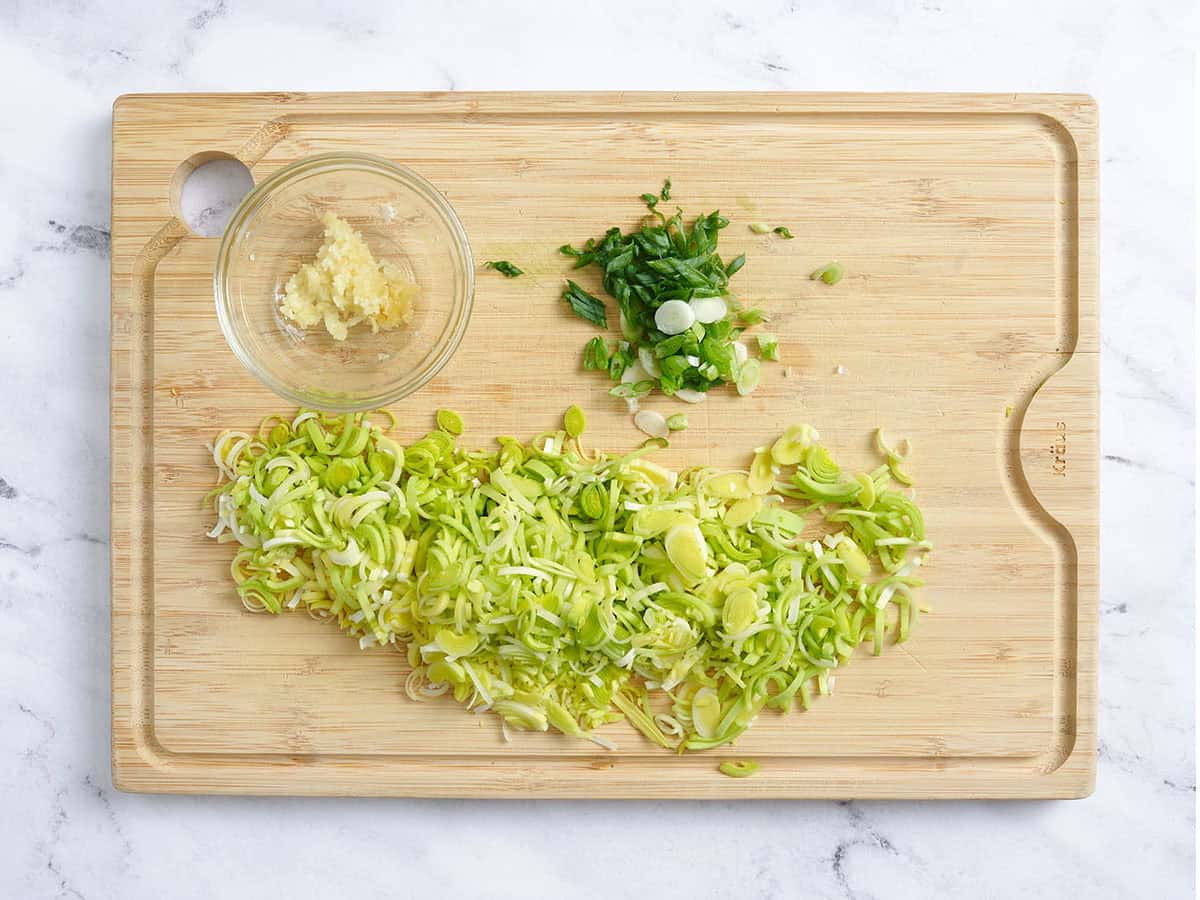
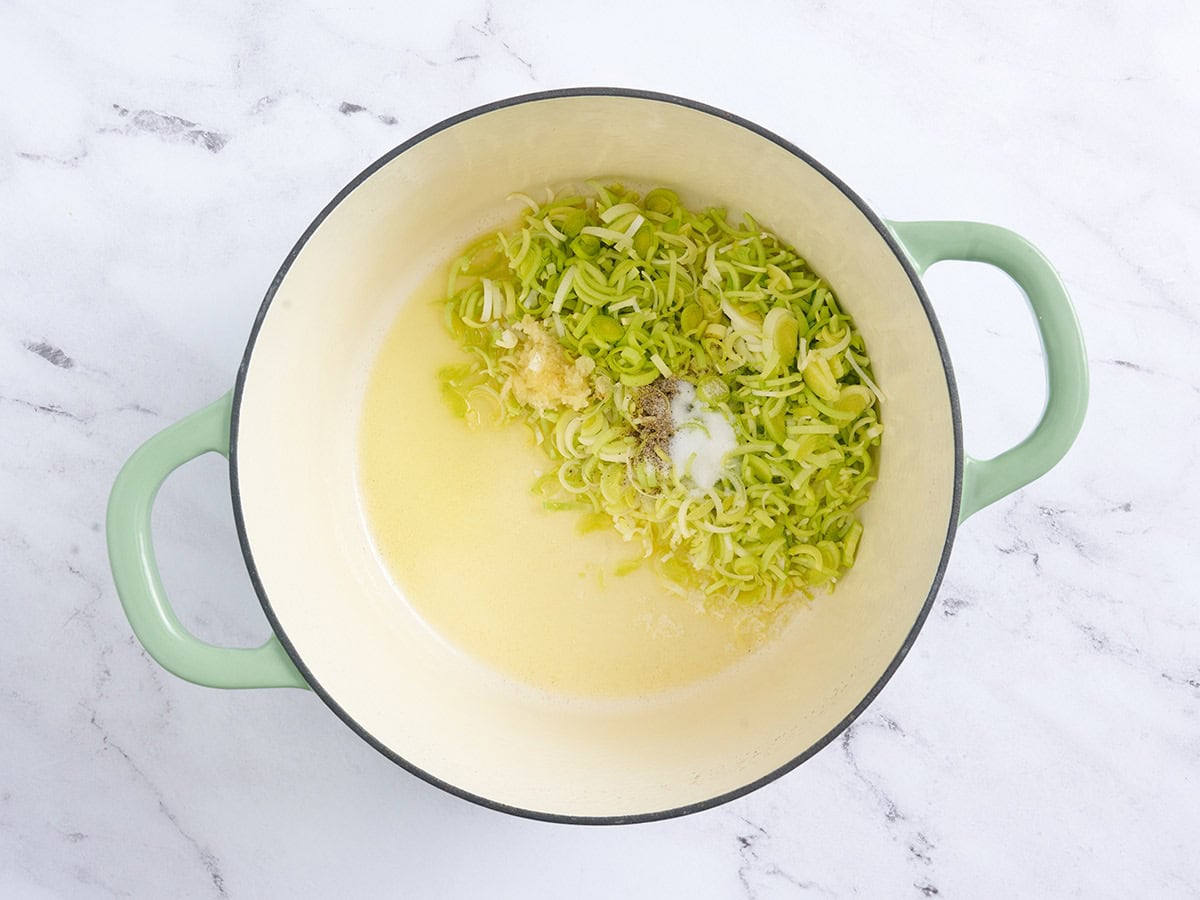
Leeks, as members of the onion family, provide a mild, sweet flavor profile that becomes mellow upon sautéing in a lipid base—in this case, a combination of salted butter and olive oil. The white and light green inner layers are favored for their tender cell walls, which break down easily during the eight-minute sautéing process. The Nashville researchers noted that the inclusion of minced garlic and green onions as secondary aromatics enhances the "delicate and simple" flavor profile, providing depth without the harshness associated with standard yellow onions.
Procedural Chronology and Technical Innovations
The preparation of this soup follows a strict timeline designed to maximize efficiency. The process begins with a 15-to-20-minute boiling period for the potatoes. Simultaneously, the cleaning and trimming of 1.5 pounds of leeks take place. This parallel processing is essential for maintaining the "oh-so-easy" designation of the recipe.
A significant technical innovation in this version is the hybrid approach to texture. Rather than pureeing the entire pot, the technique involves:
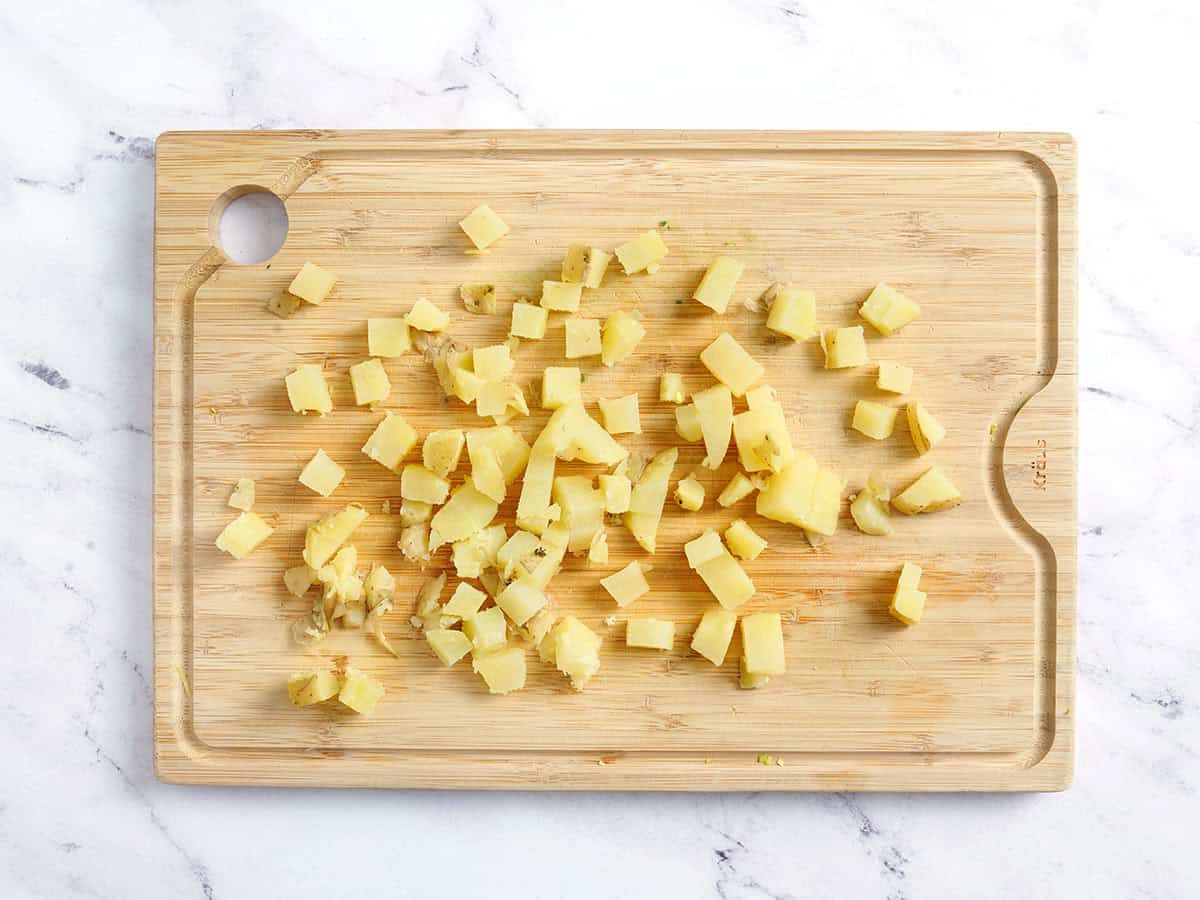
- Reserving two cups of diced, cooked potato chunks for final integration.
- Mashing the remaining potatoes directly into the broth to create a natural thickener.
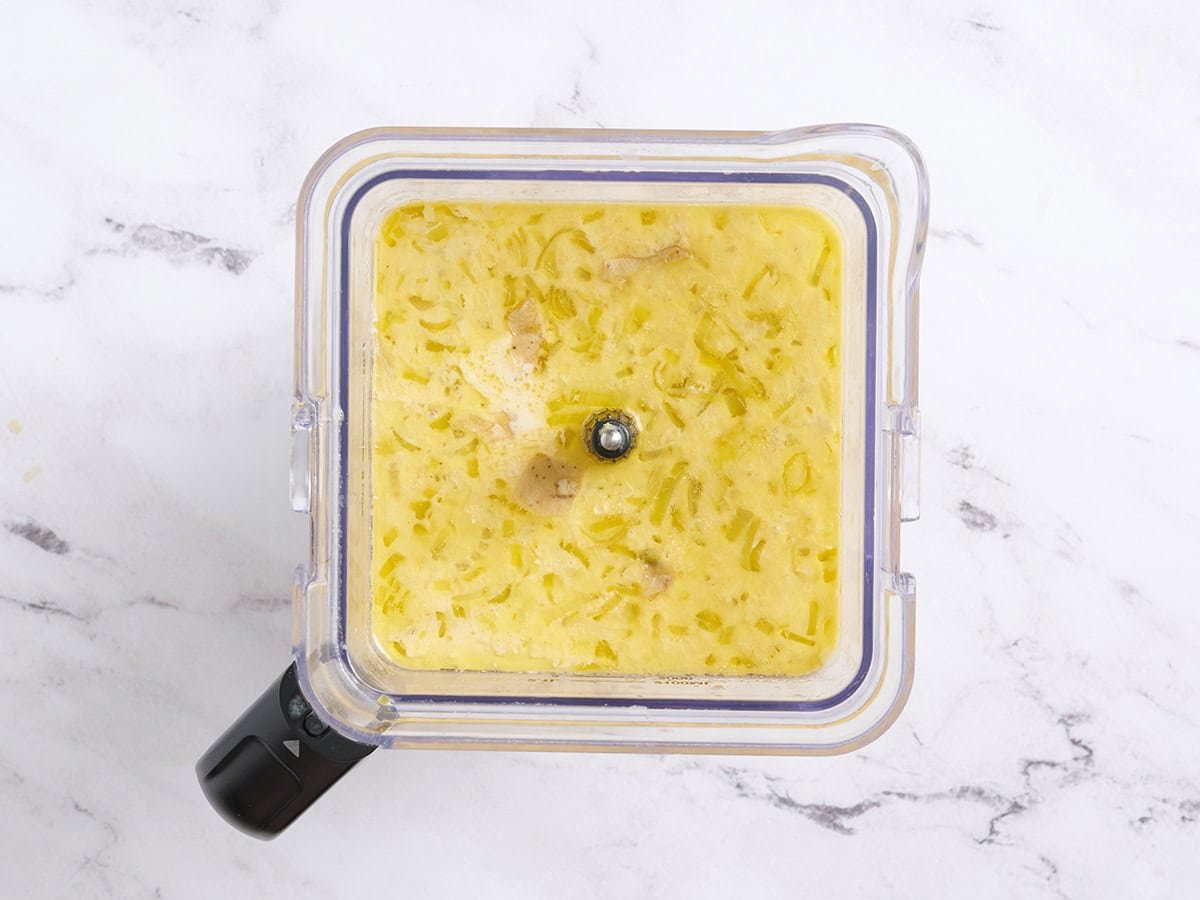
- Blending approximately 50% of the mixture to achieve a silky broth.
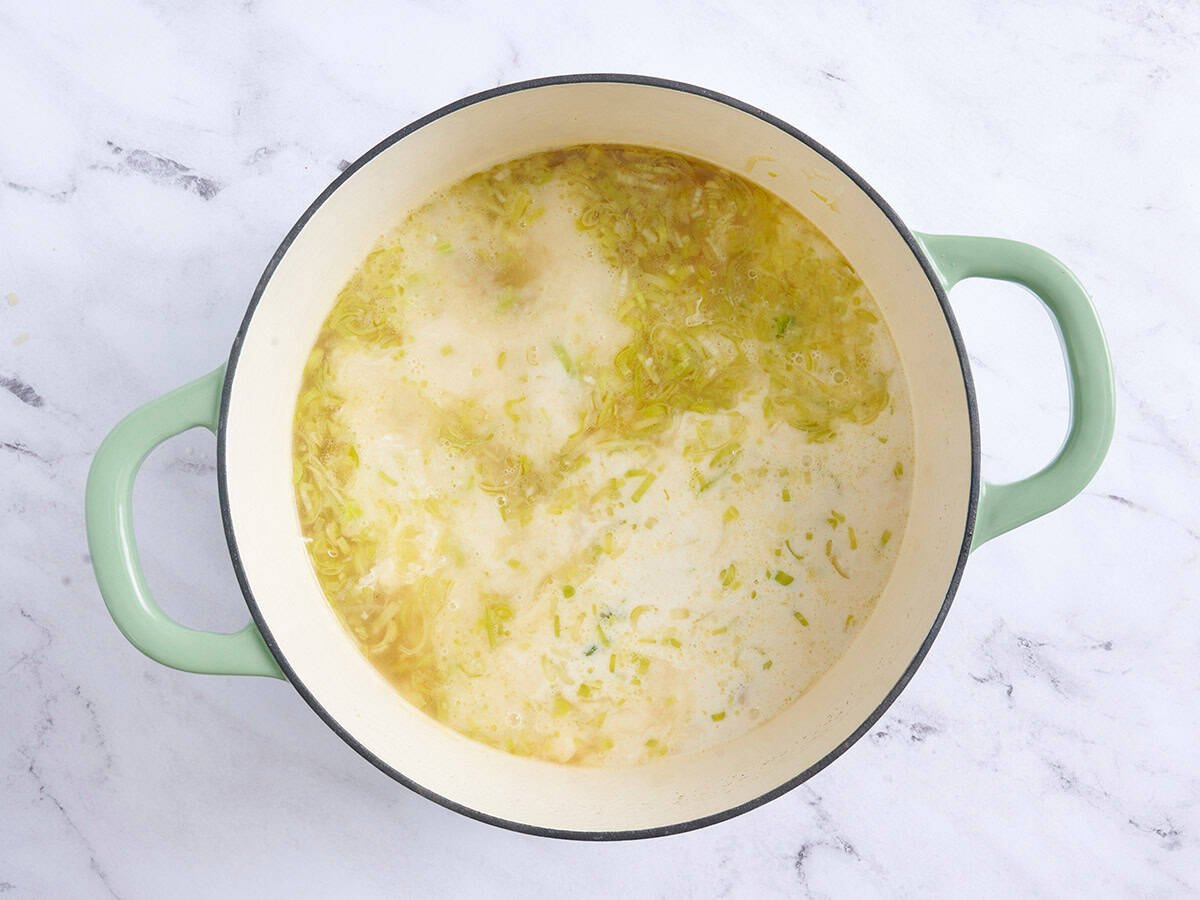
This three-tiered approach provides what experts describe as the "BEST mix of silky broth, creamy potato, and tender chunks." Furthermore, the recipe introduces the concept of "tempering" the cream. By slowly whisking a ladle of hot broth into one cup of room-temperature heavy cream before adding it to the pot, the cook prevents the proteins in the dairy from denaturing and "splitting" upon contact with the high-heat soup base.
Nutritional Profile and Dietary Implications
From a public health perspective, the potato leek soup offers a balanced nutritional breakdown. A single serving contains:

- Calories: 289 kcal
- Fat: 17g (26% of Daily Value)
- Carbohydrates: 32g (11% of Daily Value)
- Fiber: 4g (17% of Daily Value)
- Sodium: 1051mg (46% of Daily Value)
While the sodium content is relatively high—a common trait in broth-based soups—the high fiber content from the potatoes and leeks provides significant digestive benefits. The inclusion of apple cider vinegar adds a necessary acid component that brightens the flavor without the need for additional salt. Furthermore, the recipe is naturally gluten-free and soy-free, making it an ideal candidate for "Vegetarian Meal Prep" in institutional and domestic settings.

Expert Commentary and Professional Background
Chef Jess Rice, the primary developer behind this iteration, brings a diverse professional background to the Nashville Test Kitchen. Her experience as a Chef Professor at Niagara College and her work in the Nashville food scene—specifically with the raw vegan restaurant AVO—informs the precision of the recipe. "Potato dishes during the chilly months stick to your bones and keep you feeling cozy," Rice stated, emphasizing the psychological comfort associated with the meal. Her transition from high-end celebrity catering to budget-focused recipe development highlights a growing trend in the culinary industry: the application of professional-grade techniques to affordable, everyday ingredients.

Sustainability and Waste Management Analysis
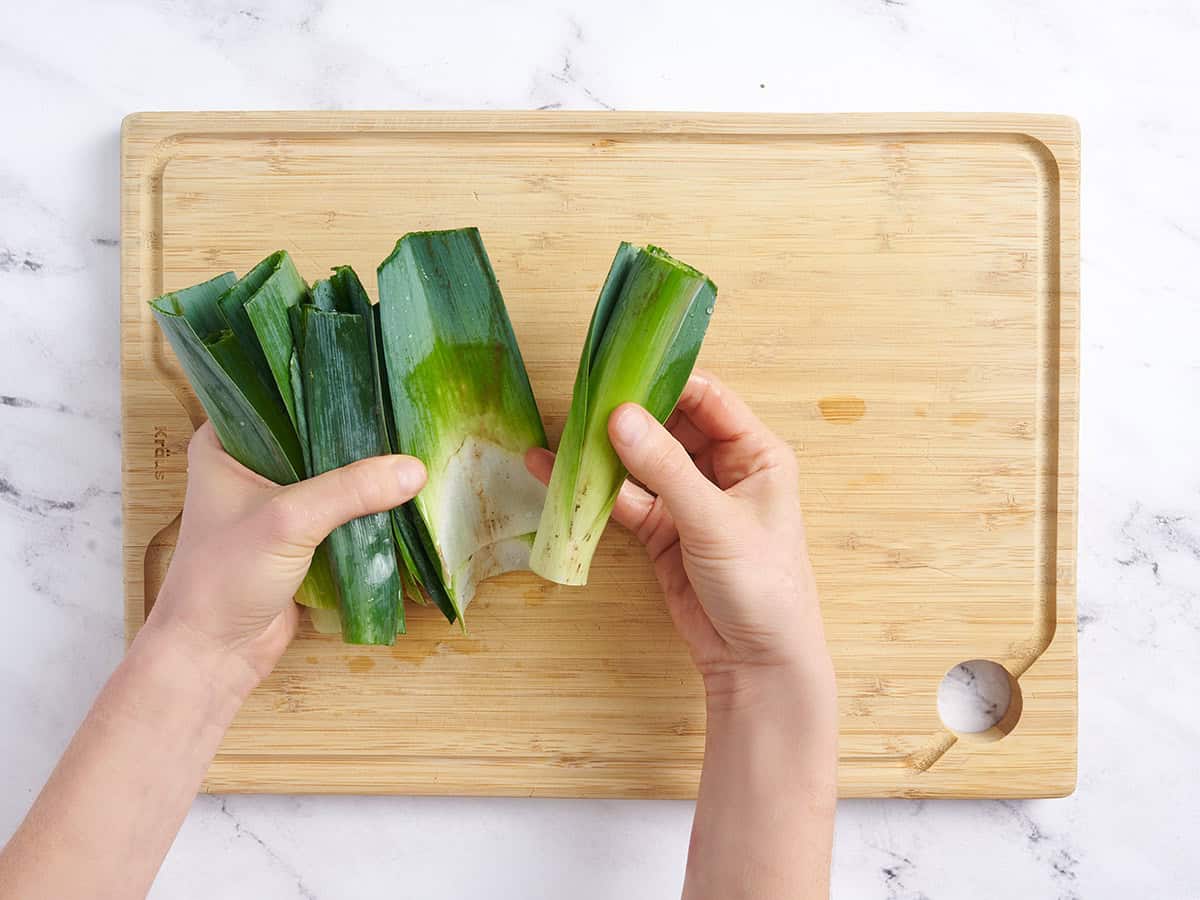
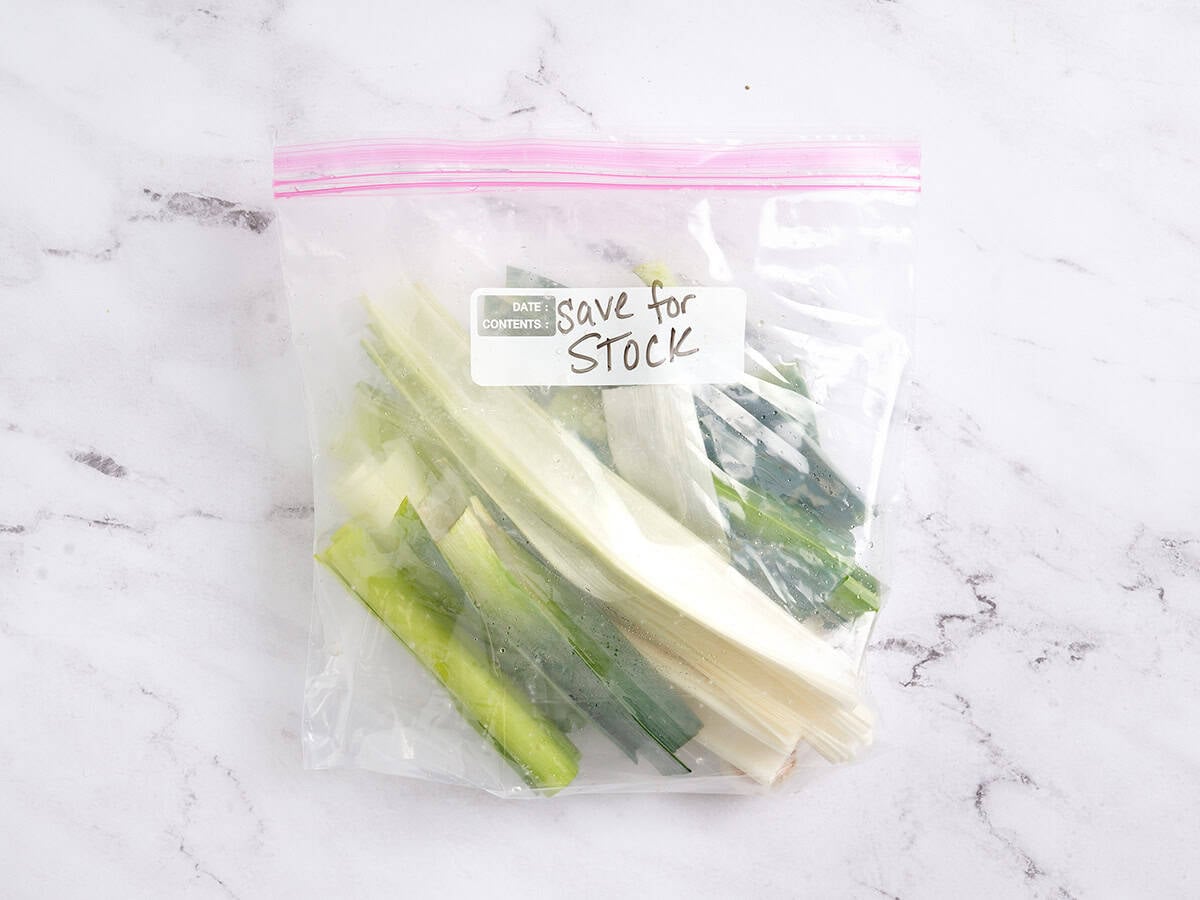
A standout feature of the Nashville Test Kitchen’s methodology is the emphasis on zero-waste cooking. The instructions specifically guide the cook to rinse and freeze "tough outer layers and ends" of the leeks for future stock. This practice addresses the global issue of food waste, which is estimated to account for a significant portion of household discarded mass. By bagging and freezing scraps, the home cook mimics professional kitchen "stock-pot" logic, ensuring that the full value of the $8.46 investment is realized.
Broader Impact and Conclusion
The release of this potato leek soup recipe serves as a case study in modern culinary documentation. It combines economic data, botanical science, and professional technique to provide a solution for the modern consumer facing inflationary pressures. The " Nashville Test Kitchen" stamp of approval ensures that the dish is not only "easy and affordable" but also "delicious," a necessary trifecta for widespread adoption.
As the soup stays fresh in refrigeration for three to four days, it serves as a viable option for "Vegetarian Meal Prep," though experts caution against freezing the final product due to the risk of starch retrogradation and dairy separation. Ultimately, the dish represents a successful fusion of traditional French culinary roots and contemporary American economic pragmatism, proving that "nice and full for pennies" remains an achievable goal for the informed home cook.
