
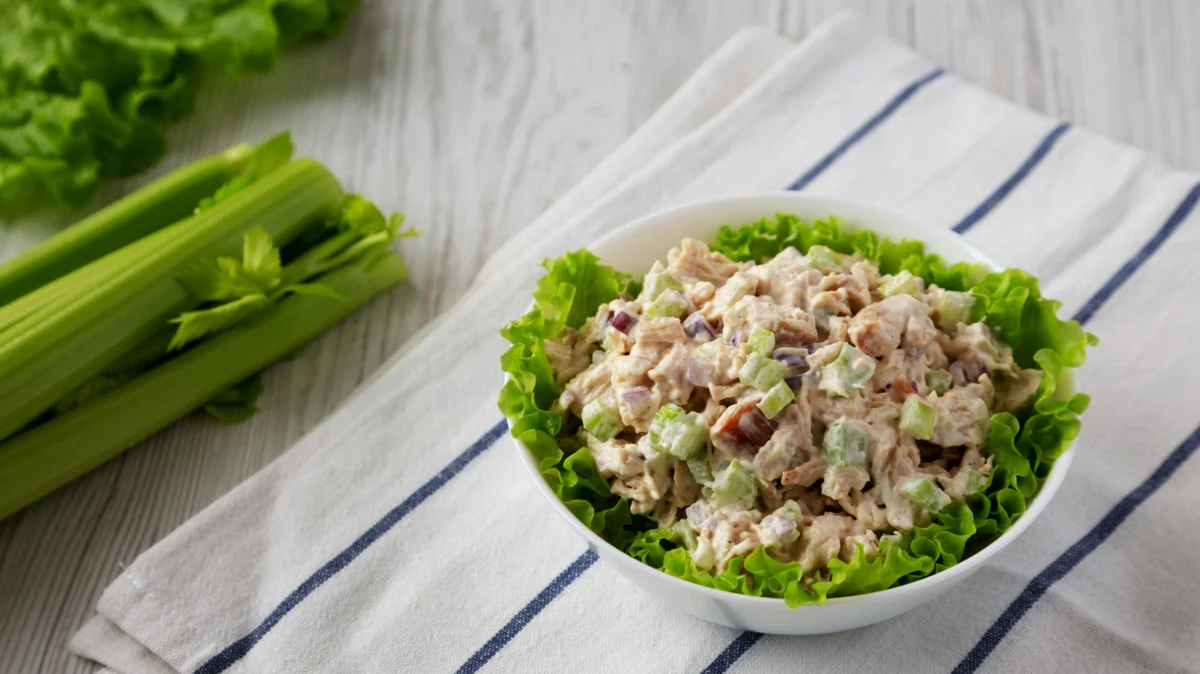
There comes a time when even that trusty ole’ chicken salad calls for a little change. No need to branch completely out of your comfort zone. Just start with upgrading the essential ingredients, perhaps those onion slices you’ve always tossed straight into the salad. Rather than sticking to the usual routine, consider caramelizing them first. This could be all you need to add unbelievable complexity to this ordinary dish.
It’s just as well that caramelizing onions only requires a few steps. In a warm pot of melted butter and oil, toss in about eight to 10 onions, thinly sliced, with seasonings. About 30 minutes to an hour of simmering, and voilà, perfectly tender, aromatic caramelized onions for your chicken salad. What is typically just a tangy, rich base will be laced with the onions’ peppery aroma and caramelized warmth. No more of that monotonous taste that you’ve eaten 10 times over. Instead, it’s a constant shift of flavors, sweet in one forkful, savory in another, maybe even a little jammy at times, all while the mayo-based dressing hums in the undertone. The flavors are only half the fun. The rest lies with the textural enhancement, in which the caramelized onions’ chewy bites bring continuous excitement. What’s even better is the melt-in-your-mouth tenderness, building into this salad’s creamy base without disrupting it. At its core, it’s still a chicken salad you’re eating, just much more exciting and layered.
The Culinary Alchemy of Caramelization
Caramelization is a fundamental culinary process that transforms the natural sugars present in food, primarily onions, through the application of heat. This Maillard reaction, coupled with caramelization itself, is responsible for the development of complex flavors, rich aromas, and appealing brown hues. The typical onion, with its sharp, pungent notes, undergoes a remarkable metamorphosis when subjected to slow, steady heat. Over periods ranging from 30 minutes to well over an hour, the sugars within the onion break down and recombine, yielding a spectrum of new compounds. These compounds contribute to the characteristic sweetness, savory depth, and a subtle, pleasant bitterness that defines perfectly caramelized onions.
The foundational technique involves sautéing thinly sliced onions in a combination of fat, such as butter or oil, over low to medium heat. This gentle approach prevents burning while allowing ample time for the sugars to release and transform. The process is not merely about cooking; it is a patient art form that rewards diligence. As the onions soften and shrink, their moisture evaporates, concentrating their inherent flavors. The initial sharp bite gives way to a mellow, almost fruity sweetness, underscored by a profound umami character. This transformation is what elevates a simple ingredient into a culinary cornerstone, capable of imparting extraordinary depth to a wide array of dishes, from classic French onion soup to sophisticated pasta sauces and, as this article highlights, revitalized chicken salad.
Revitalizing a Classic: The Chicken Salad Equation
Chicken salad, a beloved staple in many culinary traditions, often finds its way onto lunch menus, picnic baskets, and casual dining tables. Its inherent simplicity—cooked chicken mixed with a binder, typically mayonnaise, and various additions—makes it a canvas for creativity. However, this very simplicity can sometimes lead to a predictable flavor profile, prompting a desire for innovation. The introduction of caramelized onions into the chicken salad equation represents a strategic enhancement, focusing on a single ingredient to achieve a significant uplift in flavor and texture.
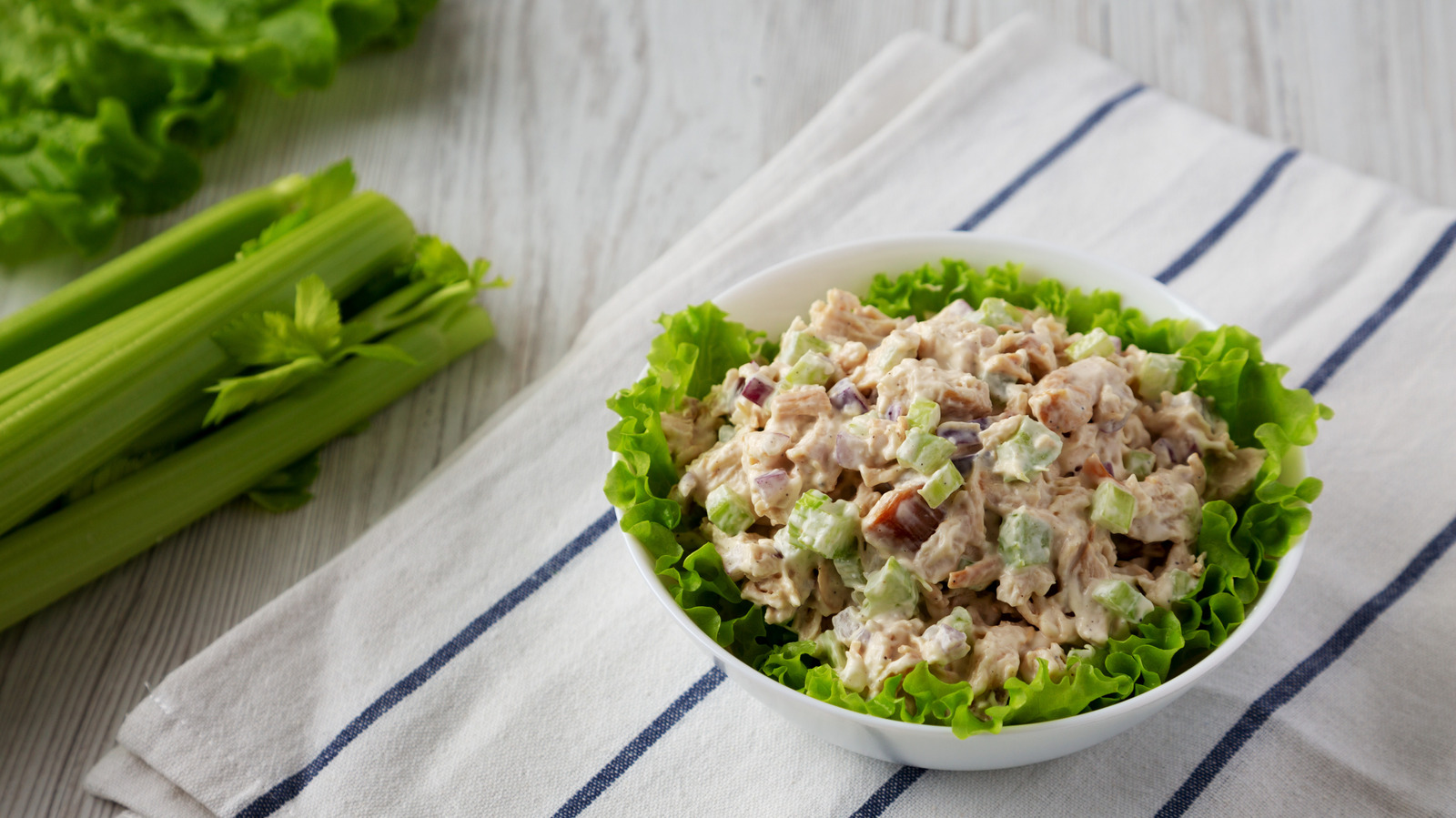
Traditionally, raw or finely diced onions might be included in chicken salad for a bit of crunch and sharpness. While these additions offer a certain piquancy, they can also introduce an aggressive bite that may overpower other delicate flavors or create an unpleasing raw onion aftertaste. Caramelized onions, conversely, offer a mellow, sweet, and savory counterpoint. Their cooked-down nature ensures they meld seamlessly with the creamy binder, rather than standing apart as a distinct, potentially jarring element. The sweetness developed through caramelization balances the tanginess of mayonnaise or other acidic components, while the deepened savory notes complement the inherent flavor of the chicken. This synergy creates a more harmonious and sophisticated taste experience, moving beyond the expected to the truly memorable.
The Nuances of Flavor and Texture Enhancement
The impact of caramelized onions on chicken salad extends beyond mere flavor; it significantly influences the overall textural experience. The process of caramelization not only alters the taste but also transforms the physical structure of the onion. As the onions cook down, they lose a considerable amount of moisture, becoming intensely concentrated in flavor and developing a tender, almost jammy consistency. This chewiness, far from being a detraction, adds a delightful textural dimension to the creamy backdrop of the chicken salad. Each bite offers a contrast between the yielding, creamy dressing and the soft, yielding, yet distinct pieces of caramelized onion.
This textural interplay is crucial for elevating a dish from ordinary to extraordinary. It provides a multi-sensory experience that keeps the palate engaged. The contrast between the smooth, unctuous binder and the tender, slightly chewy onion pieces creates a dynamic mouthfeel. Furthermore, the inherent sweetness of the caramelized onions can evoke a sense of richness and luxury, a subtle complexity that belies the simplicity of the dish. This depth of flavor and engaging texture make the chicken salad more satisfying and intriguing, transforming it into a dish that can be savored rather than simply consumed.
Integrating Caramelized Onions: A Versatile Approach
The beauty of caramelized onions lies in their adaptability. They are not a prescriptive addition but a flexible enhancer that can complement a wide range of chicken salad variations. Whether the base is a classic mayonnaise, a lighter Greek yogurt, or a richer sour cream, caramelized onions integrate seamlessly. Their inherent sweetness and savory notes provide a balancing element that can temper the acidity of certain binders, creating a more rounded and pleasing flavor profile.
Beyond the binder, the chicken itself can be prepared in ways that further harmonize with the caramelized onions. Instead of simply using shredded cooked chicken, consider pan-seared chicken cubes, which offer a more substantial texture and a richer flavor from the searing process. For an even more decadent twist, the chicken could be coated in melted cheese, reminiscent of the beloved French onion soup, creating a cohesive flavor narrative within the salad. For outdoor gatherings, grilled chicken provides a smoky counterpoint to the sweetness of the onions, adding another layer of complexity. Even the humble rotisserie chicken, with its pre-cooked convenience and established flavor, becomes a superior base when paired with the depth of caramelized onions.
Expanding the Flavor Palette: Complementary Additions
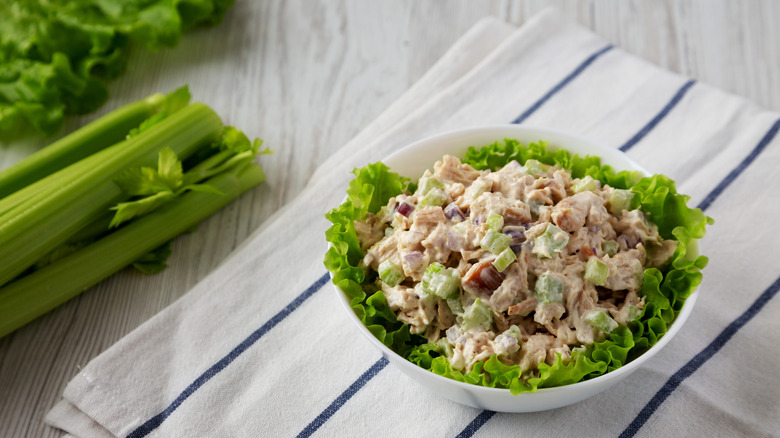
The inclusion of caramelized onions opens the door to a broader exploration of complementary flavors and textures. Ingredients that echo the savory-sweet profile of the onions can significantly enhance the overall dish. Bacon, with its inherent smokiness and salty crunch, is a natural partner. The rendered fat from bacon can even be incorporated into the salad’s dressing, further deepening its flavor.
Mushrooms, particularly those sautéed until tender and slightly browned, offer an earthy, umami-rich addition that resonates with the caramelized onion’s depth. Their subtle chewiness also contributes to the textural complexity of the salad. For those seeking to transform chicken salad into a more substantial meal, incorporating it into pasta dishes or using it as a filling for sandwiches offers further avenues for culinary exploration. The versatility of caramelized onions means they can anchor a simple chicken salad or serve as the foundation for a more elaborate creation, proving that a single ingredient upgrade can indeed revolutionize a classic dish.
The Economic and Culinary Significance of Ingredient Upgrades
The concept of elevating familiar dishes through minor ingredient adjustments holds significant economic and culinary implications. For consumers, it represents an accessible and cost-effective way to enhance their home cooking without resorting to expensive specialty ingredients or elaborate techniques. The transformation of a basic chicken salad into a gourmet-experience-worthy dish by simply caramelizing onions demonstrates the power of thoughtful ingredient selection. This approach aligns with the growing trend of "elevated comfort food," where familiar dishes are refined through culinary expertise and high-quality components.
From a broader perspective, this culinary philosophy underscores the importance of foundational cooking techniques. Mastering processes like caramelization not only improves individual dishes but also equips home cooks with versatile skills applicable across a wide range of recipes. The ability to transform everyday ingredients into something exceptional contributes to a more sustainable and enjoyable food culture, reducing waste by maximizing the potential of basic produce and fostering a greater appreciation for the nuances of flavor development. The humble onion, through the simple act of caramelization, becomes a testament to the profound impact that focused culinary attention can have on even the most unassuming of ingredients.
