
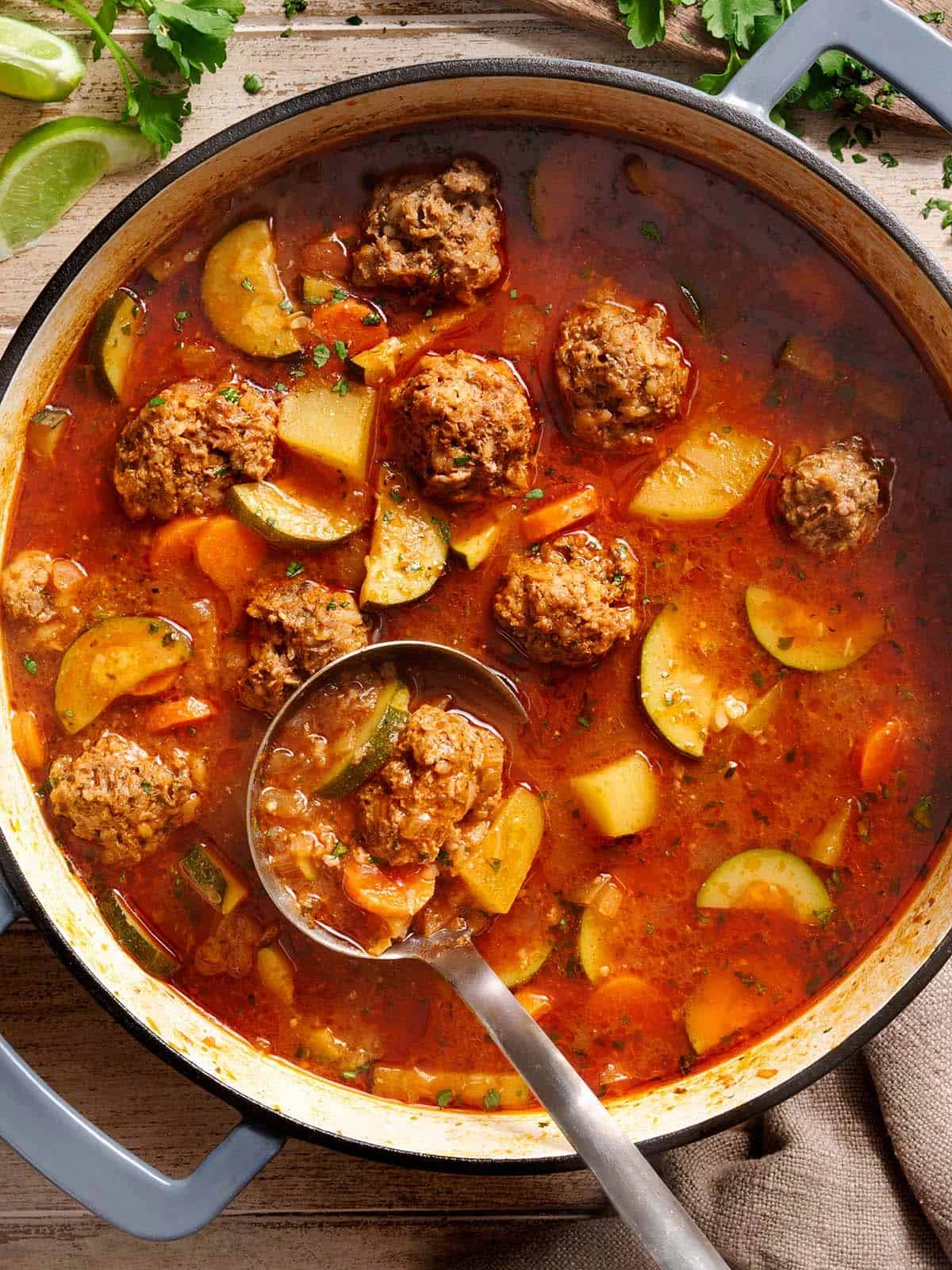
The traditional Mexican dish known as Albóndigas soup represents a sophisticated intersection of culinary history, nutritional efficiency, and cultural evolution. Characterized by tender meatballs infused with uncooked rice and simmered in a robust tomato-based broth, this dish has transitioned from a regional staple to a globally recognized comfort food. Recent analysis of modern preparation methods reveals that the dish remains one of the most cost-effective and nutrient-dense options for families, with a calculated cost of approximately $2.13 per serving. As culinary enthusiasts and home cooks increasingly seek gluten-free and budget-friendly alternatives to processed meals, the Albóndigas soup has emerged as a primary example of how traditional techniques can solve contemporary dietary and financial challenges.
Historical Context and Etymological Roots
The history of Albóndigas is a testament to the "Columbian Exchange" and the even older influence of Islamic culture on the Iberian Peninsula. The word "albóndiga" is derived from the Arabic term al-bunduq, which translates to "the hazelnut" or, more broadly, "a small, round object." This linguistic marker points toward the Moorish influence in Spain, which lasted from 711 to 1492. During this era, the technique of creating small, spiced meat spheres was introduced to Spanish cuisine.
Following the Spanish colonization of the Americas, these culinary traditions were transported to Mexico. Over centuries, the dish underwent a significant transformation. While Spanish meatballs are often served as tapas in a thick almond or tomato sauce, the Mexican iteration evolved into a complete meal-in-a-pot. The integration of indigenous New World ingredients—such as potatoes, zucchini, and tomatoes—with Old World staples like beef, rice, and cumin created the "soup" format that is now synonymous with Mexican home cooking.
The Science of the Binder: Rice vs. Breadcrumbs
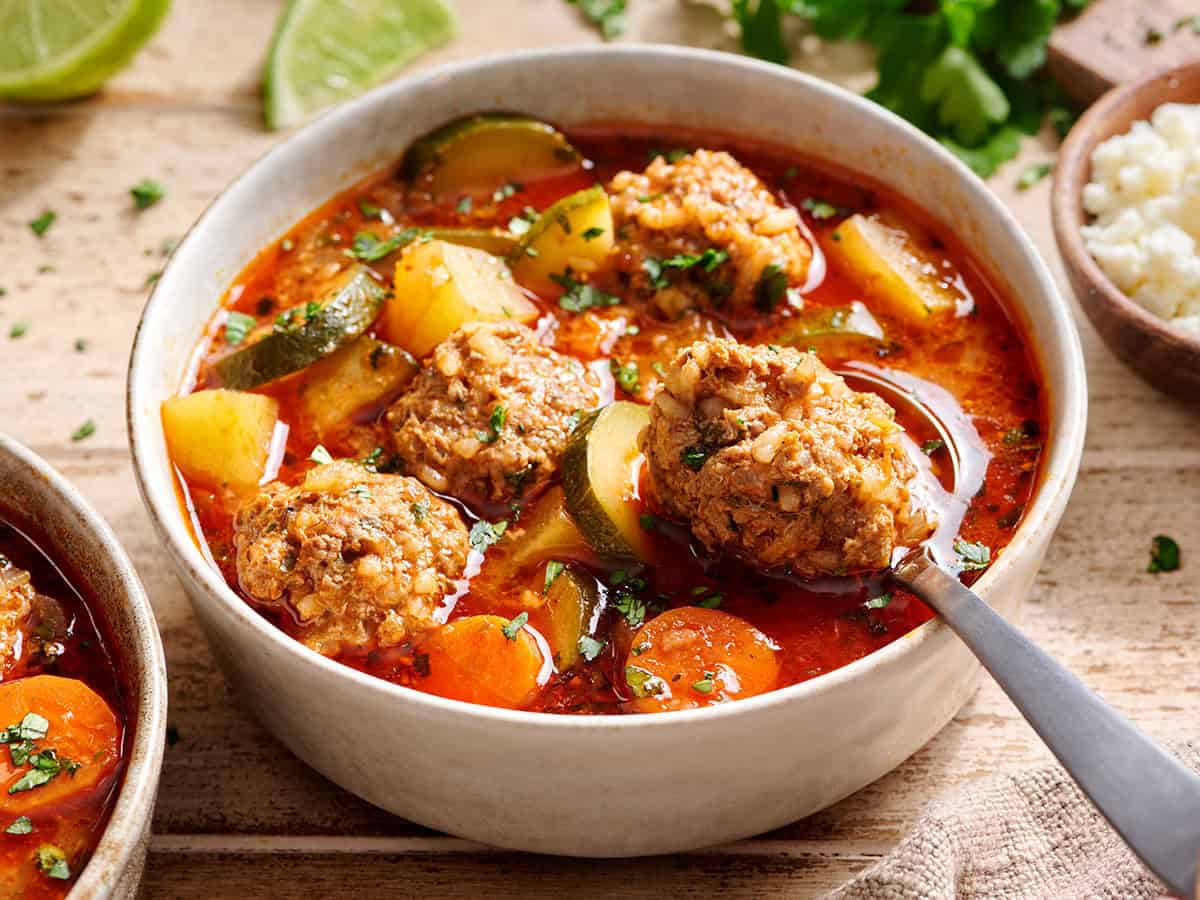
One of the most distinctive technical aspects of the Mexican meatball is the use of uncooked white rice as a binding agent. In European meatball traditions, breadcrumbs or soaked bread (panade) are typically used to retain moisture and provide structure. However, the use of rice in Albóndigas serves a dual purpose. First, as the meatballs simmer in the broth, the rice grains expand, absorbing the juices of the meat and the flavors of the surrounding liquid. This prevents the meatballs from becoming dense or rubbery.
Second, the use of rice naturally renders the dish gluten-free, addressing a significant dietary requirement for modern consumers without sacrificing texture. From an economic perspective, rice is significantly more shelf-stable and less expensive than specialized gluten-free breadcrumbs, contributing to the recipe’s overall affordability.
Culinary Methodology and Chronology of Preparation
The preparation of Albóndigas soup follows a logical sequence designed to build layers of flavor through the "blooming" of spices and the gradual release of vegetable sugars.
Phase I: Composition of the Albóndigas
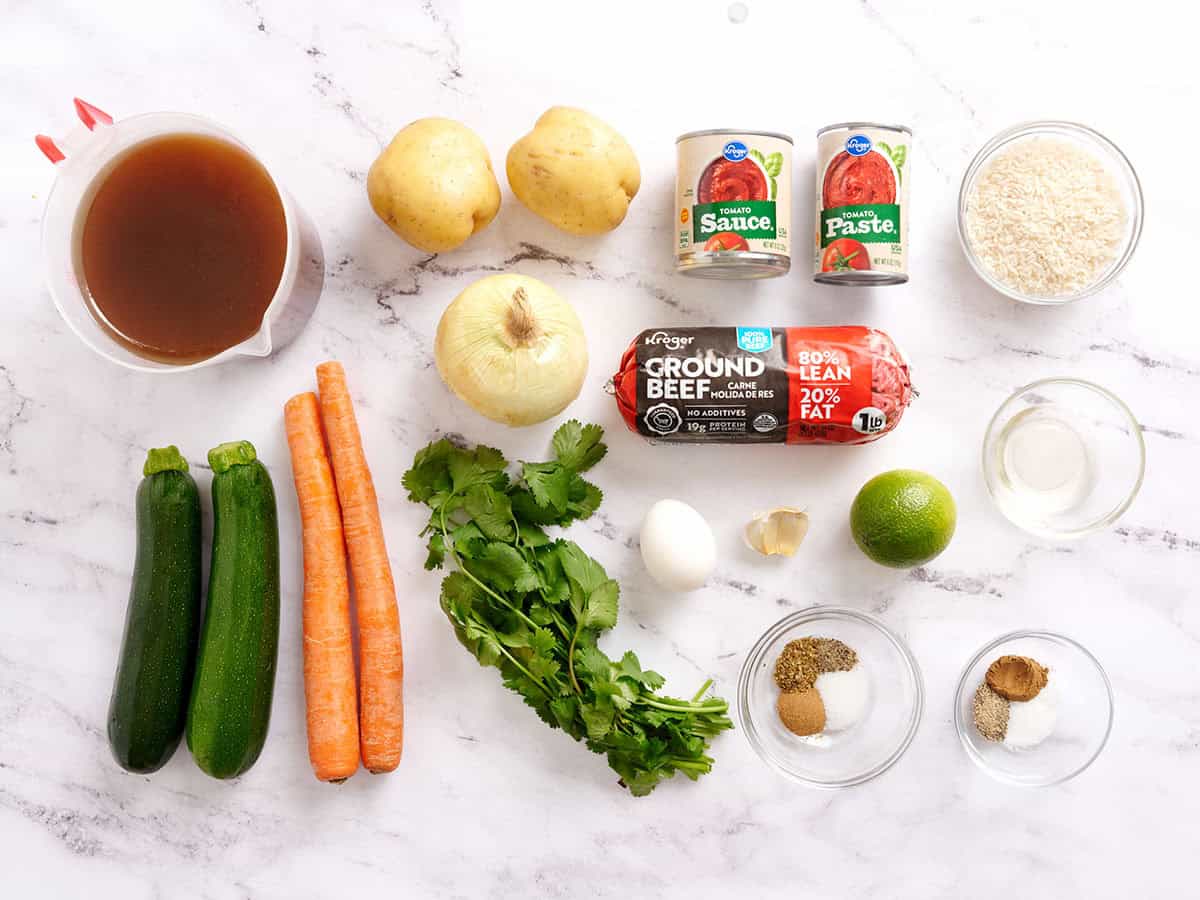
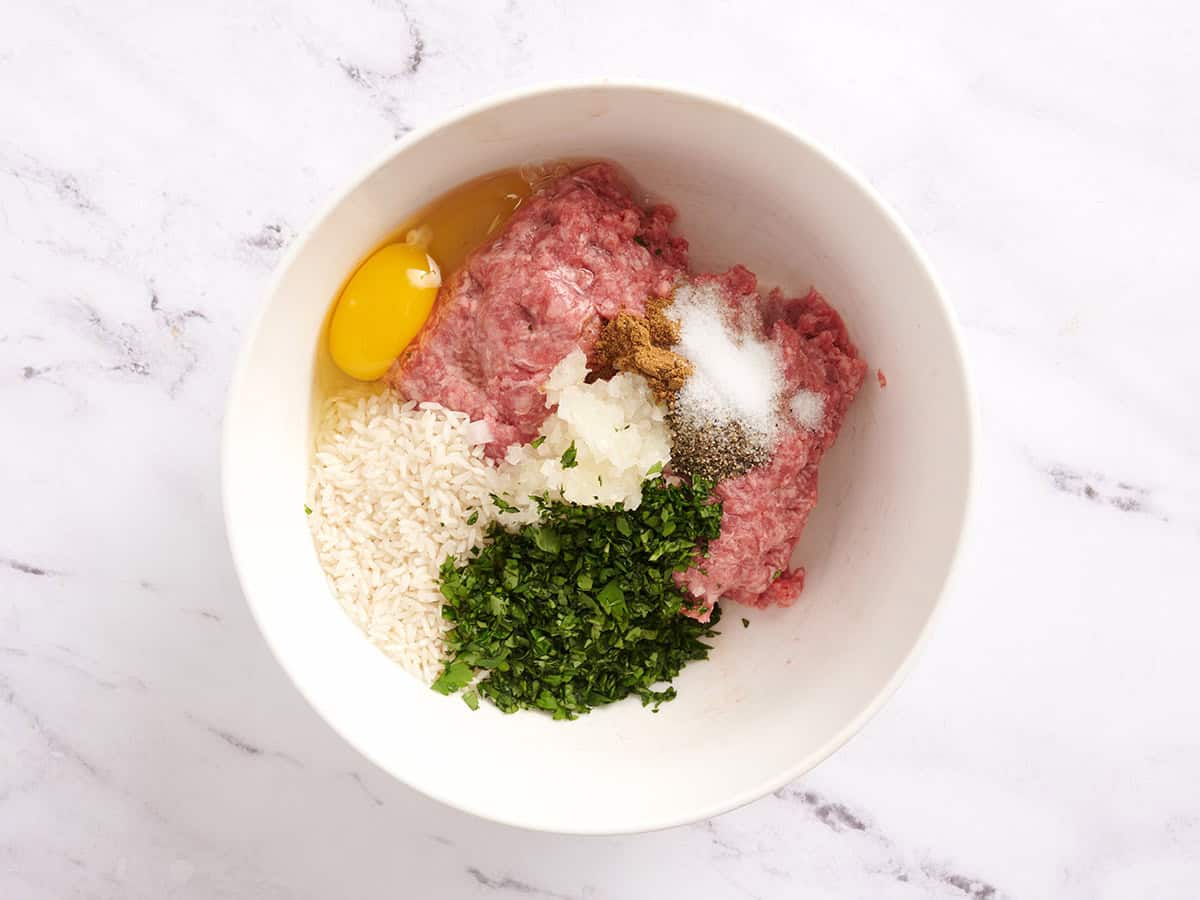
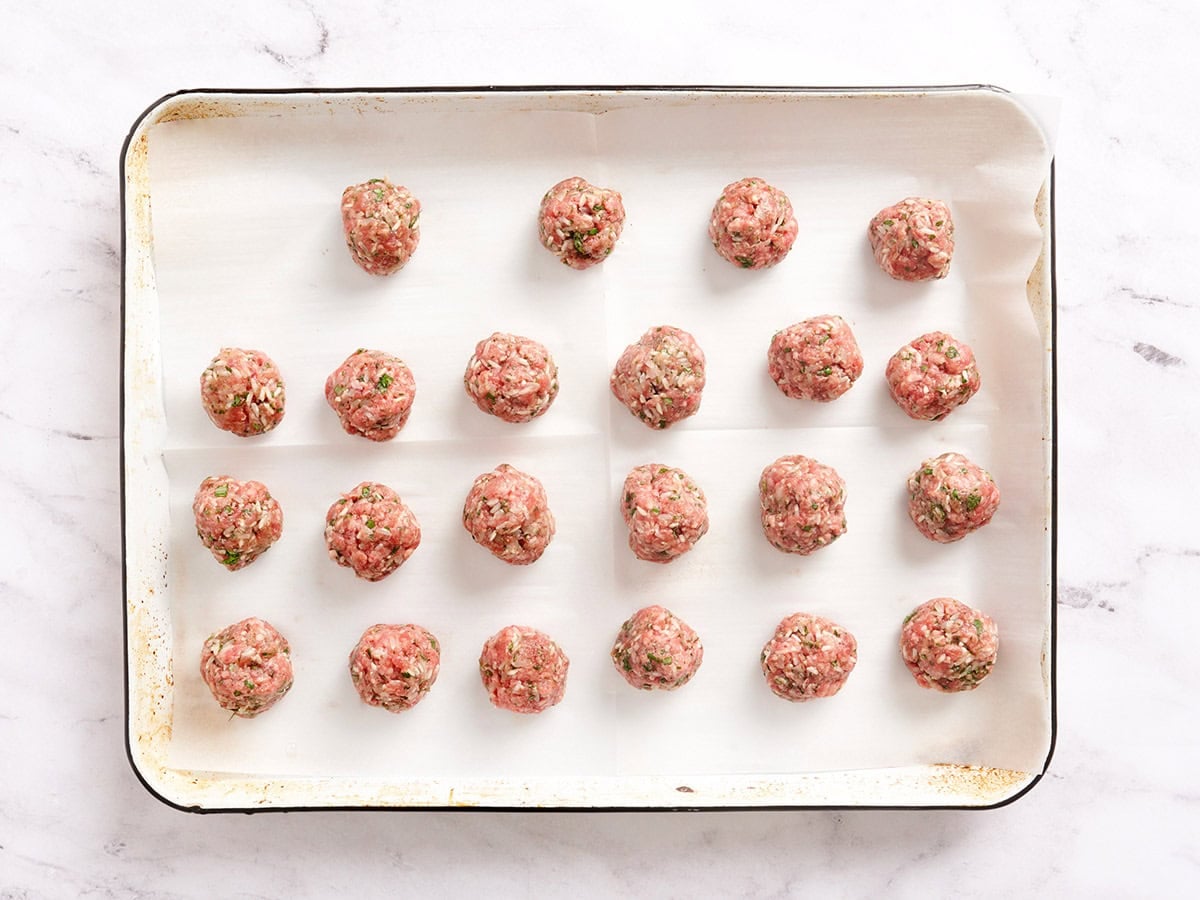
The process begins with the creation of the meat mixture. High-quality ground beef is combined with finely minced aromatics, including onions and garlic, and fresh cilantro. The inclusion of an egg acts as a secondary binder, ensuring the meatballs maintain their integrity during the simmering process. Spices such as cumin, salt, and black pepper are integrated at this stage to ensure the seasoning is distributed throughout the protein. The mixture is typically rolled into spheres approximately 1.5 inches in diameter, yielding roughly 20 meatballs per pound of meat.
Phase II: Developing the Aromatic Base
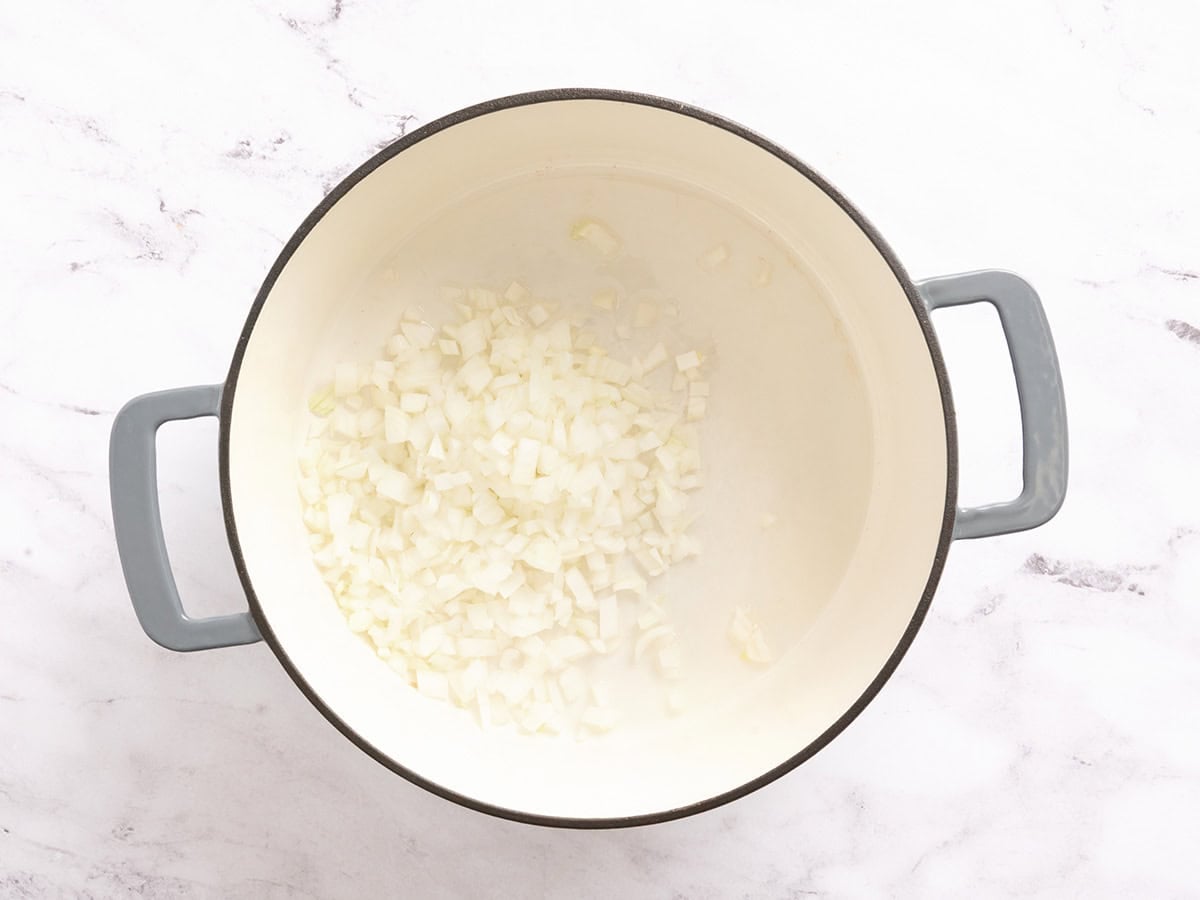
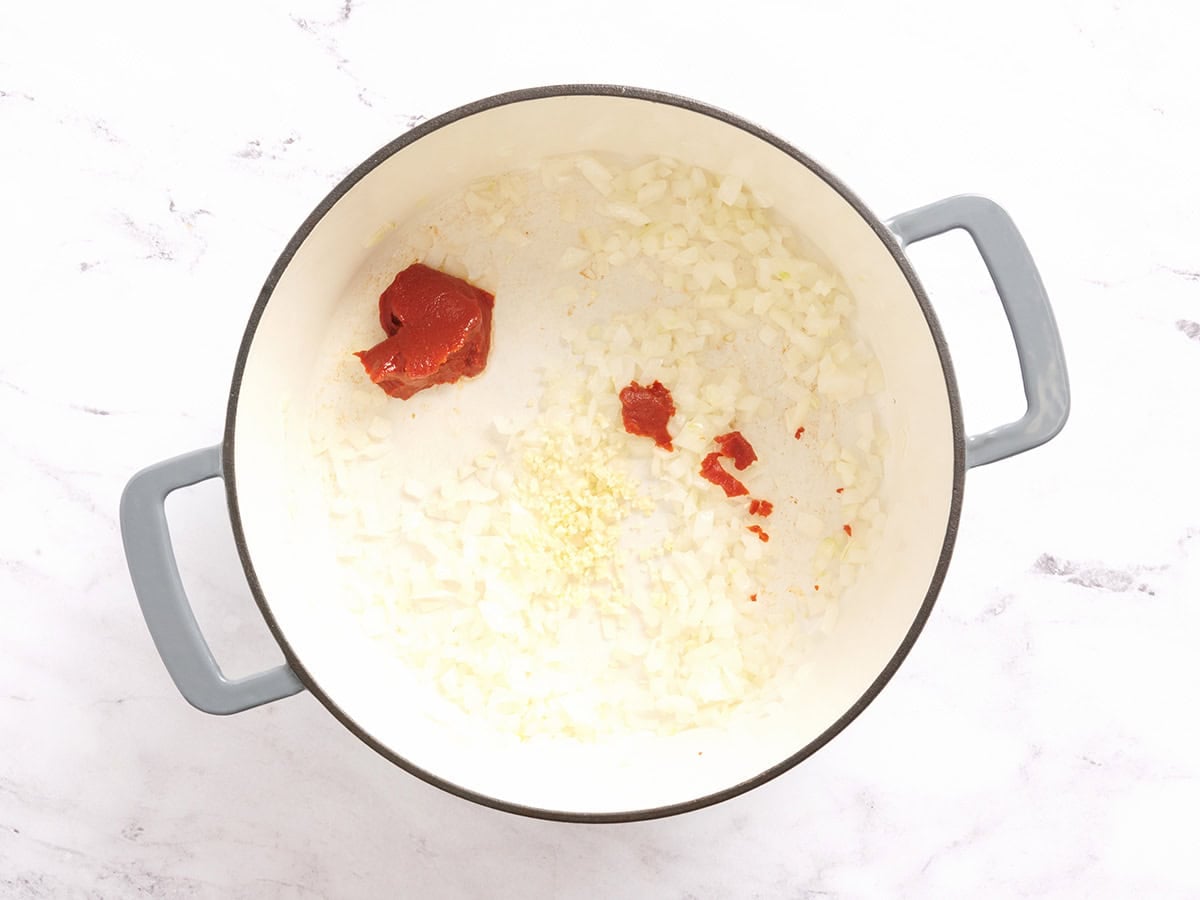
A professional approach to the broth involves "sweating" onions in oil until translucent. This is followed by the addition of tomato paste and minced garlic. This step is critical; the tomato paste must be cooked until it deepens in color, a process known as caramelization, which removes the metallic "tinny" taste often associated with canned tomato products and replaces it with a rich, umami depth.
Phase III: The Simmering Process
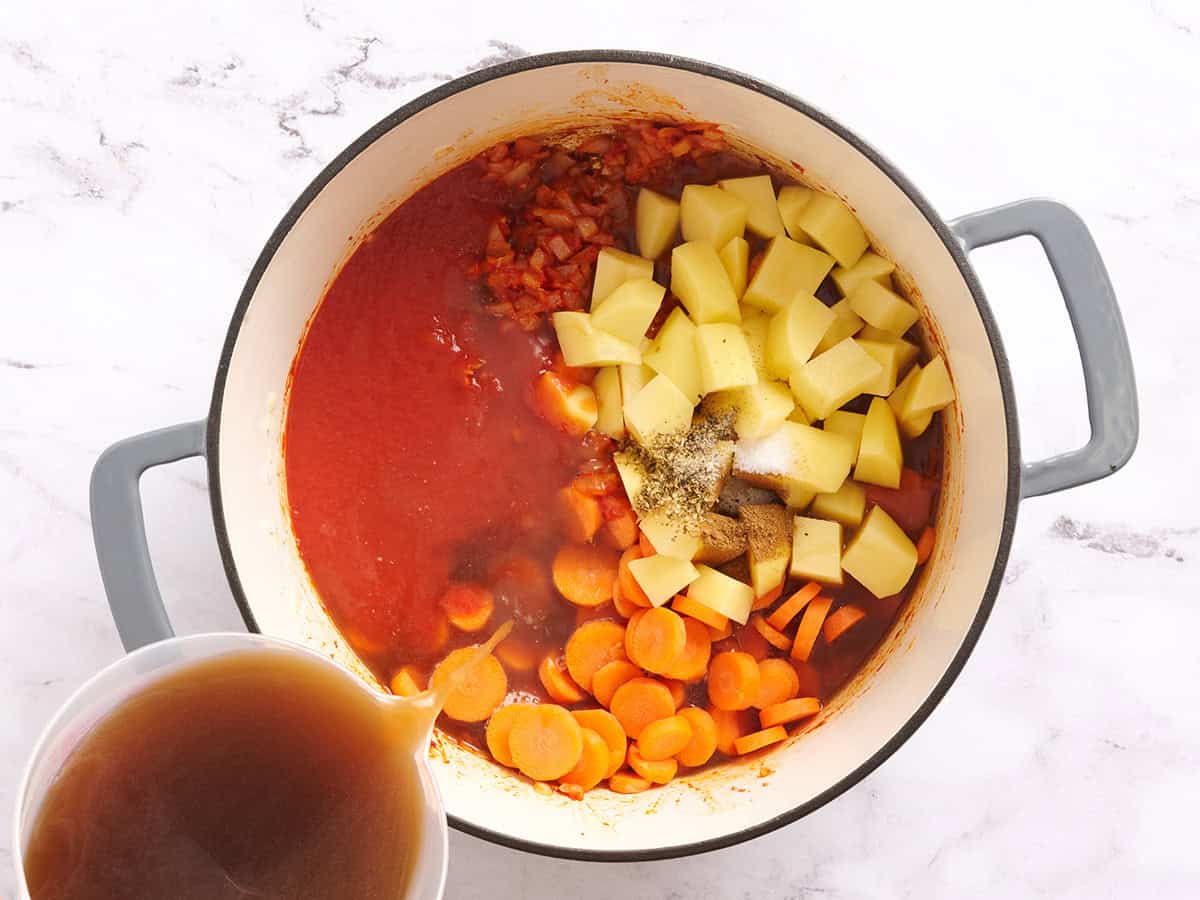
The base is deglazed with beef broth and tomato sauce. Hearty vegetables—specifically carrots and Yukon Gold potatoes—are added early in the simmer. Yukon Gold potatoes are preferred by culinary experts for their waxy texture, which allows them to hold their shape during prolonged cooking compared to starchy Russet potatoes.
The meatballs are lowered into the simmering liquid one by one. A crucial technical note for this stage is the "five-minute rule": the soup must not be stirred for the first five minutes after adding the meatballs. This allows the exterior proteins to denature and "set," preventing the meatballs from breaking apart into the broth.
Phase IV: Final Integration and Brightening
Zucchini, which has a higher water content and shorter cooking time, is added in the final ten minutes of preparation to prevent it from becoming mushy. The final step involves the addition of fresh lime juice. The citric acid serves to "cut" through the richness of the beef fat, balancing the pH of the soup and highlighting the herbal notes of the cilantro and oregano.
Economic and Nutritional Analysis
In an era of significant food price inflation, the Albóndigas soup stands out for its fiscal efficiency. Based on market data from early 2024, the total cost for a six-serving batch is estimated at $12.78. This breaks down to $2.13 per two-cup serving, a price point that is significantly lower than most commercial canned soups or fast-food alternatives.
Nutritiously, the dish provides a balanced profile of macronutrients:
- Calories: 390 kcal
- Protein: 21g (Essential for muscle repair and satiety)
- Total Fat: 20g
- Carbohydrates: 33g (Primarily complex carbohydrates from potatoes and rice)
- Fiber: 4g (17% of the Daily Value)
While the sodium content is noted at 1799mg, experts suggest that using low-sodium beef broth or "Better Than Bouillon" bases allows home cooks to control and reduce salt intake according to personal health requirements.
Broader Cultural and Social Implications
The enduring popularity of Albóndigas soup reflects a broader trend in the "back-to-basics" culinary movement. As urban populations grow and time-poverty becomes a common social issue, "one-pot" meals that improve in flavor over time are becoming essential. Like many brothy soups, Albóndigas undergoes a flavor maturation process when refrigerated, as the spices continue to infuse the liquid and the rice stabilizes.
Furthermore, the dish represents the "bodega culture" of North American cities—small, community-focused grocery stores that often serve as the first point of entry for traditional recipes into the wider public consciousness. The transition of Albóndigas from a "hidden gem" in local Mexican delis to a staple of digital recipe databases like Budget Bytes demonstrates the power of social media and food blogging in preserving and disseminating cultural heritage.
Storage, Reheating, and Food Safety
Proper food safety protocols are essential for meat-and-grain-based soups. Because the rice in the meatballs continues to absorb liquid after the heat is turned off, the soup may thicken significantly during storage.
- Refrigeration: The soup should be cooled to room temperature (not exceeding two hours) before being placed in airtight containers. It remains safe for consumption for 3 to 4 days.
- Freezing: Albóndigas soup is freezer-stable for up to 3 months. However, the texture of the zucchini may soften upon thawing.
- Reheating: To maintain the structural integrity of the meatballs, reheating should be done slowly over medium-low heat. Adding a half-cup of water or beef broth can help restore the original consistency if the rice has absorbed the majority of the liquid.
Conclusion
Mexican Meatball Soup (Albóndigas) is more than a simple culinary preparation; it is a historical artifact that continues to adapt to the needs of the modern consumer. By utilizing affordable ingredients like rice and seasonal vegetables, it provides a high-protein, gluten-free meal that honors its Arabic and Spanish ancestry while remaining firmly rooted in Mexican tradition. Its balance of complex flavors, ease of preparation, and economic viability ensures that it will remain a cornerstone of family kitchens for generations to come. Whether served with warm corn tortillas, topped with queso fresco, or enjoyed as a standalone bowl of broth, Albóndigas continues to define the essence of "comfort food" in a globalized world.
