
The Architectural Composition of the Fargo Hot Casserole
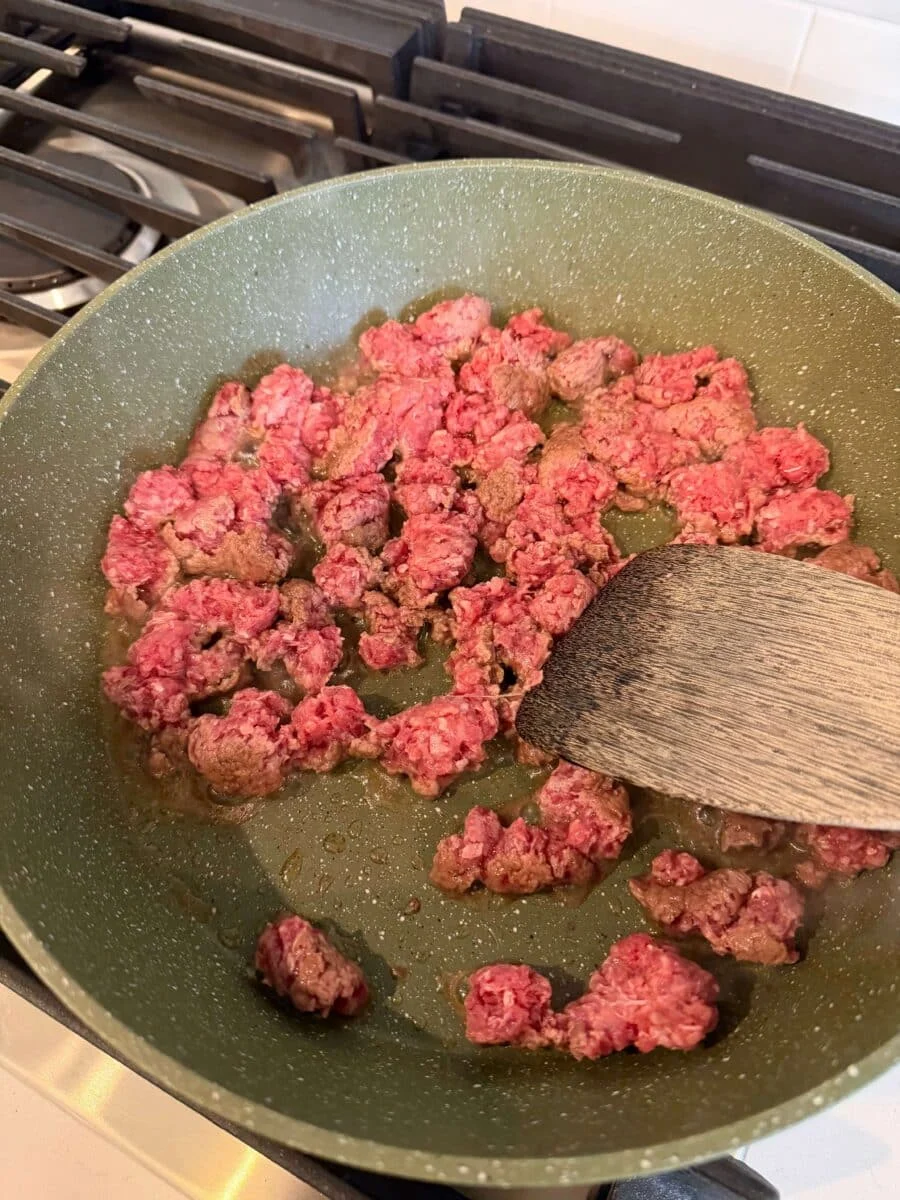
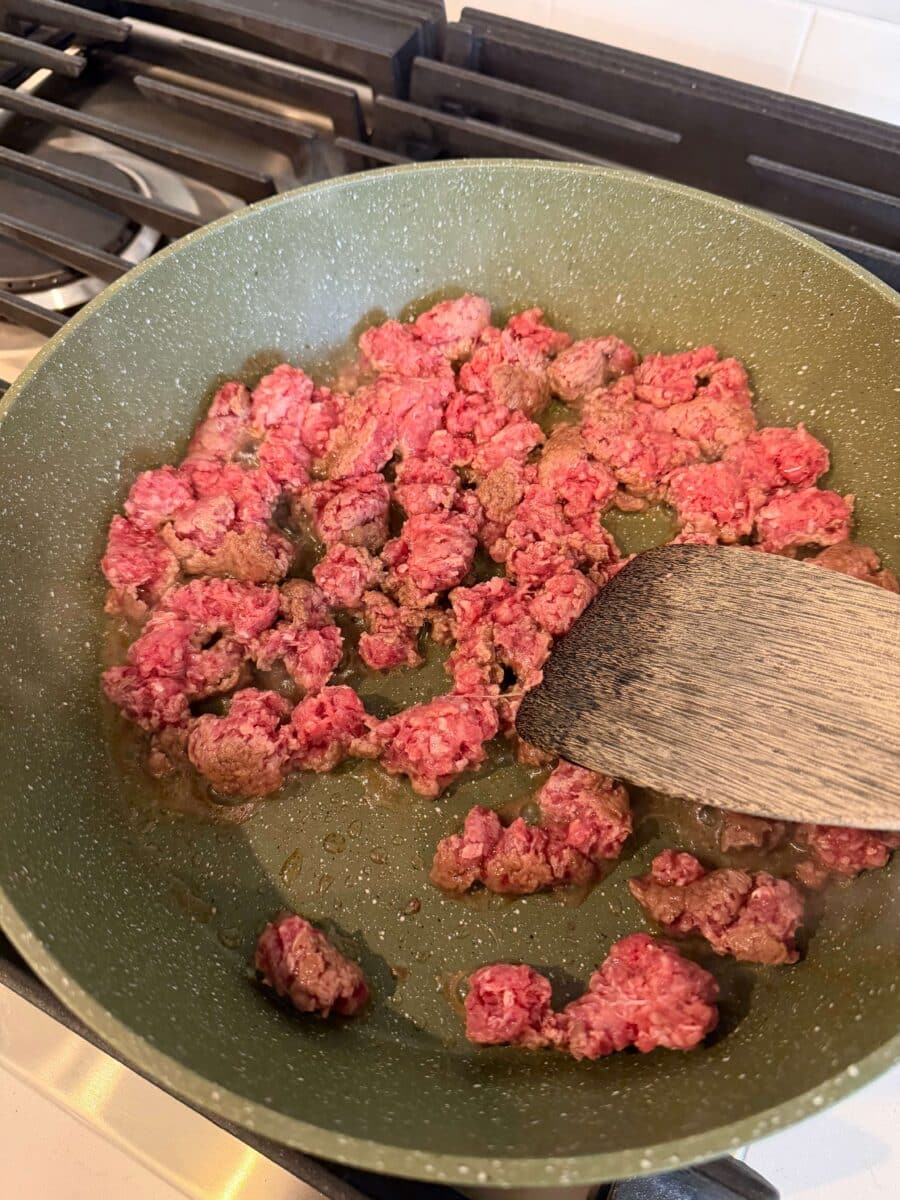
The success of the Fargo Hot Casserole lies in its specific ingredient synergy and structural integrity. At its core, the dish utilizes approximately 1 to 1.5 pounds of ground beef, which provides the necessary protein and fat content to anchor the heavier flavors. The inclusion of a finely diced small onion during the browning process introduces a foundational aromatic layer, while the choice of a 24-ounce jar of tomato basil pasta sauce dictates the primary flavor profile of the meat mixture. This meat sauce is simmered briefly to meld the flavors before being integrated into the larger assembly.
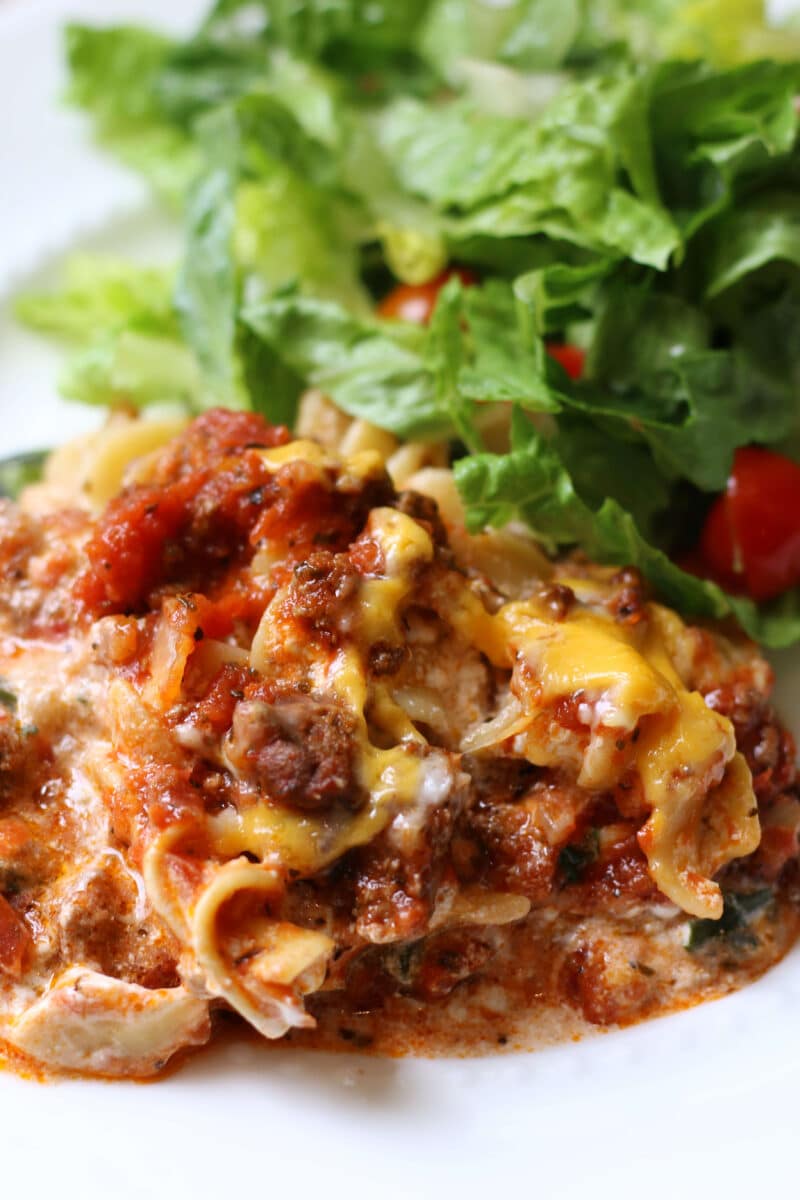
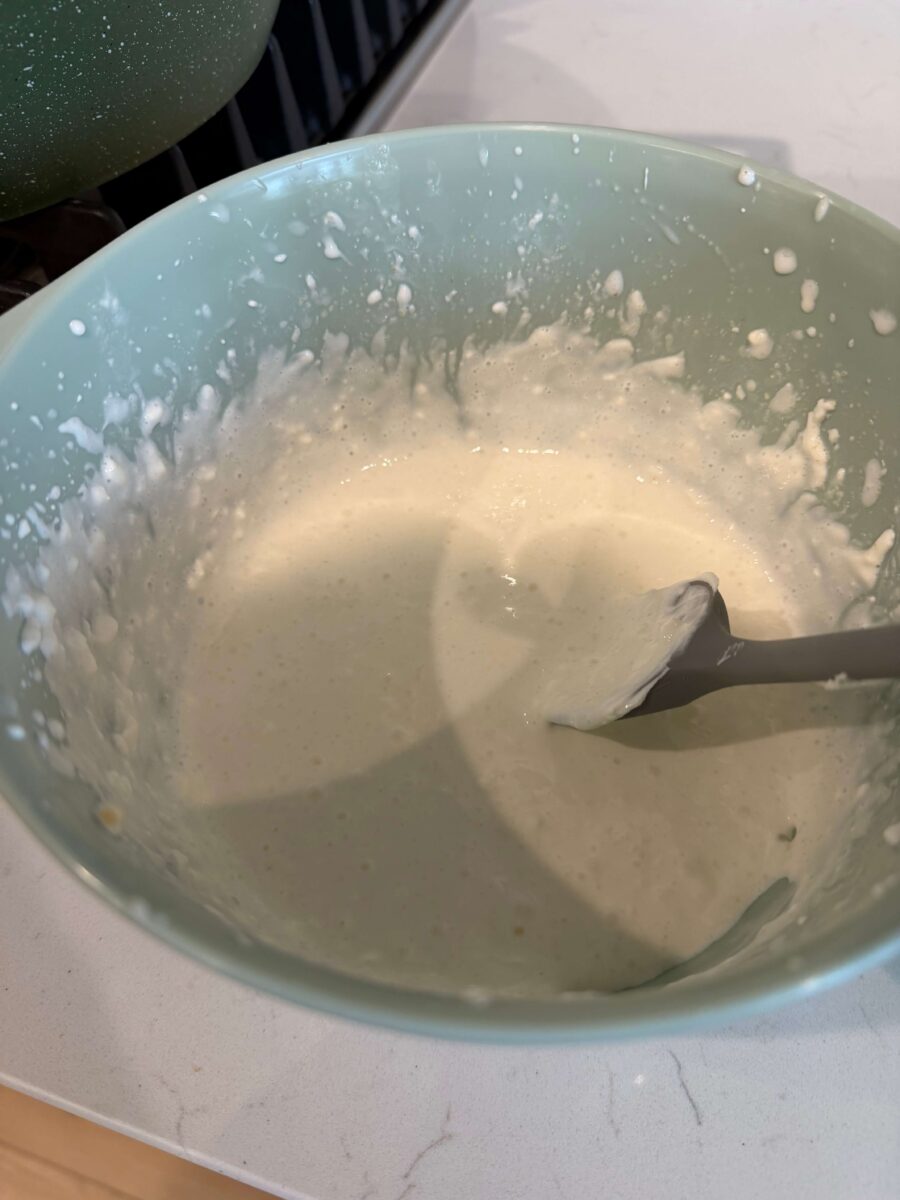
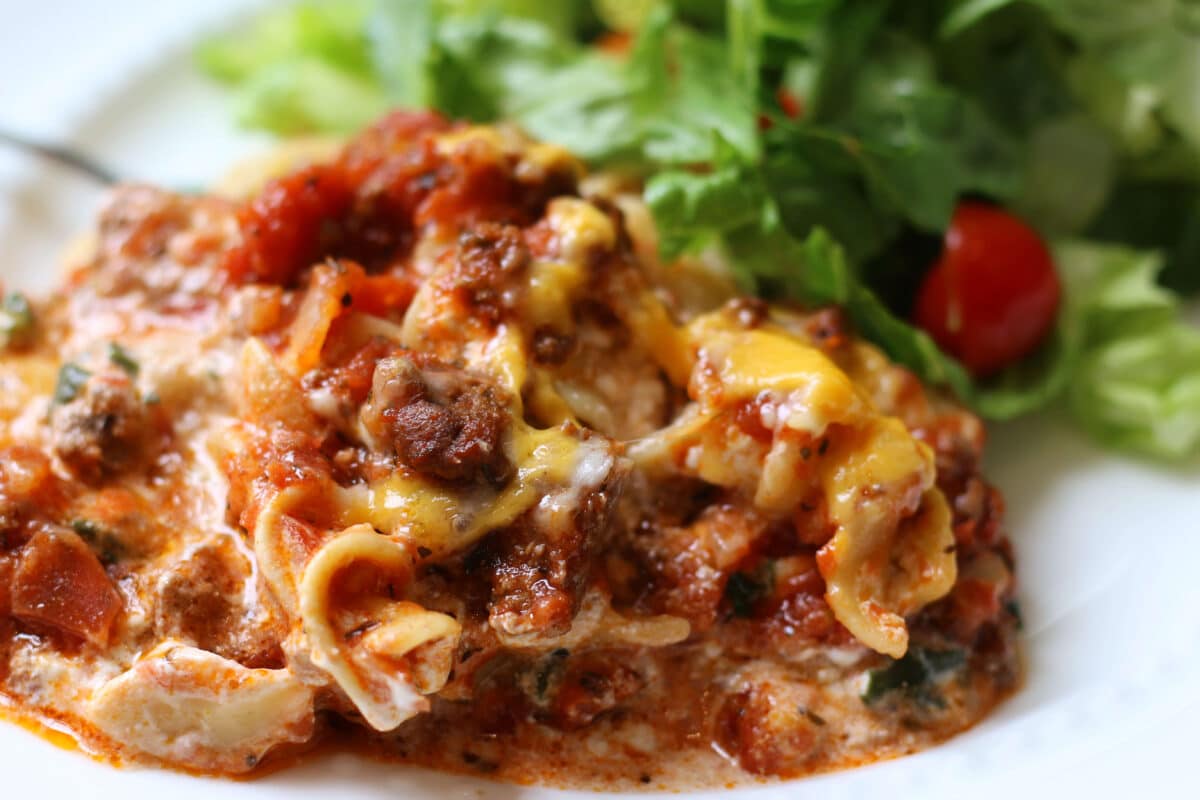
A defining feature of this recipe is the secondary dairy layer, which acts as a bridge between the acidic tomato sauce and the starch of the noodles. This mixture consists of eight ounces of softened cream cheese, one cup of sour cream, and a half-cup of milk, seasoned with garlic powder and salt. When whisked or beaten with a hand mixer, this combination creates a velvety, spreadable consistency that mimics the richness of a traditional béchamel or ricotta layer in Italian-American cuisine. The assembly is then completed with a 12-ounce package of uncooked wide egg noodles, five to six ounces of fresh baby spinach, and a generous two-cup topping of shredded mozzarella and cheddar cheeses.
Technical Chronology: From Preparation to Presentation
The assembly of the Fargo Hot Casserole follows a precise technical sequence designed to maximize flavor absorption and ensure proper texture. The process begins with the browning of the ground beef and onions over medium-high heat. Once the meat is no longer pink and excess grease is drained—a critical step to prevent the final casserole from becoming oily—the tomato basil sauce is added. This mixture is brought to a simmer for two minutes, ensuring the sauce is fully integrated with the protein.
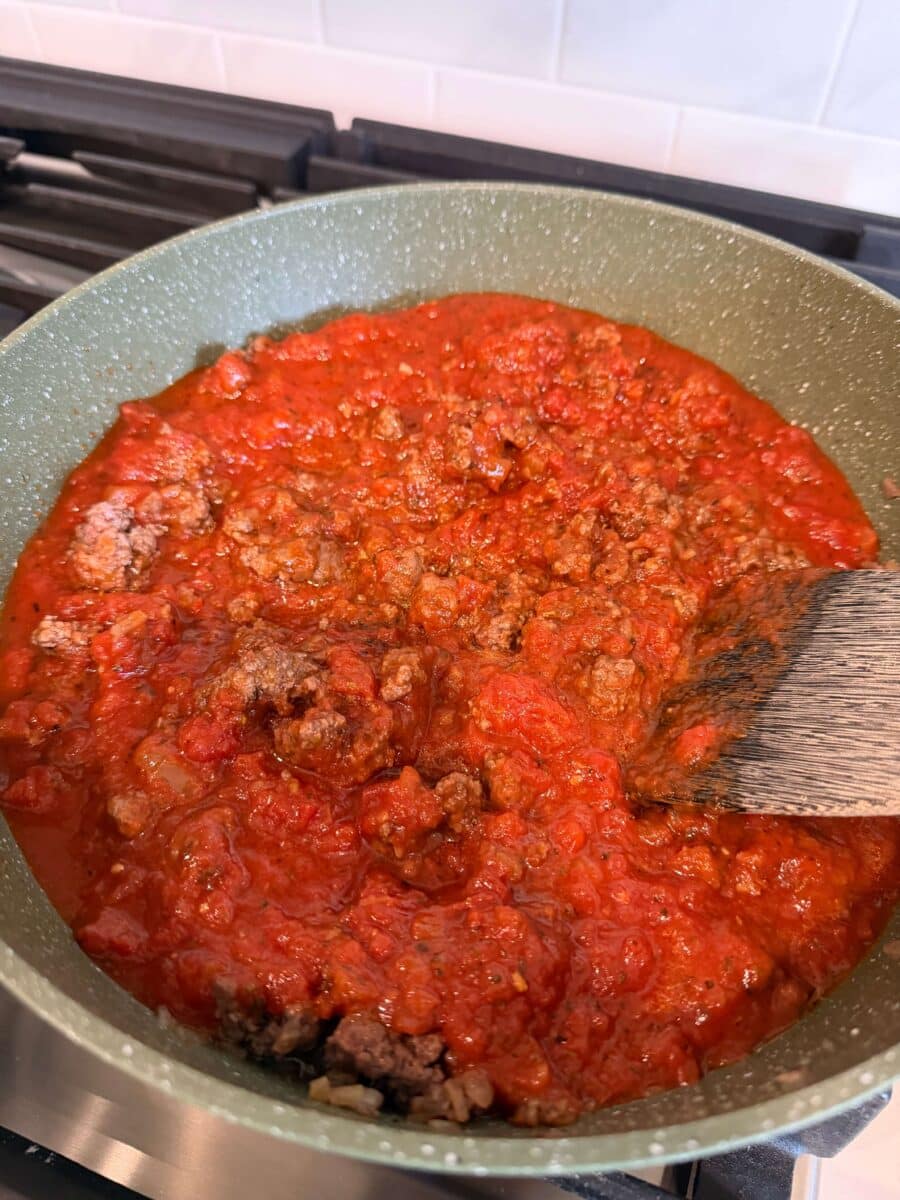
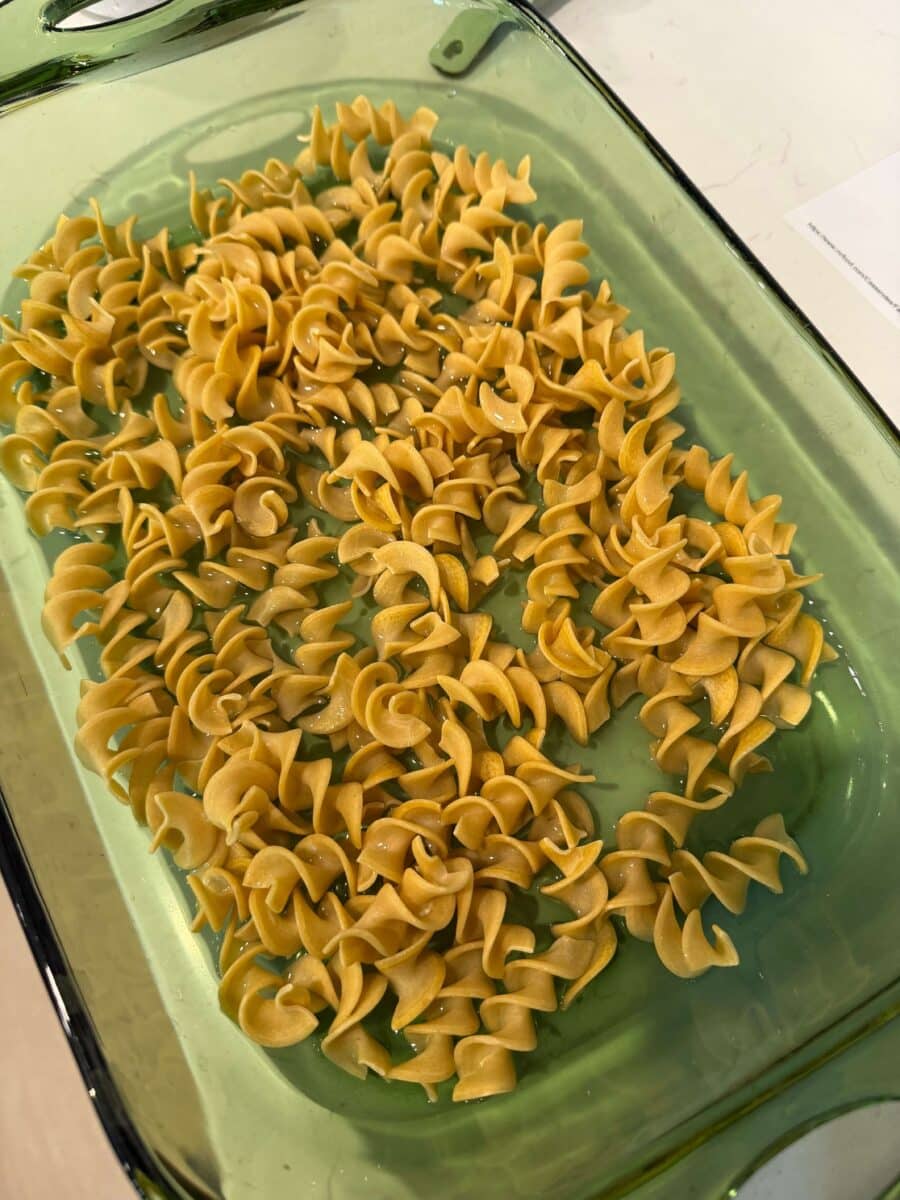
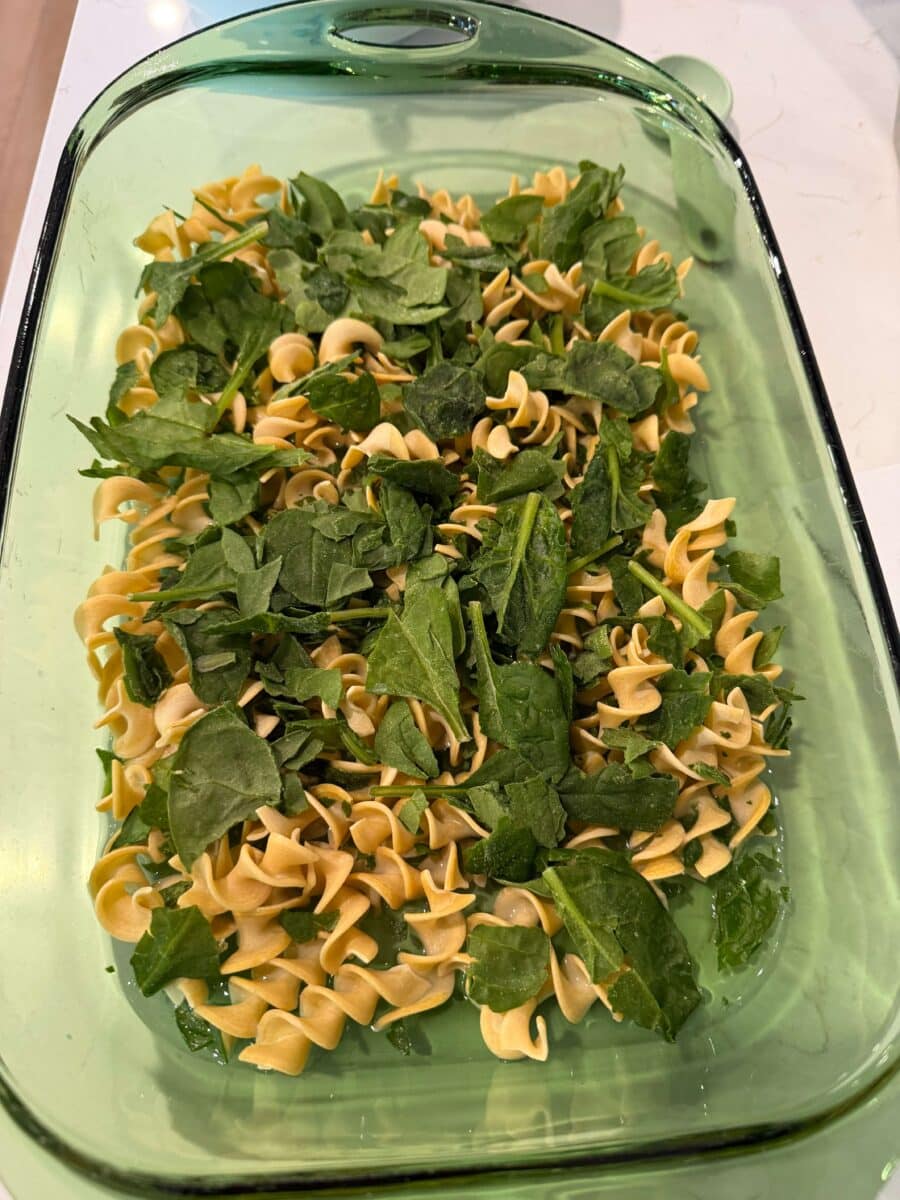
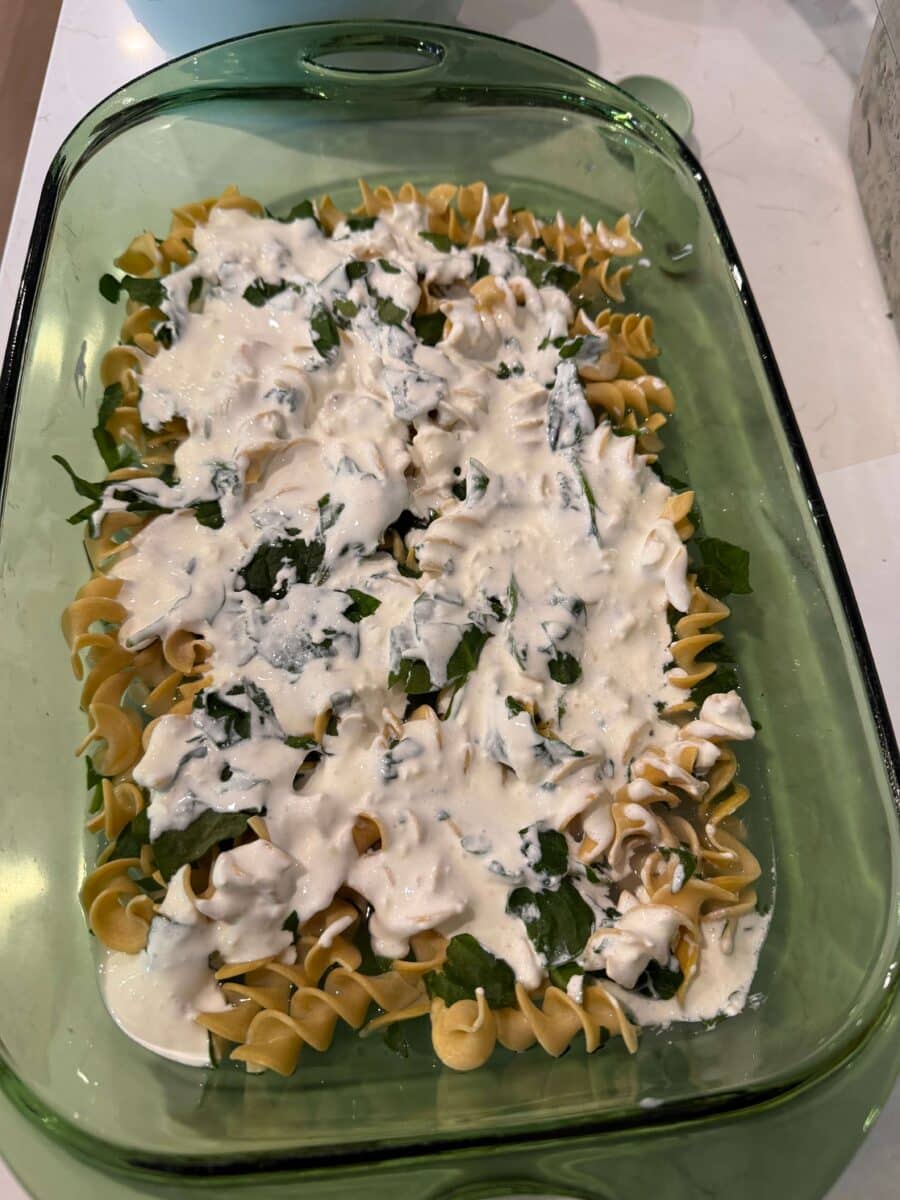
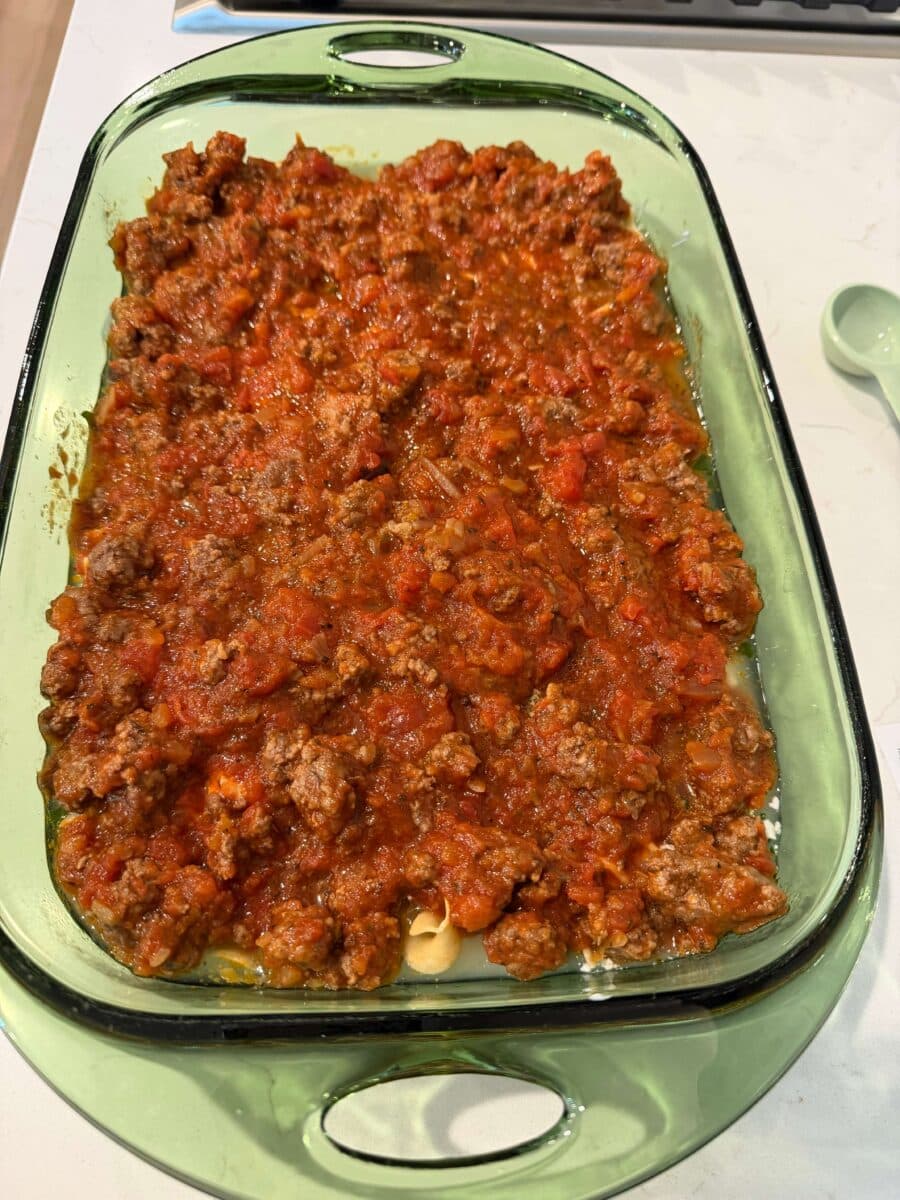
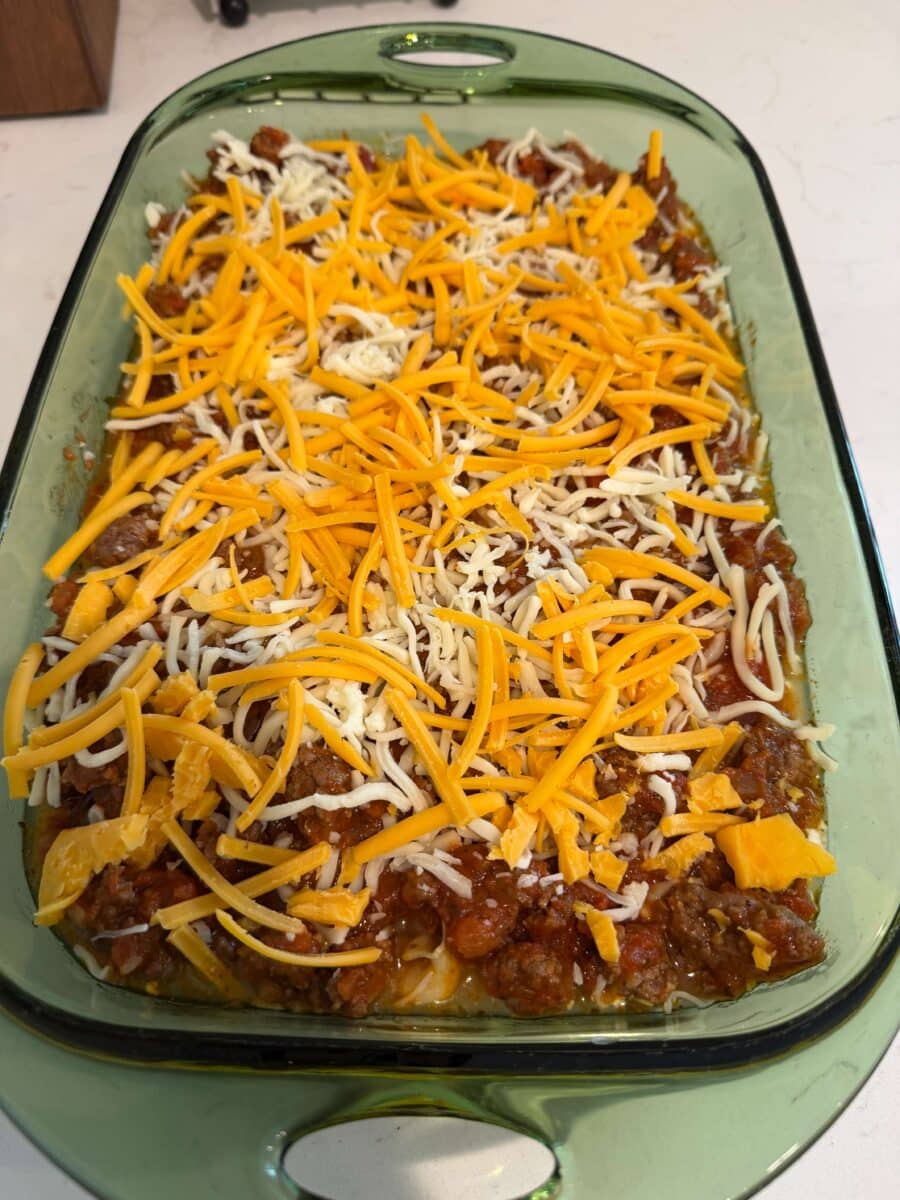
The unique "no-boil" assembly takes place in a standard 9×13-inch baking pan. The uncooked egg noodles are spread across the bottom, followed by the addition of a small amount of water, which provides the necessary steam for hydration. The fresh spinach is layered over the noodles, followed by dollops of the cream cheese mixture, which are carefully spread to create an even barrier. The meat sauce is poured over this dairy layer, and the entire structure is sealed with the shredded cheese blend.
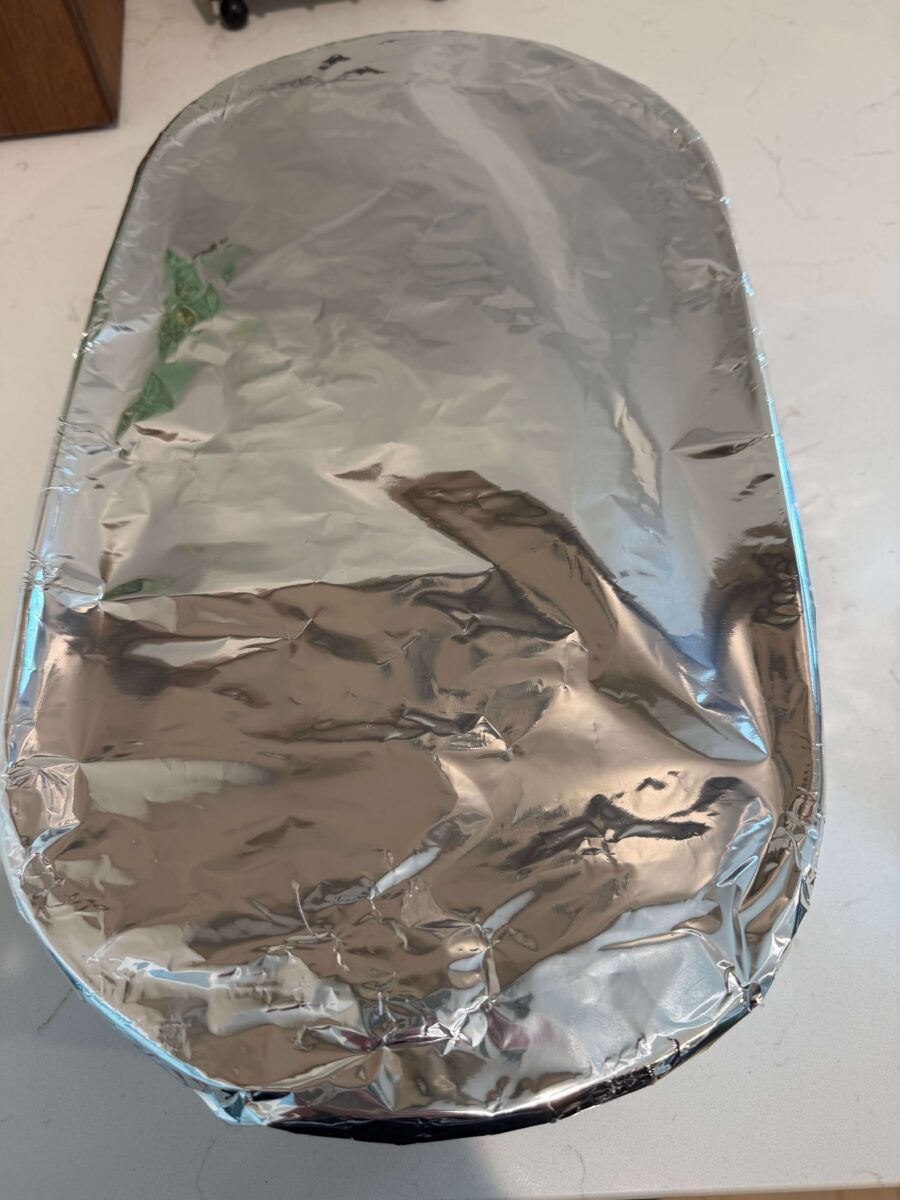
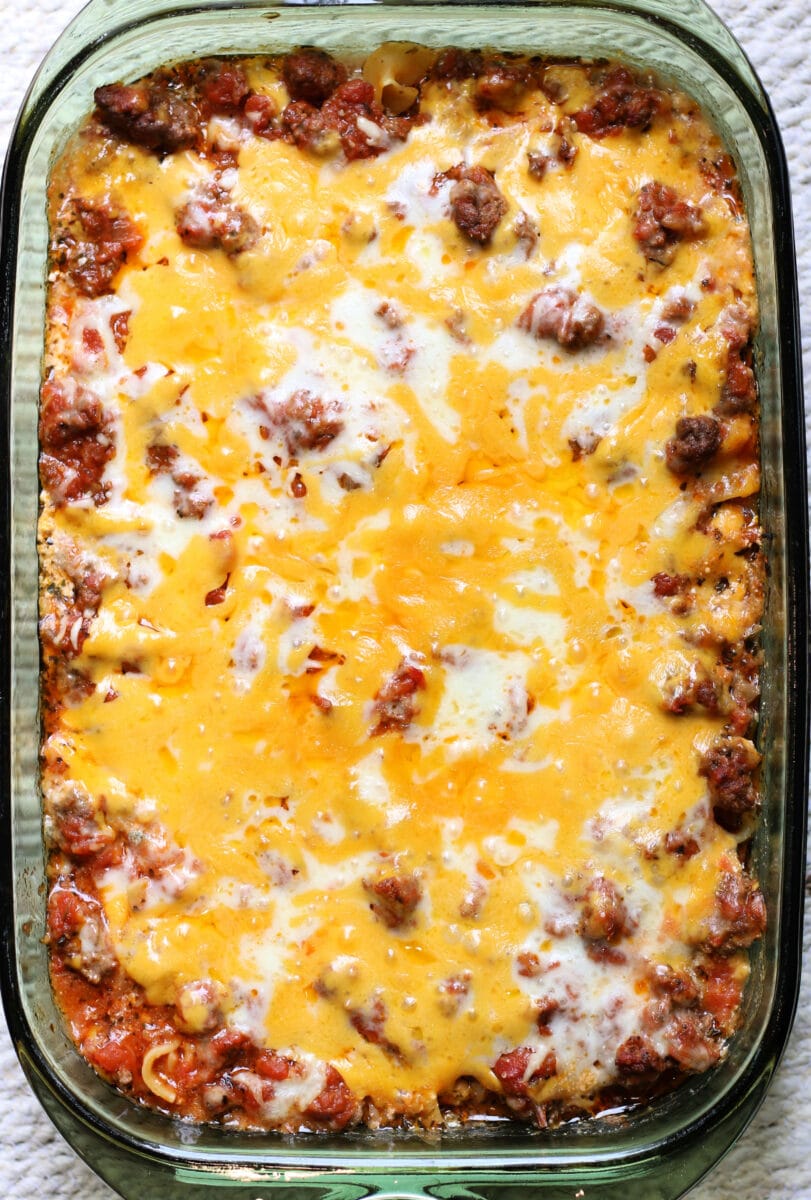
One of the most advantageous aspects of this dish is its "make-ahead" capability. According to culinary experts and home cooking advocates, refrigerating the assembled, unbaked casserole for up to 24 hours allows the noodles to begin a slow hydration process and the flavors to deepen. When ready for service, the dish is baked at 375°F. The initial 30 minutes of baking are conducted under foil to trap steam, followed by 15 minutes of uncovered baking to achieve a golden, bubbly cheese crust. A mandatory 10-minute rest period follows the baking to allow the internal temperature to stabilize and the sauces to set, ensuring clean portions upon serving.
The Cultural Significance of the Upper Midwestern Hot Dish
To understand the Fargo Hot Casserole, one must examine the broader cultural context of the "hot dish" in states like North Dakota and Minnesota. Historically, the hot dish emerged as a practical solution for large families and community gatherings, particularly in Lutheran and Catholic church basements. These meals were designed to be economical, filling, and capable of being prepared in a single vessel.
While the term "casserole" is used nationally, the "hot dish" remains a distinct regional identifier in the Fargo-Moorhead area. Traditional versions often relied heavily on canned "cream of" soups as a binding agent. However, the Fargo Hot Casserole represents a modern shift toward fresh produce (spinach) and artisanal-style sauces (tomato basil). This transition reflects a growing consumer interest in reducing sodium intake and moving away from highly processed canned goods while maintaining the comfort and convenience of the one-pot format.
Market Trends and Domestic Efficiency Data
The rise in popularity of recipes like the Fargo Hot Casserole is supported by broader economic and social data. According to a 2023 report on consumer cooking habits, approximately 68% of American households prefer "one-pan" meals for weeknight dinners to minimize cleanup and preparation time. Furthermore, the "make-ahead" meal category has seen a 12% increase in digital search volume over the last 18 months, as working professionals seek ways to manage evening schedules without sacrificing home-cooked quality.
The economic accessibility of the ingredients also plays a role. Ground beef remains a staple protein for many families due to its versatility and relatively stable price point compared to premium cuts of steak or fresh seafood. The use of egg noodles, which are often more affordable and shelf-stable than fresh pasta, further enhances the dish’s appeal as a budget-friendly option for feeding a family of four to six people.
Nutritional Evolution and Ingredient Adaptations
While the Fargo Hot Casserole is fundamentally a comfort food, it offers several avenues for nutritional modification. The inclusion of five to six ounces of spinach provides a significant boost in vitamins A, C, and K, as well as iron and folate. For health-conscious consumers, the recipe can be adapted using lean ground turkey or plant-based meat alternatives without compromising the structural integrity of the dish.
Furthermore, the dairy component can be modified to suit various dietary needs. Low-fat cream cheese and Greek yogurt (as a substitute for sour cream) can reduce the overall caloric density and increase protein content. The flexibility of the "tomato basil" base also allows for the inclusion of additional "hidden" vegetables, such as finely grated zucchini or carrots, which can be simmered into the sauce to increase fiber intake—a common strategy used by parents to improve the nutritional profile of meals for children.
Comparative Analysis: The Fargo Hot Casserole vs. Traditional Lasagna
The Fargo Hot Casserole is frequently referred to as a "mock lasagna" or "cheater lasagna" due to its layered structure and flavor profile. However, several key differences distinguish it from the classic Italian dish. First, the use of egg noodles instead of wide lasagna sheets provides a lighter, more tender bite. Second, the absence of a ricotta-egg mixture in favor of a cream cheese-sour cream base results in a tangier, creamier interior that is less prone to graininess.
The most significant difference remains the preparation time. A traditional lasagna requires boiling noodles, preparing a slow-simmered ragù, and often a multi-stage assembly process that can exceed two hours. The Fargo Hot Casserole reduces active "hands-on" time to approximately 20 minutes, making it a viable option for a Tuesday night dinner, whereas lasagna is often reserved for weekends or special occasions.

Implications for the Modern Food Industry
The success of the Fargo Hot Casserole and similar dishes has implications for the food retail and digital content sectors. Food bloggers and recipe developers, such as Karen Petersen, have noted that high-engagement content often centers on "no-boil" techniques and "freezer-friendly" attributes. This has led to an increase in affiliate marketing opportunities for kitchenware manufacturers, as consumers seek out specific tools like high-quality 9×13-inch pans, hand mixers, and airtight storage containers.

Additionally, the trend toward regional "comfort food" with a modern twist has influenced grocery store inventory. Retailers in the Midwest have reported steady demand for bulk ground beef and variety in pasta sauces, as consumers move away from basic marinara toward more complex flavor profiles like tomato basil or roasted garlic to serve as the foundation for their home-cooked casseroles.
Conclusion: The Enduring Legacy of the One-Pan Meal
The Fargo Hot Casserole is more than a simple recipe; it is a testament to the enduring appeal of the American casserole and its ability to adapt to changing times. By combining the logistical convenience of "no-boil" noodles with the rich, satisfying flavors of a meat and cheese pasta dish, it addresses the primary needs of the modern consumer: efficiency, economy, and comfort. As household dynamics continue to evolve, the reliance on reliable, make-ahead dishes like the Fargo Hot Casserole is expected to remain a cornerstone of domestic life, bridging the gap between traditional regional heritage and the fast-paced requirements of the 21st century.
