
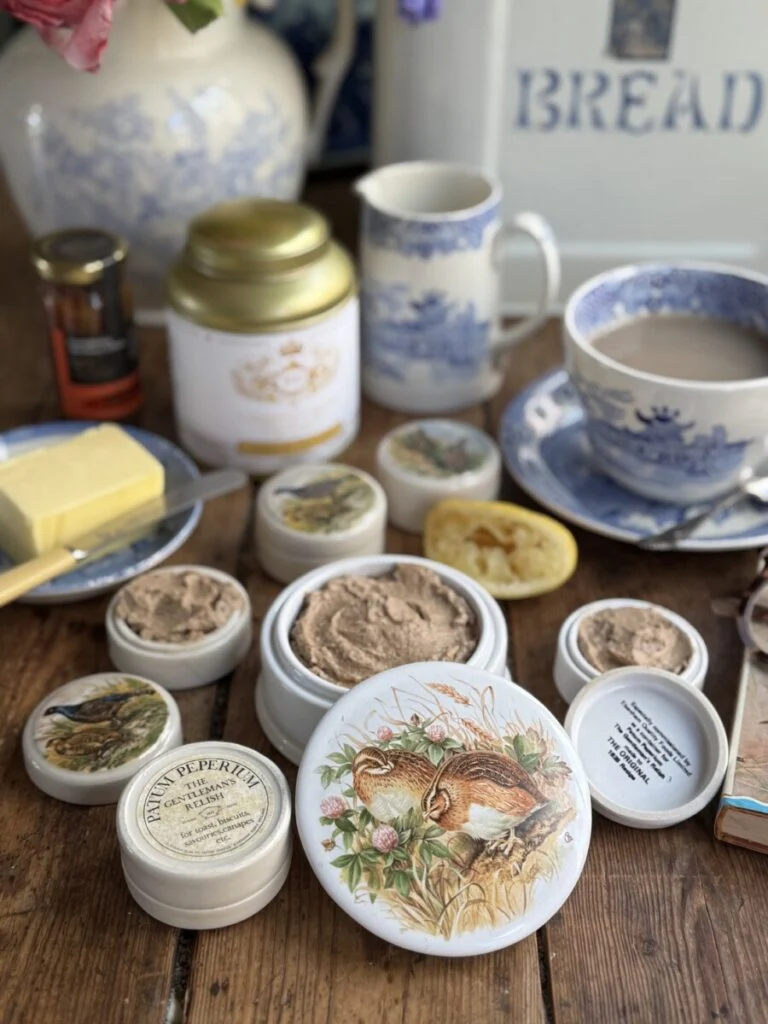
The culinary world was recently shaken by the news that Patum Peperium, widely known as Gentleman’s Relish, a venerable British anchovy spread, was to be discontinued by its manufacturer, AB World Foods. This announcement sparked an immediate outpouring of dismay from its dedicated, albeit niche, following, leading to a surprising re-evaluation by the company and a glimmer of hope for the condiment’s future. The product, celebrated for its distinctive pungent and spicy flavour, has been a staple on British tables for nearly two centuries, traditionally enjoyed on hot buttered toast or as a secret ingredient in savoury dishes.

Historical Context: The Genesis of a Gentleman’s Staple
Patum Peperium, or "pepper paste" in its mock-Latin nomenclature, traces its origins back to 1828 when it was first conceived by John Osborn. Osborn, a purveyor of fine foods, crafted a unique blend of anchovies, butter, herbs, and spices, intending it as a gourmet spread. The relish quickly gained traction among the discerning palates of Victorian society, particularly within the exclusive gentlemen’s clubs of London, earning its affectionate moniker, Gentleman’s Relish. Its commercial journey began in earnest in 1849, when it was formally launched at the prestigious Paris Food Show, solidifying its status as a sophisticated and intriguing British export.

For generations, the exact recipe for Gentleman’s Relish remained a closely guarded secret, contributing to its mystique. This secrecy, coupled with its robust and singular taste, ensured its enduring appeal among those who appreciated its distinctive character. It became synonymous with traditional British breakfasts and afternoon teas, offering a potent, savoury counterpoint to sweeter preserves. Beyond a simple spread, it often featured as a flavour enhancer in classic British cooking, lending a deep umami kick to sauces, stews, and casseroles. Its iconic packaging, typically a small ceramic pot, further cemented its image as a timeless, artisanal product.
The Discontinuation Announcement: A Culinary Loss

In early April 2026, AB World Foods, the company responsible for its production, confirmed the cessation of Gentleman’s Relish. The decision was communicated through a statement, citing commercial viability as the primary factor. "While we recognise that this Victorian relish has a niche and loyal following," the statement read, "it sadly does not have wider commercial appeal and, despite our best efforts, retailer distribution has dwindled." The company further elaborated, stating, "With Gentleman’s Relish no longer commercially viable and unable to secure a buyer for the brand, we regrettably stopped production earlier this year."
This declaration sent ripples of concern through the British food landscape. The discontinuation of such an emblematic product highlighted broader challenges faced by heritage brands in a rapidly evolving market. Niche products, no matter how beloved by their devotees, often struggle to compete with mass-market offerings in terms of distribution, marketing spend, and economies of scale. The difficulty in securing a buyer underscored the commercial pressures that can lead even well-established, culturally significant brands to the brink. For many, the news was not just about losing a condiment but about witnessing the erosion of a piece of British culinary heritage.

Public Outcry and Notable Reactions
The immediate aftermath of the announcement saw a surge in consumer demand, with online stockists reporting rapid sell-outs. Enthusiasts, many of whom had cherished the relish for decades, scrambled to secure remaining jars, reflecting a deep emotional attachment to the product. Social media platforms buzzed with lamentations and calls for its return, demonstrating the power of collective consumer sentiment.

Among the prominent voices expressing regret was renowned restaurateur Jeremy King, co-founder of Corbin & King and responsible for the recent reopening of Simpson’s in the Strand, a bastion of British culinary tradition. King, recognising the relish’s importance in classic British gastronomy, reportedly instructed his chefs to develop an in-house version, ensuring its presence on his establishment’s menu. This move by a figure of King’s stature underscored the relish’s perceived indispensability within certain culinary circles and its role in defining traditional British fare.
The author of the original article, a long-time admirer of Gentleman’s Relish, recounted a similar proactive approach. Having lived in France where the relish was unavailable, they had previously developed a homemade recipe in 2012, even sharing it on a recipe platform, RecipeZaar, to positive reviews. This personal experience of replicating the spread highlights a common response among dedicated fans: to take matters into their own hands when a beloved product becomes scarce. The author’s successful recreation, filling vintage Gentleman’s Relish ceramic pots collected over the years, exemplifies the dedication of its loyal community to preserving its taste and tradition.

The Homemade Imperative: Preserving a Tradition
The challenge of recreating Patum Peperium at home, particularly in light of its famously secret recipe, has been embraced by many. The core ingredients – anchovies, butter, and a blend of spices – offer a starting point, but achieving the exact balance of pungency, saltiness, and subtle heat requires careful experimentation. The author’s rediscovered recipe, developed years prior out of necessity, provides a practical solution for those unwilling to let the flavour fade into history.

The process typically involves pounding anchovies, butter, and often capers (as suggested by the author for a more piquant taste) into a smooth paste. While a traditional mortar and pestle can be used, a small food processor offers a more modern and efficient alternative. Breadcrumbs are often incorporated to give the relish body, alongside a medley of spices and black pepper, with a touch of lemon juice to brighten the flavour. The resulting paste, though potentially paler than the commercially produced version (which may involve a heating process influencing its darker hue), is celebrated for its authentic taste and ease of preparation.
This homemade approach not only satisfies personal cravings but also plays a vital role in the cultural transmission of culinary heritage. By sharing and adapting recipes, home cooks ensure that the flavours of bygone eras continue to be experienced, preventing them from being entirely lost due to commercial decisions. The ritual of making and serving such a specific condiment becomes an act of culinary preservation, connecting generations through taste. The homemade relish is best enjoyed sparingly on hot buttered toast, whether white or brown, its intense flavour designed to be savoured in small quantities. It also elevates scrambled eggs and adds a complex savoury note to various cooked dishes, mirroring its traditional uses.

A Glimmer of Hope: AB World Foods Reconsiders
Amidst the widespread disappointment and calls for reconsideration, AB World Foods issued a follow-up statement, offering a surprising twist to the narrative. The company acknowledged the overwhelming public response: "We have been blown away by the response from Gentleman’s Relish fans since we confirmed our decision to stop production. We are grateful to everyone who has taken the time to get in touch."

Crucially, the statement continued, "Given this strength of feeling, we are pleased to say that we are at the early stages of exploring options with several third parties who have expressed an interest in taking the brand forward." This announcement ignited hope that Gentleman’s Relish might yet be saved from permanent disappearance. The willingness of AB World Foods to engage with interested parties suggests a potential acquisition or licensing agreement that could see the brand continue under new ownership or a revised production model. This development underscores the significant influence consumers can exert, particularly when rallying behind products with deep cultural resonance.
Broader Implications for British Heritage Brands

The Gentleman’s Relish saga is emblematic of a larger trend affecting many long-standing British brands. Products with rich histories and devoted followings often find themselves caught between tradition and modern commercial realities. The economic pressures of maintaining production for a "niche" market, coupled with the complexities of modern retail distribution, can make their continued existence precarious.
The article draws parallels with other beloved British brands facing similar uncertainties. The mention of Bath Olivers, a classic biscuit cherished as an accompaniment to cheese, highlights another example of a product that has seen shifts in its availability and production. Similarly, concerns are raised for Geo Watkins’ mushroom ketchup and anchovy sauce, two other traditional condiments that hold a special place in British cooking. These examples collectively illustrate the fragility of heritage food lines in a market increasingly dominated by global conglomerates and fast-moving consumer goods.

The potential reversal of the Gentleman’s Relish discontinuation could serve as a powerful case study in the impact of consumer advocacy. It demonstrates that while commercial viability is paramount for businesses, the cultural value and emotional attachment consumers have to certain products cannot be entirely discounted. The episode may encourage other companies to more carefully assess the broader implications of discontinuing culturally significant items and perhaps explore alternative models for sustaining them, such as smaller-batch production or direct-to-consumer sales.
The Future of Patum Peperium

While the future of commercially produced Gentleman’s Relish remains uncertain, the recent statements from AB World Foods offer a tangible path towards its potential revival. The "early stages of exploring options" suggest that negotiations are underway, potentially involving a new entity committed to preserving the brand. This could manifest as a smaller, independent producer taking the helm, or even a larger food group recognising the inherent value of a heritage brand, albeit one with a specialist market.
Regardless of the commercial outcome, the passionate response from the public and the efforts of home cooks to recreate the relish ensure that the flavour profile and cultural significance of Patum Peperium will not be forgotten. The story of Gentleman’s Relish serves as a poignant reminder of the intricate relationship between culinary tradition, commercial enterprise, and the enduring power of consumer loyalty in shaping the gastronomic landscape. It is a testament to the fact that for some foods, their value extends far beyond mere commercial metrics, embodying a piece of national identity and collective memory.
