
The Evolution of the One-Pot Meal Strategy
The concept of the "cowboy" casserole is rooted in the rustic, high-calorie requirements of 19th-century frontier life, where meals were often prepared in a single cast-iron Dutch oven over an open flame. In the modern context, this legacy has been adapted to accommodate the technological advancements of the digital age, specifically the Instant Pot and the programmable slow cooker.
Market data indicates a significant shift in consumer behavior toward these multi-functional appliances. According to industry reports, the "multicooker" market—led by brands like Instant Pot—has seen consistent growth, with a compound annual growth rate (CAGR) reflecting a move away from multi-dish meal preparation toward streamlined, integrated cooking processes. The Cowboy Beef Potato Casserole capitalizes on this trend by utilizing a single vessel for both the Maillard reaction (searing the beef) and the high-pressure steaming required for starchy vegetables like potatoes.
Technical Specifications and Ingredient Composition
The Cowboy Beef Potato Casserole is architected around a balanced profile of macronutrients, utilizing ingredients that are largely shelf-stable or have a long refrigerated life. This reliance on "pantry ingredients" is a deliberate response to the logistical challenges of modern grocery shopping and the desire to reduce food waste.
Primary Components and Substitutions
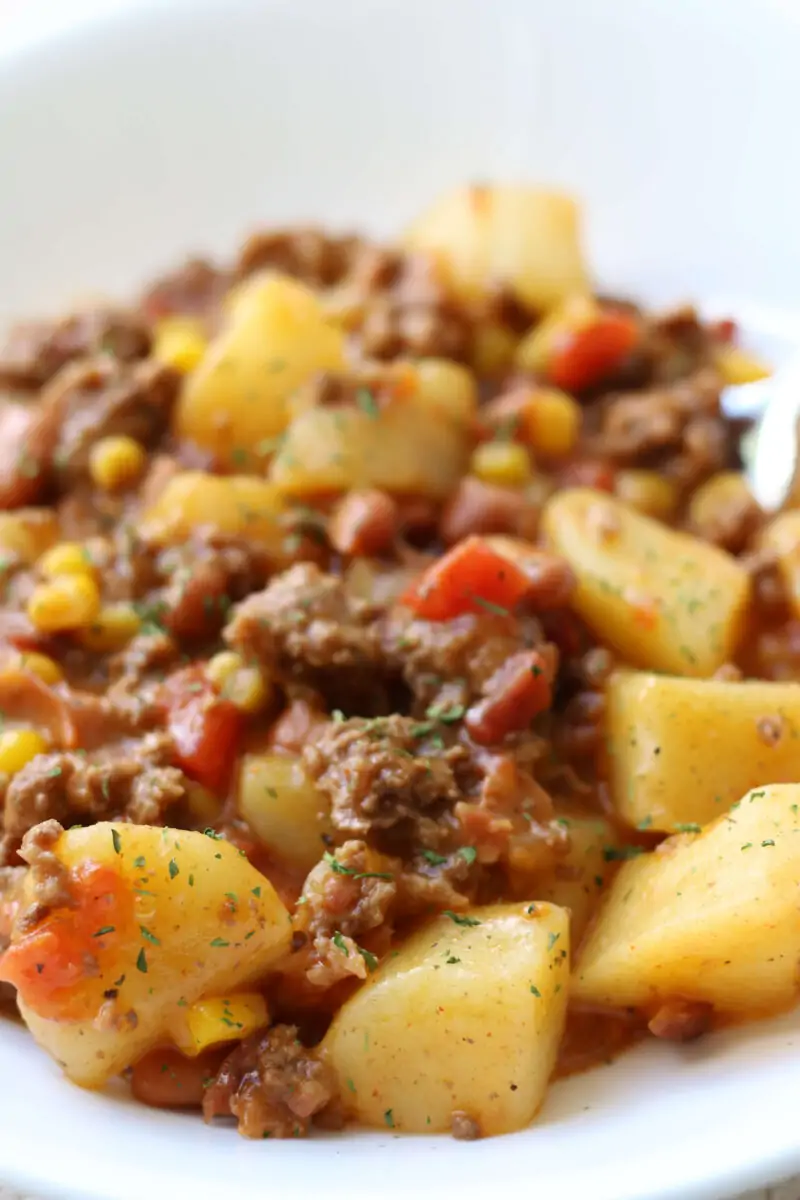
The foundational element of the dish is one pound of ground beef, which provides the primary protein source. Culinary analysts note that ground beef remains a preferred choice for family-style casseroles due to its ability to absorb complex spice profiles. The recipe incorporates a sophisticated aromatic base consisting of one yellow onion, salt, black pepper, garlic powder, chili powder, and smoked paprika. The inclusion of smoked paprika is particularly notable, as it mimics the traditional wood-smoke flavor profile associated with outdoor chuckwagon cooking.
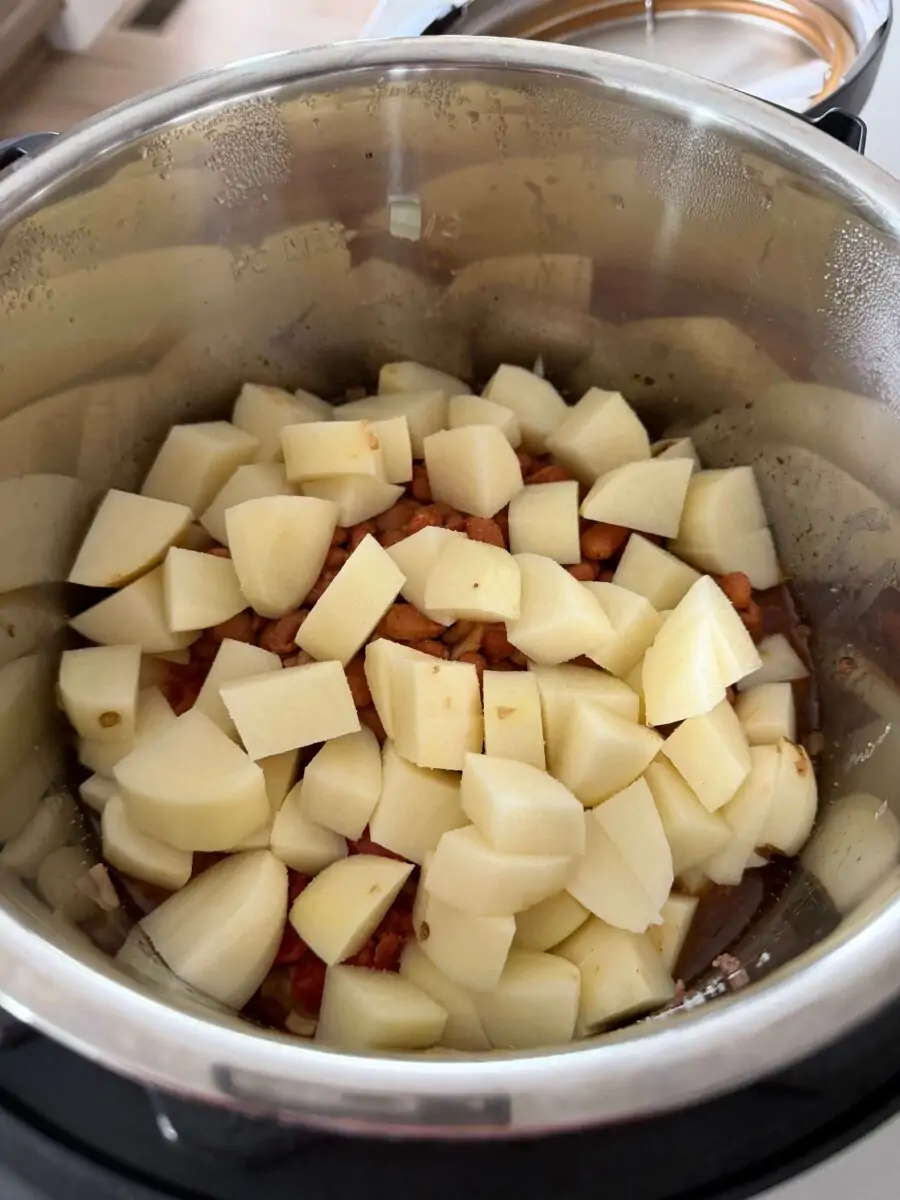
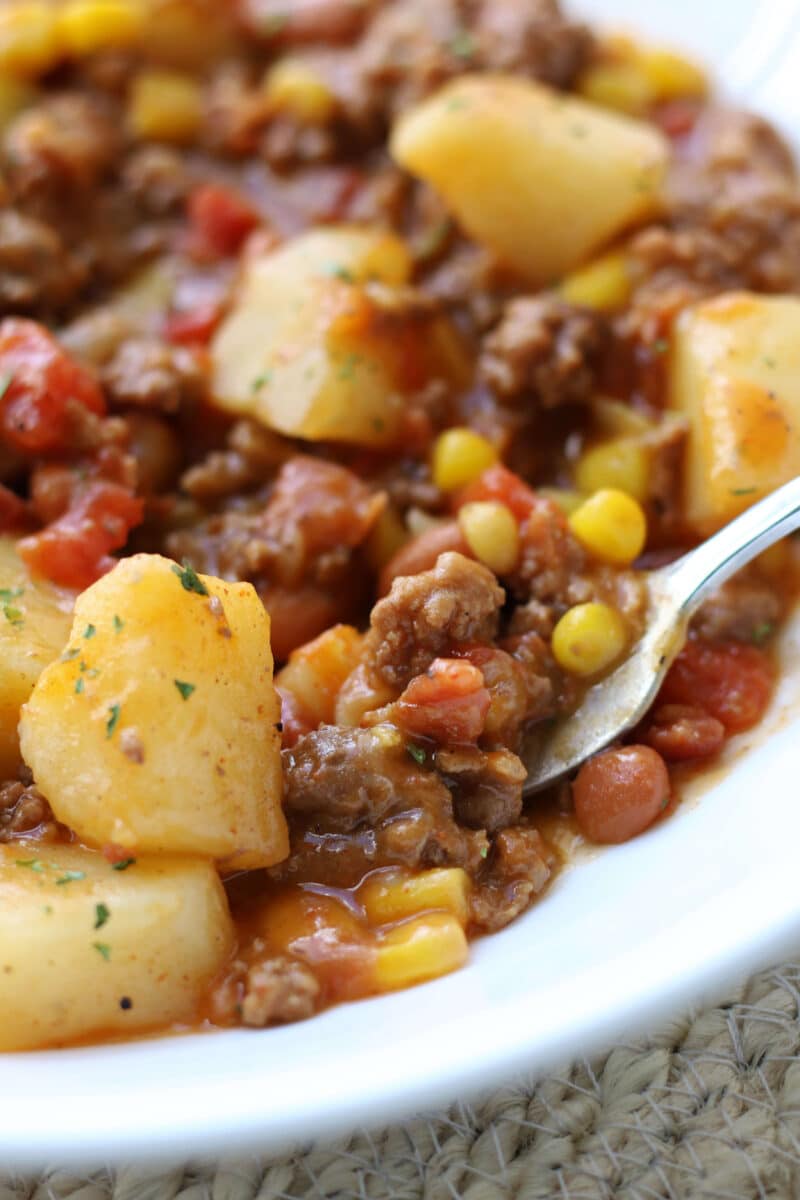
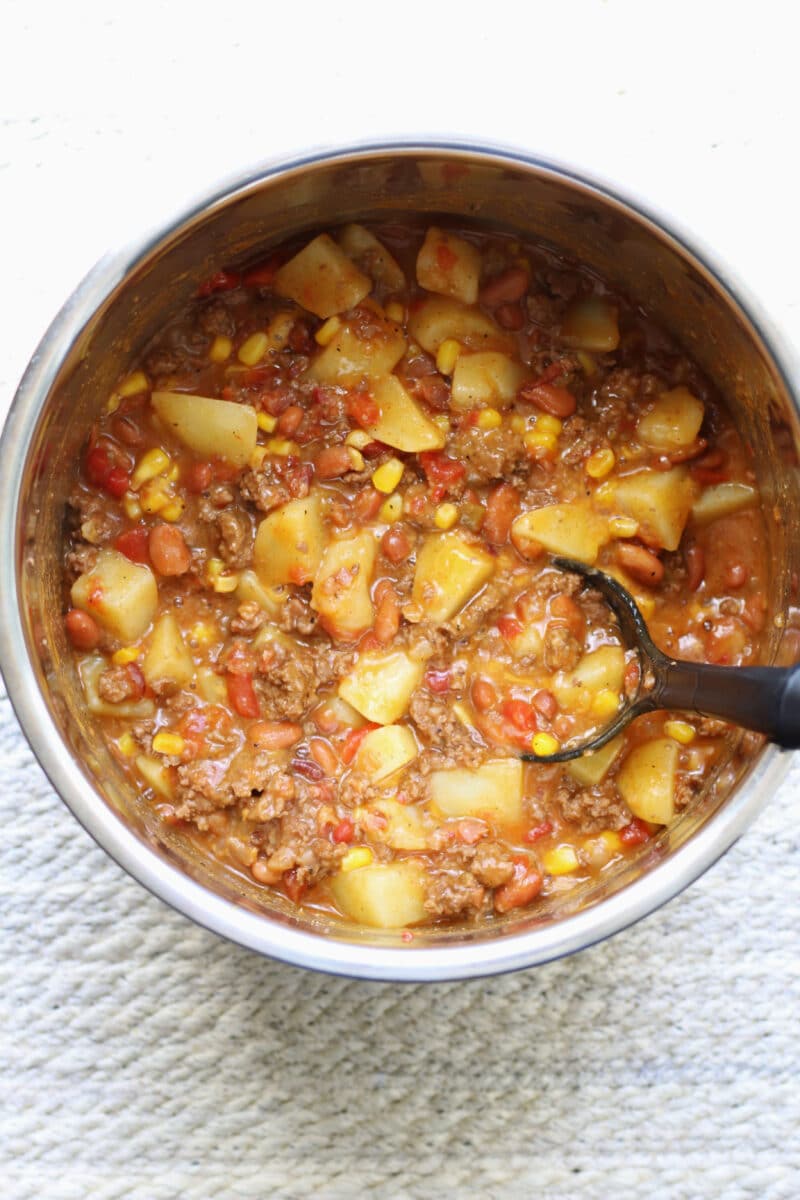
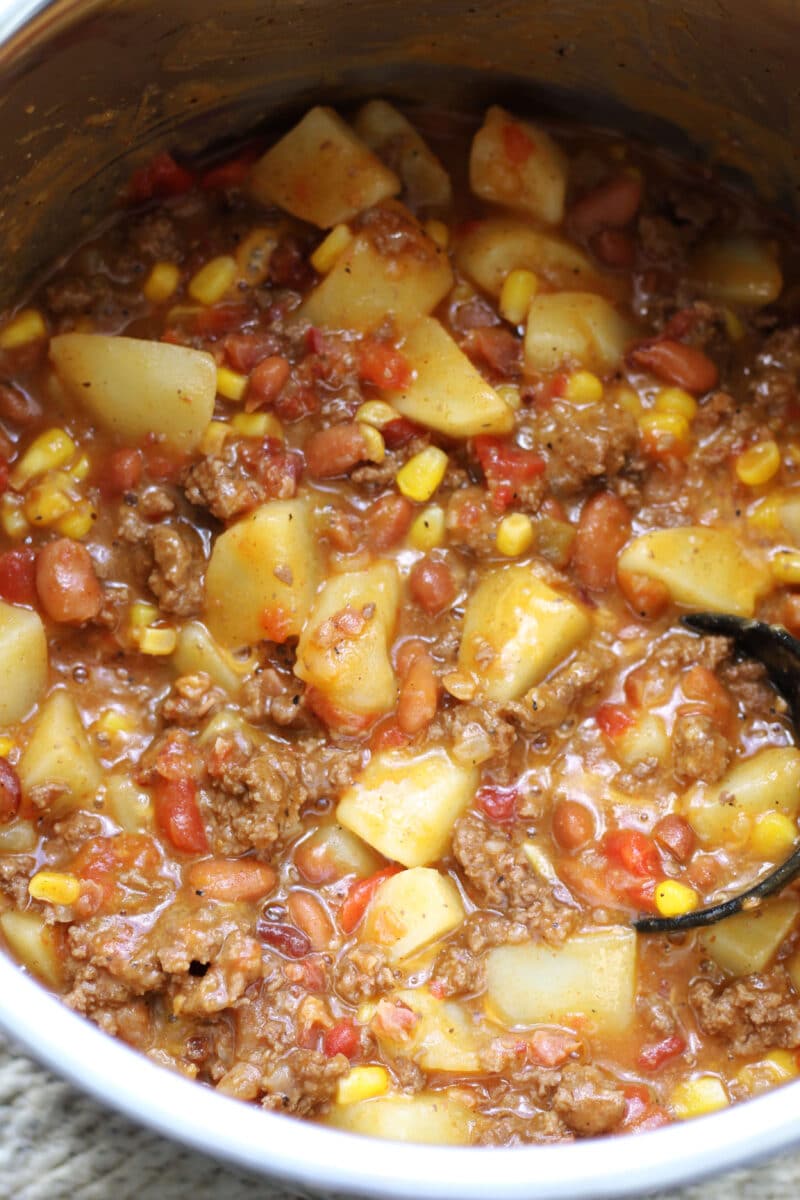
The starch component is comprised of 1.5 pounds of potatoes—typically Yukon Gold or Russet—which are cubed to ensure uniform cooking under pressure. These are supplemented by a 15-ounce can of ranch-style beans, a 15-ounce can of whole kernel corn, and a 10-ounce can of Rotel (diced tomatoes and green chilies). The use of Rotel introduces a controlled level of acidity and heat, which serves to cut through the richness of the beef and the eventual cheese topping.
Chronology of Preparation: The Instant Pot Protocol
The preparation of the Cowboy Beef Potato Casserole follows a strict technical sequence designed to maximize flavor extraction while minimizing active labor time.
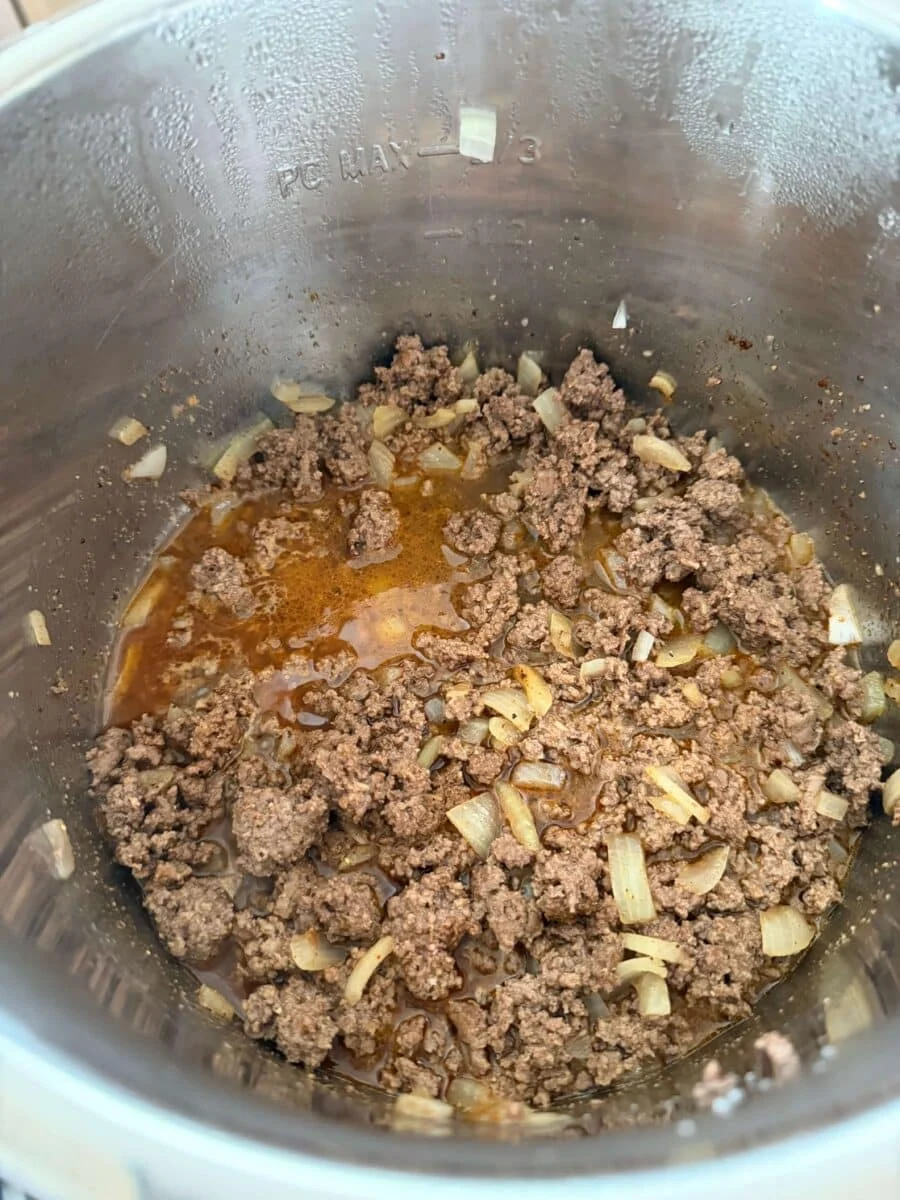
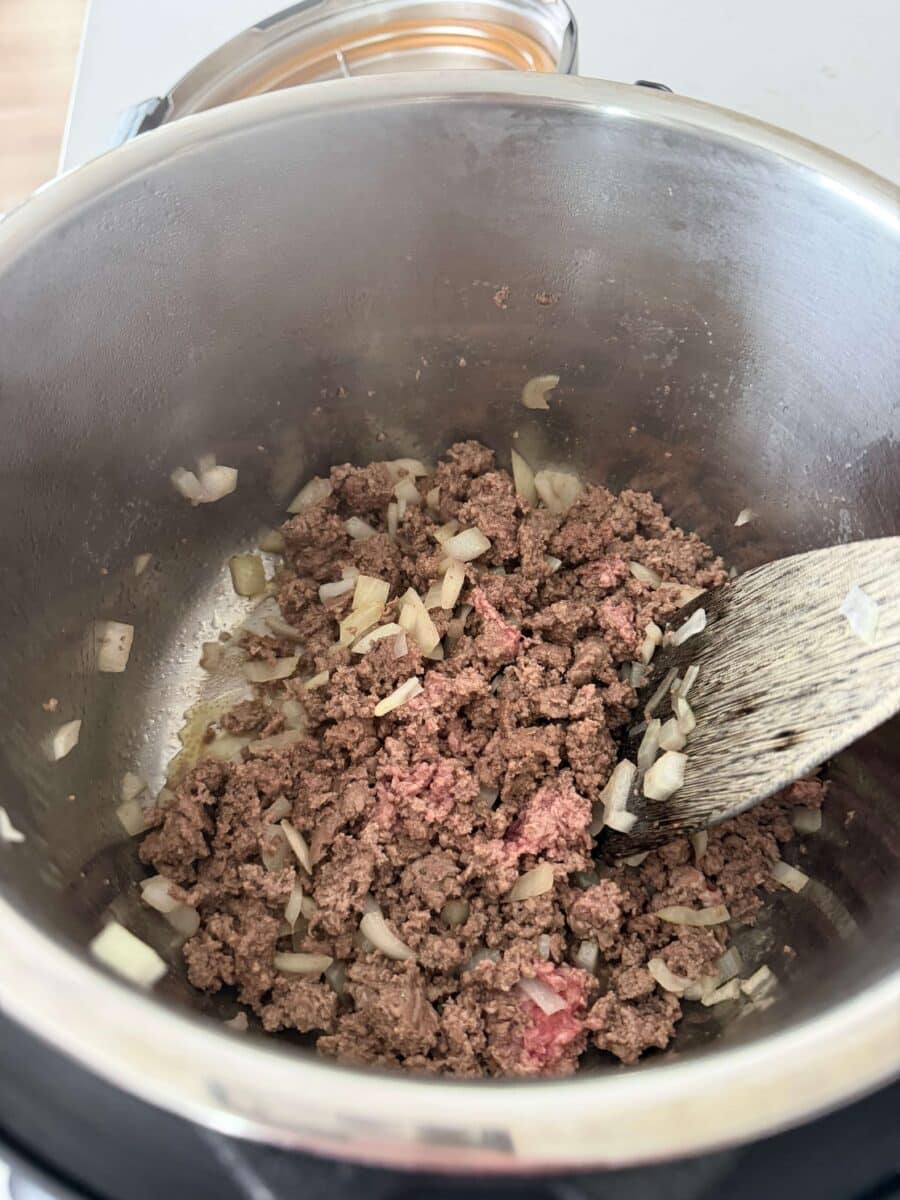
- Phase I: Sauté and Aromatization: The process begins with the Instant Pot set to the "Sauté" function. Once the vessel reaches the "HOT" status, the ground beef and diced onion are introduced. The objective is to brown the meat for approximately five minutes, breaking up the protein to increase surface area for browning.
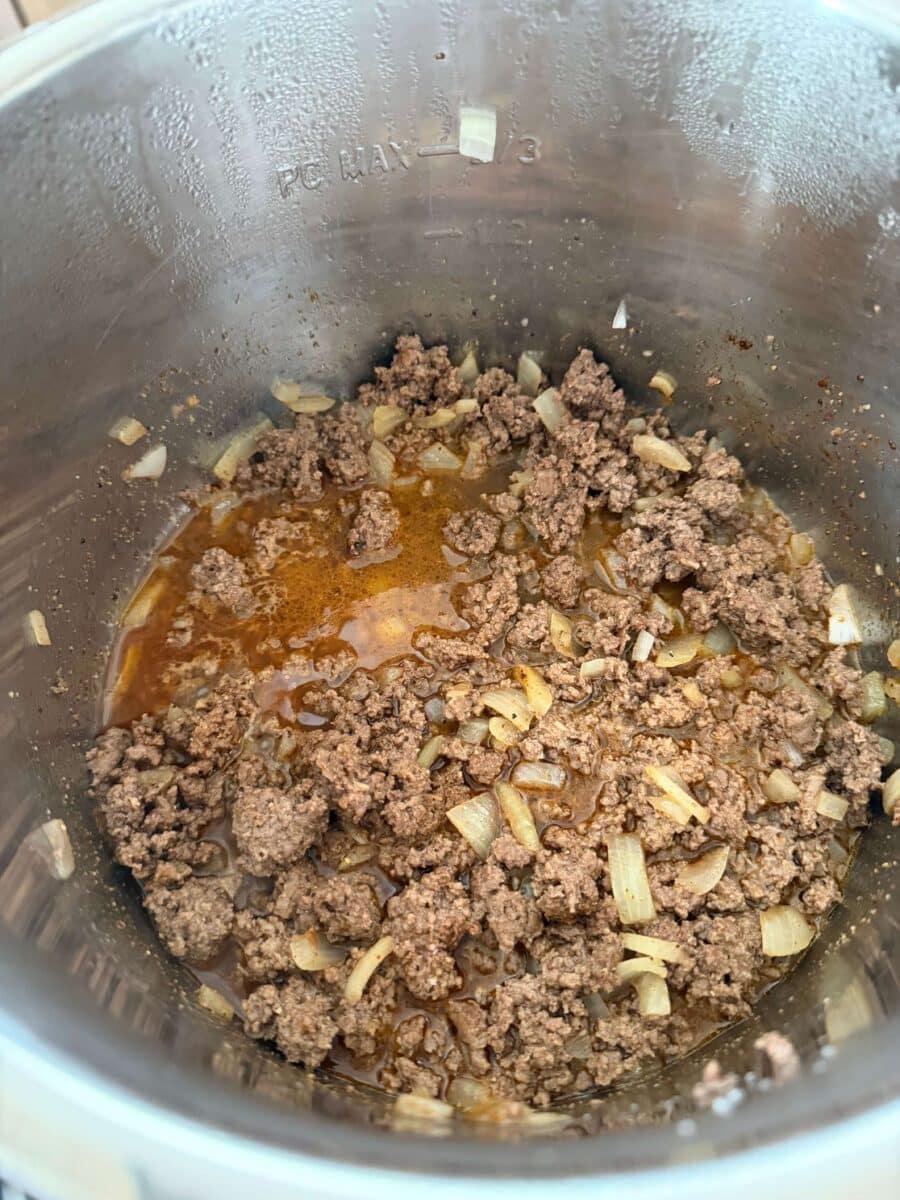
- Phase II: Deglazing and Seasoning: Following the browning phase, excess grease is drained to ensure a clean flavor profile. The dry spices—salt, pepper, garlic powder, chili powder, and smoked paprika—are integrated. One cup of beef broth is then added, a critical step that involves scraping the bottom of the pot to release the fond (browned bits), which prevents the "Burn" error during the pressure-cooking cycle.
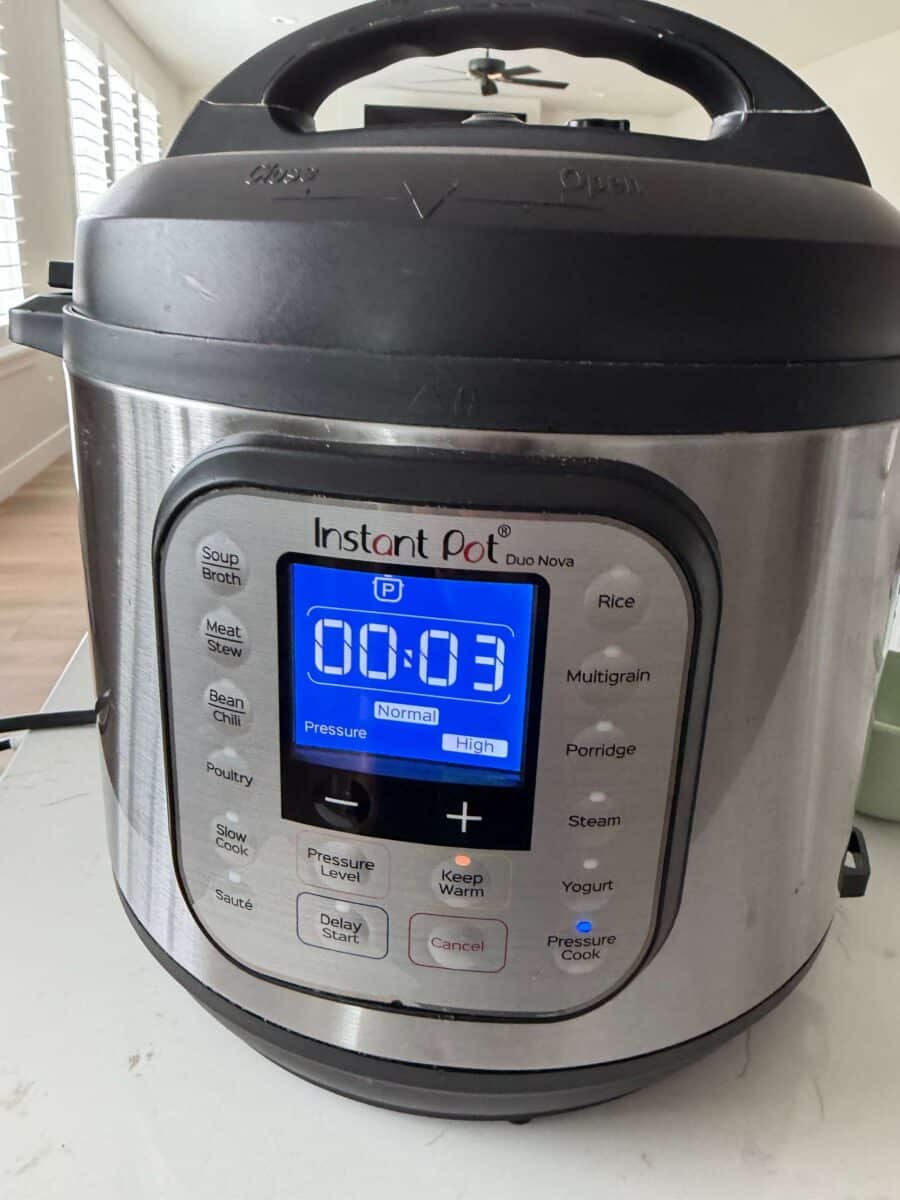
- Phase III: Pressure Cycling: The secondary ingredients—corn, Rotel, ranch beans, and potatoes—are layered into the pot. The device is sealed, and the manual pressure cook setting is engaged for a duration of three minutes.
- Phase IV: Natural and Manual Release: After the three-minute cycle concludes, a 5-to-10-minute natural pressure release (NPR) is observed. This allows the internal temperature to stabilize and ensures the potatoes maintain their structural integrity.
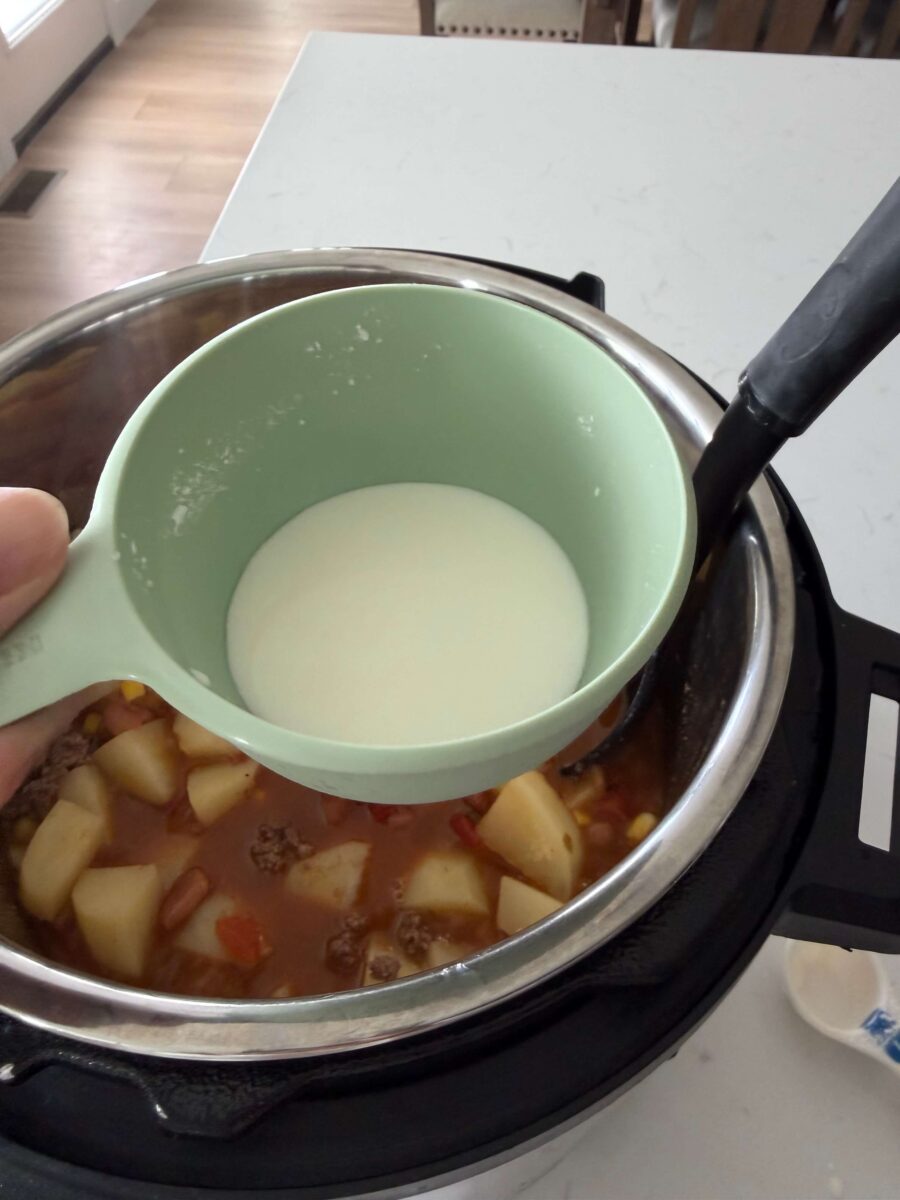
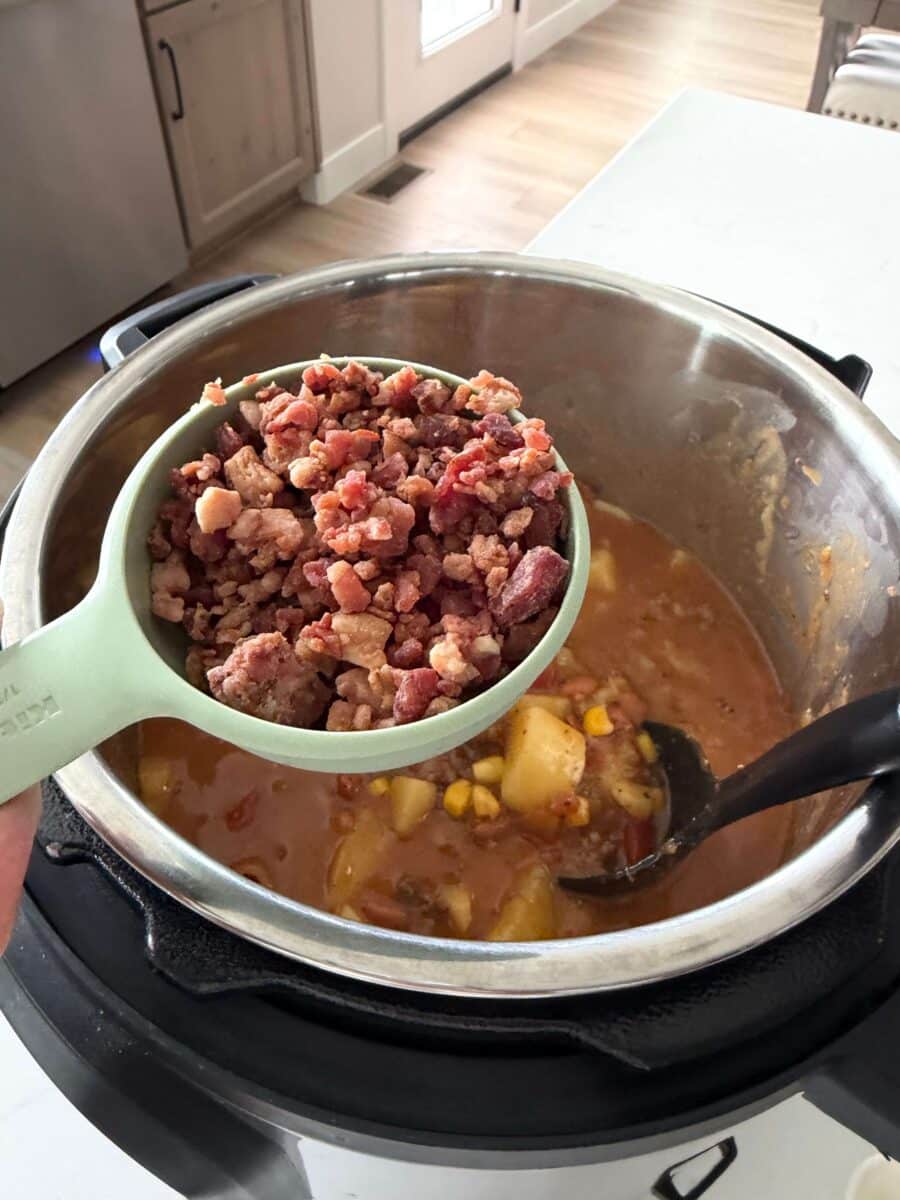
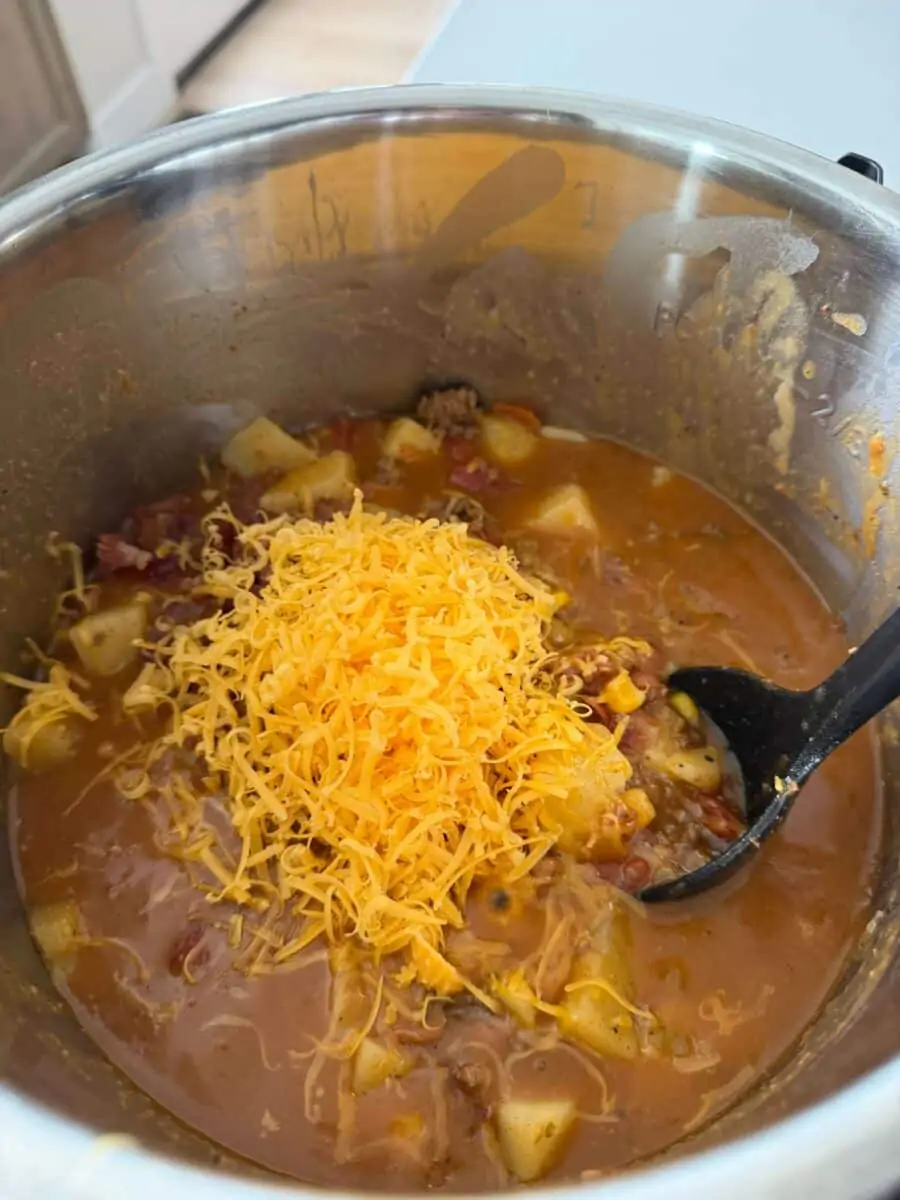
- Phase V: Thickening and Finishing: Upon opening the lid, a slurry consisting of two tablespoons of cornstarch and two tablespoons of cold water is whisked into the mixture under the sauté setting to achieve the desired sauce viscosity. The final stage involves stirring in two cups of shredded cheddar cheese and half a cup of cooked bacon bits until a homogenous, melty texture is achieved.
Alternative Chronology: The Slow Cooker Methodology
For households prioritizing a "set-and-forget" approach, the recipe is easily adapted to the slow cooker. This method involves browning the beef and onions in a separate skillet before transferring all ingredients (minus the cheese and bacon) to the slow cooker. The dish is then processed on "Low" for 6–7 hours or "High" for 3–4 hours. The final thickening and cheese integration occur just prior to service, maintaining the same flavor profile as the high-pressure version but with a different textural outcome for the potatoes, which become more deeply infused with the cooking liquid over the extended duration.
Economic and Nutritional Impact Analysis
The rise in popularity of the Cowboy Beef Potato Casserole can be partially attributed to its economic efficiency. By utilizing ground beef and canned vegetables, the cost per serving remains significantly lower than that of multi-course meals or takeout options. Financial analysts specializing in the grocery sector have observed that "casserole culture" often resurges during periods of inflationary pressure, as these dishes allow for the stretching of expensive proteins across multiple portions.
Nutritionally, the dish offers a robust profile. The combination of beans and beef provides a high-density protein and fiber source, while the potatoes offer complex carbohydrates and potassium. The inclusion of corn and tomatoes adds essential vitamins, including Vitamin C and Vitamin A. While the dish is high in sodium and fats due to the cheese and canned components, nutritionists suggest that these levels can be managed by selecting low-sodium broth and reduced-fat dairy options.
Community Reactions and Culinary Implications
Feedback from home cooking communities highlights the dish’s "kid-friendly" nature and its reliability as a "reheat-friendly" meal. Culinary influencers have noted that the Cowboy Beef Potato Casserole is a frequent subject of social media engagement, often pinned and shared as a "pantry-raider" solution.
"The versatility of the Cowboy Beef Potato Casserole is its greatest strength," says a culinary trend analyst. "It bridges the gap between the need for a quick Tuesday night dinner and the desire for something that feels substantial and homemade. It’s a return to the basics of American cooking, updated for the speed of modern life."
Furthermore, the dish has implications for food security and emergency preparedness. Because it relies heavily on canned goods and hearty root vegetables, the components of a Cowboy Beef Potato Casserole are often found in emergency food supplies. The ability to cook this dish in a single pot also makes it an ideal candidate for communities facing limited kitchen infrastructure.

Broader Cultural Context
The Cowboy Beef Potato Casserole is more than just a recipe; it is a cultural artifact that reflects the current state of the American domestic sphere. It represents a move toward "pragmatic comfort"—food that provides emotional satisfaction while adhering to the rigid time constraints of the modern workforce.

As the culinary landscape continues to evolve, the integration of traditional flavors with high-efficiency appliances will likely remain a dominant theme. The Cowboy Beef Potato Casserole stands as a testament to this evolution, proving that even as our methods of cooking change, our fundamental preference for hearty, savory, and communal meals remains steadfast. Whether prepared in three minutes of high-intensity pressure or seven hours of slow-simmered heat, this dish continues to define the modern American dinner table.
