
Even when two iconic fast-food chains utilize the same primary ingredient, subtle yet significant variations in preparation, accompanying components, and even sourcing can lead to vastly different culinary experiences. Such is the case with the beloved fish sandwiches offered by McDonald’s and Burger King, two titans of the fast-food industry that, despite sharing a common foundation of Alaskan pollock, present distinctly divergent flavor profiles and textural sensations to their eager patrons.
At the heart of both the McDonald’s Filet-O-Fish and Burger King’s Big Fish sandwich lies Alaskan pollock. This particular species of white fish is widely recognized for its delicate, buttery flesh and mild, agreeable flavor, making it an ideal canvas for the diverse applications found in fast-food cuisine. Its flaky texture further enhances its appeal, offering a satisfying bite that complements a variety of seasonings and preparations. Both McDonald’s and Burger King opt to process this pollock into a signature square patty, a common practice in fast-food that aims for consistency and efficient preparation. However, this shared starting point is where the similarities largely end, as the subsequent choices in breading, condiments, buns, and even the origin of the fish itself contribute to the divergence in taste and overall sandwich construction.
A Tale of Two Fish Sandwiches: Contrasting Compositions
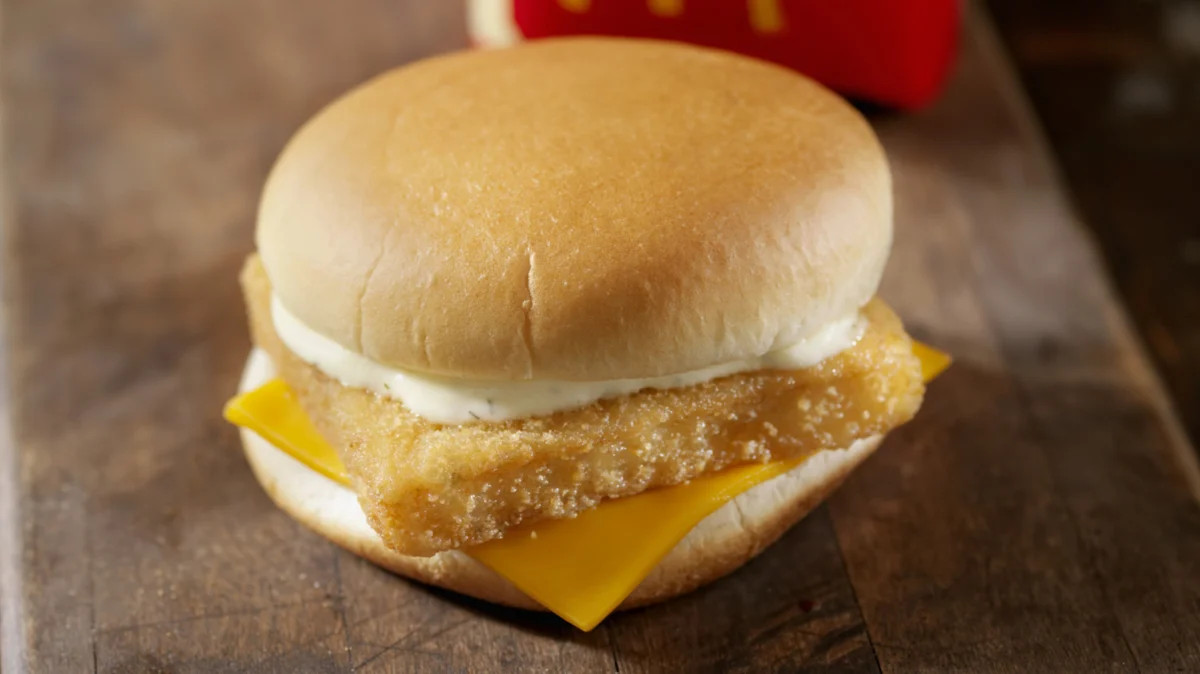
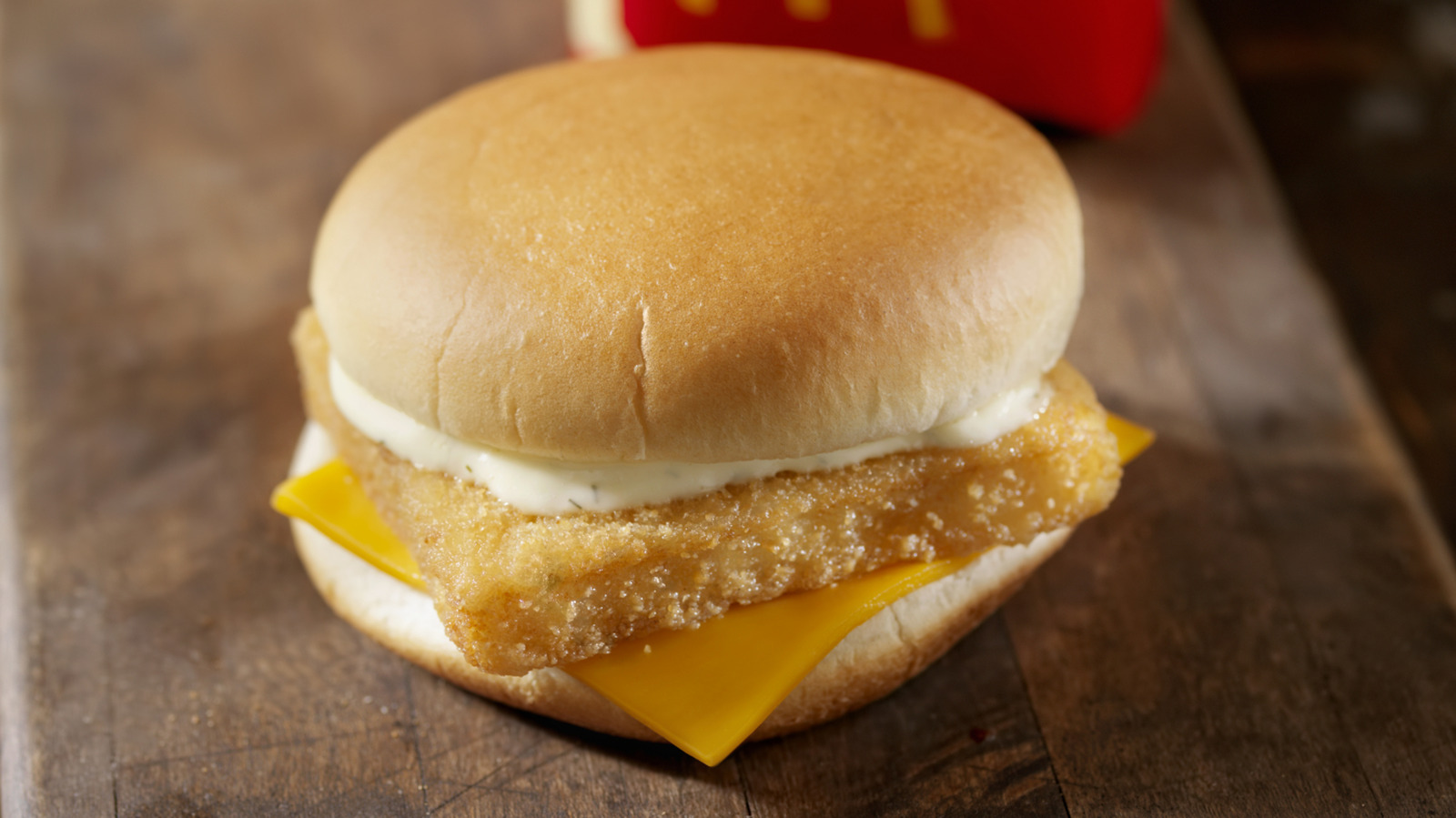
The McDonald’s Filet-O-Fish, a menu staple since its permanent introduction in 1965, has cultivated a loyal following for its consistent and comforting profile. The sandwich features a steamed, soft bun that cradles a square patty of Alaskan pollock. This patty is typically coated in a light breading. The defining elements of the Filet-O-Fish are its toppings: a slice of American cheese, which melts slightly from the heat of the fish, and a generous dollop of sweet and creamy tartar sauce. This combination creates a harmonious blend of savory, sweet, and tangy notes, with the cheese adding a subtle richness and the tartar sauce providing a classic, familiar counterpoint to the mild fish. The soft, steamed bun contributes to a tender, yielding bite, making the sandwich easy to consume and delivering a cohesive, unified flavor experience.
In contrast, Burger King’s Big Fish sandwich, which has evolved from earlier iterations like the "Whaler" in the 1970s, offers a more robust and texturally diverse encounter. While it also uses Alaskan pollock, the preparation of the patty distinguishes it significantly. Burger King opts for a crispier panko breading, a Japanese-style breadcrumb known for its airy texture and ability to achieve a superior crunch when fried. This panko coating provides a noticeable textural contrast to the soft fish within, adding an engaging element to each bite. The Big Fish sandwich shares the tartar sauce with its McDonald’s counterpart, but its other accompaniments diverge. Instead of cheese, Burger King includes shredded lettuce and pickle coins. The lettuce introduces a fresh, crisp element, while the pickle coins bring a bright, vinegary acidity that cuts through the richness of the fried fish and tartar sauce. This interplay of textures and flavors creates a sandwich that is perceived as more dynamic and less uniformly soft than the Filet-O-Fish.
Furthermore, the bun itself plays a crucial role in the differing experiences. Burger King’s Big Fish is served on a toasted potato bun. Potato buns are known for their slightly sweeter flavor and a denser, yet still tender, structure compared to standard white buns. The toasting process adds an extra layer of texture and a subtle caramelized note. This sturdier bun is also better equipped to handle the larger size of the Big Fish sandwich, which, according to nutritional data, is a more substantial offering.
Nutritional Showdown and Preparation Variations
The differences in composition are reflected in the nutritional profiles of the two sandwiches. A typical McDonald’s Filet-O-Fish contains approximately 380 calories and 16 grams of protein. This places it as a moderate option for a fast-food meal. Burger King’s Big Fish, on the other hand, is a larger sandwich, coming in at around 570 calories and 19 grams of protein. This caloric and protein difference underscores the more substantial nature of Burger King’s offering, likely due to its larger fish patty, the panko breading, and the potato bun. The choice between the two can therefore also depend on individual dietary goals and preferences for a lighter or more filling meal.
The specifics of the breading are a key differentiator. While both use a form of breading, the panko used by Burger King is designed for maximum crispiness. This type of breading, with its larger, flakier crumbs, absorbs less oil during frying and retains its texture longer, contributing to a more satisfying crunch. McDonald’s breading, while effective, tends to be finer and can result in a softer exterior, especially when combined with the steamed bun. The tartar sauce, a universally recognized accompaniment to fish, also likely varies in its precise formulation between the two chains, with McDonald’s describing theirs as "sweet-creamy" and Burger King’s contributing to the overall tang and moisture of their sandwich.
The Impact of Sourcing: Wild-Caught vs. Farm-Raised
Beyond the assembly of the sandwich, the provenance of the Alaskan pollock itself can contribute to subtle yet significant flavor nuances. McDonald’s has publicly stated that its Filet-O-Fish utilizes wild-caught Alaskan pollock. This designation is important in the culinary world. Fish that live in their natural marine environments tend to have more varied diets, consuming a range of crustaceans, algae, and smaller fish. This diverse diet is often associated with higher levels of omega-3 fatty acids and a more complex, desirable flavor and texture profile. The freedom to roam and forage in the open ocean can also lead to a firmer, more robust flesh.
Burger King, on its official website and in its marketing materials, does not always specify whether its Alaskan pollock is wild-caught or farm-raised. While it is common for large chains to source ingredients from various suppliers and regions, the distinction between wild-caught and farm-raised fish can indeed impact taste and texture. Farm-raised fish are typically raised in controlled environments, which can lead to a more consistent but potentially less nuanced flavor profile. The controlled diet in aquaculture settings may not impart the same depth of flavor that a wild diet does. If Burger King’s pollock is indeed farm-raised, this could be another factor contributing to the perception of a milder or less complex fish flavor compared to the wild-caught variety used by McDonald’s, which then relies more heavily on its breading and toppings to create a distinctive taste.
Historical Context and Competitive Landscape
The fast-food fish sandwich market has a rich history, with both McDonald’s and Burger King playing significant roles. The Filet-O-Fish, introduced by entrepreneur Lou Groen in Cincinnati in 1962 as a way to cater to Catholic customers during Lent, was such a success that it was adopted nationwide by McDonald’s in 1965. Initially, the sandwich was not made with Alaskan pollock but with halibut, a testament to the evolving ingredient sourcing and cost considerations in the fast-food industry. The widespread adoption of the Filet-O-Fish as a permanent menu item was a pioneering move that helped establish the fast-food fish sandwich as a viable and popular category.
Burger King responded to this burgeoning market with its own fish sandwich offerings. The "Whaler," first introduced in the early 1970s, was Burger King’s attempt to capture a share of the growing demand for seafood options in the fast-food landscape. This sandwich, however, was eventually discontinued, making way for the current Big Fish sandwich. The evolution of these sandwiches reflects the dynamic nature of the fast-food industry, where chains constantly adapt their menus to consumer preferences, ingredient availability, and competitive pressures. The enduring popularity of both the Filet-O-Fish and the Big Fish demonstrates the sustained consumer appetite for convenient and accessible seafood options.
Consumer Perceptions and Expert Opinions
Consumer sentiment and critical reviews offer further insights into the perceived differences between the two sandwiches. Online forums and food blogs frequently feature discussions comparing the two offerings. Many consumers express a preference for Burger King’s Big Fish, often citing its superior crispiness due to the panko breading and the refreshing addition of lettuce and pickles. For instance, in one Reddit thread, a user commented, "I was shocked at how good their fish sandwich was. It totally blows away McD’s fish sandwich." Another commenter added, "And it does all this without cheese," highlighting the perceived success of Burger King’s topping choices.
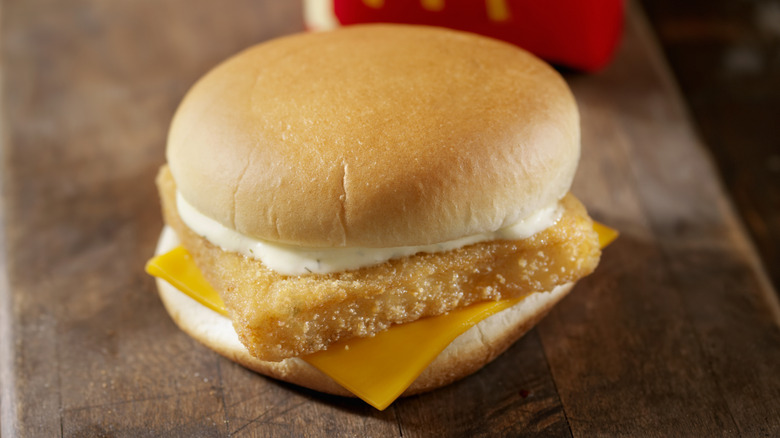
However, the Filet-O-Fish also retains a devoted fanbase. Supporters often praise its classic, comforting taste and the unique interplay of American cheese and tartar sauce. As one Redditor put it, "The fish is very light and decently flakey. It’s a bit unusual to have a slice of American cheese on fish with tartar sauce but it actually works and tastes good." This highlights how subjective taste preferences can be, with some appreciating the savory richness of the cheese and others preferring the tangy crunch of pickles.
Professional culinary assessments also weigh in. In a comprehensive ranking of fast-food fish sandwiches, Tasting Table’s review noted that the Burger King Big Fish narrowly edged out the McDonald’s Filet-O-Fish. The assessment suggested that the Filet-O-Fish’s flavor was somewhat understated, relying heavily on its toppings. The Big Fish, conversely, was praised for its "slightly crispier bite" due to the panko breading, giving it a textural advantage. This analysis underscores the idea that while the Filet-O-Fish offers a classic, cohesive experience, the Big Fish provides a more engaging textural and flavor contrast.
Emulating Favorites and Future Considerations
For consumers who appreciate certain aspects of one sandwich but desire elements from the other, customization offers a pathway to a personalized experience. Foodies have explored ways to enhance the McDonald’s Filet-O-Fish to mimic the textural complexity of the Big Fish. Popular modifications include adding lettuce and pickles to the Filet-O-Fish, thereby introducing the crisp and acidic notes that are hallmarks of Burger King’s offering. Some adventurous eaters even opt for a double patty Filet-O-Fish to increase the sandwich’s overall size and fish content, drawing closer to the substantiality of the Big Fish.
These modifications, however, come with an added cost. At respective locations in Chicago, a standard McDonald’s Filet-O-Fish currently retails for approximately $4.69, with a double-patty version costing $5.89. Burger King’s Big Fish sandwich typically runs for around $5.49. These price points reflect not only the ingredients but also the perceived value and market positioning of each sandwich.
The enduring rivalry between McDonald’s and Burger King in the fish sandwich arena highlights a fascinating aspect of the fast-food industry: the power of subtle differentiation. By carefully curating their ingredients, preparation methods, and accompanying components, these chains transform a common base ingredient into distinct and beloved menu items. Whether one prefers the soft, cheesy embrace of the Filet-O-Fish or the crispy, tangy crunch of the Big Fish, the choices made by these fast-food giants ensure a diverse and competitive landscape for seafood-loving consumers. The ongoing success of both sandwiches suggests that the demand for well-executed, convenient fish options remains strong, and that innovation, even within established formats, continues to captivate diners.
