
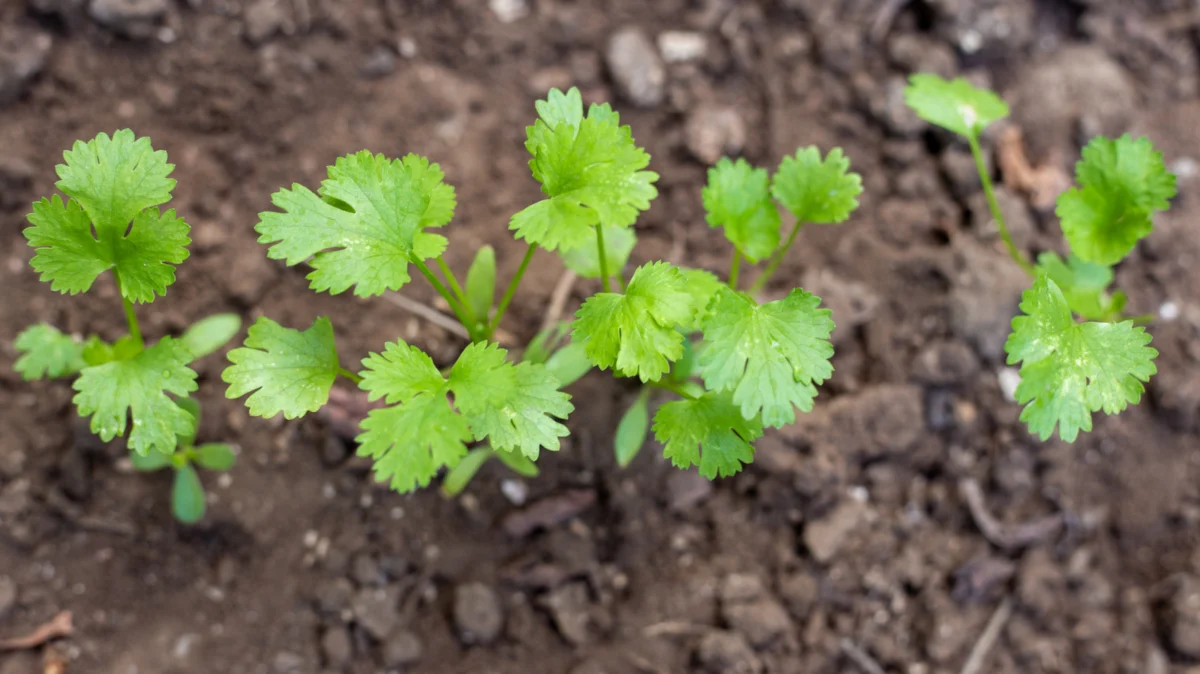
The quest for the perfect herb in the culinary world often leads home gardeners to the distinctive, polarizing flavor of cilantro. Whether it’s a beloved staple or a soapy anomaly, its unique taste profile makes finding a true substitute a significant challenge. For those cultivating this versatile herb in their own gardens, understanding and enhancing soil health emerges as the critical factor for achieving a robust and bountiful cilantro harvest. Fortunately, readily available and cost-free soil amendments, such as ericaceous compost, which boasts a pH of approximately 5, can effectively support the thriving growth of acid-loving plants like cilantro.
Cilantro thrives best under conditions of full sun and cool weather. However, beyond environmental factors, maintaining the correct soil pH is paramount for cultivating a healthy cilantro crop. This herb has specific requirements, preferring well-draining soil with a pH range of 6.2 to 6.8, which leans towards the acidic side of the spectrum. A fundamental step toward achieving gardening success lies in accurately assessing the existing composition of your soil. While some garden plots may naturally offer optimal conditions, a simple pH test kit can provide invaluable insights, guiding gardeners on necessary adjustments. Such kits, like those available from Amazon, typically offer a cost-effective solution, with a 100-pack of test strips often priced around $8.95.
The importance of correct soil pH cannot be overstated. When cilantro plants are rooted in soil that is neutral or alkaline, their ability to absorb essential nutrients is significantly hampered. This nutrient deficiency can manifest as stunted growth, discolored foliage, and a generally weaker plant, ultimately impacting the yield and quality of the harvest.
Enhancing Soil Acidity Through Composting
To effectively increase the acidity of garden beds or container pots intended for cilantro, the strategic incorporation of compost rich in acidic materials is recommended. These organic components work to enrich the soil and gradually lower its pH, thereby creating a more favorable environment for cilantro cultivation. The creation of ericaceous compost is a straightforward process, utilizing common household and garden materials. Kitchen scraps, lawn clippings, and organic matter such as fallen leaves and pine needles are excellent additions to an acidic compost pile.
Crafting Acidic Compost for Optimal Growth
For the most productive cilantro yield, the key lies in the thoughtful addition of acidic elements to your compost. Materials such as oak leaves, pine needles, and coffee grounds can significantly enhance the quality and acidity of your compost pile. Other valuable acidic components include fruit peels, particularly those from citrus fruits like oranges and grapefruits, as well as diced onions, grass cuttings, straw, and even a light dusting of sawdust derived from untreated wood. The principle of balance is crucial; it is important to avoid overwhelming the compost with any single ingredient to ensure a well-rounded and effective amendment.
The application of this acid-enriched compost to cilantro planting areas involves a two-step process. First, the compost should be coarsely mixed into the top 8 to 12 inches of existing soil. Following this, a finishing layer of compost, approximately 3 to 4 inches thick, should be spread evenly over the soil surface. It is important to note that the acidic properties of ericaceous compost are not permanent. To maintain an optimal environment for your cilantro plants, it is advisable to reapply the compost several times throughout the year.
Harvesting Cilantro for Continued Growth
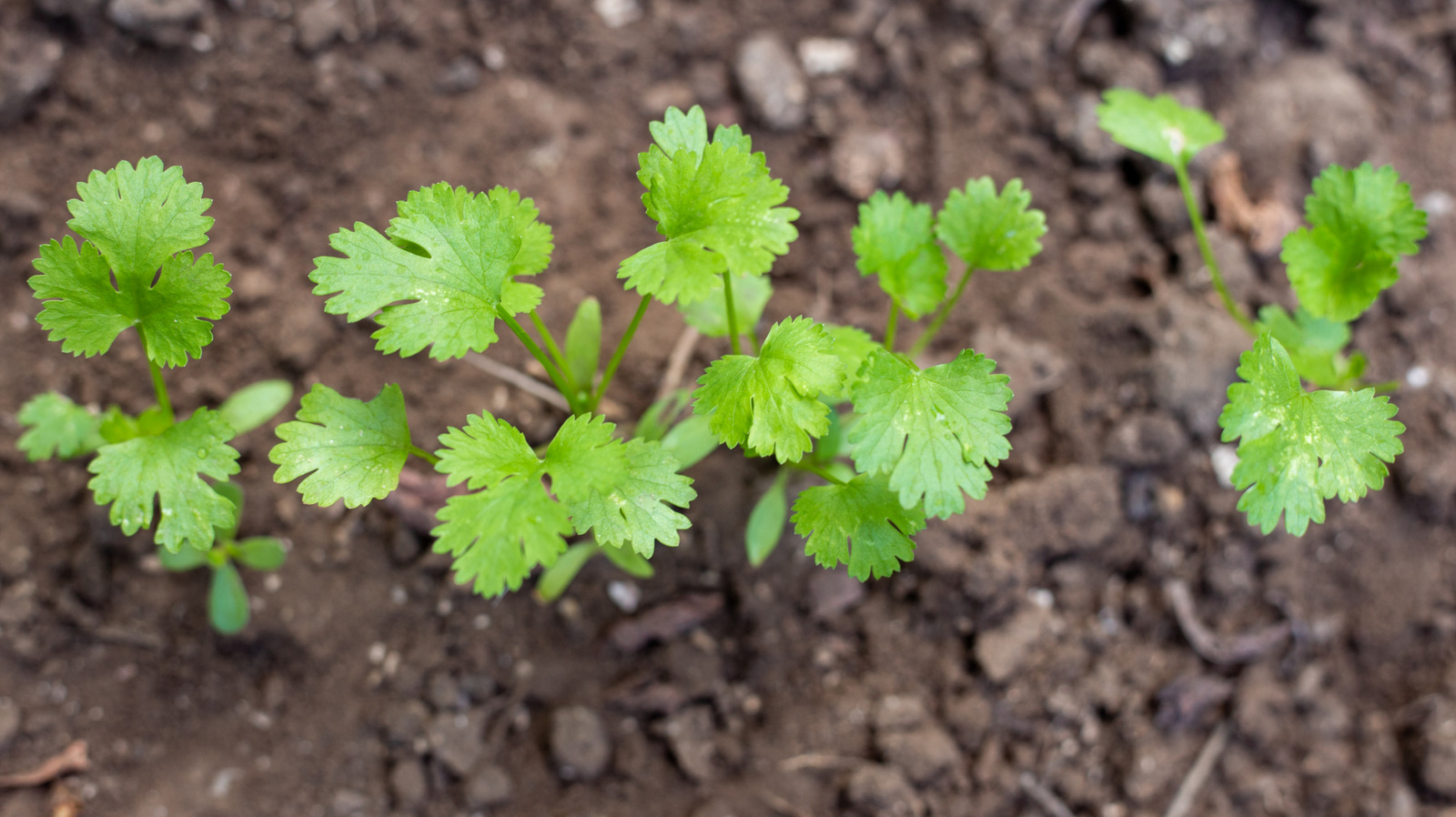
Cilantro plants are typically ready for harvest when their leafy stems reach a length of six to 12 inches. The harvesting process involves trimming these stems close to the ground. A key practice to ensure the plant’s continued health and vitality is to harvest no more than one-third of the plant at a time. This approach prevents undue stress and weakening of the plant, promoting ongoing growth and a sustained harvest.
Alternative Acidity Boost: The Lemon-Water Spritz
Beyond the practice of composting, an alternative and readily accessible DIY method for reducing soil pH involves a simple lemon-water solution. To prepare this, dilute two tablespoons of lemon juice in one gallon of water. This mixture can then be gently spritzed around the base of your cilantro plants. It is imperative to exercise caution and avoid misting the leaves directly, as the acidic nature of this tincture can potentially cause leaf burn.
Understanding Soil pH and Plant Nutrition
The scientific basis for optimizing soil pH for cilantro lies in the availability of micronutrients. Soil pH is a measure of the acidity or alkalinity of soil and is expressed on a scale of 0 to 14, with 7 being neutral. Values below 7 indicate acidity, while values above 7 indicate alkalinity. Different plants have evolved to thrive within specific pH ranges, as these ranges directly influence the solubility and uptake of essential nutrients by plant roots.
For cilantro, which prefers slightly acidic conditions (pH 6.2-6.8), nutrient availability is optimized within this range. In neutral or alkaline soils, certain essential micronutrients, such as iron, manganese, and zinc, become less soluble and thus less accessible to plant roots. This deficiency can lead to chlorosis (yellowing of leaves), reduced photosynthesis, and ultimately, inhibited growth. A soil pH test serves as a diagnostic tool, revealing whether the soil is too acidic, too alkaline, or within the optimal range for cilantro.
The Global Significance of Cilantro and its Cultivation
Cilantro, also known as coriander in many parts of the world, is a globally significant herb with a rich history of cultivation. Its leaves, often referred to as cilantro, and its seeds, known as coriander seeds, are integral to a vast array of cuisines, from Mexican and Indian to Thai and Middle Eastern. The demand for fresh cilantro in particular has seen a steady increase, driven by its popularity in fresh salsas, guacamole, curries, and as a garnish. This growing demand places a premium on efficient and effective home gardening techniques, enabling individuals to supplement their culinary needs and reduce reliance on commercially grown produce.
The cultivation of cilantro can be influenced by a multitude of factors, including temperature, sunlight, water, and soil conditions. While its preference for cooler weather is well-documented, its sensitivity to soil pH is a less commonly emphasized, yet critical, aspect of successful cultivation. Research published in horticultural journals has consistently highlighted the correlation between soil pH and the nutrient uptake efficiency in various plant species. Studies on leafy greens, including herbs like cilantro, have demonstrated that deviations from the optimal pH range can lead to significant reductions in yield and quality. For instance, a study by the University of California, Davis, on herb cultivation indicated that maintaining a soil pH between 6.0 and 7.0 was crucial for maximizing the growth and essential oil content of several common herbs.
The Economic and Environmental Implications of Soil Management
Effective soil management, including the use of organic amendments like ericaceous compost, carries both economic and environmental benefits. Economically, it reduces the need for synthetic fertilizers and soil conditioners, which can be costly. By utilizing readily available organic materials, gardeners can significantly cut down on their input expenses. Environmentally, the use of compost improves soil structure, increases water retention, and reduces soil erosion. Furthermore, composting diverts organic waste from landfills, contributing to waste reduction and the creation of a circular economy model within the home garden.
The practice of improving soil pH through natural amendments also aligns with the principles of sustainable agriculture. By fostering a healthy soil ecosystem, gardeners can cultivate crops with greater resilience to pests and diseases, thereby minimizing the need for chemical pesticides. This holistic approach to gardening not only benefits the individual gardener but also contributes to the broader goal of environmental stewardship.
Expert Perspectives on Herb Cultivation
Horticultural experts often emphasize the foundational role of soil health in successful herb gardening. Dr. Emily Carter, a renowned botanist specializing in culinary herbs, states, "The soil is the engine of plant growth. For herbs like cilantro, which have specific nutritional requirements, understanding and managing soil pH is not just a recommendation; it’s a necessity for optimal performance. Simple, organic solutions like incorporating acidic compost are incredibly effective and accessible to most home gardeners."
The challenges associated with cilantro cultivation, such as its tendency to bolt (prematurely flower and set seed) in hot weather, can be exacerbated by suboptimal soil conditions. When plants are stressed due to nutrient deficiencies or incorrect pH levels, they are more likely to bolt, reducing the harvestable leafy portion. Therefore, addressing soil health proactively can also contribute to extending the harvesting period.
Conclusion: A Holistic Approach to Cilantro Cultivation
In conclusion, cultivating healthy and productive cilantro plants hinges on a comprehensive understanding of their environmental needs, with soil pH being a particularly critical factor. By implementing simple yet effective strategies such as testing soil pH and incorporating ericaceous compost, home gardeners can create an ideal growing environment. The use of kitchen scraps, fallen leaves, and coffee grounds to create nutrient-rich, acidic compost not only benefits the cilantro but also promotes sustainable gardening practices. Coupled with proper harvesting techniques and an awareness of alternative methods like the lemon-water spritz, enthusiasts can look forward to a more abundant and flavorful cilantro harvest, enriching their culinary creations and their connection to the earth. This approach underscores the principle that a thriving garden begins with healthy soil, a fundamental truth that applies across a wide spectrum of plant life.
