
For decades, the fast-food landscape has been largely dominated by McDonald’s, a titan whose golden arches have become synonymous with American fast-casual dining. Yet, for a significant period, its most formidable rival, Burger King, stood as a true contender, a compelling alternative that offered a distinct flavor and experience. In the 1980s and 1990s, the competition between the two was fierce, often likened to the classic Coke versus Pepsi rivalry. Burger King was not merely a participant; it was a genuine challenger. However, a series of strategic missteps and a perceived decline in product quality over subsequent years led to a significant erosion of its brand identity and customer loyalty. This period of struggle allowed McDonald’s to widen its lead considerably, and even saw Wendy’s rise to surpass Burger King for the second-place position in market share and sales. Now, after years of navigating a challenging market and a fractured brand image, Burger King appears to be embarking on a significant turnaround, placing a renewed emphasis on the very element that once defined it: the quality and distinctiveness of its food.
The "Reclaim the Flame" Initiative: A Multi-faceted Revival
Burger King’s ambitious comeback strategy, officially launched in 2022 under the banner "Reclaim the Flame," is a comprehensive effort designed to address critical issues identified through extensive market research. The company acknowledged that outdated restaurant aesthetics and inconsistent, slow service were primary deterrents for many customers who had either defected to competitors or reduced their patronage. To rectify this, Burger King has committed substantial financial resources, reportedly in the hundreds of millions of dollars, toward a dual approach of modernizing its physical locations and streamlining its operational procedures. This significant investment aims to create a more appealing and efficient dining environment for customers.
However, the "Reclaim the Flame" initiative extends far beyond superficial upgrades. Recognizing that lasting loyalty is built on more than just a fresh coat of paint and faster service, Burger King is strategically pivoting to enhance the core of its offering: the food itself. This renewed focus on culinary quality is manifesting in several ways, including the introduction of premium, limited-run menu items. A notable example is the Peppercorn BLT Whopper, a deliberately crafted offering designed to showcase elevated ingredients and flavor profiles. This culinary experimentation is complemented by a significant overhaul of the brand’s marketing efforts, signaling a broader commitment to recapturing consumer attention and trust.
A Bold Marketing Gambit: Honesty and Direct Engagement
A pivotal moment in Burger King’s current revival narrative arrived with a striking advertising campaign unveiled during the Academy Awards ceremony in March. Titled "There’s A New King And It’s You," the advertisement marked a decisive break from the past by symbolically retiring the long-standing "King" mascot. More significantly, the commercial featured Burger King President Tom Curtis addressing the brand’s perceived failures and decline in quality directly and candidly. Curtis revealed that he had personally solicited feedback from customers by offering his private phone number, a move that generated considerable public interest and demonstrated a commitment to direct accountability.
This strategy of transparently acknowledging shortcomings and promising improvement bears a striking resemblance to a highly successful campaign by Domino’s Pizza in 2010. At that time, Domino’s, facing its own customer loyalty crisis, launched a campaign that openly admitted its pizza was not up to par and vowed to do better, introducing a completely revamped recipe. This bold move is widely credited as a turning point for Domino’s, leading to a remarkable resurgence. Notably, Tom Curtis was an executive at Domino’s during that transformative period, lending significant credibility to his current approach at Burger King. The parallels suggest a deliberate adoption of a proven strategy, aiming to leverage customer trust through radical honesty.
Reimagining the Core Offering: The Whopper and Beyond
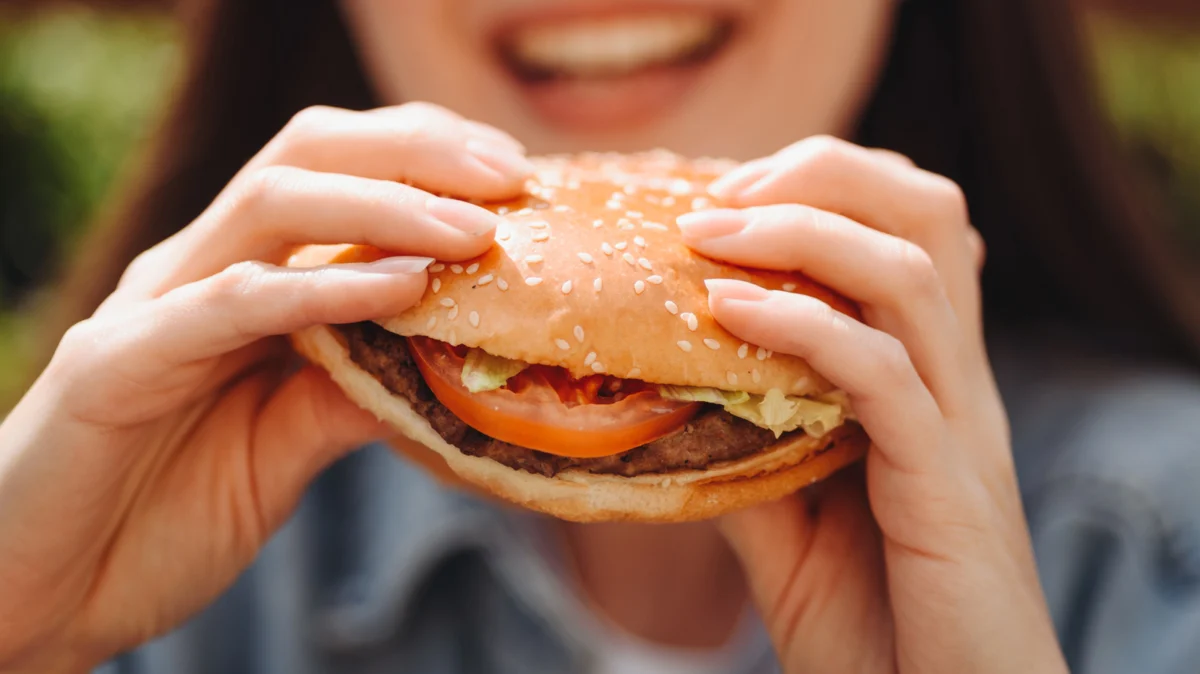
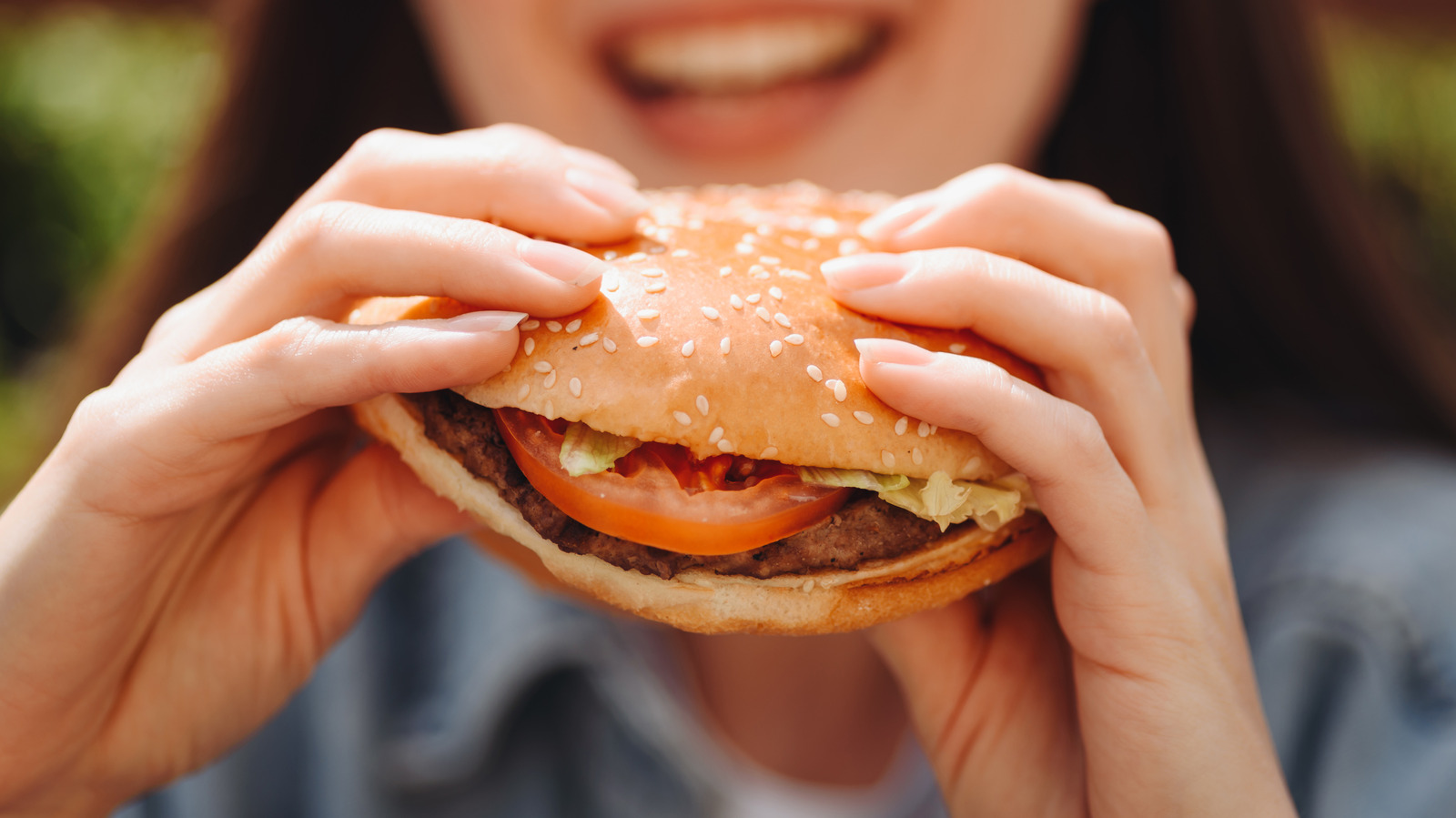
Burger King’s promise of improvement is not merely a marketing slogan; it is backed by tangible product development and operational adjustments. The company has reportedly dedicated years to refining its iconic Whopper. This meticulous process has involved the development of a new "premium" bun, designed to offer a superior texture and taste, and attention to minute details such as improved packaging. The goal of this enhanced packaging is to ensure the burger arrives at the customer’s table in optimal condition, preventing the common issue of squashing that can detract from the eating experience.
Beyond the bun, Burger King is also addressing the fundamental preparation of its burgers. Curtis’s direct customer engagement revealed inconsistencies in how employees across different franchises prepared burgers, leading to significant variations in final product quality. To combat this, Burger King is implementing more standardized and rigorous preparation protocols to ensure a consistent, high-quality Whopper regardless of location. Furthermore, the chain is actively exploring and testing new recipes for other key menu items, including its french fries, onion rings, and chicken nuggets. While these broader menu innovations have so far seen limited rollout, primarily in select Canadian markets, they signal a holistic approach to elevating the entire Burger King dining experience.
Quantifiable Successes and Positive Market Signals
While it is still relatively early in Burger King’s comprehensive turnaround effort, the initial results are beginning to paint a promising picture. The bold advertising campaign has demonstrably resonated with consumers, leading to a noticeable surge in sales. Anecdotal evidence, such as social media posts depicting long lines at Burger King drive-thrus, suggests a renewed public interest and willingness to patronize the brand.
Even prior to the widely publicized advertising push, there were encouraging indicators that the strategic investments in store modernization and operational enhancements were yielding positive outcomes. Restaurants that have undergone renovations have reported significant double-digit increases in sales. This indicates that the physical improvements are directly contributing to a better customer experience and, consequently, improved financial performance.
Crucially, Burger King’s growth trajectory has begun to outpace the overall market for fast-food burgers. For nine of the last twelve quarters, the chain has demonstrated growth exceeding that of its competitors. This sustained period of outperformance is a significant achievement after years of lagging behind rivals like McDonald’s and Wendy’s. Internally, metrics tracking customer satisfaction have also shown a marked improvement. Specifically, the company’s internal assessments of Whopper quality have seen a notable uptick over the past few years, suggesting that the product development and standardization efforts are translating into a better-tasting burger for consumers.
Consumer Buzz and the Power of Social Proof
The impact of Burger King’s transformation is not solely reliant on internal metrics or company pronouncements. A growing body of evidence from consumer feedback platforms, particularly online forums and social media, indicates a tangible shift in public perception. Discussions on platforms like Reddit, dedicated to fast-food enthusiasts, reveal a burgeoning appreciation for the changes being implemented.
One particularly resonant comment on a Reddit thread highlighted the revitalized Whopper, with a user declaring, "The new whopper is S tier." This sentiment was echoed by other commenters who reported a significant increase in their Whopper consumption. One individual noted, "I have eaten more of the new Whoppers in the last 2 weeks than I ate all of last year." Another patron, who hadn’t had a Whopper in approximately four years, reported, "I actually tried the Whopper yesterday. First time I’ve had one in probably 4 years and it was really good." This individual further elaborated on the extent of the change, stating, "Was never a burger King fan. I’ve had it 5 times in the past 3 weeks. That’s about the same amount of times I ate there in the previous 8 years combined. The new Whopper is legit."
These anecdotal accounts, while not scientific data, collectively illustrate a powerful phenomenon: the return of customer interest and satisfaction driven by a perceived improvement in product quality. The fact that individuals who had largely abandoned the brand are now returning and actively praising the changes underscores the effectiveness of Burger King’s focus on core product enhancements.
Analyzing the Implications: A Long Road to Redemption
Burger King’s current resurgence, while promising, faces the inherent challenges of a long-term turnaround. The fast-food industry is intensely competitive, with established players constantly innovating and customer preferences evolving. The success of the "Reclaim the Flame" initiative hinges on Burger King’s ability to sustain its momentum and consistently deliver on its promises.
The strategic decision to emulate Domino’s highly successful transparency-driven campaign, spearheaded by an executive who was instrumental in that previous success, is a calculated risk. It leverages a known playbook for rebuilding trust but also sets high expectations. The immediate positive reception is encouraging, but the true test will be in the long-term retention of customers and the ability to attract new ones who may have previously overlooked the brand.
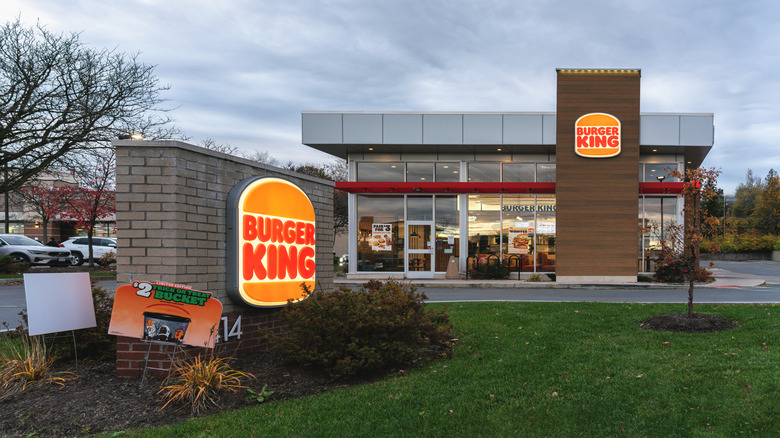
The substantial financial investment in store modernization and operational improvements suggests a deep commitment from parent company Restaurant Brands International (RBI). The success of these upgrades, as evidenced by the double-digit sales increases in revamped locations, indicates a strong return on investment. However, the sheer scale of Burger King’s global footprint means that the complete overhaul of thousands of restaurants will be a protracted and costly endeavor.
Furthermore, the ongoing testing of new recipes for fries, onion rings, and nuggets suggests a broader ambition to re-evaluate and potentially elevate the entire menu. If successful, these innovations could further differentiate Burger King and broaden its appeal. The current focus on the Whopper as the flagship product is a sound strategy, but a consistently strong supporting cast of side items and other core offerings will be crucial for sustained market leadership.
While it is premature to definitively declare Burger King’s reinvention a complete success, the tangible improvements in food quality, service consistency, and customer engagement, coupled with positive market performance and enthusiastic consumer feedback, represent the most significant forward momentum the brand has experienced in decades. The chain is undeniably on the right track, having rediscovered the fundamental principle that in the competitive world of fast food, taste and quality remain paramount. The coming years will reveal whether Burger King can fully reclaim its former glory and establish a lasting presence as a formidable competitor once again.
