
Costco’s renowned food court, a beacon of affordable dining within the warehouse giant’s expansive retail landscape, consistently draws a devoted following, largely attributed to its strategically priced menu items. These offerings function as a powerful customer loyalty driver, a "loss leader" that entices shoppers to linger and potentially make additional purchases. Among the beloved treats, both within the food court and the in-store bakery, the chocolate chip cookie stands out. However, discerning customers and culinary observers have noted a significant and consistent divergence in taste and texture between these two seemingly identical confections. This difference, it appears, is not a matter of perception but a direct consequence of the distinct ingredients employed in their preparation, specifically the choice between butter and oil.
The Great Cookie Divide: Butter vs. Oil
The divergence in Costco’s chocolate chip cookies has become a frequent topic of discussion among patrons and online communities. A popular thread on Reddit, a digital forum where Costco enthusiasts frequently share insights, posed the question: "Costco’s food court chocolate chip cookies, are they different than the ones they sell inside at the bakery?" The consensus among users was a resounding affirmation. Further details emerged from comments purportedly made by individuals identifying as Costco employees. One such comment illuminated the core of the disparity: "The cookies in bakery are made with oil. The cookies in food court are made with butter."
This fundamental ingredient substitution has profound implications for the final product. The culinary world recognizes that butter and oil, while both fats, contribute uniquely to the flavor profile, texture, and overall baking characteristics of a cookie. Butter, with its complex fatty acid composition and water content, contributes a richer, more nuanced flavor and can promote a desirable crispness on the exterior while maintaining a tender interior. Oil, on the other hand, tends to produce a chewier, denser cookie, often with a less pronounced buttery aroma. The differing melting points and structures of butter and oil also influence how a cookie spreads during baking and its final mouthfeel.
Unpacking the Sensory Differences: Texture, Flavor, and Caloric Considerations
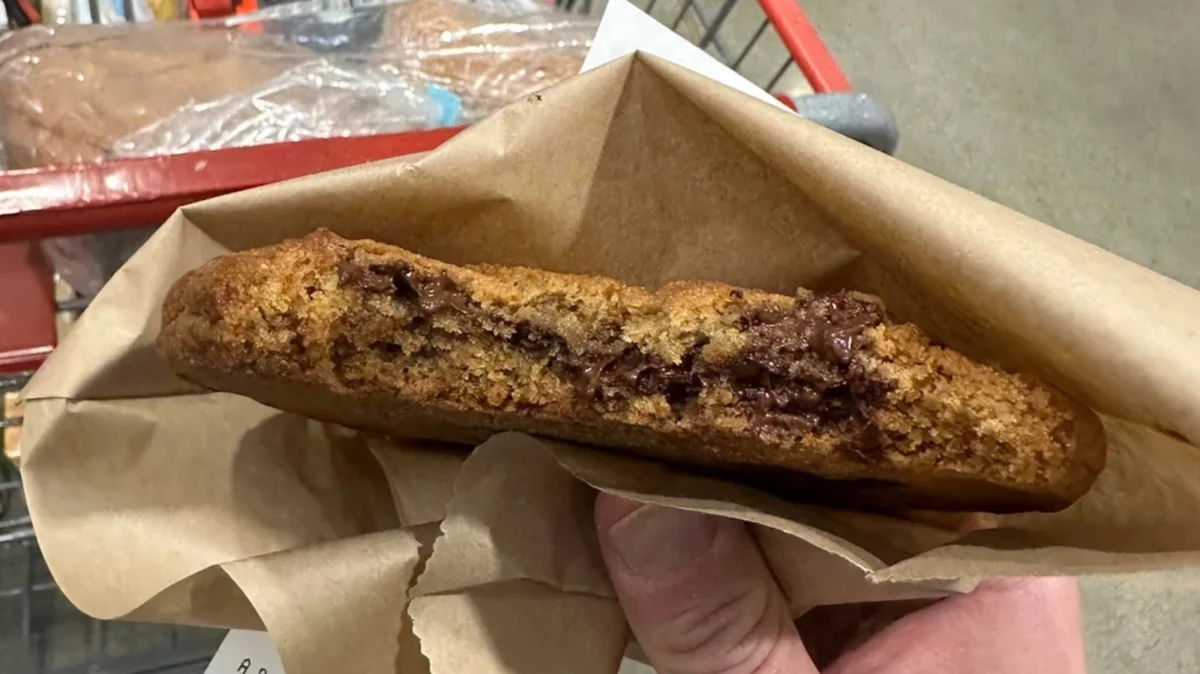
The anecdotal evidence from consumers and the ingredient distinction paint a clear picture of the resulting sensory experiences. Reddit users have elaborated on these differences, with many describing the food court cookie as possessing a superior texture, characterized by a satisfying crisp exterior that gives way to a chewy center. Conversely, these same users often note that the food court cookie, despite its textural appeal, may lack the familiar, comforting flavor profile associated with traditional butter-based baked goods.
In contrast, the bakery cookies, prepared with oil, are frequently described as having a consistently chewy texture throughout, lacking the distinct crispness of their food court counterparts. Some observers have also pointed out that the bakery cookies appear to contain a more generous distribution of chocolate chips. This observation, coupled with the textural preferences, has led some individuals to favor the bakery version.
However, the discussion is not solely about texture and flavor. A significant point of contention for some consumers revolves around the nutritional aspects of the food court cookie. Reports and analyses suggest that the food court cookie is notably larger in size and, consequently, carries a significantly higher calorie and sugar count compared to the individual cookies found in the bakery’s larger packages. This caloric density and sweetness level have been cited by some as making the food court cookie less appealing, despite its textural merits.
The Economics of Indulgence: Price Points and Portion Control
A compelling comparison was recently conducted by a TikTok user, who meticulously documented the differences between the bakery cookie offering and the food court cookie. This visual and comparative analysis provided concrete data points regarding the economic and physical disparities. The bakery cookies are typically sold in substantial boxes, weighing over two pounds and containing approximately 24 cookies, for a retail price of around $10. This translates to a cost of roughly $0.42 per cookie, a remarkably economical option for those seeking to stock up.
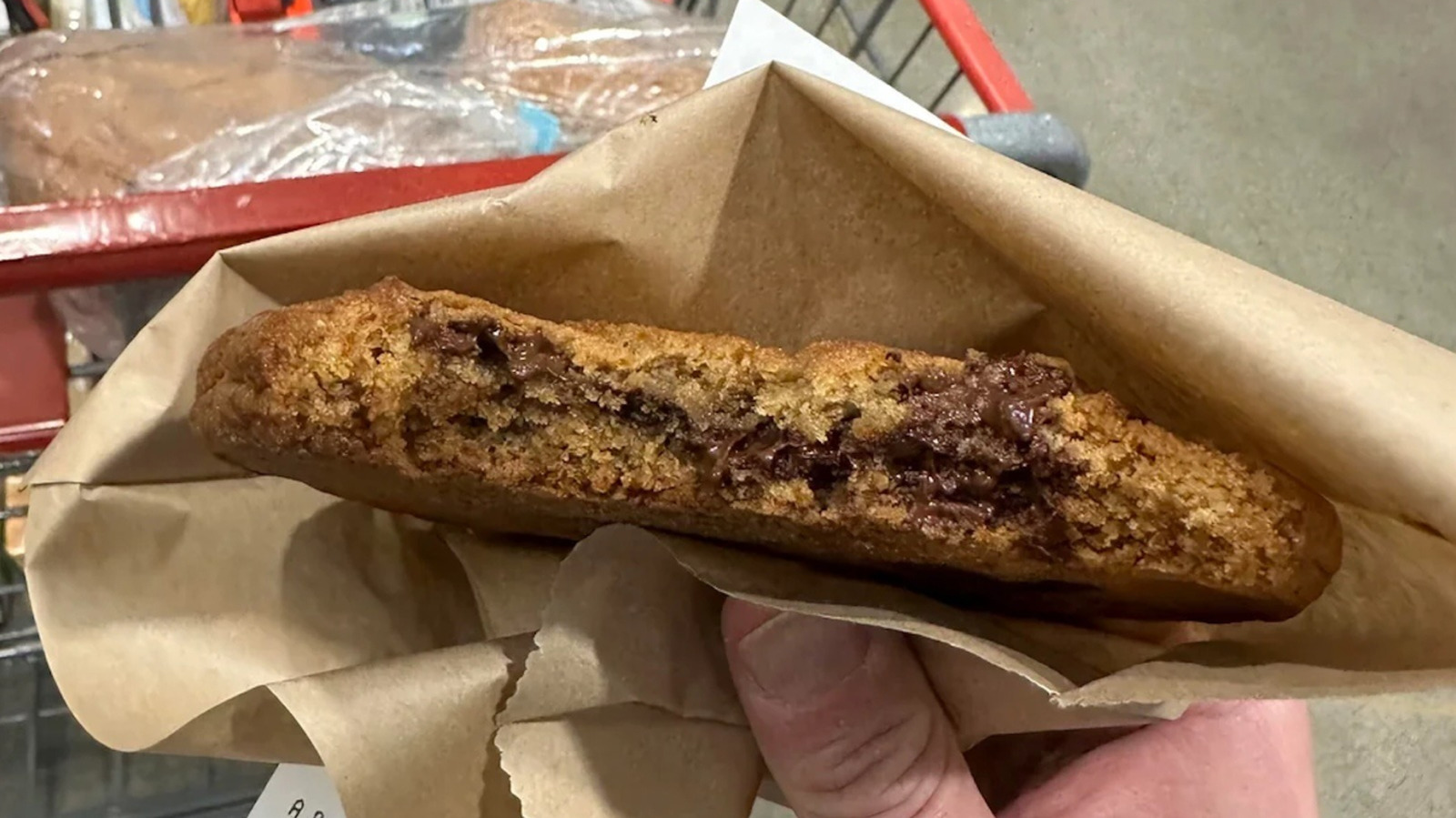
In stark contrast, a single chocolate chip cookie from the food court is priced at $2.49. While this price point might seem steep for a single cookie, the comparison reveals that the food court cookie is considerably larger than those found in the bakery box. This substantial size difference is a key factor in the perceived value proposition of each item. For consumers who desire a single, substantial treat, the food court cookie might suffice, whereas the bakery option provides a more economical solution for larger gatherings or for those who appreciate portion control by breaking down a larger cookie into smaller servings.
The TikTok comparison highlighted the textural nuances as well: the food court cookie’s signature crisp exterior and chewy interior versus the bakery cookie’s uniform chewiness. The perceived abundance of chocolate chips in the bakery version also factored into the TikTok creator’s personal preference. Ultimately, the choice between the two hinges on individual taste preferences, desired texture, and the intended consumption scenario.
Strategic Pricing and Customer Loyalty: The Costco Food Court Phenomenon
Costco’s commitment to maintaining low prices at its food court is a well-established business strategy. This approach is not merely about offering value; it is a deliberate tactic to foster customer loyalty and encourage repeat visits. The food court often serves as a destination within the store, a reward for shoppers who have navigated the aisles and made significant purchases. The exceptionally low prices on items like the famous $1.50 hot dog and soda combo, or the now slightly pricier but still iconic pizza slices, are designed to be a draw in themselves.
The chocolate chip cookie, whether from the bakery or the food court, plays a role in this ecosystem. By offering a consistently delicious and remarkably affordable treat, Costco cultivates a sense of gratitude and satisfaction among its members. This positive association with the brand extends beyond the food court, influencing overall shopping behavior and reinforcing the perception of Costco as a place that offers exceptional value.
The difference in the cookies, while perhaps a point of minor curiosity for some, underscores a larger principle: customization for different sales channels. The bakery, designed for bulk purchasing and at-home consumption, can offer a more cost-effective, albeit potentially less texturally varied, product. The food court, serving individual impulse purchases and immediate gratification, can afford to use a more premium ingredient like butter to elevate the sensory experience of a single serving, even at a higher individual price point. This nuanced approach allows Costco to cater to a wider range of consumer needs and preferences while adhering to its core value proposition.
Broader Implications: Ingredient Choices and Consumer Perception
The stark difference between the Costco food court and bakery chocolate chip cookies serves as a tangible illustration of how seemingly minor ingredient substitutions can lead to significant variations in taste and texture. This phenomenon is not unique to Costco; it is a fundamental principle in food science and culinary arts. The choice between butter and oil in cookie recipes, for instance, is a classic debate among bakers, each offering distinct advantages.
For consumers, this distinction highlights the importance of understanding ingredient lists and the impact they have on the final product. It also underscores the power of consumer perception and the role of online communities in disseminating information and fostering discussion. The extensive conversations on platforms like Reddit and TikTok demonstrate a heightened level of engagement and a desire among Costco members to understand the nuances of their favorite products.
In the broader context of the food industry, Costco’s strategy of differentiating products even within its own ecosystem, while maintaining a core promise of value, is a testament to its market understanding. The fact that both versions of the cookie have garnered significant praise, albeit for different reasons and by different segments of the customer base, speaks to the success of this dual approach. Whether a consumer prioritizes texture, flavor, price, or portion size, Costco offers a chocolate chip cookie that, in its own way, aims to satisfy. The ongoing debate and appreciation for these distinct cookies are likely to continue, solidifying their status as beloved, albeit subtly different, icons of the Costco experience.
