
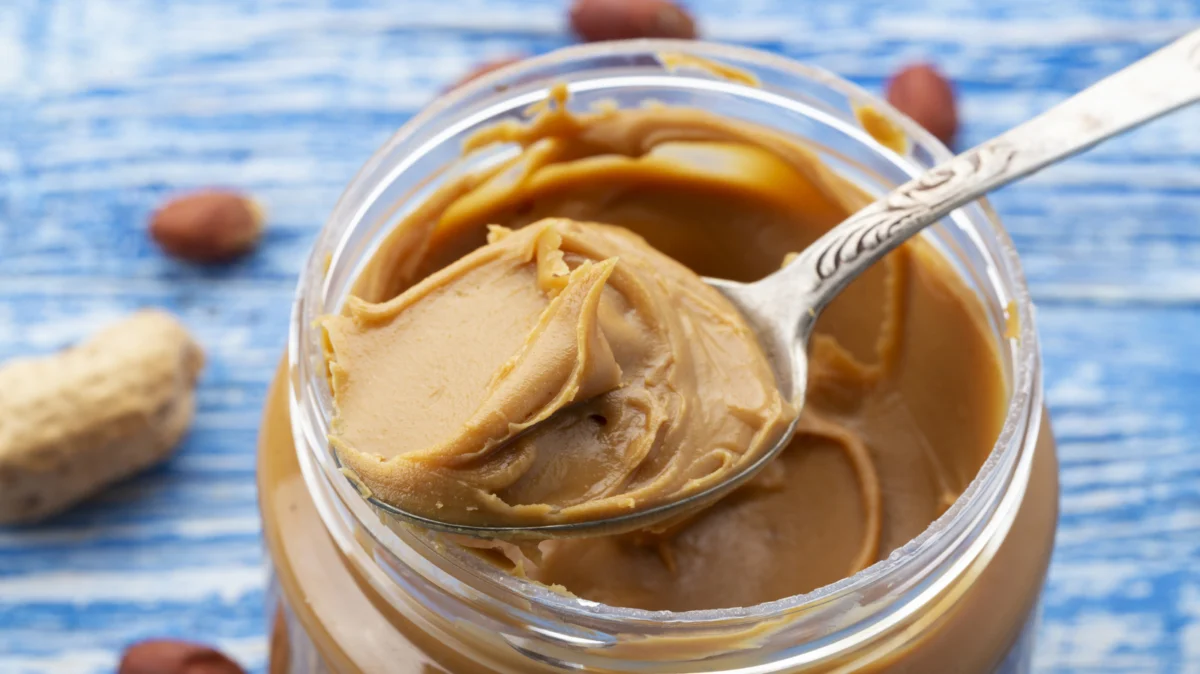
Peanut butter, a beloved staple in pantries worldwide, evokes a sense of comfort and nostalgia for many. Its versatility spans from simple toast toppings to intricate dessert recipes, making it a consistently high-demand item. For budget-conscious shoppers, warehouse clubs like Costco offer an attractive proposition, particularly when purchasing staple goods in bulk. However, not all bulk buys deliver on expectation, and a recent evaluation of peanut butter options at Costco has highlighted one classic brand that consumers might want to bypass: Skippy.
A comprehensive review conducted by Tasting Table, which meticulously tested various nut butters available at a local Costco, identified three recommendations for purchases and two to avoid. The venerable Skippy brand, a familiar sight on grocery shelves for generations, unfortunately, found itself on the latter list. While individual taste preferences are subjective and undeniable, the review’s findings suggest that Skippy’s classic formulation may not align with contemporary palates seeking more authentic peanut flavor profiles.
An In-Depth Look at Skippy’s Formulation and Flavor Profile
The Tasting Table review specifically examined the creamy variety of Skippy peanut butter. While its texture was described as "solid" and it performed admirably on toast, exhibiting a smooth glide and maintaining its structure, the flavor component was found to be wanting. The article notes that although Skippy is crafted from real roasted peanuts, its ingredient list includes additives such as sugar, salt, and hydrogenated vegetable oil derived from cottonseed, soybean, and rapeseed. According to the tester, these additions contribute to an artificial sweetness and a perceived lack of the genuine nutty essence characteristic of more natural peanut butter varieties.
This assessment is not an isolated sentiment. Online commentary from Costco shoppers echoes similar critiques. One reviewer on Costco’s website candidly described Skippy as tasting "like glue with peanut butter mixed in." Another shopper indicated a preference for offering Skippy to their pets, deeming it "too sweet" for human consumption. The Skippy Super Chunk variety, also available at Costco, reportedly garnered comparable reservations from the tester, reinforcing the recommendation to bypass both iterations.
Costco’s Peanut Butter Landscape: What to Buy and What to Skip
The evaluation aimed to guide consumers through the often-overwhelming selection of nut butters at Costco, particularly those seeking value and quality. While Skippy garnered a "skip" recommendation, the review highlighted several alternatives that performed significantly better. The Kirkland Signature brand, Costco’s in-house label, emerged as a strong contender. Specifically, the Kirkland Signature Organic Creamy Peanut Butter was lauded as the overall favorite. This product, priced at $11.69 for two 28-ounce jars, offers a more natural taste profile that resonated well with the reviewer.
For consumers seeking a more complex and nutrient-dense option, the NuttZo Organic 7 Nut & Seed Butter was also recommended. This alternative caters to those looking for a broader spectrum of flavors and nutritional benefits beyond traditional peanut butter.
Beyond these top recommendations, Costco’s inventory often includes other brands. As of the time of the review, Jif and a Kirkland Creamy Almond Butter were also noted as available options, providing further choices for shoppers who wish to steer clear of Skippy.
The Economics of Bulk Buying and the Skippy Value Proposition
Despite the taste-related critiques, it’s crucial to acknowledge Skippy’s significant advantage: its price point. Costco offers two 48-ounce jars of Skippy for a competitive $12.99, a considerably economical option for families or individuals who consume peanut butter frequently. This affordability makes Skippy a tempting choice, especially when compared to smaller, more premium brands.
The availability of Skippy for home delivery further enhances its accessibility for Costco members. This convenience, coupled with the attractive bulk pricing, creates a compelling value proposition that may outweigh taste concerns for some consumers. The article acknowledges this, suggesting that Skippy, while not the preferred choice for pure flavor, can still serve as a viable ingredient in various culinary applications where its taste is less prominent or its texture is advantageous.
Culinary Applications for Skippy Peanut Butter
The review offers practical suggestions for consumers who may still opt for Skippy or find themselves with a surplus. Its sweetness and texture can be advantageous in recipes where these characteristics are desired or masked by other ingredients. For instance, Skippy can be incorporated into decadent peanut butter pies and salted peanut butter bars, where its sweetness can complement other flavors. In smoothies, its taste is often diluted, making it a convenient addition. Furthermore, its thicker consistency makes it suitable for recipes that require a more robust peanut butter presence, such as three-ingredient thumbprint cookies or classic peanut butter balls.
Broader Implications and Consumer Choices
The evaluation of peanut butter brands at Costco reflects a growing consumer trend towards more natural and less processed food options. As awareness of ingredient lists and their impact on flavor and health increases, consumers are becoming more discerning about the products they purchase. The preference for brands that prioritize whole ingredients and minimize additives is evident in the success of products like Kirkland Signature Organic Creamy Peanut Butter and NuttZo.
The Skippy review highlights the ongoing dialogue between tradition and evolving consumer preferences. While Skippy represents a nostalgic brand for many, its formulation, which includes hydrogenated oils and added sugars, may no longer align with the expectations of a significant segment of the market seeking cleaner ingredient profiles.
The existence of a wide array of peanut butter options at retailers like Costco underscores the diverse needs and preferences of consumers. From budget-friendly classics to health-conscious alternatives, shoppers have the latitude to choose products that best suit their dietary requirements, taste inclinations, and culinary goals. The Tasting Table review serves as a valuable resource, offering data-driven insights to help consumers make informed decisions amidst this expansive marketplace.
The fact that Skippy, despite its flavor drawbacks according to the review, remains a popular and economically priced choice at Costco speaks to the complex factors that influence purchasing decisions. For some, the familiar taste and nostalgic associations may be paramount. For others, the cost savings and convenience of bulk purchasing will take precedence. However, for those prioritizing a more authentic peanut flavor and a cleaner ingredient list, the recommendations for Kirkland Signature and NuttZo offer compelling alternatives within the Costco ecosystem. Ultimately, the decision rests with the individual consumer, armed with information to navigate the diverse offerings and find their perfect peanut butter.
