
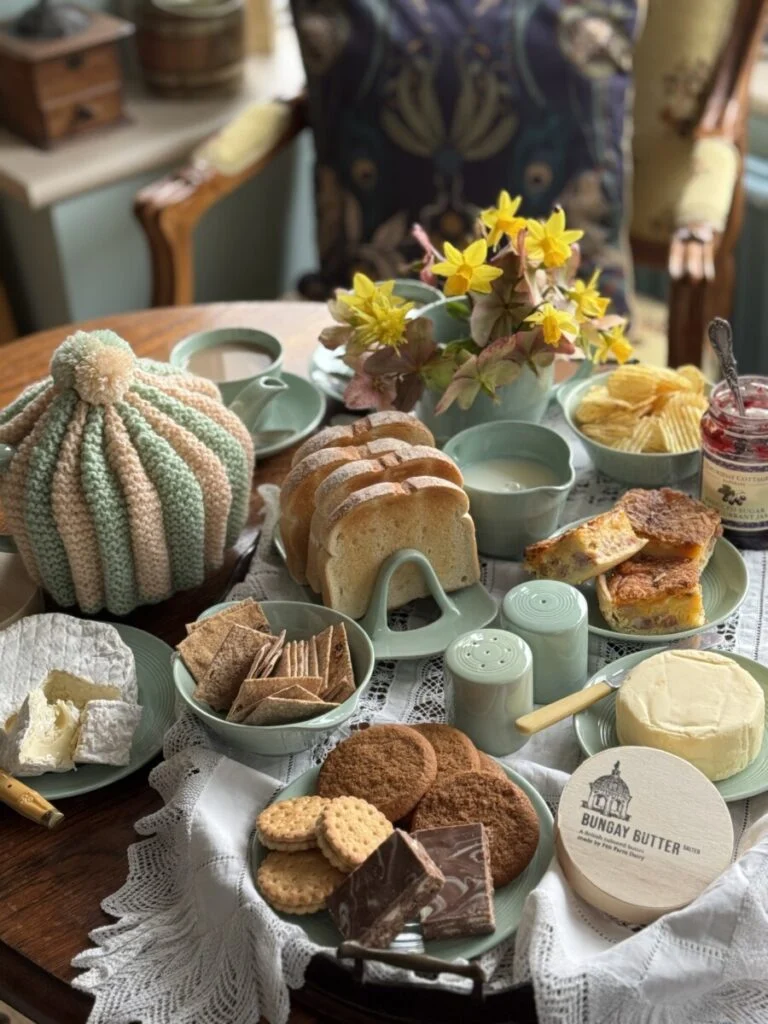
As England prepares to commemorate St. George’s Day on Thursday, April 23, 2026, culinary enthusiast Karen Burns-Booth of Lavender and Lovage is championing a resurgence of traditional English gastronomy. Her extensive collection of time-honoured recipes aims to inspire a broader celebration of England’s patron saint through its rich and diverse culinary heritage, challenging the perception of St. George’s Day as the United Kingdom’s least observed national saint’s day.

St. George’s Day: A Call for National Celebration

St. George’s Day, honouring England’s patron saint, often passes with less fanfare compared to its Celtic counterparts like St. Patrick’s Day in Ireland, St. Andrew’s Day in Scotland, or St. David’s Day in Wales. While these days are typically marked with vibrant cultural displays and public holidays, St. George’s Day has historically lacked a similar widespread, government-sanctioned recognition. This disparity is often cited as a missed opportunity to foster national pride and celebrate English identity. Karen Burns-Booth’s initiative through Lavender and Lovage seeks to address this by highlighting the accessible and comforting appeal of traditional English food. By encouraging people to engage with these dishes, she hopes to imbue the day with a tangible, delicious form of cultural observance.

The legend of St. George, a Christian martyr and Roman soldier, slaying a dragon to save a princess and a town, is deeply embedded in English folklore. This tale of heroism and virtue became a powerful symbol, leading to St. George’s adoption as England’s patron saint in the 14th century. English Heritage, a charitable organization dedicated to managing historical monuments, plays a significant role in preserving and promoting the history of St. George, offering educational resources such as podcasts detailing the saint’s storied past and his enduring legacy. Such efforts underscore a growing desire to elevate St. George’s Day beyond a mere date on the calendar.

A Shared Heritage: Beyond Borders and Battlefields

Burns-Booth thoughtfully points out that enjoying traditional English fare requires no English lineage. Just as many embrace a pint of Guinness on St. Patrick’s Day, a dram of whisky on St. Andrew’s Day, or Welsh cakes on St. David’s Day, the culinary traditions of England offer universal appeal. This perspective encourages a more inclusive appreciation of English culture, inviting everyone to partake in the flavours that have shaped the nation’s palate over centuries. The sentiment resonates with the idea that food is a powerful connector, transcending geographical and historical boundaries to forge shared experiences.

The Bard’s Birthday: A Fortuitous Coincidence

Adding another layer of cultural significance to April 23rd is its widely celebrated, albeit unconfirmed, status as William Shakespeare’s birthday. While the exact birth date of England’s most revered playwright remains a mystery, historical records show his baptism on April 26, 1564, at Holy Trinity Church in Stratford-upon-Avon. The Shakespeare Birthplace Trust, custodians of Shakespeare’s legacy, explains that baptisms typically occurred within three days of birth. This historical convention led to April 23rd being adopted as his birthday, a date that also marks his death in 1616. The coincidence of these two national figures sharing the same commemorative day further enriches the cultural tapestry of April 23rd, making it a dual celebration of English heroism and literary genius.

A Culinary Journey Through English Tradition

The collection curated by Lavender and Lovage provides a comprehensive exploration of English cuisine, encompassing both savoury and sweet dishes. It highlights the seasonal bounty of spring, incorporating ingredients like tender asparagus, earthy Jersey Royal new potatoes, pungent wild garlic, and tart rhubarb. This focus on seasonal produce underscores the historical connection between English cooking and its agricultural landscape, reflecting centuries of culinary practices rooted in local availability.

Savoury Staples: From Ancient Salads to Robust Roasts

The savoury section of the collection offers a journey through the heart of English comfort food and traditional fare.

-
Salads: Moving beyond simple greens, the collection features historical interpretations such as Elizabethan English Herb and Flower Salad with Honey Dressing, which harks back to an era where edible flowers and fresh herbs were staples. Alongside this, the Old Fashioned Roses and an English Garden Salad with Cheese and Eggs, and the English Apple and Walnut Salad demonstrate the long-standing tradition of incorporating diverse ingredients for texture and flavour. These salads speak to a more sophisticated, often forgotten, side of English greens.

-
Plate Pies: Pies are quintessential to English cuisine. The recipes include the 1950s Picnic Pie, a nod to post-war culinary ingenuity, alongside hearty classics like Cheese & Onion Plate Pie and Corned Beef Potato Pie. These demonstrate the versatility of the pie, serving as both a meal in itself and a portable feast.

-
Small Pies & Pasties: Further delving into handheld delights, recipes such as Coronation Pork & Pickle Picnic Pies, Lincolnshire Sausage, Sage & Onion Pies, and Cheese, Onion and Potato Pasties offer convenient and flavourful options. These reflect regional specialties and the historical necessity of portable, nourishing meals for labourers.

-
Stews and Casseroles: Representing true comfort food, the Traditional Oxtail Stew, Farmhouse Chicken & Vegetable Stew with Dumplings, and Sausage, Apple and Cider Casserole showcase the art of slow cooking. These dishes, often simmered for hours, deliver deep, rich flavours characteristic of traditional British home cooking.

-
Main Courses: Robust main dishes like Beef Wellington, Peppered Steak and Chips, and the Suffolk Gold Double Cheese Burger underscore the English appreciation for quality meats. Beef Wellington, in particular, stands as a testament to elaborate festive dining, while the burger represents a more modern, yet still distinctly regional, take on a classic.

-
English Cheese Recipes: Celebrating the nation’s diverse dairy heritage, recipes like Wild Garlic & Three Cheese Tomato Tart and Sourdough Cheese Wild Garlic Scones highlight the use of local cheeses, often combined with seasonal ingredients for a fresh twist. These dishes exemplify the tradition of incorporating dairy into both savoury and baked goods.

Sweet Delights: A Legacy of Baking and Puddings

The sweet side of English cuisine is equally celebrated, showcasing a rich baking tradition perfect for afternoon tea or dessert.

-
Scones: A cornerstone of the cream tea, the collection features Buckingham Palace Fruit Scones, Be-Ro Victoria Scones, and Small Batch Cream Tea Scones. These recipes explore variations on a beloved classic, from rich fruit-laden versions to lighter, more delicate options, all perfect with jam and clotted cream.

-
Tea Loaves: Easy to prepare and wonderfully moist, tea loaves like Sticky Marmalade Tea Loaf, Gingerbread Tea Loaf, and Old-Fashioned Ovaltine Tea Loaf offer comforting treats. These reflect a tradition of simple, flavourful cakes that pair perfectly with a cup of tea.

-
Fruit Cakes: From the hearty Fruit and Cherry Afternoon Tea Cake to the historically significant Wartime Eggless Fruit Cake (Vinegar Cake), these recipes speak to resourcefulness and the enduring appeal of fruit-filled bakes. The collection also includes other traditional fruit cake variations, showcasing their role in celebrations and everyday indulgence.

-
Victoria Sandwich & Sponge Cakes: The iconic Victoria Sandwich Cake, often filled with jam and cream, is a symbol of British baking. Variations like the Spring Posy Victoria Sandwich Cake with Lemon Curd and Madeira Cake demonstrate its adaptability and timeless appeal, often serving as a foundation for other celebratory cakes.

-
Fairy Cakes, Buns & Small Cakes: These smaller bakes, including Vanilla Butterfly Cakes, Princess Elizabeth Cakes, and Fantasy Fairy Cakes, evoke childhood nostalgia and the joy of simple, beautifully decorated treats. They highlight the tradition of individual portions for tea parties and gatherings.

-
Fruit Pies & Tarts: Lemon Meringue Pie, Bilberry Plate Pie, and Northumberland Gooseberry Plate Pie celebrate seasonal fruits encased in buttery pastry, offering a taste of regional specialities and classic desserts.

-
English Puddings: The collection ensures the survival of classic English puddings like Railway Pudding and Traditional Spotted Dick Pudding. These steamed or boiled desserts, often served with custard, are the epitome of hearty, comforting British fare.

-
Biscuits: From Traditional Easter Biscuits to the historical Fat Rascals and Empire Biscuits, these recipes showcase a range of biscuits suitable for any occasion, from festive treats to everyday accompaniments for tea.

-
Chocolate Recipes: Modern classics like 1960s Evaporated Milk Chocolate Cake, Fry’s Condensed Milk Chocolate Cake, and The Queen’s Chocolate Biscuit Cake illustrate the evolution of English baking to incorporate new ingredients and influences, while retaining a sense of tradition.

-
English Bread Recipes: The foundation of many meals, the bread section includes Overnight Farmhouse Wholemeal Bread Loaf, Traditional Mothering Buns, and Farmhouse "Spit Tin" Crusty Loaf. These recipes emphasize the importance of freshly baked bread in English homes, from rustic loaves to special occasion buns.

The Threat of Culinary Extinction and the Call to Action

Alarmingly, a recent online report highlighted by Ninja Kitchen identified a list of traditional British recipes facing extinction within the coming years. This "at-risk" list shockingly includes widely cherished classics such as Victoria sponge cake, rock cakes, scones, and jam tarts. The potential disappearance of these dishes signifies more than just a loss of recipes; it represents an erosion of culinary heritage, cultural identity, and intergenerational knowledge.

The implications of such a decline are profound. Traditional recipes are not merely instructions for cooking; they are edible narratives, telling stories of historical periods, regional ingredients, economic conditions, and social customs. Their potential extinction can be attributed to several factors: changing dietary preferences, the overwhelming availability of international cuisines, a decrease in home baking, and a generational gap in passing down culinary skills.

Karen Burns-Booth’s efforts on Lavender and Lovage, therefore, serve a crucial role in culinary preservation. By meticulously documenting and sharing these recipes, she provides a vital resource for home cooks and a platform for rekindling interest in England’s gastronomic past. Her work, alongside that of other food historians and culinary enthusiasts, contributes significantly to safeguarding these edible treasures for future generations.

On this St. George’s Day, April 23, 2026, the invitation stands open to embrace England’s rich culinary traditions. Whether through baking a batch of scones, preparing a hearty pie, or exploring a historic salad, food offers a uniquely engaging way to connect with and celebrate English heritage. It is a powerful reminder that culture, history, and national identity can be found and savoured in every bite. Happy St. George’s Day!
