
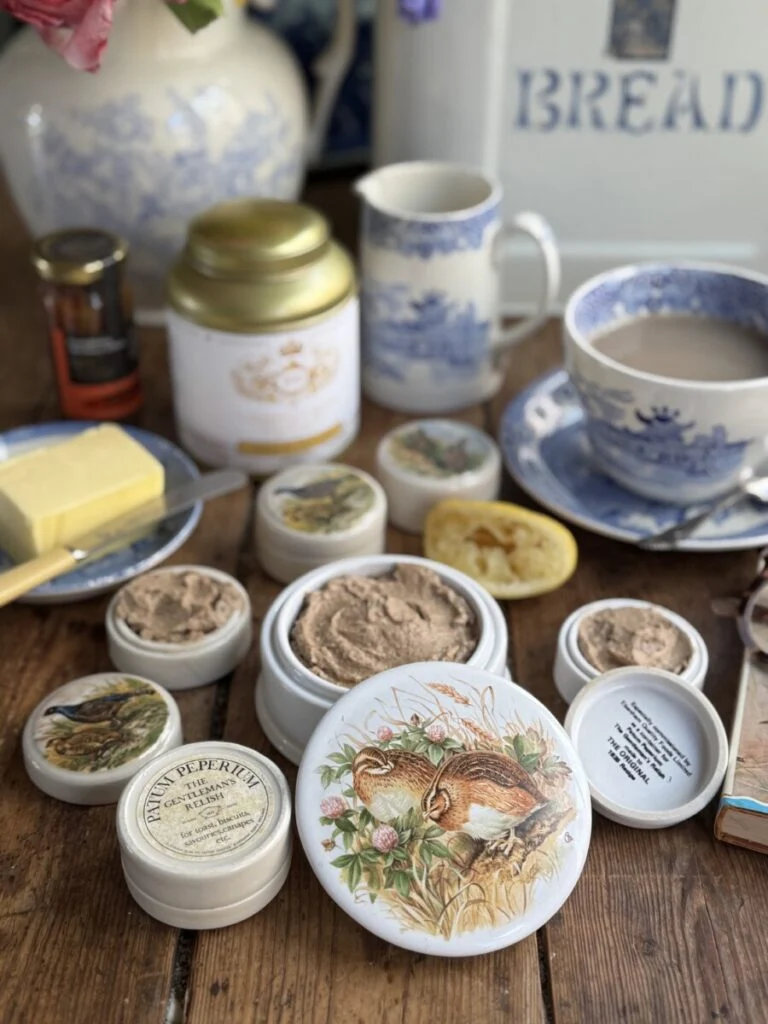
The culinary landscape of traditional British spreads recently faced a moment of uncertainty with the announced discontinuation of Patum Peperium, widely known as Gentleman’s Relish. This pungent, spicy anchovy paste, a staple on breakfast tables and in kitchens for nearly two centuries, prompted a significant outcry among its devoted followers, leading to a potential reversal of the decision. The news initially sent aficionados scrambling to secure dwindling stocks, highlighting the deep cultural and personal connections many hold with this iconic condiment.

The Discontinuation and Public Outcry
Weeks ago, the food world was met with the unsettling announcement that Patum Peperium, or Gentleman’s Relish, would no longer be produced. AB World Foods, the company responsible for its manufacture, confirmed the cessation of production earlier this year. This news was met with immediate dismay from a dedicated consumer base who cherish the spread’s unique, umami-rich flavour profile. Social media platforms buzzed with lamentations, and online retailers quickly sold out of remaining jars, underscoring the product’s unexpected commercial demand despite its niche status. For many, including long-time enthusiasts whose families had enjoyed the relish for generations, the prospect of losing such a distinctive British food item was a genuine culinary loss.

A Rich History: The Legacy of Gentleman’s Relish
Gentleman’s Relish boasts a storied past, having been first created by John Osborn in 1828. Marketed publicly in 1849 at the prestigious Paris Food Show, it quickly established itself as a sophisticated, albeit acquired, taste. The name "Patum Peperium" itself is mock-Latin for "pepper pâté," reflecting its spicy kick and paste-like consistency. Traditionally, the relish is a blend of anchovies, butter, herbs, and spices, pounded together to create an intensely savoury and salty spread. Its primary use has historically been on hot buttered toast, providing a robust flavour that many consider the perfect accompaniment to a morning meal or an afternoon tea savoury. Beyond toast, it has been subtly incorporated into scrambled eggs, sandwiches, and as a secret ingredient to impart depth to savoury sauces, stews, and casseroles, showcasing its versatility in British cuisine. Its enduring presence in delicatessens and fine food stores for nearly two centuries speaks volumes about its enduring appeal, particularly among those with a penchant for traditional, robust flavours.

Manufacturer’s Rationale and Market Realities
AB World Foods, in their statement regarding the discontinuation, cited commercial viability as the primary reason. A spokesperson articulated that "While we recognise that this Victorian relish has a niche and loyal following, it sadly does not have wider commercial appeal and, despite our best efforts, retailer distribution has dwindled." The company further explained, "With Gentleman’s Relish no longer commercially viable and unable to secure a buyer for the brand, we regrettably stopped production earlier this year." This rationale highlights a common challenge faced by heritage food brands in today’s fast-evolving market. Niche products, while deeply loved by a specific demographic, often struggle to compete with mass-market items in terms of shelf space, production costs, and marketing reach. The modern grocery landscape, driven by high turnover and broad consumer appeal, can be unforgiving to items with a limited, albeit passionate, following. The inability to secure a buyer further complicated matters, leaving AB World Foods with no apparent alternative but to cease production.

The Culinary Community’s Response
The news resonated deeply within the broader culinary community, where the preservation of unique and traditional flavours is often championed. Notable figures, such as acclaimed restaurateur Jeremy King, co-founder of Corbin & King and the force behind the recently reopened Simpson’s in the Strand, swiftly reacted. King, recognizing the relish’s importance, reportedly instructed his chefs to develop an in-house version of the pungent anchovy-based condiment. This proactive step by a high-profile industry leader underscored the cultural significance of Gentleman’s Relish beyond mere commercial metrics. It reflected a collective desire among chefs and food historians to safeguard the unique tastes that define British culinary heritage, viewing such products as integral to the gastronomic identity of the nation. The relish, with its distinctive flavour profile, offers a complexity that is difficult to replicate with modern ingredients or simplified processes, making its loss particularly keenly felt by those who appreciate the nuances of traditional food preparation.

The Power of the People: Petitions and Potential Reversal
The outpouring of consumer sentiment proved to be a powerful force. The news of the discontinuation spurred a grassroots movement, with numerous fans initiating petitions and actively engaging on social media platforms to express their disappointment and advocate for the relish’s return. This collective voice did not go unheard. Following the significant public outcry, AB World Foods issued an updated statement, offering a glimmer of hope for the future of Gentleman’s Relish. A spokesperson stated, “We have been blown away by the response from Gentleman’s Relish fans since we confirmed our decision to stop production. We are grateful to everyone who has taken the time to get in touch.” Crucially, the company added, “Given this strength of feeling, we are pleased to say that we are at the early stages of exploring options with several third parties who have expressed an interest in taking the brand forward.” This development suggests that consumer activism can indeed influence corporate decisions, particularly when a product holds significant nostalgic and cultural value for its audience. The potential reversal demonstrates the leverage a loyal, albeit niche, consumer base can wield in the digital age.

The Homemade Revival: A Culinary Act of Preservation
In the interim, before any official reversal, many devotees turned to the art of home cooking to recreate the beloved spread. For some, like the author of this recipe, the tradition of making Patum Peperium at home predates the recent discontinuation news. Having previously resided in France where the commercial product was unavailable, the author had meticulously preserved a homemade recipe dating back to 2012. This personal act of culinary preservation, now shared, offers a tangible solution for those missing the authentic taste. The homemade version, a blend of anchovies, butter, breadcrumbs, spices, black pepper, and lemon juice, aims to replicate the original’s complex flavour. While the homemade spread may differ slightly in colour from the commercially produced version—possibly due to a heating process employed by the original manufacturer—it delivers a remarkably similar flavour profile. Modern kitchen tools, such as a food processor, can streamline the traditional pounding process (historically done with a mortar and pestle), making it accessible for contemporary home cooks. The addition of capers, as suggested by the recipe’s author, further enhances the relish’s piquant notes, demonstrating how homemade versions can sometimes even evolve and adapt, offering new dimensions to a classic. This trend of home cooks reviving discontinued products highlights a broader movement towards culinary self-sufficiency and a deeper appreciation for traditional food preparation methods.

Broader Implications for British Heritage Brands
The saga of Gentleman’s Relish serves as a poignant reminder of the precarious position many British heritage brands occupy in the contemporary market. The news prompted reflection on other beloved, but potentially vulnerable, traditional products. The author, for instance, laments the loss of Bath Olivers, a favourite biscuit often paired with cheese, and expresses concern for the future of Geo Watkins’ mushroom ketchup and anchovy sauce – two more examples of distinctive British condiments with a long history. The challenges faced by these brands are multifaceted: evolving consumer tastes, increased competition from international products, the economics of small-scale production, and the difficulties in securing robust distribution channels against larger, more commercially dominant entities. When such brands disappear, it’s not merely the loss of a product but also the erosion of a piece of cultural history and a unique flavour profile that contributes to the rich tapestry of British gastronomy. The potential return of Gentleman’s Relish, therefore, offers a beacon of hope, suggesting that with sufficient public engagement and perhaps innovative business models, some of these cherished culinary traditions can indeed be preserved for future generations.

The Future of Patum Peperium
The future of Patum Peperium, or Gentleman’s Relish, currently hangs in a hopeful balance. The dialogue between AB World Foods and interested third parties represents a critical juncture for the brand. Should a successful agreement be reached, it would not only be a victory for the relish’s loyal followers but also a testament to the enduring power of consumer advocacy in shaping the market. It underscores the idea that sometimes, commercial viability isn’t solely about mass appeal, but also about the intense loyalty and cultural significance a product holds for a dedicated segment of the population. The potential revival of Gentleman’s Relish would ensure that this unique taste of British history continues to grace tables for years to come, either through traditional commercial channels or through the thriving community of home cooks dedicated to preserving its legacy.

Homemade Patum Peperium (Gentleman’s Relish) Recipe
This recipe offers a way to recreate the much-loved Patum Peperium at home, ensuring its unique flavour can continue to be enjoyed, especially on hot buttered toast.
Ingredients

- (Original recipe ingredients would be listed here, e.g., Anchovies, Butter, Capers, Breadcrumbs, Spices, Black Pepper, Lemon Juice)
Instructions
- Using a mortar and pestle, pound the anchovies, butter, and capers until they resemble a smooth paste. Alternatively, a small food processor can achieve this efficiently.
- Stir in the breadcrumbs, spices, black pepper, and lemon juice, ensuring all ingredients are thoroughly combined.
- Mix well and spoon the paste into large ramekins or traditional Gentleman’s Relish containers.
- Cover and chill before serving to allow the flavours to meld and the relish to firm up.
- Serve sparingly with scrambled eggs, on hot buttered toast, in sandwiches, or as a potent flavour "kick" to savoury sauces, stews, and casseroles.
Notes
The recipe for Gentleman’s Relish has remained a closely guarded secret since its invention by John Osborn in 1828. While its intensely salty blend of anchovies, butter, herbs, and spices might not appeal to all palates, it is treasured by many for its distinctive taste. It is wonderfully versatile, perfect on hot toast or incorporated into scrambled eggs, and capable of adding significant depth to savoury dishes. John Osborn coined the name "Patum Peperium," which is mock-Latin for pepper pâté.

News & History Update:
A popular British condiment, first created in 1828 and launched publicly in 1849, was set to disappear from shelves after nearly two centuries. Gentleman’s Relish, a traditional Victorian-era spread made from anchovies, butter, herbs, and spices, faced discontinuation by AB World Foods due to a lack of wider commercial appeal and dwindling retailer distribution. However, following a significant public outcry and numerous pleas from loyal fans, AB World Foods has indicated a potential reversal. The company stated, "We have been blown away by the response from Gentleman’s Relish fans… Given this strength of feeling, we are pleased to say that we are at the early stages of exploring options with several third parties who have expressed an interest in taking the brand forward." This means there is still hope for the future of this iconic British spread.
Nutrition Information
- Yield: 16 servings
- Serving Size: 1
- Amount Per Serving:
- Calories: 100
- Total Fat: 9g
- Saturated Fat: 5g
- Unsaturated Fat: 4g
- Cholesterol: 31mg
- Sodium: 555mg
- Carbohydrates: 1g
- Fiber: 0g
- Sugar: 0g
- Protein: 4g
