
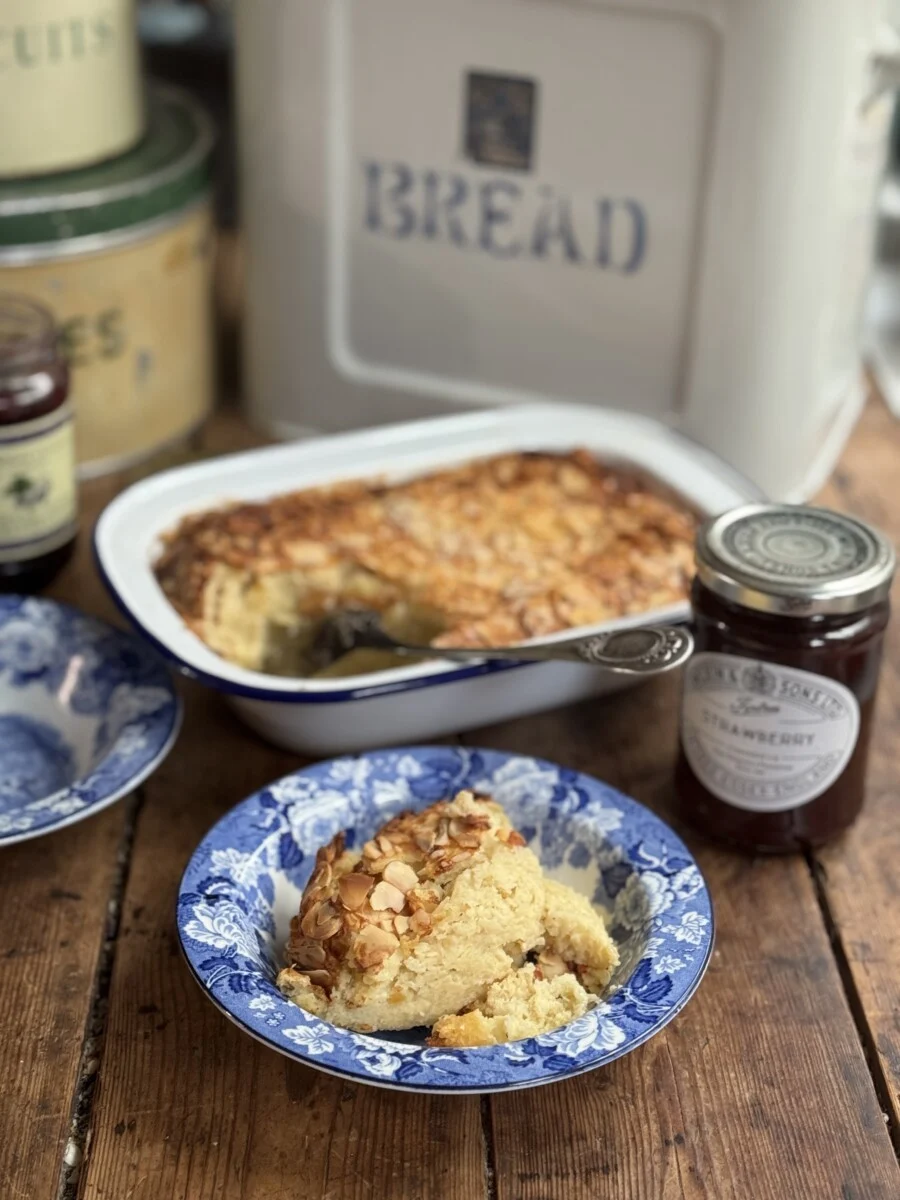
A revered classic of British culinary heritage, the Ipswich Pudding, also known as Suffolk Almond Pudding, is experiencing a contemporary revival, drawing attention to its deep historical roots stretching back to at least the mid-18th century. This traditional baked dessert, characterized by its unique blend of breadcrumbs, eggs, milk, and ground almonds, offers a fascinating glimpse into the gastronomic landscape of Georgian and Victorian England, proving its enduring appeal across centuries.

Historical Pedigree and Culinary Genesis
The Ipswich Pudding first makes a documented appearance in one of the most influential cookbooks of the 18th century: "The Art of Cookery Made Plain and Easy" by Hannah Glasse, published in 1747. Glasse’s work was revolutionary for its time, aiming to simplify complex recipes for the average household, making traditional British dishes accessible to a wider audience. The inclusion of Ipswich Pudding in such a seminal text underscores its established presence and popularity within the culinary repertoire of the era.

Further attesting to its longevity, a recipe for Ipswich Pudding reappeared in "The Ladies Companion" in 1836, indicating its sustained relevance through the Regency and early Victorian periods. This chronology highlights a dish that adapted and persisted, surviving significant shifts in social customs and cooking technologies. The consistent appearance in prominent cookbooks over nearly a century points to a robust and cherished recipe, passed down through generations.
Anatomy of a Traditional Pudding

At its heart, Ipswich Pudding is a testament to resourceful and flavorful baking. Its primary components – white breadcrumbs, eggs, and milk – were staples in British kitchens, often utilized to transform simple ingredients into substantial and satisfying meals. The addition of ground almonds elevates the pudding from a mere utilitarian dish to a more refined delicacy. Almonds, while more expensive than common grains, were not uncommon in 18th-century British baking, often imported and used in various sweet and savory preparations, reflecting a taste for exotic flavors and the growing global trade networks.
The pudding’s texture is particularly noteworthy, described as a delightful cross between a dense bread pudding and a lighter, soufflé-like batter pudding. This unique characteristic allows it to puff up during baking, creating an airy yet comforting consistency that sets it apart from other traditional British puddings. This soufflé-like quality, mentioned by contemporary culinary commentators, suggests a delicate balance in its preparation that contributes to its refined profile.

Evolution of Flavor Profiles: From Floral to Nutty
Historically, 18th-century recipes for Ipswich Pudding often called for the inclusion of floral waters, specifically rose water or orange flower water. These aromatic distillates were popular flavorings in European cuisine, particularly for sweet dishes, providing a subtle, fragrant note that was highly prized. Rose water, for instance, had been used in confectionery and baking since medieval times, a legacy of Middle Eastern and Indian culinary influences brought to Europe via trade.

However, modern interpretations of the Ipswich Pudding, such as that recently championed by food writer Karen Burns-Booth on March 6, 2026, often see a departure from these floral essences. Burns-Booth, recognizing a contemporary preference for less overtly floral tastes, opted for almond extract to enhance the natural almond flavor of the pudding. Vanilla extract or essence is also suggested as a suitable alternative, aligning with modern palates that tend to favor warmer, sweeter, and more universally recognized dessert flavors. This adaptation reflects how traditional recipes evolve over time, balancing historical authenticity with contemporary culinary preferences and ingredient availability.
The Enigma of the Name: Ipswich or Suffolk?

Despite its clear historical footprint, the precise origin of the "Ipswich Pudding" name remains somewhat elusive. While it is often also referred to as "Suffolk Almond Pudding," suggesting a strong regional connection to the East Anglian county and its county town, definitive historical evidence linking its invention directly to Ipswich is scarce.
Ipswich, a historic port town in Suffolk, has a rich agricultural hinterland and a history of trade that would have provided access to diverse ingredients. Suffolk itself boasts a proud culinary tradition, known for its emphasis on quality local produce. It is plausible that the pudding either originated in the region and became locally renowned, or that it was a popular dish in Ipswich, thus acquiring the name. Culinary historians often encounter such naming conventions, where a dish becomes associated with a place due to its popularity there, rather than being invented within its geographical confines. Regardless of its exact birthplace, the name firmly anchors it within the regional identity of East Anglia, contributing to the rich tapestry of local British foods.

A Pudding for All Seasons and Occasions
The Ipswich Pudding’s versatility is another aspect that contributes to its enduring appeal. While it is often considered a "spring or summer" pudding due to its lighter texture and almond notes, its comforting qualities make it equally suitable for "the depths of winter." This adaptability speaks to its fundamental nature as a homely yet elegant dessert, capable of gracing any dining table throughout the year.

Its rich, satisfying character also positions it as an ideal centerpiece for family gatherings and special occasions. As noted by Burns-Booth, it would be a perfect dessert for celebrations such as Easter or Mothering Sunday, offering a taste of tradition and warmth. The ability to pair it with various accompaniments further enhances its versatility. Traditionally served with stewed fruit or compote, its subtle sweetness is beautifully complemented by the tartness of berries or apples. Modern suggestions also include a "goodly dollop of jam," with blackcurrant, strawberry, and raspberry being popular choices, allowing for personalization and seasonal variation.
Revival and Implications for Culinary Heritage

The re-emergence of recipes like the Ipswich Pudding, facilitated by dedicated food historians and contemporary culinary enthusiasts, plays a crucial role in preserving Britain’s rich gastronomic heritage. In an era where global cuisines often dominate, the deliberate act of unearthing and sharing these historical dishes helps to maintain a connection to past foodways and traditions.
The renewed interest in Ipswich Pudding aligns with a broader trend of appreciating and reviving traditional British foods. This movement is driven by a desire for authenticity, a celebration of regional identity, and an understanding of food as a cultural artifact. For towns like Ipswich and the wider county of Suffolk, such culinary revivals can have tangible benefits. They can enhance local tourism, promoting the region as a destination for food enthusiasts seeking unique historical tastes. Local bakeries and restaurants might be inspired to feature the pudding, further cementing its regional association and creating economic opportunities.

Nutritional Profile and Modern Dietary Considerations
As with many traditional desserts, the Ipswich Pudding is a rich and indulgent treat. A typical serving (based on a yield of 6 from a 2-pint dish) provides approximately 625 calories, 40g total fat (15g saturated, 25g unsaturated), 162mg cholesterol, 393mg sodium, 44g carbohydrates (3g fiber, 37g sugar), and 24g protein.

This nutritional profile reflects the historical context of its creation, where desserts were often calorically dense to provide energy and sustenance. While it is a dish to be enjoyed in moderation within a balanced diet, its richness contributes significantly to its satisfying flavor and texture. For contemporary consumers, understanding this profile allows for informed enjoyment, appreciating it as a delightful occasional indulgence rather than an everyday staple.
Conclusion: A Taste of History Reimagined

The Ipswich Pudding stands as more than just a recipe; it is a culinary artifact, a delicious link to centuries of British home cooking. From the pages of Hannah Glasse’s groundbreaking cookbook to its current reappearance in the digital age, this baked almond delicacy has navigated shifting tastes and times, demonstrating the enduring power of good food. Its revival, championed by modern food writers like Karen Burns-Booth, not only celebrates a delectable dessert but also contributes to the ongoing narrative of Britain’s vibrant and diverse culinary past, inviting new generations to savor a taste of history. Its ability to "puff up like a soufflé and taste divine" ensures its continued place as a beloved "afters" for any special occasion, particularly a traditional Sunday lunch.
