
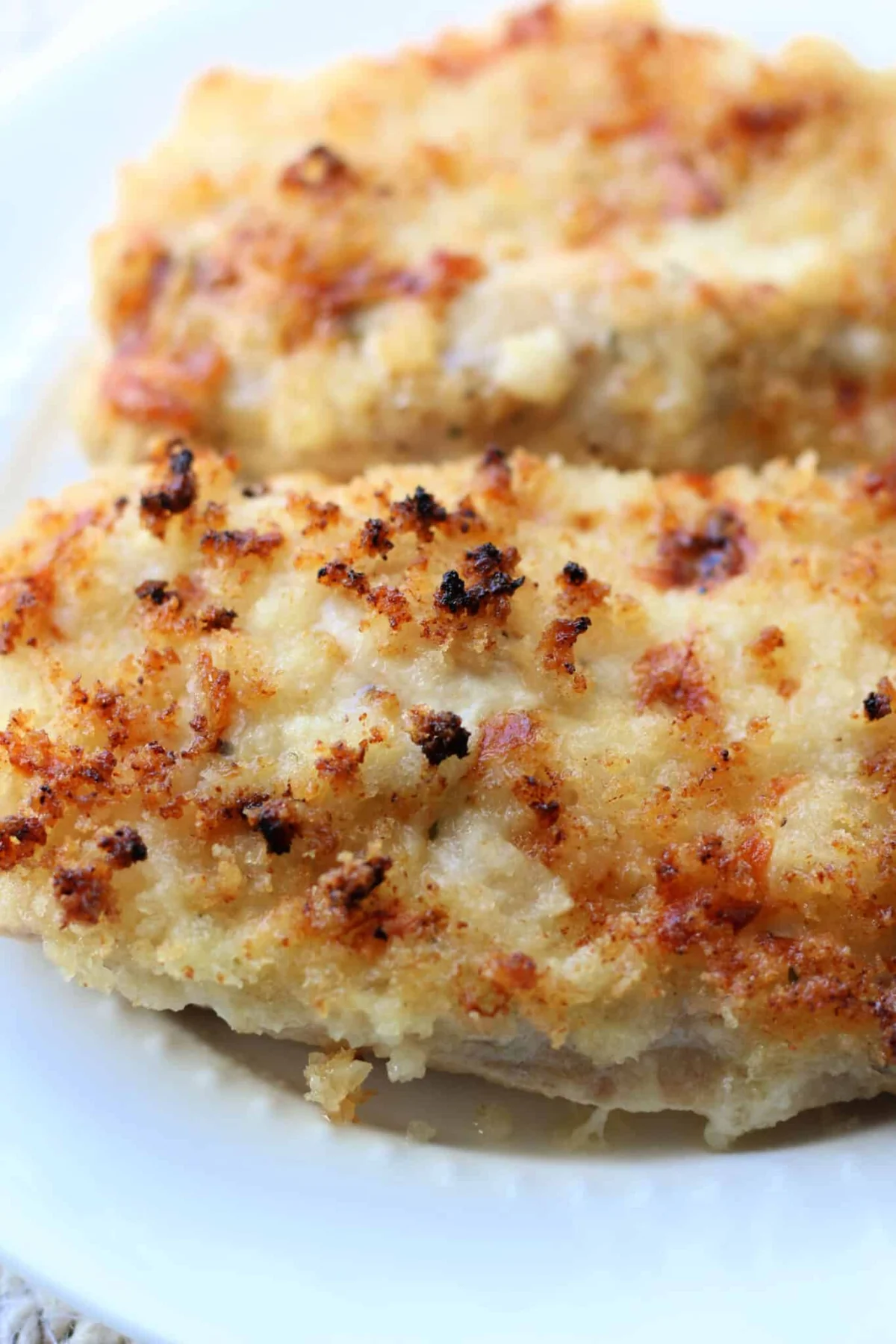
Longhorn Steakhouse Parmesan Chicken has emerged as a cornerstone of the American casual dining experience, representing a unique intersection of traditional comfort food and elevated steakhouse culinary techniques. While the restaurant is primarily known for its grilled meats and signature seasonings, this specific poultry dish—characterized by its creamy ranch-based marinade and a dual-layered cheese and panko crust—has garnered a dedicated following. The dish’s transition from a restaurant-exclusive item to a widely sought-after home-cooked meal highlights a broader shift in consumer behavior toward replicating high-end restaurant flavors within the domestic kitchen.
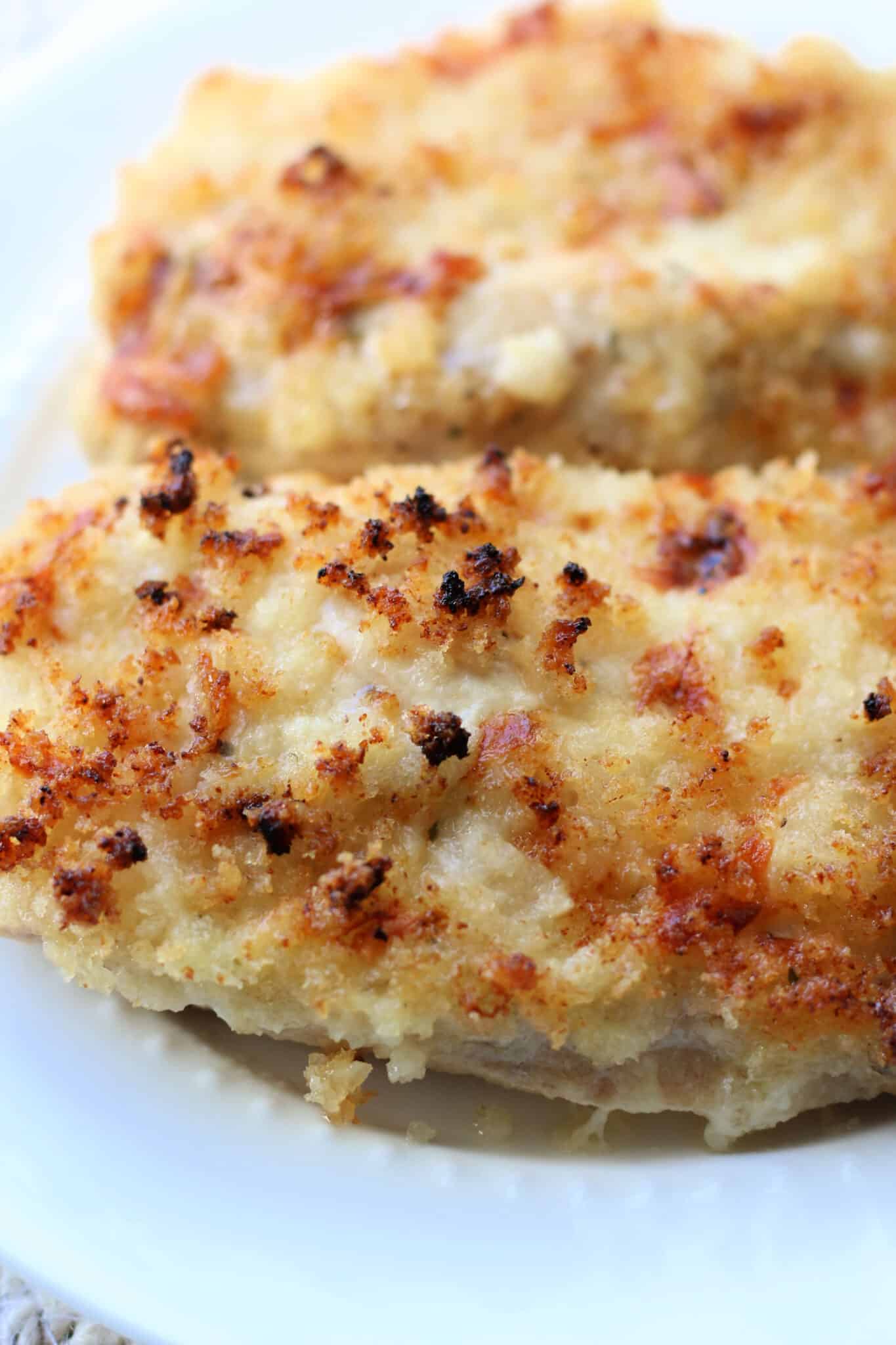
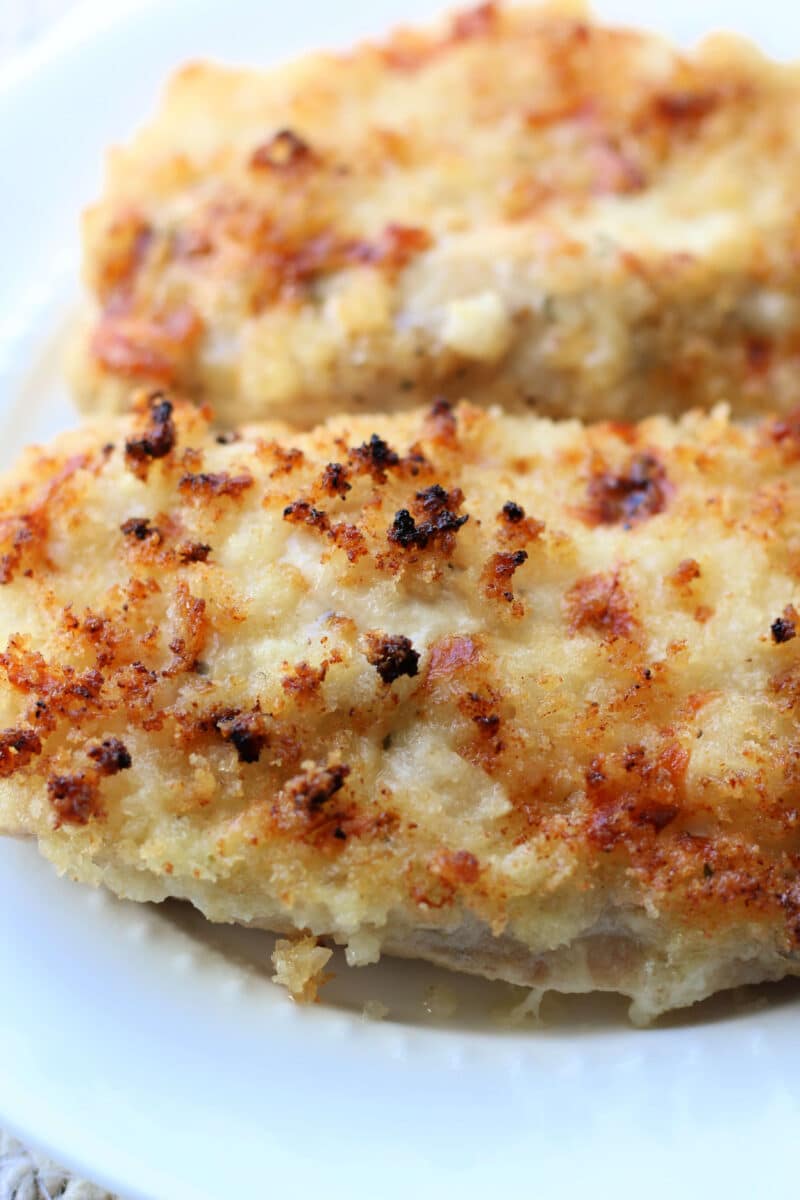
The culinary appeal of the dish lies in its multi-textured profile: a tender, moisture-retaining interior achieved through a sophisticated acid-and-oil marinade, topped with a rich, savory crust that provides a significant auditory and tactile crunch. As food costs and the popularity of digital recipe sharing continue to rise, the "copycat" version of the Longhorn Steakhouse Parmesan Chicken has become a subject of intense interest for home chefs and food analysts alike.
The Evolution of the Copycat Recipe Phenomenon
The proliferation of recipes mimicking signature dishes from major chains like Longhorn Steakhouse is not a new trend, but it has accelerated significantly in the post-pandemic era. Market research indicates that the "copycat recipe" niche has grown by approximately 24% on social media platforms over the last three years. Consumers are increasingly motivated by two primary factors: economic efficiency and dietary control. By preparing the Parmesan Crusted Chicken at home, diners can circumvent the rising costs of service and hospitality while maintaining the ability to adjust sodium levels and ingredient quality.
Longhorn Steakhouse, a subsidiary of Darden Restaurants, Inc., has historically maintained a reputation for "bold seasonings and grilled-to-perfection meats." The Parmesan Crusted Chicken stands out on their menu because it utilizes baking and broiling techniques rather than the high-heat grilling associated with their steaks. This makes it an ideal candidate for home replication, as most residential kitchens are better equipped for oven-based preparation than professional-grade open-flame grilling.
Technical Analysis of the Culinary Components
The success of the Longhorn Steakhouse Parmesan Chicken depends on a specific sequence of chemical and thermal reactions. To achieve the signature flavor profile, the process begins with a complex marinade.
The Marination Phase
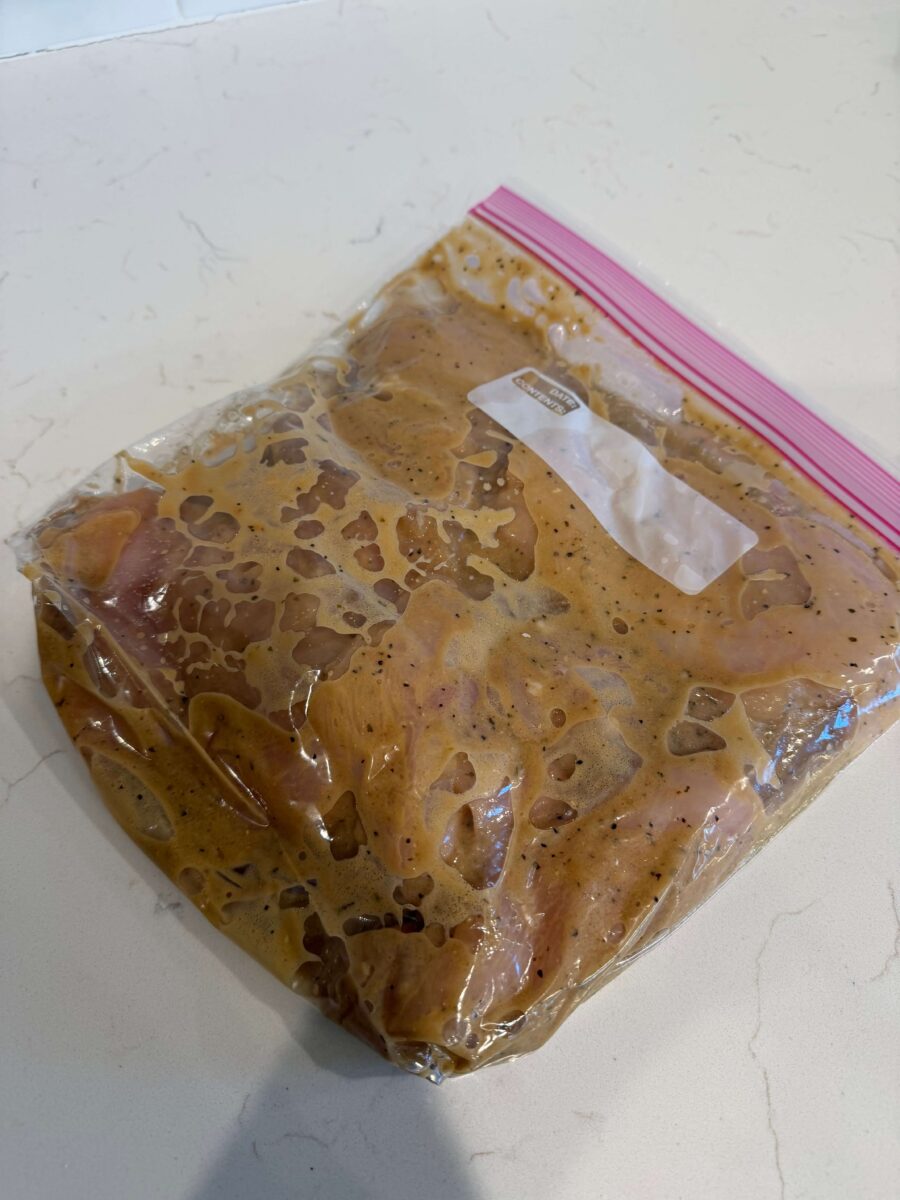
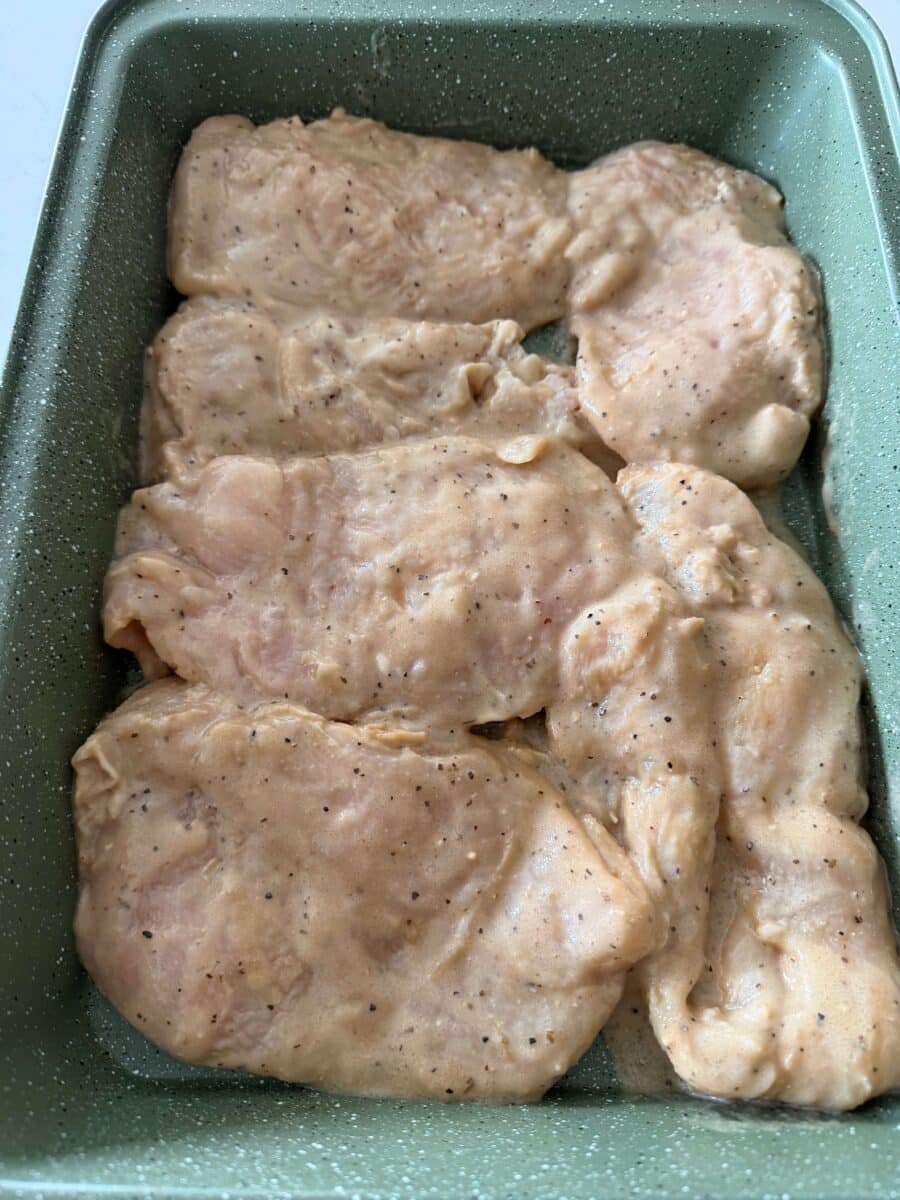
The marinade serves as both a flavoring agent and a tenderizer. The inclusion of lemon juice and vinegar provides the necessary acidity to break down the tough connective tissues in the chicken breast, while the olive oil and ranch dressing provide a lipid barrier that prevents the meat from drying out during the high-heat baking process. Worcestershire sauce adds a layer of umami—a savory "fifth taste"—that complements the saltiness of the parmesan cheese added later in the process.
The Layering Strategy
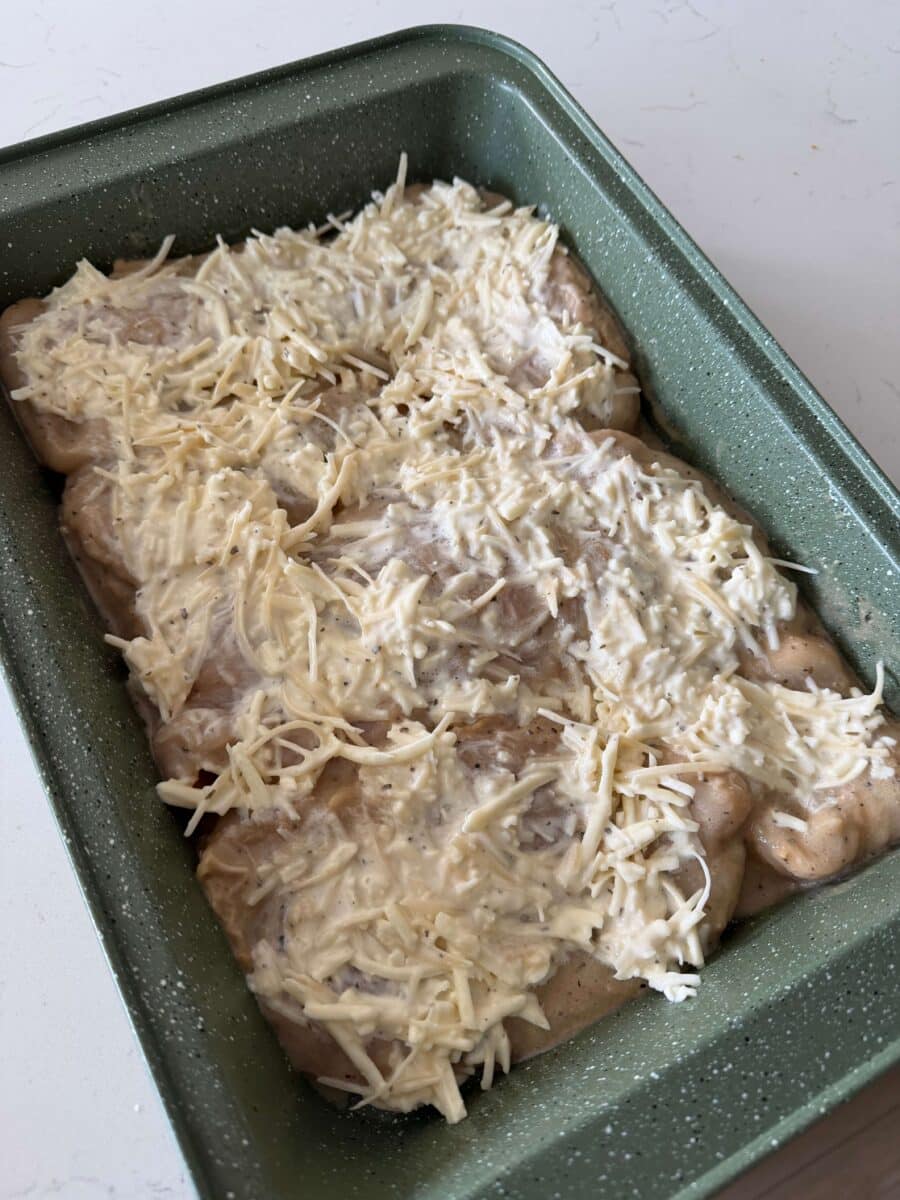
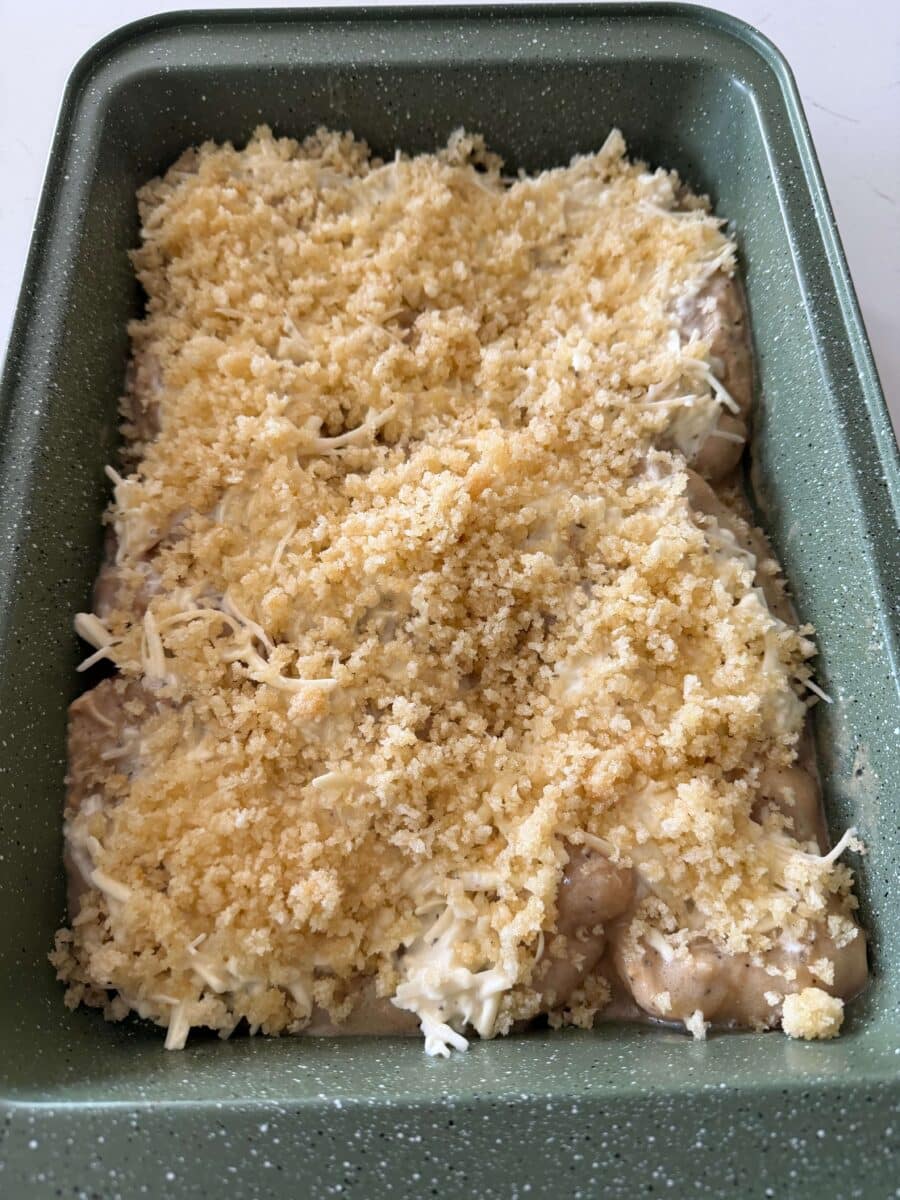
Unlike traditional breaded chicken, which often uses a flour-egg-crumb dredge, this dish utilizes a layered application method. The first layer consists of a high-moisture cheese mixture (mozzarella and parmesan bound with ranch dressing). This creates a "melt zone" that adheres to the chicken. The second layer is a "crunch zone," composed of panko breadcrumbs and melted butter. Panko, a Japanese-style breadcrumb, is preferred over traditional crumbs because its larger, airier flakes provide a more substantial texture that remains crisp even when placed over a moist cheese layer.
Chronological Methodology for Preparation
In a professional or high-standard domestic setting, the preparation of Longhorn Steakhouse Parmesan Chicken follows a rigorous timeline to ensure food safety and optimal flavor infusion.
- Preparation of the Protein: Chicken breasts are sliced horizontally to create thin cutlets. This increases the surface area for the marinade and the crust, while also ensuring a shorter cooking time, which prevents the interior from becoming rubbery.
- Infusion Period: The cutlets are submerged in the marinade for a duration ranging from one hour to overnight. Culinary analysts note that a minimum of four hours is typically required for the garlic powder and black pepper to permeate the meat effectively.
- Thermal Processing: The oven is preheated to 400°F (204°C). The chicken is baked for approximately 20 minutes. This temperature is high enough to cook the chicken through while beginning the melting process of the cheese topping.
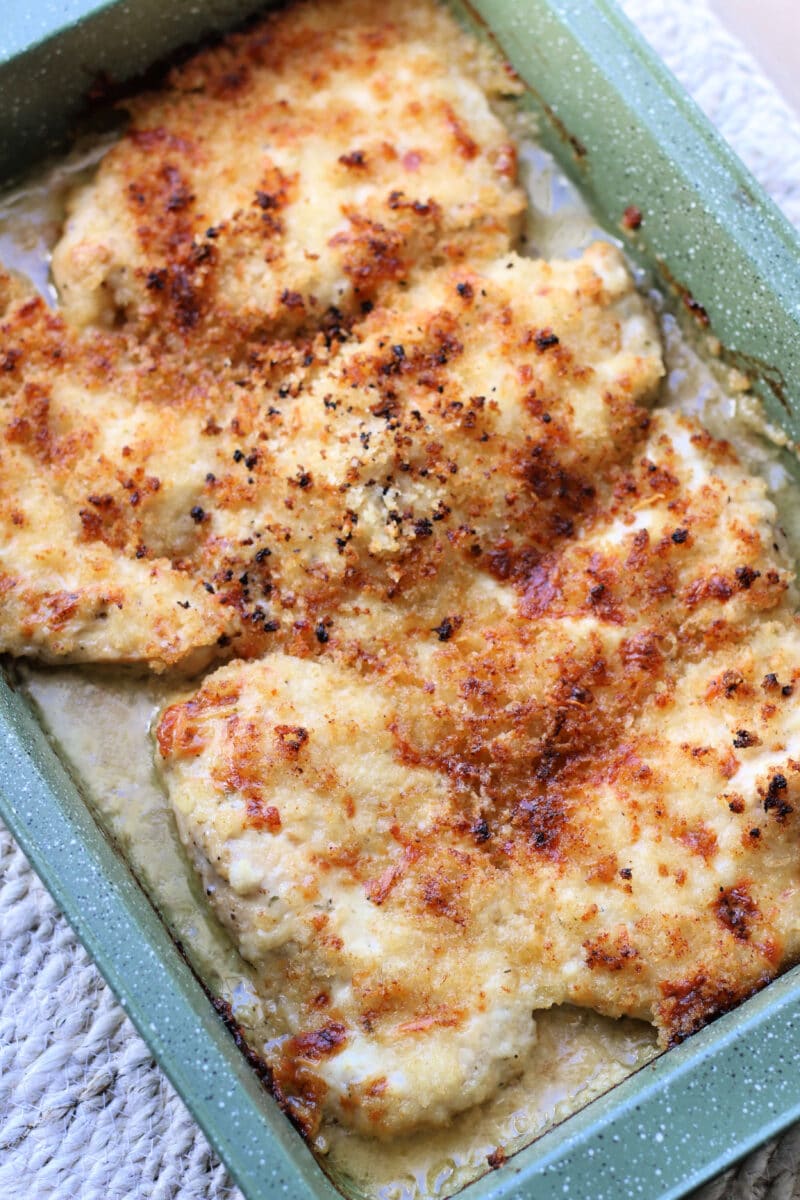
- The Finishing Broil: The final stage involves a brief exposure to the broiler. This rapid application of top-down radiant heat is what creates the "toasty" golden-brown finish characteristic of the Longhorn original. Internal temperature checks must confirm a minimum of 165°F (74°C) to meet USDA food safety standards.
Supporting Data and Economic Context
The popularity of this dish reflects broader trends in the $900 billion American restaurant industry. According to data from the National Restaurant Association, chicken remains the most frequently ordered protein in the casual dining segment, favored for its versatility and lower price point relative to beef.
From an economic perspective, the "at-home" version of this recipe offers a significant value proposition. A standard order of Parmesan Crusted Chicken at a Longhorn Steakhouse location can range from $16.99 to $22.00 depending on the region and sides included. In contrast, the per-serving cost of home preparation—using bulk-purchased chicken breasts, store-brand ranch dressing, and panko—is estimated at approximately $4.50. This 75% cost reduction is a primary driver for the viral nature of the recipe on digital platforms.
Consumer Reactions and Inferred Industry Response
While Darden Restaurants does not officially release its proprietary recipes, the company has acknowledged the passion of its fan base. Industry insiders suggest that the prevalence of high-quality copycat recipes actually serves as a form of "passive marketing" for the brand. When consumers successfully recreate the flavors of Longhorn Steakhouse at home, it reinforces the brand’s flavor identity, often leading to increased brand loyalty and occasional visits to the restaurant for the "authentic" experience.

Consumer feedback on this specific preparation method frequently highlights the "juiciness" of the meat. On food forum aggregators, users have noted that the combination of ranch dressing and Worcestershire sauce creates a flavor profile that is "distinctly different from standard Italian-style parmesan chicken," which typically relies on marinara sauce and different herb profiles.
Broader Impact on Home Culinary Standards
The rise of the Longhorn Steakhouse Parmesan Chicken recipe signifies a "democratization of the steakhouse." Traditionally, the techniques used in high-volume kitchens were considered out of reach for the average home cook. However, the simplification of these steps—such as using a gallon-sized Ziploc bag for marination and a standard 9×13 baking pan—has empowered individuals to produce restaurant-quality results.
Furthermore, the adaptability of the recipe has made it a staple in various dietary communities. The "Notes/Tips" sections of modern iterations often include substitutions for gluten-free panko or low-carb ranch alternatives, allowing the dish to transcend its original caloric profile to fit modern health trends.
Implications for the Future of Dining
The success of the Longhorn Steakhouse Parmesan Chicken copycat movement suggests that the line between "eating out" and "dining in" is becoming increasingly blurred. As technology provides better access to professional techniques and ingredient combinations, restaurant chains may feel pressured to innovate further to maintain a "unique" value proposition that cannot be easily replicated in a 20-minute oven cycle.
In conclusion, the Longhorn Steakhouse Parmesan Chicken is more than just a baked poultry dish; it is a cultural artifact of the modern food landscape. It demonstrates how a specific combination of acidity, fat, and texture can capture the public imagination, moving from a commercial kitchen to the dinner tables of thousands of households. The dish remains a testament to the enduring appeal of savory, cheesy, and crunchy flavor profiles, backed by the logistical simplicity that modern home cooks demand. As we look toward future culinary trends, the "steakhouse at home" movement, led by dishes like this, is expected to remain a dominant force in the domestic food industry.
