
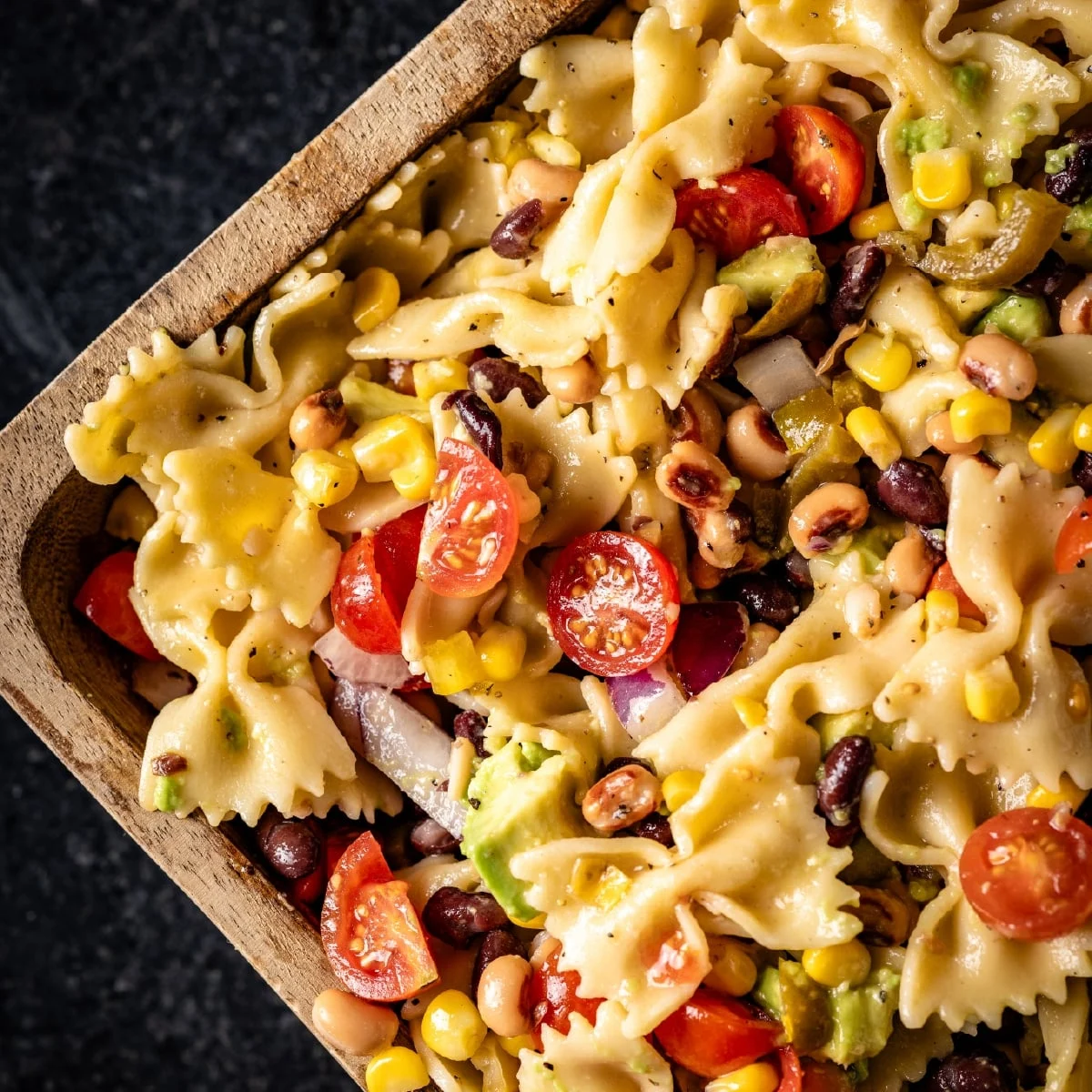
The culinary landscape of American outdoor cooking has seen a significant shift toward versatile, nutrient-dense side dishes that complement traditional smoked meats. A prominent example of this evolution is the Cowboy Pasta Salad, a dish characterized by its fusion of Southwestern flavors, including creamy avocado, black beans, sweet corn, and bowtie pasta, all integrated through a tangy lime and red wine vinegar dressing. While traditionally viewed as a secondary component to main-course proteins such as brisket or pulled pork, the modern iteration of this salad has emerged as a standalone dietary option that addresses the increasing consumer demand for flexible, vegetable-forward recipes.
The Evolution of the Cowboy Culinary Profile
The term "Cowboy style" in American gastronomy typically refers to a robust, rustic approach to seasoning and ingredient selection, often drawing from the historical foodways of the American Southwest and Northern Mexico. Historically, these dishes relied on shelf-stable legumes, corn, and preserved peppers—staples that could survive long cattle drives. In the modern era, this aesthetic has been adapted into the "Cowboy Pasta Salad," which replaces the heavy mayonnaise-based dressings of 20th-century American picnic salads with lighter, acid-forward vinaigrettes.

The shift away from traditional mayonnaise-laden macaroni salads represents a broader trend in the barbecue community. Culinary analysts note that as backyard grilling culture has become more sophisticated, there is a heightened emphasis on contrast. The richness of slow-smoked fats requires a side dish with high acidity and fresh textures to cleanse the palate. The Cowboy Pasta Salad satisfies this requirement through the inclusion of lime juice and pickled jalapeños, providing a sharp counterpoint to the umami-heavy profiles of smoked beef and pork.
Chronology of the Pasta Salad in American Social Dining
To understand the current popularity of the Cowboy Pasta Salad, one must examine the timeline of pasta-based sides in the United States.
- The Early 20th Century: Pasta salads were largely confined to European immigrant communities, often reflecting Mediterranean influences with olive oil and fresh herbs.
- The Mid-Century Era (1950s–1970s): The rise of processed foods led to the dominance of the "creamy" salad. Macaroni salad became a staple of the American deli counter, characterized by heavy mayo, sugar, and finely diced celery.
- The Fusion Movement (1980s–1990s): The introduction of the "Pasta Primavera" and "Southwestern Salad" concepts began to merge Italian-style noodles with regional American ingredients. This era saw the introduction of the bowtie (farfalle) pasta as a popular choice for its ability to "catch" chunky ingredients like corn and beans.
- The Digital BBQ Revolution (2010s–Present): Platforms such as Hey Grill Hey, led by culinary experts like Susie Bulloch, popularized the idea of the "Backyard BBQ Hero." This movement focused on high-quality, accessible recipes that could be prepared quickly while the primary meat was in the smoker. The Cowboy Pasta Salad was solidified during this period as a "sleeper hit"—a dish that often garners more attention than the main course due to its complex texture and vibrant presentation.
Technical Ingredient Analysis and Flavor Composition
The success of the Cowboy Pasta Salad lies in its structural integrity and flavor balance. Unlike delicate greens, bowtie pasta maintains its al dente texture even after several hours of refrigeration, making it an ideal candidate for potlucks and outdoor events where temperature control may be inconsistent.

The ingredient list functions as a calculated matrix of textures:
- The Base: Bowtie pasta provides a sturdy, chewy foundation.
- The Legumes: Black beans and black-eyed peas offer earthy tones and significant plant-based protein, contributing to the dish’s satiety levels.
- The Aromatics: Red onions and garlic provide a sharp, pungent top note.
- The Fats: Fresh avocado adds a buttery mouthfeel, which is essential in the absence of a dairy-based dressing.
- The Acid: A combination of lime juice and red wine vinegar serves as the emulsification base for the dressing, ensuring that the ingredients remain bright and do not oxidize quickly.
Nutritional data for a standard eight-serving yield indicates a profile of 383 calories per serving. The macronutrient breakdown includes 57 grams of carbohydrates, 11 grams of protein, and 16 grams of fat. Notably, the dish provides 5 grams of dietary fiber and a significant amount of Vitamin A (514 IU) and Vitamin C (17 mg), largely derived from the fresh produce and lime juice.
The Role of "Hey Grill Hey" in Modern Barbecue Education
Susie Bulloch, the founder of Hey Grill Hey and a recognized figure in the barbecue industry, has been instrumental in democratizing complex flavor profiles for the average home cook. Her background includes appearances on the Food Network and the establishment of Guinness World Records in the culinary space. Bulloch’s approach to the Cowboy Pasta Salad emphasizes a "work with what you’ve got" philosophy, which has resonated with a global audience during periods of supply chain volatility.

In a statement regarding the versatility of the recipe, Bulloch noted that while traditional versions might include browned ground beef or bacon, the vegetable-centric version serves a dual purpose. It functions as a inclusive option for vegetarians at a barbecue while remaining hearty enough to satisfy traditional meat-eaters. This pragmatic approach to recipe development is a hallmark of the "BBQ Boss Lady" brand, which focuses on empowering backyard cooks to achieve professional-grade results with pantry staples.
Market Trends: The Rise of the "Flexible Side"
Market research into consumer behavior at grocery stores and specialty food outlets shows a 15% increase in the purchase of "Southwestern-style" kits and ingredients over the last three years. Analysts attribute this to the "Instagrammability" of colorful dishes. The visual appeal of the Cowboy Pasta Salad—with its contrast of yellow corn, purple onion, green avocado, and red tomatoes—makes it a frequent subject of social media sharing, further driving its popularity.
Furthermore, the economic implications of the dish cannot be overlooked. As the price of premium cuts of meat, such as beef brisket, has risen due to inflation and increased demand, consumers are looking for ways to "stretch" their meal budgets. A pasta salad that utilizes affordable canned goods (beans, corn) and dry pasta allows a host to feed a large group of people effectively without compromising on the perceived quality of the spread.

Preparation Methodology and Best Practices
For optimal results, culinary professionals recommend a specific sequence of preparation to ensure the longevity of the salad’s freshness:
- Pasta Preparation: The pasta must be cooked in heavily salted water to ensure flavor penetration. It is then drained and cooled completely to prevent the residual heat from wilting the fresh vegetables.
- Dressing Emulsification: The lime juice, red wine vinegar, oil, and spices should be whisked vigorously or shaken in a jar before being applied. This ensures an even distribution of the chili powder and cumin.
- Timing of the Avocado: To prevent enzymatic browning, the avocado should be folded in last, ideally just before serving, or tossed thoroughly in the lime-heavy dressing to coat the surface.
- The Chilling Phase: While the salad can be eaten immediately, a minimum of 30 minutes in the refrigerator allows the pasta to absorb the dressing, leading to a more cohesive flavor profile.
Broader Impact on Outdoor Dining Culture
The Cowboy Pasta Salad represents a micro-trend within a larger movement toward "Global BBQ." By integrating ingredients like jalapeños and cilantro into a traditionally European format (pasta), American cooks are redefining what constitutes "authentic" barbecue fare. This inclusivity extends to dietary restrictions as well; the Cowboy Pasta Salad is naturally dairy-free and can easily be made gluten-free by substituting the pasta, making it a safe choice for diverse groups.
In conclusion, the Cowboy Pasta Salad is more than a simple side dish; it is a reflection of the modern American palate—one that values efficiency, bold flavors, and versatility. As digital platforms continue to influence how people cook at home, recipes like this one, which bridge the gap between pantry staples and gourmet results, will likely remain a permanent fixture in the culinary canon. The success of figures like Susie Bulloch highlights a shift in the industry where the "BBQ Hero" is no longer just the person at the grill, but anyone who can bring a well-balanced, vibrant, and thoughtful meal to the table.
