
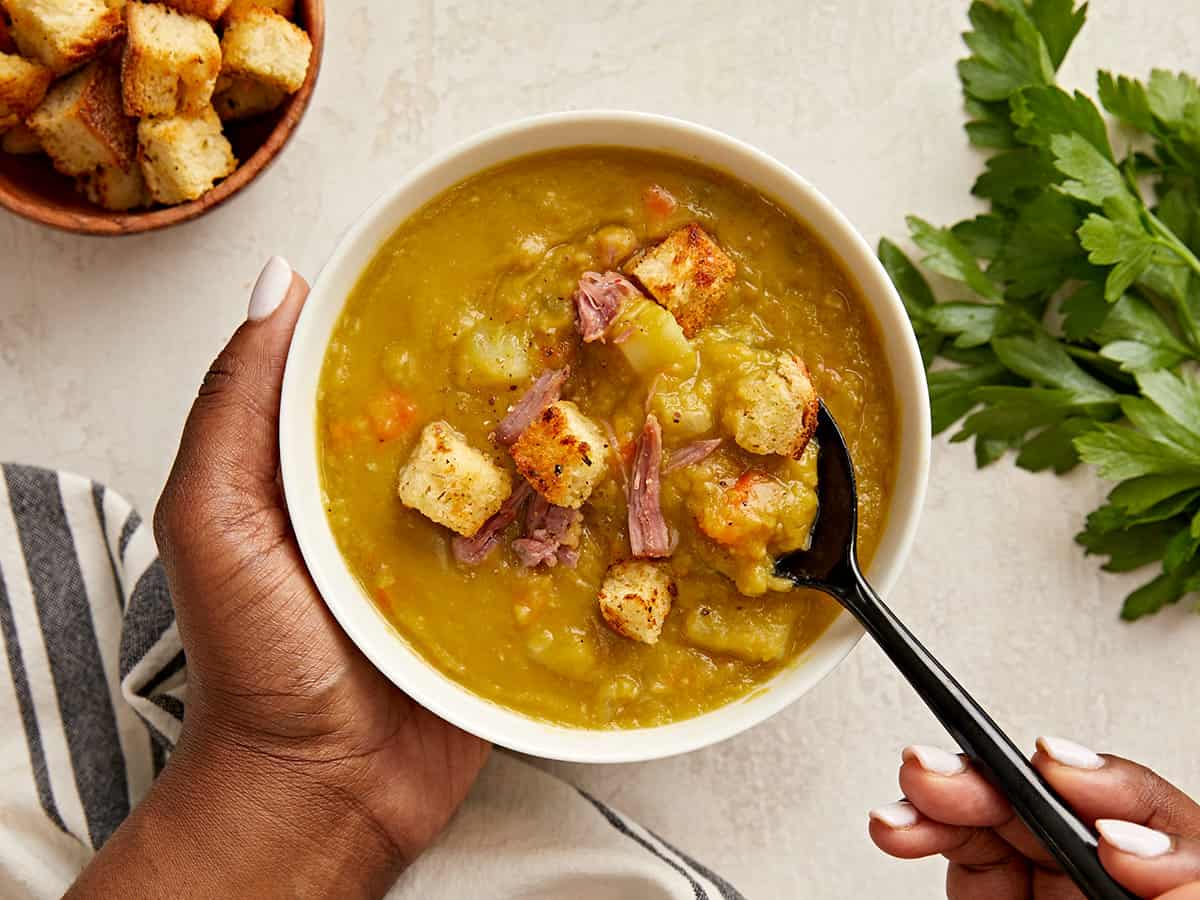
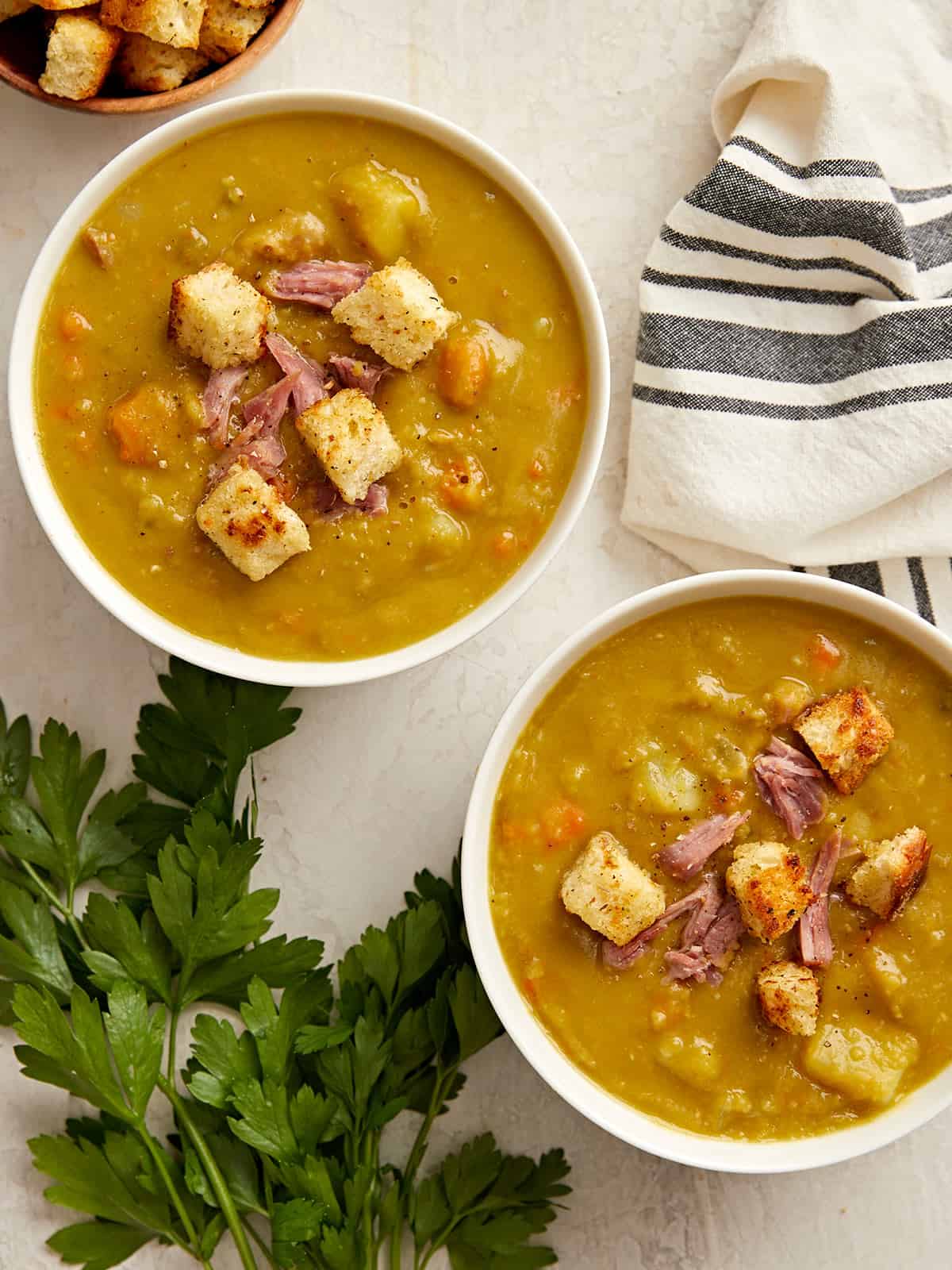
As atmospheric temperatures drop across the Northern Hemisphere, culinary trends are shifting toward high-density, thermogenic meals that provide both physiological warmth and sustained energy. Among the traditional staples regaining prominence in domestic kitchens is split pea soup, a dish characterized by its high protein content, significant fiber levels, and remarkable cost-effectiveness. In a recent analysis of seasonal meal preparation, culinary experts have highlighted a specific formulation of this classic dish that emphasizes nutritional density and affordability, pricing the meal at approximately $1.58 per serving. This development comes at a time when consumer interest in "budget-friendly" and "whole-food" cooking is at a multi-year high, driven by both health consciousness and inflationary pressures on grocery expenditures.
The Evolution and Cultural Significance of Split Pea Legumes
The split pea, the primary ingredient in this winter staple, is a dried, peeled, and split seed of the Pisum sativum plant. Unlike their fresh counterparts, split peas are harvested when the pods are mature and starting to dry. Once the skins are removed, the natural cotyledon is split, which serves a dual purpose: it increases the surface area for heat penetration and eliminates the need for the overnight soaking typically required for other dried legumes like kidney beans or chickpeas.
Historically, split pea soup has served as a foundational element of human nutrition for millennia. Evidence of pea cultivation dates back to at least 6,000 BCE in the Near East. By the era of Classical Antiquity, street vendors in Athens were documented selling hot pea soup to citizens. In the medieval and early modern periods, the dish became a "seafaring" essential; because dried peas are resistant to spoilage and rich in nutrients, they were a primary source of sustenance for long-range naval expeditions. In the contemporary context, the green and yellow varieties of split peas remain a global commodity, valued for their shelf stability and low glycemic index.
Technical Methodology: The Chronology of Preparation
The preparation of a high-quality split pea soup requires a disciplined approach to layering flavors, a process known in professional culinary circles as building a "fond" and utilizing a "mirepoix." The specific recipe currently under review, validated by the Nashville-based test kitchens associated with the Budget Bytes organization, follows a rigorous 75-to-90-minute timeline to ensure optimal texture and flavor extraction.
Phase I: The Aromatic Foundation (0–5 Minutes)
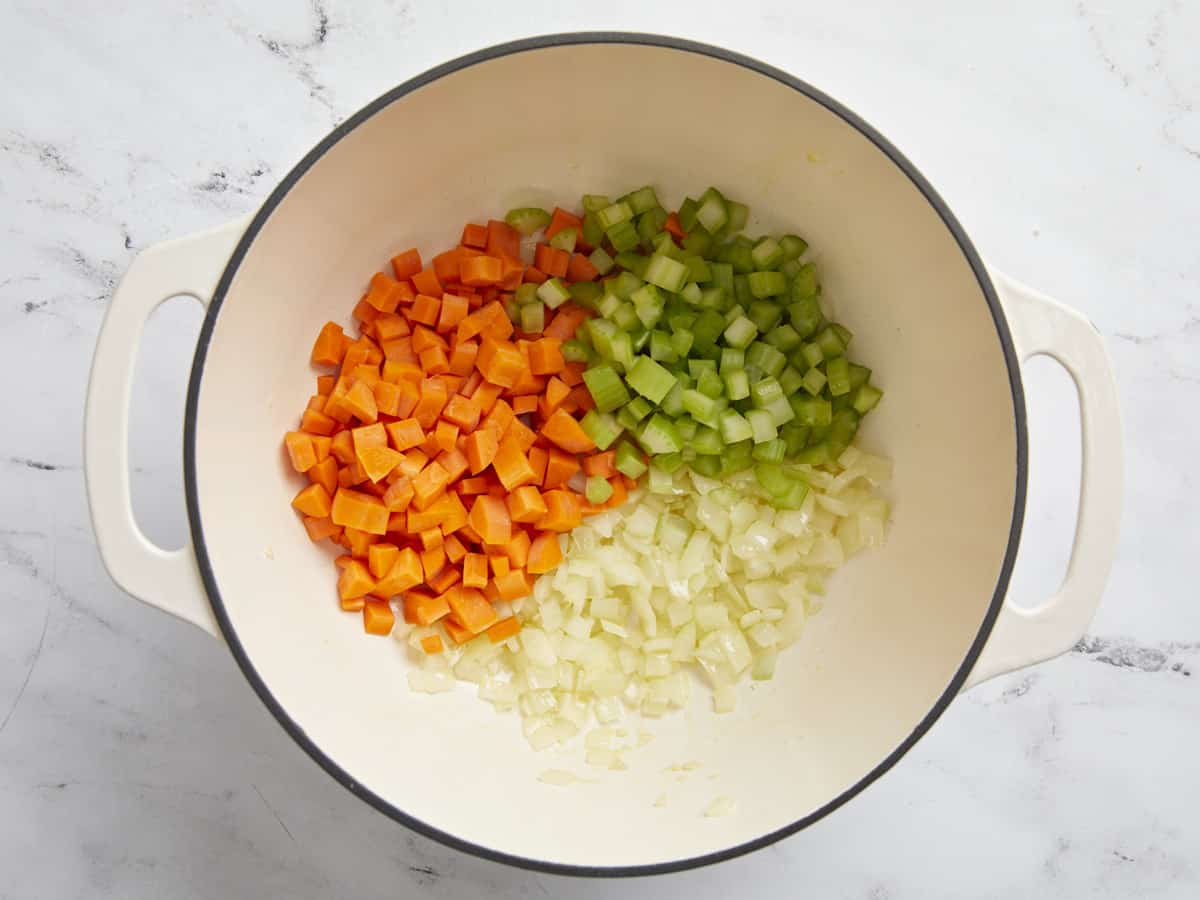
The process begins with the sautéing of aromatics in a large Dutch oven or heavy-bottomed pot. The use of two tablespoons of olive oil provides the necessary fat for the Maillard reaction—a chemical reaction between amino acids and reducing sugars that gives browned food its distinctive flavor. The mirepoix consists of one diced yellow onion, three ribs of celery, and three carrots. These vegetables are sautéed for approximately four minutes until the cellular structures soften, followed by the addition of two minced garlic cloves for a final 30 seconds to prevent bitterness.
Phase II: The Simmering Cycle (5–65 Minutes)
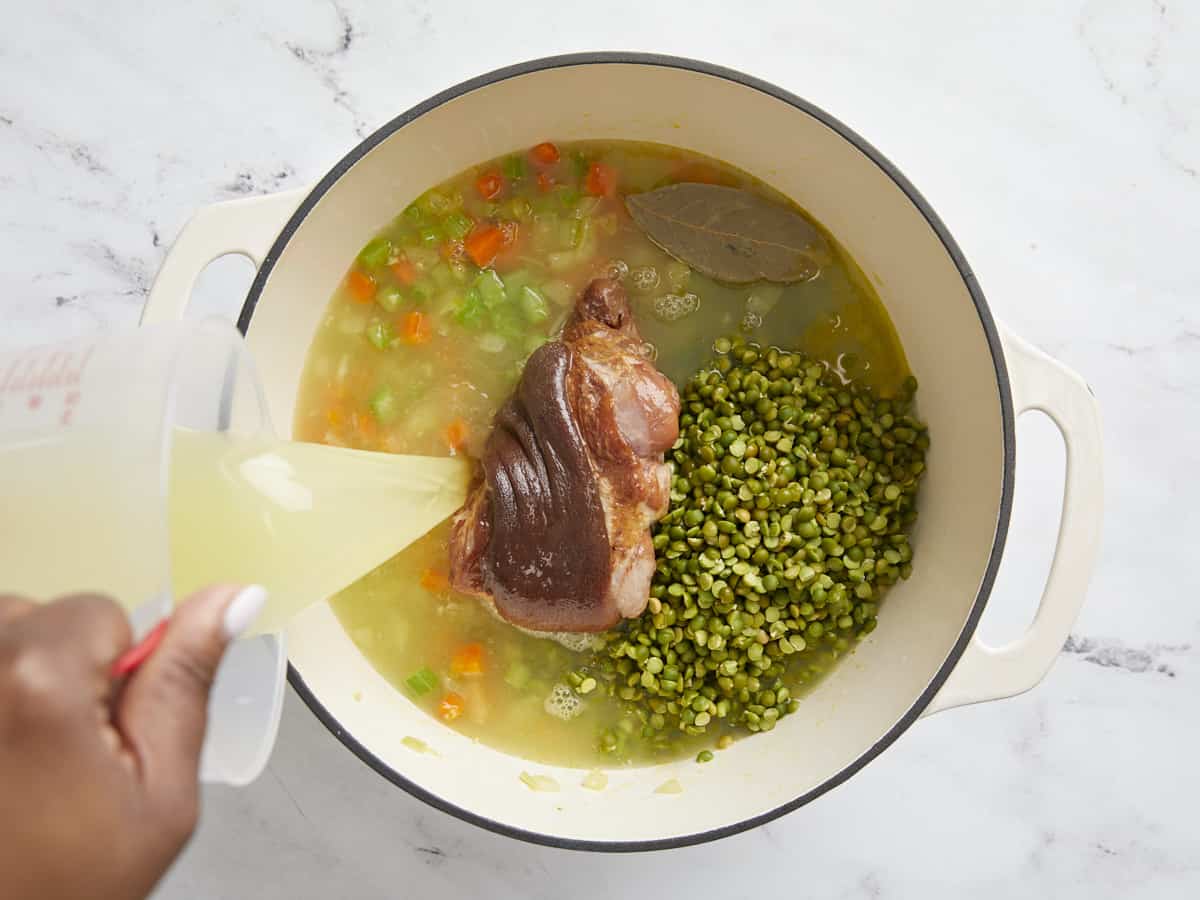
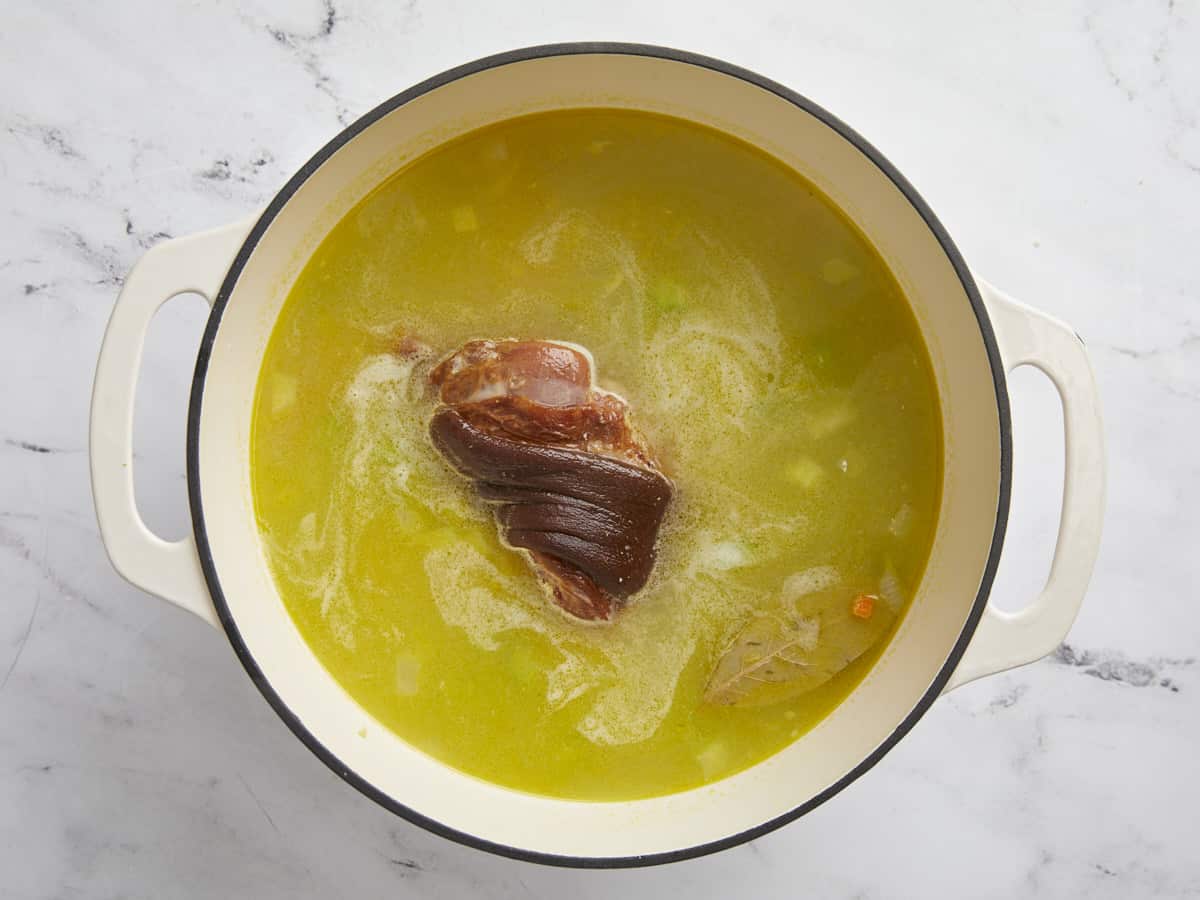
Following the aromatic base, one pound of green split peas is introduced, along with a smoked ham hock, a single bay leaf, and six cups of high-quality chicken broth. The choice of a ham hock is critical; as a cut that includes bone, collagen, and connective tissue, the hock releases gelatin during the simmering process, which provides the soup with its signature "velvety" mouthfeel. The mixture is brought to a gentle boil and then reduced to a simmer for one hour. During this period, the split peas undergo a process of cellular breakdown, eventually disintegrating into a creamy, thick consistency without the need for mechanical blending.
Phase III: The Final Integration (65–80 Minutes)
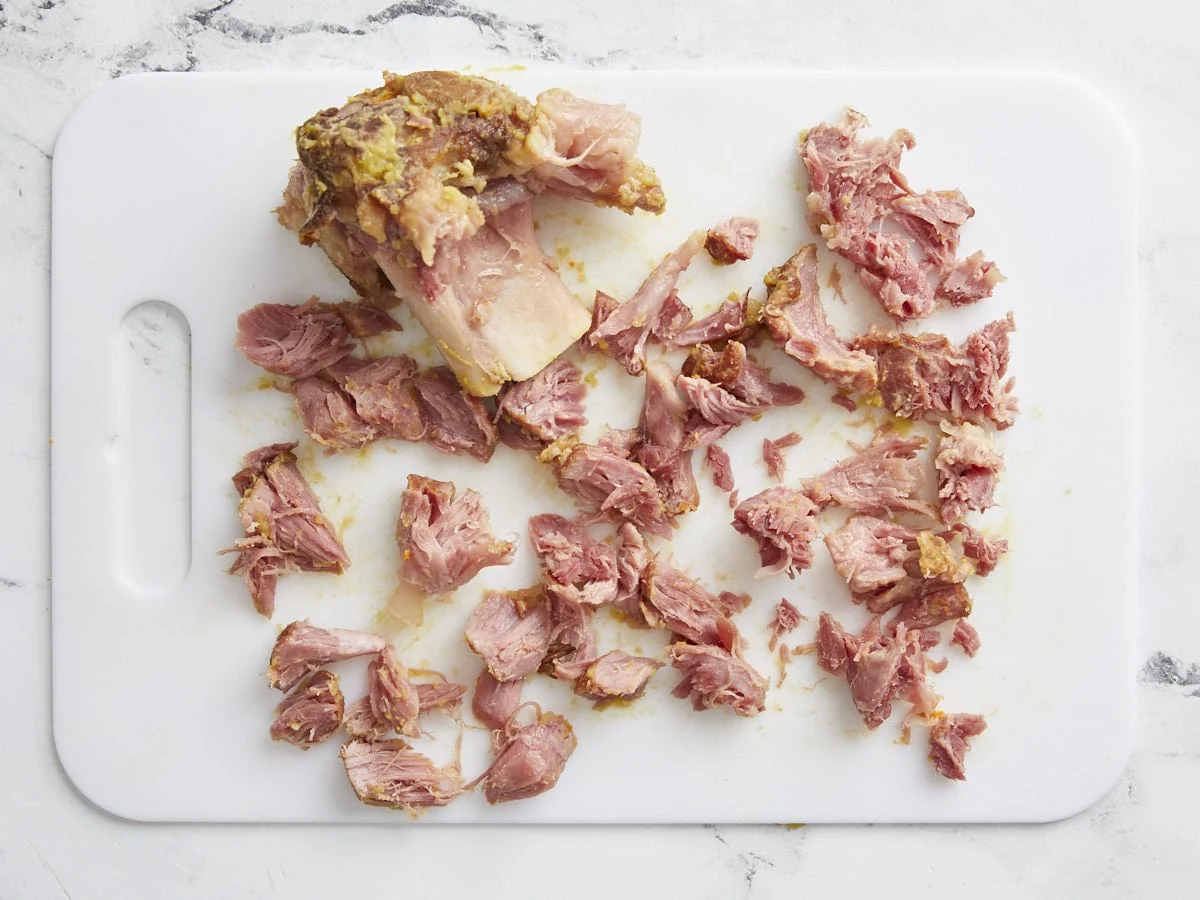
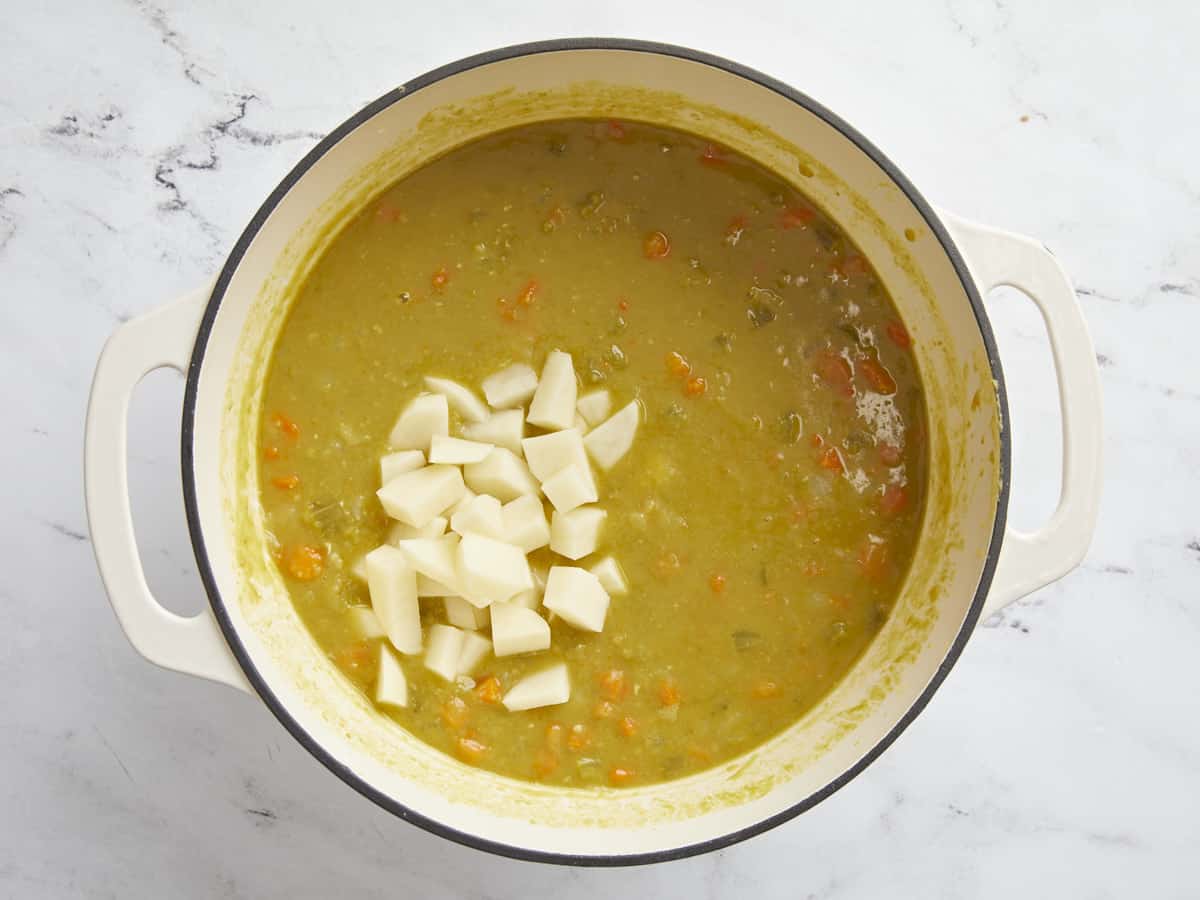
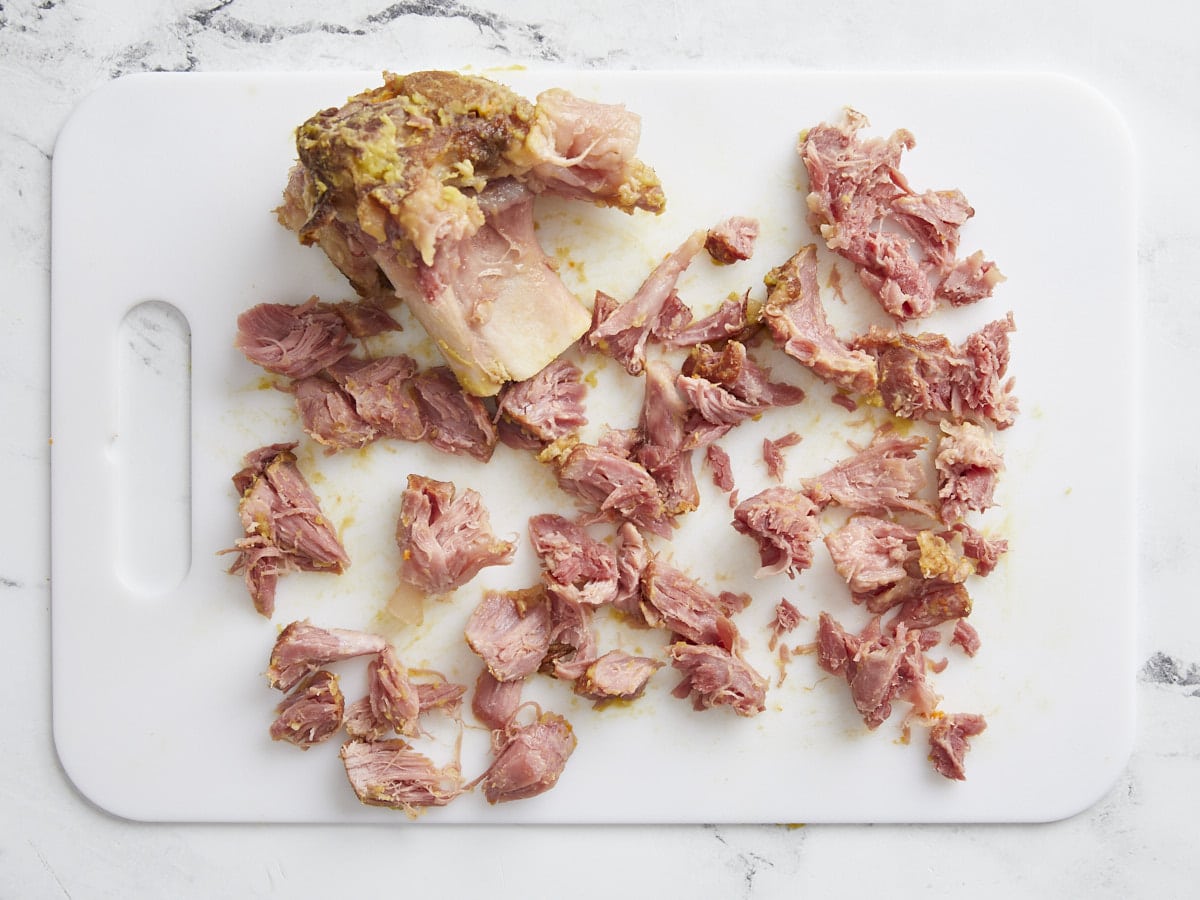
In the final stages, the ham hock is removed to cool, and a peeled, diced russet potato is added to the pot. The inclusion of the potato serves two purposes: it adds a secondary texture to the smooth pea base and provides complex carbohydrates that increase the satiety index of the meal. Once the potatoes are tender (approximately 12 minutes), the meat from the ham hock is shredded, stripped of excess fat, and returned to the soup. The final seasoning involves salt and freshly cracked black pepper to taste, adjusted for the salinity already provided by the smoked ham and chicken broth.
Economic Analysis and Cost-Efficiency Data
One of the most compelling aspects of this specific recipe is its economic profile. Amidst a 2023–2024 economic climate where food-at-home prices have seen significant fluctuations, the split pea soup formulation offers a rare example of a high-protein meal under $2.00 per serving.
According to data provided by the Budget Bytes Nashville Test Kitchen, the total cost for a six-serving batch is $9.51. The breakdown of costs highlights the efficiency of using dried legumes:
- Split Peas (1 lb): Often priced between $1.50 and $2.00 per bag.
- Aromatics (Carrots, Onion, Celery): Approximately $1.25 when purchased in bulk.
- Ham Hock: Typically a low-cost "off-cut," ranging from $2.50 to $4.00.
- Broth and Pantry Staples: Estimated at $2.50.
The resulting cost of $1.58 per serving provides a 458-calorie meal, making it significantly more affordable than processed canned soups, which often contain higher sodium levels and fewer whole-food ingredients. Furthermore, the longevity of the product—storing for four days in refrigeration and up to three months in a freezer—reduces food waste, a major contributor to household economic loss.
Nutritional Profile and Health Implications
From a clinical nutrition perspective, split pea soup is an exceptionally dense source of essential nutrients. A single serving of this recipe contains 29 grams of protein, fulfilling approximately 58% of the Daily Value (DV) for an average adult. This is particularly notable for a meal where the primary protein source is a legume supplemented by a modest amount of lean ham.
Perhaps more significant is the fiber content. With 21 grams of fiber per serving (88% of the DV), this dish supports gastrointestinal health and aids in the regulation of blood sugar levels. High-fiber diets are consistently linked to reduced risks of cardiovascular disease and type 2 diabetes. The inclusion of russet potatoes and carrots adds Vitamin A, Vitamin C, and potassium, while the chicken broth provides essential electrolytes. However, nutritionists note that the sodium content (994mg, or 43% DV) requires monitoring, particularly for individuals with hypertension. Utilizing low-sodium broth or home-rendered stocks can mitigate this concern.
Statements from Culinary Experts and Consumer Reactions
Marsha McDougal, a Nashville-based food blogger and contributor to the recipe’s refinement, emphasizes the importance of ingredient quality in simple dishes. "A lot of the soup flavor will come from the broth," McDougal noted, recommending high-quality bases like Better than Bouillon for their economic value and depth of flavor.
Consumer feedback has mirrored this sentiment. One reviewer, identified as Grace, highlighted the "creamy" texture achieved by the combination of peas and potatoes, stating, "The smoked ham lends an extra savory richness to this soup… I highly recommend you go the extra mile to find one if you can." This feedback underscores a broader trend in home cooking: the "slow and low" method of simmering is being rediscovered by a generation of cooks looking for "comfort food" that does not rely on heavy creams or artificial thickeners.
Broader Impact and Culinary Implications
The resurgence of split pea soup signifies a larger shift in Western dietary habits. As consumers move away from highly processed "instant" meals, there is a returning appreciation for "one-pot" cooking. This method not only simplifies the labor involved in meal preparation but also allows for a more controlled intake of ingredients.
The implications for food security are also noteworthy. Organizations focused on nutritional advocacy often point to legumes as the most viable solution for feeding growing populations in a sustainable manner. Legumes have a lower water footprint compared to animal proteins and possess nitrogen-fixing properties that improve soil health. By promoting recipes like this Hearty Ham and Split Pea Soup, culinary influencers are indirectly supporting a more sustainable food system.
In conclusion, the Hearty Ham and Split Pea Soup represents a convergence of historical tradition, modern nutritional science, and practical economics. As the winter season progresses, it remains a benchmark for how simple, whole ingredients can be transformed into a high-performance meal that satisfies both the palate and the household budget. With its rich profile of protein and fiber, combined with a preparation method that is accessible to novice and experienced cooks alike, it is positioned to remain a staple of domestic kitchens for the foreseeable future.
