
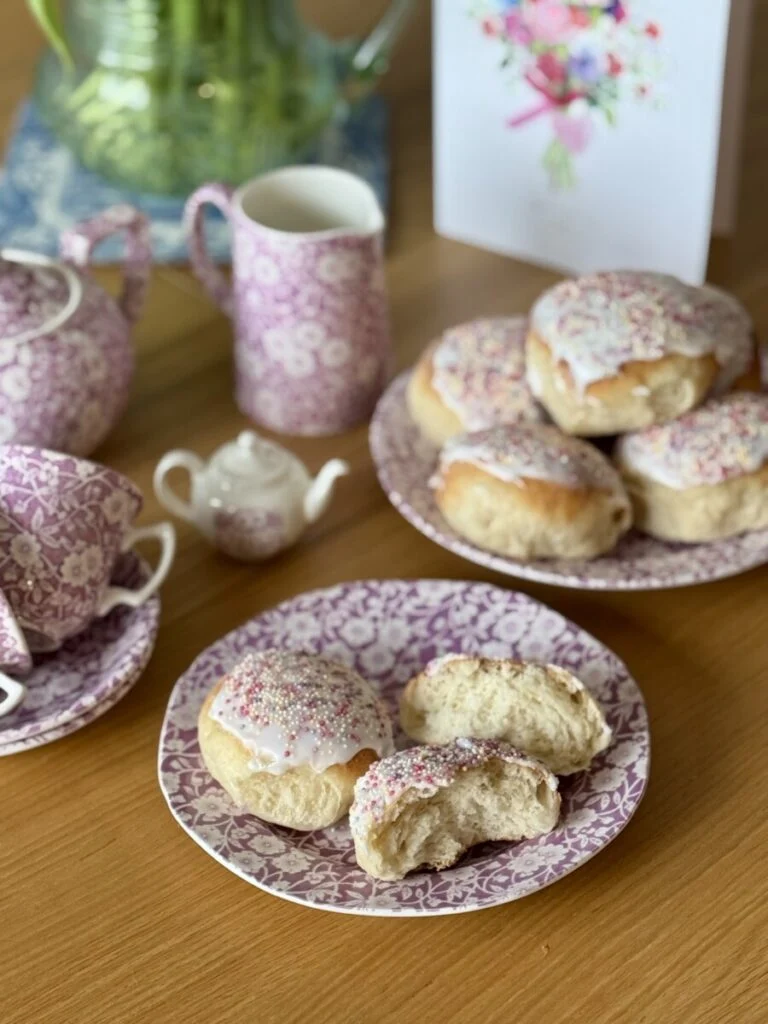
The aroma of sweet yeast and sugar is once again wafting through kitchens across the United Kingdom, heralding the approach of Mothering Sunday. At the heart of this annual culinary observance, particularly in the South West of England, lies a delightful and historically significant confection: the Traditional Mothering Bun. This regional delicacy, deeply rooted in the gastronomic heritage of Bristol, offers a taste of history and a tangible connection to centuries-old traditions, distinguishing itself as more than just a sweet treat but a symbol of familial affection and cultural continuity.

Originating in the 18th century, the Mothering Bun became an iconic part of Mothering Sunday celebrations in Bristol. Historically, these sweet, yeasted buns were distinguished by toppings of caraway or aniseed, reflecting the palate of an earlier era. Today, however, they are more commonly adorned with a delicate layer of icing and a generous scattering of "hundreds & thousands," the vibrant sprinkles known internationally. This evolution in topping illustrates a subtle adaptation to modern tastes while preserving the bun’s fundamental character as a rich, comforting baked good.
The Historical Tapestry of Mothering Sunday

To fully appreciate the significance of the Mothering Bun, one must delve into the historical context of Mothering Sunday itself. Unlike the secular American Mother’s Day, which was established in the early 20th century, the British Mothering Sunday boasts roots stretching back to the 16th century. It traditionally falls on the fourth Sunday of Lent, a period of fasting and reflection in the Christian calendar.
The observance began as a religious occasion, encouraging parishioners to return to their "mother church" – the main church or cathedral of their area – for a special service. This pilgrimage was often the only day in the year when families, particularly those where children had left home to work as domestic servants or apprentices, could reunite. Servants were typically given the day off to visit their families and attend their mother church.

This journey often involved walking long distances, and it became customary for these returning children to pick wildflowers along the way as gifts for their mothers. Another cherished tradition involved bringing home a "mothering cake" or "simnel cake," a rich fruitcake, or indeed, the regional Mothering Buns. These sweet offerings served as a welcome respite from the austere Lenten diet. The fourth Sunday of Lent was also known as "Refreshment Sunday" or "Laetare Sunday," a day when the strict fasting rules of Lent were temporarily relaxed, making the consumption of richer foods like cakes and buns permissible and particularly anticipated. This easing of dietary restrictions allowed for the inclusion of ingredients such as butter, eggs, and cream – components often forbidden during other Lenten days – thus making the Mothering Buns a truly special indulgence.
Bristol’s Unique Culinary Identity

Bristol, a city with a rich maritime history and a vibrant cultural landscape, has long fostered a distinct culinary identity. Its position as a major port facilitated the exchange of goods and ideas, influencing its local cuisine. Within this context, the Mothering Bun emerged as a proud regional specialty, ingrained in the city’s annual rhythm. Local bakeries played a crucial role in perpetuating this tradition, ensuring that the buns were available to families eager to celebrate Mothering Sunday.
Even today, a select few artisan bakeries in Bristol continue to uphold this legacy. Establishments like Joe’s Bakery on Gloucester Road and Herbert’s Bakery are celebrated for their commitment to traditional baking methods, producing Mothering Buns in the days leading up to Mothering Sunday. These bakeries serve not just as commercial enterprises but as cultural custodians, keeping alive a taste of Bristol’s past. Their continued production ensures that new generations can experience the flavour and sentiment of this historic treat. Culinary historians often highlight the importance of such local businesses in maintaining regional foodways, which are vital components of a community’s identity and heritage in an increasingly homogenized global food market.

Evolution of Flavour and Aesthetics
The transformation of the Mothering Bun’s topping, from caraway or aniseed to icing and "hundreds & thousands," reflects a broader shift in culinary preferences and aesthetics over time. Caraway and aniseed, with their distinctive, slightly liquorice-like notes, were popular spices in traditional British baking for centuries, often valued for their flavour and perceived digestive properties. However, as palates evolved and confectionery became more colourful and visually driven, particularly in the 20th century, the appeal of bright, sugary sprinkles grew. "Hundreds & thousands" (known as sprinkles in North America) offer a playful, festive appearance that aligns well with the celebratory nature of Mothering Sunday, especially for younger generations.

This evolution is not unique to Mothering Buns; many traditional recipes adapt over time, reflecting changes in ingredient availability, public taste, and baking technologies. While some purists might lament the departure from original flavour profiles, the adaptability of these recipes often ensures their survival and continued relevance in contemporary society. The core of the Mothering Bun – a sweet, yeasted bread – remains constant, providing a comforting, familiar base for its evolving adornments.
A Place in the Pantheon of British Sweet Buns

The Mothering Bun is a proud member of a wider family of regional British "sticky buns," a term affectionately used by many, including the author’s late father, to describe a diverse range of sweet, often yeasted, baked goods. From the spicy, fruit-laden Hot Cross Buns of Easter to the sticky, citrusy Chelsea Buns and the rich Bath Buns, Britain boasts a remarkable variety of regional sweet breads. Each has its own history, local variations, and specific occasion for enjoyment.
These buns represent more than just food; they are an integral part of British tea-time culture and seasonal celebrations. They embody a culinary craftsmanship passed down through generations, often featuring locally sourced ingredients and reflecting the unique agricultural and social histories of their respective regions. The Mothering Bun, with its dedication to Mothering Sunday, stands as a testament to the strong connection between food, tradition, and community in the UK.

The Enduring Relevance of Mothering Sunday
In the modern era, Mothering Sunday continues to be a cherished occasion for celebrating mothers and maternal figures. While its religious origins are still acknowledged, the day has largely evolved into a broader family celebration, similar in sentiment to its American counterpart but retaining its distinct historical foundation and date. Mothering Sunday always falls on the fourth Sunday of Lent, making its date variable each year. For instance, in 2026, it will be observed on Sunday, March 15th. Other upcoming dates include:

- 2027: Sunday, March 7th
- 2028: Sunday, March 26th
- 2029: Sunday, March 11th
- 2030: Sunday, March 31st
- 2031: Sunday, March 23rd
The economic impact of Mothering Sunday is also considerable, with significant spending on gifts, flowers, cards, and meals out. The hospitality sector, florists, and confectioners experience a notable surge in demand, underscoring the enduring cultural importance of the day. Traditional foods, like the Mothering Bun, play a pivotal role in these celebrations, offering a comforting connection to heritage amidst contemporary festivities.
Preserving Tradition Through Home Baking and Documentation

The preservation of regional recipes like the Traditional Mothering Bun owes much to the dedication of home bakers, culinary enthusiasts, and food writers. Resources such as "The Simple Things" magazine and cookbooks like Paul Hollywood’s "British Baking" serve as invaluable conduits for sharing these recipes with a wider audience. The act of baking these buns at home not only recreates a historical flavour but also fosters a deeper connection to cultural heritage and family traditions.
For those venturing into baking Mothering Buns, practical advice ensures their enjoyment. Once baked, these sweet buns can be frozen, allowing for preparation in advance of Mothering Sunday. They should be defrosted a few hours before serving, with the icing and sprinkles added fresh for optimal presentation and taste. When stored in an airtight cake tin, the buns retain their freshness for three to four days. Should they become slightly stale, they can be revived and enjoyed when split and buttered, perhaps even with a dollop of jam, transforming them into another delightful tea-time treat. This versatility speaks to the resourcefulness inherent in traditional baking, where every effort is made to enjoy and preserve food.

Nutritional Profile and Modern Appeal
Understanding the nutritional aspects of traditional foods is increasingly relevant for today’s consumers. A typical serving of a Traditional Mothering Bun (yielding 12 buns) provides approximately 220 calories. It contains 5g of total fat (2g saturated, 2g unsaturated), 9mg of cholesterol, and 390mg of sodium. Carbohydrates account for 42g (1g fiber, 23g sugar), and protein contributes 4g. While these figures indicate a rich, indulgent treat, such traditional baked goods are often enjoyed in moderation, forming part of a balanced diet and serving as an occasional celebratory pleasure. The homemade nature of these buns also allows for some control over ingredients, appealing to those who prefer to know exactly what goes into their food.

Conclusion: A Timeless Taste of Affection
The Traditional Mothering Bun stands as a compelling example of how food traditions weave through history, connecting generations and reflecting evolving cultural landscapes. From its origins as a Lenten indulgence on Refreshment Sunday in 18th-century Bristol to its modern incarnation topped with colourful sprinkles, this sweet bun embodies the spirit of Mothering Sunday. It is a delicious reminder of familial bonds, regional identity, and the simple joy of sharing a homemade treat. As lighter mornings and evenings signal the approach of spring, the return of Mothering Sunday prompts a renewed appreciation for these delectable buns, ensuring their place as a cherished emblem of affection and heritage in British culinary tradition.
