
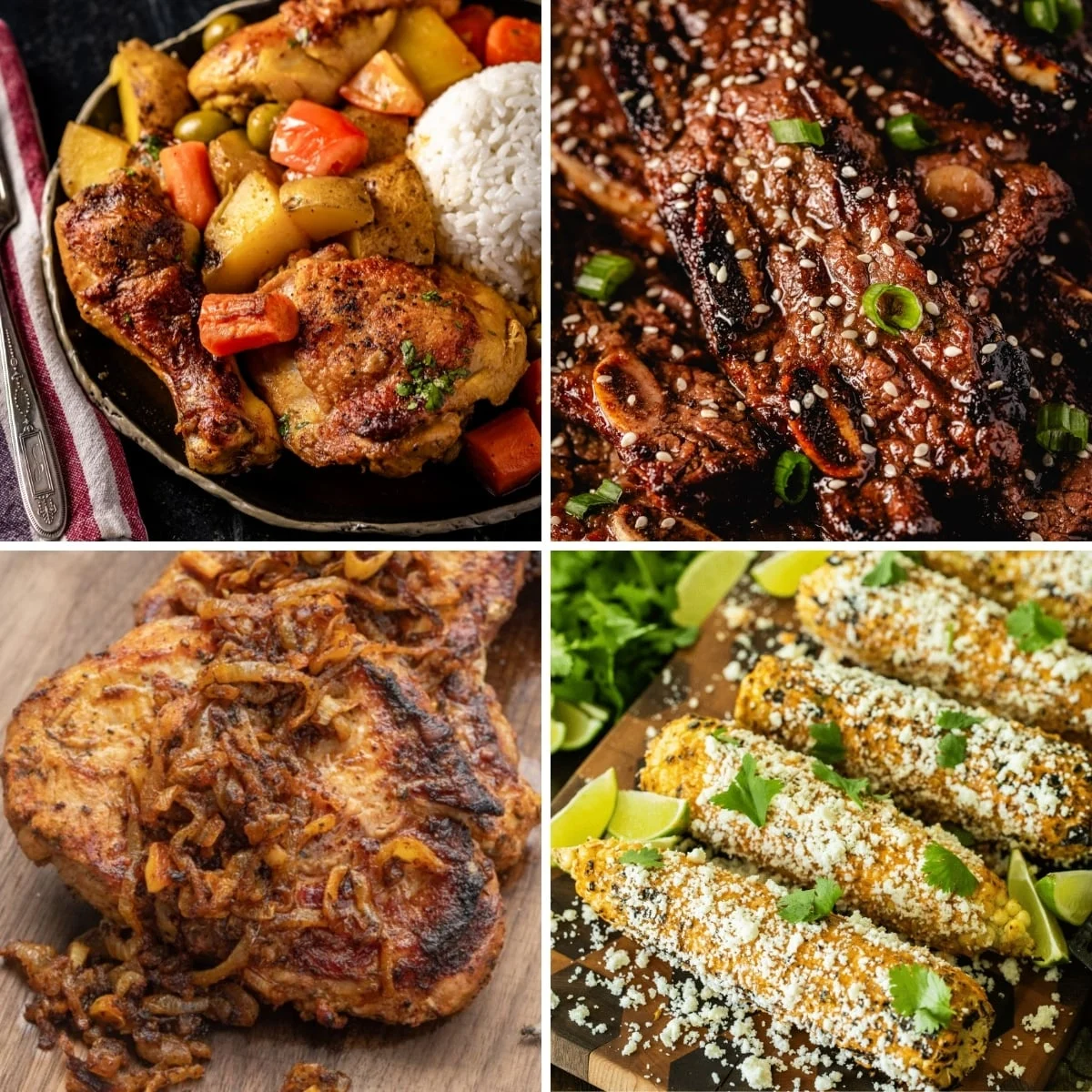
The globalization of the culinary arts has transformed the traditional American backyard barbecue from a simple display of regional staples into a sophisticated exploration of international flavors and techniques. As domestic consumers increasingly seek authentic, diverse dining experiences within the comfort of their own homes, culinary experts are identifying a significant shift toward "global fire-cooking." This movement, led by industry figures such as Susie Bulloch, founder of the prominent digital platform Hey Grill Hey, emphasizes the accessibility of complex international profiles—ranging from Korean short ribs to German pork chops—utilizing standard backyard equipment. The integration of these global recipes represents more than just a change in menu; it reflects a broader socio-economic trend toward culinary tourism and the democratization of professional-grade smoking and grilling techniques.
The Evolution of Global Outdoor Cooking
Barbecue, at its core, is a universal language of heat and protein. While the term often evokes images of the American South, every major culture possesses a distinct lineage of cooking over open flames. The historical chronology of these methods often mirrors the migration of people and the availability of local ingredients. For instance, the use of fruit-based enzymes for meat tenderization in Asia parallels the long-duration smoke-curing methods developed in the Americas. In recent years, the "backyard hero" phenomenon has seen home cooks moving beyond hamburgers and hot dogs to embrace the technical challenges of international cuisines.

According to market research data from the Hearth, Patio & Barbecue Association (HPBA), nearly 70% of American adults own a grill or smoker, and there is a growing demand for recipe content that bridges the gap between traditional methods and exotic flavor profiles. The following six recipes represent a curated selection of international dishes that have been adapted for the modern backyard environment, ensuring that the integrity of the original culture is maintained while prioritizing ease of execution for the home chef.
1. Kalbi: The Korean Influence on Beef Short Ribs
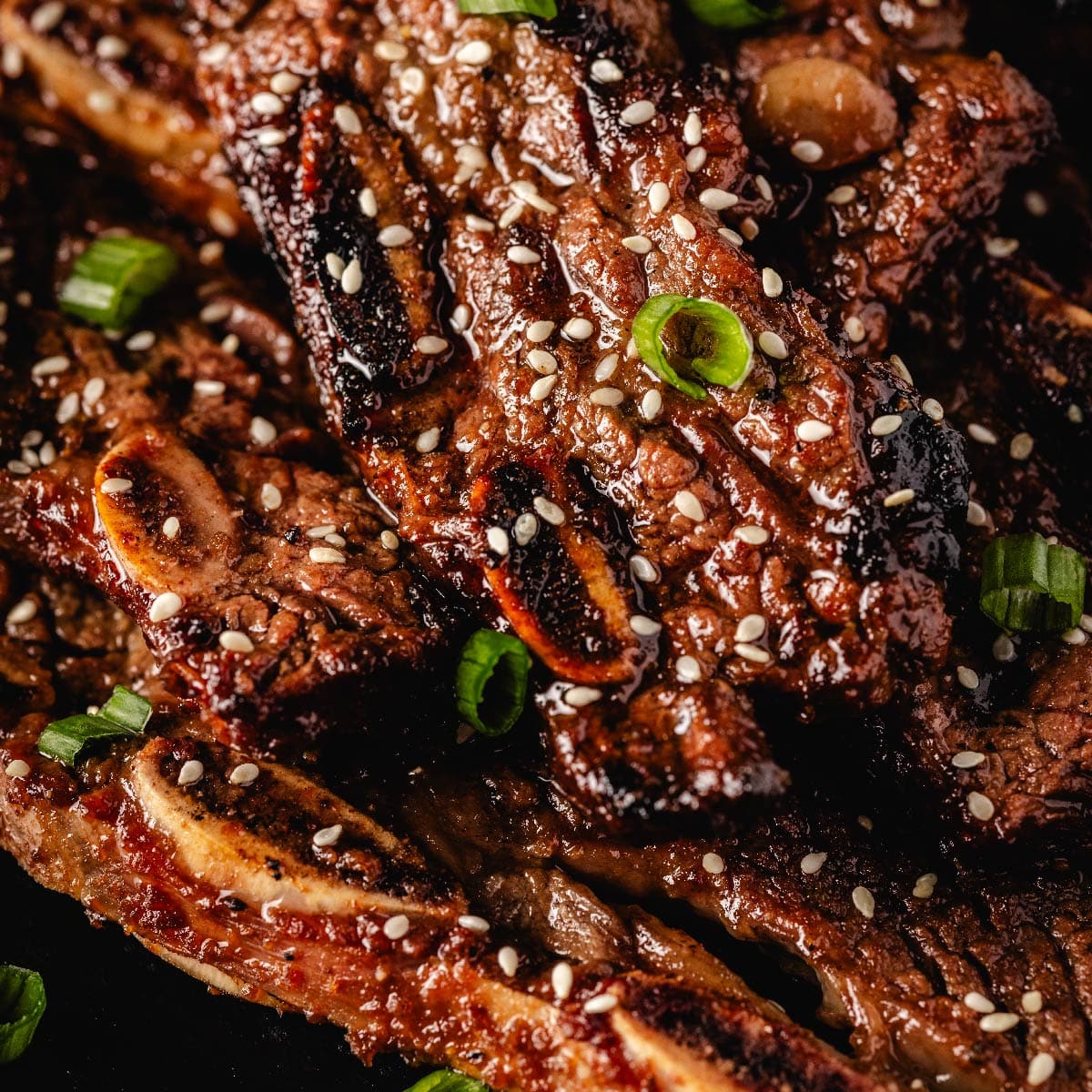
The Korean BBQ tradition, particularly the preparation of Kalbi (Galis), has seen a meteoric rise in Western popularity. Unlike the thick-cut, slow-smoked ribs common in Texas or Kansas City, Kalbi utilizes a "flanken-style" cut, where the ribs are sliced thin across the bone. This allows for a rapid sear over high heat, creating a caramelized exterior while maintaining a tender interior.
The technical brilliance of the Kalbi recipe lies in its marinade. The inclusion of fresh Asian pear, Fuji apple, and kiwi is not merely for flavor; these fruits contain natural enzymes—specifically calpain and actinidin—that act as powerful tenderizers for the marbled beef. When blended with soy sauce, ginger, garlic, and brown sugar, the result is a savory-sweet profile that represents the hallmark of Seoul’s street food scene. Industry analysts note that the increased availability of flanken-cut ribs in mainstream supermarkets is a direct result of the growing consumer interest in Korean-style grilling.

2. Pollo Guisado: Caribbean Comfort via the Backyard Grill
While often categorized as a stew, the Puerto Rican staple Pollo Guisado has been reimagined for the backyard setting, showcasing the versatility of outdoor Dutch oven cooking. This dish emphasizes the importance of "Sazón"—a quintessential Caribbean seasoning blend typically consisting of coriander, cumin, achiote, and garlic.
The preparation involves a slow-simmered process that integrates bone-in chicken with hearty vegetables like carrots and potatoes. A critical component of the flavor profile is the addition of olives, which provide a briny acidity that balances the richness of the chicken fat. Culinary historians point to Pollo Guisado as an example of "creole" cooking, where Spanish techniques merged with indigenous Taíno and African influences. Bringing this dish to the backyard smoker or grill side-burner allows the home cook to maintain a consistent low-temperature braise, resulting in the "fall-off-the-bone" texture that defines the dish.
3. Schwenkbraten: The German Art of the Swinging Grill
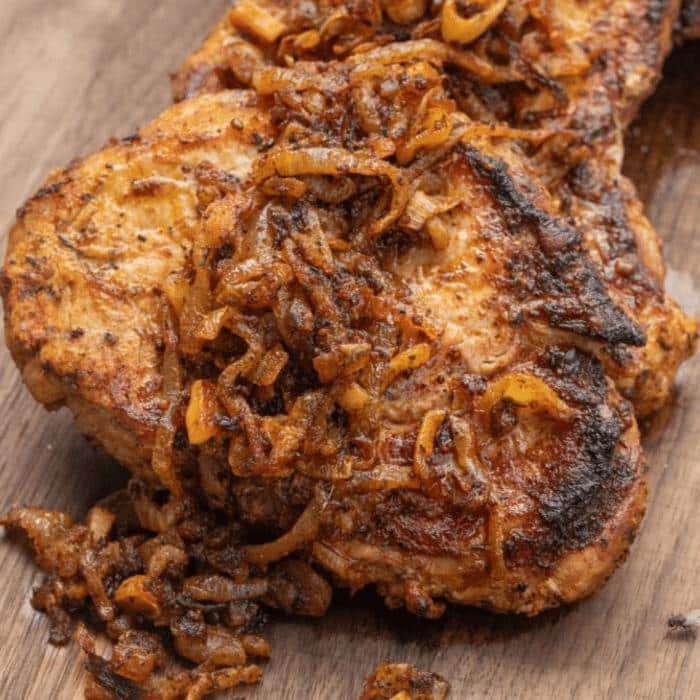
In the Saarland region of Germany, the tradition of Schwenkbraten involves more than just a recipe; it involves a specific mechanical approach to grilling. Traditionally cooked on a "Schwenker"—a tripod-mounted swinging grill over a beechwood fire—this method ensures that the meat remains in constant motion, preventing scorching and ensuring even heat distribution.
For the modern backyard, Schwenkbraten is adapted through a complex marinade of juniper berries, stone-ground mustard, garlic, smoked paprika, and a surprising hint of curry powder. This aromatic profile reflects Germany’s historical trade routes and its affinity for bold, spiced pork dishes. Experts suggest that the use of juniper berries is a vital link to the European forest-foraging tradition, providing a piney, gin-like sharpness that cuts through the fat of the pork chops.
4. Smoked Char Siu: Integrating Cantonese Tradition with American Smoke
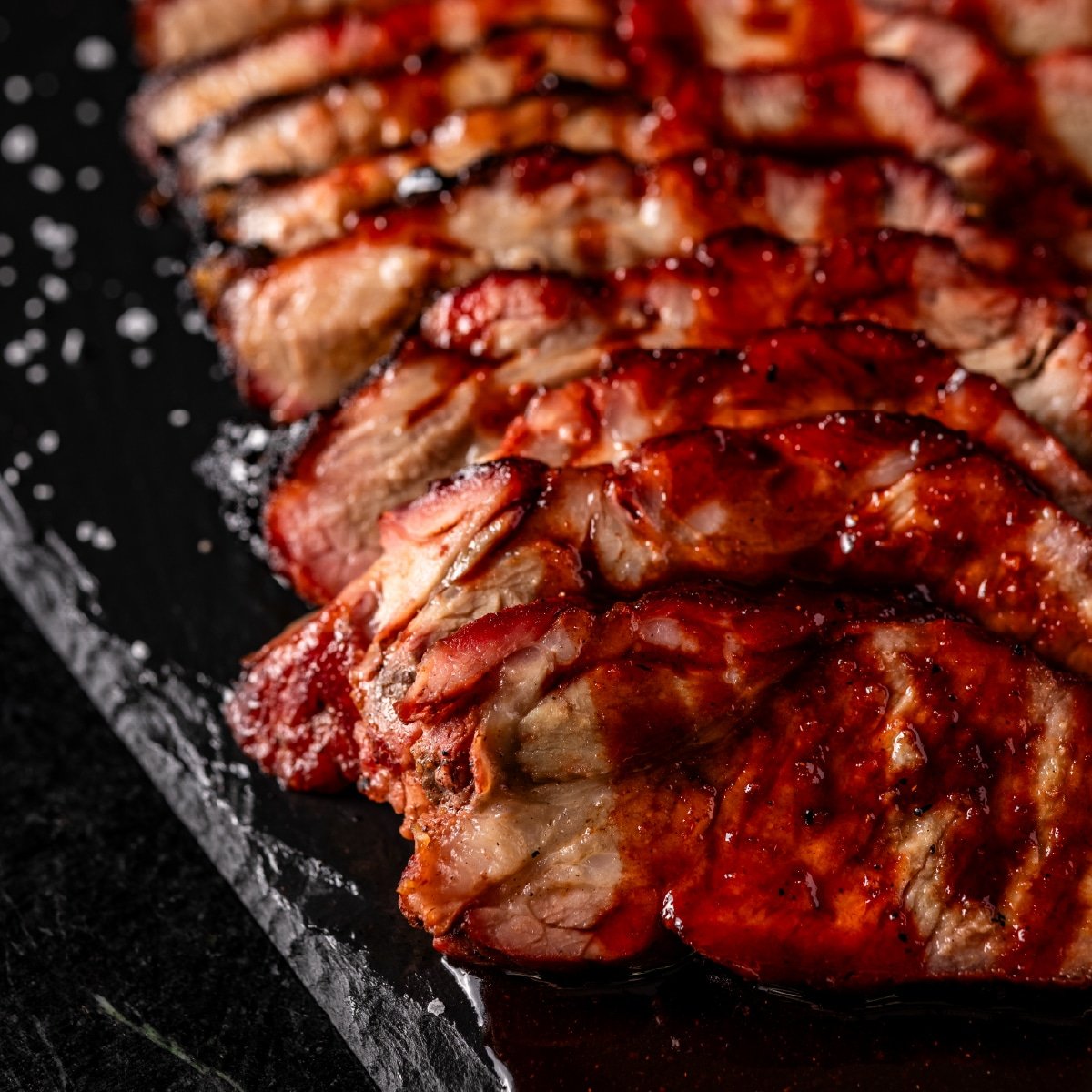
Char Siu, or Chinese BBQ pork, is recognizable by its glossy, deep-red glaze and sweet-savory aroma. Traditionally roasted in vertical ovens, the backyard adaptation utilizes the modern pellet or offset smoker to introduce a layer of hickory or cherry wood smoke that is not typically found in the Cantonese original.
The glaze is a sophisticated mixture of hoisin, soy sauce, Chinese five-spice, honey, and red miso paste. The red miso, in particular, provides an umami depth that complements the sweetness of the honey. The technical challenge for the home cook is achieving the "bark" or caramelized exterior without drying out the interior of the pork shoulder or tenderloin. By basting the meat with additional Char Siu sauce during the final stages of smoking, the cook creates a lacquered finish that has become a staple of international fusion BBQ.

5. Elote: The Rise of Mexican Street Corn
No international BBQ roundup is complete without Elote, the Mexican street corn that has become a ubiquitous side dish at American cookouts. The dish represents a perfect balance of four primary taste profiles: sweet (corn), salty (Cotija cheese), sour (lime), and spicy (chili powder).
The preparation involves grilling corn in the husk or directly over the grates to achieve a charred, smoky flavor. Once grilled, the ears are slathered in a chili-lime mayonnaise and rolled in crumbled Cotija cheese. Market data indicates that sales of Cotija cheese in the United States have grown significantly over the last decade, as consumers move away from processed cheeses in favor of authentic, regional dairy products. Elote serves as a case study in how simple ingredients, when treated with high heat and bold seasonings, can elevate a humble vegetable to a gourmet status.
6. Beer Battered Fish and Chips: British Technique in the Outdoors
While often associated with deep-fryers in professional kitchens, the British classic of Fish and Chips is increasingly being mastered in backyard settings using high-BTU outdoor burners or side-fire boxes. The secret to the dish’s longevity lies in the science of the batter.
The use of a beer-based batter introduces carbon dioxide and ethanol, which create a lighter, crispier crust than water-based alternatives. Furthermore, the inclusion of rice flour—a common tip among high-end chefs—prevents the gluten in the wheat flour from becoming too tough, ensuring a delicate crunch. The "double-fry" technique for the chips (potatoes) is a standard culinary protocol that involves a low-temperature blanching fry followed by a high-temperature crisping fry. This ensures a fluffy interior and a rigid, golden exterior, a hallmark of the United Kingdom’s most famous export.
Economic Impact and Consumer Behavior
The shift toward international BBQ recipes is supported by a robust expansion in the global spice and sauce market. According to a report by Grand View Research, the global sauces, dressings, and condiments market size was valued at USD 130 billion in 2021 and is expected to grow as home cooks experiment with international flavors. This economic trend is mirrored in the digital space, where platforms like the Hey Grill Hey app provide consumers with real-time shopping lists and meal planning tools.
"The modern griller is no longer satisfied with the status quo," says a representative for the outdoor cooking industry. "There is a desire for a ‘culinary passport’ experience. People want to tell a story with their food, and international BBQ provides the perfect narrative of travel and tradition."
Conclusion: The Future of the Backyard Destination
As the boundaries between professional kitchens and backyard patios continue to blur, the adoption of international recipes is expected to accelerate. The six recipes outlined—Kalbi, Pollo Guisado, Schwenkbraten, Char Siu, Elote, and Fish and Chips—represent the first wave of a broader movement toward global culinary literacy.
By mastering these dishes, home cooks are doing more than just feeding their neighbors; they are participating in a global exchange of culture and technique. The success of these recipes relies on the marriage of traditional flavors with modern convenience, proving that the backyard grill is a powerful tool for global exploration. As digital resources and specialty ingredients become more accessible, the "Backyard BBQ Hero" of the future will likely be defined by their ability to navigate the flavors of the world without ever leaving their patio.
