
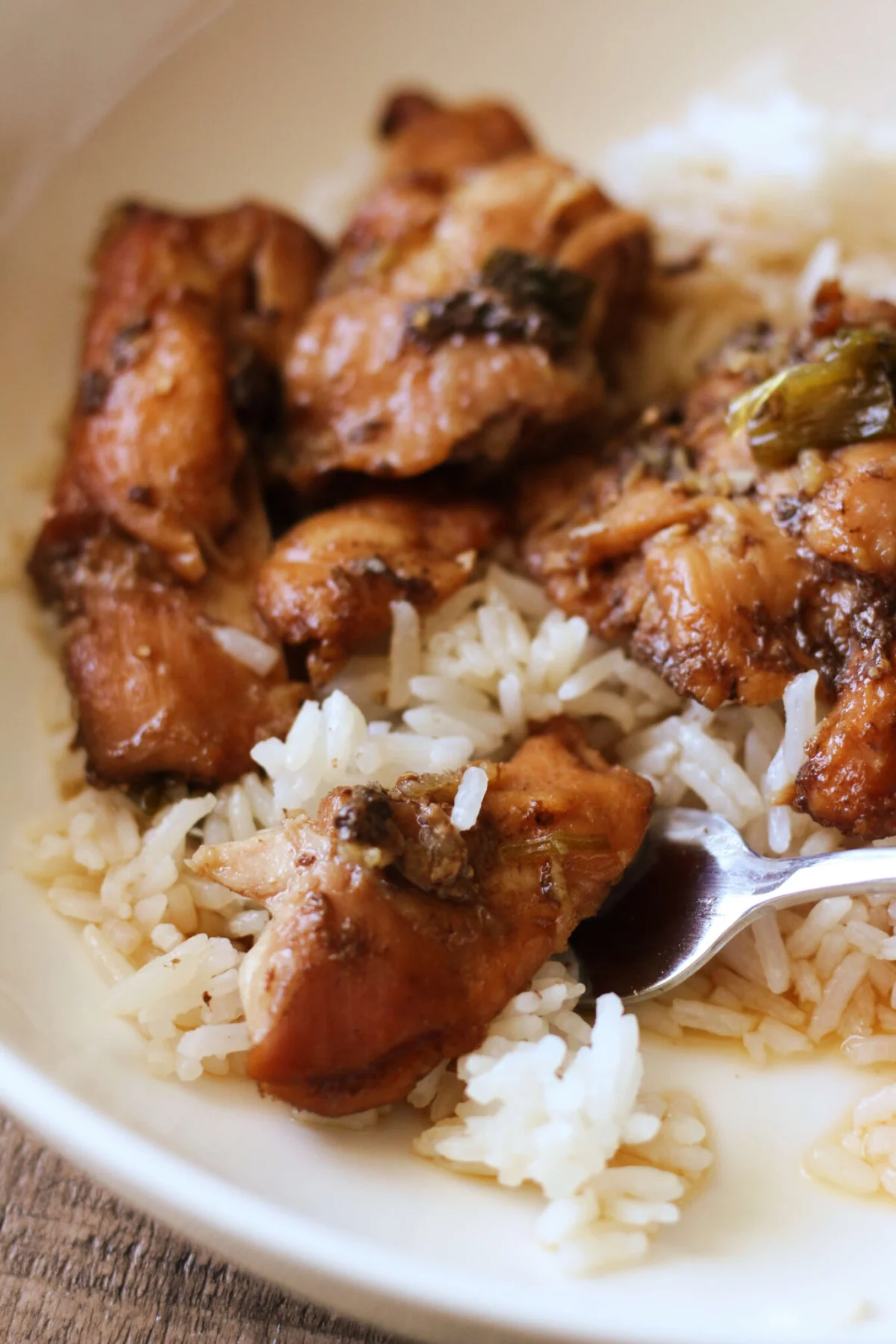
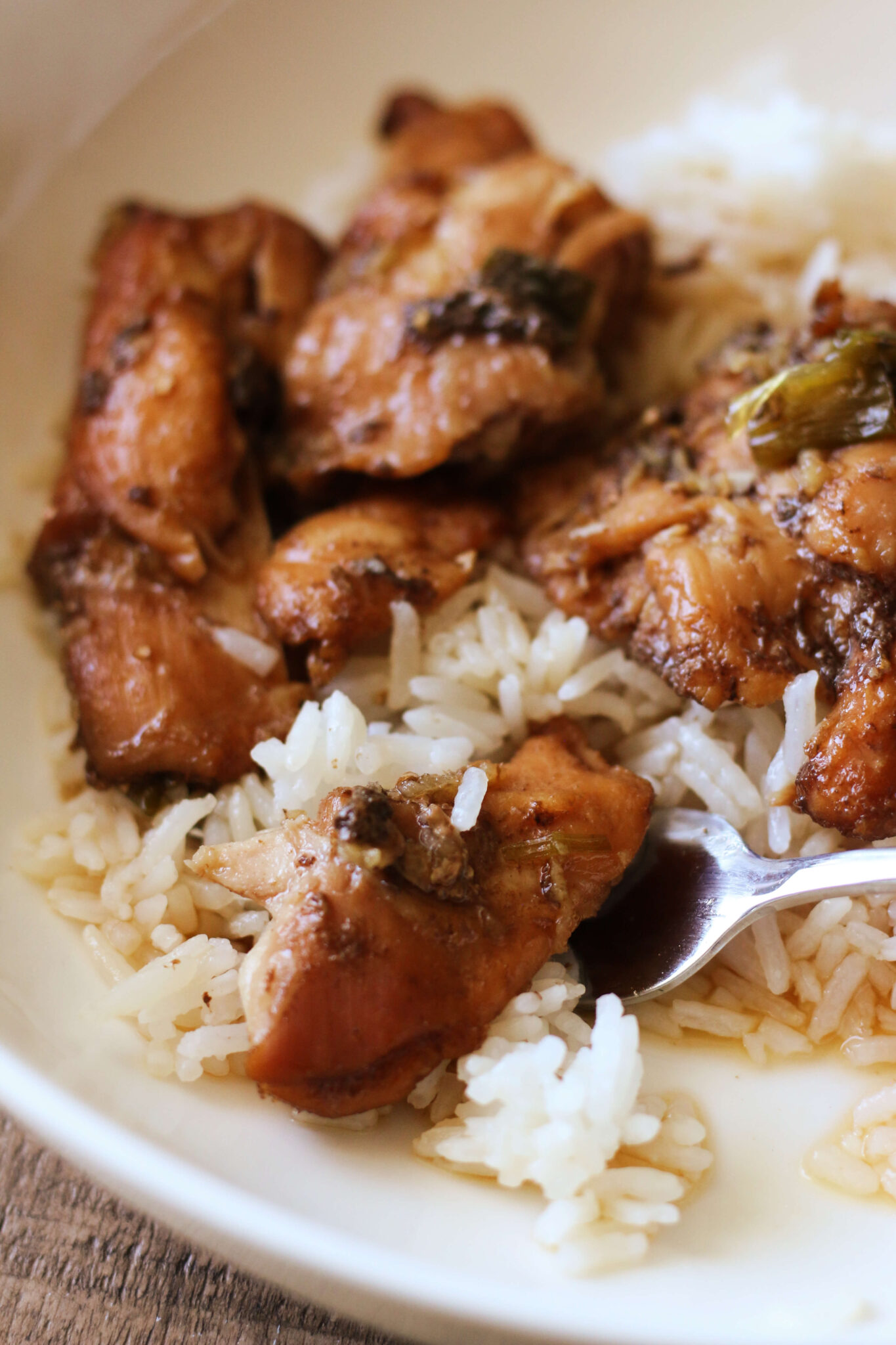
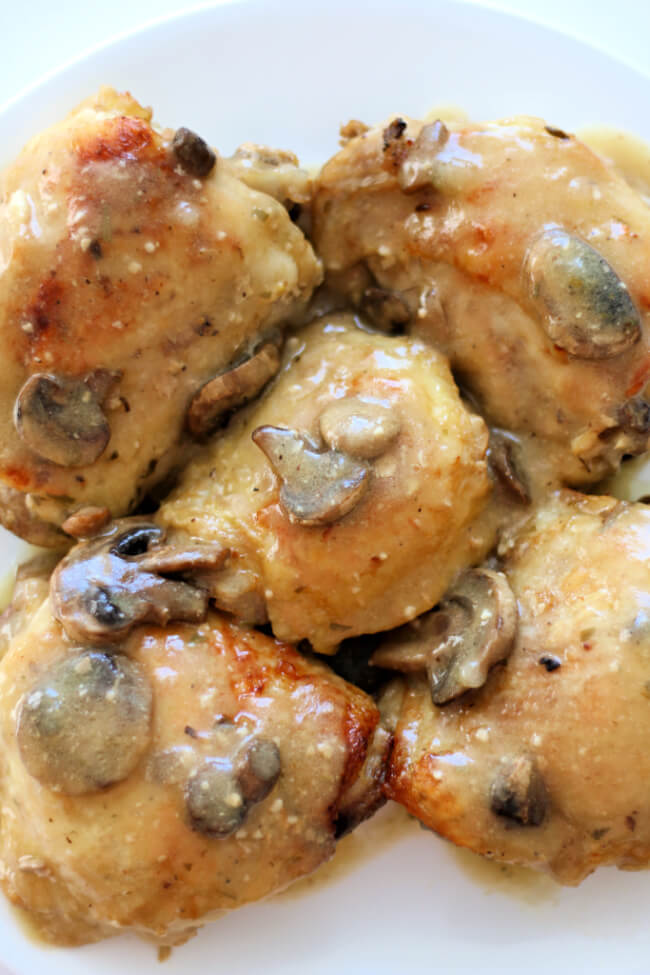
Easy Hawaiian Shoyu Chicken represents a significant intersection of traditional Pacific Island flavors and modern convenience cooking, offering a streamlined approach to a dish that has long been a staple of Hawaiian home kitchens and roadside eateries. This culinary preparation focuses on the slow-braising of bone-in or boneless chicken thighs in a balanced medium of soy sauce, ginger, and sugar, resulting in a protein that is both structurally tender and deeply infused with umami. As home-based culinary trends continue to shift toward "set-it-and-forget-it" methodologies, the adaptation of Shoyu chicken for the slow cooker serves as a prime example of how heritage recipes are being preserved and popularized in a fast-paced global food landscape.
The Cultural and Historical Origins of Shoyu Chicken
To understand the prominence of Shoyu chicken, one must examine the unique demographic history of the Hawaiian Islands. The dish is a product of the "Plate Lunch" culture, which originated during the plantation era of the late 19th and early 20th centuries. During this period, laborers from Japan, China, the Philippines, Portugal, and Korea worked together on sugar and pineapple plantations. At midday, these workers would share their lunches, leading to a profound cross-pollination of culinary techniques and ingredients.
Shoyu, the Japanese term for soy sauce, became a foundational element of this fusion. Japanese immigrants introduced fermented soy products, while Chinese workers contributed techniques for ginger-based aromatics and sugar-glazing. Over decades, these influences coalesced into the modern Shoyu chicken—a dish that is distinctly Hawaiian despite its international DNA. Unlike traditional Japanese teriyaki, which is often grilled or broiled, Hawaiian Shoyu chicken is defined by its braising process, which allows the meat to absorb the liquid until it reaches a state of near-collapse.
The Science of the Slow Cooker Method
The transition from stovetop simmering to slow cooker preparation is more than a matter of convenience; it is a matter of food science. Chicken thighs, the preferred cut for this recipe, contain a higher concentration of connective tissue and fat compared to chicken breasts. When subjected to the consistent, low-level heat of a slow cooker, the collagen in the thighs gradually breaks down into gelatin. This process not only tenderizes the meat but also creates a rich, velvety mouthfeel in the resulting sauce.
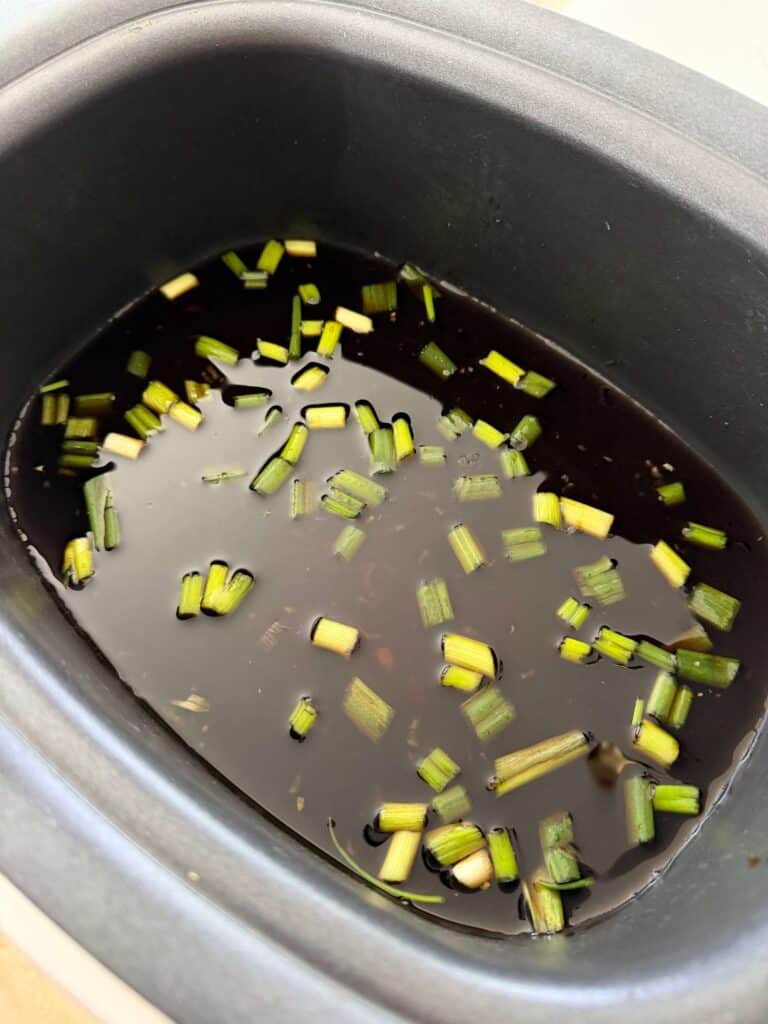
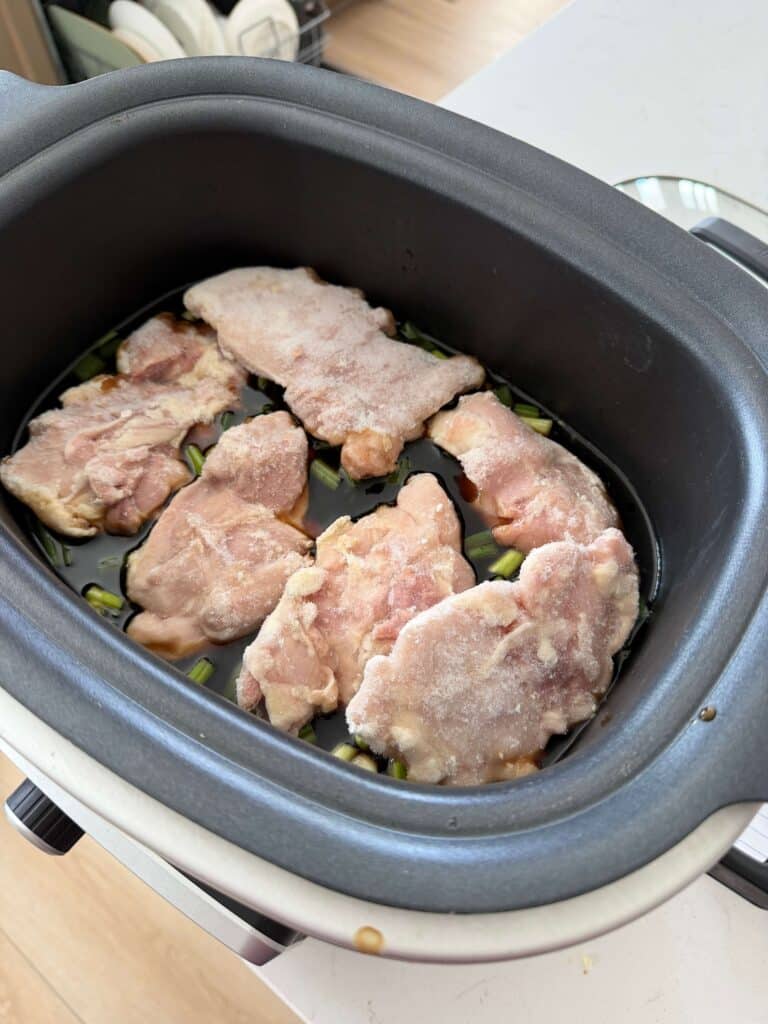
A standard preparation chronology for this dish involves a two-stage cooking cycle. Initially, the aromatics—freshly grated ginger, minced garlic, and sliced green onions—are whisked into a base of soy sauce, water, and brown sugar. The chicken is then nestled into this liquid, ensuring maximum surface area contact. Culinary experts suggest a three-hour window on a "low" setting, with a critical midpoint intervention where the chicken is flipped. This ensures that the sugars in the marinade do not scorch against the ceramic walls of the cooker while providing even color distribution across the protein.
Supporting Data: The Rise of Home-Cooked Fusion
Recent market data highlights a resurgence in the popularity of slow-cooker recipes as consumers grapple with rising food costs and time poverty. According to industry reports from 2023, the global slow cooker market is projected to grow at a steady rate of 4.5% annually through 2030. This growth is driven largely by the "meal prep" movement, where households prepare large batches of protein to be used throughout the workweek.
Furthermore, Hawaiian cuisine has seen a 22% increase in mentions on social media platforms and recipe aggregators over the last twenty-four months. This interest is attributed to the "comfort food" appeal of dishes like Shoyu chicken, which offer a high flavor-to-effort ratio. Economically, Shoyu chicken is highly efficient; chicken thighs remain one of the most cost-effective protein sources in the United States, often retailing for 30% to 50% less than chicken breasts or beef cuts, making this recipe a strategic choice for budget-conscious families.
Nutritional Profile and Ingredient Analysis
From a nutritional standpoint, Shoyu chicken provides a robust source of protein, though it requires careful management of sodium and sugar levels. A standard serving of Shoyu chicken contains approximately 25 to 30 grams of protein. The primary health considerations involve the soy sauce (shoyu) and the brown sugar used to balance the acidity.
- Soy Sauce (Shoyu): High in sodium, it provides the essential "salt" component. For those monitoring cardiovascular health, nutritionists often recommend substituting traditional shoyu with low-sodium alternatives or liquid aminos, which can reduce sodium intake by up to 40% without significantly compromising the flavor profile.
- Ginger and Garlic: These aromatics are not merely flavor agents; they are rich in bioactive compounds. Ginger contains gingerol, known for its anti-inflammatory properties, while garlic provides allicin, which has been linked to improved heart health.
- The Sugar Balance: The use of brown sugar is traditional for its molasses content, which contributes to the deep mahogany color of the chicken. However, contemporary adaptations often utilize honey or maple syrup for a more complex sweetness, or sugar-free alternatives for those following ketogenic diets.
Chronology of Preparation: From Pantry to Plate
The success of Easy Hawaiian Shoyu Chicken lies in its specific sequence of operations. To achieve the professional results described in culinary guides, the following timeline is typically observed:
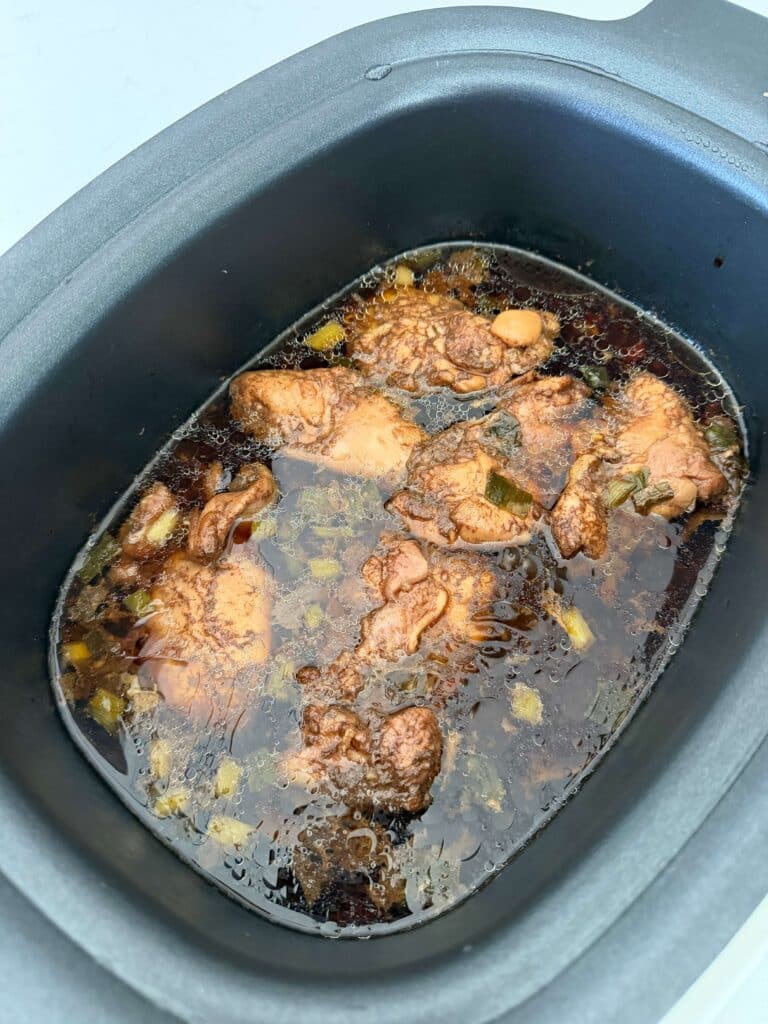
- Phase 1: The Emulsion (0–10 Minutes): The liquid base is established. Whisking the soy sauce, water, and sugar before adding the chicken prevents the sugar from settling at the bottom, which could lead to uneven caramelization or burning.
- Phase 2: The Infusion (Hour 1): The slow cooker begins to raise the internal temperature of the chicken. During this first hour, the aromatics (ginger and garlic) release their essential oils into the soy-based liquid.
- Phase 3: The Flip (Hour 1:15): Rotating the chicken ensures that the portions not submerged in the liquid receive equal heat and moisture from the steam trapped under the lid.
- Phase 4: The Breakdown (Hours 2–3): The internal temperature of the chicken thighs reaches the 165°F–175°F range. This is the "sweet spot" for thighs, where the meat remains juicy but begins to pull away from the bone or fibers easily.
- Phase 5: The Finishing (Final 15 Minutes): The chicken is shredded or broken into large chunks, allowing the internal fibers to act as a sponge for the reduced sauce.
Official Responses and Culinary Expert Insights
Professional chefs specializing in Pacific Rim cuisine often emphasize the importance of "the soak." Chef and cookbook author Karen Petersen has noted that the simplicity of the recipe is its greatest strength, allowing the quality of the ginger and the fermentation of the soy sauce to lead the flavor profile.
"The slow cooker is the modern equivalent of the heavy cast-iron pots used in plantation kitchens," says one culinary analyst. "It maintains the gentle simmer required to transform a humble cut of meat into a luxury texture. The addition of fresh ginger is non-negotiable; it provides a sharp, clean finish that cuts through the richness of the soy and sugar."
In response to the growing demand for dietary flexibility, many culinary institutions have released guidelines for adapting this dish. For instance, the use of cornstarch slurries at the end of the cooking process is a common recommendation for those who prefer a thicker, glaze-like consistency rather than a traditional thin braising liquid.
Broader Implications for Modern Dining
The popularity of Easy Hawaiian Shoyu Chicken reflects a broader shift in the American culinary landscape toward "Global Comfort." As diners become more adventurous, there is a diminishing divide between "ethnic" food and "home" food. Shoyu chicken has transitioned from a regional specialty of the 50th state to a mainstream staple of the American suburban dinner table.
This trend also speaks to the democratization of cooking. With minimal technical skills required—primarily whisking and chopping—this dish allows individuals with limited culinary training to produce restaurant-quality results. The economic impact is also notable; as restaurant prices for "Hawaiian BBQ" plates rise, the ability to replicate these flavors at a fraction of the cost reinforces the value of home cooking.
Furthermore, the dish serves as an entry point for many into the world of Hawaiian culture and history. By engaging with the flavors of the islands, consumers are often prompted to learn about the complex history of the Pacific and the diverse groups of people who contributed to its unique identity.
Conclusion: The Future of the Recipe
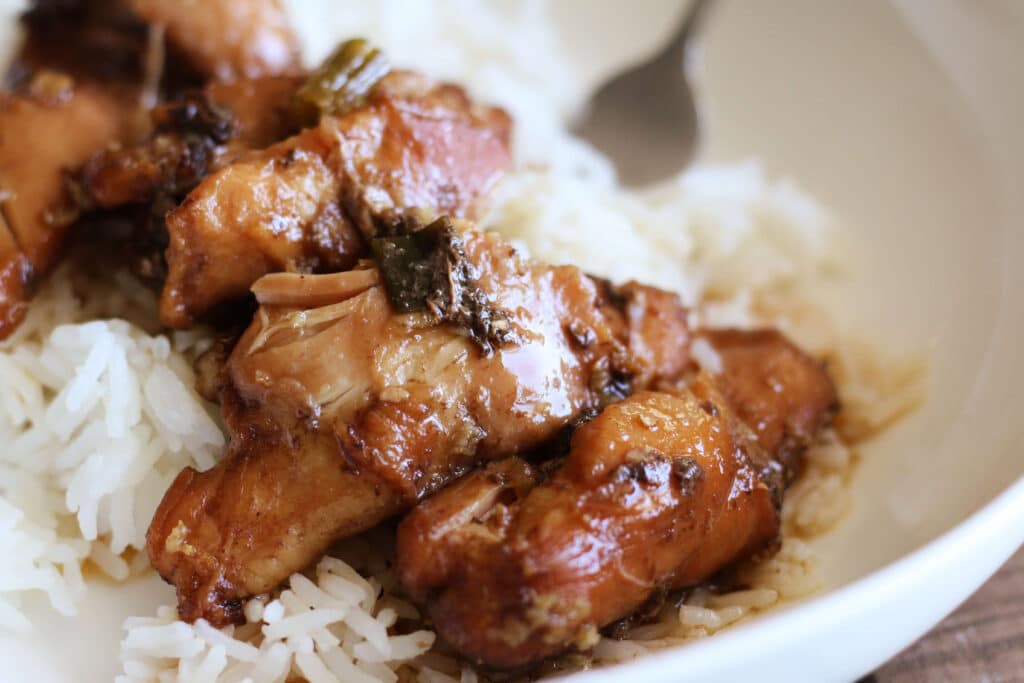
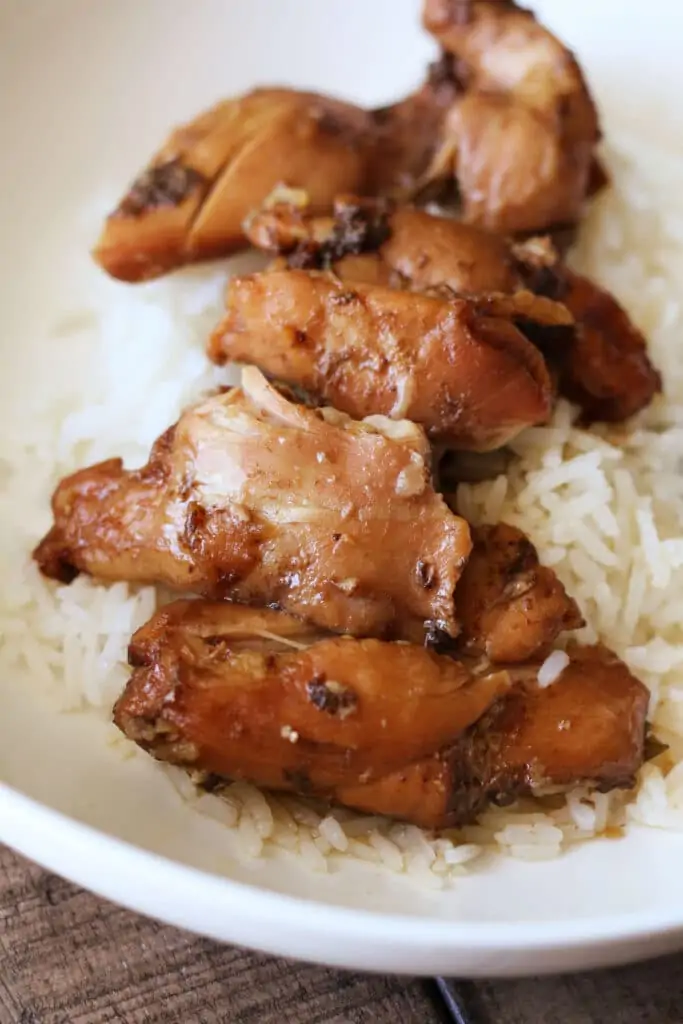
As we look toward the future of home cooking, Easy Hawaiian Shoyu Chicken stands as a resilient and adaptable model. It satisfies the modern requirements for efficiency, affordability, and bold flavor. Whether served over white jasmine rice, paired with a traditional Hawaiian macaroni salad, or used as a filling for fusion tacos, the dish continues to evolve while remaining true to its plantation-era roots.
The integration of smart slow cookers and Instant Pots will likely further shorten the cooking times or allow for remote monitoring, but the core components—shoyu, ginger, garlic, and sugar—will remain the pillars of this iconic Hawaiian dish. In an era of complex gastronomic trends, the enduring appeal of Shoyu chicken lies in its simplicity: a few basic ingredients, a bit of time, and the unmistakable taste of the islands.
