
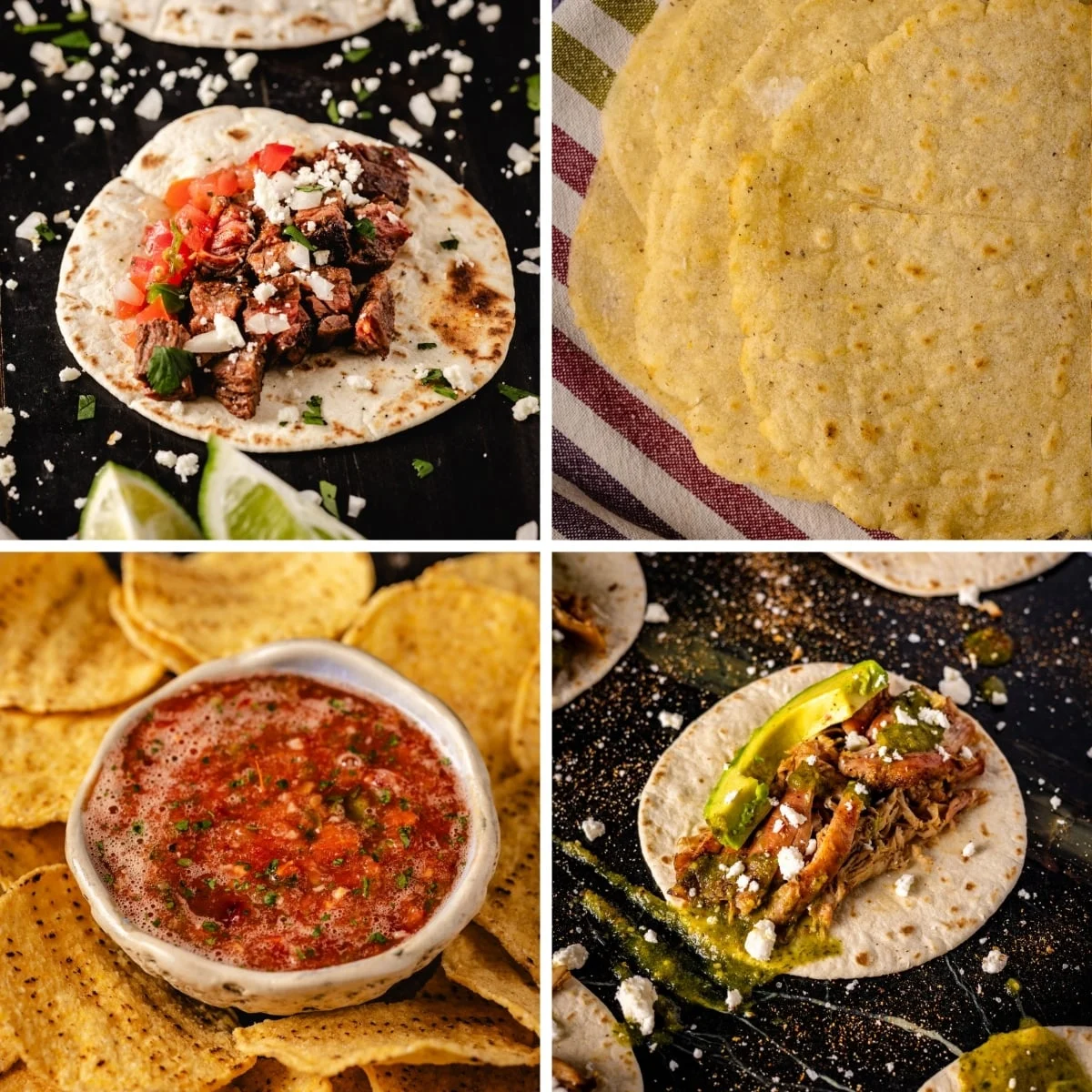
The rise of artisanal home cooking has transformed the traditional backyard barbecue from a simple gathering into a sophisticated culinary experience, with the "taco bar" emerging as a leading trend in outdoor entertaining. By moving beyond pre-packaged kits and embracing from-scratch preparation, home cooks are adopting professional techniques once reserved for high-end taquerias. This shift toward authentic, flame-kissed Mexican cuisine represents a broader movement in the United States, where Mexican food has become the second most popular international cuisine, significantly influencing the multi-billion-dollar grilling and outdoor appliance industry.
The Foundation of the Modern Taco: Artisanal Tortilla Preparation
The structural integrity and flavor profile of a taco are fundamentally determined by its base: the tortilla. While mass-produced tortillas dominate retail shelves, the culinary community has seen a resurgence in home-based nixtamalization and dough preparation. Journalistic analysis of food trends indicates that fresh-pressed tortillas, cooked over high heat on a grill or a cast-iron comal, provide a superior texture and aroma that cannot be replicated by store-bought alternatives.

Culinary experts generally categorize the foundation into two primary camps: corn and flour. Corn tortillas, rooted in thousands of years of Mesoamerican tradition, rely on masa harina—corn that has been treated with an alkaline solution. When grilled, these tortillas develop charred "leopard spots" that provide a nutty, toasted flavor profile. Conversely, flour tortillas, more common in Northern Mexican and Tex-Mex traditions, offer a soft, pillowy texture that pairs well with heavier, fattier meats like brisket or carnitas. The process of grilling these foundations serves a dual purpose: it softens the starches for better flexibility and adds a smoky depth that complements the fillings.
The Chemistry of Flavor: Seasoning and Rub Methodologies
Effective taco preparation requires a nuanced understanding of spice architecture. A professional-grade taco rub typically balances four key elements: salt, heat, acidity, and earthiness. Data from the spice and seasoning market suggests that consumers are increasingly moving away from high-sodium, "one-size-fits-all" taco packets in favor of complex blends that utilize specific dried chilies, such as guajillo, ancho, and chipotle.
A flagship example of this evolution is the "Fiesta Rub" methodology, which incorporates savory depths with a bright lime finish and a controlled spicy kick. The inclusion of citric acid or dehydrated lime zest in dry rubs is a significant technical advancement, as it mimics the traditional practice of marinating meat in citrus juices without the risk of breaking down the protein fibers into a mushy texture during long smoking sessions. For those seeking more specialized profiles, fajita seasonings emphasize cumin and oregano, while Al Pastor-style seasonings focus on the sweetness of achiote and pineapple enzymes to tenderize the pork.

Protein Selection and Grilling Techniques
The centerpiece of the taco night experience is the protein, which requires varying techniques depending on the cut of meat and the desired outcome. The modern grill master utilizes both direct and indirect heat to achieve the diverse textures found in professional Mexican street food.
Beef Barbacoa and Brisket
For tougher, flavor-rich cuts like beef cheek or brisket, the "low and slow" smoking method is essential. By maintaining a consistent temperature of 225°F (107°C) using hardwoods such as oak or hickory, the connective tissues in the beef gradually melt into gelatin. This results in the "smoky beef barbacoa" profile that is easily shredded and retains high moisture content.
Chile Lime Chicken and Carne Asada
Poultry and thin steak cuts, such as skirt or flank steak, require the opposite approach. High-heat searing—often exceeding 500°F (260°C)—creates the Maillard reaction, a chemical reaction between amino acids and reducing sugars that gives browned food its distinctive flavor. Chile lime chicken, when grilled over an open flame, develops a crispy exterior while the internal meat remains succulent, provided it is monitored with a digital meat thermometer to reach an internal temperature of 165°F (74°C).

Pork Al Pastor
Traditionally cooked on a vertical rotisserie known as a trompo, the Al Pastor style has been adapted for the backyard grill. By stacking marinated pork shoulder and pineapple on a vertical skewer or rotisserie attachment, the meat self-bastes in its own fat and fruit juices. The smoke from the charcoal adds a dimension of flavor that is often missing from indoor gas-range adaptations.
The Role of Acidity and Balance: Salsa and Condiments
A taco is scientifically balanced by the addition of acid and freshness, which cuts through the richness of the grilled meats. The production of homemade salsa has moved beyond basic pico de gallo to include smoked and roasted varieties. Grilling the vegetables—tomatoes, tomatillos, onions, and peppers—before blending them introduces a charred bitterness that rounds out the heat of the peppers.
Recent culinary data highlights the popularity of "Smoked Queso" and "Roasted Tomatillo Salsa" as essential components of the modern taco bar. These elements provide the necessary contrast in temperature and texture. The addition of fresh toppings, such as pickled red onions, radishes, and cotija cheese, allows for a customizable experience that caters to a wide range of dietary preferences and palates.

Economic and Social Implications of the Grilling Trend
The shift toward elaborate backyard taco nights is not merely a culinary preference but a reflection of broader economic trends. The Hearth, Patio & Barbecue Association (HPBA) reports that a significant majority of North American households own a grill or smoker, with a growing percentage of owners using them year-round. The "Taco Tuesday" phenomenon has evolved into a social ritual that drives significant retail traffic in the meat and produce sectors.
Furthermore, the rise of digital platforms has democratized professional cooking knowledge. Resources like "Hey Grill Hey," founded by Susie Bulloch, have played a pivotal role in this transition. Bulloch, a Guinness World Record holder and prominent figure in the BBQ community, has leveraged her expertise to teach millions of backyard enthusiasts how to achieve restaurant-quality results. This democratization of skill has led to a surge in the sales of high-quality meats and specialized grilling equipment, as consumers seek to replicate the "Backyard BBQ Hero" experience.
Broader Cultural Impact and Global Influence
The globalization of the taco has led to innovative fusions that incorporate regional barbecue traditions into the Mexican format. In the American South, "Mex-Tex" fusion has seen smoked brisket and pulled pork become standard taco fillings. On the West Coast, seafood-centric tacos utilizing grilled mahi-mahi or shrimp reflect the coastal influence of Baja California.

This cross-pollination of flavors has reinforced the taco’s status as a versatile culinary canvas. It allows for the integration of local ingredients and seasonal produce, making the "grilled taco night" a sustainable and adaptable option for various geographic regions. The social aspect of the taco bar—where guests assemble their own meals—promotes a communal dining atmosphere that is central to the appeal of outdoor cooking.
Conclusion: The Future of Outdoor Culinary Entertainment
As outdoor kitchen technology continues to advance, the complexity of home-grilled Mexican cuisine is expected to grow. The integration of smart grills, precision temperature control, and high-quality artisanal ingredients has lowered the barrier to entry for novice cooks while providing new challenges for experienced pitmasters.
The backyard taco bar represents the pinnacle of this movement, combining the primal appeal of fire-cooked meat with the sophisticated balance of traditional Mexican flavors. By mastering the components—from the hand-pressed tortilla to the perfectly balanced salsa—home cooks are not only providing a meal but are also preserving and evolving a rich cultural heritage. The transition from consumer to creator in the realm of barbecue signifies a permanent shift in the landscape of American home entertaining, ensuring that the grill remains the heart of the social experience for generations to come.
