
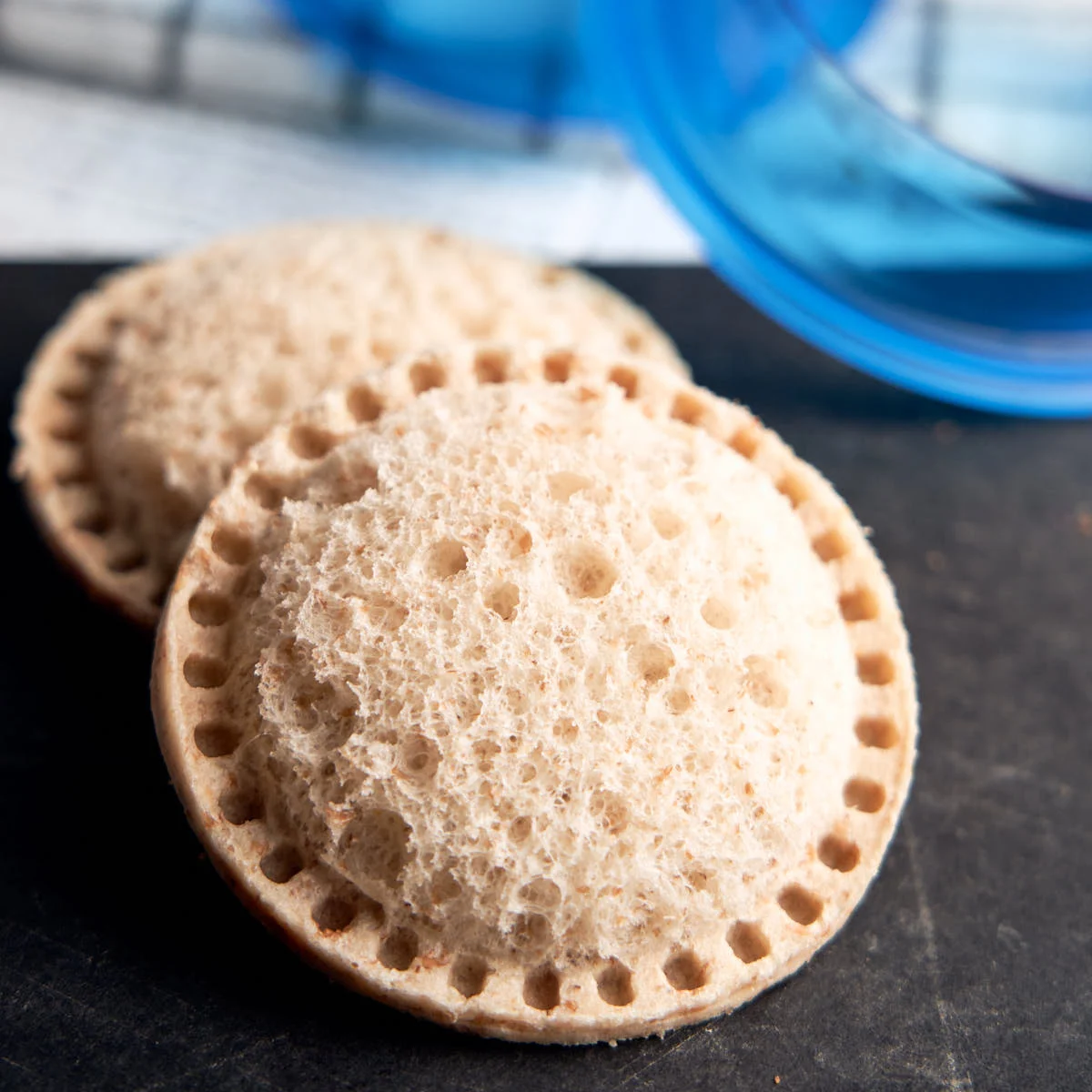
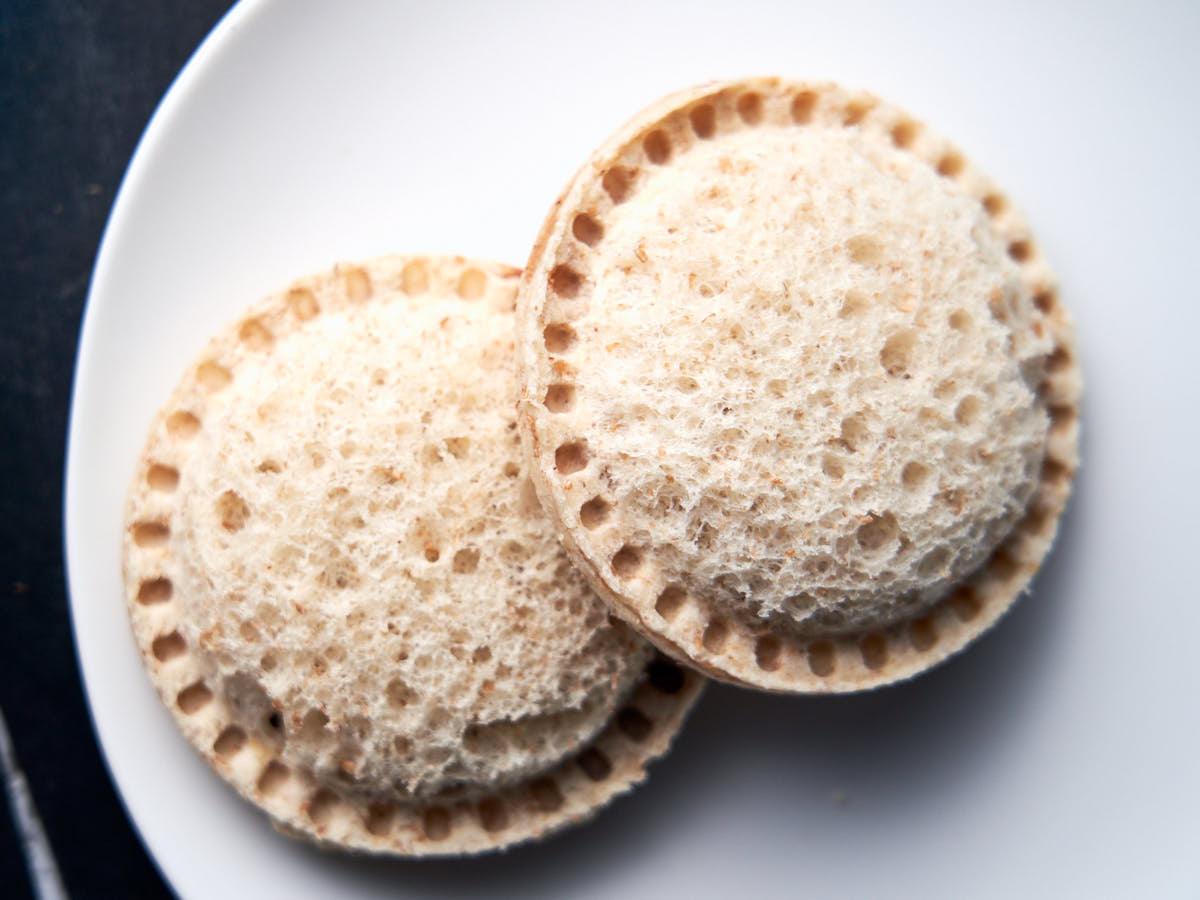
The familiar, pre-packaged Uncrustables sandwich, a beloved lunchbox staple, is now within reach for home kitchens, offering a demonstrably healthier, more economical, and environmentally conscious alternative. This exploration delves into the creation of homemade peanut butter and honey Uncrustables, highlighting the benefits of DIY preparation and providing practical insights for enthusiasts looking to replicate this popular treat. The article also addresses the common concern of leftover bread crusts, offering innovative solutions for minimizing food waste.
The Rise of the Homemade Sandwich Solution
The trend towards home cooking and the desire for greater control over ingredients have fueled a resurgence in homemade versions of popular convenience foods. The peanut butter and honey Uncrustable is no exception. While store-bought options offer convenience, a closer examination of their ingredient lists often reveals added sugars and processed components. Crafting these sandwiches at home empowers consumers to select higher-quality ingredients, leading to a more nutritious final product.
The appeal of the Uncrustable lies in its simplicity: two slices of bread, a filling, and a sealed, crustless edge. This very simplicity makes it an ideal candidate for home replication. The process not only yields a superior product in terms of health and cost but also provides an engaging activity for families, particularly children, fostering culinary skills and a sense of accomplishment.
Healthier Ingredients, Healthier Choices
A significant advantage of preparing peanut butter and honey Uncrustables at home is the ability to meticulously choose each ingredient. Commercial Uncrustables, while convenient, often contain ingredients that many health-conscious consumers aim to minimize. For instance, the peanut butter spread in many store-bought versions can include added sugars, and the "honey spread" frequently lists sugar as its primary component.
By contrast, a homemade approach allows for the selection of natural peanut butter with no added sugars. Similarly, using pure, unadulterated honey ensures that the sweetness comes directly from nature, without the inclusion of refined sugars. This conscious ingredient selection can contribute to a more balanced dietary intake, especially for children who consume these sandwiches regularly. Data from the USDA indicates that added sugars contribute significantly to the caloric intake of many Americans, particularly children and adolescents. By opting for homemade versions, families can actively reduce their reliance on such added sugars.
Furthermore, the environmental impact of single-serving packaged foods is a growing concern. Each store-bought Uncrustable comes individually wrapped, contributing to plastic waste. A homemade approach, even when using reusable lunch containers, inherently reduces the amount of disposable packaging entering landfills.
The Uncrustable Maker: A Kitchen Game-Changer
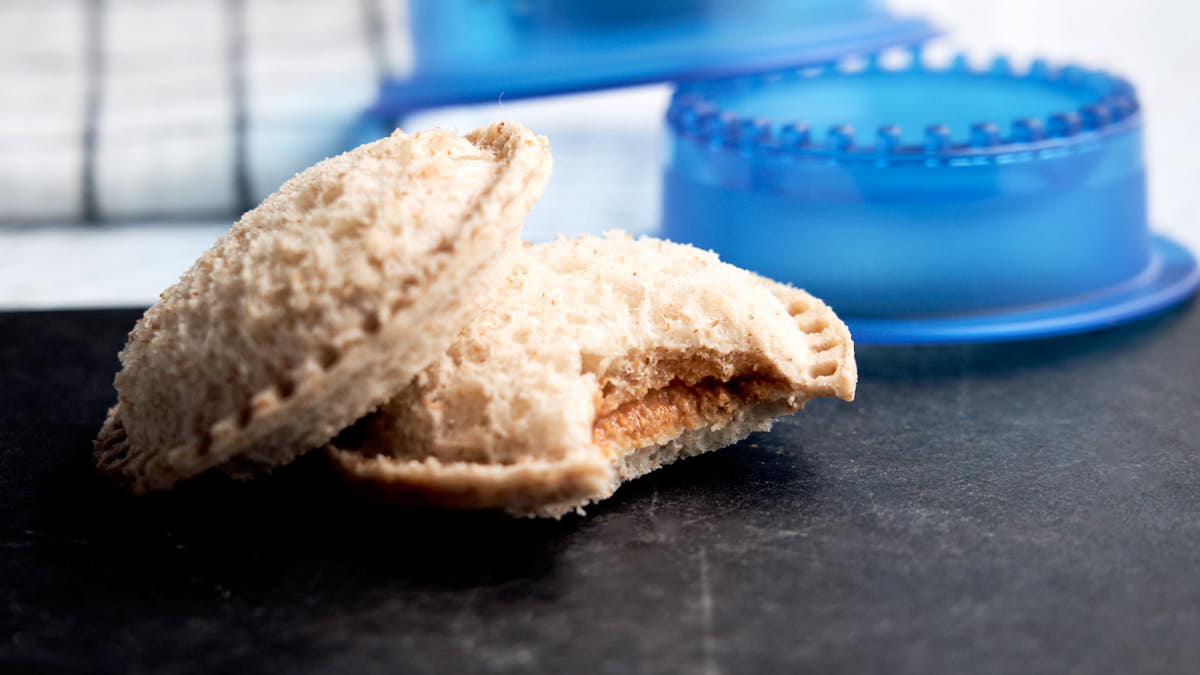
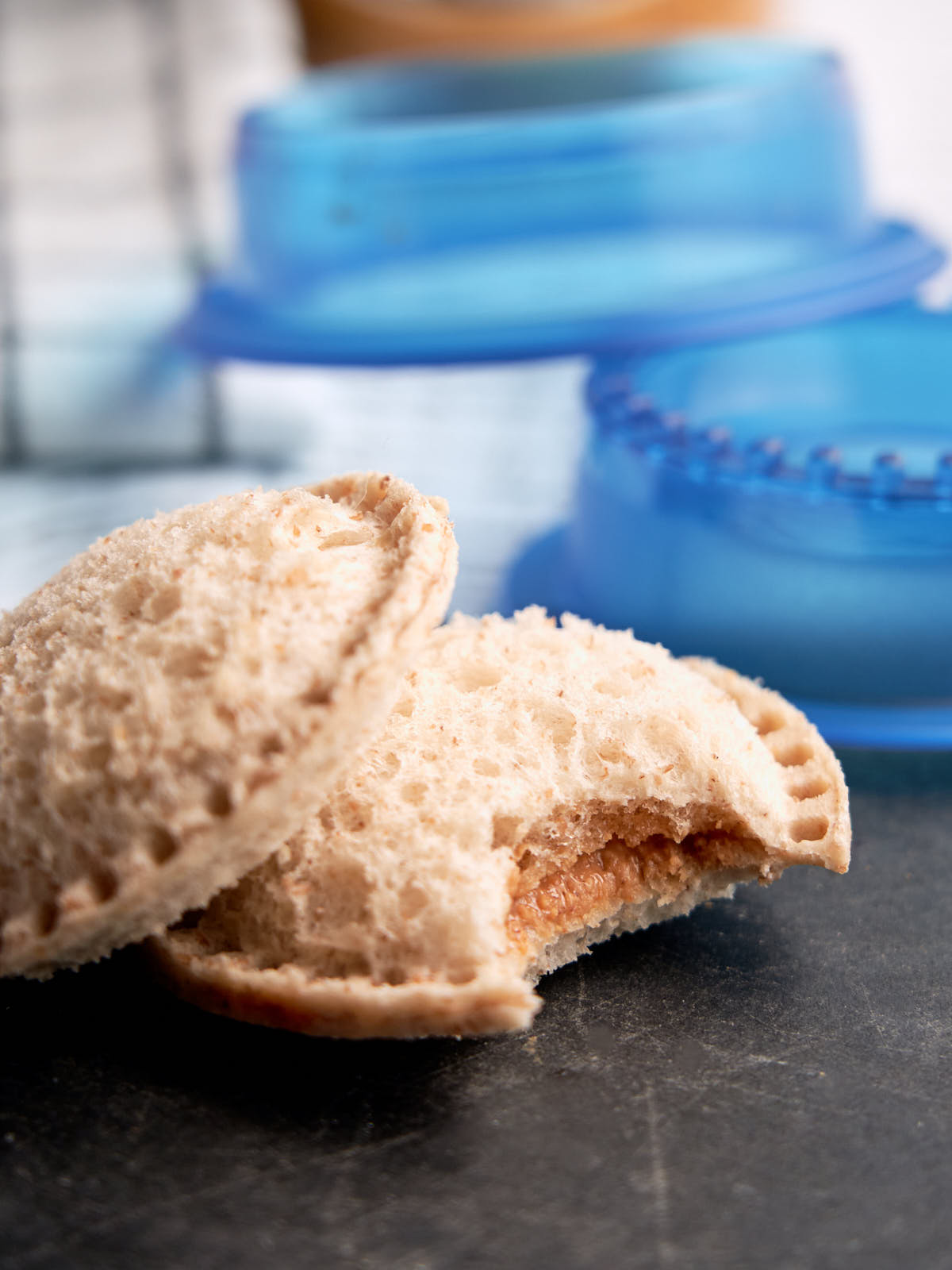
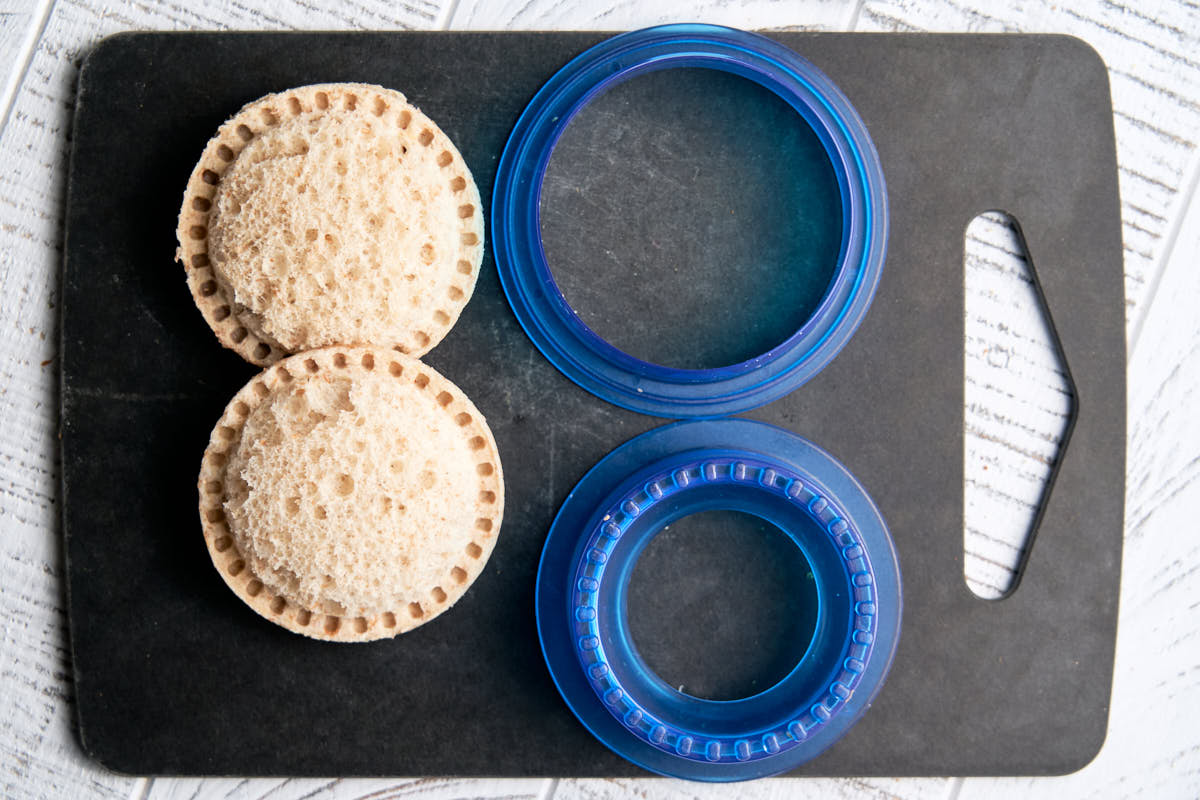
The key to achieving the signature look and seal of a store-bought Uncrustable lies in a specialized kitchen tool: the sandwich cutter and sealer, often referred to as an "Uncrustable maker." These devices, readily available online, typically consist of two parts: a cutter that removes the crusts and a sealer that presses the edges together, creating a pocket.
One popular and highly-rated option is the [Specific Product Name, e.g., "Sandwich Sealer and Cutter Set"]. This particular model is praised for its ability to mimic the classic Smucker’s Uncrustables edge, avoiding the wavy edges that some alternative sealers produce. The use of such a tool simplifies the process, making it efficient and enjoyable, even for younger cooks. The market for these tools has expanded, with numerous options available on platforms like Amazon, catering to various preferences in size and design.
Beyond the Sandwich: Creative Use of Leftover Crusts
A common question that arises when making homemade Uncrustables is the fate of the discarded bread crusts. Far from being waste, these edges offer a wealth of culinary possibilities. This proactive approach to minimizing food waste aligns with growing consumer awareness of sustainability and resourcefulness in the kitchen.
Crafting Delicious Croutons
One of the most popular and practical uses for leftover bread crusts is transforming them into homemade croutons. The process is remarkably simple and yields a flavorful snack or a delightful addition to salads and soups. The crusts can be pan-fried in olive oil or butter until golden brown and crispy. A sprinkle of herbs and spices, such as garlic powder, onion powder, Italian seasoning, or even a touch of paprika, elevates their taste. Children often enjoy these seasoned croutons as a standalone snack or as a crunchy accompaniment to their meals. For those who enjoy dipping, cutting the crusts into strips before frying makes them ideal for pairing with hummus or other dips.
Versatile Breadcrumbs
Another valuable application for bread crusts is the creation of homemade breadcrumbs. This can be achieved by toasting the crusts in a toaster oven on a low setting until they are dry and brittle. Subsequently, they can be pulsed in a food processor or blender until they reach the desired crumb consistency. For smaller quantities, a fork can be used to crush them. These homemade breadcrumbs are a versatile ingredient, perfect for coating chicken or fish, adding texture to casseroles, or as a binder in meatballs.
A Simple Snack
For those preparing a single sandwich or when time is of the essence, the bread crusts can simply be eaten. If the portion size of a standard sandwich feels too large for a child, consuming the crusts as part of the meal can be a practical solution. This direct consumption ensures no food is wasted and provides an additional source of carbohydrates.
The Comparative Analysis: Homemade vs. Store-Bought
The fundamental difference between homemade and store-bought peanut butter and honey Uncrustables lies in ingredient control. While the core components – bread, peanut butter, and honey – remain the same, the quality and processing of these ingredients can vary significantly. Store-bought versions are often formulated for shelf stability and broad appeal, which can sometimes come at the expense of nutritional value.
The nutritional profile of a homemade Uncrustable can be tailored to individual dietary needs and preferences. For example, opting for whole wheat bread can increase fiber intake, while choosing natural peanut butter with a higher protein content can enhance satiety. The ability to control the amount of peanut butter and honey also allows for better management of caloric and sugar intake.
A Timeline of Convenience and Health
The concept of pre-packaged, convenient sandwiches has evolved over decades. Early iterations focused on providing quick meal solutions for busy individuals and families. The introduction of brands like Smucker’s Uncrustables in the late 1990s marked a significant development in the convenience food market, capitalizing on the demand for ready-to-eat, kid-friendly options.
However, as consumer awareness regarding health and nutrition has grown, so has the desire for more wholesome alternatives. The rise of home baking and meal preparation, amplified by social media platforms showcasing culinary creativity, has empowered individuals to recreate beloved commercial products with a healthier twist. This shift represents a broader trend towards mindful consumption and a rejection of overly processed foods in favor of fresh, home-prepared meals.
Broader Implications: Food Trends and Consumer Empowerment
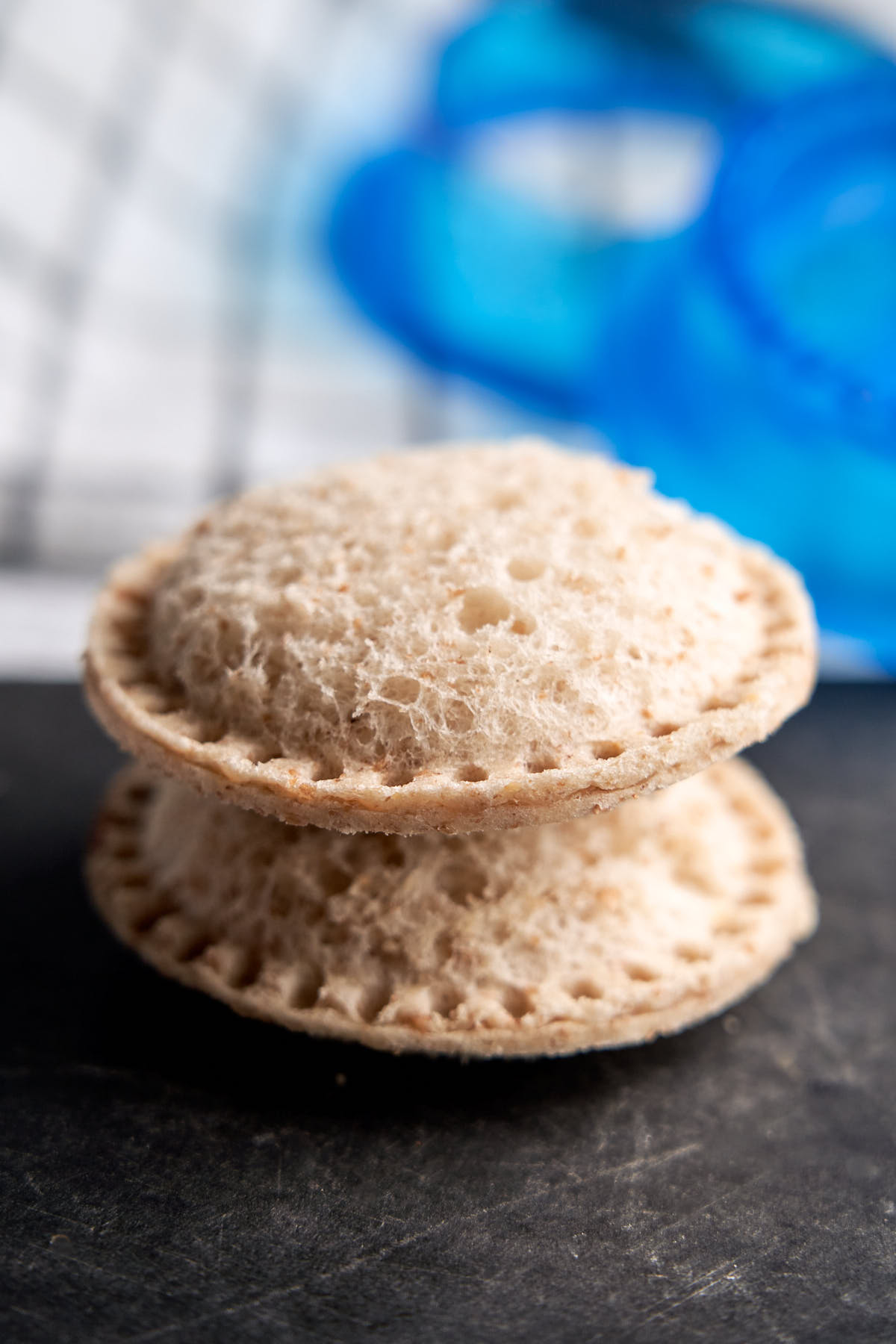
The popularity of homemade Uncrustables reflects a larger shift in consumer behavior. There is an increasing demand for transparency in food production, a desire to understand the origin and quality of ingredients, and a growing emphasis on sustainability. By engaging in home food preparation, consumers not only gain control over their diets but also contribute to a more conscious and less wasteful approach to food consumption.
The ease with which this popular snack can be replicated at home suggests that the future of convenience food may involve a blend of innovative home-kitchen tools and a renewed appreciation for simple, wholesome ingredients. This trend empowers individuals to make informed choices that benefit their health, their wallets, and the environment.
In conclusion, the homemade peanut butter and honey Uncrustable is more than just a food item; it is a symbol of informed consumerism, culinary creativity, and a commitment to healthier living. Its accessibility and adaptability make it a valuable addition to any kitchen, proving that convenience need not come at the expense of well-being.
