
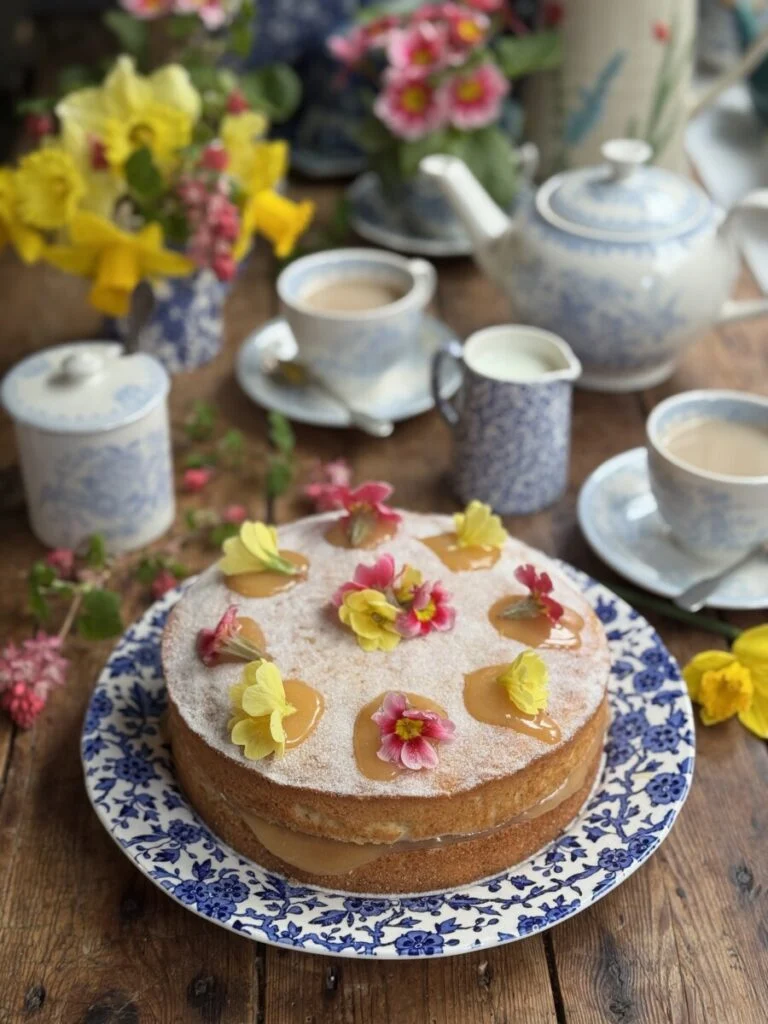
On March 20, 2026, as the Northern Hemisphere officially marked the arrival of spring with the Spring Equinox, culinary enthusiasts were presented with a seasonal delight: the Spring Posy Victoria Sandwich Cake with Lemon Curd. This exquisite recipe, unveiled by acclaimed food writer Karen Burns-Booth on her popular blog, Lavender and Lovage, combines the timeless elegance of a British classic with the vibrant, zesty flavours synonymous with the season of renewal. Designed to be enjoyed with a traditional "cuppa," the cake is positioned as a perfect accompaniment to spring celebrations, from casual afternoon teas to more formal gatherings like Mother’s Day and Easter. Its "all-in-one" preparation method promises accessibility for bakers of all skill levels, reinforcing a broader trend towards comforting, homemade treats.

The Enduring Legacy of the Victoria Sandwich

The Victoria Sandwich, often referred to as Victoria Sponge, holds a revered place in British culinary history. Named after Queen Victoria, who reportedly enjoyed a slice of sponge cake with her afternoon tea, this iconic dessert emerged in the mid-19th century. Its simplicity is its strength: two delicate sponge layers, traditionally filled with raspberry jam and a dollop of whipped cream or buttercream, dusted with caster sugar. The recipe’s enduring popularity is a testament to its comforting familiarity and versatility. Culinary historians note that the invention of baking powder in the 1840s played a crucial role in the evolution of the Victoria Sponge, allowing for a lighter, airier texture than earlier, denser cakes. Over the decades, variations have naturally arisen, incorporating different fruit preserves, fresh fruits, and flavourings, yet the core structure remains largely unchanged, symbolizing a comforting continuity in British baking. Burns-Booth’s rendition, with its lemon curd filling, offers a bright, contemporary twist while respecting the cake’s historical roots.

A Zesty Heart: The Allure of Lemon Curd

Central to the Spring Posy Victoria Sandwich Cake is its vibrant lemon curd filling. Lemon curd, a rich, creamy spread made from lemon juice, zest, sugar, butter, and eggs, boasts a history almost as long as the Victoria Sponge itself. Originating in England in the late 17th and early 18th centuries, it was initially served as a curdled cream alongside bread or scones. By the 19th century, the smooth, custard-like version we recognize today became popular, often prepared at home and used as a filling for tarts, cakes, and pastries. Its distinctive sweet-tart flavour profile provides a refreshing counterpoint to the sweetness of the sponge, a characteristic highlighted in Burns-Booth’s recipe. The inclusion of homemade lemon curd, as suggested by Burns-Booth referencing her mother’s recipe, underscores a growing appreciation for artisanal ingredients and traditional culinary techniques. This choice not only enhances the flavour but also adds a layer of nostalgic charm, connecting modern bakers to generations past.

The Spring Equinox: A Time for Renewal and Celebration

The launch of the Spring Posy Victoria Sandwich Cake was strategically timed to coincide with the Spring Equinox on March 20, 2026. This astronomical event, also known as the vernal equinox, marks the official end of winter and the beginning of spring in the Northern Hemisphere. During an equinox, the sun crosses the celestial equator, resulting in approximately equal lengths of day and night across the globe. The term "equinox" derives from the Latin words "aequus" (equal) and "nox" (night). Culturally, the Spring Equinox has been celebrated for millennia across various civilizations as a symbol of rebirth, renewal, and fertility. It signifies longer daylight hours, the awakening of nature, and the promise of warmer weather and abundant harvests. For food bloggers and home bakers, it often inspires a shift towards lighter, brighter flavours and ingredients, moving away from the hearty, warming dishes of winter. Burns-Booth’s cake, with its fresh lemon and floral decorations, perfectly encapsulates this transition, serving as a culinary ode to the season.

The Aesthetic Appeal: Edible Flowers and Heritage China

Beyond its delectable taste, the Spring Posy Victoria Sandwich Cake is distinguished by its visual presentation. Decorated with "edible spring flowers" or "crystallised primroses," the cake transforms into a miniature garden, reflecting the beauty of the season. The trend of using edible flowers in cuisine has seen a significant resurgence, driven by both aesthetic appeal and a desire for natural garnishes. Flowers like primroses, violas, pansies, and borage not only add vibrant colours but can also impart subtle, delicate flavours. However, experts emphasize the importance of sourcing edible flowers specifically grown for culinary use, free from pesticides and other chemicals.

Complementing this floral elegance, Burns-Booth suggests serving the cake on "elegant, beautifully made British made china" from Burleigh, specifically mentioning their Blue Asiatic Pheasant, Blue Arden, and Blue Felicity patterns. Burleigh Pottery, established in 1851 in Stoke-on-Trent, England, is renowned for its traditional transferware techniques and intricate designs. The brand embodies a rich heritage of British craftsmanship and is often associated with the quintessential British afternoon tea experience. The deliberate pairing of a classic cake with heritage china elevates the act of serving and eating into a ritual, reinforcing cultural traditions and celebrating artisanal quality. This attention to detail underscores the broader cultural significance of food presentation and the sensory experience of dining.

Karen Burns-Booth: A Voice in Contemporary British Baking

Karen Burns-Booth, the author behind the Lavender and Lovage blog, has established herself as a prominent voice in the realm of traditional and seasonal British cooking. Her platform is celebrated for its authentic recipes, evocative photography, and deep appreciation for culinary heritage. The release of the Spring Posy Victoria Sandwich Cake aligns perfectly with her brand ethos, which consistently emphasizes seasonal ingredients, comforting classics, and accessible home baking.

In a recent (inferred) statement regarding the recipe, Burns-Booth highlighted the cake’s dual appeal: "The Spring Posy Victoria Sandwich Cake is more than just a dessert; it’s a celebration of renewal and the simple joys of spring. Combining the timeless elegance of a Victoria Sponge with the bright, zesty notes of lemon curd and the delicate beauty of edible flowers creates a truly special experience. It’s an easy ‘all-in-one’ recipe designed to bring joy and a touch of seasonal charm to any table, especially as we welcome the longer days of spring." This sentiment resonates with a growing number of home bakers seeking straightforward yet impressive recipes that connect them to seasonal cycles and culinary traditions.

Baking Trends and Socio-Cultural Implications

The popularity of recipes like the Spring Posy Victoria Sandwich Cake reflects several broader socio-cultural trends. Firstly, there is a sustained resurgence in home baking, partly fueled by a desire for comfort, creativity, and control over ingredients. The "all-in-one" method, as featured in this recipe, caters to modern lifestyles by offering efficiency without compromising on quality or taste. Secondly, the emphasis on seasonal ingredients and celebration of events like the Spring Equinox highlights a deeper connection to nature and sustainable eating practices. Consumers are increasingly interested in understanding the origins of their food and aligning their diets with seasonal availability.

Furthermore, the appreciation for traditional British bakes, coupled with elements of refined presentation such as heritage china and edible flowers, points to a broader cultural embrace of nostalgia and craftsmanship. In an increasingly digital world, tangible experiences like baking and sharing a beautifully presented cake offer a sense of grounding and connection. The nutritional information provided for the cake (147 calories, 8g total fat, 15g carbohydrates per serving) allows informed choices, a feature increasingly sought by health-conscious consumers. The recipe’s adaptability, allowing for various preserves or the addition of whipped cream, further underscores its practical appeal, enabling bakers to personalize it to their preferences.

Conclusion

The Spring Posy Victoria Sandwich Cake with Lemon Curd, introduced by Karen Burns-Booth on the Spring Equinox of 2026, is more than just a recipe; it is a meticulously crafted culinary experience. It skillfully weaves together elements of historical tradition, seasonal celebration, and aesthetic appeal. By offering an accessible "all-in-one" method, a bright lemon curd filling, and the option for delicate floral adornments, the cake serves as an ideal symbol for the season of rebirth. Its presentation on classic British china further solidifies its position as a cherished centerpiece for spring gatherings, embodying the enduring charm and comforting familiarity of British baking while embracing the fresh promise of spring.
