
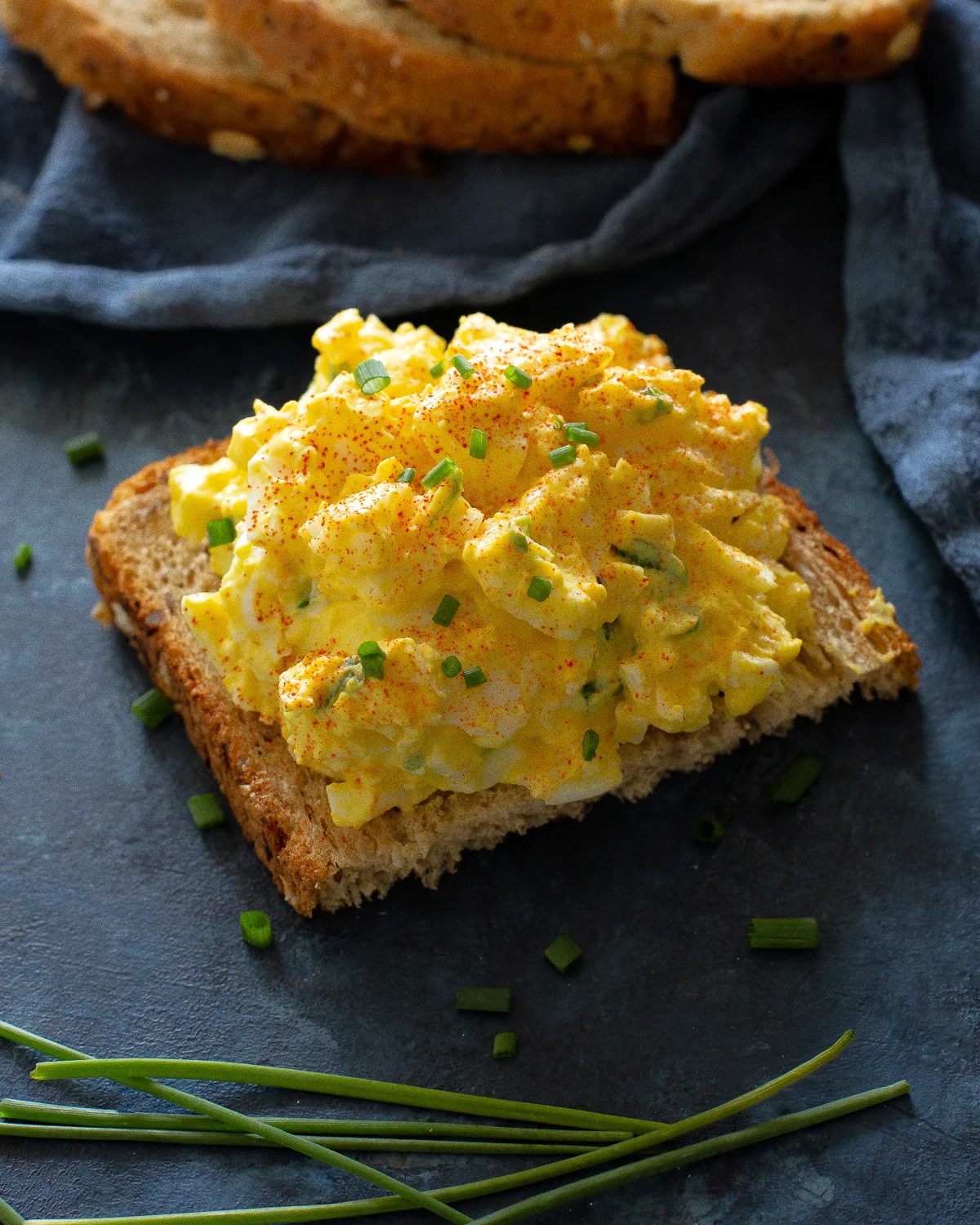
Egg salad, a seemingly humble yet universally beloved dish, stands as a testament to the power of simple ingredients expertly combined. This article delves into the creation and enduring appeal of a classic egg salad recipe, highlighting its creamy texture, savory depth, and the nostalgic comfort it evokes. At its core, this recipe relies on the fundamental elements of hard-boiled eggs, mayonnaise, a touch of mustard for tang, a bright hint of lemon juice, and the fresh, herbaceous notes of chives. While modern culinary landscapes often embrace elaborate gastronomic creations, the enduring popularity of a well-executed egg salad underscores a timeless appreciation for accessible, satisfying, and deeply familiar flavors. This examination aims to provide a comprehensive look at this culinary staple, exploring its origins, variations, and its continued place in home kitchens and beyond.
The Nostalgic Foundation of a Beloved Classic
The allure of homemade egg salad often transcends mere sustenance; it’s a potent vehicle for cherished memories. For many, the dish conjures images of childhood lunches, leisurely weekend brunches, or the simple comfort of a home-cooked meal. This classic iteration deliberately eschews the more adventurous interpretations that have emerged over time, opting instead for a time-honored approach that prioritizes purity of flavor and texture. This commitment to tradition is not about stagnation, but about honoring the foundational elements that have made egg salad a culinary cornerstone for generations. The act of preparing and consuming this dish can serve as a tangible link to simpler times, offering a grounding and reassuring experience in an often fast-paced world.
The Anatomy of an Ideal Egg Salad: Core Ingredients and Their Roles
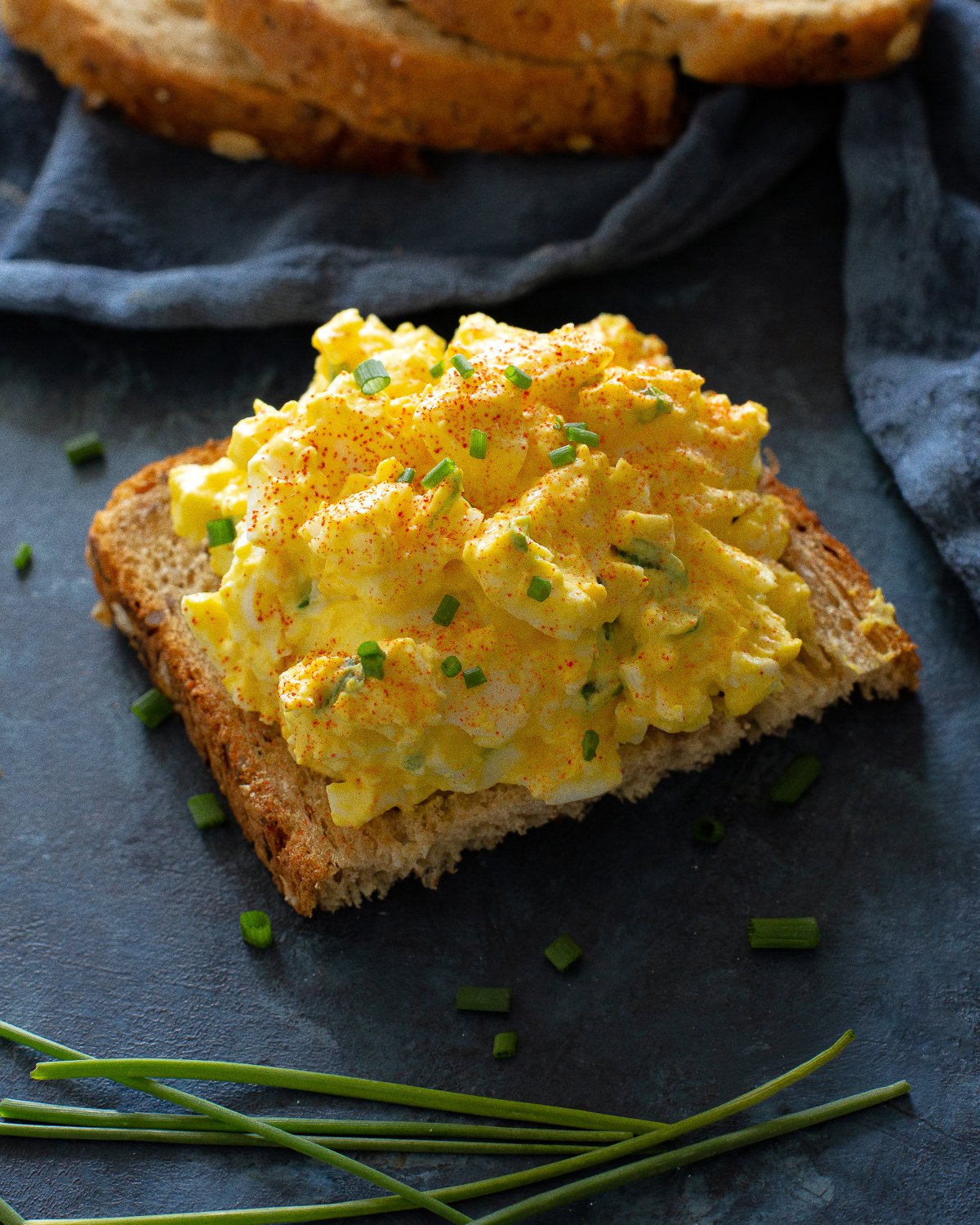
The beauty of this classic egg salad recipe lies in its straightforward yet impactful ingredient list. Each component plays a crucial role in building the final flavor profile and texture:
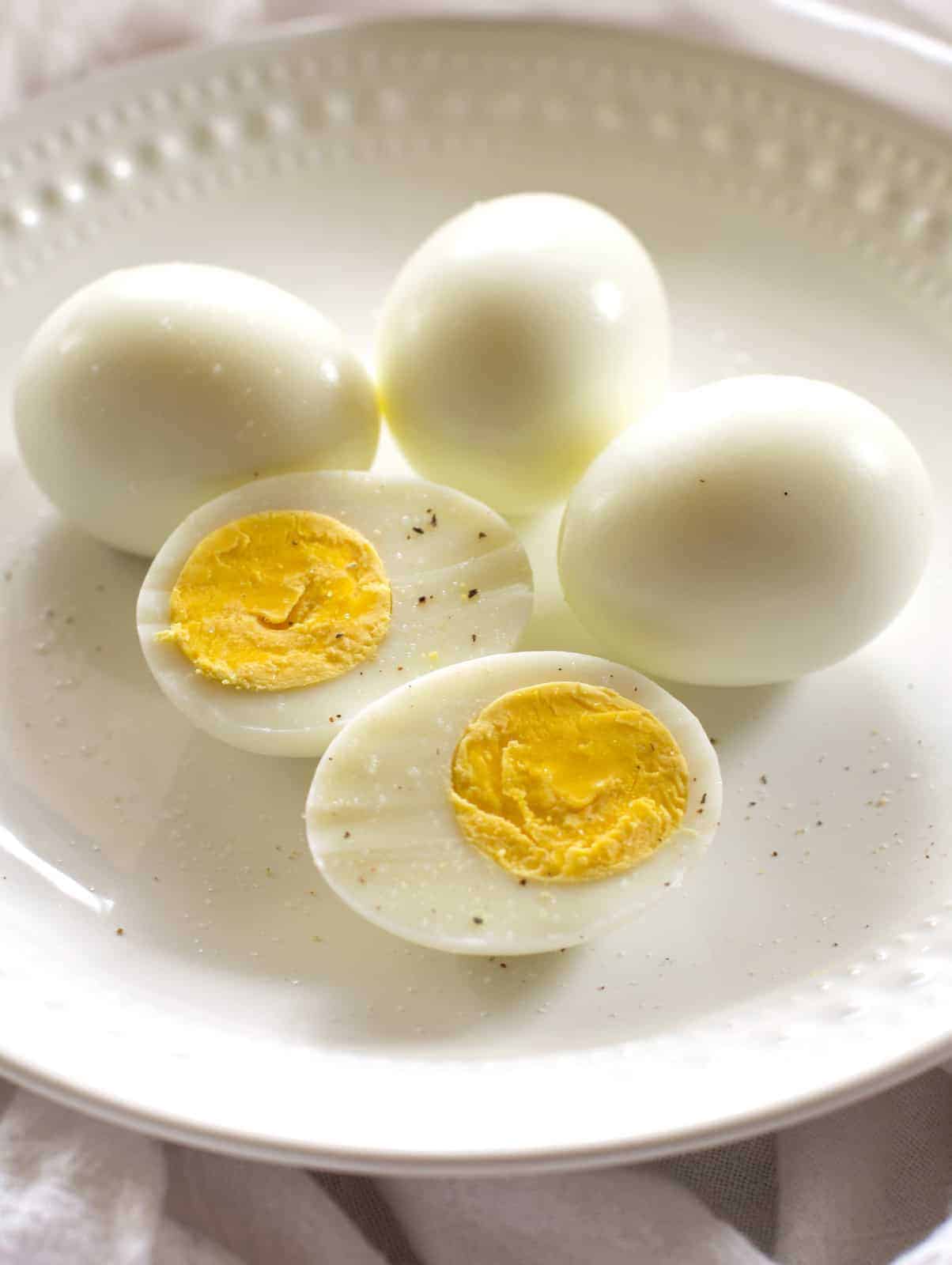
- Hard-Boiled Eggs: The undisputed star of the dish, hard-boiled eggs provide the structural base and the primary source of protein and rich, eggy flavor. The quality of the eggs and the precision of the boiling process directly influence the final outcome. Overcooked eggs can become rubbery, while undercooked eggs may not achieve the desired firmness.
- Mayonnaise: The creamy binder that unites the ingredients, mayonnaise lends a smooth, rich texture and a subtle tang. The type of mayonnaise used can subtly influence the flavor, with full-fat versions typically offering a richer mouthfeel.
- Mustard: A small but significant addition, mustard introduces a welcome note of piquancy and complexity. Dijon mustard is a popular choice for its balanced flavor, offering a gentle heat without overpowering the other ingredients. Yellow mustard can also be used for a more classic, milder tang.
- Lemon Juice: This bright, acidic element is crucial for cutting through the richness of the mayonnaise and eggs, adding a refreshing lift to the salad. It prevents the dish from becoming too heavy and enhances the overall savoriness.
- Chives: These delicate alliums provide a subtle oniony flavor and a vibrant visual appeal. Their mildness ensures they complement rather than dominate the other ingredients, offering a fresh, herbaceous counterpoint.
Beyond these core components, the recipe often includes simple seasonings like salt and freshly ground black pepper, allowing for personalization and the fine-tuning of taste.
Crafting the Perfect Texture: The Art of Mashing
The preparation of egg salad involves a nuanced approach to achieving the desired texture. While some prefer a uniformly smooth consistency, others appreciate discernible chunks of egg. The recipe acknowledges this preference by suggesting that a portion of the hard-boiled eggs be mashed more thoroughly, while others are left in larger pieces. This technique allows for a delightful interplay of textures within the salad, offering both creamy smoothness and satisfying bites of egg. The degree of mashing is a personal preference, and experimenting with different ratios can help individuals discover their ideal egg salad texture.
The Simple Elegance of Preparation: A Step-by-Step Guide
The assembly of classic egg salad is a remarkably simple process, underscoring its accessibility for cooks of all skill levels. The fundamental steps involve:
- Preparing the Eggs: The foundation begins with perfectly hard-boiled eggs. The process typically involves placing eggs in a saucepan, covering them with cold water, bringing the water to a boil, then removing from heat, covering, and letting them stand for 10-12 minutes. This method ensures evenly cooked yolks and whites.
- Chopping and Mashing: Once cooled and peeled, the eggs are chopped. A portion can be mashed in a bowl to create a creamier base, while the remaining eggs can be roughly chopped for textural contrast.
- Combining Ingredients: The mashed and chopped eggs are then combined in a bowl with mayonnaise, mustard, lemon juice, and finely chopped chives.
- Seasoning and Mixing: Salt and freshly ground black pepper are added to taste. The ingredients are gently mixed until well combined, ensuring an even distribution of flavors.
- Chilling: For optimal flavor development and a pleasant, cool temperature, the egg salad is best chilled in the refrigerator for at least 30 minutes before serving.
Versatility on a Plate: Serving Suggestions and Culinary Applications
The inherent versatility of egg salad is a significant factor in its enduring appeal. While commonly enjoyed as a sandwich filling, its applications extend far beyond the traditional.
Classic Sandwich and Wrap Creations:
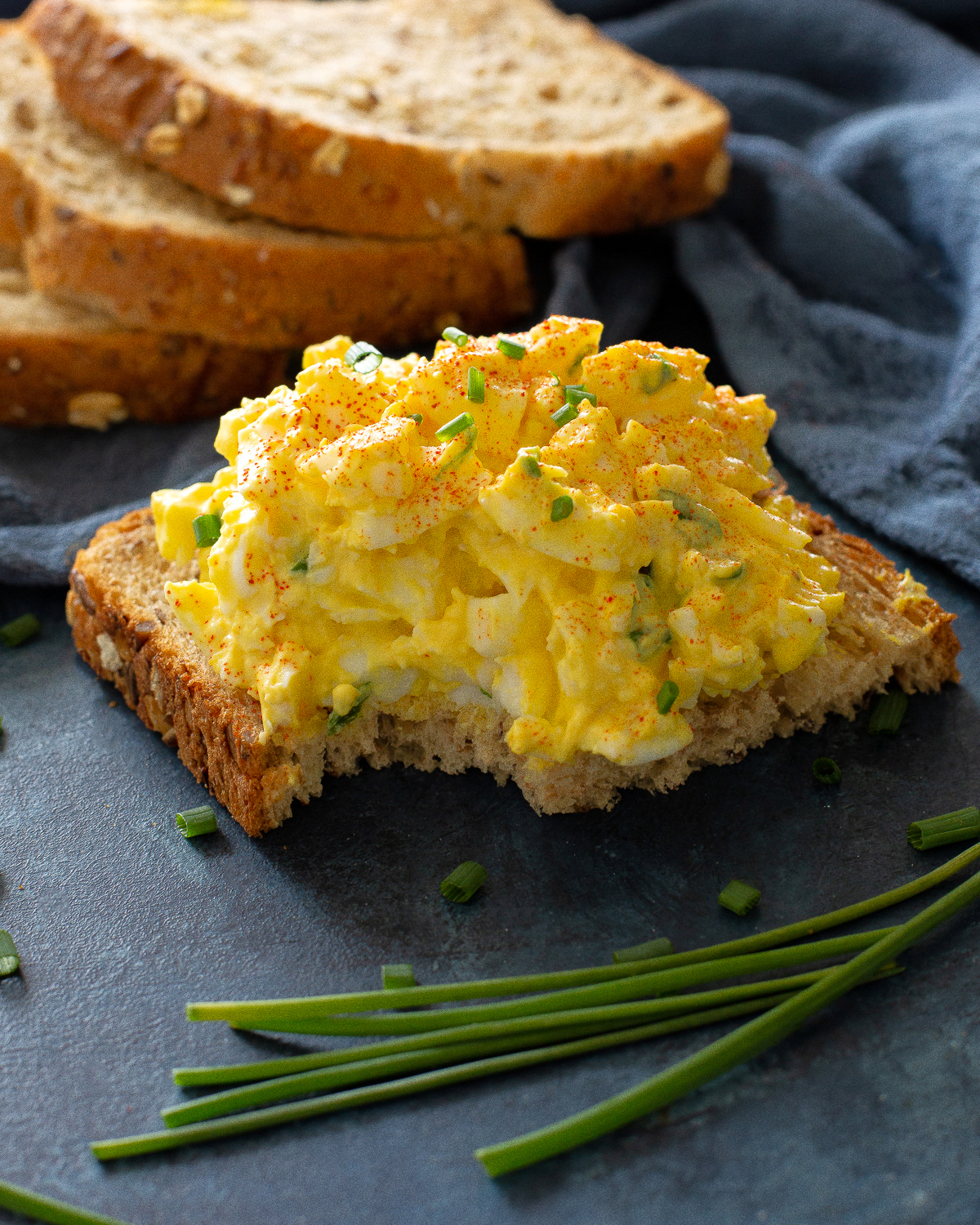
- The Staple Sandwich: Served between slices of soft white bread, toasted whole wheat, or a hearty rye, egg salad sandwiches are a quintessential comfort food.
- Elegant Croissants: Nestled within the flaky layers of a croissant, egg salad takes on a more sophisticated profile, perfect for brunches or luncheons.
- Wraps and Pitas: For a portable and convenient option, egg salad can be rolled into tortillas or stuffed into pita pockets, often accompanied by crisp lettuce or spinach.
Beyond the Bread: Alternative Serving Ideas:
- Salad Enhancer: A generous dollop of egg salad can elevate a simple green salad, adding protein and a creamy, savory element.
- Stuffed Vegetables: It can be used as a filling for hollowed-out tomatoes, bell peppers, or even avocados for a lighter, more elegant presentation.
- Accompaniment to Crackers: For a casual snack or appetizer, egg salad is delightful served alongside an assortment of crackers, offering a satisfying bite.
- On Toast Points: Small, toasted baguette slices topped with egg salad make for elegant canapés.
- With Potato Salad: In many culinary traditions, egg salad is a natural and welcome companion to potato salad, forming a hearty and satisfying picnic or barbecue spread.
Storage and Food Safety: Ensuring Freshness and Quality
Proper storage is crucial for maintaining the freshness and safety of egg salad. Due to its mayonnaise base, it is susceptible to bacterial growth if not handled correctly.
- Refrigeration is Key: Egg salad should always be stored in an airtight container in the refrigerator.
- Shelf Life: When stored properly, homemade egg salad is typically best consumed within 3 to 4 days. The quality and texture may begin to degrade after this period.
- Avoid Extended Room Temperature Exposure: It is important to limit the amount of time egg salad spends at room temperature, especially in warmer environments, to minimize the risk of spoilage.
Variations and Personalization: Acknowledging Culinary Evolution
While this article focuses on the quintessential classic, the world of egg salad is rich with variations. These adaptations demonstrate the dish’s adaptability and its capacity to be molded to diverse palates and dietary needs.
- The Crunch Factor: For those who appreciate textural contrast, finely chopped celery is a common and highly recommended addition. It introduces a crisp, refreshing element that balances the creaminess.
- Herbal Enhancements: Beyond chives, other herbs like dill, parsley, or even a touch of tarragon can lend unique flavor profiles.
- Spicy Undertones: A dash of hot sauce, a pinch of cayenne pepper, or finely minced jalapeños can introduce a pleasant heat for those who enjoy a spicier kick.
- Tangy Twists: Some recipes incorporate a small amount of pickle relish (sweet or dill) or even a spoonful of sour cream or Greek yogurt for added tang and creaminess.
- Avocado Alternative: For a healthier twist, mashed avocado can be used in place of some or all of the mayonnaise, offering healthy fats and a different creamy texture.
- Dijon vs. Yellow Mustard: The choice of mustard can significantly impact the flavor. Dijon offers a more complex, slightly pungent taste, while yellow mustard provides a milder, more traditional tang.
The Enduring Legacy of a Simple Dish
In an era of culinary experimentation and global influences, the classic egg salad recipe remains a steadfast beacon of comfort and culinary tradition. Its simplicity is its strength, allowing the inherent flavors of its core ingredients to shine. The nostalgia it evokes, coupled with its remarkable versatility, ensures its continued presence on menus and in home kitchens worldwide. Whether enjoyed as a quick lunch, a picnic staple, or an elegant appetizer, this timeless dish continues to nourish and delight, proving that sometimes, the most profound culinary satisfaction can be found in the most unassuming of preparations. The enduring appeal of egg salad is a testament to the universal language of good food, a language that speaks of comfort, familiarity, and the simple joy of a well-made meal.
