
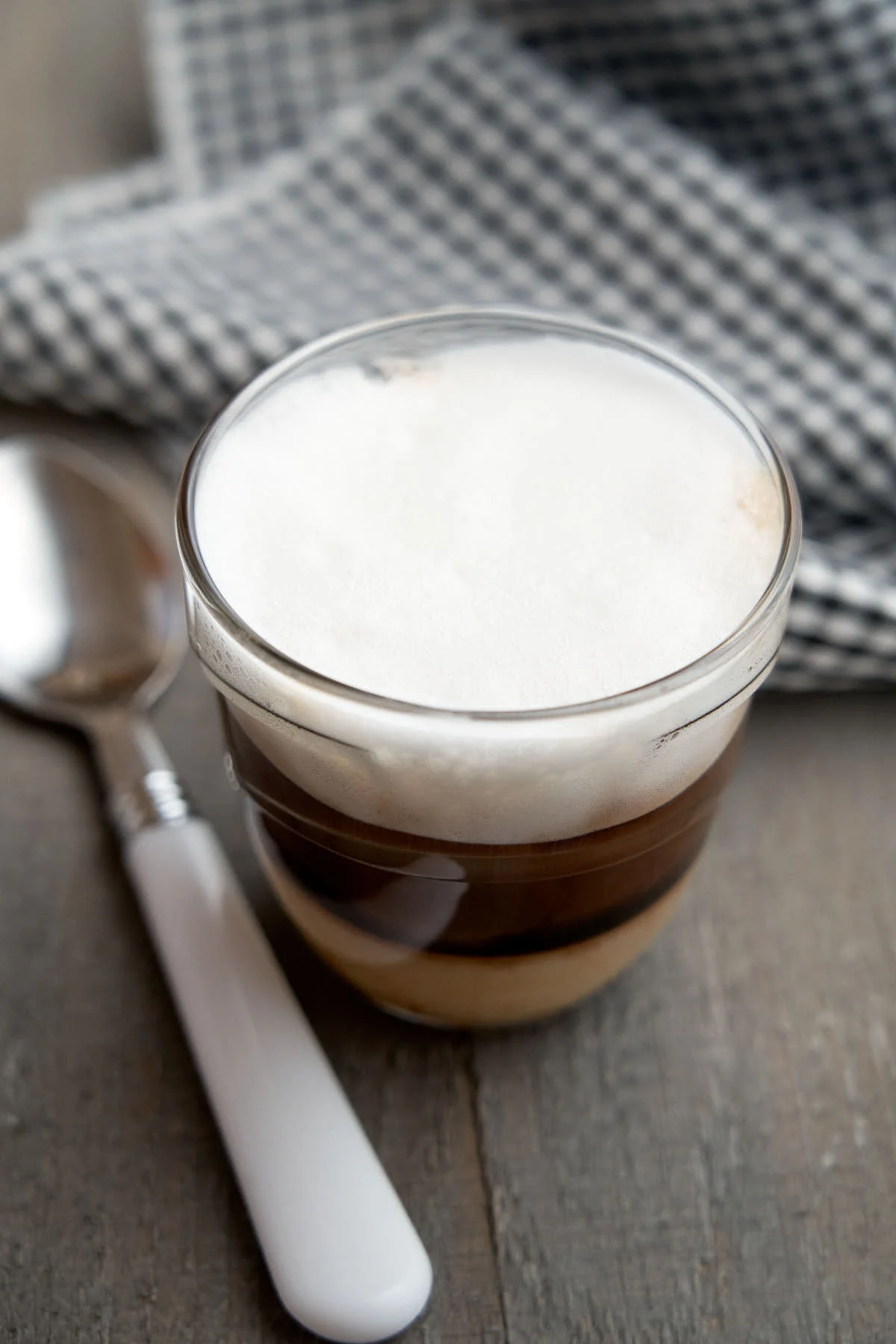
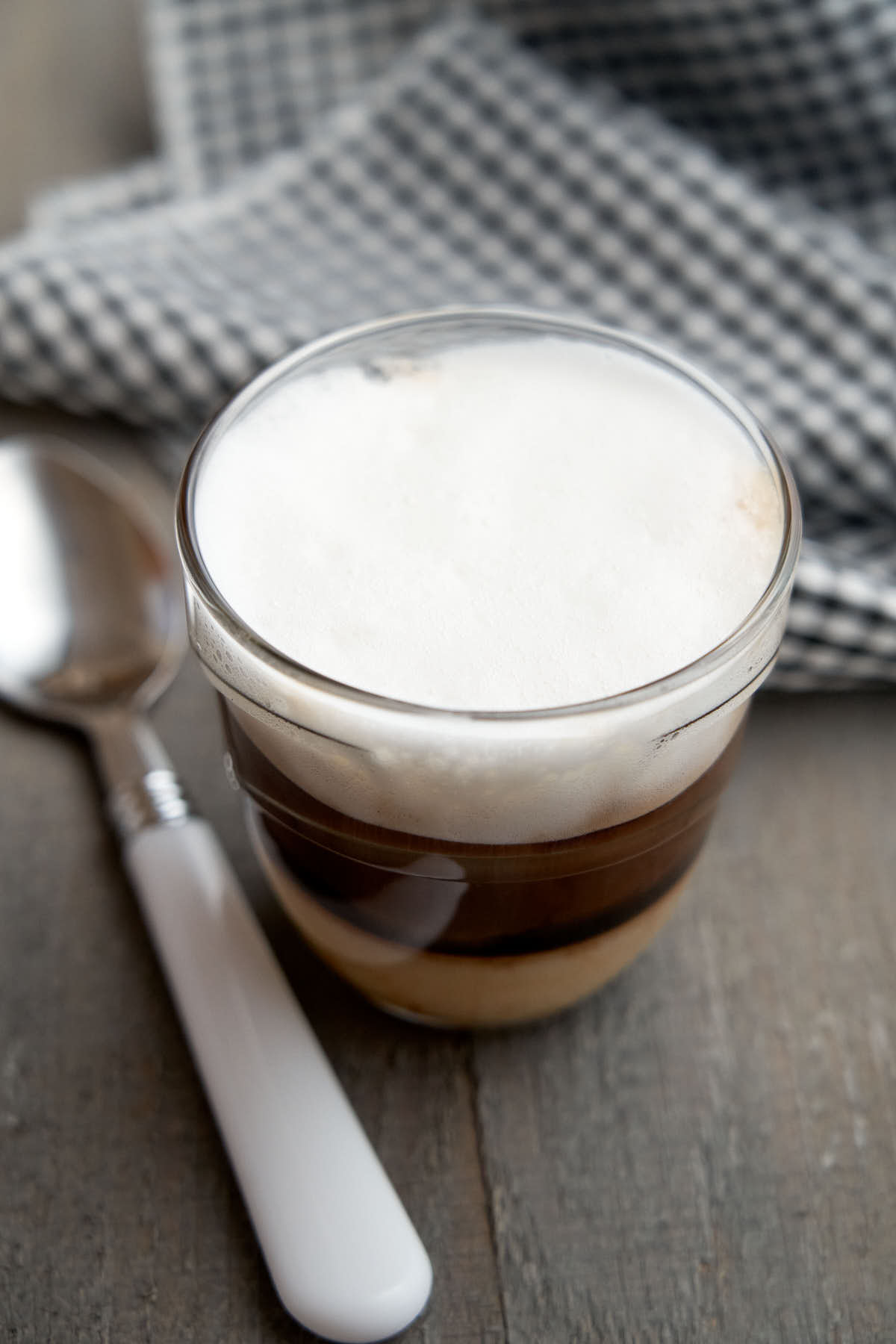
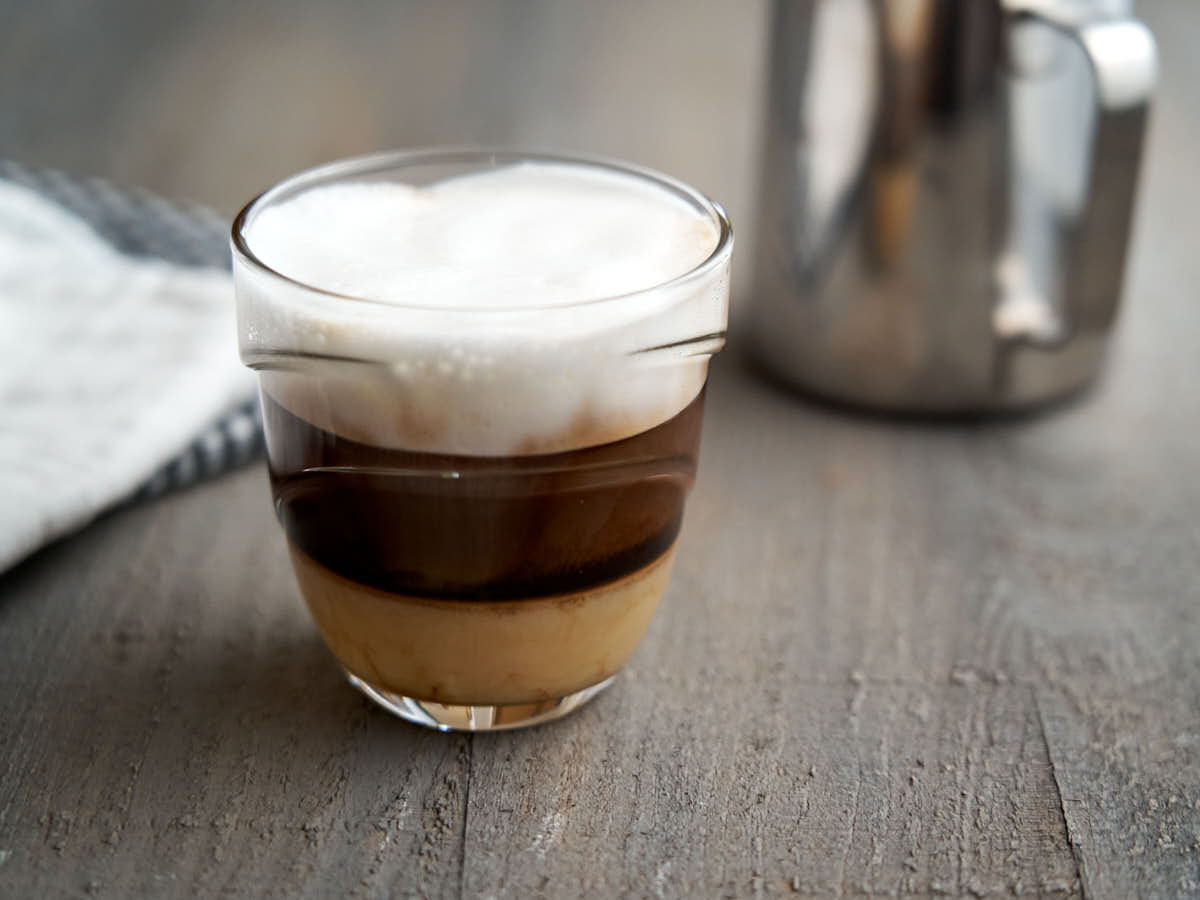
Cafe Bombon is a sweet espresso drink that is popular in Spain. It’s a strong shot of espresso served with sweetened condensed milk. When served in a glass cup, it is stunning.
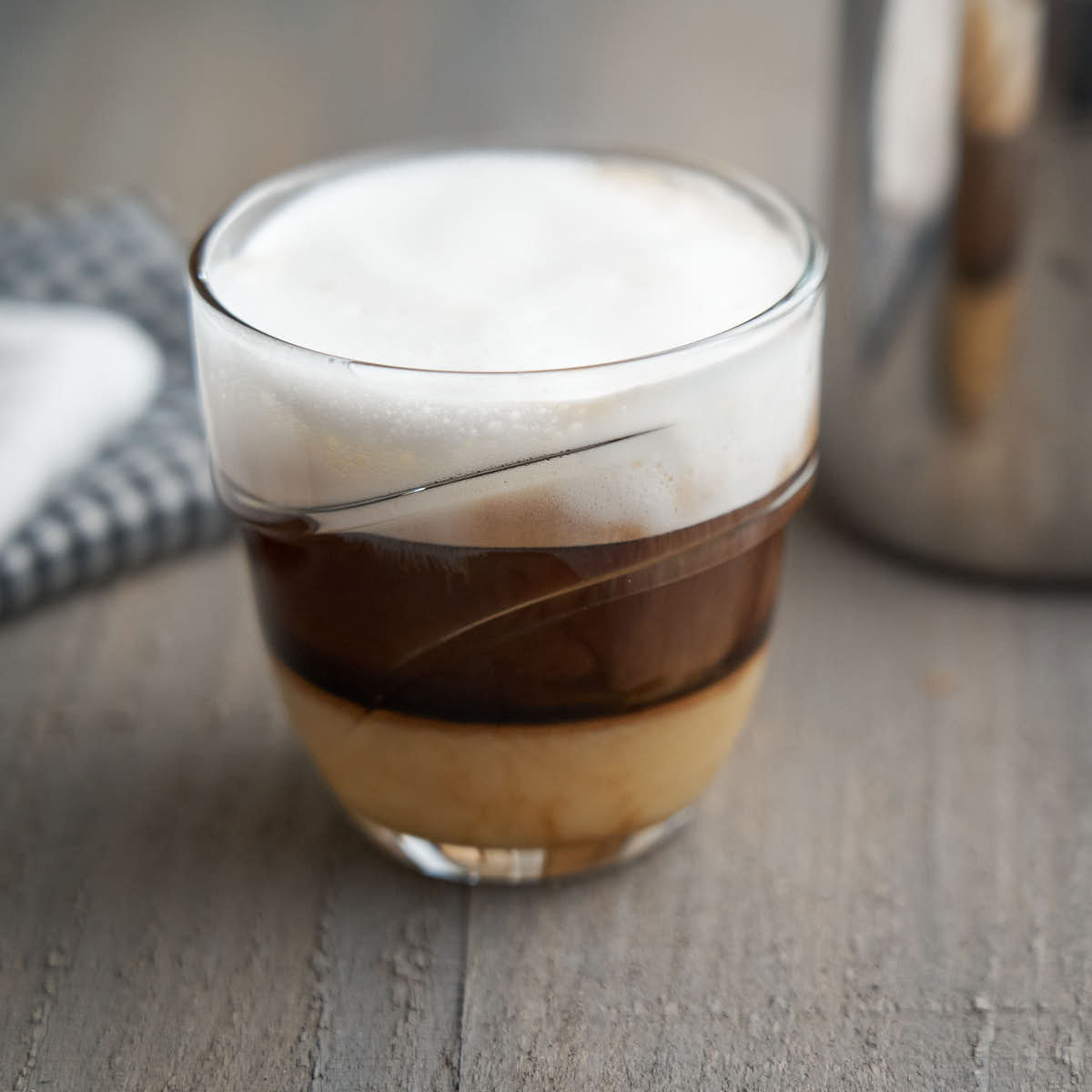
For coffee enthusiasts and casual drinkers alike, the quest for the perfect cup often leads to exploring diverse brewing methods and flavor profiles. While the ubiquitous latte and the bold americano hold strong positions in the global coffee consciousness, other, perhaps less familiar, creations are steadily gaining traction. Among these is the Cafe Bombon, a Spanish specialty that offers a unique and delightful interplay of bitter coffee and rich, sweet condensed milk. This visually striking beverage, traditionally served in a clear glass to showcase its distinct layers, has begun to appear on menus beyond its Iberian origins, captivating palates with its simple yet sophisticated composition.
The genesis of the Cafe Bombon can be traced to the convivial coffee culture of Spain, where espresso forms the bedrock of many popular drinks. While the exact origins are somewhat anecdotal, the drink’s popularity surged as coffee shops sought to offer more indulgent and visually appealing options. The fundamental appeal of the Cafe Bombon lies in its masterful contrast: the intense, slightly bitter notes of a well-pulled espresso are beautifully balanced by the creamy sweetness of condensed milk. This creates a sensory experience that is both invigorating and comforting, a characteristic that has contributed to its growing international appeal.
The Anatomy of a Cafe Bombon
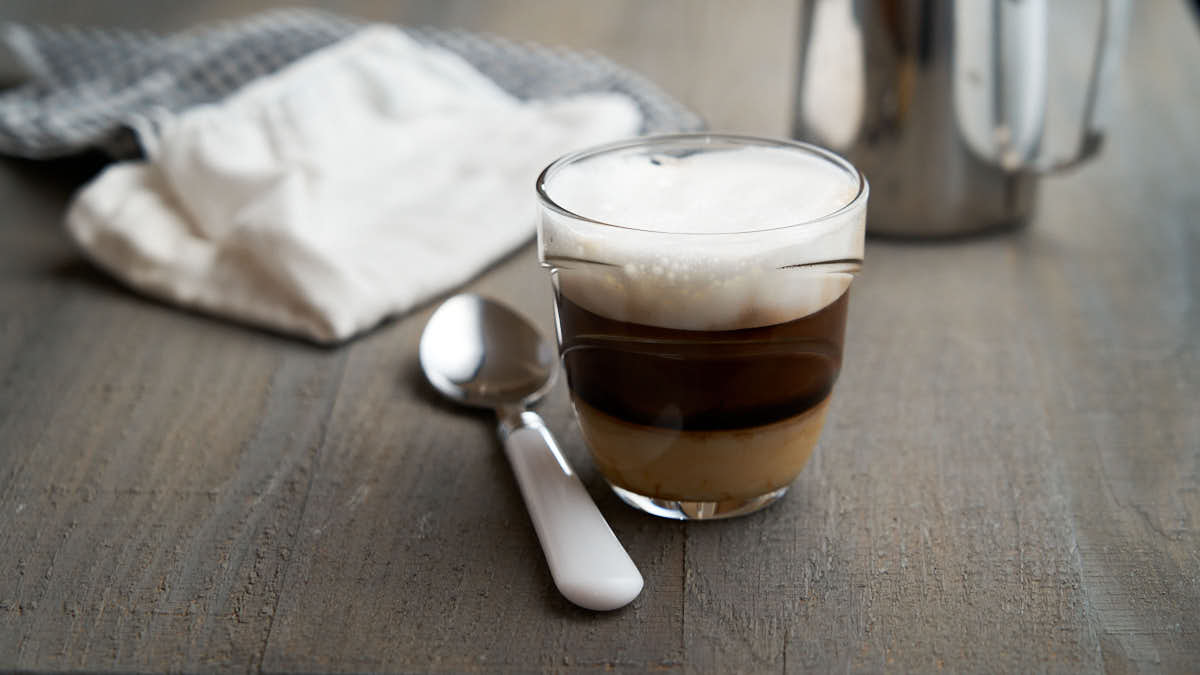
At its core, the Cafe Bombon is remarkably straightforward. It consists of two primary components:
- Espresso: A robust shot of freshly brewed espresso is the foundation of the drink. The quality of the espresso is paramount, as its intensity cuts through the sweetness of the condensed milk, preventing the beverage from becoming cloying.
- Sweetened Condensed Milk: This thick, syrupy milk provides the characteristic sweetness and creamy texture. Its density allows it to settle at the bottom of the glass, creating a distinct layer beneath the espresso.
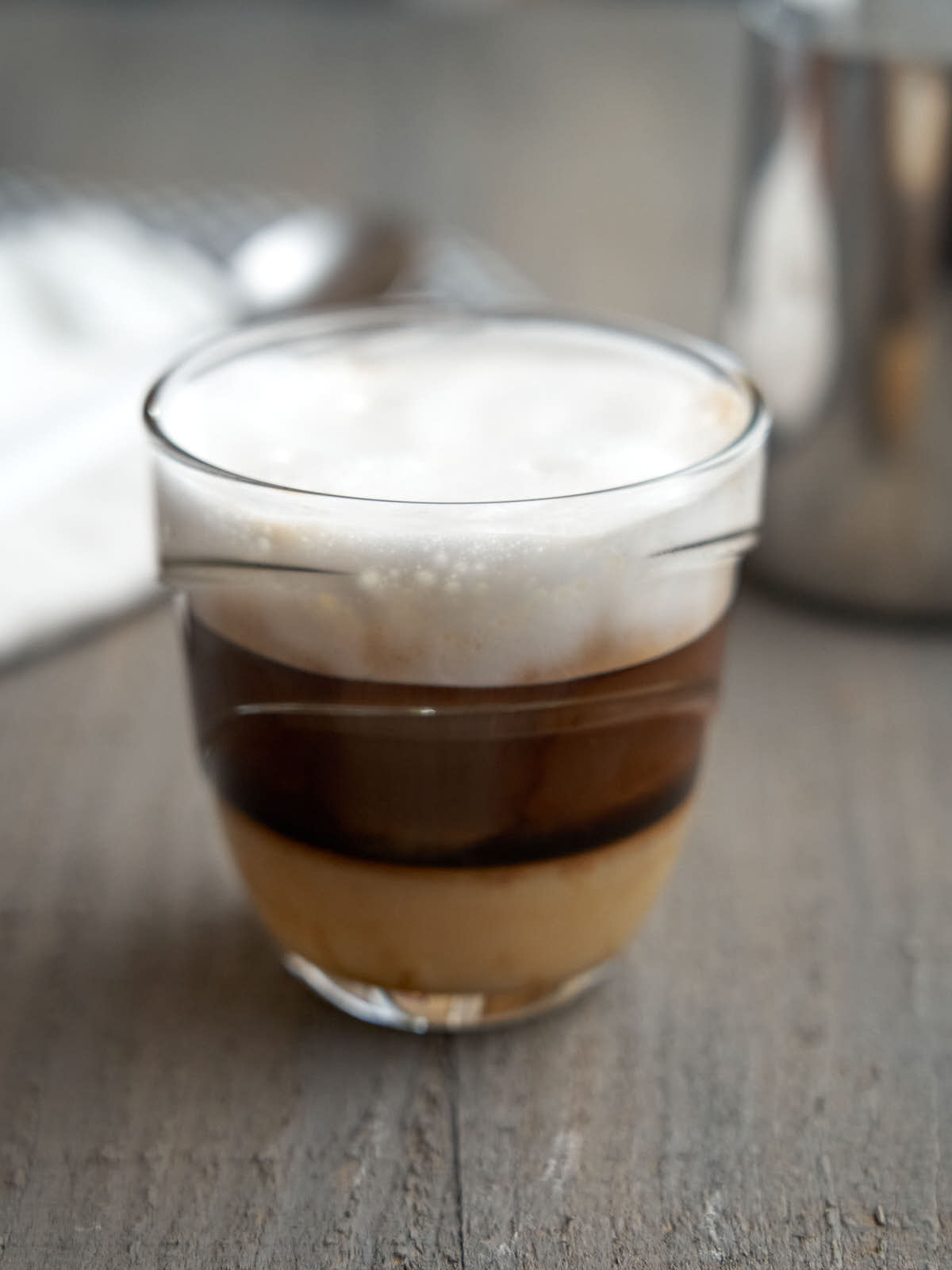
The visual appeal of the Cafe Bombon is as integral to its identity as its taste. Typically served in a clear glass, the stark contrast between the dark espresso and the pale, opaque condensed milk creates an elegant, layered effect. This presentation not only enhances the drinking experience but also serves as an invitation to appreciate the careful preparation of the drink. Before consumption, the two layers are meant to be gently stirred together, allowing the flavors and textures to meld into a harmonious whole. Some establishments may even serve the condensed milk separately, allowing the patron to customize the sweetness and integration of the layers.
Crafting the Perfect Cafe Bombon
Achieving the signature layered look of a Cafe Bombon requires a specific technique, primarily centered on the density of the ingredients. The generally accepted method for optimal layering involves the following steps:
- The Base Layer: Begin by pouring a measure of sweetened condensed milk into the bottom of a clear glass. The thickness of the condensed milk is key here.
- The Espresso Pour: Carefully and slowly, pour the hot espresso over the condensed milk. The goal is to create a distinct separation between the two liquids. This is often achieved by pouring the espresso gently down the side of the glass or over the back of a spoon to minimize disturbance of the condensed milk layer.
- Optional Froth: For an added touch of visual flair and a lighter mouthfeel, a delicate layer of milk froth can be added to the top. This is best achieved by steaming milk and carefully spooning only the foam onto the espresso, avoiding the liquid milk which could cause the layers to blend prematurely.
The order of pouring is crucial. Pouring the espresso first and then attempting to layer condensed milk on top often results in the denser condensed milk sinking through the espresso, disrupting the visual appeal. Similarly, a vigorous pour of espresso onto condensed milk can lead to immediate mixing. The result of this careful layering is a drink that is not only delicious but also a small work of art.
Beyond the Espresso Machine: Alternatives for Home Preparation
For those who do not possess a dedicated espresso machine, the creation of a Cafe Bombon remains accessible. The key is to replicate the intensity and concentration of espresso using alternative methods:
- Cold Brew Concentrate: A potent cold brew concentrate offers a robust coffee flavor that can serve as an excellent substitute for espresso. Preparing cold brew at home involves steeping coarse coffee grounds in cold water for an extended period (typically 12-24 hours), resulting in a smooth, low-acid coffee extract. This concentrate can be warmed gently before use to mimic the temperature of traditional espresso. Many high-quality cold brew concentrates are also commercially available.
- Moka Pot: A stovetop Moka pot is another effective tool for brewing a strong, espresso-like coffee. While not technically true espresso, the Moka pot produces a concentrated coffee that is well-suited for drinks like the Cafe Bombon.
- Instant Espresso Powder: For a quick and convenient option, high-quality instant espresso powder can be dissolved in a small amount of hot water to create a concentrated coffee base.
Regardless of the brewing method chosen, the principle remains the same: a strong, concentrated coffee flavor is essential to balance the sweetness of the condensed milk.
The Broader Impact and Cultural Significance
The increasing popularity of the Cafe Bombon reflects a broader trend in the culinary world: the appreciation for simple, high-quality ingredients combined with thoughtful preparation. As consumers become more adventurous in their taste preferences and seek out unique beverage experiences, drinks like the Cafe Bombon offer a delightful entry point into exploring global coffee traditions.
The drink’s visual appeal also aligns with the rise of "Instagrammable" food and beverages, where aesthetics play a significant role in a dish’s popularity. The distinct layers and elegant presentation of the Cafe Bombon make it an ideal subject for social media sharing, further contributing to its widespread recognition.

Furthermore, the accessibility of the Cafe Bombon recipe, even without specialized equipment, empowers home baristas to recreate this Spanish delight. This democratization of a previously café-exclusive treat allows for a more personal connection with global culinary practices. The journey of the Cafe Bombon from a regional Spanish specialty to a recognized international coffee offering is a testament to the enduring appeal of well-crafted, flavorful beverages. As coffee culture continues to evolve, the Cafe Bombon stands as a charming example of how simplicity, quality, and a touch of visual artistry can create a truly memorable drink.
