
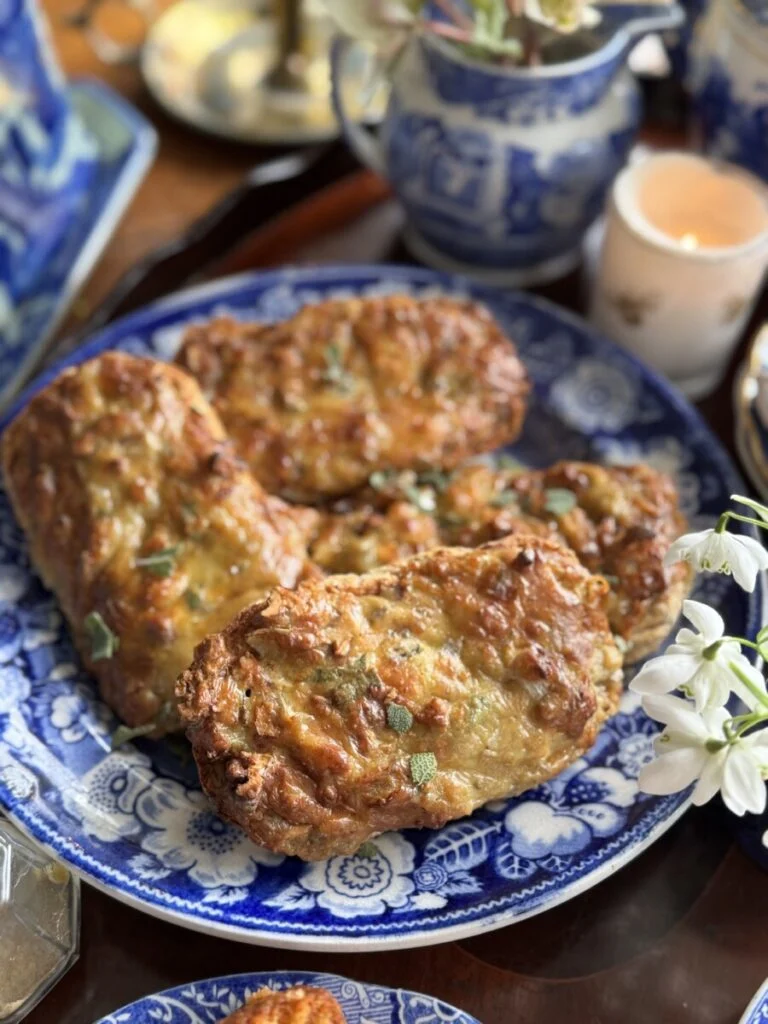
Published on February 4, 2026, a new recipe for Stilton & Walnut Rarebit by acclaimed food writer Karen Burns-Booth has been released, offering a contemporary twist on a beloved British classic. This adaptation, inspired by culinary icon Delia Smith’s original Stilton Rarebit from her Christmas cookbook, introduces air fryer and grill methods, making this rich and flavorful dish more accessible and convenient for today’s home cooks. The recipe, featured on Burns-Booth’s popular blog, Lavender and Lovage, demonstrates a thoughtful fusion of traditional British gastronomy with modern kitchen technology, promising a versatile meal suitable for any time of day.

The Culinary Innovator: Karen Burns-Booth’s Approach

Karen Burns-Booth, known for her engaging food writing and recipe development through Lavender and Lovage, consistently seeks to bring heritage recipes into the modern kitchen. Her latest offering exemplifies this philosophy by taking a well-established dish and updating it for contemporary cooking preferences and equipment. Burns-Booth explicitly states that her recipe is an "adapted version" of Delia Smith’s, acknowledging the profound influence of the veteran cook while injecting her own creative adjustments based on available ingredients and a desire for diverse cooking methods. This approach resonates with a growing audience of home cooks who appreciate both the nostalgia of classic dishes and the efficiency of modern appliances like air fryers. The testing of the recipe in both a two-drawer air fryer and a grill air fryer, with "great results," underscores its adaptability and ease of preparation.

A Nod to a Legend: The Delia Smith Connection

The foundation of this updated rarebit recipe traces back to Delia Smith, a name synonymous with accessible and reliable British cooking. Smith, often credited with demystifying complex culinary techniques for generations of home cooks, published her Stilton Rarebit in her esteemed Christmas cookbook. This reference highlights the recipe’s esteemed lineage, associating it with a legacy of quality and festive indulgence. Delia Smith’s impact on British culinary culture is undeniable, having sold over 21 million cookbooks throughout her career and influencing countless kitchens. By drawing from such a respected source, Burns-Booth not only pays homage to a culinary legend but also assures her readers of the recipe’s robust and proven flavor profile, even with the subsequent adaptations. The original recipe, likely a festive treat, now gains year-round appeal through Burns-Booth’s lighter, quicker preparation methods.

The Art of Rarebit: A Historical and Culinary Dive

Welsh Rarebit, a dish often mistakenly referred to as "Welsh Rabbit," has a long and storied history, with its origins dating back to the 18th century. It is essentially a dish of melted cheese, often mixed with other ingredients like ale, mustard, and Worcestershire sauce, served over toasted bread. While traditionally associated with Wales, its popularity has transcended regional boundaries within the UK and beyond, becoming a staple comfort food. The "rarebit" component likely refers to a "dainty morsel," indicating its role as a satisfying, albeit simple, meal or snack. Over centuries, countless variations have emerged, with different cheeses, spices, and liquids being incorporated. Burns-Booth’s Stilton and Walnut Rarebit stands as a testament to this ongoing evolution, introducing the pungent, creamy notes of Stilton cheese alongside the earthy crunch of walnuts, moving beyond the traditional cheddar base while maintaining the core spirit of the rarebit.

Ingredient Spotlight: The Pillars of Flavor

The selection of ingredients is paramount to the distinctive character of this rarebit.

- Stilton Cheese: At the heart of the dish is Stilton, one of Britain’s most renowned blue cheeses. Awarded Protected Designation of Origin (PDO) status, authentic Stilton can only be produced in Derbyshire, Leicestershire, and Nottinghamshire from local milk. Its rich, tangy, and creamy texture, with distinctive blue veins, provides a robust flavor that elevates the rarebit from a simple cheese on toast to a sophisticated culinary experience. Burns-Booth specifically notes using "artisan Stilton cheese from 1912," suggesting a commitment to quality ingredients that enhance the overall taste and texture.
- Walnuts: The addition of walnuts introduces a crucial textural contrast and a complementary earthy, slightly bitter flavor that pairs exceptionally well with the sharpness of Stilton. Walnuts are also highly nutritious, packed with omega-3 fatty acids, antioxidants, and fiber, adding a healthful dimension to the dish. Their inclusion transforms the rarebit into a more substantial and complex offering.
- Key Condiments: The recipe incorporates traditional British condiments that contribute depth and character:
- Hendersons Relish: Described as "Yorkshire’s own sauce," Hendersons Relish, often compared to Worcestershire sauce but distinctly vegetarian and gluten-free, adds a unique umami depth and a subtle tang. Its regional pride and distinct flavor profile underscore the recipe’s British roots.
- Colman’s Mustard: A "dollop of good old Colman’s mustard" provides a sharp, piquant kick, cutting through the richness of the cheese and adding a classic British flavor note. Colman’s, established in 1814, is an iconic British brand, further rooting the recipe in traditional culinary heritage.
- Cayenne Pepper: For those desiring an "extra kick," cayenne pepper is suggested. This spice introduces a welcome warmth and subtle heat, enhancing the overall flavor complexity without overpowering the Stilton.
- Onions: The choice of onion – red, spring, or shallots – allows for flexibility while influencing the final flavor. Burns-Booth expresses a personal preference for finely diced shallots, which are milder and sweeter than common onions, contributing a delicate aromatic background without being too pungent. The emphasis on fine dicing ensures even distribution and prevents raw onion harshness.
- Bread: While the original rarebit typically uses white bread, Burns-Booth champions "wholemeal (wholewheat) bread," aligning with contemporary dietary preferences for more fiber and nutritional value. However, she generously suggests using "any bread local to you, or which you prefer," citing options like baguette, white farmhouse, or ciabatta. This flexibility allows individuals to tailor the dish to their personal taste and availability, showcasing the recipe’s adaptability.
Modernizing the Kitchen: Air Fryer and Grill Adaptability

A significant innovation in this recipe is its adaptability to modern kitchen appliances. The instruction to "Cook this in an Air Fryer or in the Grill" directly addresses the increasing prevalence and popularity of these devices in home kitchens. Air fryers have surged in popularity due to their ability to cook food quickly, efficiently, and often with less oil, mimicking the crispiness of deep-frying using circulating hot air. Grills (broilers in North America) have long been a staple for quick browning and melting. By providing instructions for both, Burns-Booth taps into the convenience sought by modern cooks. The air fryer method promises a consistent, golden-brown crust and perfectly melted, bubbling rarebit topping, while the conventional grill offers a more traditional approach to achieving the same delectable result. This versatility ensures that the recipe is accessible to a broader audience, regardless of their specific kitchen setup.

Convenience and Versatility: A Meal for Any Time

Beyond its cooking methods, the Stilton & Walnut Rarebit is highlighted for its practical convenience. A key feature is the rarebit mixture’s stability, which "can sit quite happily in the fridge for up to 4 or 5 days." This make-ahead capability is a boon for busy individuals, allowing for spontaneous meal preparation without extensive pre-cooking. The mixture’s longevity transforms the rarebit into an ideal option for various meal occasions: "breakfast, brunch, lunch or supper." This flexibility positions the dish not just as a special treat but as a regular, easy-to-prepare component of a weekly meal plan, catering to diverse lifestyles and schedules.

Serving Suggestions and Accompaniments

The article provides insight into how Burns-Booth enjoys her rarebit, offering practical serving suggestions. For a "weekly Sunday Tea Tray," the Stilton & Walnut Rarebit was "very much enjoyed with a shredded beetroot salad." This pairing introduces a fresh, slightly sweet, and earthy contrast to the rich, savory rarebit. The mention of other accompaniments from the same tea tray, such as "Sticky Marmalade Tea Loaf" and "Traditional Scottish Shortbread Petticoat Tails," paints a picture of a comforting and quintessentially British spread. More broadly, Burns-Booth recommends serving the rarebit with "a seasonal salad, pickles, chutney, or just by itself for a simple supper dish." These suggestions underscore the dish’s versatility, capable of standing alone as a satisfying meal or complementing a larger spread, adapting to both casual and more structured dining occasions.

Broader Implications and Culinary Trends

The release of this Stilton & Walnut Rarebit recipe by Karen Burns-Booth is more than just a new dish; it reflects several ongoing culinary trends. It highlights the enduring appeal of comfort food, particularly British classics, which continue to be reinterpreted and revitalized. The emphasis on adaptability to modern appliances like air fryers signifies a broader movement towards convenience without sacrificing flavor or quality. Furthermore, the practice of adapting well-known recipes from celebrated chefs like Delia Smith demonstrates the collaborative and evolving nature of culinary arts, where new generations of cooks build upon the foundations laid by their predecessors. This recipe serves as an excellent example of how traditional ingredients, such as artisan Stilton and heritage condiments, can be integrated into contemporary cooking practices, appealing to both nostalgic palates and those seeking efficient, flavorful meals. The emphasis on ingredient choice, from artisan cheese to preferred bread types, also speaks to a growing consumer demand for quality and customization in home cooking.

In conclusion, Karen Burns-Booth’s Stilton & Walnut Rarebit offers a compelling blend of tradition and modernity. By drawing inspiration from Delia Smith and incorporating contemporary cooking methods and ingredient insights, Burns-Booth has created a recipe that is both deeply rooted in British culinary heritage and perfectly suited for the demands of the modern kitchen. Its versatility, ease of preparation, and robust flavor profile ensure its place as a valued addition to the repertoire of home cooks seeking delicious, convenient, and timeless comfort food.
