
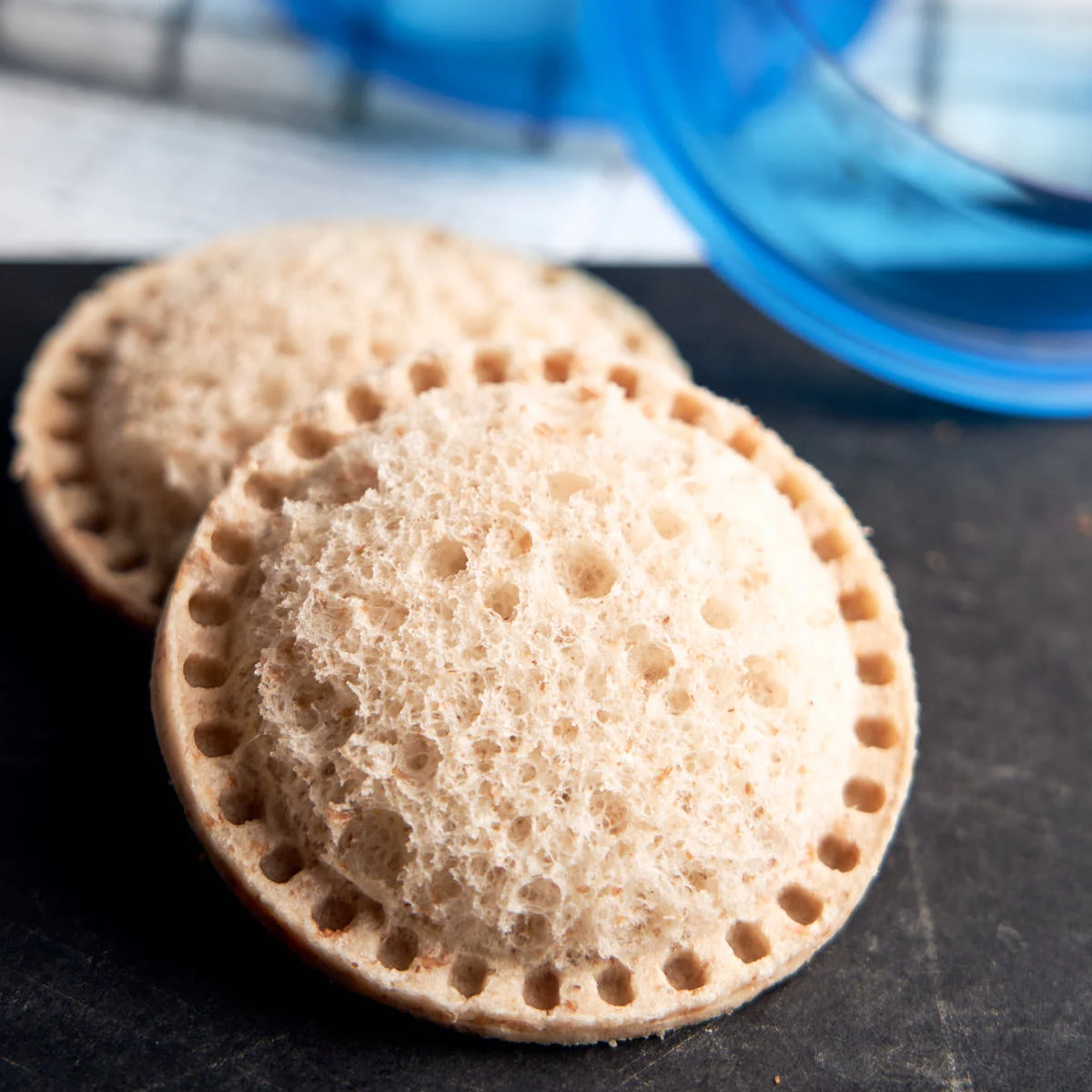
The popularity of convenient, pre-packaged snacks like Uncrustables has surged in recent years, offering a quick solution for busy parents and on-the-go consumers. However, a closer examination of these readily available options reveals potential drawbacks related to cost, ingredient quality, and environmental impact. This has led to a growing trend of consumers seeking to recreate these beloved treats at home, with peanut butter and honey Uncrustables emerging as a particular favorite. This article delves into the advantages of making these sandwiches from scratch, exploring the cost savings, nutritional benefits, and sustainability aspects, while also providing practical tips for home preparation.
The Rise of the Homemade Sandwich: Addressing Consumer Concerns
The market for convenient, pre-made food items has seen significant expansion, driven by evolving consumer lifestyles and the demand for quick meal solutions. Packaged sandwiches, epitomized by the commercial Uncrustables brand, have captured a substantial share of this market, particularly among families with children. These products offer unparalleled convenience, eliminating the need for preparation and providing a consistent, recognizable taste.
However, the convenience of store-bought Uncrustables comes with several considerations. Financially, these individually packaged sandwiches can represent a significant expense over time, especially when purchased in bulk for school lunches or family snacks. Furthermore, a deeper look into the ingredient lists of commercially produced Uncrustables often reveals the presence of added sugars, preservatives, and less wholesome ingredients in both the peanut butter and the "honey spread" components. For instance, many commercial peanut butters contain added sugars and oils to improve texture and shelf life, while the primary ingredient in some "honey spreads" is often high-fructose corn syrup or other forms of processed sugar, with honey being a secondary component.
Beyond the nutritional aspects, the environmental impact of single-use packaging associated with individually wrapped snacks is another growing concern for environmentally conscious consumers. The proliferation of plastic wrappers contributes to landfill waste and pollution, prompting a search for more sustainable alternatives.
In response to these concerns, a movement towards homemade food preparation has gained momentum. This shift is not merely about nostalgia or a desire for more traditional cooking; it is a practical response to the rising cost of living, a growing awareness of health and wellness, and an increasing emphasis on reducing personal environmental footprints. The kitchen, once seen as a chore by some, is being re-envisioned as a space for creative expression, cost-saving, and healthier living.
The Appeal of Homemade Peanut Butter and Honey Uncrustables
The decision to create peanut butter and honey Uncrustables at home is driven by a confluence of benefits that directly address the drawbacks of their store-bought counterparts. The primary motivations for embracing this DIY approach include:
-
Cost-Effectiveness: The financial savings associated with making Uncrustables at home are substantial. By purchasing staple ingredients like bread, peanut butter, and honey in larger quantities, consumers can significantly reduce the per-sandwich cost compared to buying pre-made, individually packaged items. This is particularly impactful for families with multiple children requiring daily lunches. For example, a loaf of bread can yield numerous sandwiches, and a large jar of peanut butter and honey can last for weeks, making the upfront investment in ingredients far more economical in the long run.
-
Ingredient Control and Healthier Options: Perhaps the most significant advantage of homemade Uncrustables is the ability to meticulously control the ingredients. Consumers can opt for natural peanut butter that contains only peanuts and possibly salt, avoiding added sugars, hydrogenated oils, and other emulsifiers often found in commercial brands. Similarly, using pure honey, rather than a processed honey spread, ensures a more natural sweetener with potential health benefits. This allows for the creation of a sandwich that aligns better with personal dietary goals and provides a more nutritious option for children and adults alike. For those with specific dietary needs, such as avoiding gluten or dairy, homemade options offer the flexibility to select appropriate bread and spreads.
-
Reduced Environmental Impact: The elimination of single-use plastic packaging is a considerable environmental benefit of making Uncrustables at home. Instead of disposable wrappers, homemade sandwiches can be transported in reusable containers, beeswax wraps, or cloth sandwich bags. This conscious choice helps to minimize waste and contribute to a more sustainable lifestyle. Over time, the cumulative reduction in plastic waste can be significant, aligning with broader environmental conservation efforts.
-
Kid-Friendly Appeal and Engagement: Children often have a strong affinity for the familiar taste and shape of Uncrustables. Making them at home not only satisfies this preference but also offers an opportunity for children to participate in the preparation process. Involving children in the kitchen can foster valuable life skills, encourage healthy eating habits, and create positive memories. The hands-on experience of spreading, cutting, and sealing sandwiches can be both educational and enjoyable for young ones.
-
Versatility and Customization: While peanut butter and honey is a classic combination, the homemade approach allows for experimentation with different fillings. This opens up a world of possibilities beyond the standard offering, catering to diverse palates and dietary restrictions.
The Uncrustable Maker: A Key Tool for Home Preparation
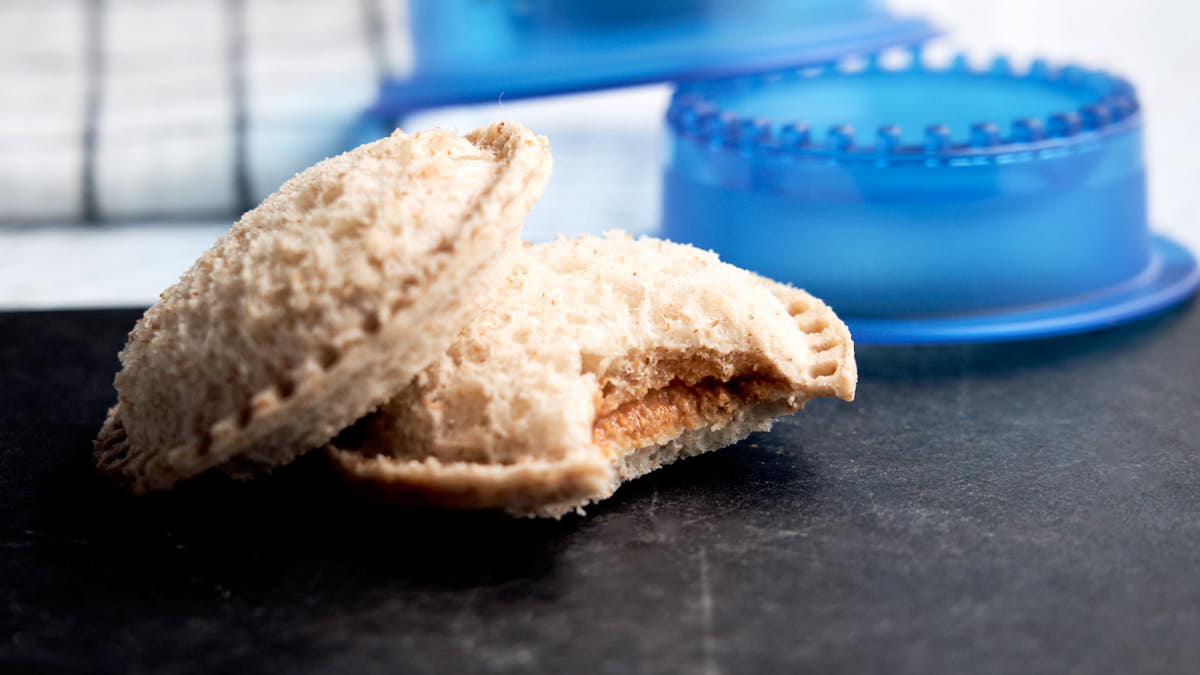
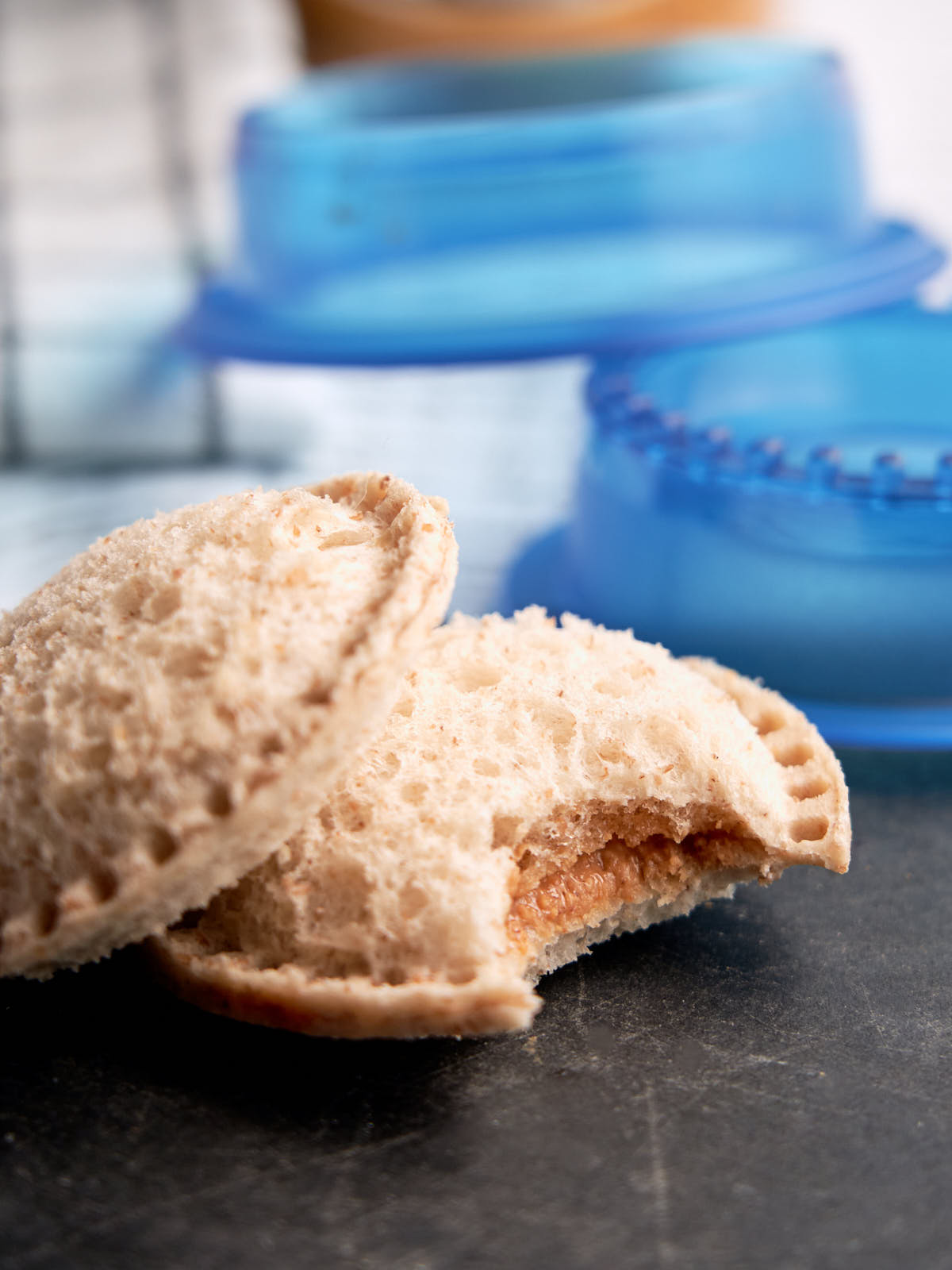
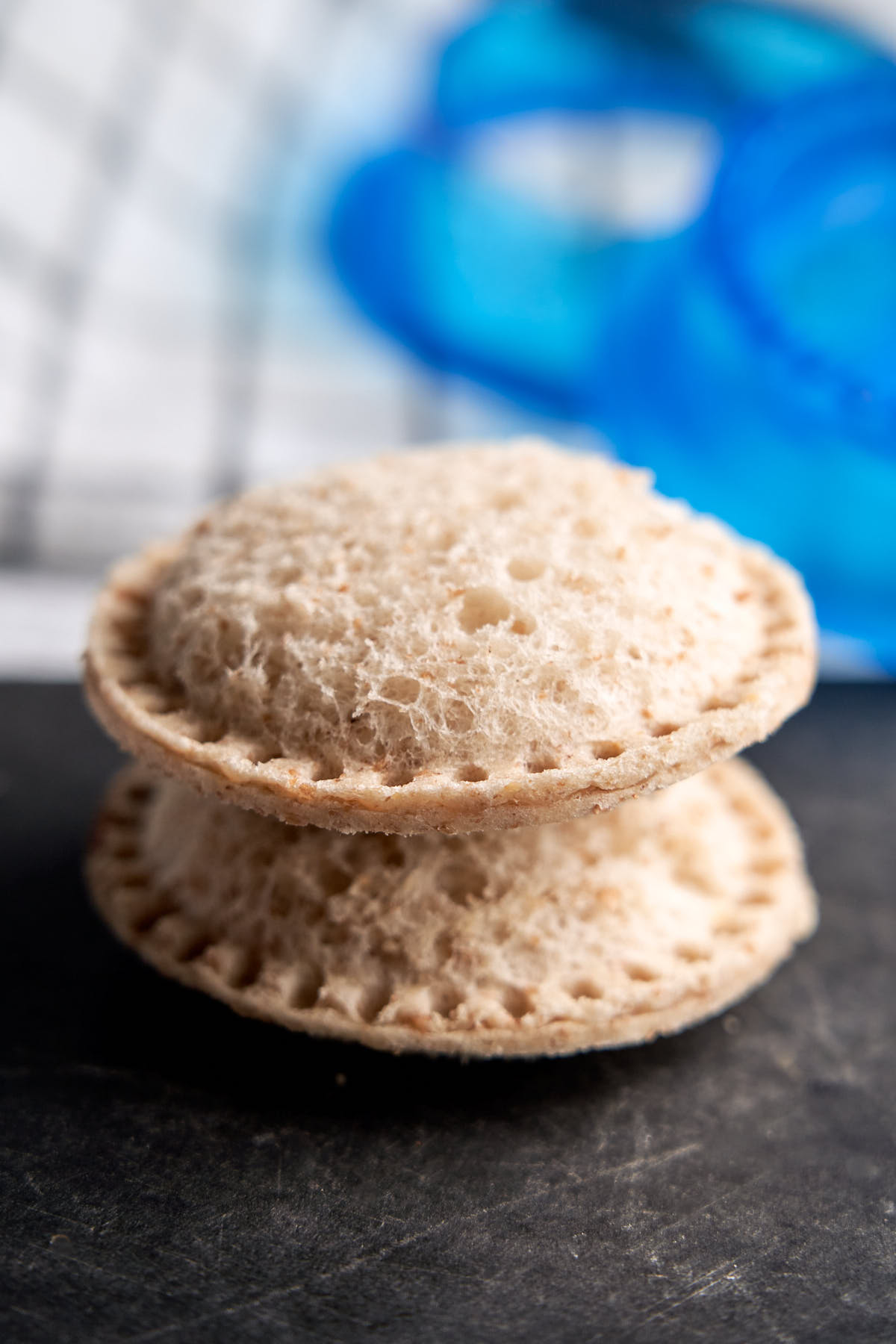
The process of creating homemade Uncrustables is made significantly easier and more efficient with the use of a specialized sandwich cutter and sealer, often referred to as an "Uncrustable maker." These tools are designed to simultaneously cut a circular shape from a slice of bread and crimp the edges to seal the filling inside, mimicking the distinctive appearance of commercial Uncrustables.
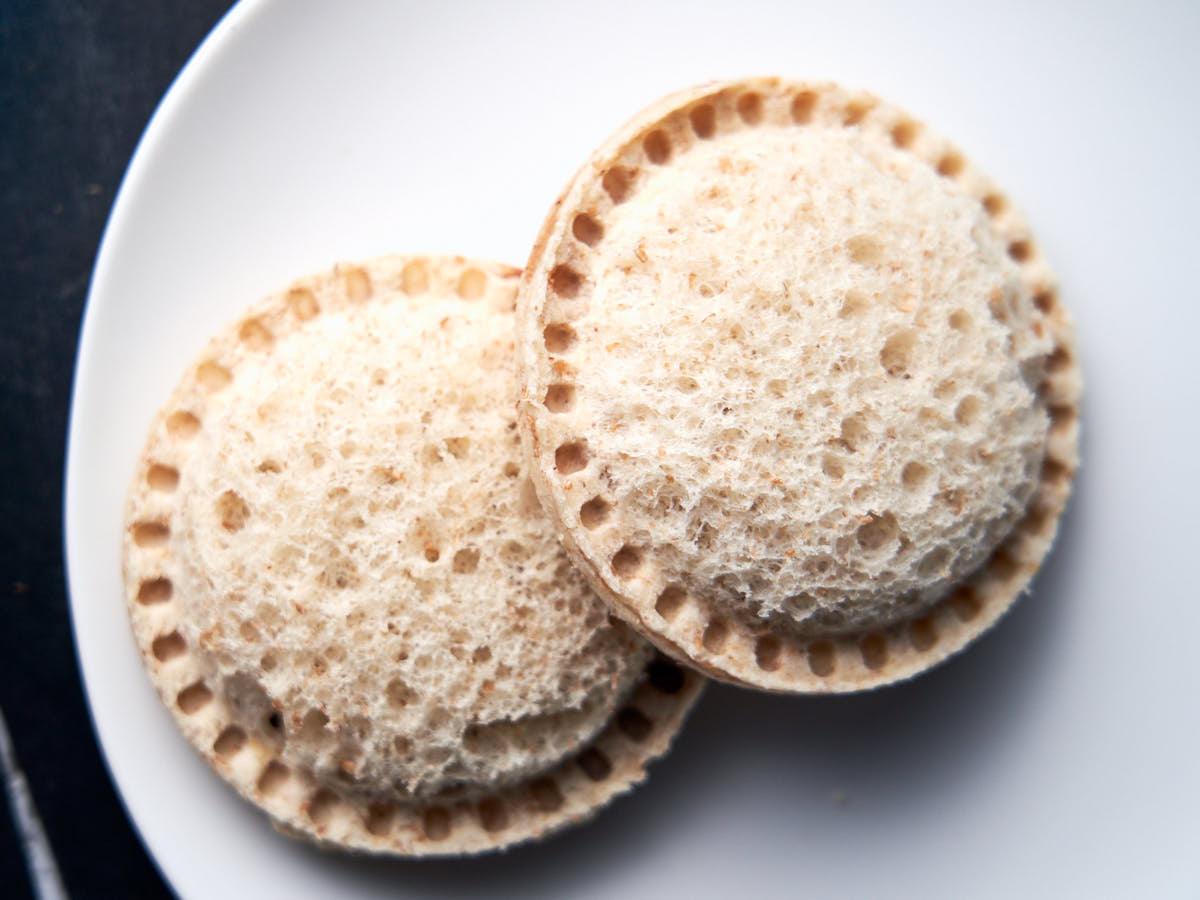
The market offers a variety of these tools, with many available through online retailers like Amazon. These makers typically come in different sizes and often feature a distinct crimping pattern. Some models are designed to replicate the classic, fluted edge of Smucker’s Uncrustables, while others may produce a wavy or smoother edge. Selecting the right Uncrustable maker often depends on personal preference regarding the final aesthetic. A popular choice among home cooks is a model that consistently produces the signature edge, ensuring a familiar and appealing presentation.
Tips for Perfect Homemade Uncrustables
Achieving the ideal homemade Uncrustable involves a few simple techniques and considerations:
- Bread Choice: Soft, white bread is often preferred for its pliability and ability to seal effectively. However, whole wheat, multi-grain, or even gluten-free bread can be used, depending on dietary needs and preferences. Ensure the bread is fresh and not stale, as this can affect the sealing process.
- Filling Distribution: When spreading the peanut butter and honey, avoid overfilling. Too much filling can seep out during the sealing process, creating a mess and compromising the integrity of the sandwich. Aim for an even layer that extends close to, but not over, the edges of the bread.
- Sealing Technique: Press down firmly with the Uncrustable maker to ensure a complete seal. This action not only crimps the edges but also helps to press out any excess air, creating a more compact sandwich.
- Cutting: For optimal results, place the filling on one slice of bread and then place the second slice on top before using the cutter. This ensures a clean cut and seal in one motion.
Addressing Leftover Bread Crusts: A Zero-Waste Approach
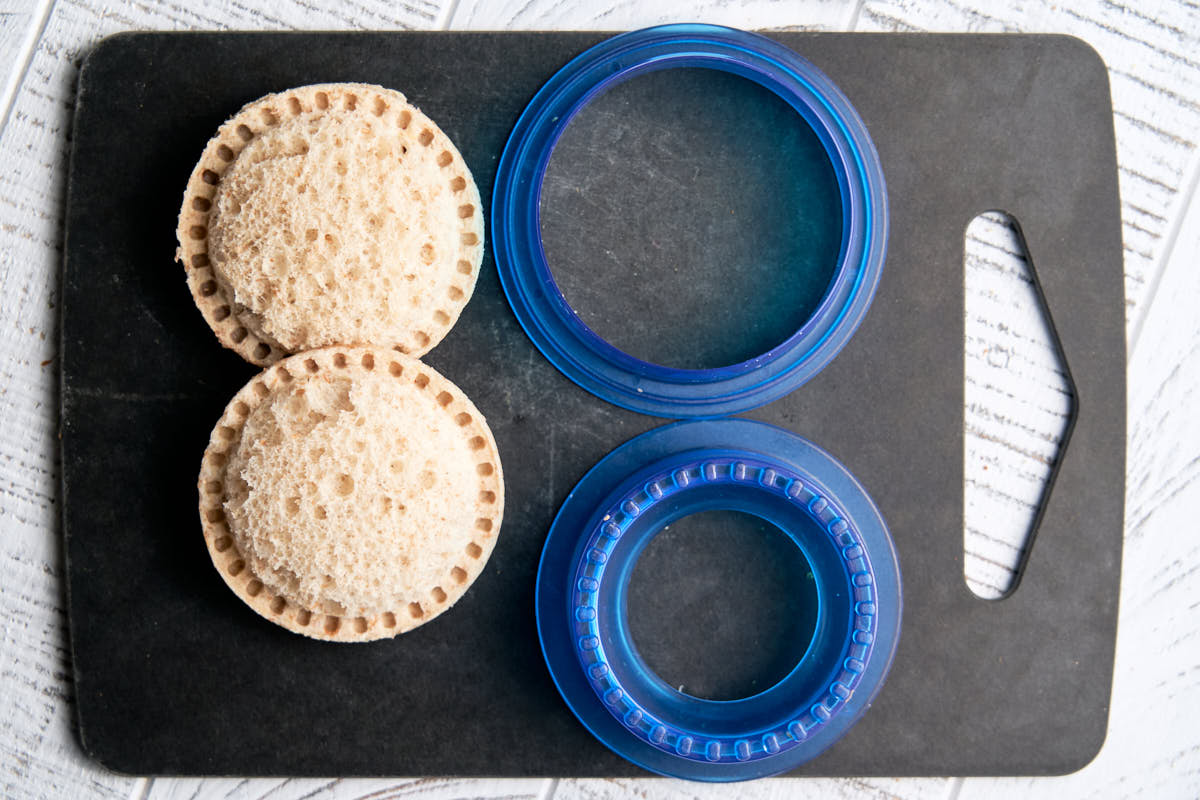
A common question that arises when making homemade Uncrustables is what to do with the discarded bread crusts. Rather than allowing these edible portions to go to waste, creative and practical solutions exist that align with a zero-waste philosophy:
-
Homemade Croutons: Bread crusts can be easily transformed into delicious croutons. Simply cut the crusts into bite-sized pieces, toss them with olive oil or butter, and sprinkle with desired herbs and spices (such as garlic powder, onion powder, paprika, or Italian seasoning). Pan-fry them until golden brown and crispy, or bake them in a toaster oven or conventional oven at a moderate temperature. These homemade croutons are a versatile addition to salads, soups, or as a standalone snack.
-
Breadcrumbs: Dried bread crusts can be pulsed in a food processor or blender to create homemade breadcrumbs. These can be used in a variety of recipes, including as a coating for fried foods, a binder in meatballs or meatloaf, or as a topping for casseroles. For a finer texture, the crusts can be toasted lightly before processing.
-
Direct Consumption: For a simple and quick solution, the bread crusts can be eaten as is. If only making a single sandwich, the crusts might constitute a satisfying portion of the bread, especially for children who may not require a full slice. This eliminates any waste and provides an additional bite of the sandwich’s base.
The economic and environmental advantages of utilizing these leftover crusts further enhance the appeal of homemade Uncrustables. By adopting a mindful approach to food preparation, consumers can maximize the value of their ingredients and minimize their environmental impact.
A Look at Nutritional Differences: Homemade vs. Store-Bought
The comparison between homemade and store-bought peanut butter and honey Uncrustables highlights the tangible benefits of the DIY approach. Commercial Uncrustables, while convenient, often contain ingredients that may not align with a health-conscious diet. For example, the peanut butter in some commercial versions can contain added sugars and oils, and the "honey spread" may be predominantly sugar-based, with minimal actual honey content. A typical store-bought Uncrustable might contain around 170-190 calories, with a significant portion of these calories coming from added sugars.
By contrast, homemade versions allow for the use of natural peanut butter (typically 180-190 calories per 2 tablespoons, with the primary ingredient being peanuts) and pure honey (approximately 60 calories per tablespoon). This substitution can lead to a sandwich with fewer processed ingredients and a more natural sugar profile. While the calorie count might be similar, the nutritional quality is generally higher in a homemade version due to the absence of artificial additives and excessive added sugars.
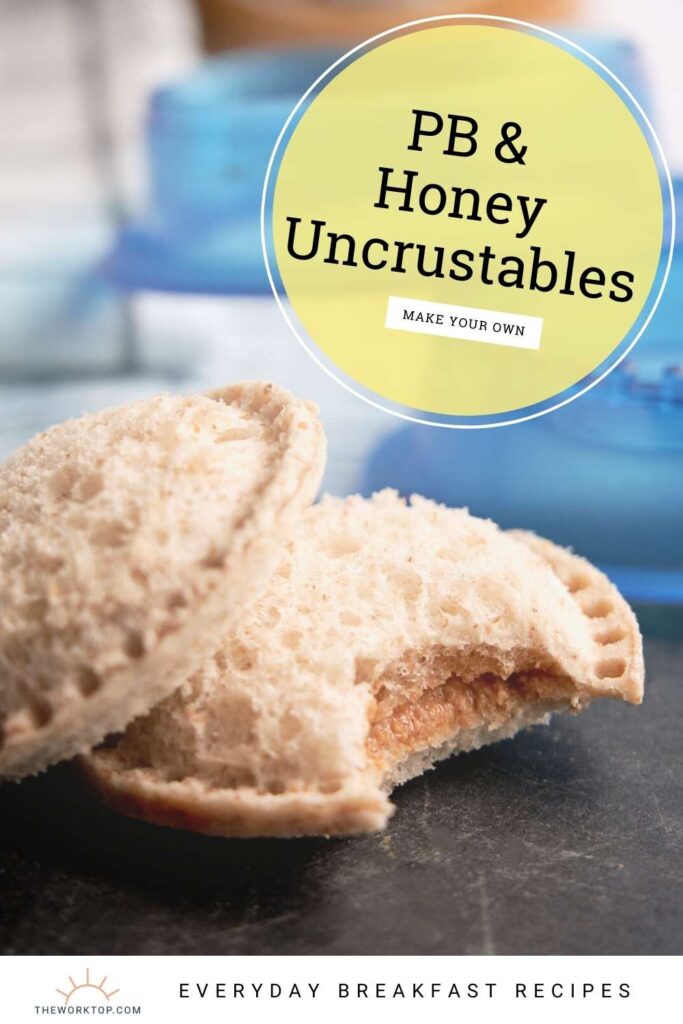
For instance, a homemade Uncrustable made with whole wheat bread, natural peanut butter, and pure honey might offer a more balanced nutritional profile, providing protein from the peanut butter, natural sweetness from the honey, and fiber from the whole grains. This control over ingredients is particularly beneficial for individuals managing their sugar intake or seeking to provide their children with the most wholesome options.
Conclusion: Embracing the Homemade Alternative
The trend towards making homemade peanut butter and honey Uncrustables is more than just a culinary fad; it represents a conscious decision by consumers to prioritize health, cost-effectiveness, and environmental sustainability. The ability to control ingredients, reduce waste, and engage children in the kitchen makes this a rewarding alternative to commercially produced snacks. With the aid of readily available tools like sandwich cutters and sealers, creating these beloved treats at home is both simple and satisfying. As consumers become increasingly aware of the impact of their food choices, the appeal of wholesome, homemade alternatives like peanut butter and honey Uncrustables is set to continue its upward trajectory. The joy of preparing a familiar favorite from scratch, coupled with the tangible benefits it offers, solidifies its place as a smart and enjoyable choice for families and individuals alike.
