
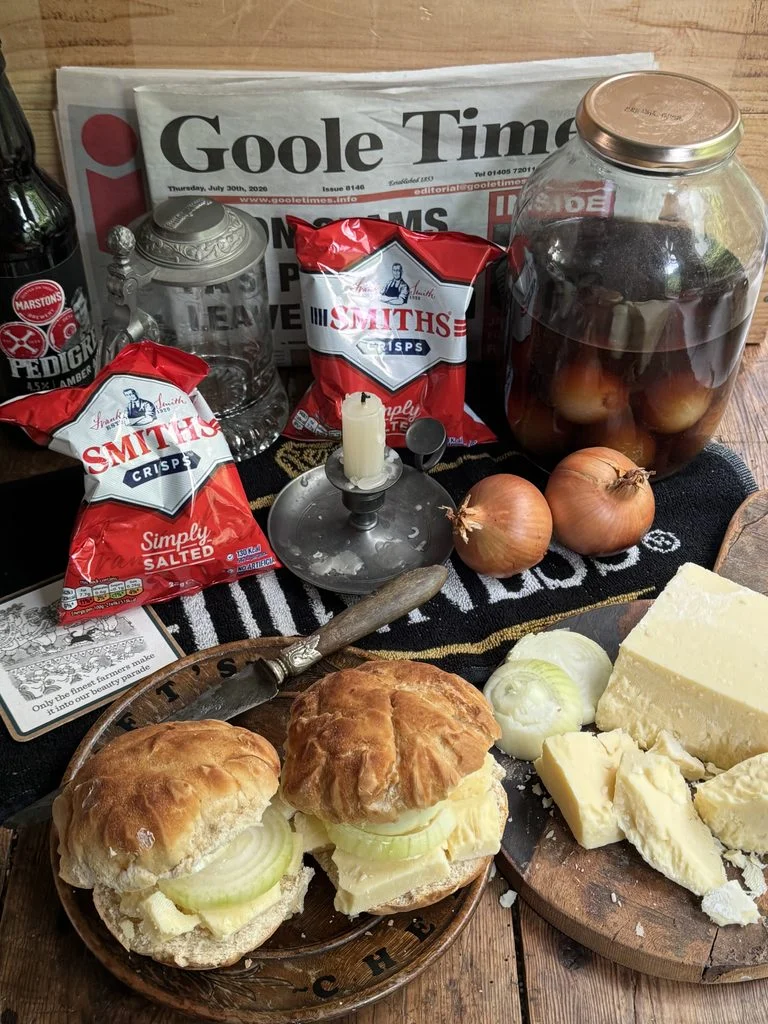
Defining the Regional Identity of the Cob
The terminology surrounding the humble bread roll is as diverse as the geography of the United Kingdom itself. While the term "cob" is prevalent in the East Midlands, the lexicon of British bread is vast and deeply rooted in local history. In the West Midlands, particularly the Black Country, the term "batch" is standard, while northern regions such as Lancashire and Greater Manchester frequently employ the term "barm cake." Further variations include the "bread cake" of Yorkshire, the "bap" common in southern England, and the "oven bottom muffin" found in various industrial centers.

This linguistic map is not merely a quirk of dialect; it represents a centuries-old tradition of localized baking. Historians note that these regional variations evolved based on available flour types, the technology of local ovens, and the specific needs of the working-class populations who relied on these rolls for portable, high-energy lunches. The current revival of the cheese and onion cob is, in essence, a reclamation of this regional identity, as diners move away from homogenized, supermarket-standard bread toward artisanal, locally baked options.

A Chronology of the Pub Butty
The "cheese and onion cob" gained its status as a staple of the British public house during the post-war era. Throughout the 1960s, 1970s, and 1980s, the pub was the center of social life in rural and industrial towns. The lunch menu in these establishments was often limited, yet remarkably effective: a pint of ale, a bag of crisps, and a hearty, buttered cob filled with thick slices of cheddar and raw onion.

By the mid-1990s, the rise of the "gastro-pub" movement began to displace these simple offerings in favor of plated, restaurant-style meals. However, market research from the last five years indicates a shift. Following the global pandemic, there has been a documented increase in demand for "comfort foods" and "nostalgic staples." Pub owners report that customers are now specifically requesting traditional snacks that offer a sense of continuity with the past. This has led to the reintroduction of the cheese and onion cob, not as an afterthought, but as a highlighted feature of the bar snack menu.

Supporting Data and Nutritional Context
From a nutritional standpoint, the traditional pub cob provides a significant caloric density, which historically served as the primary sustenance for laborers and pub-goers alike. A standard serving—consisting of a large crusty roll, roughly 50 to 75 grams of mature cheddar, and a substantial portion of raw onion—typically yields approximately 350 to 400 calories.

The protein content is noteworthy, with the mature cheddar contributing roughly 17 grams per serving. While some modern health critics point to the sodium content—often exceeding 500mg per serving—the dish remains a staple for those seeking a quick, satiating, and relatively affordable meal. Culinary analysts note that the popularity of the dish is tied to its simplicity; with only three primary ingredients, the quality of the raw materials becomes the defining factor. The shift toward sourcing "farmhouse" or "extra mature" cheddar from regional creameries has elevated the perceived value of the snack in modern establishments.

Economic and Social Implications
The revival of such traditional food items has a measurable impact on local supply chains. When a pub decides to return to a "traditional" menu, it often leads to a pivot toward local suppliers—bakers who produce high-quality, crusty bread rolls and local dairy farms providing mature, sharp cheddar. This move strengthens local economies and reduces the carbon footprint associated with the distribution of processed, pre-packaged sandwich goods.

Furthermore, the "pub butty" serves as a social equalizer. Unlike complex dining experiences that may feel inaccessible or exclusionary, the cheese and onion cob is democratic. Its resurgence is viewed by cultural sociologists as a rejection of the "fast-casual" trend, where food is often served in sterile, corporate environments. The ritual of ordering a pint and a "proper" sandwich is seen as a way of grounding oneself in the local community.

Industry Reactions and Future Outlook
Industry experts, including food historians and pub consultants, have largely welcomed the trend. Many argue that the success of the cheese and onion cob is part of a larger "slow food" movement in the UK. By focusing on quality ingredients rather than elaborate preparation, pubs are able to maintain high profit margins while offering a product that customers feel a genuine emotional connection to.

"There is a growing fatigue with over-complicated menus," says one industry analyst. "When you strip away the garnish and the pretension, what you are left with is a piece of British culinary history. The fact that this specific sandwich is having a moment proves that there is a deep-seated desire for authenticity in the British hospitality sector."

Looking forward, the trend is expected to evolve. Some pubs are experimenting with "elevated" versions, incorporating pickled red onions or artisan chutneys, yet the consensus among purists remains that the original recipe—butter, sharp cheddar, and pungent yellow onion—is the gold standard. The durability of this trend will likely depend on the willingness of pub owners to maintain high-quality sourcing, ensuring that the revival is not merely a fleeting marketing gimmick but a sustainable return to traditional British fare.

The Role of the Pub as a Cultural Hub
The public house has historically served as a space for community interaction, and the food served within its walls is an extension of that community. The cheese and onion cob, with its bold, sharp flavors, is designed to be eaten slowly, often in the company of others. Its return to prominence in Yorkshire, the Midlands, and beyond suggests that the British public is increasingly prioritizing the social function of the pub.

As urban centers become more digitized, the physical act of sharing a simple, tactile, and flavor-forward meal like the cheese and onion cob provides a necessary human connection. It is a reminder that the most enduring traditions are often those that require the least amount of technological intervention. Whether it is being served in a historic, thatched-roof pub in a rural village or a renovated industrial space in a bustling city, the cheese and onion cob remains a resilient symbol of British culinary endurance.

In conclusion, the resurgence of the pub-style cheese and onion cob is a reflection of a society that is increasingly looking backward to find comfort in its own history. It is a dish that requires no instruction manual, possesses no pretension, and offers a reliable, satisfying experience that bridges the gap between the past and the present. As long as there is a demand for honest, locally sourced food, the crusty cheese and onion cob will continue to occupy a central place on the British pub menu.
