
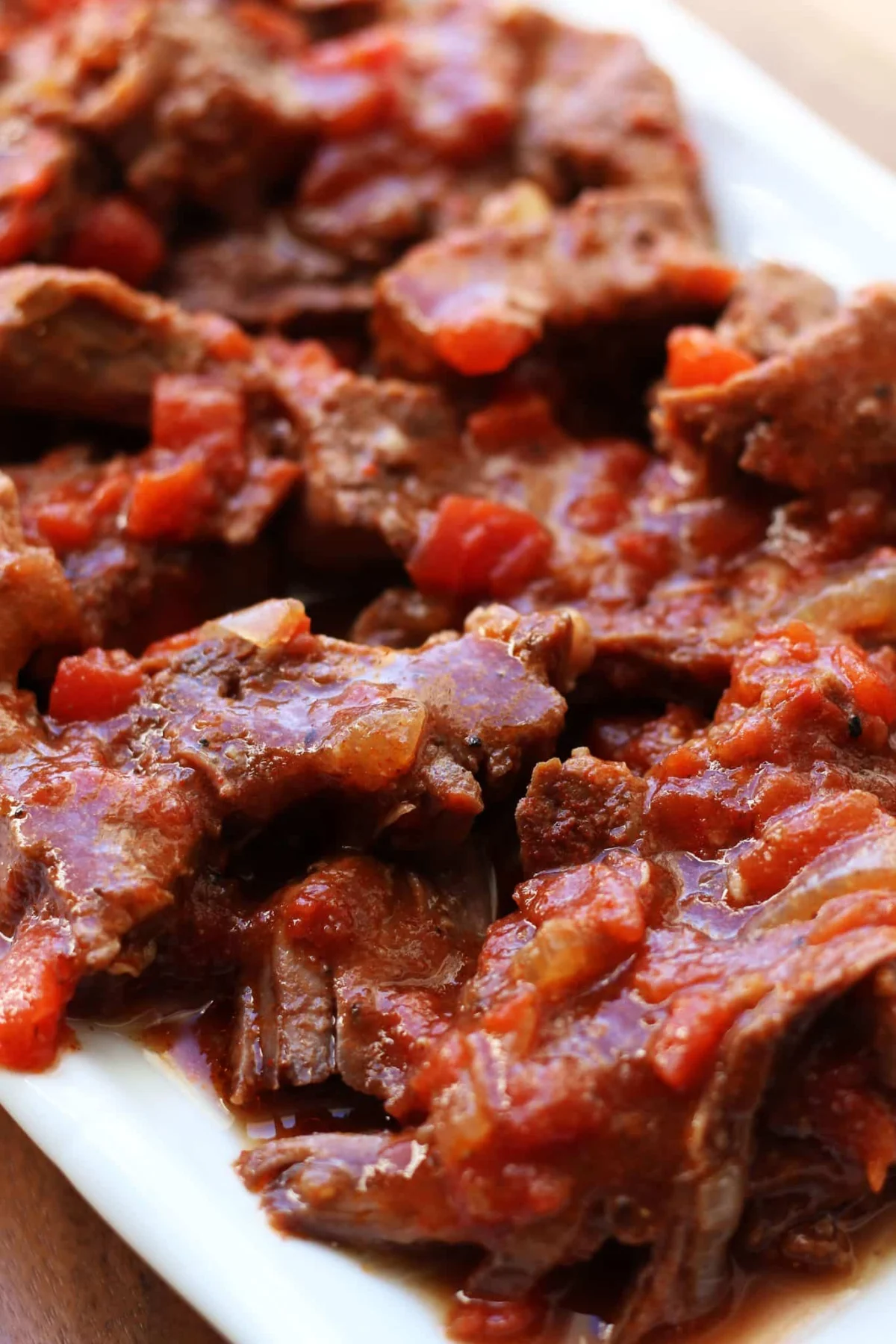
The Evolution of Steak Diane
To understand the significance of this slow-cooked adaptation, one must look at the historical context of the original dish. Steak Diane rose to prominence in the mid-20th century, particularly during the 1950s and 1960s, as a hallmark of "tableside" service in high-end dining establishments. The dish was defined by its theatrical preparation: thin beef steaks were pan-fried rapidly, often flambéed with brandy or cognac, and served in a sauce composed of mustard, Worcestershire sauce, shallots, and cream.
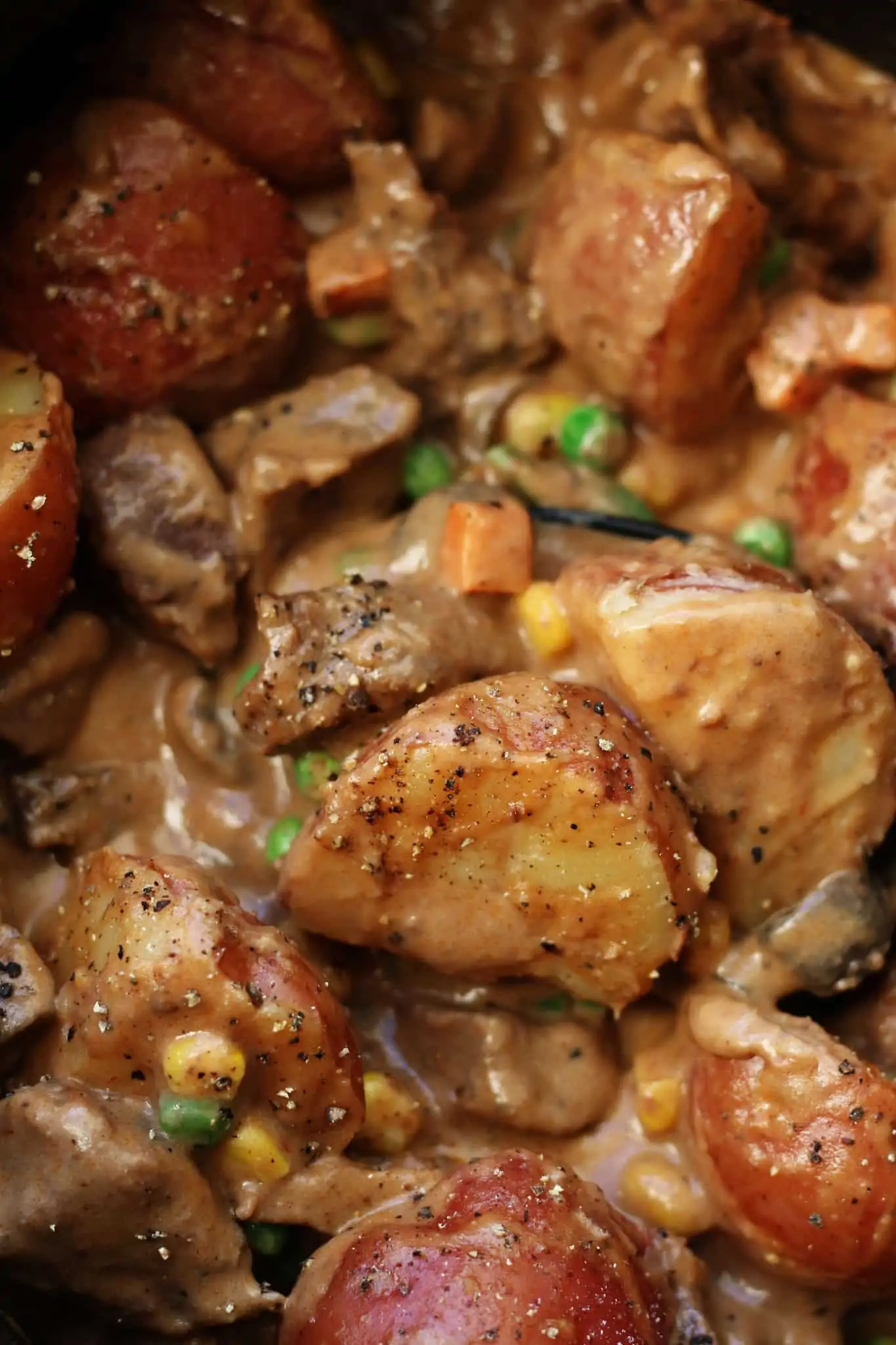
The transition of this dish into a slow-cooked casserole represents a broader shift in domestic culinary trends. According to recent market analysis from the home appliance industry, there has been a steady 12% increase in the demand for recipes that utilize multi-cookers and slow cookers as the primary method for preparing "gourmet" proteins. This shift is driven by a societal emphasis on work-life balance, where consumers are increasingly looking for ways to replicate sophisticated flavor profiles while minimizing active kitchen time.
Culinary Mechanics and Flavor Profiles
The Slow Cooked Steak Diane Casserole relies on the breakdown of connective tissues within the beef during a prolonged low-heat cycle. Unlike the traditional preparation, which uses high heat to sear a tender cut of beef, the slow-cooked version utilizes tougher, more flavorful cuts that benefit from moisture and time. The chemical transformation during this process is significant; the collagen in the meat gelatinizes, creating a mouthfeel that is distinct from the pan-seared version.
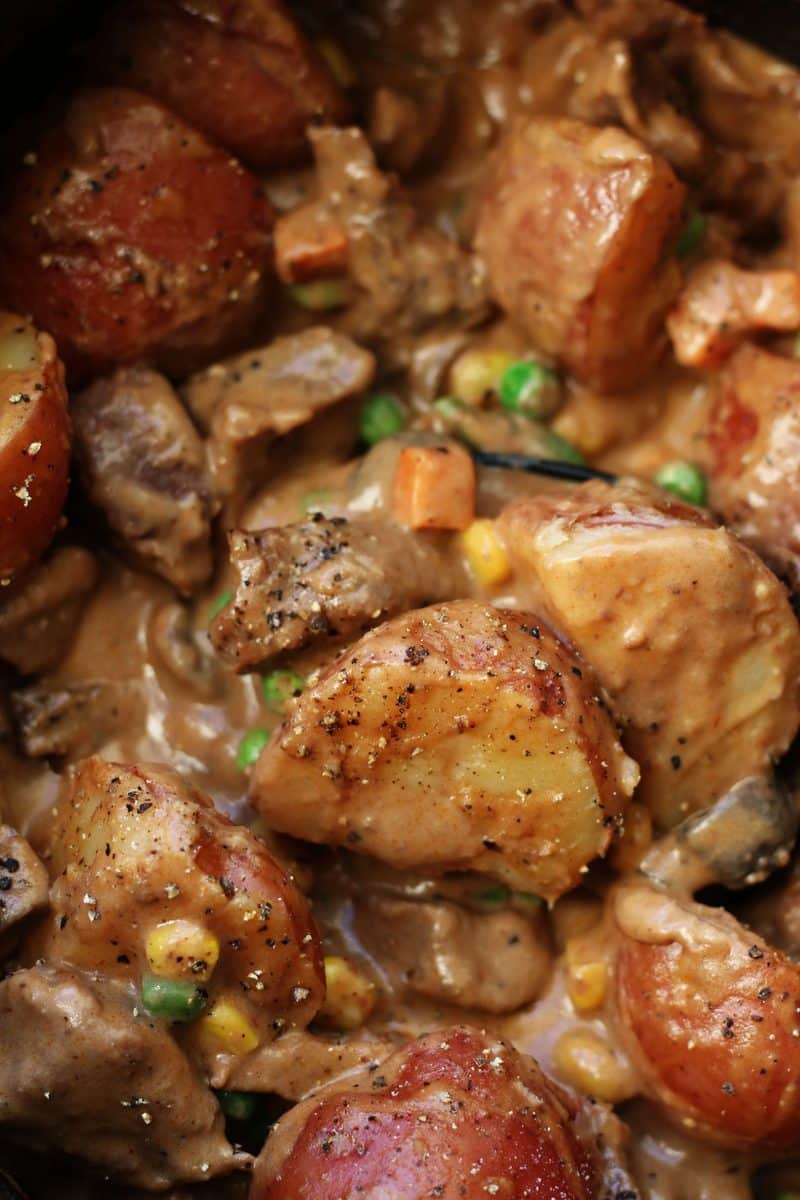
The flavor profile is anchored by three critical components:
- Acidic Depth: The use of Dijon mustard and Worcestershire sauce acts as a tenderizing agent and provides the necessary sharp, umami-rich base that cuts through the fat of the beef.
- Earthiness: The inclusion of mushrooms, specifically white button or cremini, provides a source of natural glutamates, which enhance the savory quality of the gravy as they dehydrate and then rehydrate within the slow cooker.
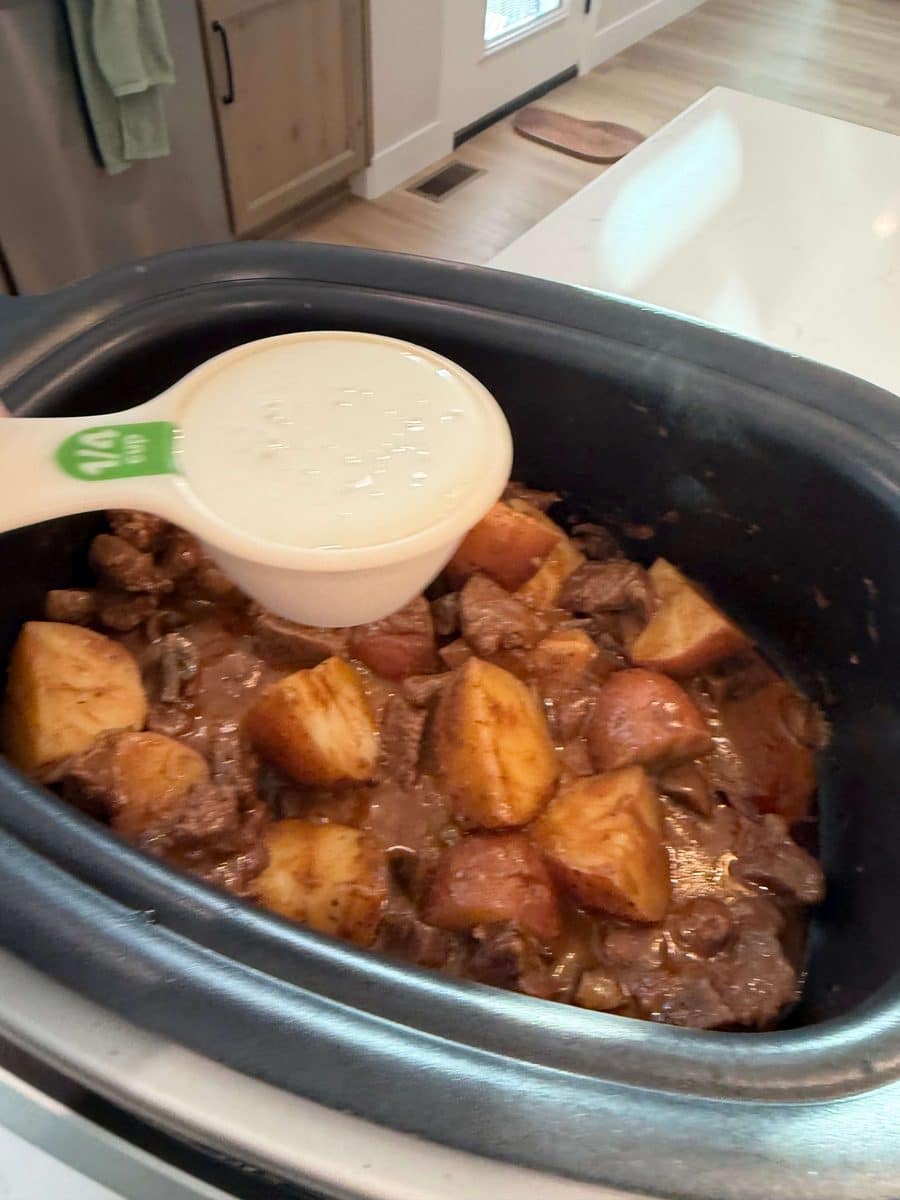
- The Cream Finish: The addition of heavy cream at the final stage of the cooking process—typically in the last 30 minutes—is the defining technical step. This prevents the proteins in the cream from curdling under prolonged exposure to high heat and ensures a velvety, emulsified texture that binds the juices from the beef and potatoes together.
Preparation and Methodology
The standard preparation of this dish involves a systematic layering of ingredients designed to maximize flavor extraction. The process begins with coating the beef in a seasoned flour mixture, which serves two purposes: it provides an initial layer of seasoning and acts as a thickening agent for the gravy during the cooking process.
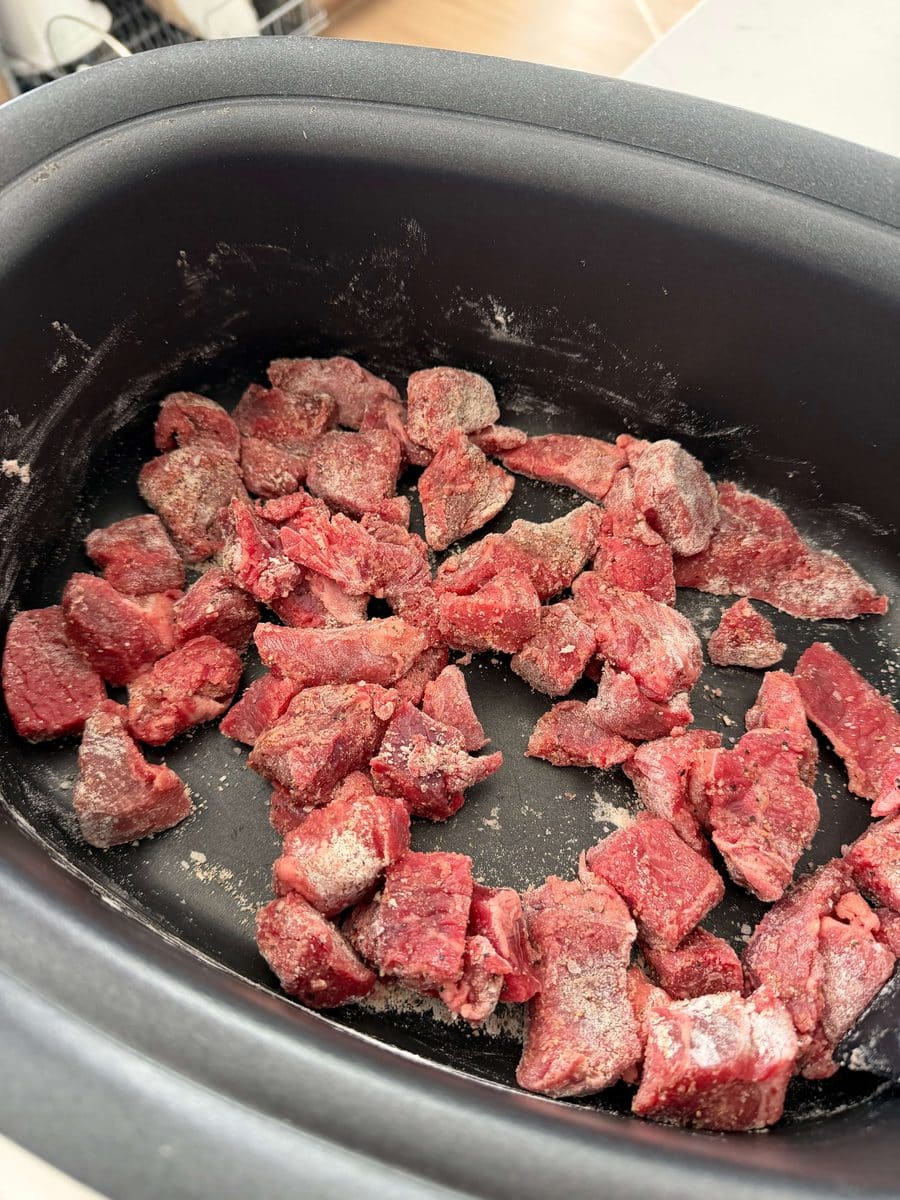
Chronology of Preparation:
- Initial Assembly: Beef, flour, salt, pepper, garlic powder, and onion powder are combined at the base of the vessel.
- Integration: The aromatics and liquid components, including broth, Dijon, Worcestershire, and tomato paste, are stirred in to create the braising liquid.
- The Simmer Phase: The dish requires 3–4 hours on a high setting or 5–6 hours on a low setting. This timeline allows the potatoes to reach a state of tenderness without losing their structural integrity.
- Final Emulsification: The final step requires the manual incorporation of heavy cream. This is the stage where the "casserole" identity is established, as the sauce thickens into a rich, cohesive gravy.
Data on Home Cooking Trends
Recent data from home food consumption studies indicate that the "casserole" category of cooking has seen a resurgence in the post-pandemic landscape. Analysts suggest that families are returning to "comfort food" staples, but with a refined focus on fresh ingredients rather than processed convenience foods.
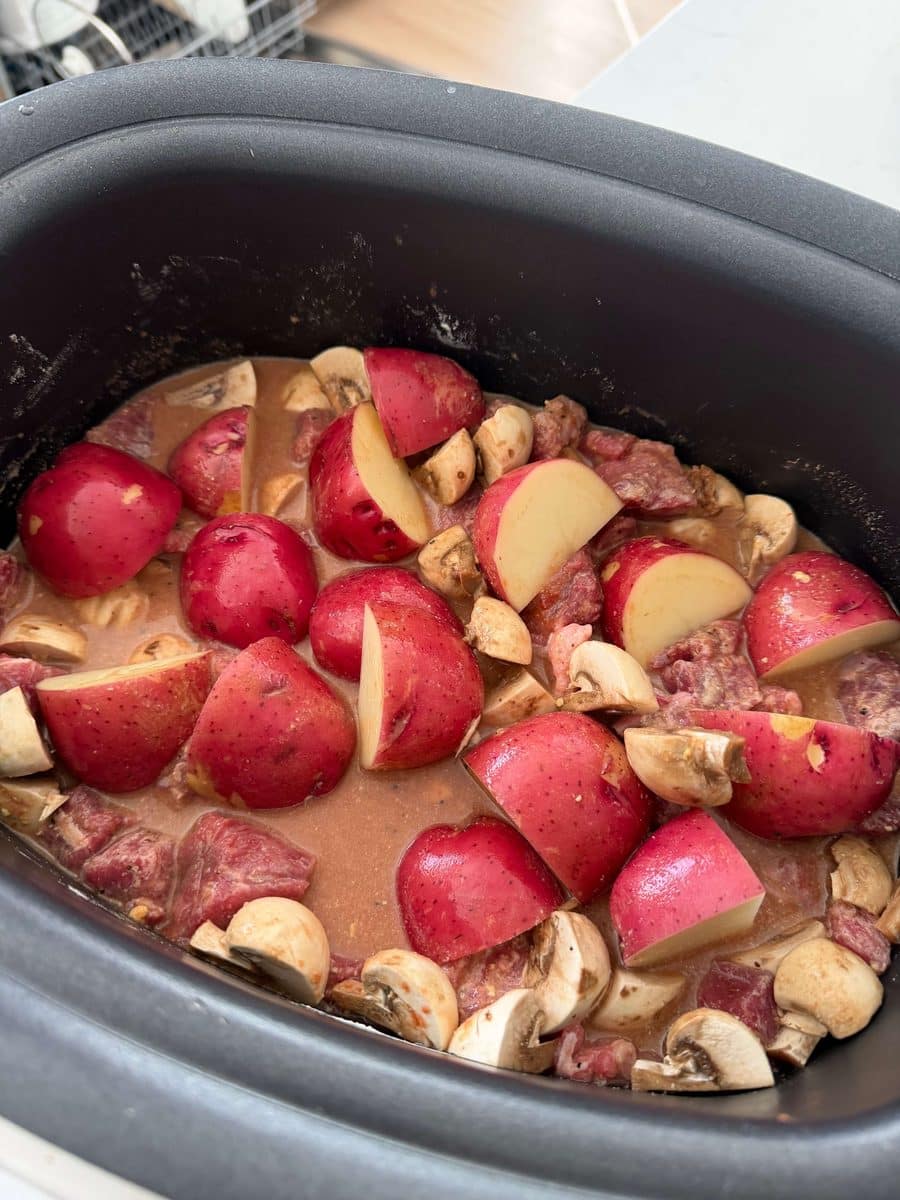
The move toward slow-cooking recipes for classic dishes like Steak Diane allows for the inclusion of root vegetables, such as red potatoes, which serve as a complete meal in a single pot. This consolidation of components—protein, starch, and vegetable—aligns with the growing consumer preference for reducing the number of dishes used during meal preparation. Kitchenware retailers have reported that "one-pot meal" search queries have increased by 28% year-over-year, suggesting that the efficiency of this recipe is as much of a selling point as its flavor.
Institutional and Consumer Reactions
While traditionalists may argue that the flambé technique is essential to the identity of Steak Diane, culinary educators have noted that the slow-cooker method offers a different, yet equally valid, gastronomic experience. By braising the meat, the dish achieves a level of tenderness that is difficult to replicate with a quick pan-sear.

"The adaptation of complex recipes into slow-cooker formats is a testament to the versatility of modern ingredients," says a consultant from a leading culinary research firm. "When you take a dish that was once reserved for restaurants and make it accessible for a Tuesday night dinner, you aren’t just changing the cooking method; you are changing the social role of the food."
Broader Impact and Nutritional Considerations
From a nutritional perspective, the Slow Cooked Steak Diane Casserole offers a balanced profile when compared to other red-meat-heavy dishes. By including potatoes and mushrooms, the dish increases the fiber and vegetable content relative to the total mass of the beef. However, the use of heavy cream and refined flour for thickening necessitates portion control.
The economic implications are also noteworthy. Utilizing slower-cooking, tougher cuts of beef—such as chuck or round—is significantly more cost-effective than using the tenderloin or sirloin cuts typically required for traditional Steak Diane. This makes the dish an attractive option for households managing rising food costs while still aiming to provide high-protein, satisfying meals.
Future Perspectives
As technology continues to influence home kitchens, the potential for further innovation in this space remains high. Smart slow cookers that allow for temperature control via smartphone apps, and the integration of precision cooking sensors, may soon allow for even greater consistency in these types of long-simmered dishes.
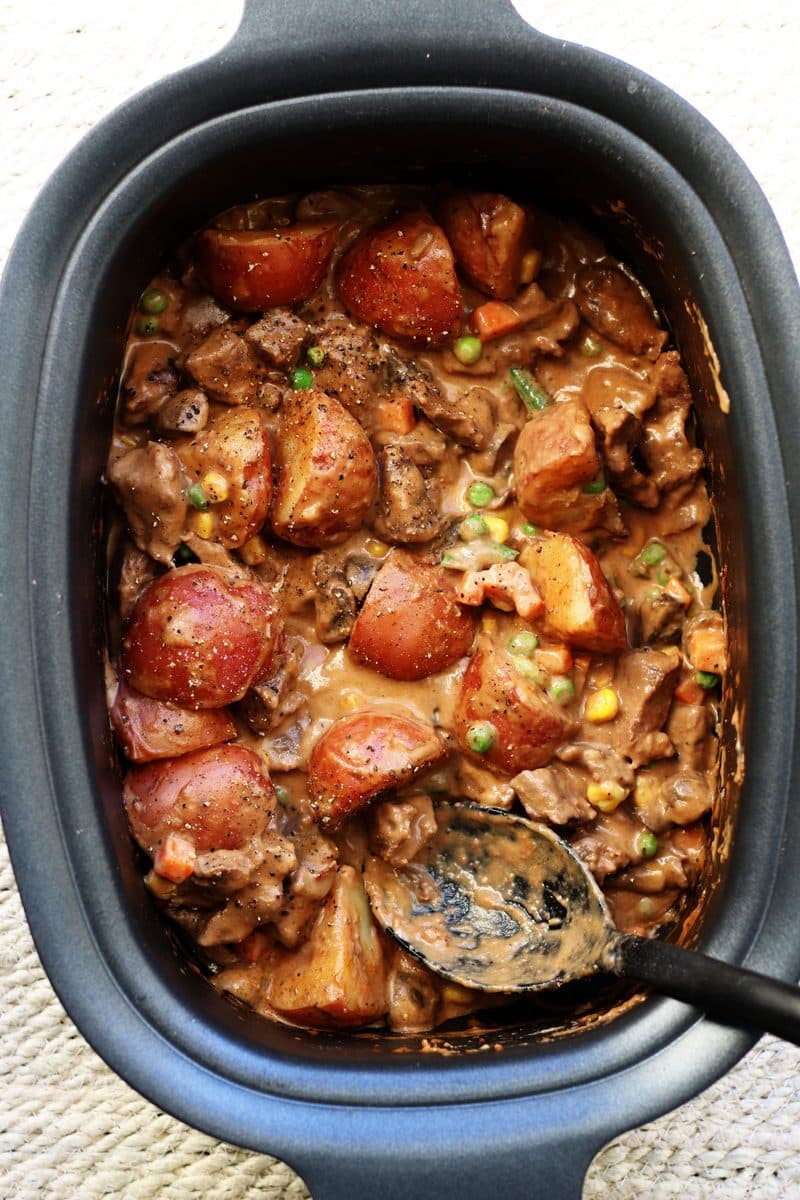
The persistence of recipes like the Slow Cooked Steak Diane Casserole underscores a fundamental human desire for connection—not just to the food we eat, but to the history and techniques that define our culinary traditions. By honoring the flavor components of the past while utilizing the efficiency of the present, this recipe serves as a bridge between the classic dining experiences of the 20th century and the pragmatic, fast-paced reality of the 21st.
Ultimately, the popularity of this dish proves that quality is not strictly determined by the speed of execution, but by the thoughtful combination of ingredients and the patience required to let them harmonize. Whether served as a Sunday family dinner or as a meal-prepped solution for a busy week, the Slow Cooked Steak Diane Casserole remains a significant example of how classic culinary heritage can be successfully reimagined for contemporary life.
