
The Evolution of the Poke Cake Technique
The poke cake concept—a method involving the manual perforation of a freshly baked sponge to allow for the infusion of liquid ingredients—gained prominence in the 1970s. Originally popularized through the marketing efforts of Jell-O brand gelatin, the technique has evolved from fruit-flavored gelatin infusions to more decadent variations featuring sweetened condensed milk, fruit purees, and, increasingly, viscous sauces like caramel and ganache.
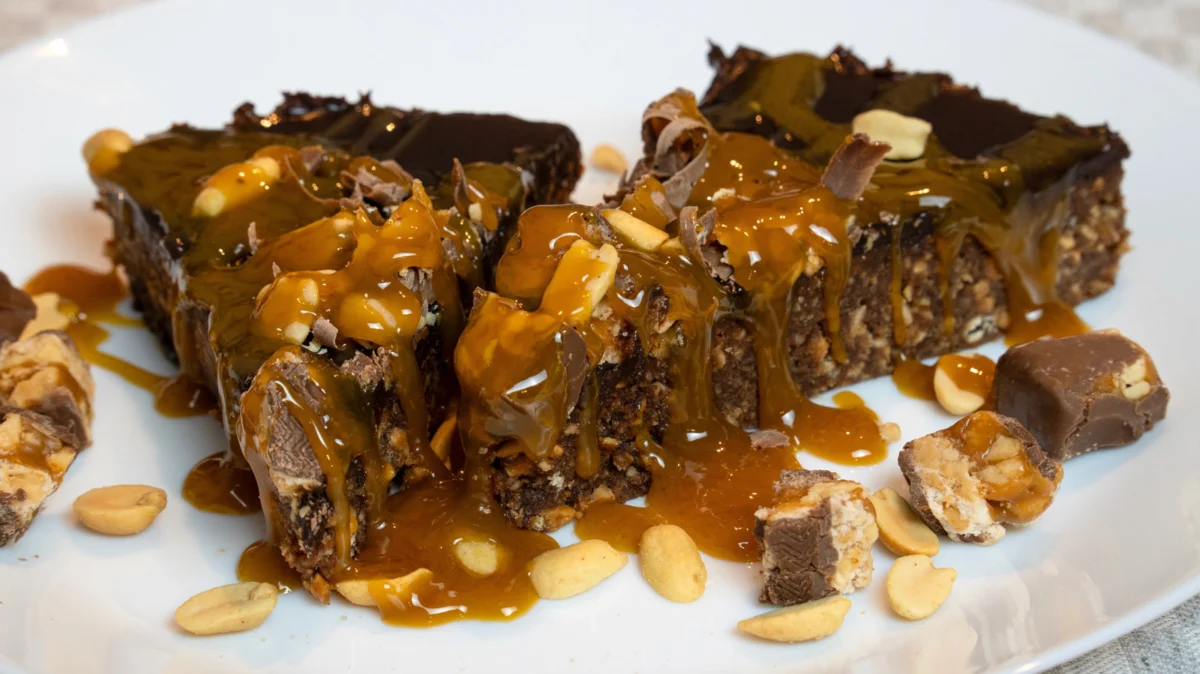
For the contemporary home baker, the process is streamlined by the ubiquity of boxed cake mixes. These mixes are engineered for consistency, providing a reliable foundation of flour, leavening agents, and sugar. When paired with high-quality additions, they function as a blank canvas. By incorporating a caramel infusion into a chocolate cake base, bakers can effectively recreate the sensory experience of a Snickers bar, which relies on the structural combination of nougat, caramel, peanuts, and milk chocolate.
Culinary Chemistry: Achieving the Ideal Texture
The success of a poke cake is predicated on the physical absorption of liquids into the crumb structure of the cake. When a cake is baked, the proteins in the flour and the structure provided by eggs create a matrix that holds air. By poking holes—typically with the handle of a wooden spoon—bakers create channels that bypass the surface tension of the cake, allowing dense sauces to penetrate the interior.
From a food science perspective, using a jar of caramel sauce creates an osmotic balance within the cake. The high sugar content of the caramel draws moisture into the surrounding cake cells, resulting in a product that remains moist for several days under refrigeration. This process is significantly more efficient than standard frosting methods, which often only affect the exterior surface of the dessert.
A Chronology of the 35-Minute Preparation
The efficiency of this dessert is a primary factor in its popularity. A standard workflow for this process, when executed in a professional or domestic kitchen, generally follows this timeline:
- 0:00–0:05: Preparation of the batter using standard boxed chocolate cake mix, incorporating the manufacturer’s required water, oil, and eggs.
- 0:05–0:30: The baking cycle, which typically requires 25 to 30 minutes at 350 degrees Fahrenheit.
- 0:30–0:35: The "poke and pour" phase. The cake must be treated while still warm to ensure the caramel sauce reaches a low viscosity, allowing for maximum absorption.
- 0:35 onward: The cooling and assembly phase. While the cake requires time to reach room temperature before applying delicate toppings like whipped cream, the infusion is technically complete within the 35-minute window.
Market Trends and Consumer Convenience
The rise of the "elevated convenience" movement in baking is supported by data from the retail sector. According to consumer behavior analysts in the food and beverage industry, there has been a 15% increase in the sales of premium baking additives, such as artisanal caramel sauces and high-quality chocolate, over the last three years. This trend suggests that while consumers are opting for the time-saving benefits of boxed mixes, they are simultaneously seeking to personalize their results with higher-quality ingredients.
Industry observers note that this "semi-homemade" approach is a direct response to the rising costs of professional bakery goods. By sourcing a boxed mix and a standard jar of caramel, a baker can produce a dessert that serves 12 to 16 people for a fraction of the cost of a comparable item purchased at a commercial bakery.
Topping Strategies: Balancing Flavor and Structure
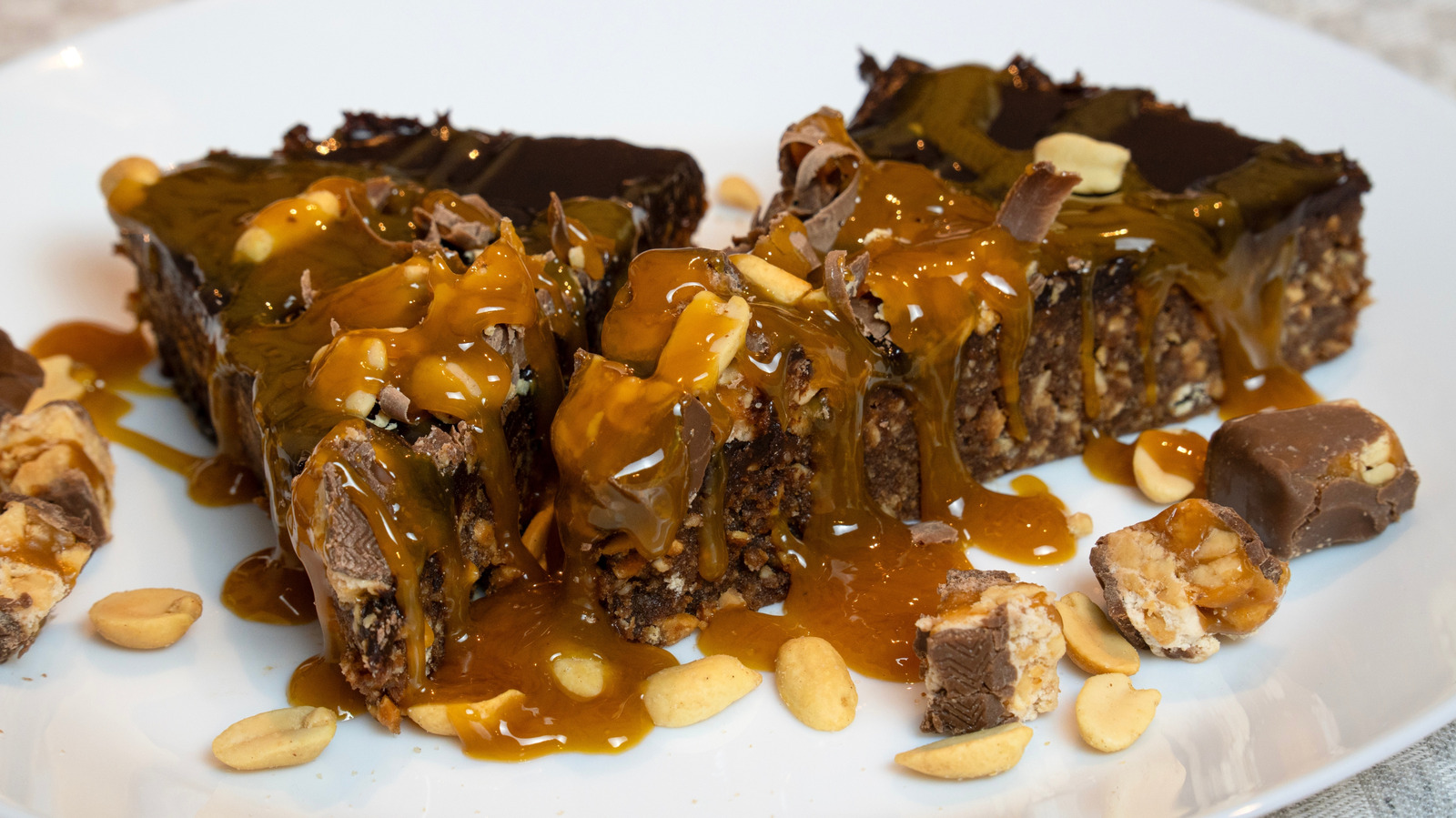
The final layer of the Snickers-inspired poke cake involves balancing the richness of the caramel-infused chocolate base with lighter, contrasting textures. While traditional buttercream frosting is a common choice, culinary experts often recommend whipped topping or stabilized whipped cream.
The rationale for this choice is rooted in the sweetness index. Because the caramel sauce significantly elevates the sugar content of the cake, a heavy, butter-based frosting may result in a cloying flavor profile. Whipped topping provides a neutral, airy contrast that balances the denseness of the cake.
For the "Snickers treatment," the addition of textural elements is essential:
- Protein and Crunch: Chopped peanuts are vital if one wishes to replicate the specific mouthfeel of the candy bar. The saltiness of roasted peanuts serves to cut through the sweetness of the caramel, providing a necessary savory counterpoint.
- Visual Appeal: A secondary drizzle of high-viscosity chocolate sauce is often used in professional pastry plating. This adds visual complexity and a concentrated chocolate flavor that complements the lighter cocoa notes found in most commercial cake mixes.
Broader Implications for Home Baking
The enduring popularity of the Snickers-style poke cake underscores a shift in how modern households view dessert preparation. It is no longer a binary choice between "from scratch" and "store-bought." Instead, the focus has shifted toward curation—selecting high-quality components and assembling them using techniques that maximize flavor potential.
From a professional standpoint, this trend highlights the importance of ingredient quality. Whether it is a premium caramel brand like those frequently cited in market rankings or an artisanal chocolate sauce, the quality of the "add-ins" dictates the final success of the dish.
Furthermore, the adaptability of this dessert makes it a resilient staple. If a specific component, such as a Snickers bar, is unavailable, the underlying chemistry of the recipe allows for substitutions without compromising the structural integrity of the dessert. The swap of peanuts for the candy bar, for instance, maintains the essential "chocolate-caramel-nut" profile required for the dish to remain recognizable.
Conclusion: The Future of Accessible Luxury
The intersection of convenience and quality will likely continue to dominate the culinary landscape. As food technology improves the texture and flavor profiles of boxed cake mixes, the gap between home-baked goods and professional desserts continues to narrow. The Snickers-inspired poke cake stands as a prime example of this synthesis: a dessert that is simple in its execution, yet complex in its flavor delivery. By understanding the mechanics of the poke-and-pour technique and the importance of balancing sweet and savory elements, home bakers can achieve professional-grade results with minimal time and financial investment. This accessibility ensures that such recipes will remain a vital component of the domestic culinary repertoire for years to come.
