
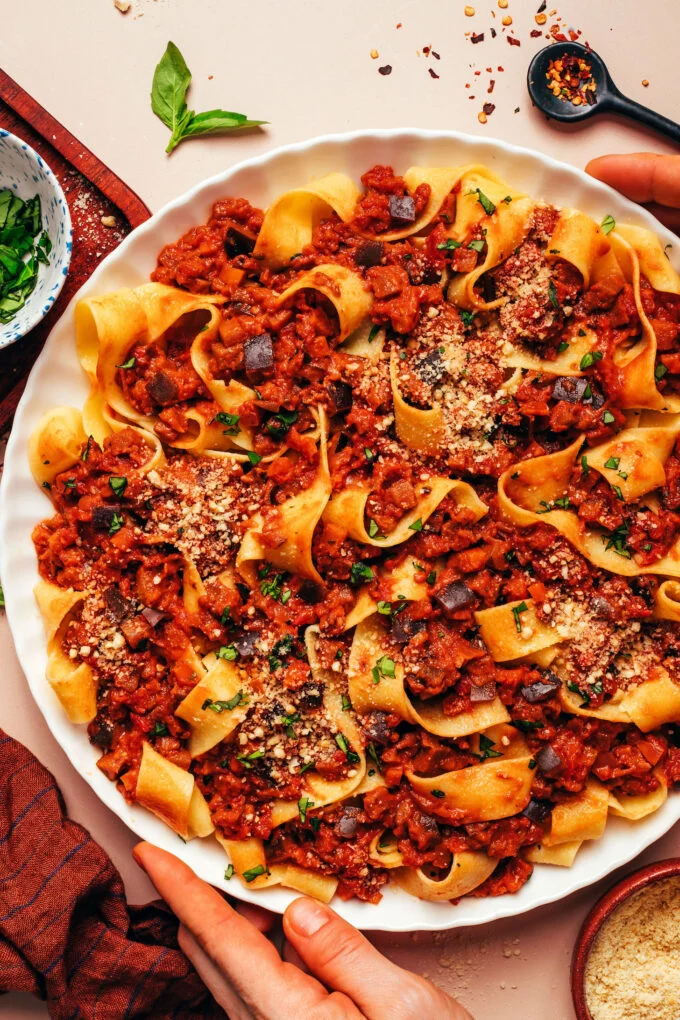
The Evolution of the Bolognese Archetype
Traditional Bolognese, originating from the Italian city of Bologna, is a meat-based sauce characterized by its slow-simmered complexity and its reliance on the soffritto—a foundational aromatic blend of finely diced onions, carrots, and celery. Historically, the dish is defined by its deep, savory profile derived from beef or pork, rendered fats, and a long reduction time.
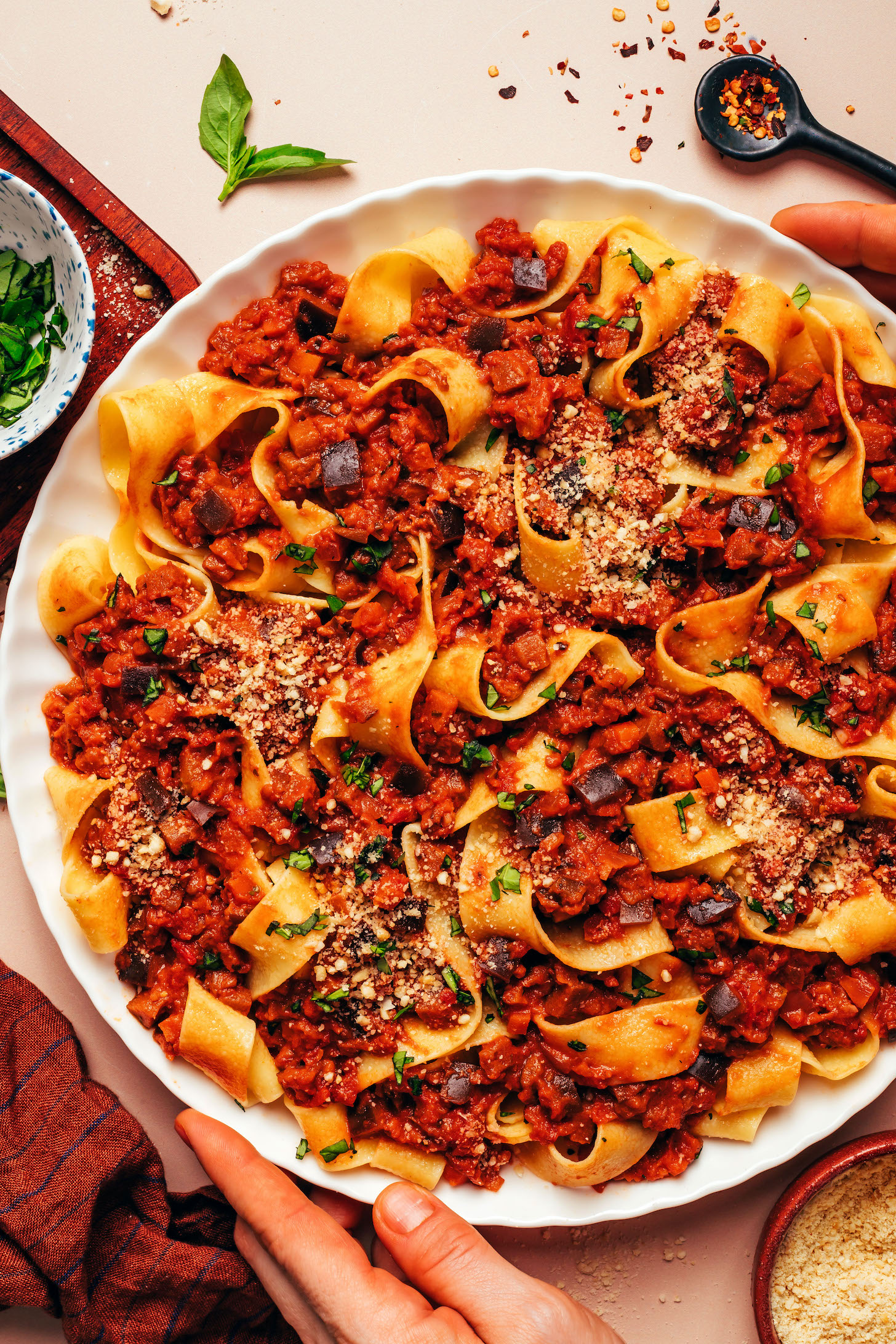
The introduction of the eggplant-based iteration represents a broader movement in contemporary gastronomy to re-engineer classic European staples to meet the requirements of vegan, vegetarian, and flexitarian diets. While the core structural elements of the dish—the aromatic base, the wine-deglazed reduction, and the tomato-forward profile—remain intact, the substitution of eggplant serves a dual purpose: it provides a textural mimicry of ground meat while significantly lowering the carbon footprint associated with the dish.
Culinary Methodology and Technical Composition
The preparation process for this specific recipe is designed for a 45-minute total completion time, with 15 minutes allocated for preparation and 30 minutes for the active cooking phase. The process begins with the sautéing of the soffritto base, followed by the integration of cubed eggplant. The technical challenge in using eggplant as a meat substitute is the moisture content; by cubing the vegetable into small, uniform pieces and sautéing until browned, the cook achieves a Maillard reaction that is essential for depth of flavor.

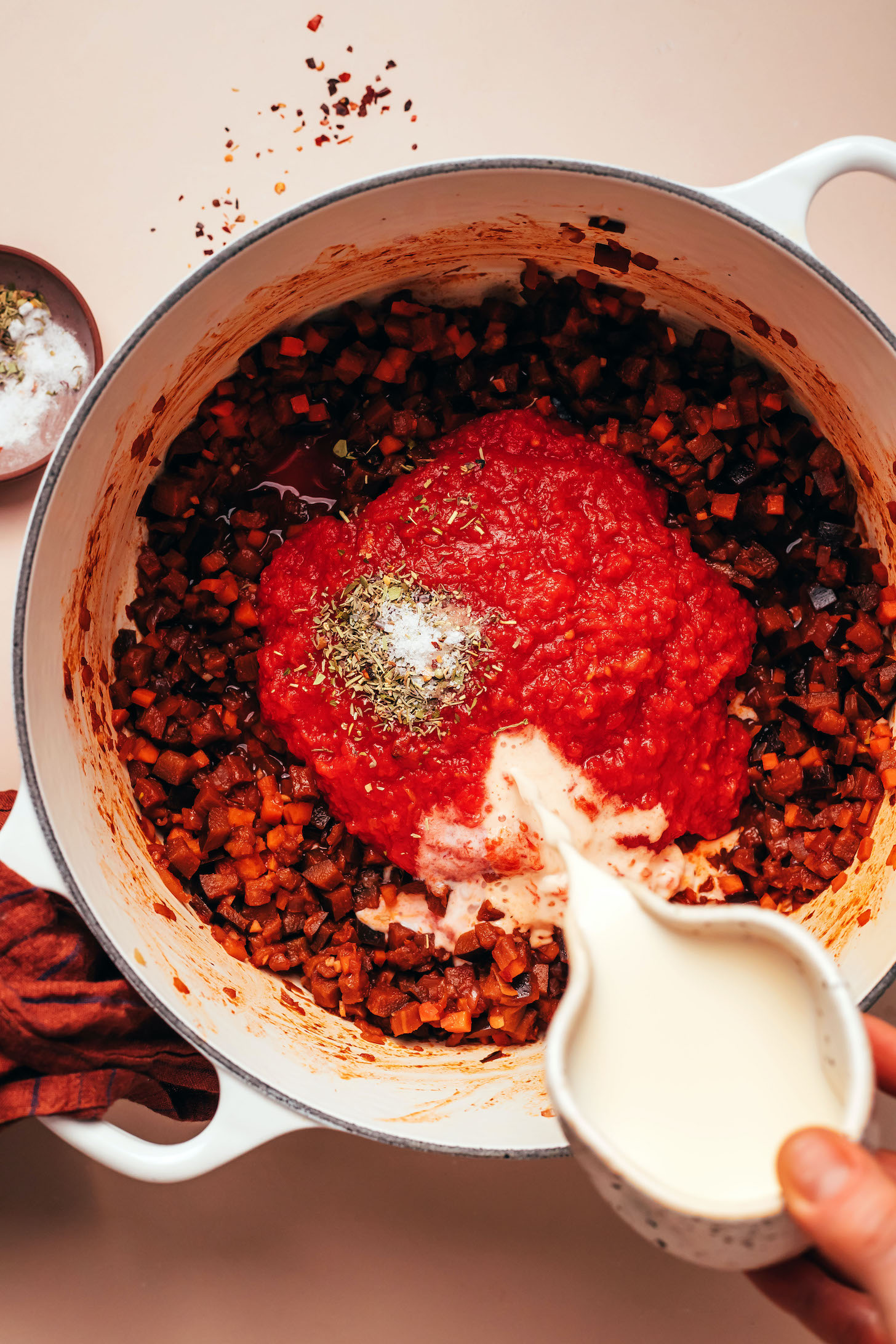
The addition of liquid components follows a precise sequence. After deglazing the pot with wine to lift the fond—the caramelized bits left at the bottom of the pan—the sauce is built using crushed tomatoes, tomato paste, and a plant-based emulsifier, typically cashew milk. This addition of fat via nut-based milk replaces the traditional dairy element, providing a creamy mouthfeel that balances the natural acidity of the tomatoes. The inclusion of dried herbs such as basil and oregano, along with a minimal amount of maple syrup, serves to round out the flavor profile, neutralizing the sharp acidity often found in high-volume tomato preparations.
Nutritional Analysis and Dietary Implications
From a nutritional standpoint, the transition from meat-based to eggplant-based Bolognese offers a substantial shift in macro-nutrient distribution. Data for a standard serving of this recipe indicates a calorie count of approximately 284 calories, with a notable fiber content of 8.3 grams per serving. This is a significant increase over traditional meat-heavy sauces, which often contain higher levels of saturated fat and zero dietary fiber.

The protein content stands at approximately 6.6 grams per serving. While this is lower than that of a beef-based sauce, the recipe provides supplemental strategies for those seeking higher protein intake, such as the incorporation of red lentils or pairing the sauce with legume-based pastas. The sodium content is measured at 689 mg per serving, which is moderate for a home-cooked meal, though it allows for individual adjustment based on dietary requirements.
Market Context and Consumer Trends
The release of this recipe coincides with a surge in the popularity of "one-pot" cooking, a trend driven by the post-pandemic increase in home-meal preparation and a heightened focus on domestic efficiency. According to recent consumer behavior studies in the food industry, search interest for "quick plant-based meals" has risen by 22% over the last fiscal year. The Minimalist Baker platform, which has previously featured variations on Bolognese involving mushrooms, lentils, tempeh, and chickpeas, reports that this eggplant version was developed to capture the late-summer seasonal market, utilizing one of the most versatile vegetables available during that period.
Industry analysts suggest that the "Eggplant Bolognese" concept serves as a gateway for omnivores interested in reducing meat consumption without sacrificing the "heartiness" of a traditional dinner. By framing the dish as an "Italian-inspired" entrée, the creators avoid the perception of "diet food," instead positioning the meal as a sophisticated, family-friendly option that aligns with the growing demand for comfort food that remains environmentally conscious.
Scalability and Versatility
The versatility of this sauce is a primary factor in its potential longevity as a staple recipe. Because it is freezer-friendly—retaining its integrity for up to one month—it appeals to the meal-prepping demographic. Furthermore, the inclusion of "pro-tips" within the recipe, such as the option to add ground beef for a hybrid approach or using vegan meatballs for a more substantial texture, demonstrates an inclusive approach to culinary instruction.
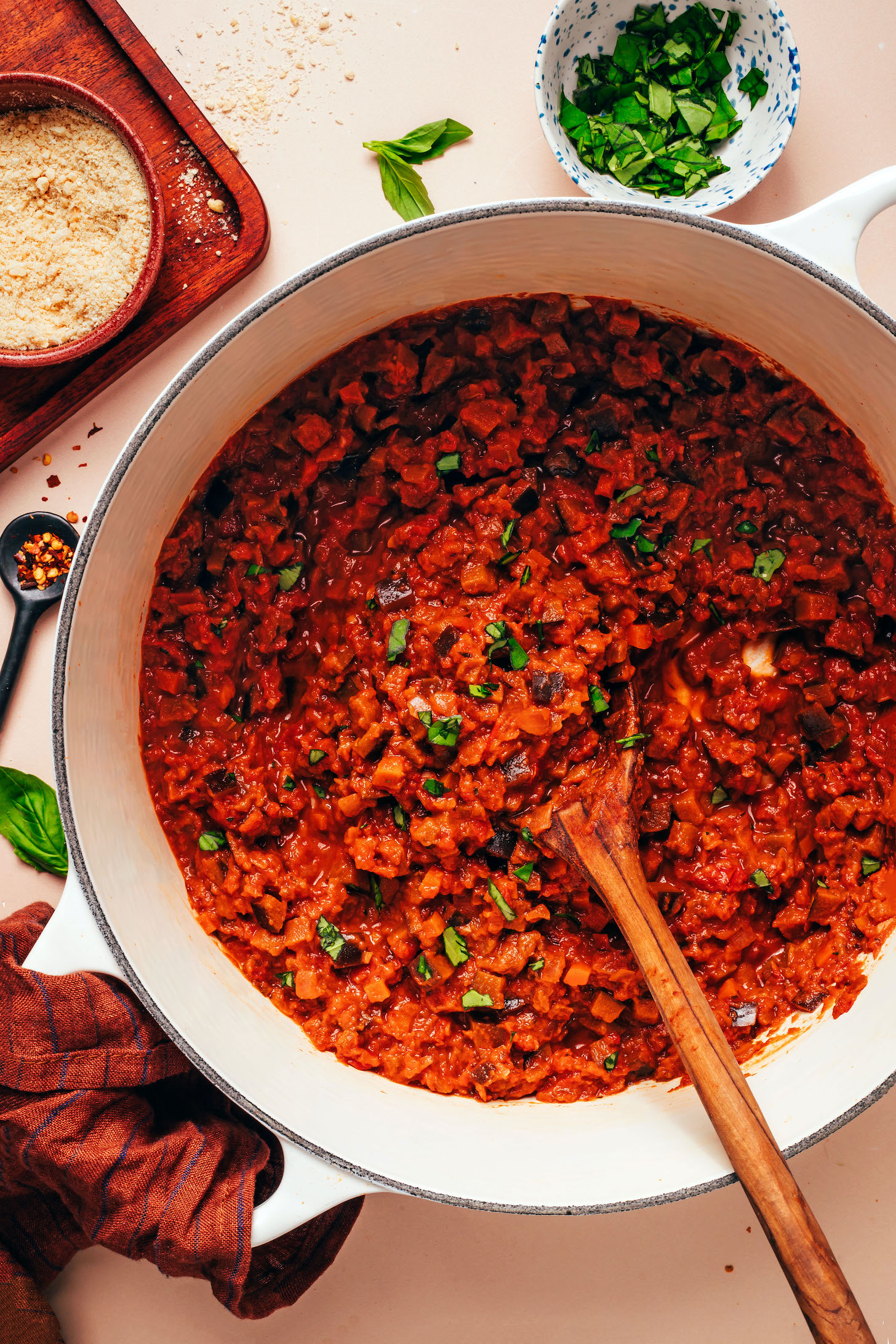
The recipe has been engineered to be scalable. While the standard yield is four servings, the ratios of the ingredients allow for easy doubling in larger Dutch ovens or multi-cookers, making it an efficient choice for larger gatherings or batch cooking.
The Broader Impact on Home Cooking
The rise of recipes like the one-pot eggplant bolognese signifies a shift in how professional food bloggers and recipe developers are approaching classic cuisines. There is a concerted move away from overly complicated, multi-step procedures in favor of techniques that utilize heat management and ingredient quality to achieve complexity.
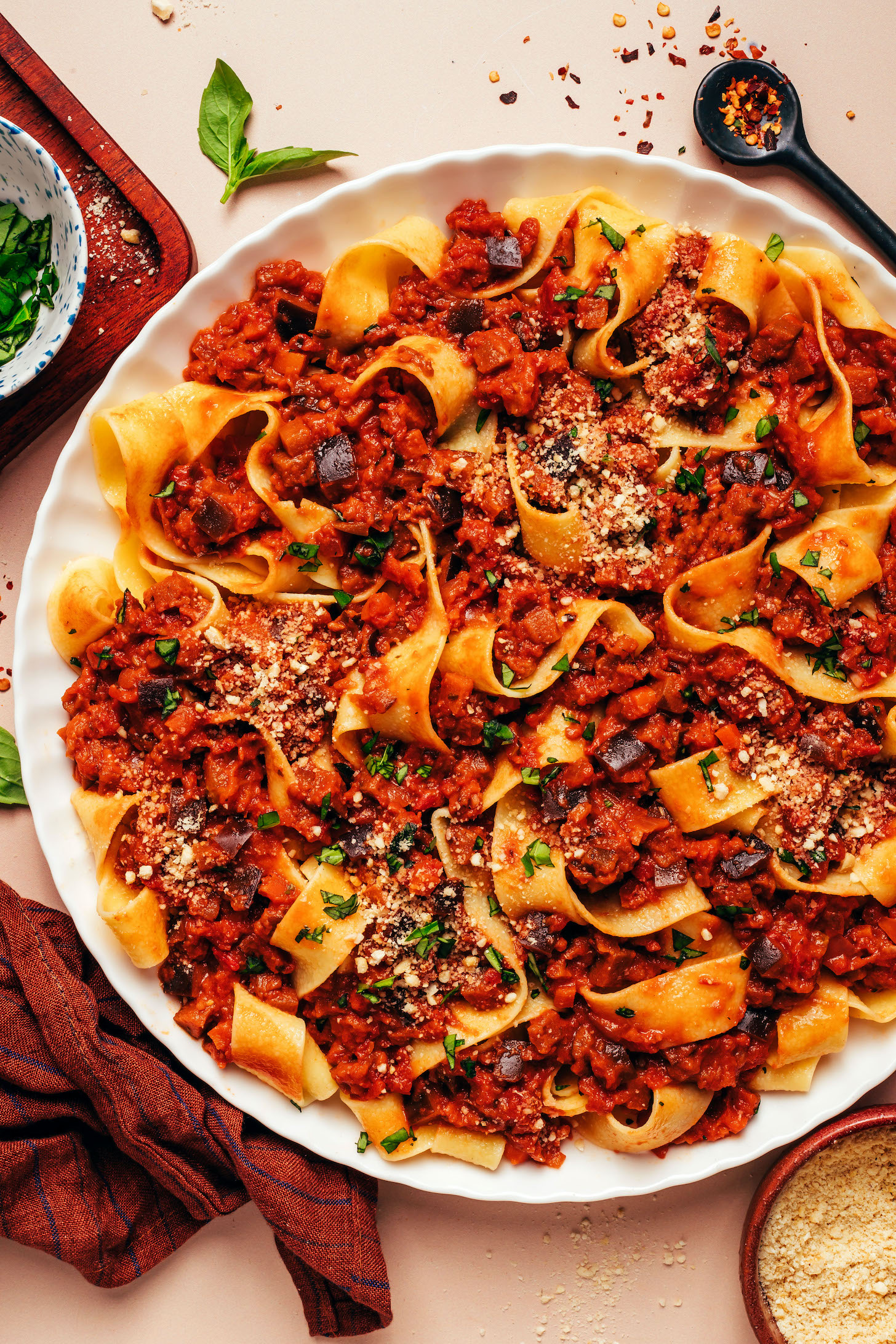
By focusing on the soffritto and the careful reduction of tomatoes, the recipe teaches home cooks fundamental culinary skills—deglazing, sautéing, and balancing acidity—without requiring professional-grade equipment. This democratization of cooking technique, coupled with an emphasis on accessible, whole-food ingredients, has broad implications for home food security and health. As consumers continue to grapple with the rising costs of animal proteins, the shift toward vegetable-forward staples is expected to accelerate, making recipes that elevate humble ingredients like eggplant increasingly valuable.
In conclusion, the Minimalist Baker’s Eggplant Bolognese serves as a case study for the modern adaptation of traditional recipes. It successfully bridges the gap between heritage-based Italian cooking and contemporary dietary preferences. By prioritizing the reduction of cleanup and the maximization of flavor, it meets the primary requirements of the modern, busy household while providing a viable, nutrient-dense alternative to traditional meat-based sauces. Whether served over classic pappardelle or alternative grains like polenta, the dish stands as a testament to the fact that technical simplicity, when executed with high-quality ingredients, can yield results that rival more traditional, labor-intensive culinary preparations.
