
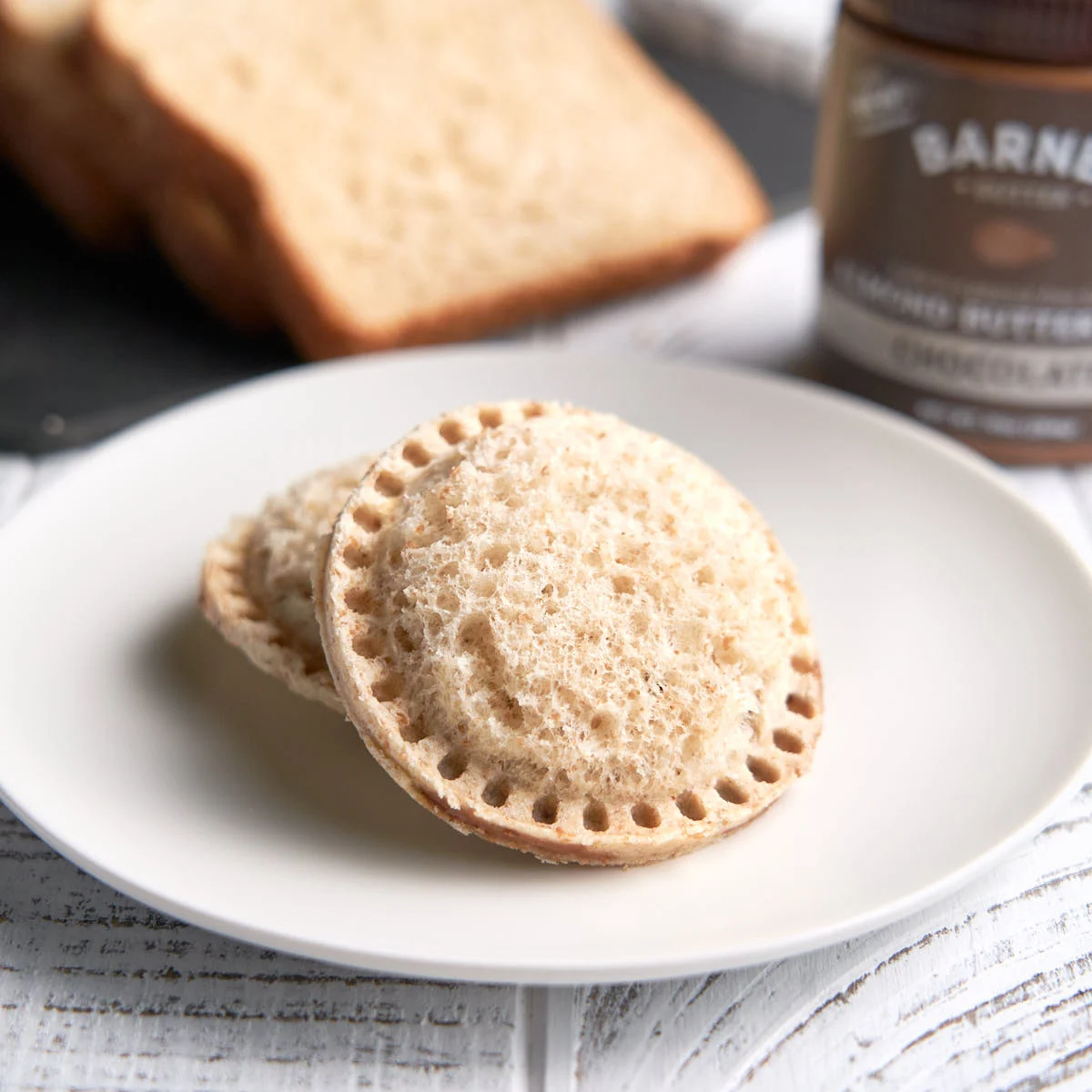
The Evolution of the Convenience Sandwich
The concept of the crustless, sealed sandwich gained significant commercial traction in the late 1990s and early 2000s, driven by the success of mass-marketed brands like Smucker’s Uncrustables. These products were designed to solve two primary problems for parents: the waste associated with bread crusts and the structural instability of traditional sandwiches, which often fall apart in lunchboxes.

However, the convenience of these pre-packaged goods has historically come at a cost to nutritional quality. Many mass-produced chocolate-hazelnut spreads contain high levels of palm oil and significant quantities of added sugar. A standard serving of traditional chocolate-hazelnut spread can contain approximately 21 grams of added sugar. As nutritional literacy among parents has increased, there has been a documented demand for "copycat" versions that maintain the structural integrity of the original while utilizing premium, lower-sugar alternatives.
Nutritional Analysis and Ingredient Selection
The transition from commercial products to homemade versions allows for a significant reduction in caloric density and processed additives. When selecting ingredients for a homemade chocolate uncrustable, the focus shifts to the spread’s composition.

Industry analysis indicates that substituting high-sugar hazelnut spreads with nut-based alternatives—such as chocolate almond butter—can reduce added sugar intake by over 80% per serving. For instance, specific formulations of chocolate almond butter contain as little as 2 grams of added sugar per serving, compared to the industry standard of 21 grams. This shift does not necessarily sacrifice flavor, as the natural fats in almonds provide a smooth, indulgent texture that satisfies the palate while offering a more stable blood-glucose response for children starting their school day.
The Technology of the Homemade Seal
The success of the DIY uncrustable relies on the mechanical application of pressure and heat-like compression. The market for kitchen gadgets has responded to this demand with the proliferation of sandwich cutter and sealer sets. These tools typically function in a two-stage process:
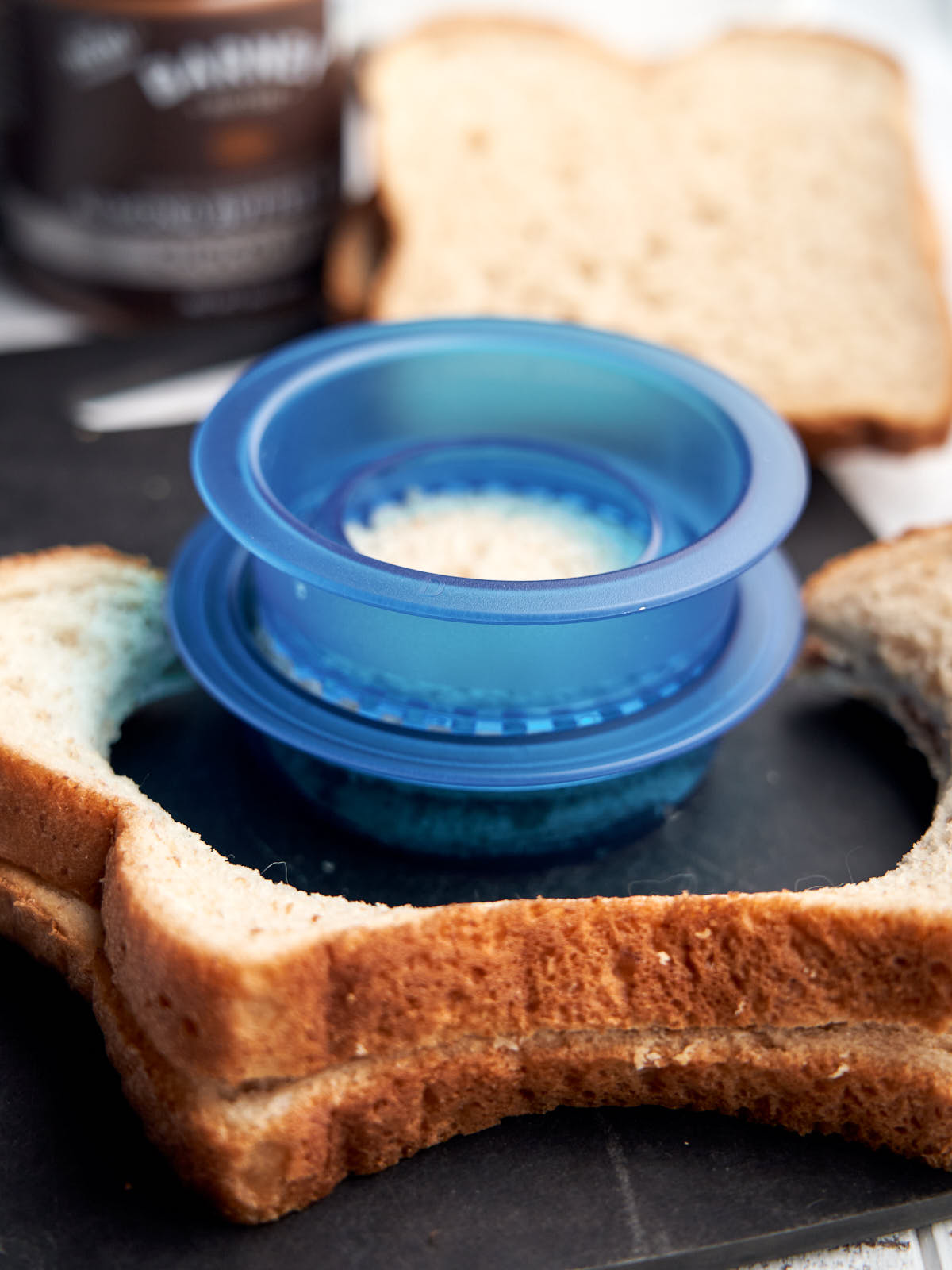
- The Cutting Phase: A circular blade removes the crust and shapes the sandwich into a standardized diameter.
- The Sealing Phase: A secondary rim presses the top and bottom layers of bread together with enough force to create a fused edge, effectively trapping the filling inside.
Technicians and home cooking experts emphasize that the success of this process is heavily dependent on the bread selection. "Soft" breads, such as enriched white loaves or honey wheat, possess the necessary elasticity to be compressed without tearing. Conversely, denser whole-grain breads often lack the pliability required to maintain a seal, frequently resulting in structural failure—a phenomenon where the internal filling leaks through cracks in the bread crust.
Practical Methodology for Optimal Results
To achieve a product that rivals the quality of store-bought versions, culinary experts recommend adhering to a specific protocol:
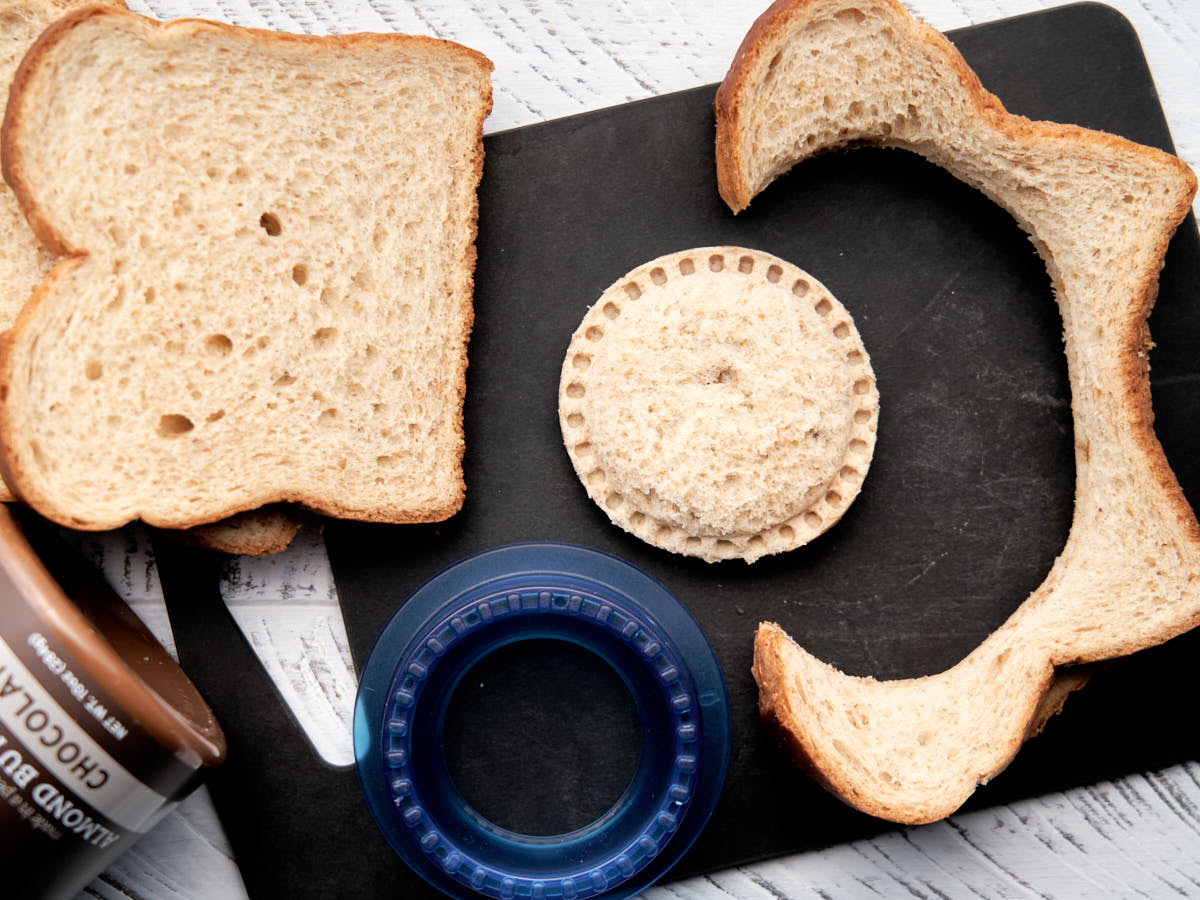
- Bread Selection: Utilize bread that is fresh and possesses high moisture content. Breads with low structural integrity will crack under the pressure of the sealer.
- Strategic Filling Placement: The most common error in homemade production is overfilling. Excess spread near the edges compromises the seal, leading to leakage. Experts suggest keeping the filling strictly in the center of the bread, creating a "moat" of empty space around the perimeter to ensure the sealer has direct contact with the bread layers.
- Temperature Control: Ingredients should be kept at room temperature. If the chocolate spread is refrigerated, it will be too viscous to spread easily, potentially tearing the bread.
Broader Implications and Consumer Trends
The "homemade convenience" movement is part of a larger trend in the food industry. According to data from recent consumer behavior reports, families are prioritizing "kitchen-crafting"—the act of making processed-style foods at home to circumvent the use of preservatives and stabilizers like mono- and diglycerides.
This trend has significant implications for food manufacturers. As consumers become more adept at replicating "grab-and-go" meals, the competitive advantage of mass-marketed, shelf-stable items is challenged by the superior nutritional profile of home-prepared meals. Furthermore, the ability to tailor ingredients makes this method safer for households managing allergies or specific dietary restrictions, such as dairy-free or vegan requirements, which are not always accommodated in standard retail versions.
Future Market Outlook
The integration of specialized kitchen tools into the modern household suggests that the trend of DIY lunchbox items is not merely a fad but a permanent shift in domestic food preparation. As retailers continue to stock accessible, affordable, and high-quality nut-based chocolate spreads, the barrier to entry for parents remains low.
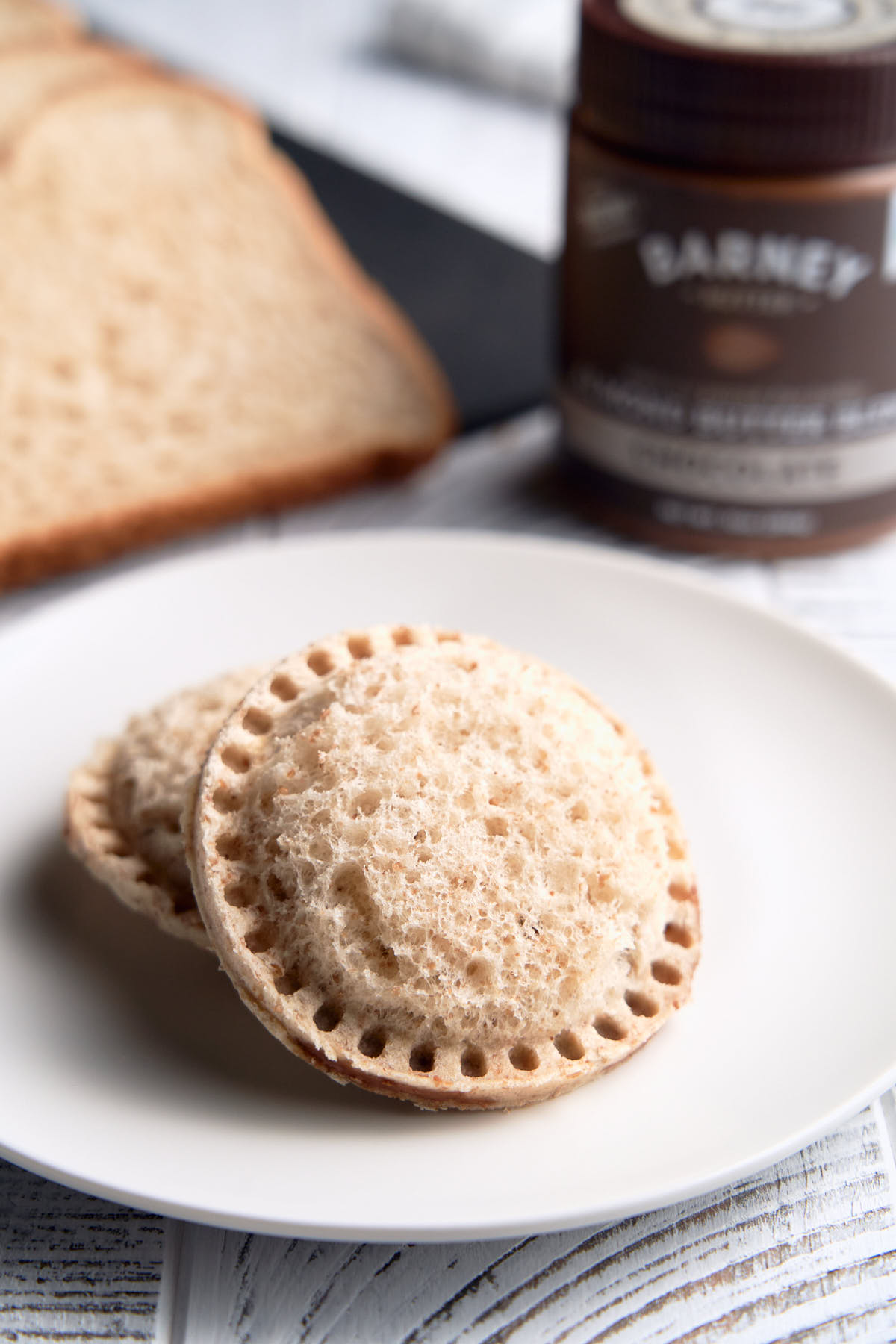
Moreover, the rise of social media-driven food tutorials has accelerated the adoption of these techniques. By providing visual evidence that homemade items can look identical to their commercial counterparts, these platforms have bridged the gap between professional culinary techniques and home kitchen realities. The result is a more informed consumer base that views the "convenience" of the grocery store aisle as an optional, rather than necessary, service.
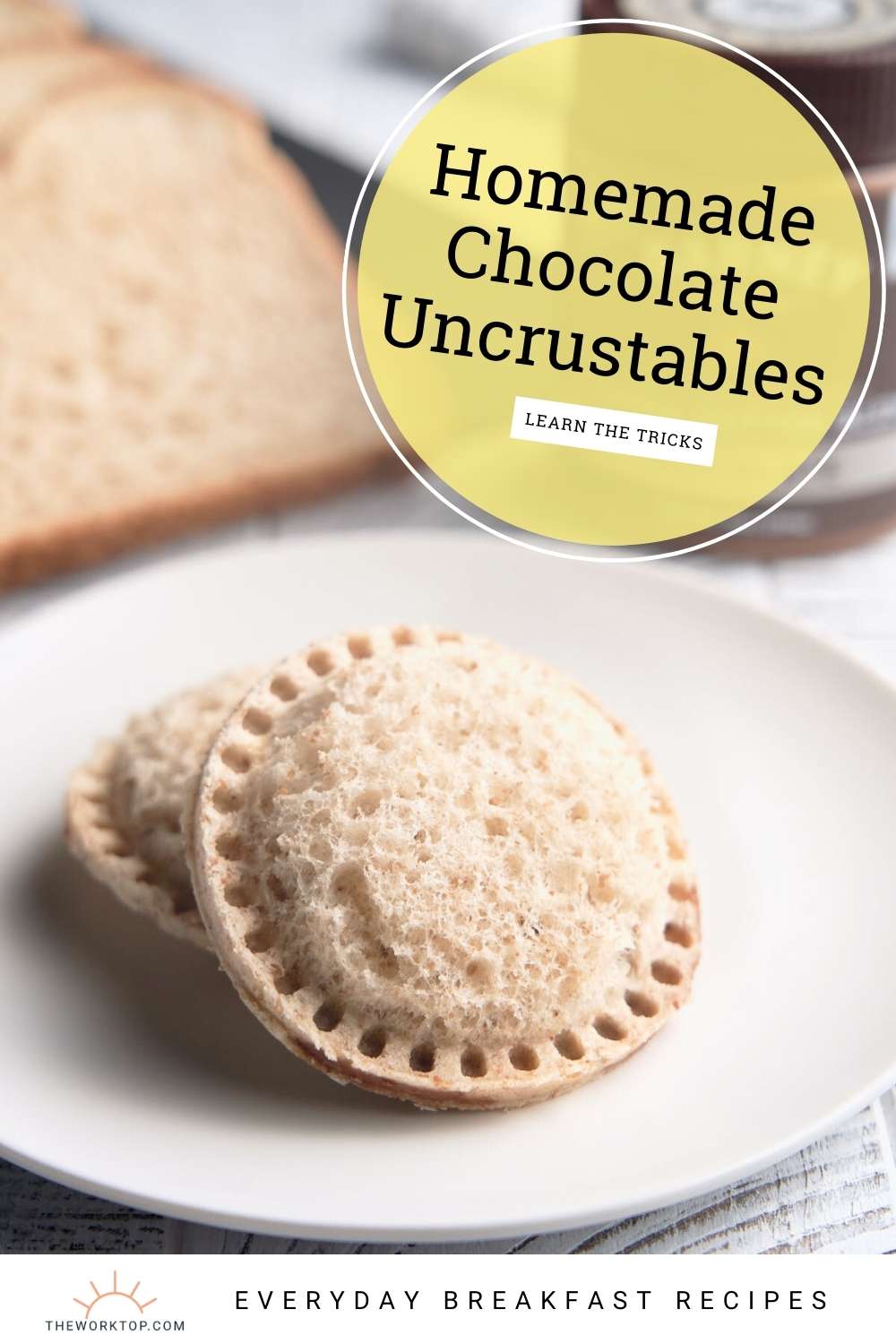
Ultimately, the shift toward homemade chocolate uncrustables represents a synthesis of modern convenience and traditional preparation. By leveraging technology to replicate the aesthetics of store-bought items, parents are finding a sustainable middle ground that supports the nutritional needs of their children without sacrificing the portability or appeal that originally made the sealed sandwich a staple of the modern diet. As this practice continues to evolve, the focus will likely shift toward further innovations in sustainable packaging for these homemade items, such as reusable silicone sandwich bags, further aligning the trend with environmental consciousness.
