
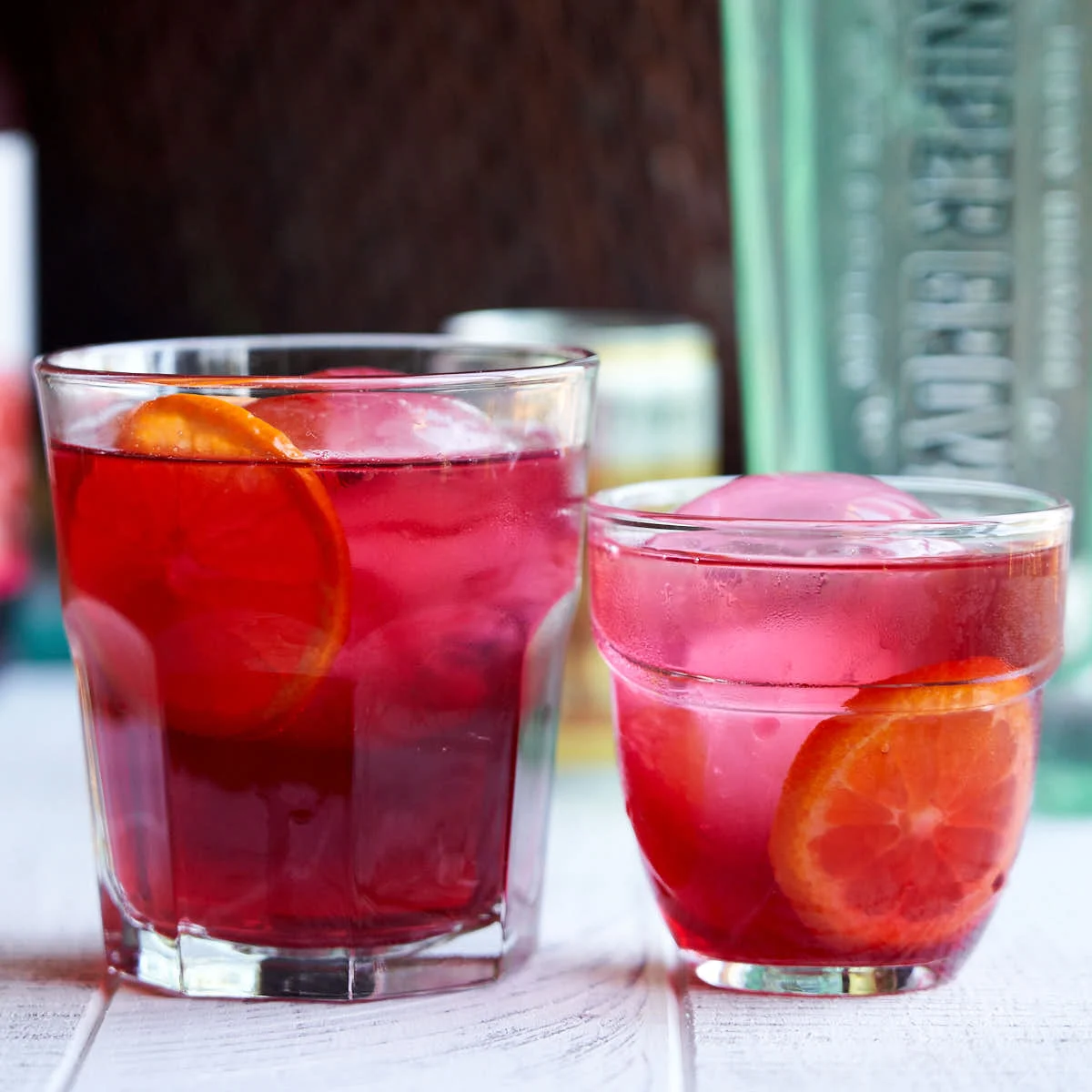
The holiday season traditionally sees a significant uptick in consumer interest regarding artisanal beverage preparation, particularly as home hosting trends continue to evolve. Among the most popular seasonal offerings is the Cranberry Gin Cocktail, a sophisticated, tart, and visually striking variation of the classic gin and tonic. As December approaches, culinary experts and hospitality professionals note that the integration of seasonal botanicals and fruit-based acidity into standard gin cocktails has become a hallmark of festive brunch menus.
The Evolution of the Seasonal Gin and Tonic
The origins of the gin and tonic trace back to the 19th-century British colonial period, where quinine-laden tonic water was utilized for its anti-malarial properties. Over the decades, the cocktail transitioned from a medicinal necessity to a staple of the global cocktail bar. In the contemporary era, mixologists have increasingly experimented with seasonal modifiers. The addition of cranberry juice—a fruit native to North America and historically linked to autumn and winter harvests—provides a seasonal pivot that aligns with the aesthetic and flavor profile of the winter holidays.
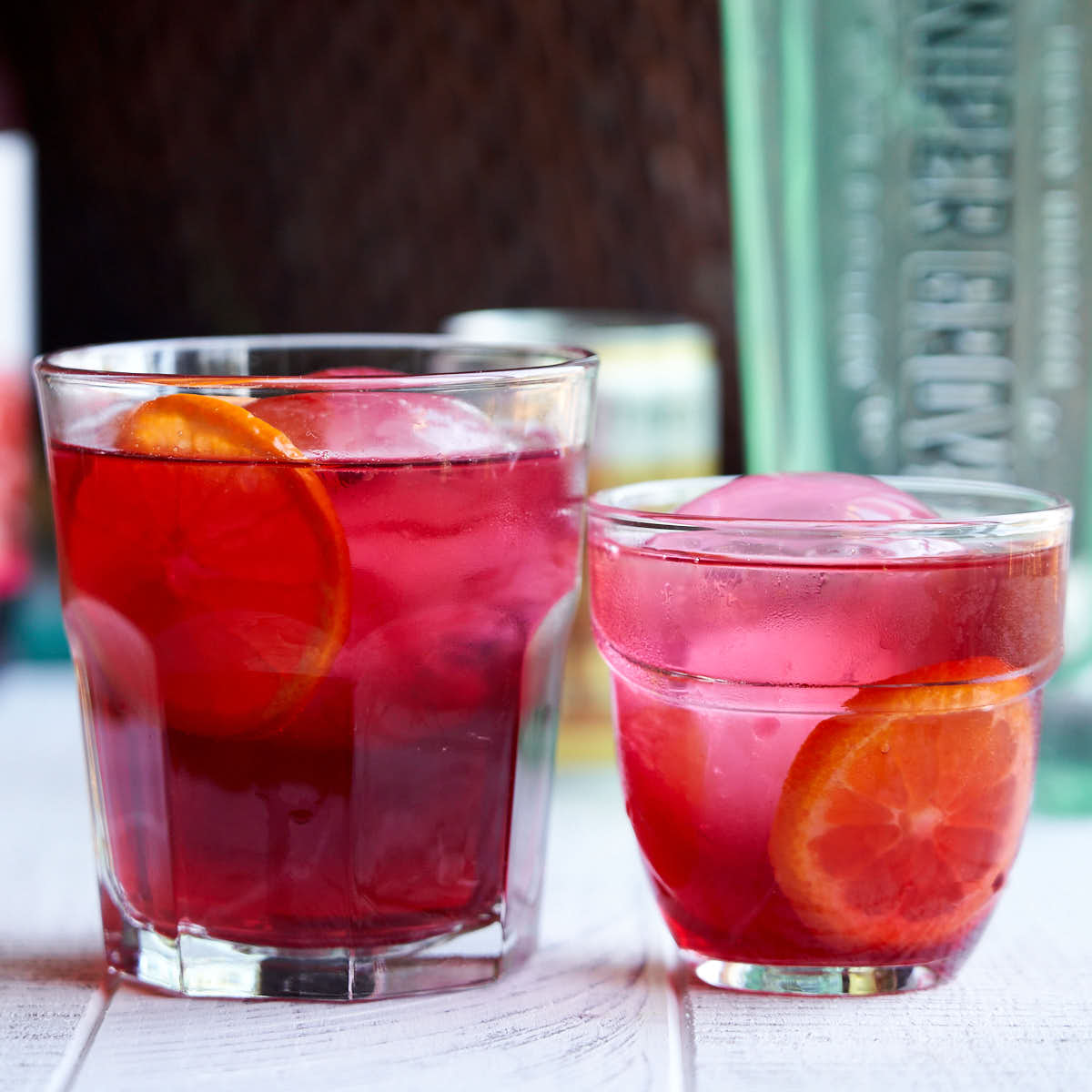
Market data suggests that demand for premium spirits, particularly craft gins, remains robust during the fourth quarter. The Cranberry Gin Cocktail serves as a accessible entry point for home bartenders, requiring minimal specialized equipment while offering the complexity of high-end mixology.
Technical Preparation and Best Practices
The preparation of a high-quality Cranberry Gin Cocktail relies on the balance between the juniper-forward notes of a dry gin and the high acidity of unsweetened cranberry juice. Culinary research indicates that the choice of cranberry juice is the primary factor in determining the cocktail’s sugar content and overall flavor profile.
Unsweetened, pure cranberry juice is frequently recommended by industry experts to preserve the integrity of the gin’s botanical profile. However, for those seeking a more traditional, palatable sweetness, producers often suggest a 2:1 ratio of sweetened cranberry juice or the addition of a simple syrup—a mixture of equal parts sugar and water.
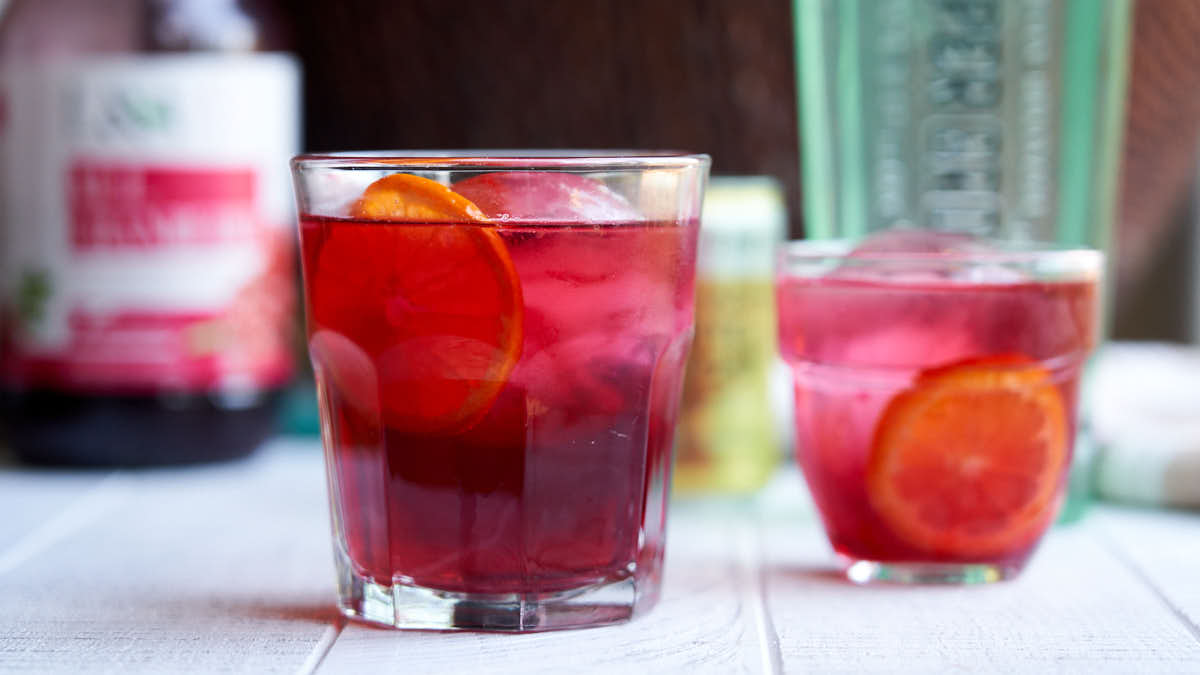
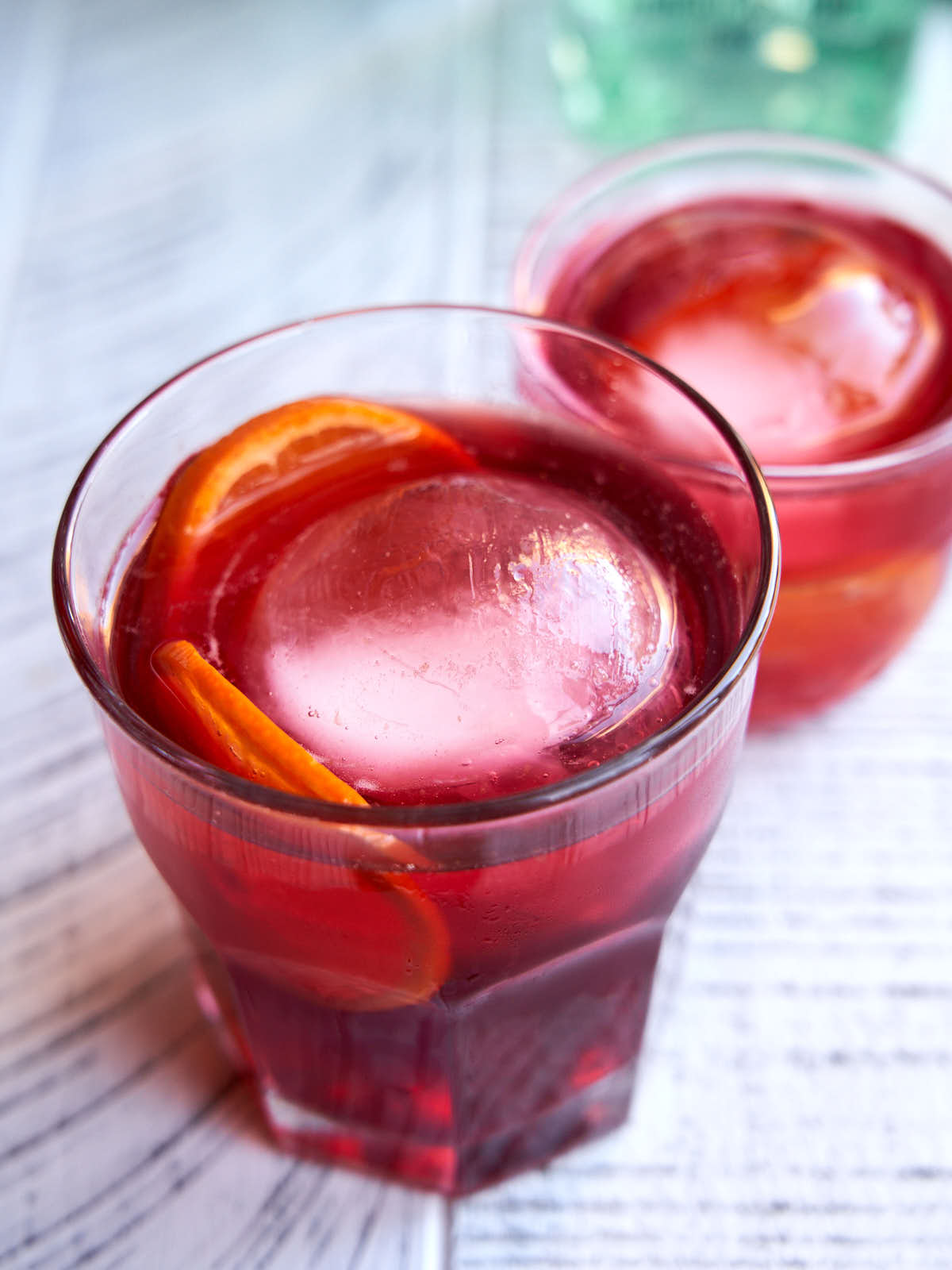
The inclusion of ice spheres has become a notable trend in home bartending. Beyond their aesthetic appeal, spherical ice molds—typically crafted from food-grade silicone—offer a functional advantage. Due to their lower surface-area-to-volume ratio compared to standard rectangular cubes, ice spheres melt at a significantly slower rate. This technological advantage ensures that the cocktail remains chilled throughout the duration of a brunch service without excessive dilution, preserving the potency of the alcohol.
Strategic Garnishing and Presentation
Presentation plays a critical role in the marketability and enjoyment of holiday beverages. The use of clementines or citrus wheels serves a dual purpose: it provides a subtle aromatic contrast to the tartness of the cranberry and creates a high-contrast visual display. Citrus-based garnishes have been utilized in European cocktail culture for centuries to stimulate the olfactory senses, which are intrinsically linked to the perception of flavor. The shift toward incorporating seasonal citrus like clementines reflects a broader trend of utilizing peak-season produce to elevate standard drink recipes.
Broader Implications for Holiday Hospitality
The rise of such DIY cocktail recipes has broader implications for the hospitality industry. As more consumers opt to host brunch gatherings at home, the demand for high-quality, craft-adjacent supplies—ranging from specialized glassware to niche artisanal gins—continues to grow.
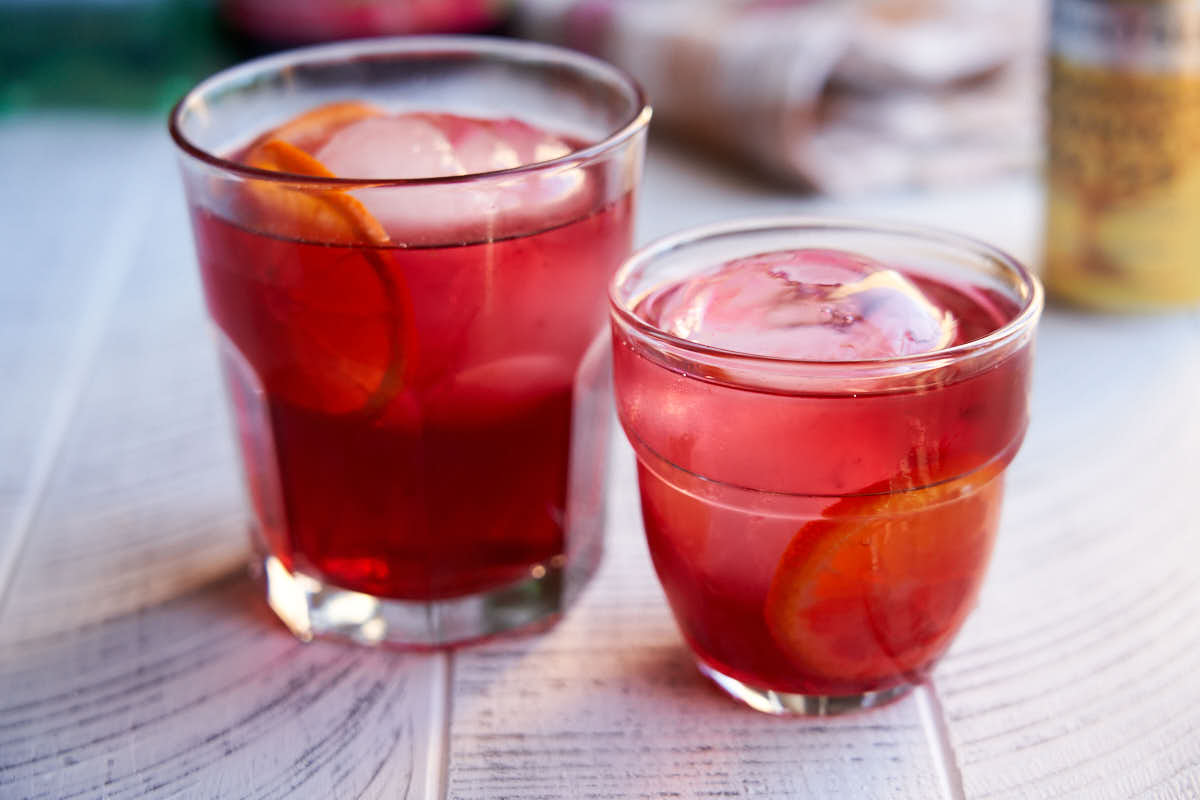
Retail analytics from the past several years indicate that the "at-home brunch" sector experiences its peak volume between late November and early January. This period, encompassing Thanksgiving and Christmas, represents a significant shift in consumer spending habits, moving away from restaurant-based dining toward curated home experiences. The ease of the Cranberry Gin Cocktail allows hosts to minimize time spent behind the bar while maximizing the "craft" appearance of their hospitality offerings.
Expert Perspectives on Seasonal Mixology
Professional bartenders often emphasize the importance of using a "dry" gin for this specific recipe to avoid an overwhelming floral clash with the tart cranberry. The American Dry Gin category, which has seen a proliferation of small-batch producers in regions such as the Sierra Nevadas and the Pacific Northwest, is noted for its clean, juniper-heavy profile.
When evaluating the impact of such cocktails, food scientists suggest that the acidity in the cranberry juice acts as a palate cleanser, making the beverage an ideal accompaniment to the richer, fat-heavy foods commonly served at Christmas brunch, such as quiches, breakfast meats, and pastries. By balancing the savory, fatty elements of a meal with the sharp, acidic profile of a cranberry-infused cocktail, the overall sensory experience of the meal is enhanced.
Summary of Component Utility
To replicate this cocktail successfully, practitioners should adhere to the following framework:
- The Base Spirit: Select a dry gin that prioritizes juniper over heavy floral or citrus botanicals to maintain a balanced flavor profile.
- The Modifier: Utilize pure, unsweetened cranberry juice to control the sugar content, or pivot to a sweetened variety if a dessert-leaning profile is desired.
- The Dilution Method: Employ spherical ice molds to minimize dilution and maximize the aesthetic presentation of the glass.
- The Garnish: Fresh clementine slices should be added immediately before service to ensure the essential oils in the citrus rind remain fragrant and potent.
Looking Ahead: The Future of Brunch Cocktails
The sustained interest in simple, elegant cocktails like the Cranberry Gin variety suggests a shift toward "low-complexity, high-impact" drinks. As the market moves into the next holiday cycle, it is expected that variations of this cocktail—potentially incorporating herbal infusions such as rosemary or star anise—will continue to define the standard for home-hosted holiday brunches.
While the recipe is rooted in the simple combination of gin, tonic, and cranberry, its enduring popularity lies in its adaptability. Whether served in a formal setting or a casual morning gathering, the cocktail remains a symbol of the seasonal shift in culinary preferences, bridging the gap between historical cocktail traditions and modern home entertaining requirements.
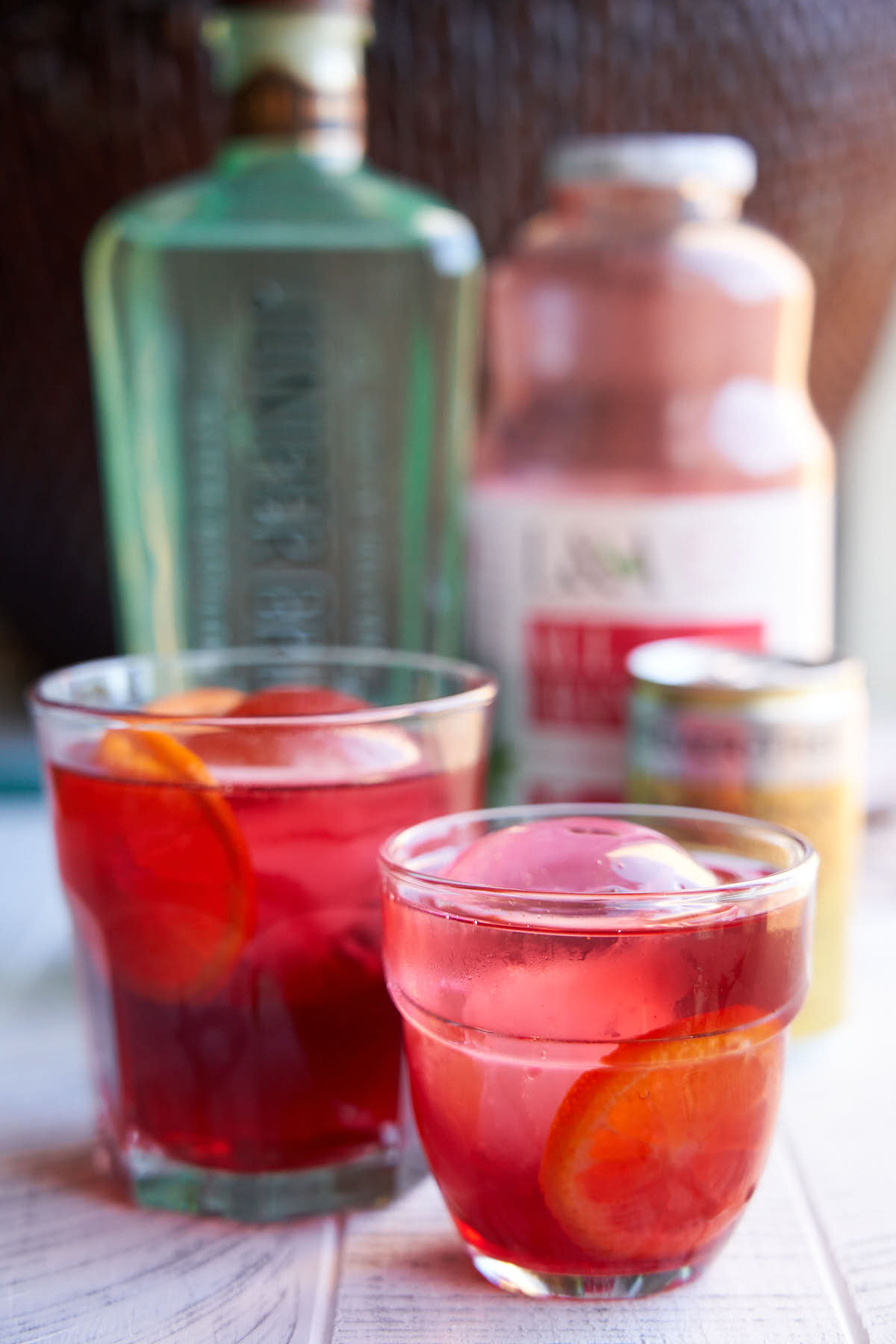
For those looking to integrate this drink into their upcoming holiday schedule, the primary takeaway is the focus on ingredient quality. By sourcing high-quality, unsweetened juice and selecting a gin that complements the tartness of the cranberry, the home host can produce a beverage that meets professional standards with minimal preparation time. As the industry continues to monitor consumer behaviors, it is clear that the cocktail’s role in the holiday brunch landscape is secure, driven by its simplicity, versatility, and seasonal relevance.
