
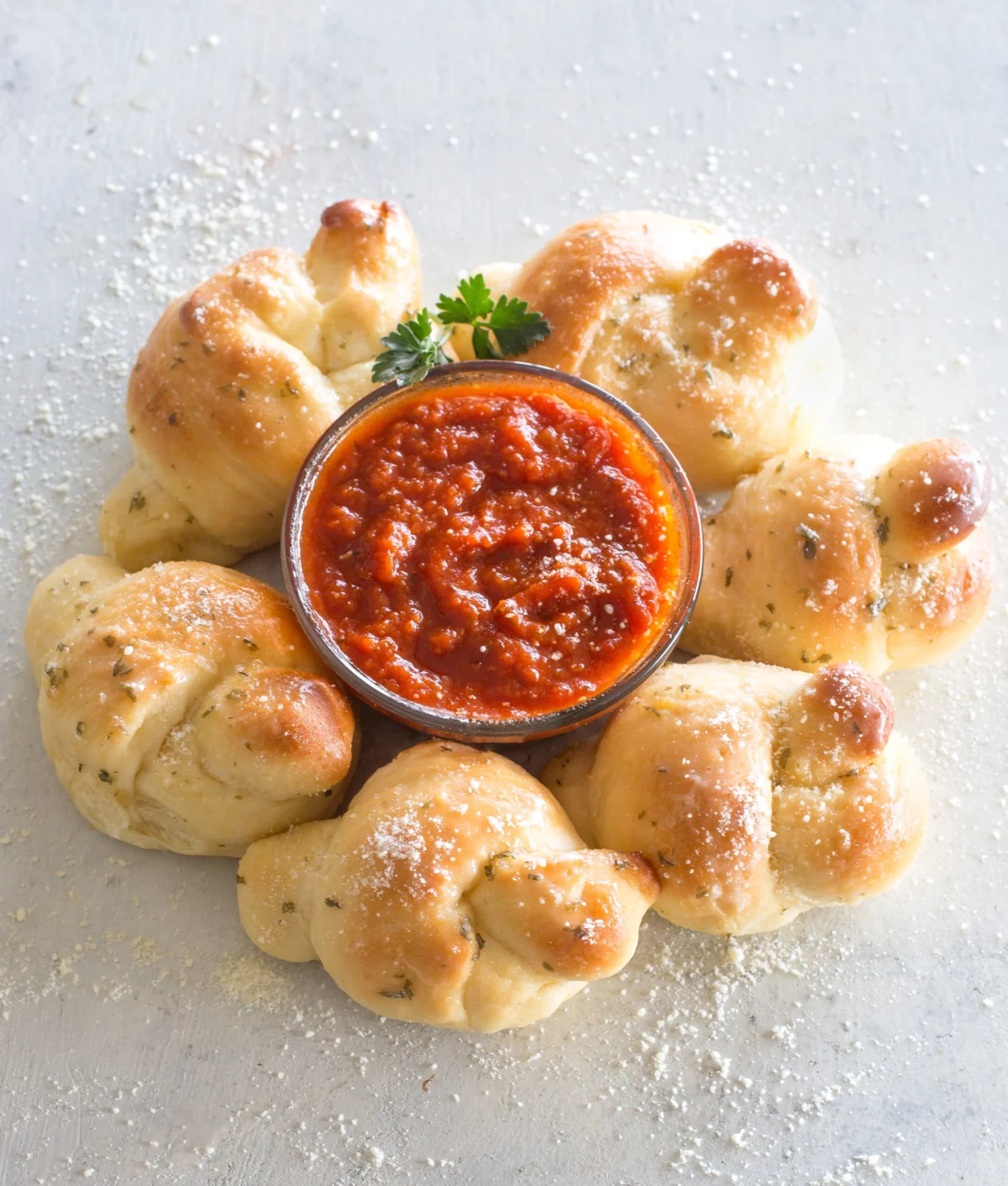
The shift toward these soft, pillow-like rolls reflects broader trends in the culinary industry. Data from recent consumer behavior studies in the food sector suggest that home cooks are increasingly prioritizing "bakery-quality" results. The inclusion of dairy and fats—specifically milk and butter—functions to tenderize the gluten strands, ensuring a crumb structure that is airy rather than elastic. This technique mimics the production methods of high-end artisanal bakeries, providing a level of quality that is rarely achievable with pre-packaged or mass-produced supermarket rolls.
The Evolution of the Garlic Knot
Historically, the garlic knot originated in New York City pizzerias as a clever way to utilize leftover pizza dough. By tying strips of dough into knots and brushing them with garlic-infused oil, pizzeria owners reduced waste while creating an inexpensive, high-margin side dish. These traditional knots were intentionally chewy, designed to hold up against heavy sauces and high-heat ovens.
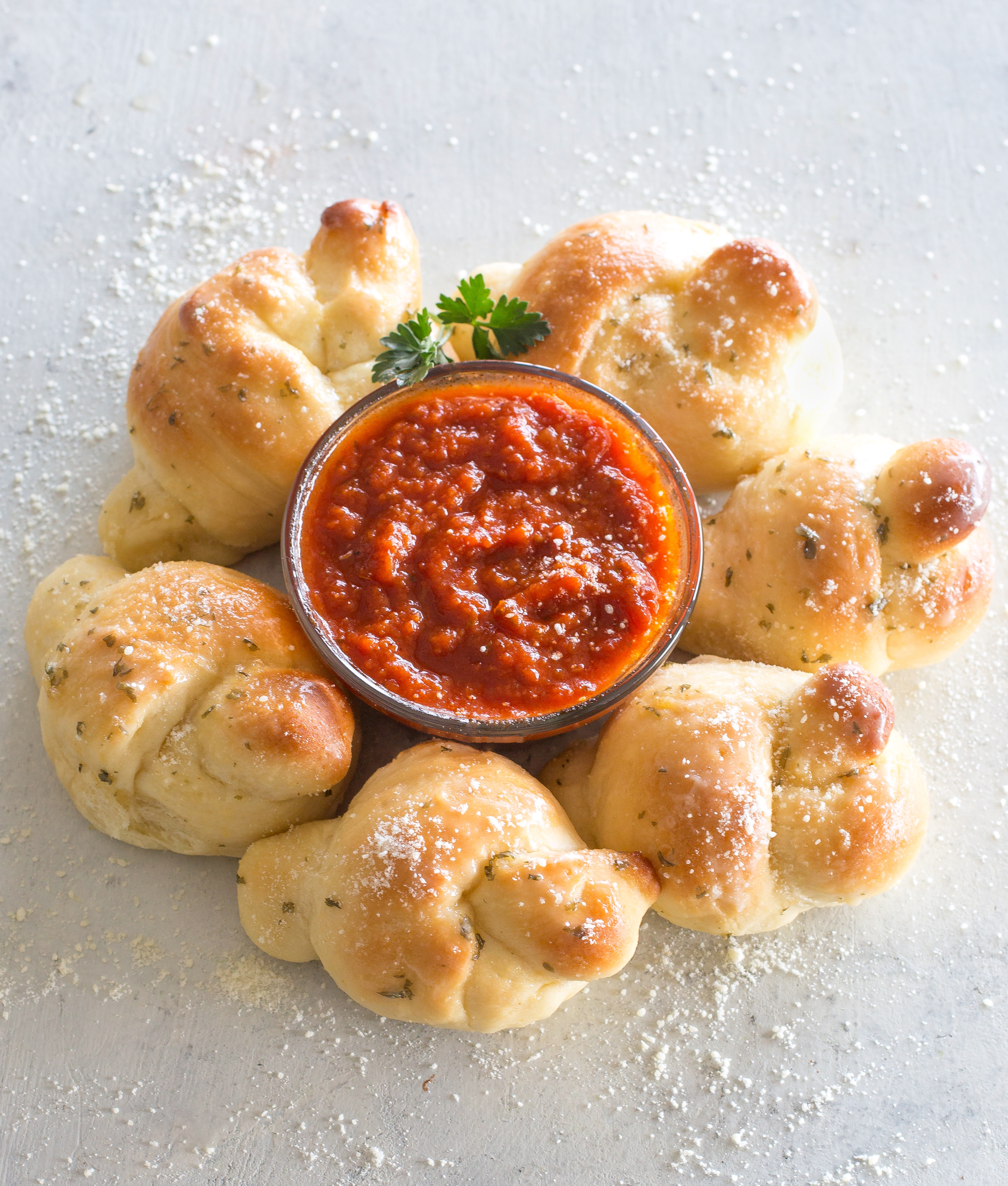
However, the current culinary landscape has seen a pivot. According to food historians, the "gourmet home-cooking movement" has driven a preference for textures that contrast with the typical "fast-casual" dining experience. By introducing an enriched dough—a method often found in European bread-making traditions—modern recipes like these soft garlic knots offer a more luxurious mouthfeel. The introduction of an egg into the dough mixture contributes to the structural integrity of the roll, allowing it to remain light and fluffy despite the high moisture content of the butter and milk.
Composition and Ingredient Science
The technical success of these rolls lies in the precise balance of fats and sugars. When milk replaces water in a bread recipe, the lactose and proteins contribute to a richer flavor profile and a more delicate crust. Similarly, the addition of butter serves as a fat coating for the flour proteins, which inhibits excessive gluten development and results in a "short" or tender crumb.
The finishing process—a signature garlic-butter glaze paired with a generous dusting of Parmesan cheese—serves as both a flavor enhancer and a moisture sealant. The garlic, typically minced or infused into the butter, undergoes a controlled Maillard reaction when exposed to the residual heat of the rolls post-bake, releasing aromatic compounds that define the dish. The use of aged Parmesan adds a savory, umami-rich finish that balances the sweetness of the enriched dough.
Chronology of Preparation and Best Practices
The preparation of these rolls follows a structured culinary timeline that is essential for achieving the desired soft texture:
- Dough Development: The initial mixing phase is critical. For optimal results, the dough must be kneaded until it passes the "windowpane test," a standard industry metric for ensuring that the gluten network is sufficiently developed to trap gases produced by the yeast.
- The First Rise (Bulk Fermentation): During this phase, the dough must be kept in a temperature-controlled environment, typically between 75°F and 80°F. This allows for the yeast to consume sugars and produce carbon dioxide, which is responsible for the volume of the rolls.
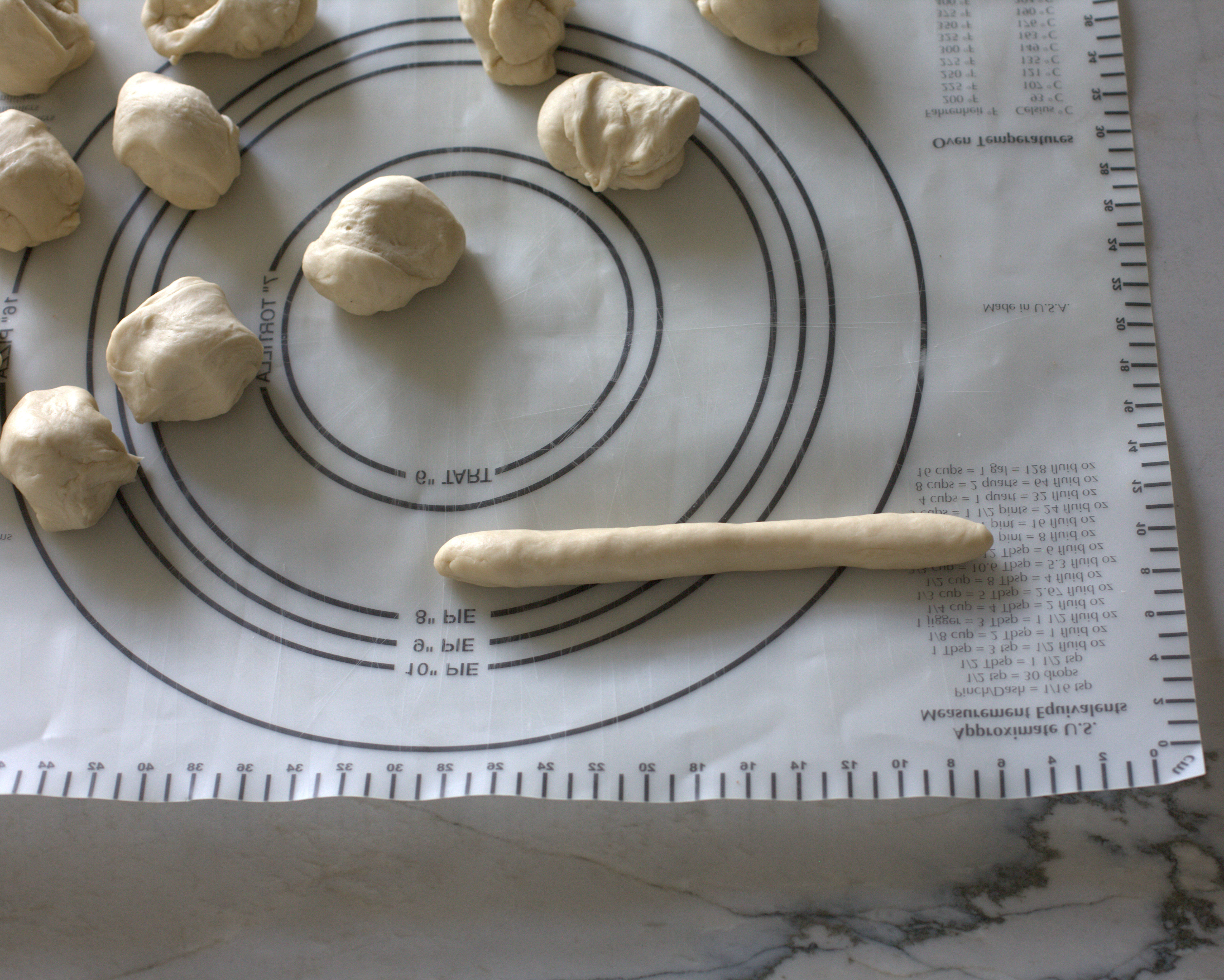
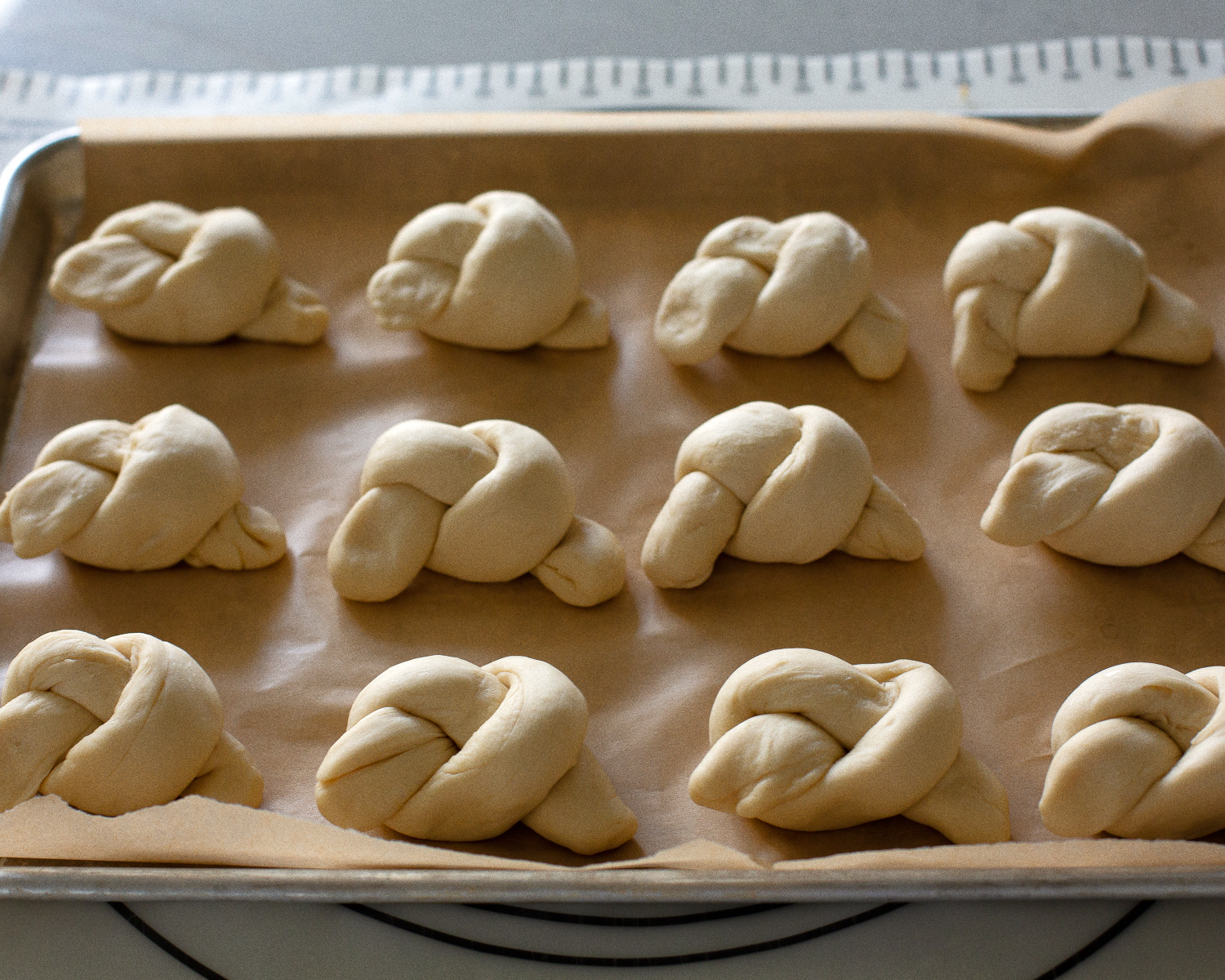
- Shaping and Knotting: Once proofed, the dough is divided into uniform portions. Precision at this stage is vital to ensure consistent baking times across the entire batch.
- Second Proof: Following the knotting process, the dough undergoes a secondary rise. This is the most crucial stage for achieving a "fluffy" consistency. If the rolls are baked too early, they will be dense; if they over-proof, they may collapse in the oven.
- Baking and Glazing: The final bake occurs at a moderate temperature to ensure the interior is fully cooked without burning the exterior. The application of the butter-garlic glaze must occur immediately upon removal from the oven to ensure maximum absorption.
Economic and Culinary Implications
The rise of such recipes in the digital sphere has had a measurable impact on the kitchenware industry. Increased interest in specialized baking, such as creating enriched rolls, has correlated with higher sales of stand mixers, dough scrapers, and high-quality baking sheets. Furthermore, the "dipping" culture—where side dishes like garlic knots are paired with complex marinara or herb-infused oils—has revitalized interest in artisanal pantry staples like imported olive oils and aged cheeses.
From an economic perspective, the ability to produce high-quality, restaurant-style sides at home represents a significant cost-saving measure for families. With the rising cost of dining out, the "at-home artisanal" trend allows consumers to maintain a premium dining experience within a domestic budget.
Expert Analysis on Future Trends
Culinary analysts note that the popularity of these enriched bread products is likely to persist as long as the focus on "home-as-a-hub" remains. The shift toward higher-quality ingredients is not merely a passing fad but a long-term adjustment in the way home cooks view bread. Professionals in the industry suggest that the next phase of this trend will likely involve further experimentation with sourdough starters and fermentation times to add depth and complexity to these already successful formulas.
Furthermore, the versatility of these knots cannot be understated. While traditionally served with marinara, culinary experts have observed their use as components in sophisticated appetizers, such as sliders or open-faced snacks, demonstrating their adaptability to various menu requirements.
Conclusion
The soft and fluffy garlic knot stands as a testament to the sophistication of modern home baking. By transitioning from the utilitarian origins of pizza-dough leftovers to a refined, ingredient-focused product, the garlic knot has secured its place as a staple of the home kitchen. Through a combination of precise dough enrichment, careful temperature management, and the application of high-quality finishing ingredients, home cooks are now able to replicate the experience of professional artisan bakeries. As the culinary industry continues to value both comfort and quality, these rolls serve as a primary example of how fundamental recipes can be elevated to meet the standards of the contemporary palate. The focus remains clear: texture, flavor, and the simple, universal appeal of fresh, warm bread served at the family table.
