
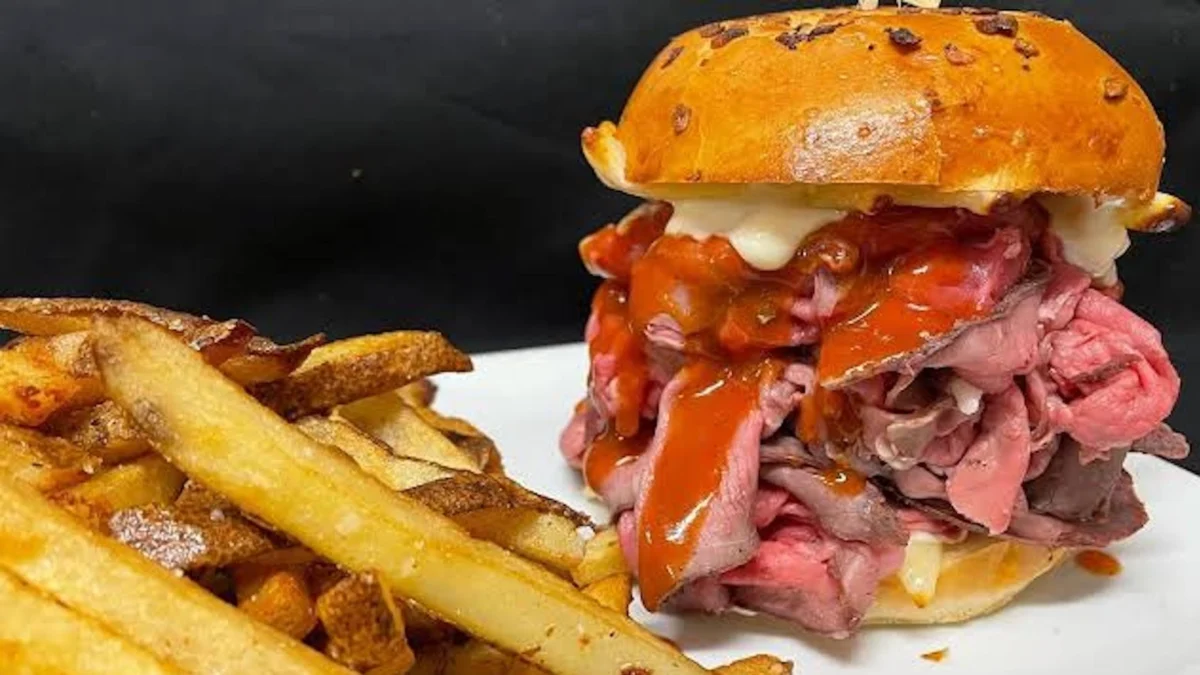
When culinary enthusiasts survey the landscape of Boston’s storied food history, the conversation is frequently dominated by globally recognized staples: Boston cream pie, fresh-caught Atlantic lobster, and the omnipresent influence of Dunkin’. Yet, tucked away within the coastal geography of the North Shore lies a sandwich culture that remains a fiercely guarded regional secret. The North Shore 3-Way is not merely a lunch option; it is a cultural institution defined by a specific, rigid formula of thinly shaved roast beef, a soft onion roll, and a signature trio of toppings. To understand the sandwich is to understand the geography and the mid-century industrial history of the region.
The Anatomy of the 3-Way
At the heart of the North Shore 3-Way is a commitment to consistency that borders on the ritualistic. The sandwich is defined by its protein-to-bread ratio, colloquially referred to by locals as the "B2B." The beef itself must be shaved thin—often sourced from top or bottom round cuts—and served warm. Unlike the thick, rare slabs found in high-end steakhouses, this beef is designed for rapid consumption and structural integrity within a bun.
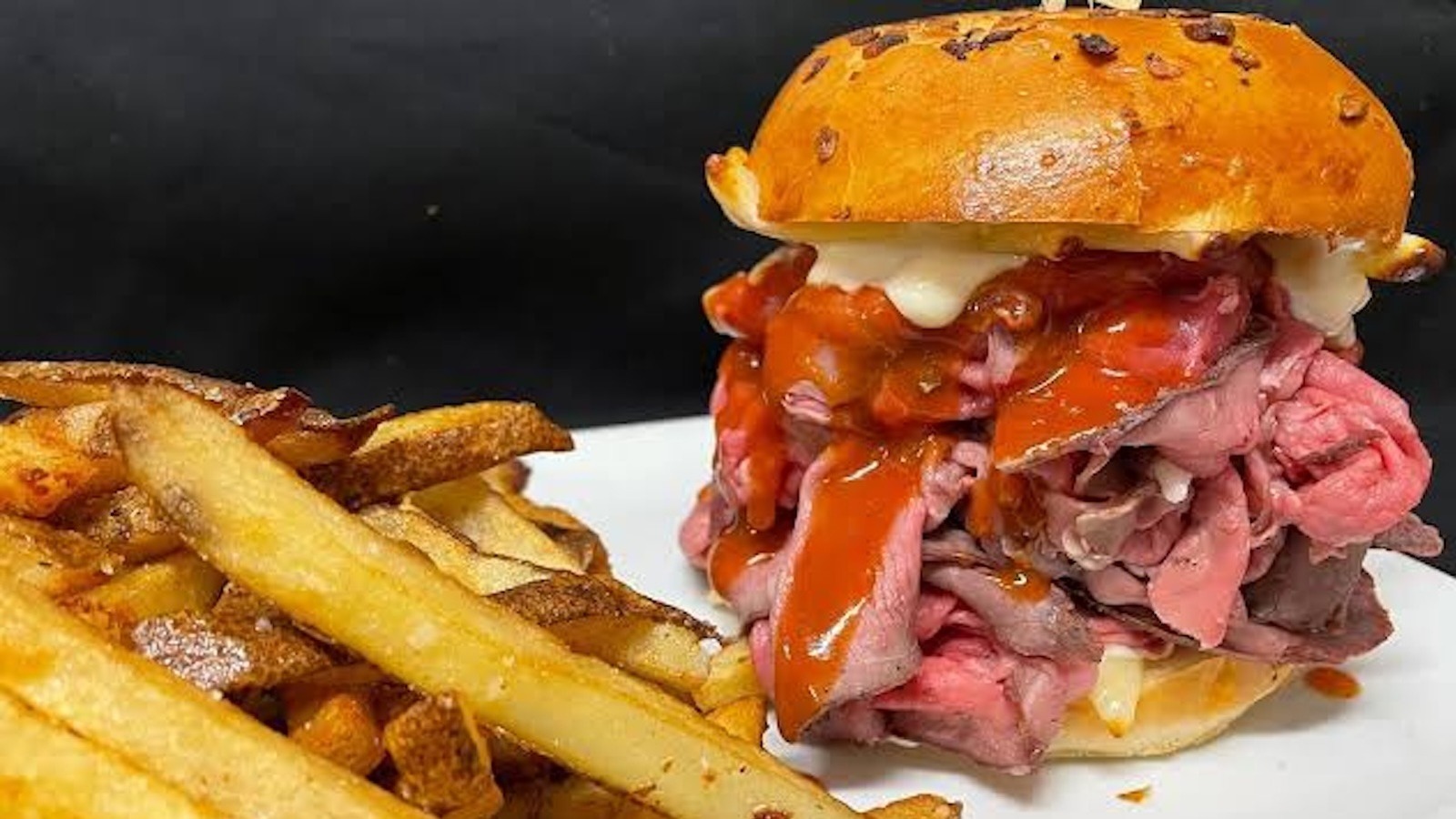
The "3-way" nomenclature refers specifically to the inclusion of three non-negotiable condiments: mayonnaise, white American cheese, and James River BBQ sauce. While mayonnaise provides a creamy, emulsifying base that binds the components together, the James River sauce serves as the sandwich’s flavor anchor. Contrary to the smoky, molasses-heavy profiles associated with Kansas City or Texas-style barbecue, James River is characterized by a thinner, sweeter, and tangier profile. This acidity cuts through the richness of the roast beef and the mild, processed creaminess of the white American cheese, creating a balanced flavor profile that has been replicated by hundreds of shops across the Massachusetts coastline.
The vessel for this assembly is traditionally a soft onion roll. While some purveyors may offer sesame seed or plain rolls, the onion roll is considered the gold standard, providing a subtle savory crunch and aromatic depth that complements the saltiness of the beef. The sizing conventions—Junior, Regular, and Super Beef—allow diners to calibrate their portions, with the Super Beef often featuring a towering amount of meat that tests the structural integrity of the roll.
A Chronology of Origins: From Revere Beach to Regional Fame
The history of the North Shore roast beef sandwich is rooted in the post-World War II economic boom. Historical consensus points to 1951 as the year of origin, centered at Kelly’s Roast Beef on Revere Beach. According to local lore, the creation was born of necessity rather than culinary ambition. As the story goes, a large order of roast beef intended for a wedding reception was suddenly cancelled. Faced with a significant surplus of perishable inventory, the operators at Kelly’s began shaving the meat and serving it on rolls to beachgoers.
The immediate popularity of the sandwich catalyzed a shift in the local quick-service restaurant industry. Throughout the 1950s and 1960s, the North Shore became a hotbed for independent roast beef stands. It was during this period of expansion that the "3-way" concept was refined. While Kelly’s pioneered the concept, other establishments contributed to the standardization of the condiment profile. Bill and Bob’s in Salem is widely credited with cementing the role of James River BBQ sauce in the trifecta. By the 1970s, the 3-way had transcended its status as a "beach snack" to become a legitimate, daily meal for the local workforce.
The Economics of the Roast Beef Subculture
The North Shore roast beef economy operates on a decentralized model. Unlike the homogenized fast-food chains that dominate other regions, the roast beef industry in Massachusetts is largely composed of family-owned shops and small, regional chains. This has allowed for a "hyper-local" competitive environment where residents often display intense brand loyalty to specific neighborhood shops.
Data regarding the market penetration of these shops suggests that they are most densely clustered in the cities of Revere, Saugus, Peabody, Salem, and Beverly. This cluster, often referred to as the "Beef Belt," serves as a point of pride for residents. The economic impact of these establishments is twofold: they provide a steady revenue stream for local supply chains, and they serve as vital community hubs. During lunch hours, these shops often see a cross-section of the local population, from blue-collar tradespeople to corporate commuters, all standing in line for the same standard order.
Analytical Perspectives on Culinary Identity
From a food science perspective, the 3-way is a masterpiece of sensory engineering. The "moisture component" provided by the mayonnaise and the specific viscosity of the James River sauce ensure that the sandwich does not become dry—a common failure point in roast beef sandwiches served on buns. The use of white American cheese is also strategic; its low melting point and mild flavor allow it to act as a heat-retaining layer without overpowering the delicate seasoning of the roast beef.
Sociologists often point to the North Shore 3-Way as an example of "culinary regionalism." In an era where food trends are often dictated by global influence and social media virality, the 3-way has remained largely untouched by modern culinary "innovation." There is a social pressure to adhere to the standard preparation; ordering a 3-way with modifications—such as requesting the sauce on the side or omitting the cheese—is often met with confusion or mild disapproval by seasoned counter staff. This rigidity is not a sign of stagnation but rather a testament to the community’s consensus on what constitutes a "perfect" bite.
Broader Impact and Future Outlook
As the Boston metropolitan area continues to see significant urban development and the influx of new residents, the roast beef sandwich remains an anchor for those seeking a tangible connection to the region’s mid-century history. While national food media has only recently begun to pay significant attention to this specialty, local establishments have been quietly expanding their footprint. Kelly’s Roast Beef, for instance, has grown to nine locations, including an outpost in New Hampshire, signaling that there is a wider market for the concept beyond the immediate North Shore.
However, the threat of gentrification and the rising costs of commercial real estate in the Boston area pose challenges to the traditional, small-footprint roast beef stand. Maintaining the quality of the beef and the affordability of the "Regular" or "Junior" sandwich requires a delicate balance of volume and operational efficiency. Despite these pressures, the resilience of shops like Nick’s in Beverly, Londi’s in Peabody, and Zeno’s in Ipswich suggests that the appetite for this specific style of roast beef is far from waning.
The North Shore 3-Way stands as a testament to the enduring nature of regional comfort food. It does not require a complex backstory or high-end ingredients to maintain its relevance; it relies on a consistent, high-quality execution of a simple, three-component formula. For the casual observer, it is a sandwich; for the local resident, it is a defining element of the North Shore identity, a tradition that has survived for over seven decades and shows no signs of disappearing from the local culinary landscape. Whether one is a lifelong resident or a curious visitor, the 3-way offers a unique window into the working-class history and the distinct gastronomic character of coastal Massachusetts. As the industry evolves, the core tenets of the 3-way—the shaved beef, the soft roll, and the signature sauce—will likely remain the standard by which all regional sandwiches are measured.
