
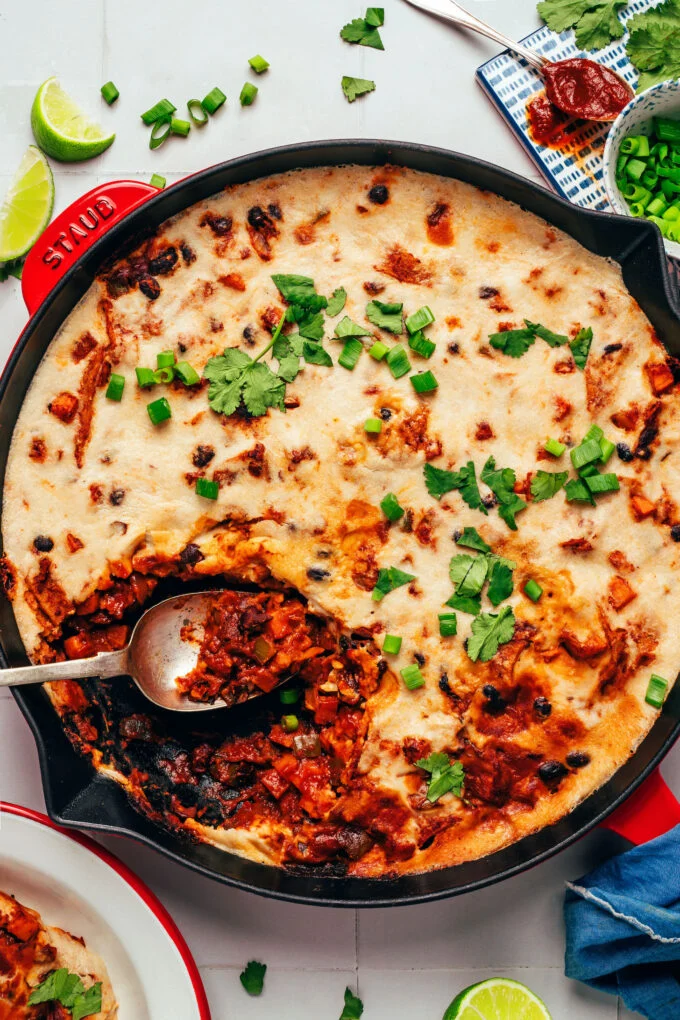
The culinary landscape of the modern home kitchen is currently undergoing a significant shift toward efficiency and plant-based accessibility. Among the latest developments in this space is the emergence of the one-pan enchilada skillet, a streamlined, vegan-friendly adaptation of a traditional Mexican staple. This dish, which promises a comprehensive meal in approximately 30 minutes, represents a broader trend in food technology and recipe development aimed at reducing prep time and post-meal cleanup while maintaining nutritional density.
Historical Context and Evolution
The enchilada, a cornerstone of Mexican cuisine, has a documented history dating back centuries. Historians and culinary anthropologists suggest that the dish evolved from the papadzules of the Mayan civilization, which featured tortillas dipped in a pumpkin seed sauce. The first recorded reference to the modern iteration of the enchilada appeared in the 1831 Mexican cookbook El Cocinero mexicano.
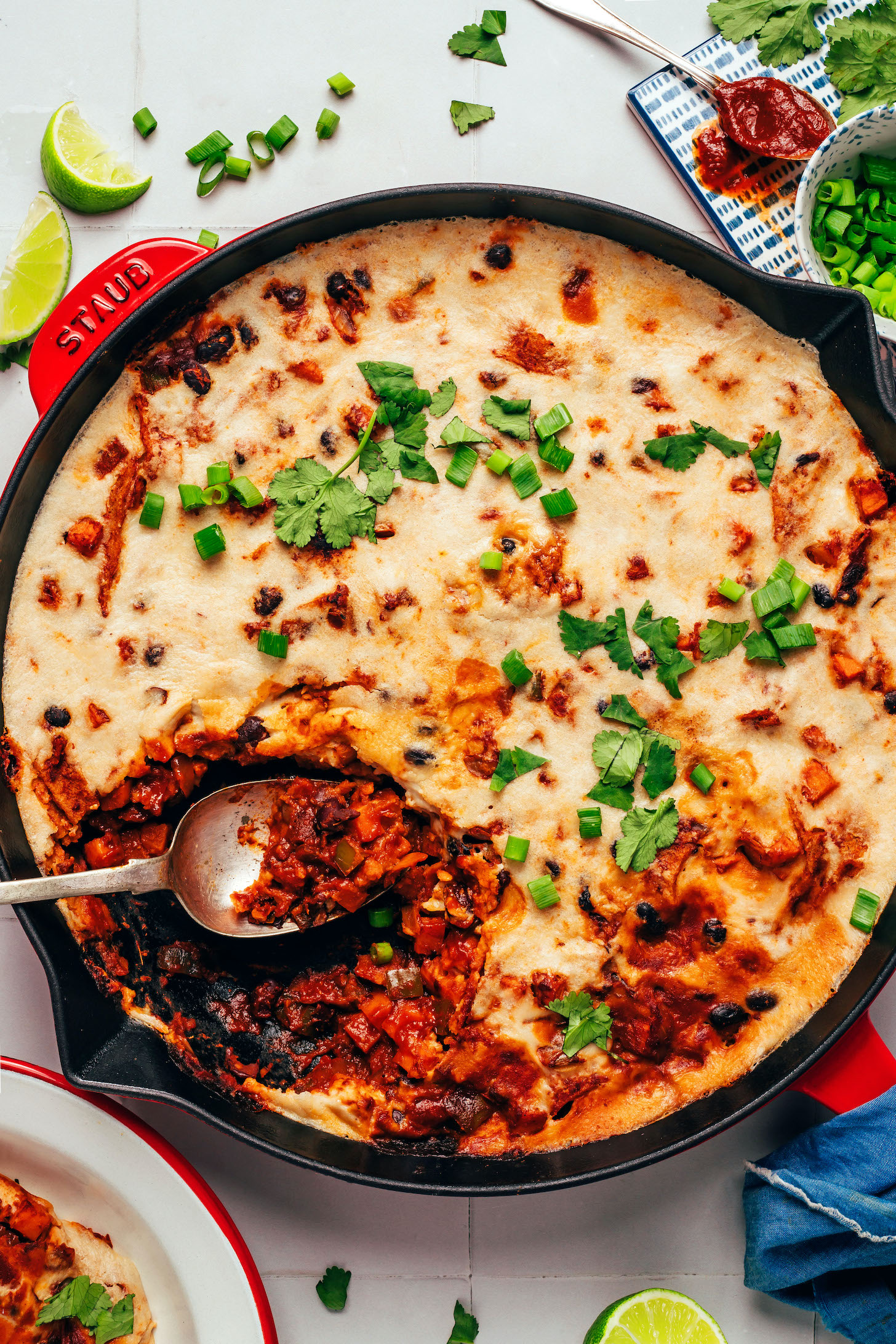
Traditionally, the dish requires a multi-step preparation process: preparing a filling of protein or vegetables, softening corn tortillas, rolling the filling inside the tortillas, arranging them in a baking dish, and finally coating them in a sauce before baking. This labor-intensive process has historically limited the dish’s viability for rapid weeknight meal preparation. The current "skillet" iteration represents an evolution in culinary methodology, favoring a "deconstructed" approach that preserves the flavor profile—typically defined by corn, legumes, savory sauces, and melted cheese—while bypassing the rolling and baking stages.
Methodology and Technical Composition
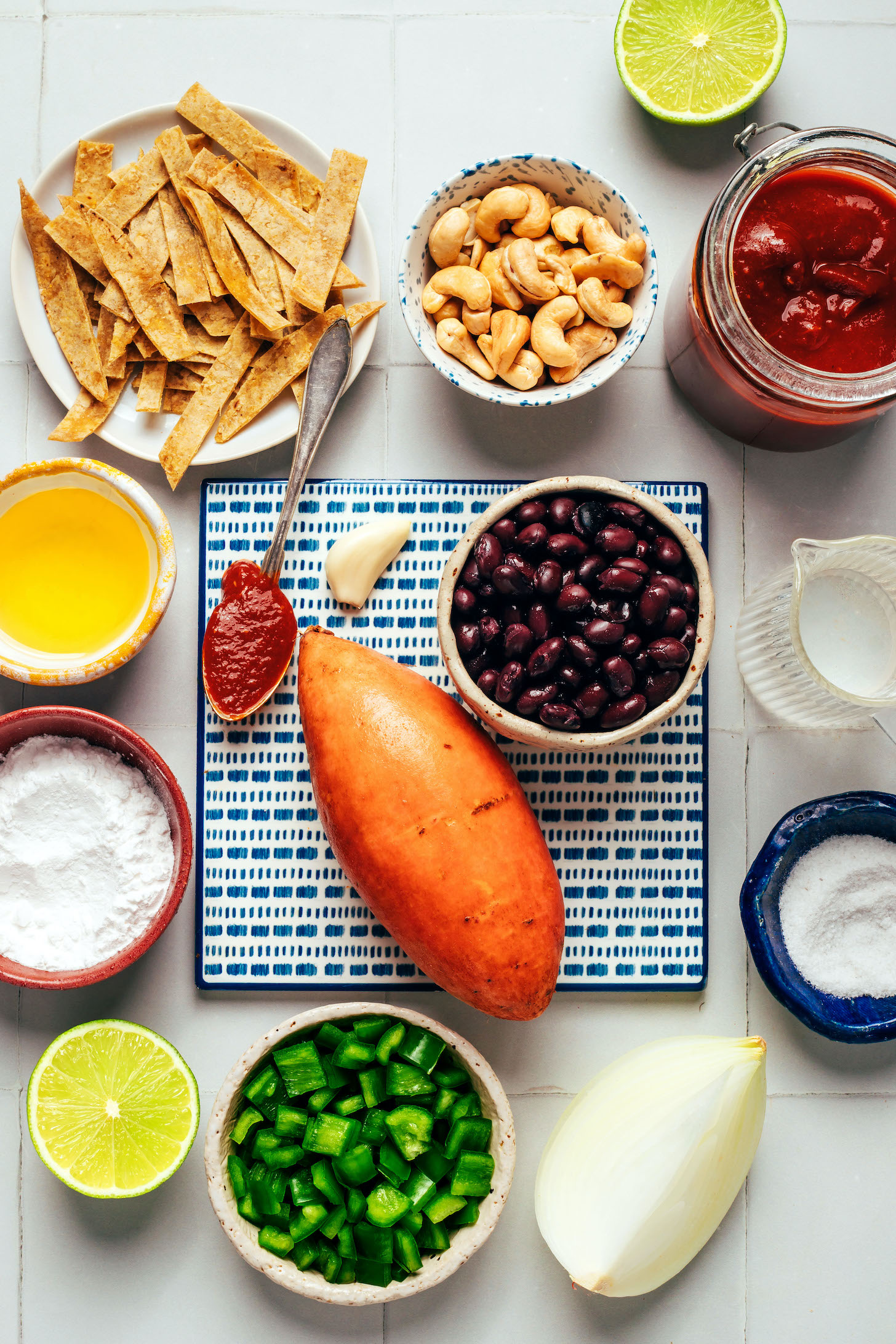
The transition to a one-pan format relies on precise ingredient selection and timing. The base of this specific recipe utilizes a combination of onion, garlic, poblano peppers, and small-cubed sweet potatoes. The use of sweet potatoes or winter squashes, such as kabocha or butternut, is a strategic choice, providing a dense, starch-based texture that mimics the satiety of traditional meat-based fillings.
The integration of fiber and protein is achieved through the inclusion of black beans, while the structural component of the dish comes from sliced corn tortillas. By adding the tortillas directly to the pan with the sauce, the recipe utilizes the residual moisture to soften the corn starch, creating a cohesive texture without the need for an oven.
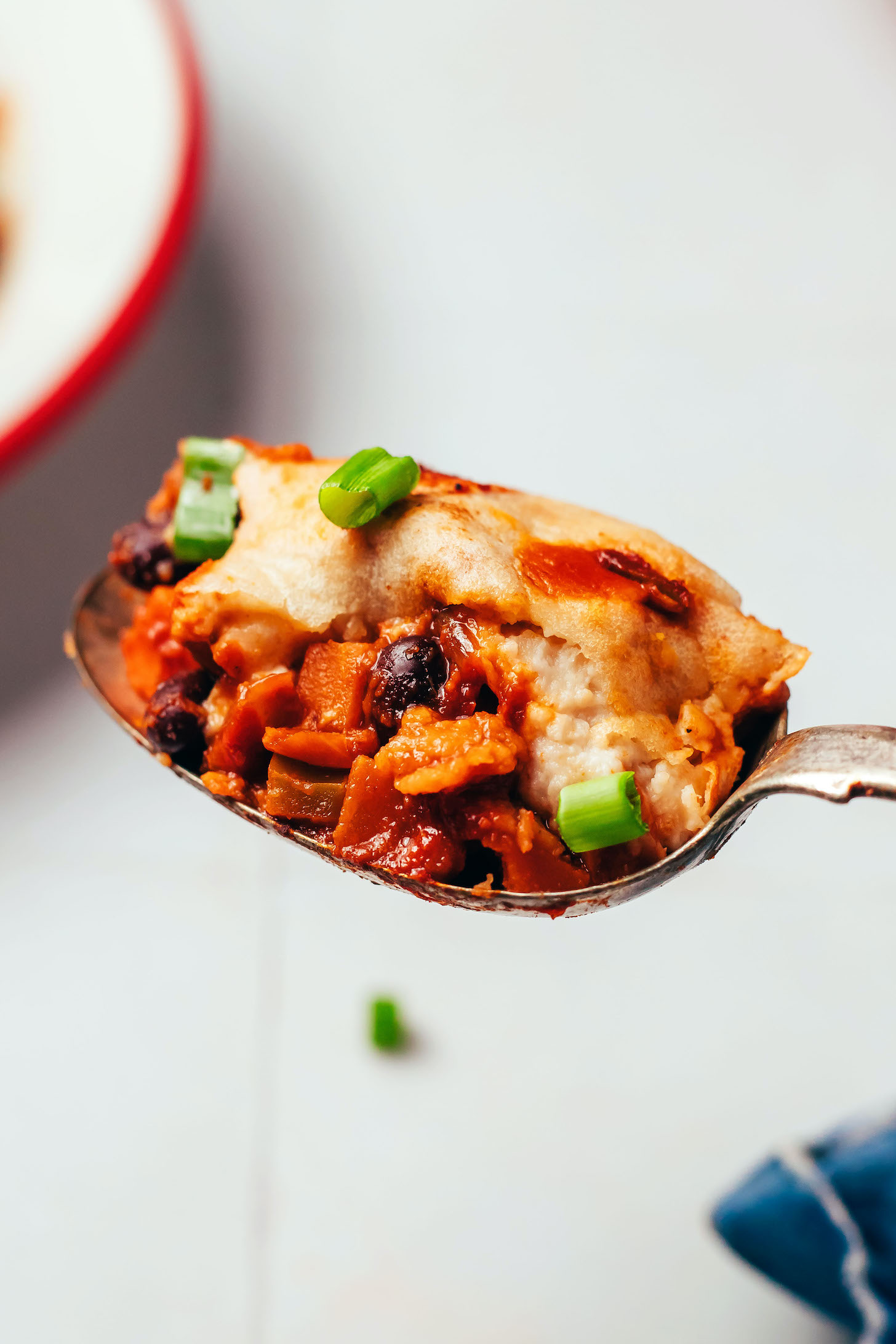
The most notable technical innovation in this plant-based adaptation is the "cheesy" sauce. This element is derived from blended raw cashews, lime juice, garlic, and tapioca starch. From a food science perspective, the tapioca starch is critical; when heated, it acts as a thickening agent that mimics the viscosity and elasticity of molten dairy cheese. This component has been identified as a primary factor in the recipe’s broad appeal to both vegan and non-vegan demographics, as it replicates the mouthfeel of traditional cheddar or pepper jack without the use of animal fats.
Chronology of Preparation
Efficiency in the kitchen is driven by the strategic ordering of tasks. The preparation of the skillet follows a strict 30-minute timeline:
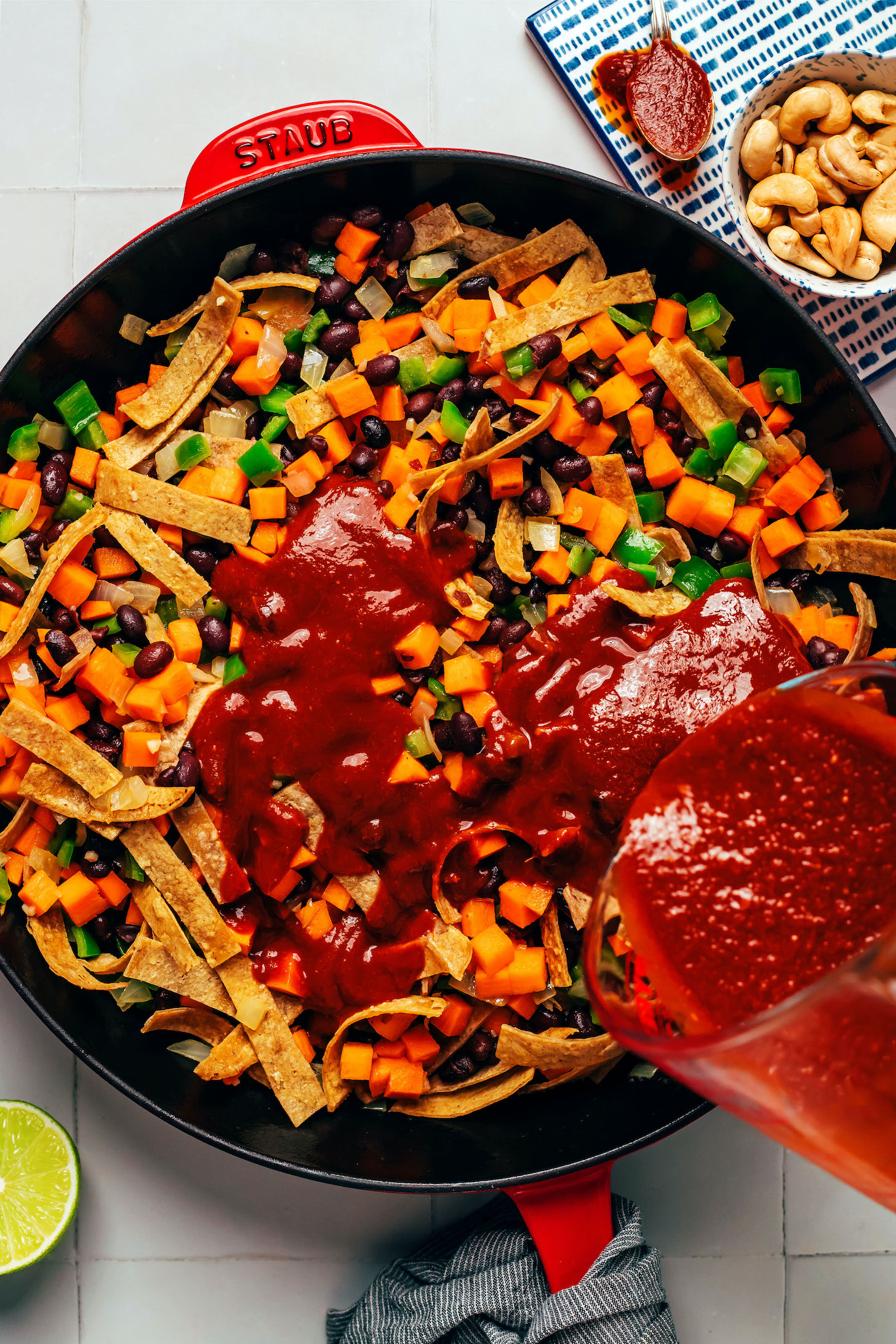
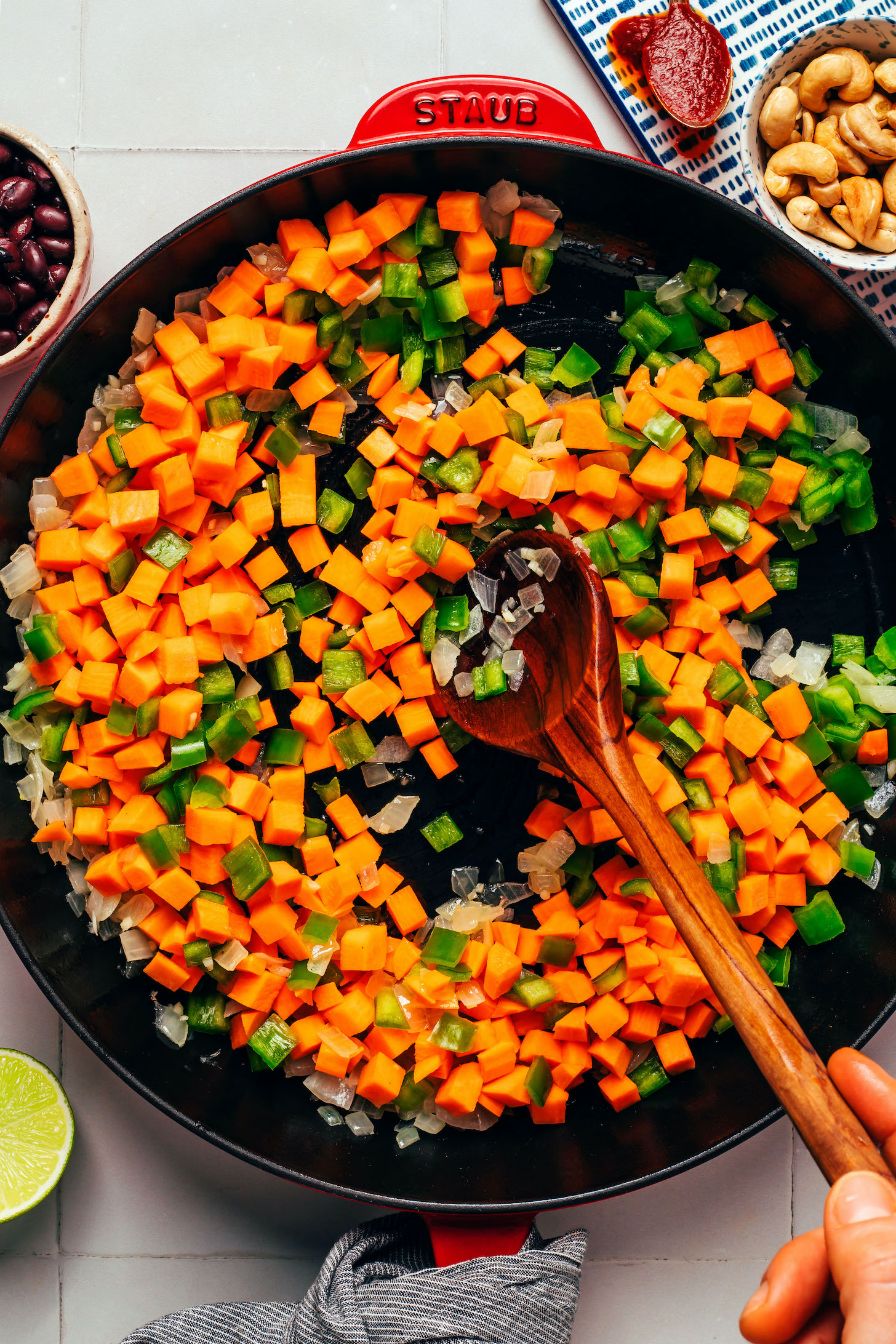
- 0–10 Minutes: Initial sautéing of aromatic vegetables and dense starches. Precision in cutting the sweet potatoes into 1/4 to 1/2-inch cubes is essential to ensure even cooking within the designated window.
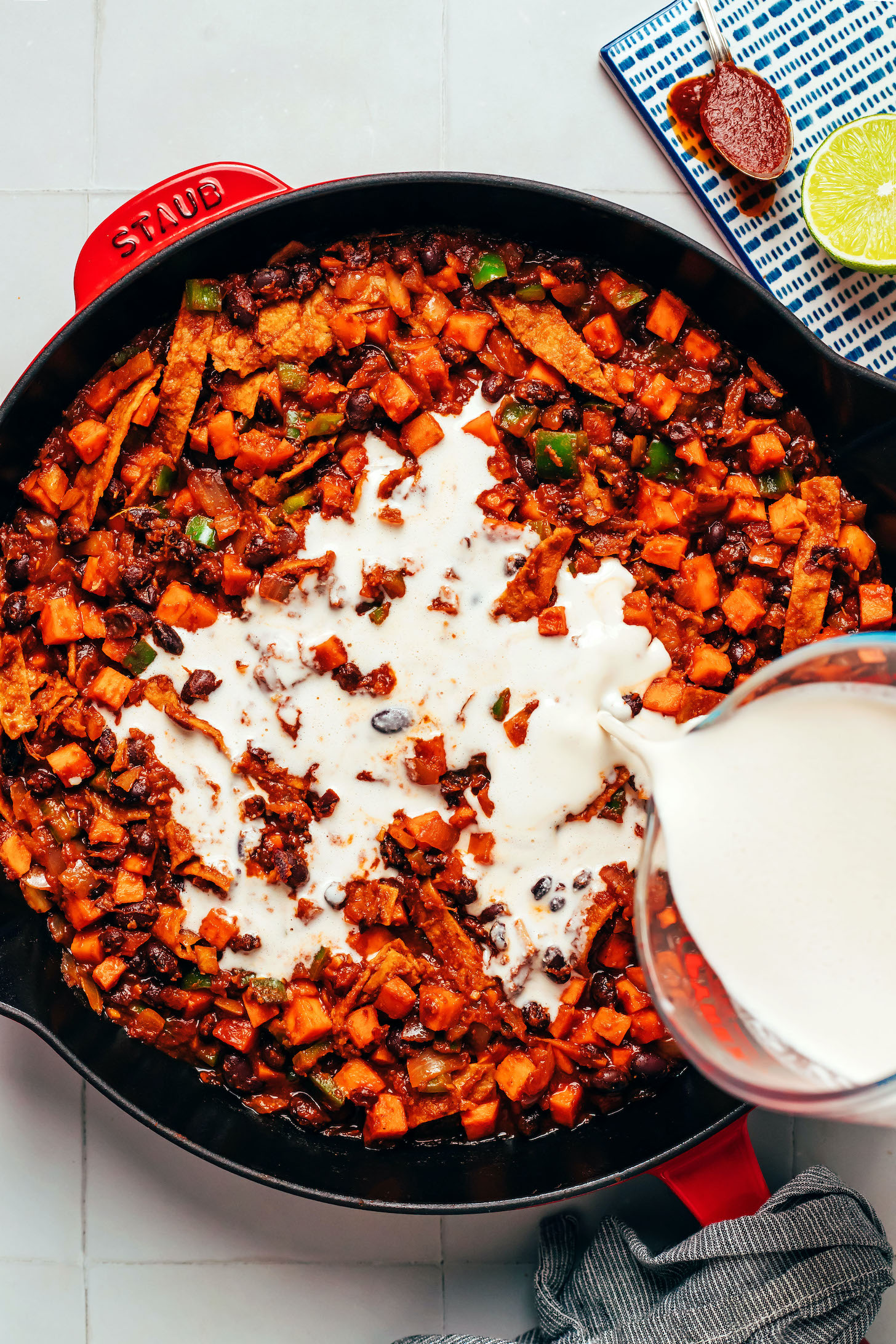
- 10–20 Minutes: Incorporation of black beans and sliced tortillas, followed by the addition of the red enchilada sauce. This stage involves a brief simmering period, which allows the sauce to permeate the tortillas and harmonize the flavors.
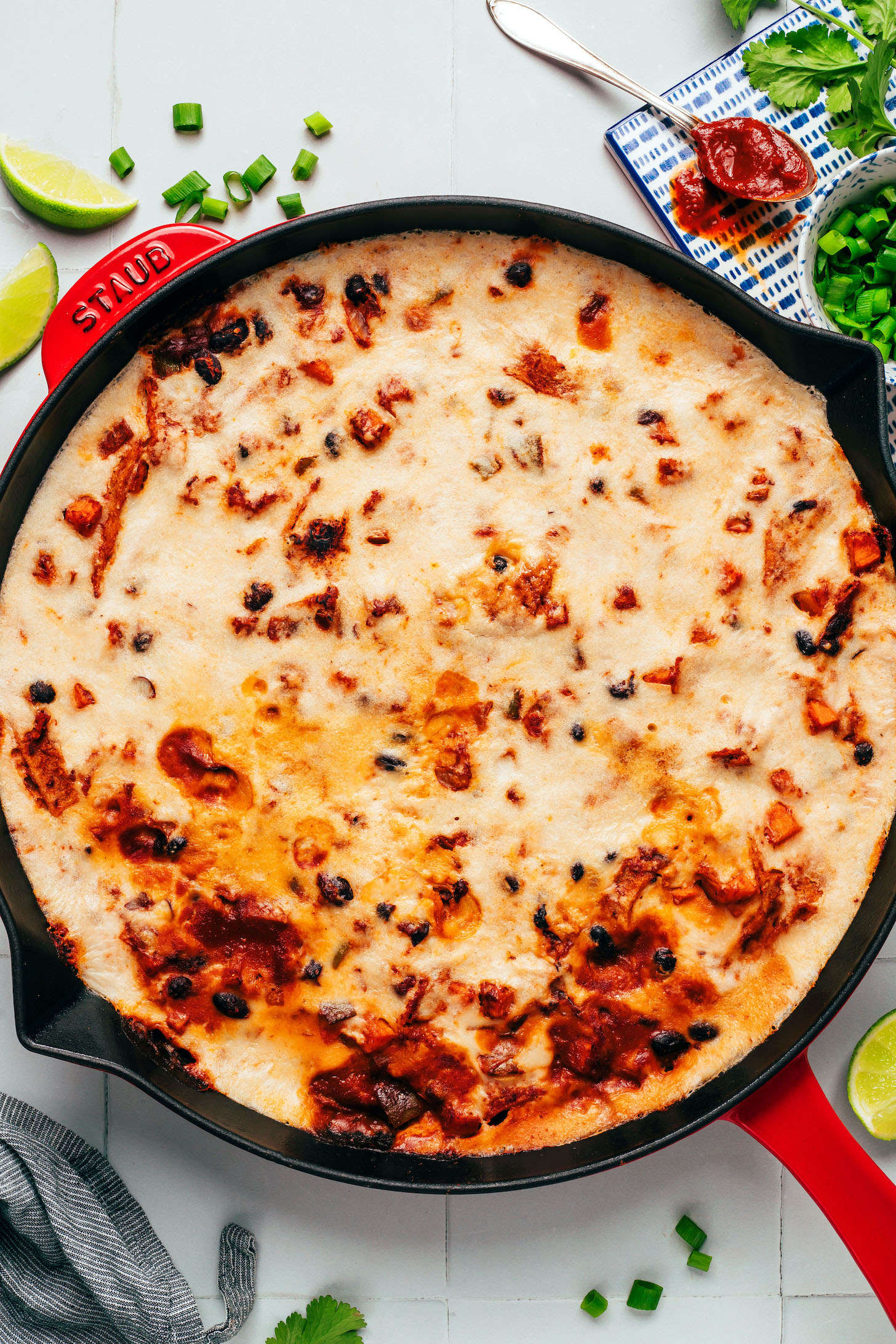
- 20–30 Minutes: Final assembly. The cashew-based sauce is poured over the top, and the pan is covered. This step creates a steam-bath environment that facilitates the melting of the sauce and ensures the vegetables reach optimal tenderness.
Nutritional Analysis and Supporting Data
Data provided by nutritional audits of this recipe suggest a profile high in fiber and essential micronutrients. A standard serving contains approximately 416 calories, with 14.3 grams of fiber and 13.6 grams of protein. The absence of cholesterol and the inclusion of Vitamin A and iron, derived largely from the sweet potatoes and black beans, highlight the dish’s status as a nutrient-dense alternative to traditional comfort foods.
The inclusion of raw cashews introduces a source of heart-healthy monounsaturated fats. While the sodium content is noted at 940 mg per serving, this is largely dependent on the brand of commercial enchilada sauce utilized, as many store-bought varieties are higher in sodium than homemade alternatives.
Broader Industry Implications
The success of such recipes underscores a wider shift in consumer behavior. Data from market research firms indicate that there is an increasing demand for "semi-homemade" meals that offer the health benefits of whole-food, plant-based cooking without the time constraints typically associated with scratch-cooking.
Furthermore, the "skillet" format demonstrates the potential for cross-cultural adaptation in home cooking. By stripping away the traditional form factor of the enchilada—the rolled tortilla—and retaining the essential flavor components, cooks are able to experiment with different base vegetables and proteins. This adaptability has been confirmed by testers, who have noted the efficacy of using green bell peppers when poblanos are unavailable or incorporating additional proteins like shredded tofu or leftover chicken for those seeking a higher protein-to-carbohydrate ratio.
Regulatory and Culinary Reception
While the recipe is not governed by any official culinary standard, it has gained traction in digital cooking communities as a reliable, replicable method for high-volume, low-effort meal production. Culinary experts note that the success of the dish relies heavily on the quality of the enchilada sauce. Whether utilizing a homemade blend or a store-bought variant, the acidity of the sauce must balance the earthy sweetness of the potatoes and the richness of the cashew cream.
The flexibility of the recipe is further bolstered by its storage capabilities. The dish is reported to be freezer-friendly for up to one month, a feature that aligns with the growing trend of "batch cooking" or "meal prepping," where consumers prepare larger quantities of food in advance to optimize time management throughout the work week.
Conclusion and Future Outlook
The Cheesy Vegan Enchilada Skillet serves as a case study in the modernization of traditional recipes. By applying contemporary knowledge of plant-based thickeners and focusing on a one-pan cooking methodology, the dish effectively bridges the gap between traditional cultural staples and the requirements of a fast-paced, health-conscious society. As home kitchens continue to prioritize utility and sustainability, it is likely that similar "skillet-style" adaptations of heritage recipes will continue to occupy a central role in domestic culinary practices.
For those looking to integrate this dish into a broader dietary framework, it serves as a highly modular template. Whether served as a standalone entrée or paired with secondary dishes like jicama slaw or citrus-cabbage salads to increase the vegetable volume, the skillet provides a versatile, efficient, and nutritionally robust solution for modern dining.
