
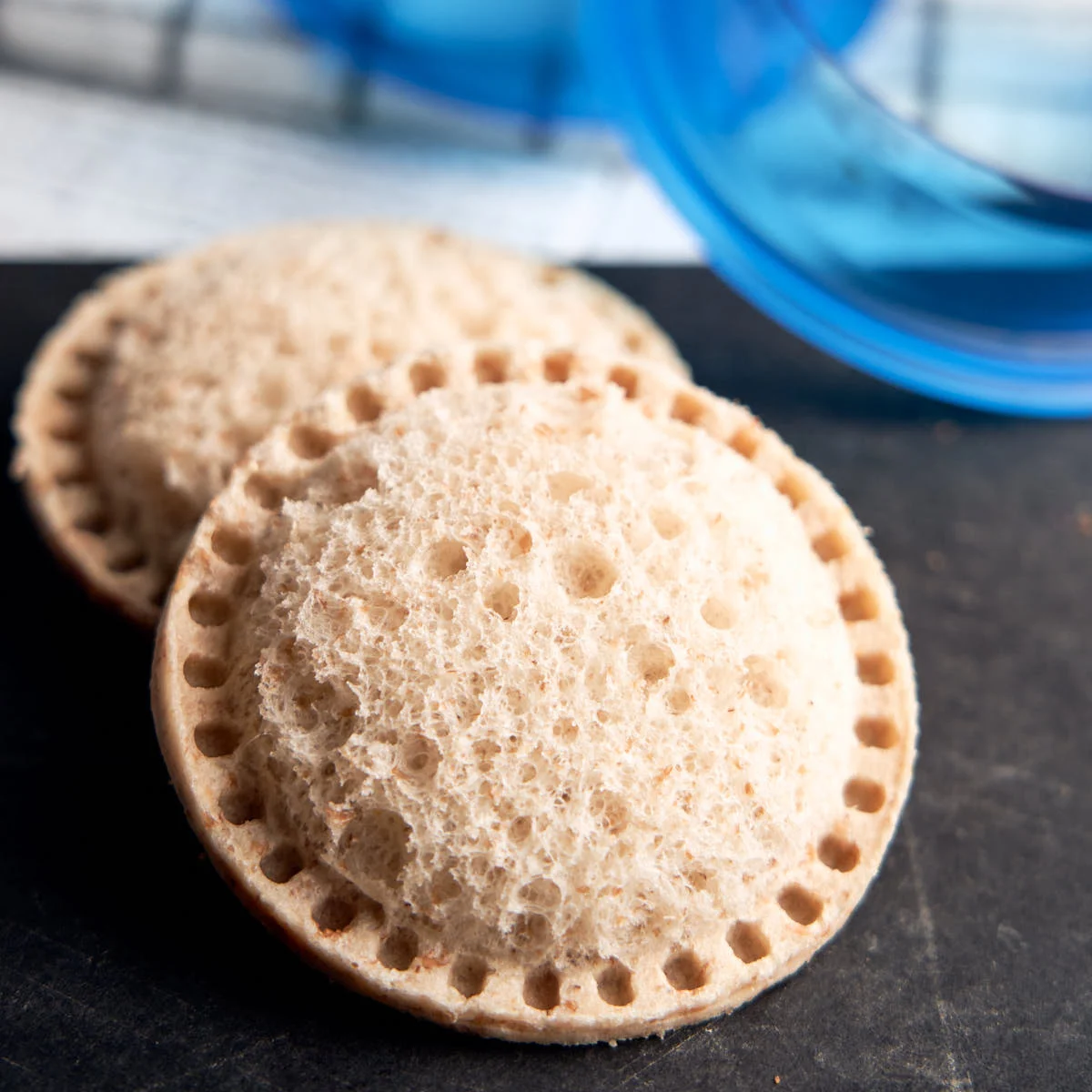
The Rise of the Homemade Sealed Sandwich
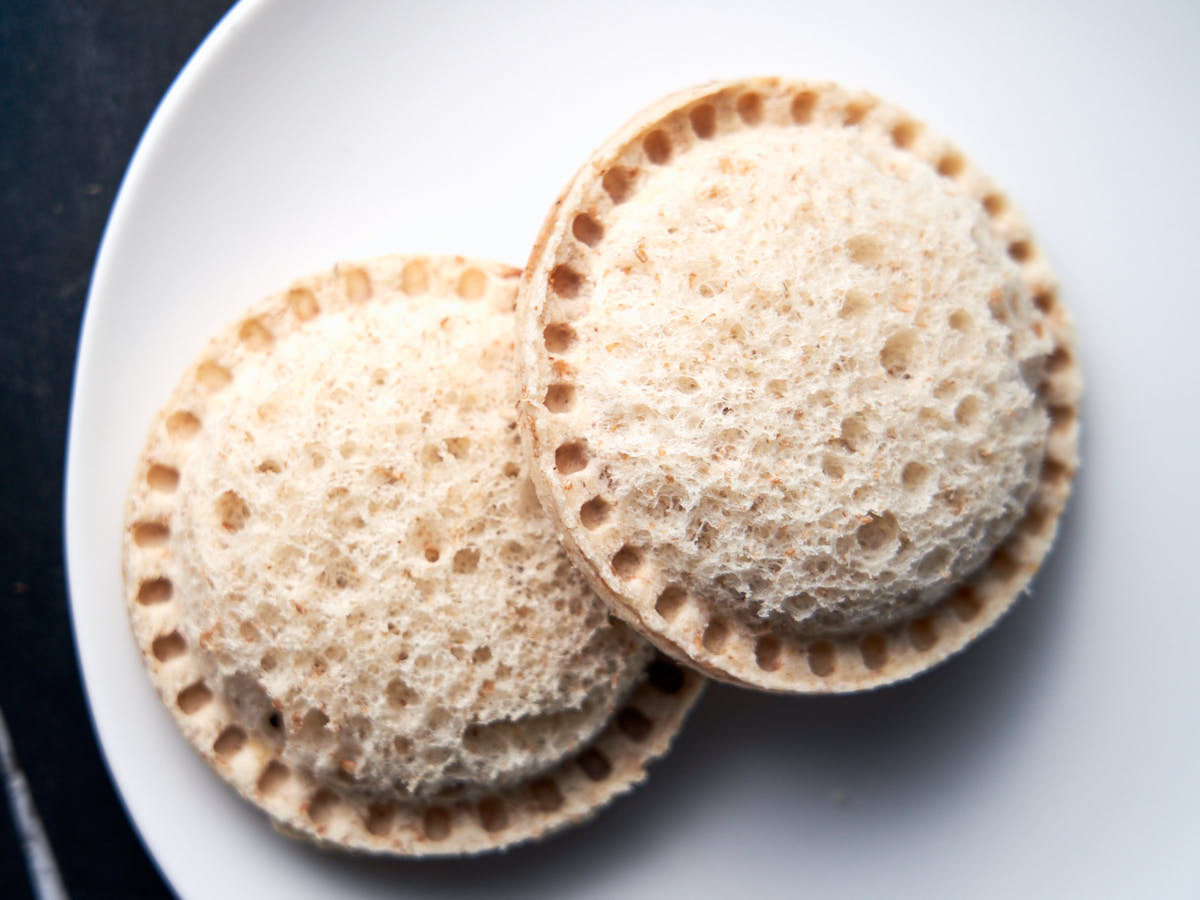
The concept of the "uncrustable"—a circular, crimped-edge sandwich containing a sweet or savory filling—gained significant market traction in the early 2000s, primarily due to the convenience of pre-packaged, frozen lunch items. However, recent data from consumer advocacy groups and nutrition-focused publications indicates a growing trend toward "kitchen-prepared" convenience foods.
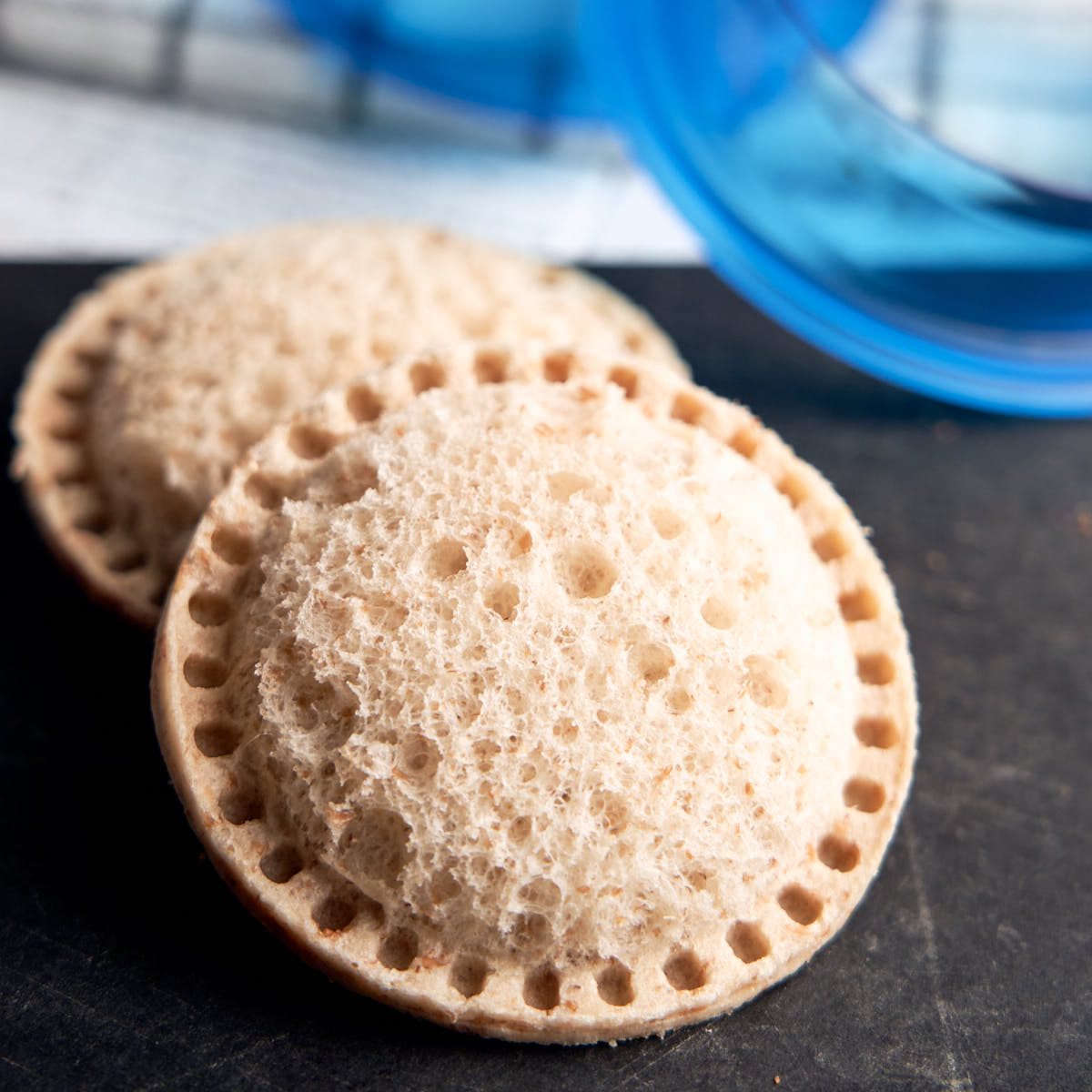
Families are increasingly prioritizing the elimination of high-fructose corn syrup, artificial preservatives, and excess sodium often found in long-shelf-life commercial products. By utilizing a manual sandwich cutter and sealer, households can produce identical results in minutes, effectively bypassing the logistical limitations of industrial processing. The financial implications are also noteworthy; while a box of store-bought sandwiches can carry a premium price point, bulk purchasing of bread, natural peanut butter, and raw honey significantly lowers the cost per unit, often by as much as 40 to 50 percent.
Structural Advantages of DIY Sandwich Sealing
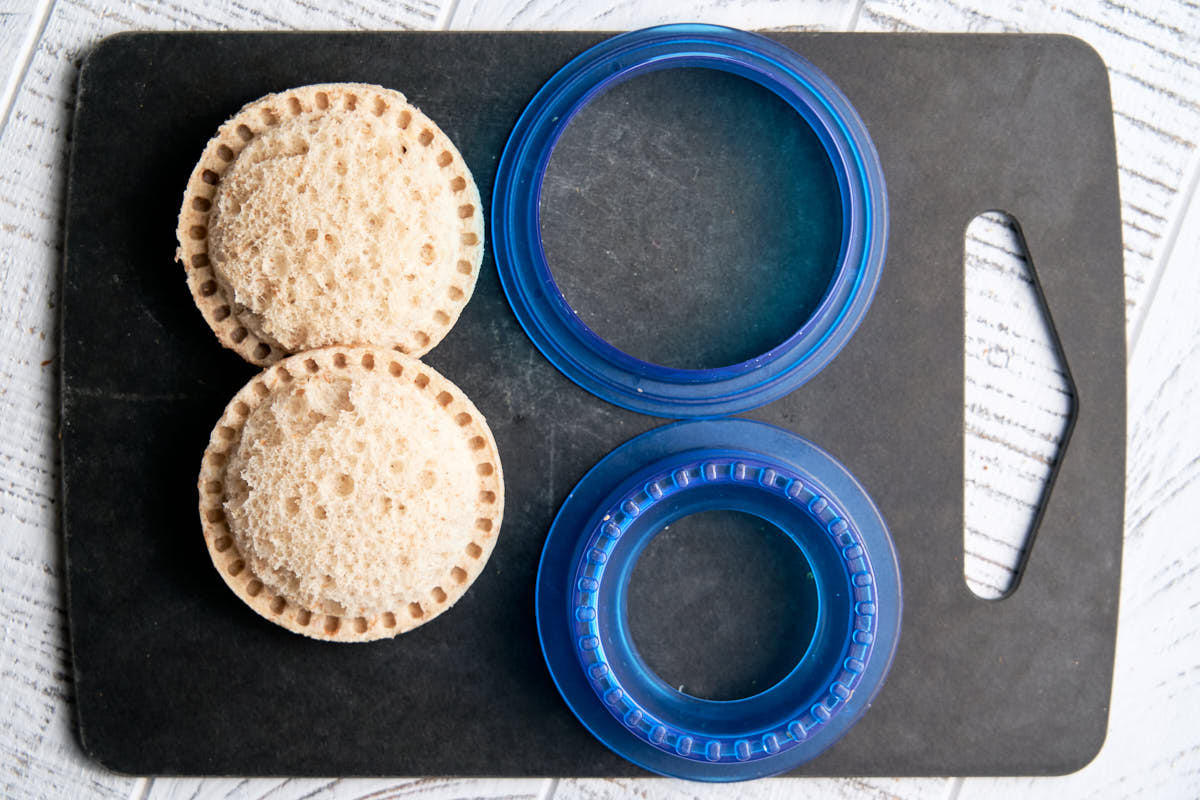
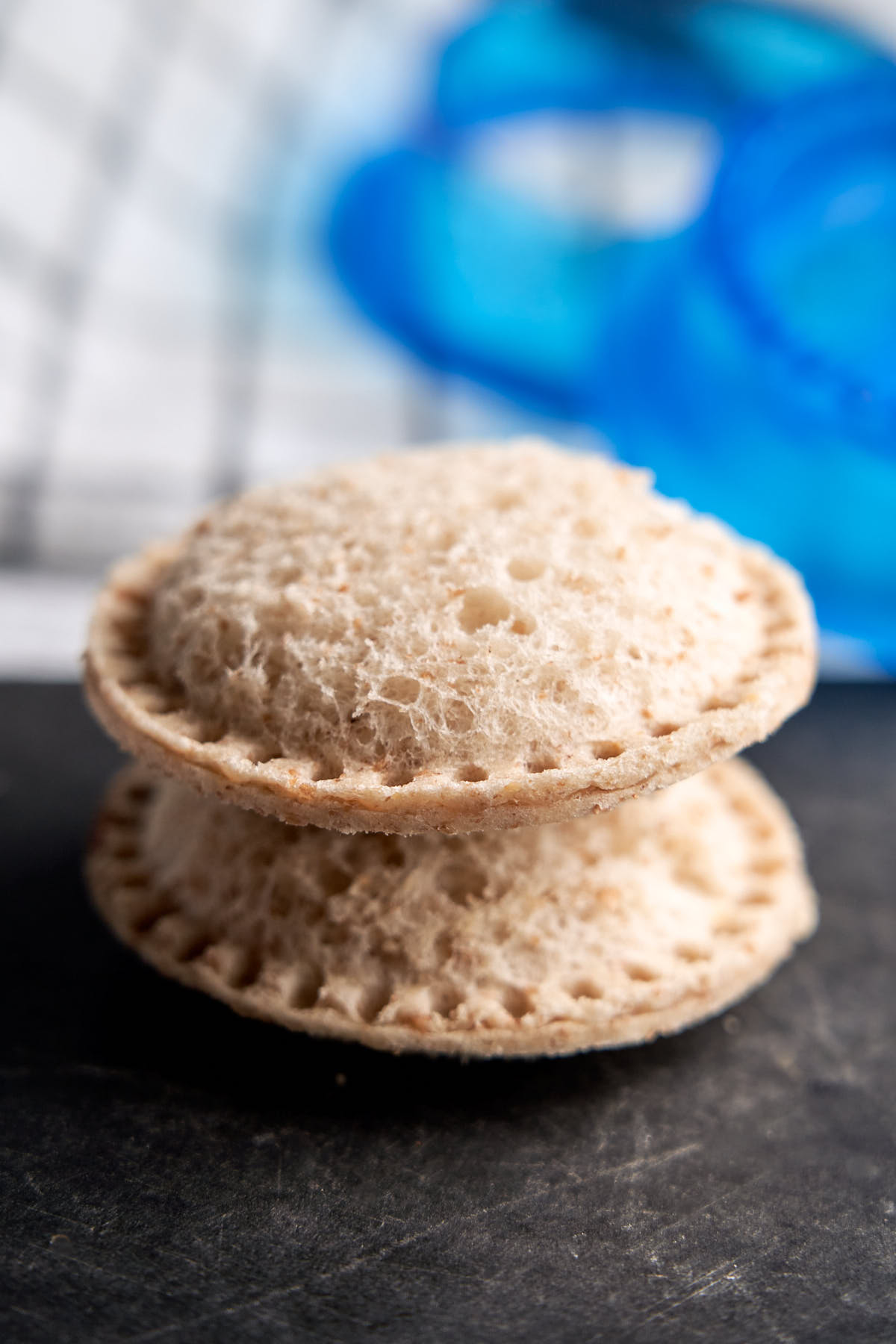
The mechanical process of creating a sealed sandwich involves a two-step operation: cutting the bread into a circular shape and compressing the edges to form a hermetic seal. This design is critical for maintaining the structural integrity of the bread while preventing the filling—in this case, peanut butter and honey—from leaking during transit.
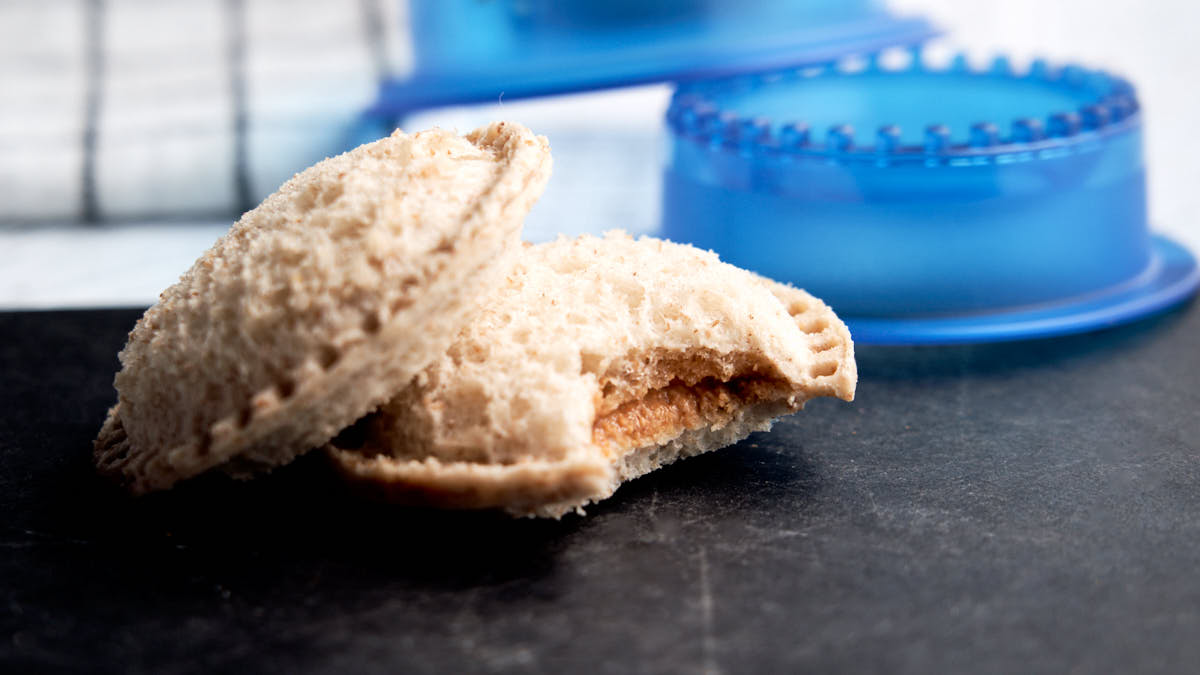
From an engineering perspective, the ideal sandwich sealer features a durable, food-grade plastic or stainless steel construction. Professional kitchen reviews suggest that the "classic" design—which mimics the specific edge pattern found on commercial counterparts—is preferred for its ability to create a consistent, tight crimp. Unlike generic circular cutters, specialized sandwich sealers apply uniform pressure, which is essential when working with honey, a viscous, low-viscosity liquid that can easily migrate if the seal is compromised.
Nutritional Comparison and Ingredient Integrity
A standard commercial frozen sandwich typically contains a list of ingredients designed for shelf stability and freezer longevity. This often includes mono- and diglycerides, various preservatives, and added sugars in the peanut butter and the "honey-flavored" spreads.
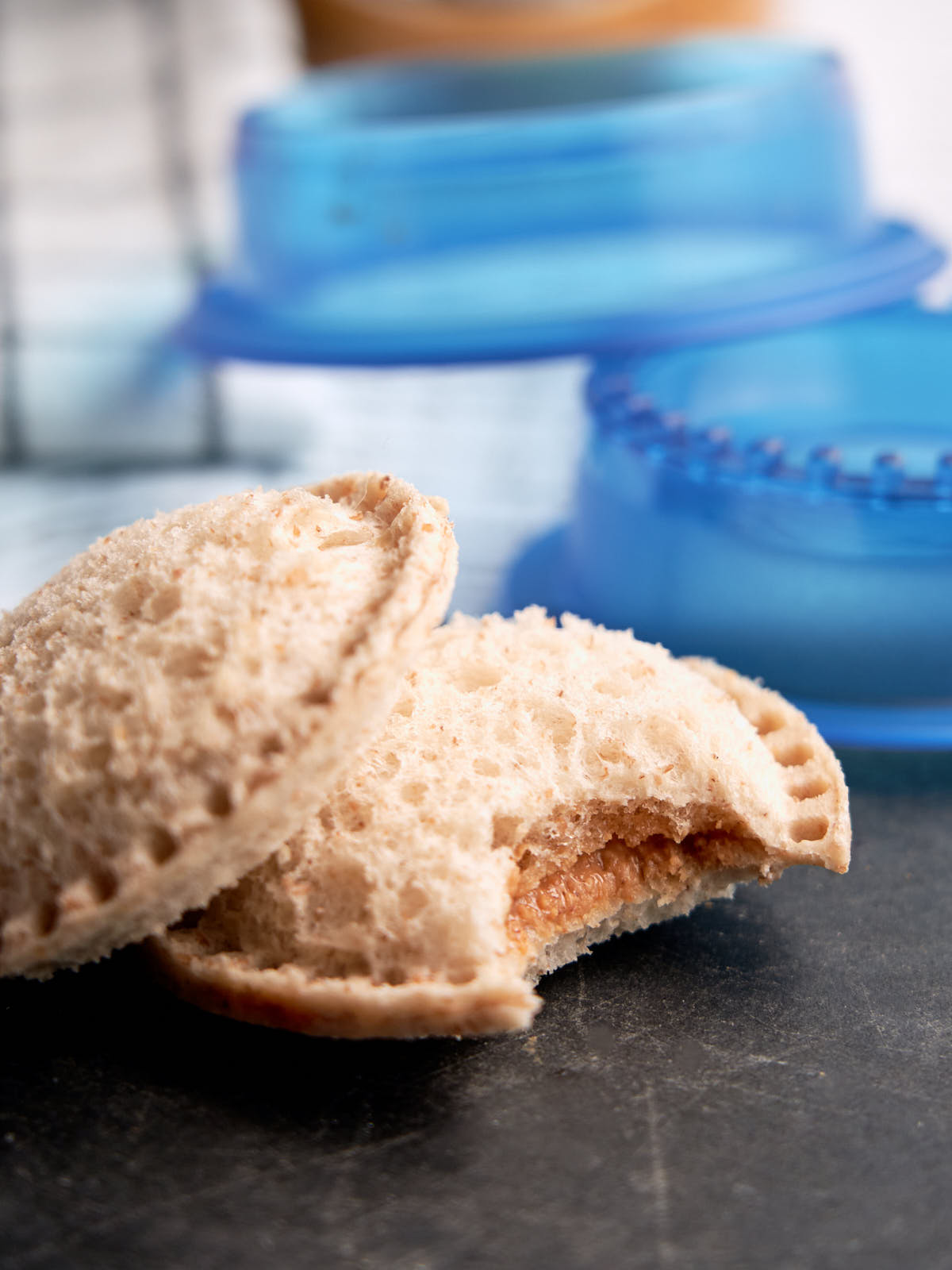
In contrast, the DIY approach allows for a "clean label" composition. A standard homemade peanut butter and honey sandwich consists of three base ingredients:
- Whole-grain or high-quality white bread.
- Natural peanut butter (peanuts, salt).
- Raw or pure clover honey.
By selecting these components, the calorie-to-nutrient ratio is significantly improved. Furthermore, the absence of excessive processed sugar helps mitigate the glycemic impact on children during school hours, offering a more sustained energy release compared to the standard industrial equivalent.
Chronology of the Lunchbox Evolution
The evolution of the school lunch has shifted from the traditional brown bag sandwich to specialized, modular bento-style containers. The integration of homemade "uncrustables" into this system represents the latest stage of this evolution.
- Phase 1 (Pre-2000s): Traditional crust-on sandwiches, often prone to sogginess.
- Phase 2 (2000s–2010s): Rise of mass-produced, frozen sealed sandwiches providing convenience at the cost of ingredient quality.
- Phase 3 (2020s–Present): Adoption of consumer-grade sealing technology allowing for "homemade convenience," focusing on sustainability, cost-reduction, and nutritional transparency.
Addressing Food Waste and Sustainability
One of the most frequently cited concerns regarding the production of crustless sandwiches is the removal of the bread crusts. When mass-produced in a factory, these crusts are often repurposed for animal feed or industrial breadcrumb production. At the household level, however, the management of this byproduct is a significant factor in the sustainability of the practice.
Culinary experts advocate for a "zero-waste" approach, utilizing the removed crusts in several practical applications:
- Crouton Production: By tossing crusts in olive oil or melted butter with herbs (such as rosemary, thyme, or garlic powder) and baking them at low temperatures, households can create high-quality, shelf-stable salad or soup toppings.
- Homemade Breadcrumbs: Through a process of dehydration and mechanical grinding (using a food processor or blender), crusts can be transformed into panko-style breadcrumbs, suitable for breading proteins or thickening casseroles.
- Nutritional Repurposing: In many instances, the crusts are simply consumed as a secondary component of the meal, ensuring that the entirety of the bread slice is utilized.
Economic and Environmental Implications
Beyond the nutritional benefits, the environmental impact of moving away from single-use plastic packaging associated with store-bought frozen sandwiches is considerable. Store-bought versions often come individually wrapped in plastic, leading to significant waste accumulation over a school year. By preparing these sandwiches at home and utilizing reusable containers, families can drastically reduce their personal carbon footprint and reliance on single-use plastics.
Economically, the DIY model is shielded from the inflationary pressures often applied to processed, branded goods. The cost of a jar of peanut butter and a squeeze bottle of honey remains relatively stable compared to the volatile pricing of processed, brand-name frozen items, which are subject to marketing markups and complex supply chain costs.
Conclusion: A Sustainable Lunchroom Standard
The adoption of homemade peanut butter and honey sandwiches is more than a culinary trend; it is a strategic decision by families to reclaim control over the quality, cost, and environmental impact of their daily meals. By utilizing simple, effective kitchen tools, parents can provide a product that is nutritionally superior to its mass-produced counterpart while simultaneously teaching children the value of food preparation and waste reduction. As the market for kitchen gadgets continues to expand, it is likely that the "homemade, sealed" category will remain a staple in the modern, health-conscious household. Through the careful selection of ingredients and a commitment to zero-waste practices, this traditional combination of peanut butter and honey continues to serve as an efficient, reliable, and popular solution for modern dietary needs.
